Vocabulary development Normal Worksheets for Ages 7-9 - Page 2
30 filtered results
-
From - To
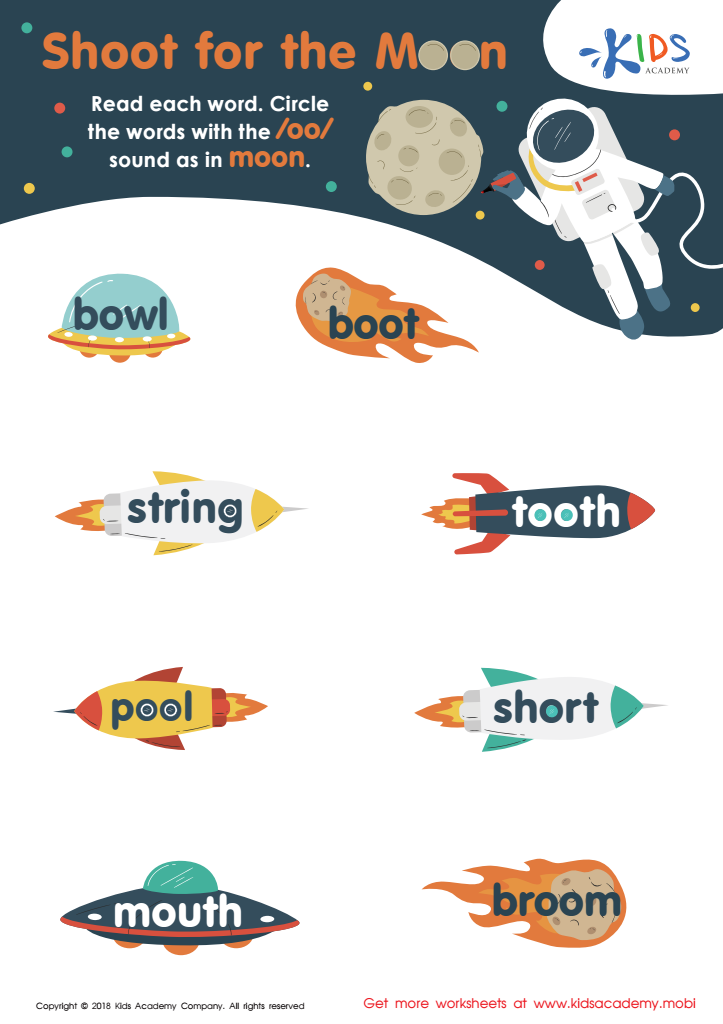
Reading: Shoot for the Moon Worksheet
 Assign to My Students
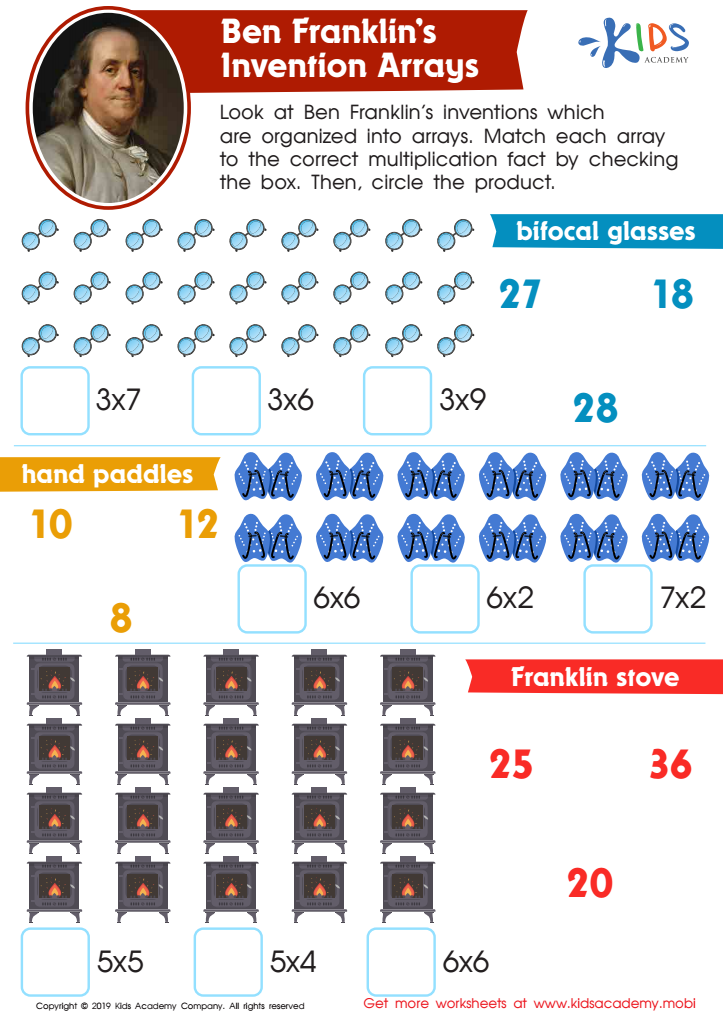
Ben Franklin’s Invention Arrays Worksheet
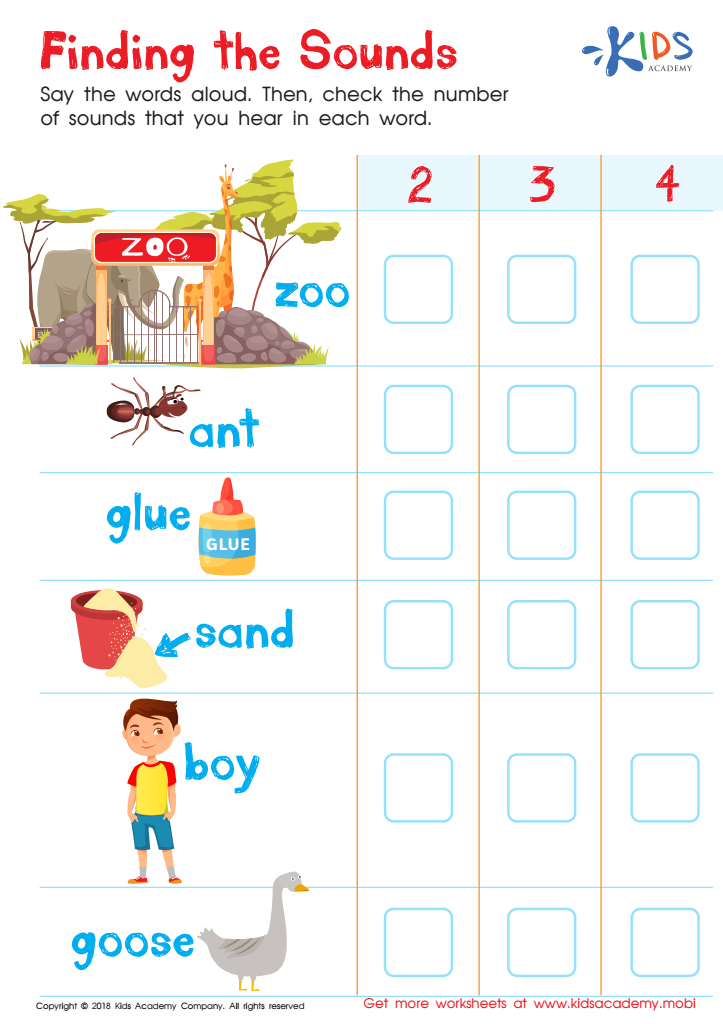
Finding the Sounds Worksheet
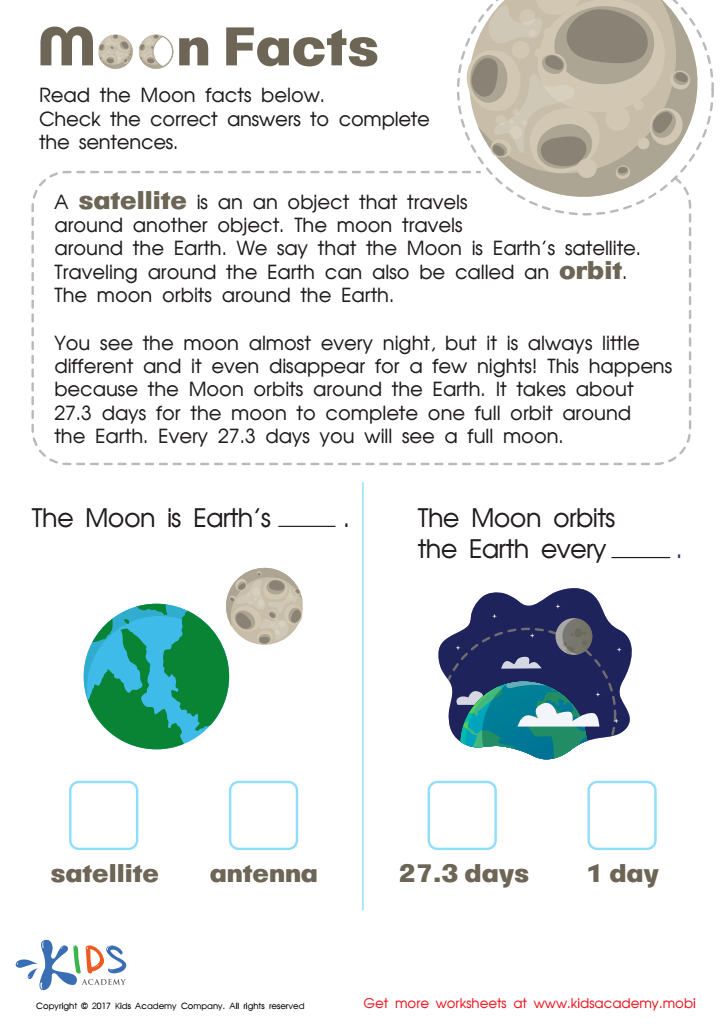
Moon Facts Worksheet
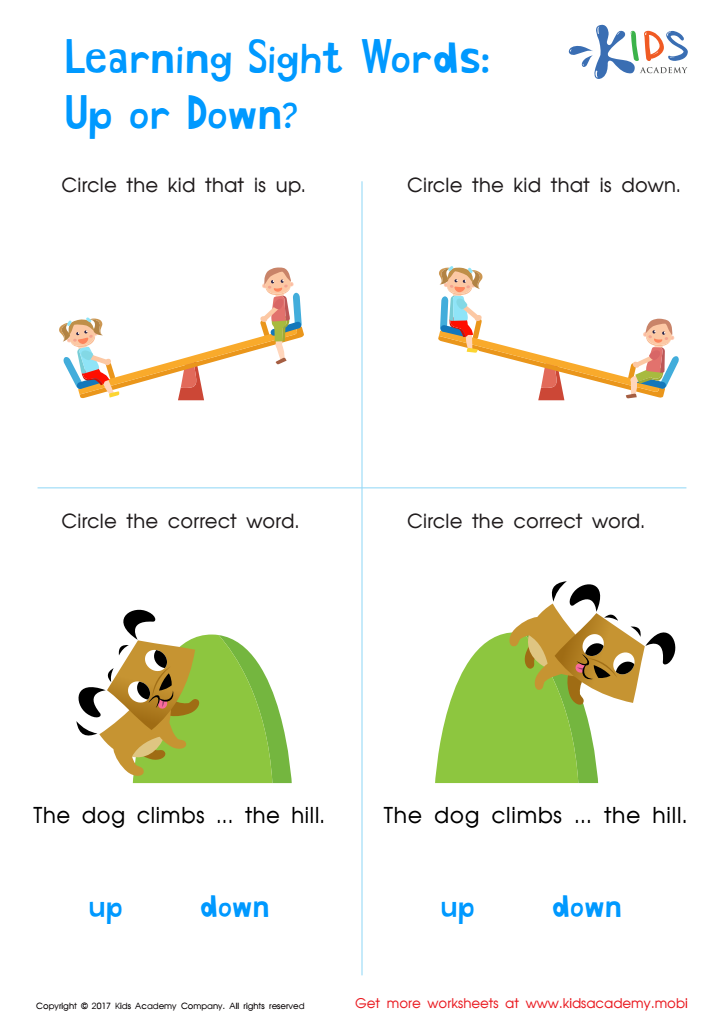
Up or Down Printable Sight Words Worksheet
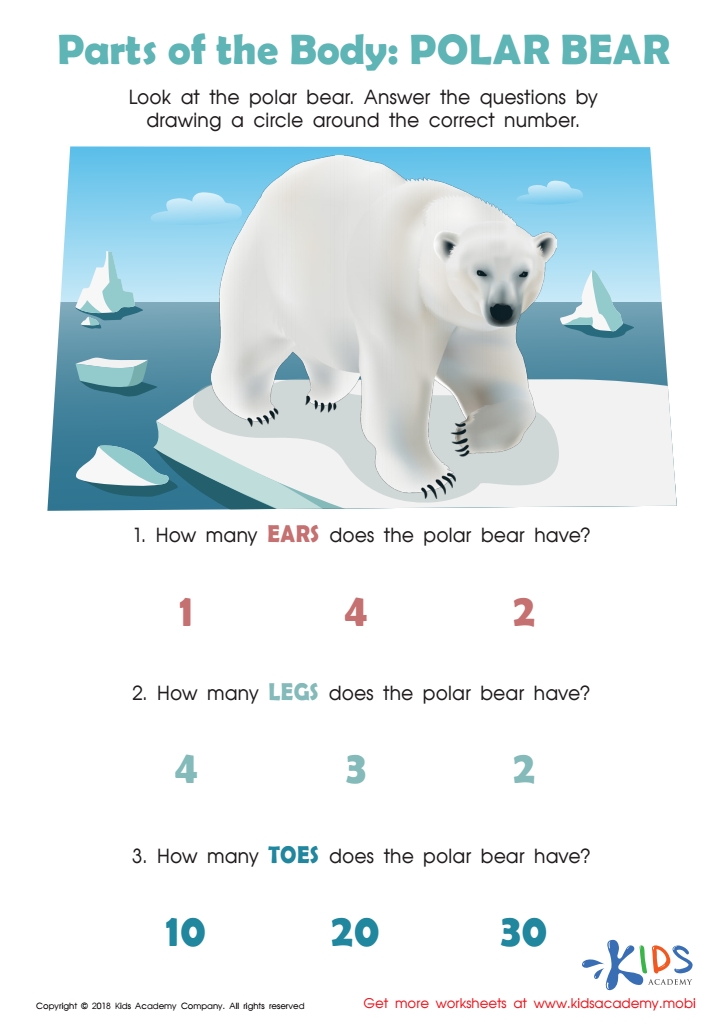
Parts of the Body: Polar Body Worksheet








Vocabulary development is a cornerstone of a child’s academic success and cognitive growth, especially between the ages of 7 to 9. During this period, children transition from learning to read to reading to learn, making a robust vocabulary essential. Having a strong vocabulary enables children to comprehend more complex texts, fostering a love for reading and enhancing communication skills. This, in turn, influences their performance in other subjects like math, science, and social studies, where understanding instructions and questions is critical.
Parents and teachers play pivotal roles in nurturing this development. Introducing rich and varied language experiences helps children understand and use a wide array of words effectively. For teachers, integrating vocabulary lessons seamlessly into the curriculum enhances literacy and critical thinking. Parents can support by engaging in daily conversations, reading together, and playing word games, making learning fun and impactful.
Children with a strong vocabulary tend to have better self-expression and higher self-esteem as they can communicate their thoughts and needs clearly. Early vocabulary development is also linked to later academic achievements and career prospects, highlighting its long-term significance.
In summary, prioritizing vocabulary development in children aged 7 to 9 lays a strong foundation for their educational journey and beyond, making it a crucial focus for parents and teachers alike.








