Problem-Solving Skills Normal Addition & Subtraction Worksheets for Ages 7-9 - Page 2
31 filtered results
-
From - To
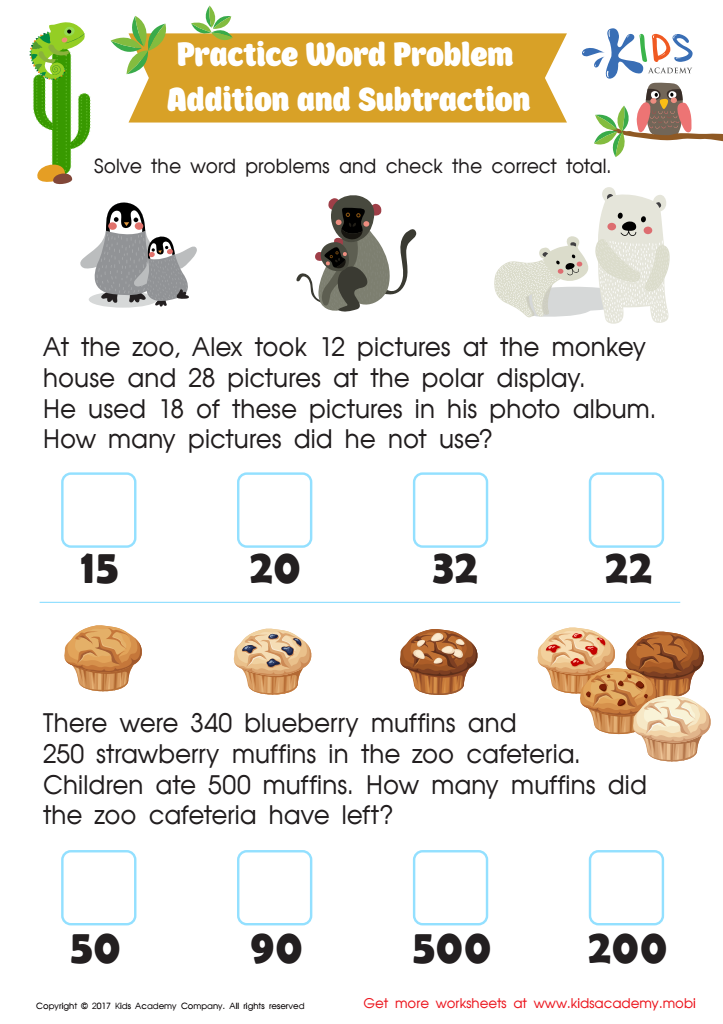
Addition and Subtraction: Word Problems Worksheet
 Assign to My Students
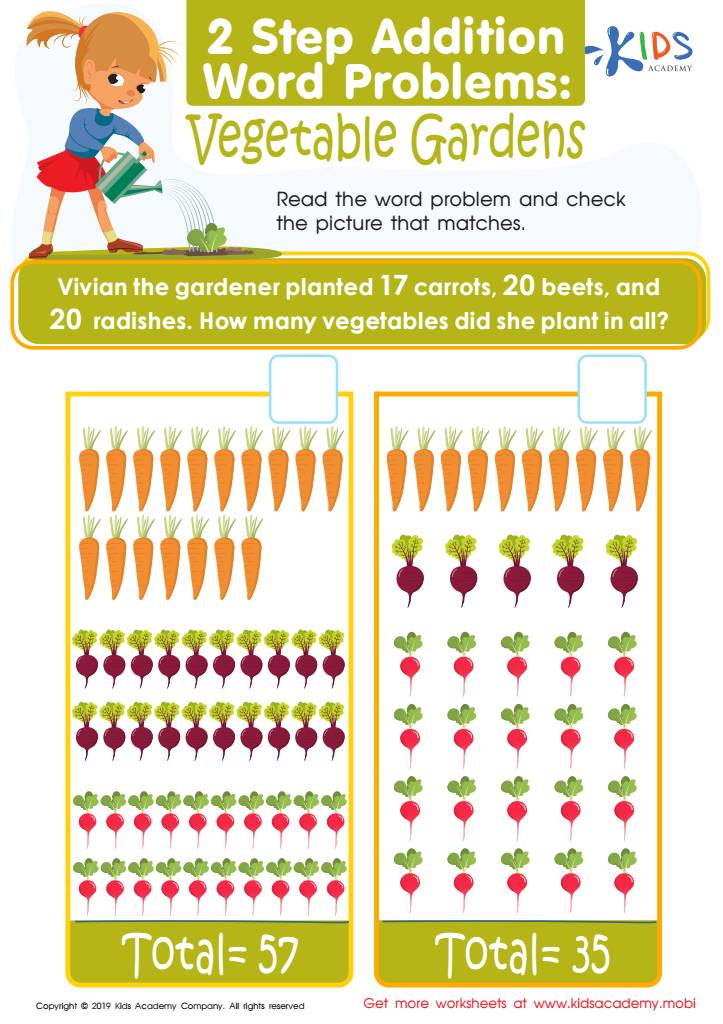
Vegetable Gardens Worksheet
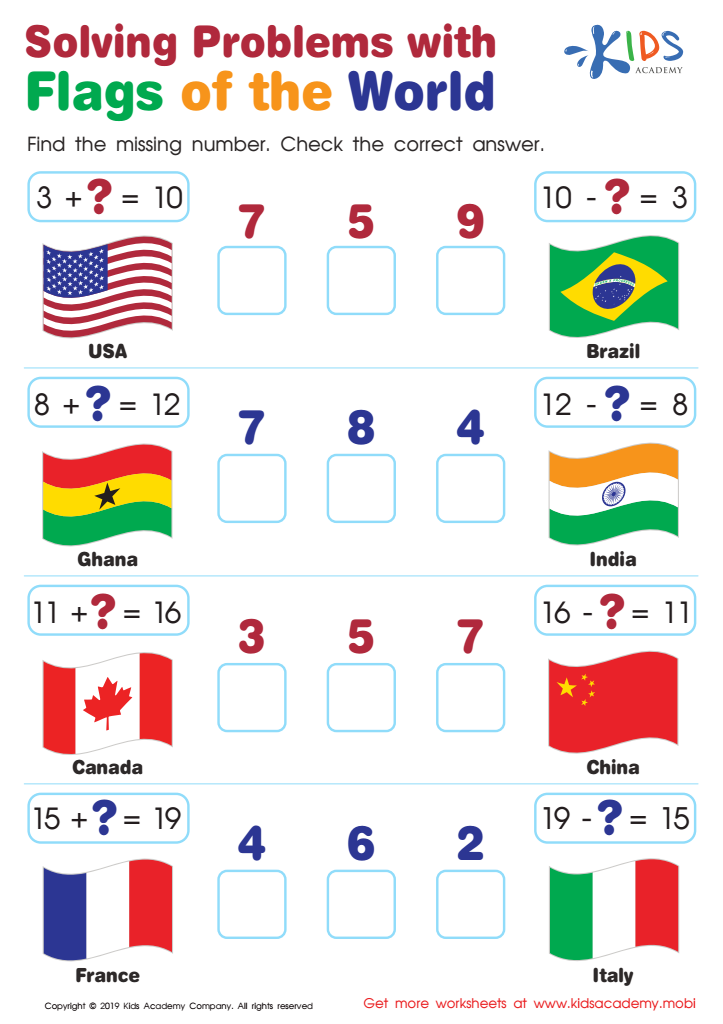
Solving Problems with Flags of the World Worksheet
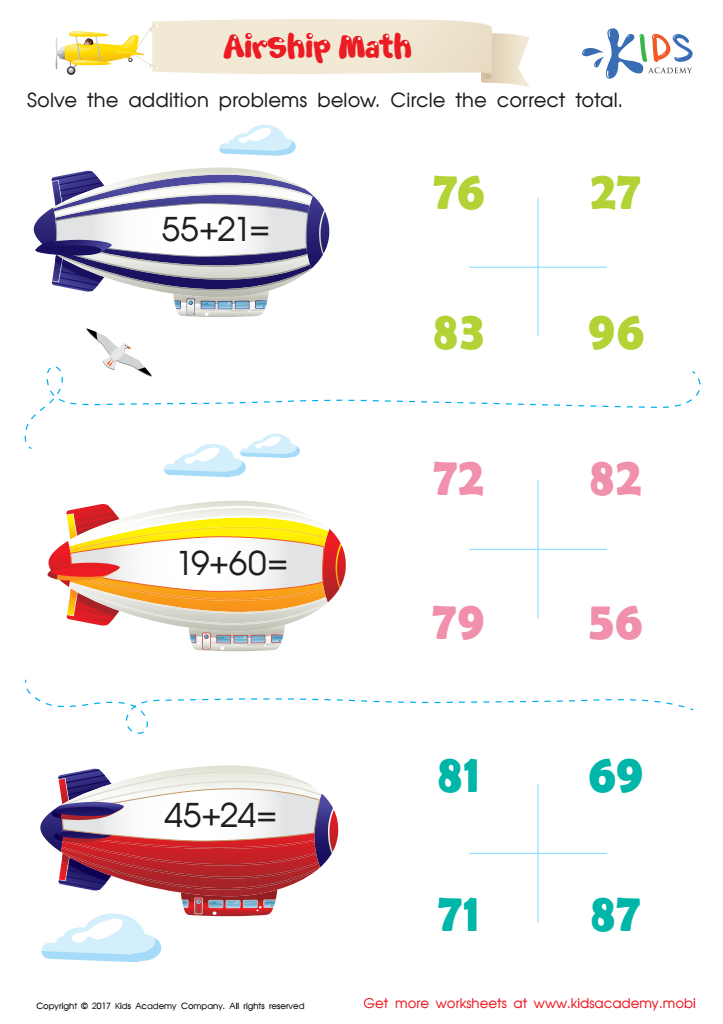
Airship Math Addition Printable
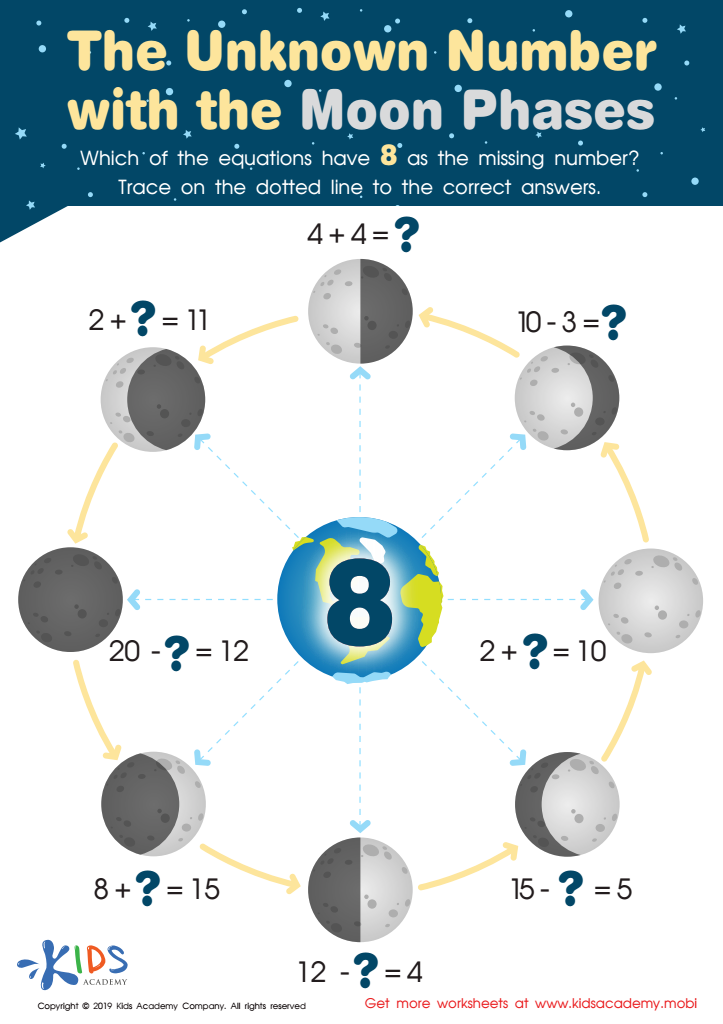
The Unknown Number with the Moon Phases Worksheet
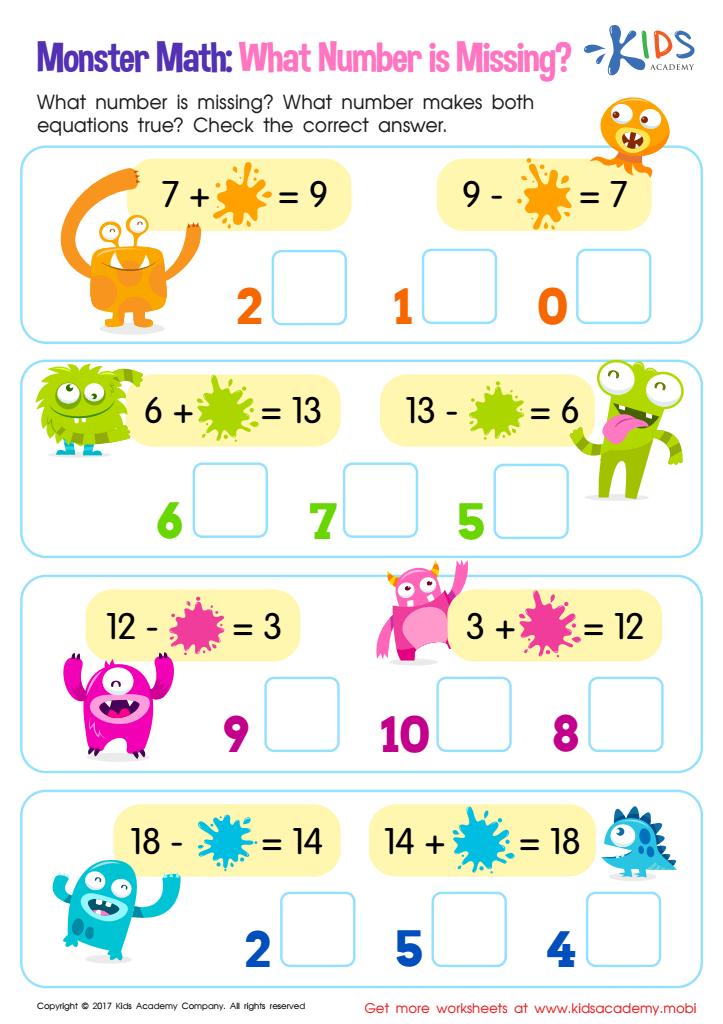
Missing Number: Monster Math Worksheet
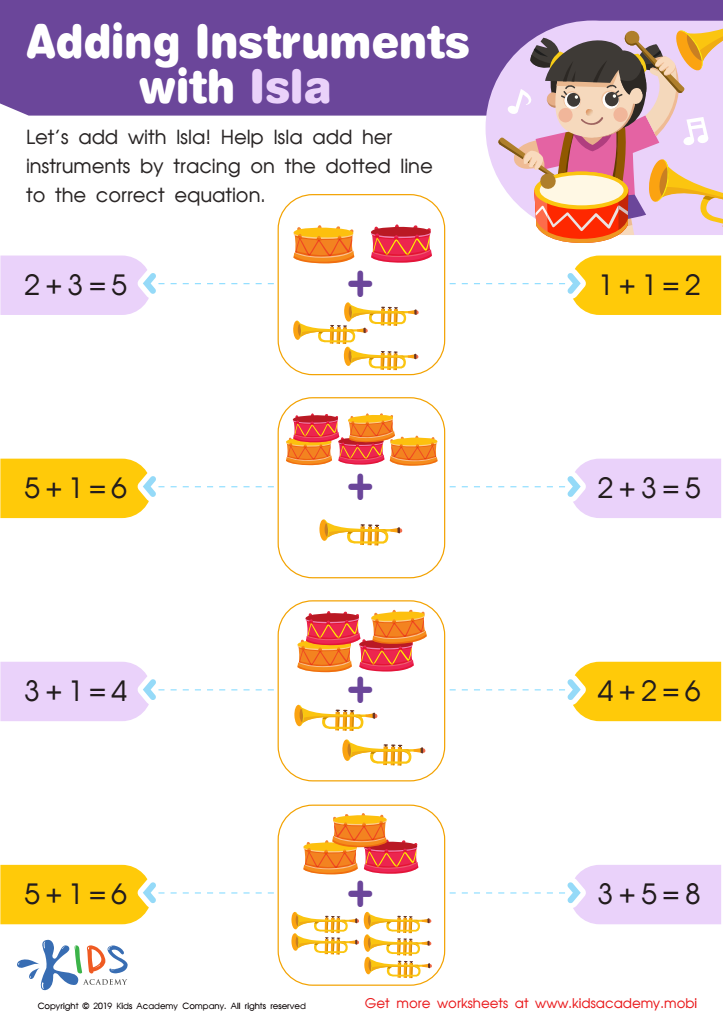
Adding Instruments with Isla Worksheet








Parents and teachers should care about developing problem-solving skills in normal addition and subtraction for children aged 7-9 because these are foundational skills for their overall cognitive development and future academic success. At this age, children are building the foundational blocks of their mathematics understanding, which is crucial for more complex concepts they will encounter later.
Strong problem-solving skills in basic arithmetic foster critical thinking, logical reasoning, and independent thought processes. Children learn to think analytically and systematically, which helps in breaking down problems into manageable parts and arriving at solutions, a skill essential not just in academics but in daily life decisions.
Furthermore, mastery of addition and subtraction enhances confidence in mathematics, promoting a positive attitude towards the subject. This boosts engagement and reduces math-related anxiety, ensuring children are more likely to enjoy and succeed in math as they progress through school.
From a practical standpoint, these skills are used in everyday tasks like handling money, time management, and even cooking, which encourages self-sufficiency and practical life skills. Early mastery in problem-solving sets a solid groundwork upon which all future learning can be effectively built, making it crucial for children's education and personal development.








