Shape Recognition Normal Math Worksheets for Ages 7-9
12 filtered results
-
From - To
Discover our expertly designed Shape Recognition Math Worksheets for children aged 7-9! These worksheets provide a fun and engaging way to build essential math skills through the exploration of geometric shapes. Students will learn to identify, compare, and categorize various shapes, building a strong foundation for future math success. Each worksheet is crafted to challenge young minds while keeping them motivated and interested. Boost your child's spatial awareness and problem-solving skills with activities that turn learning into play. Ideal for both classroom and at-home practice, these worksheets make shape recognition an enjoyable adventure!
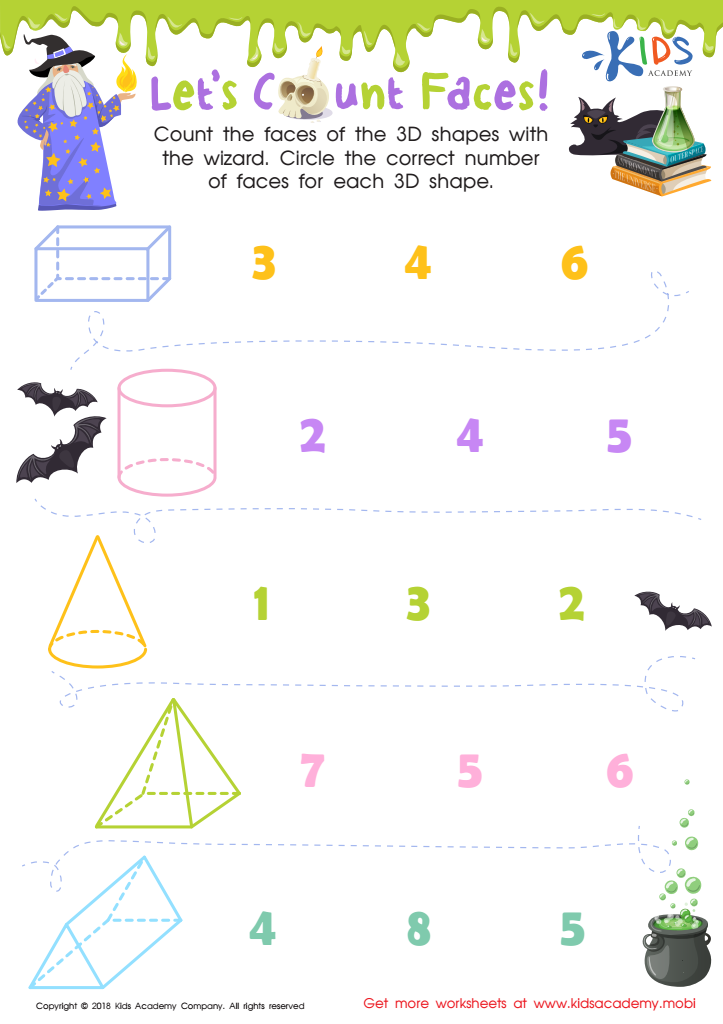
Let's Count Faces! Worksheet
 Assign to My Students
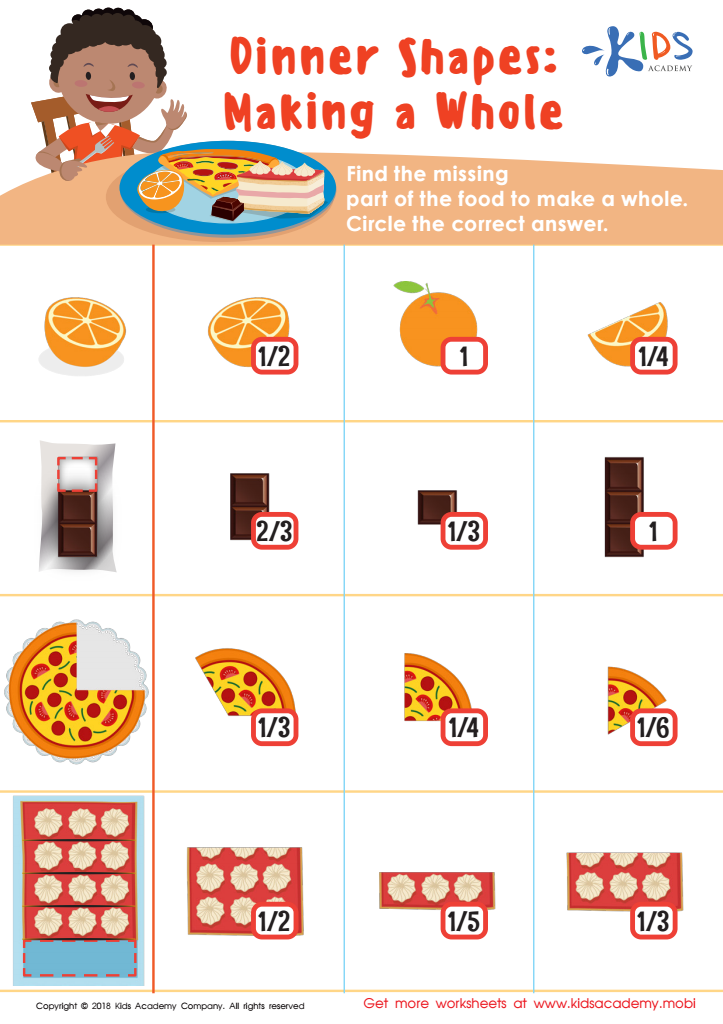
Dinner Shapes: Making a Whole Worksheet
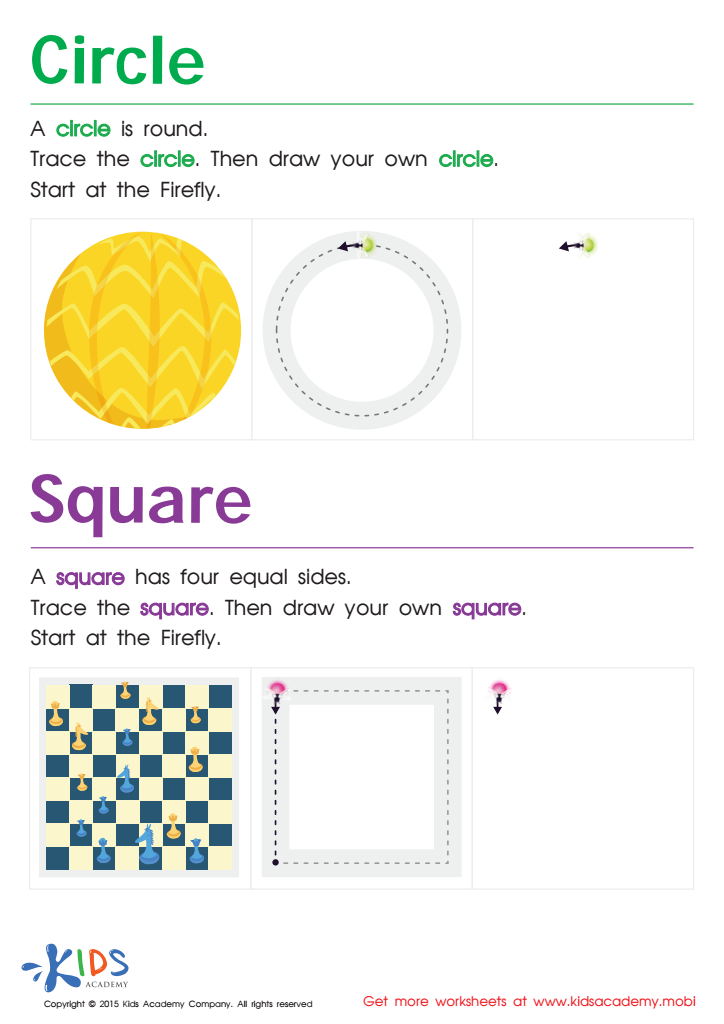
Trace And Draw a Circle And a Square Worksheet
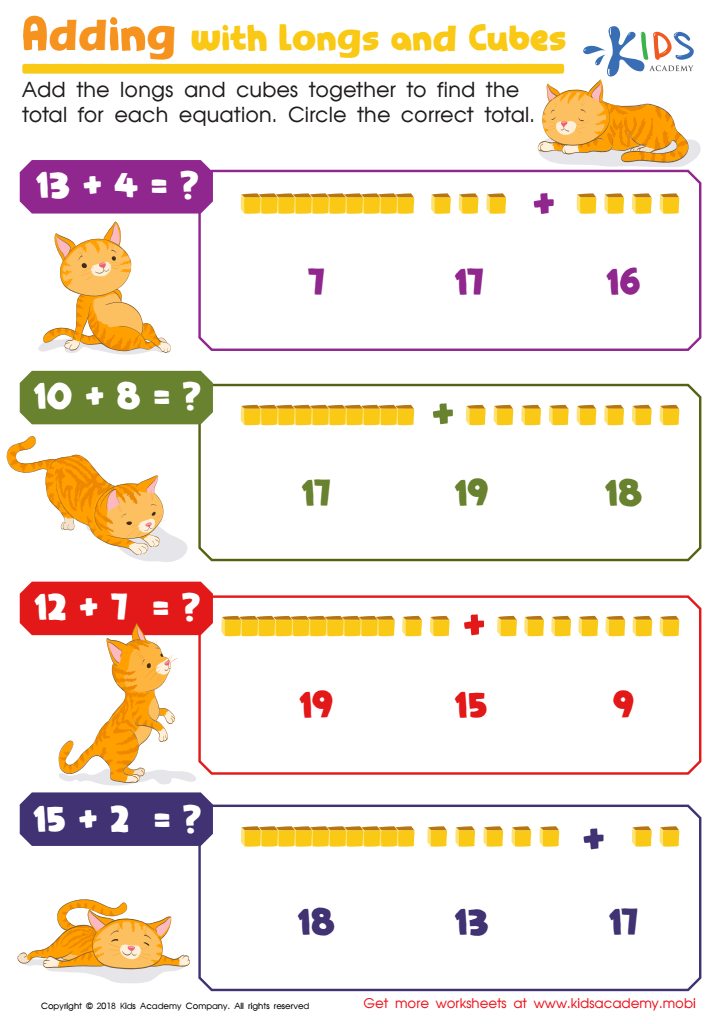
Adding With Longs and Cubes Worksheet
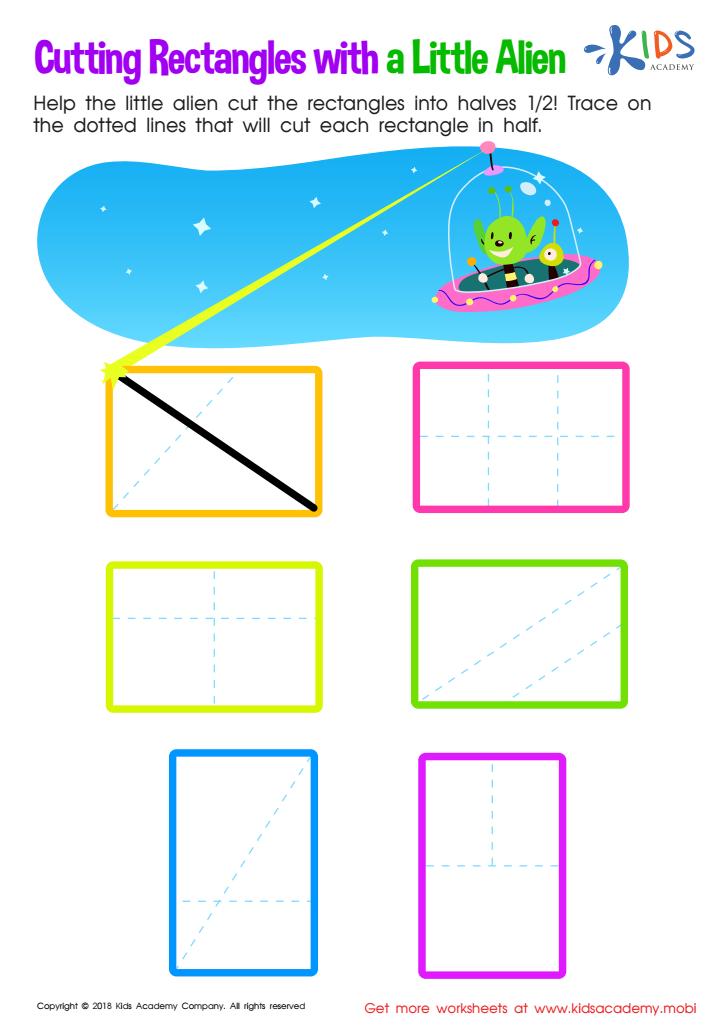
Cutting Rectangles with Alien Worksheet
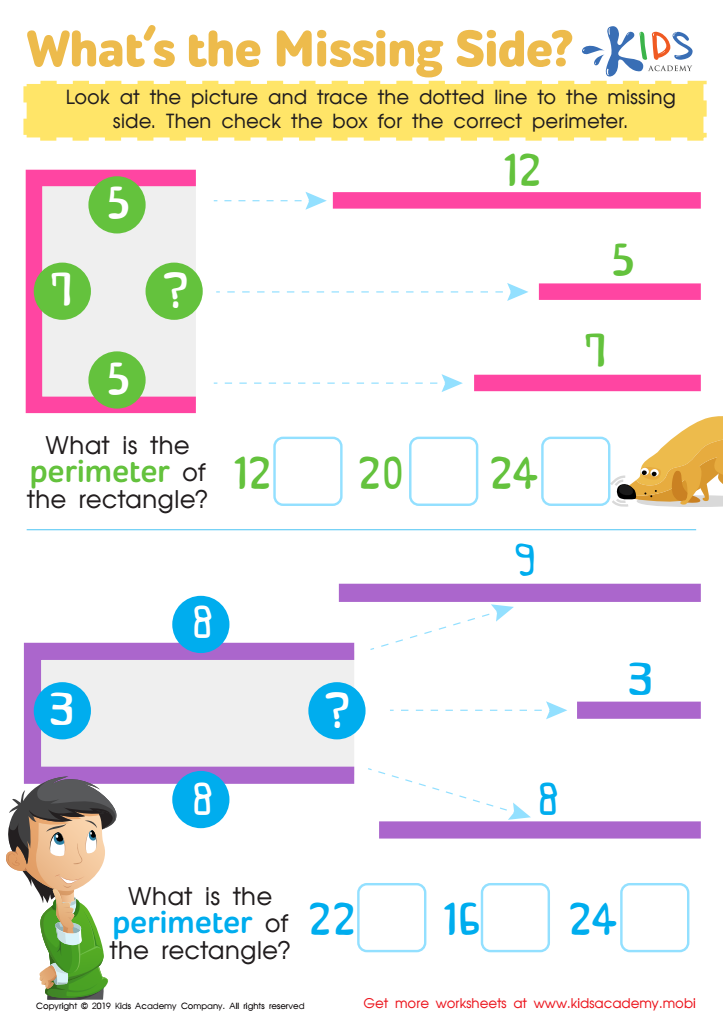
What's the Missing Side Worksheet
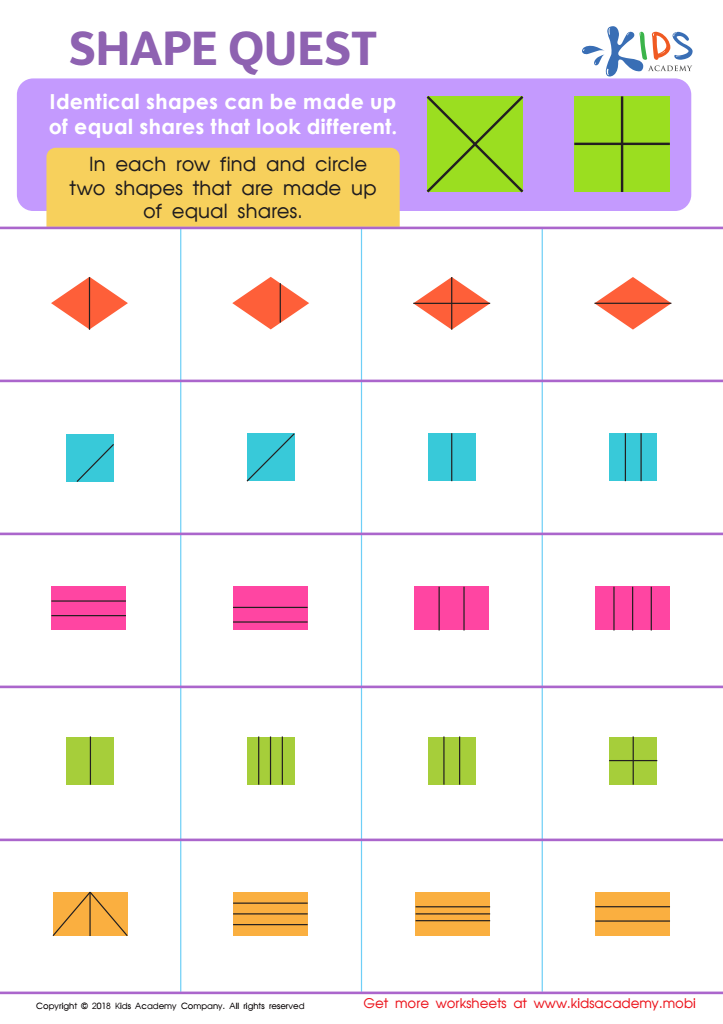
Shape Quest Worksheet
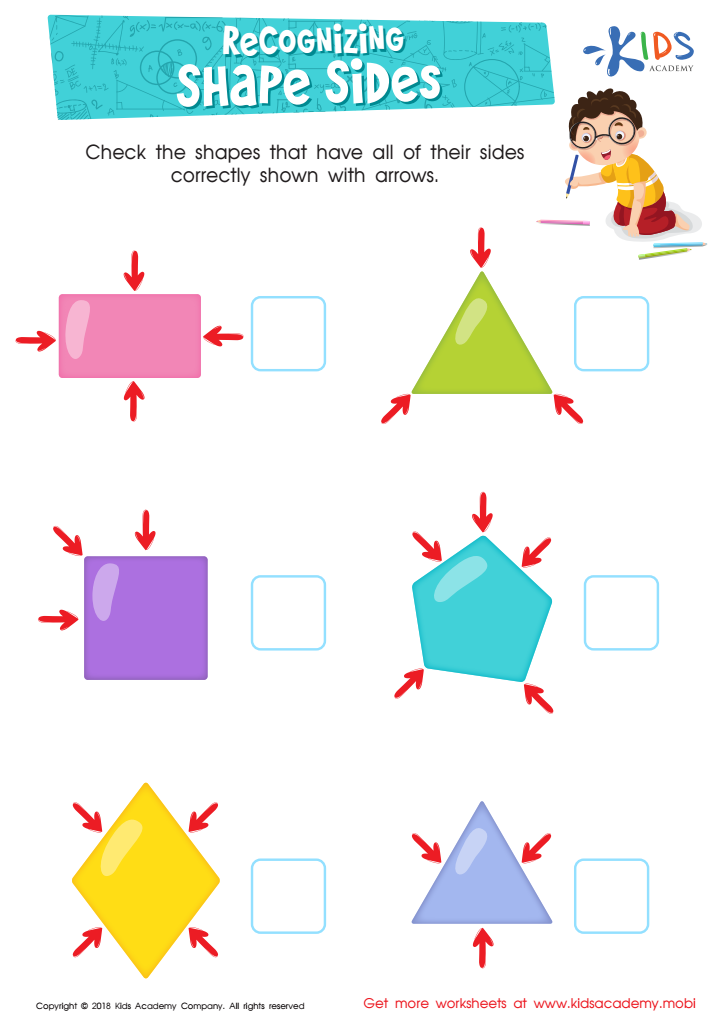
Recognizing Shape Sides Worksheet
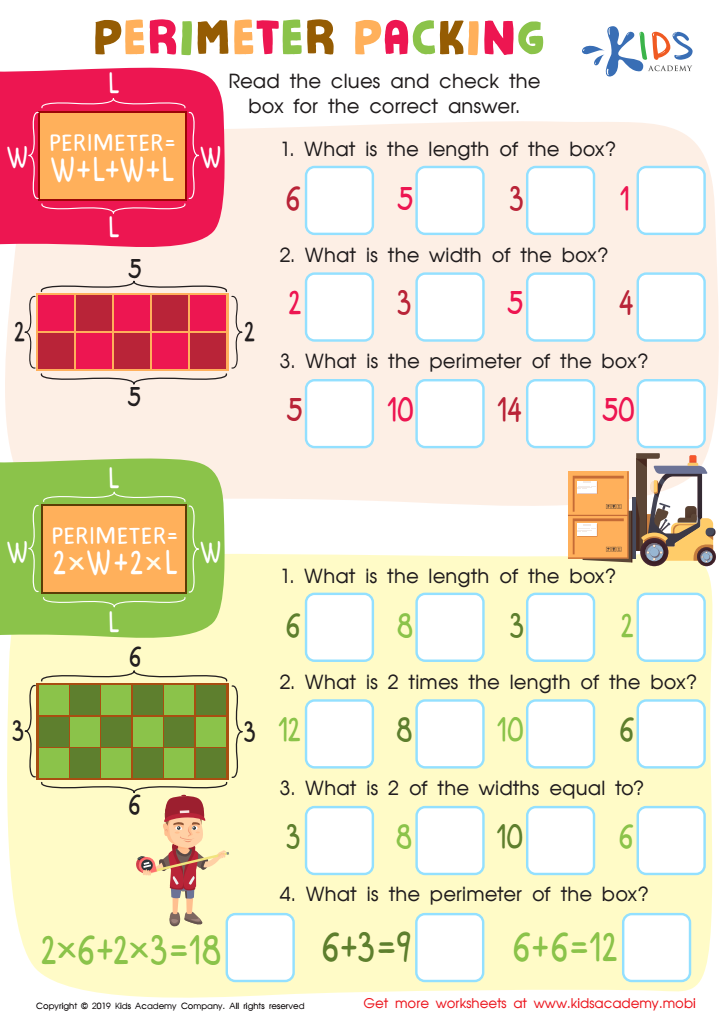
Perimeter Parking Worksheet
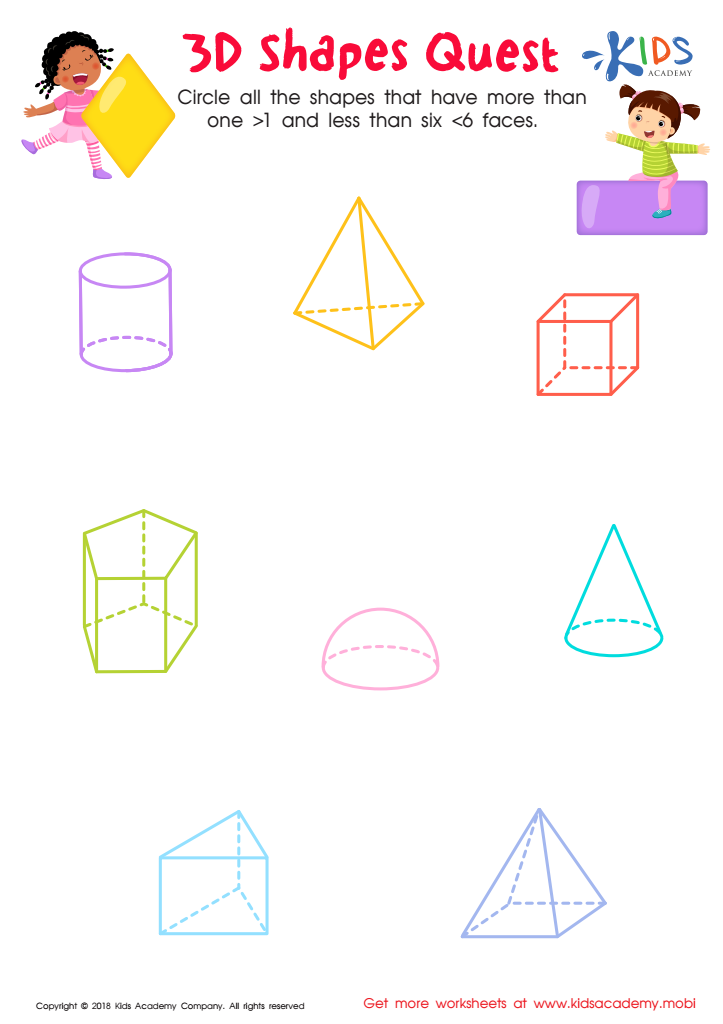
3D Shapes Quest Worksheet
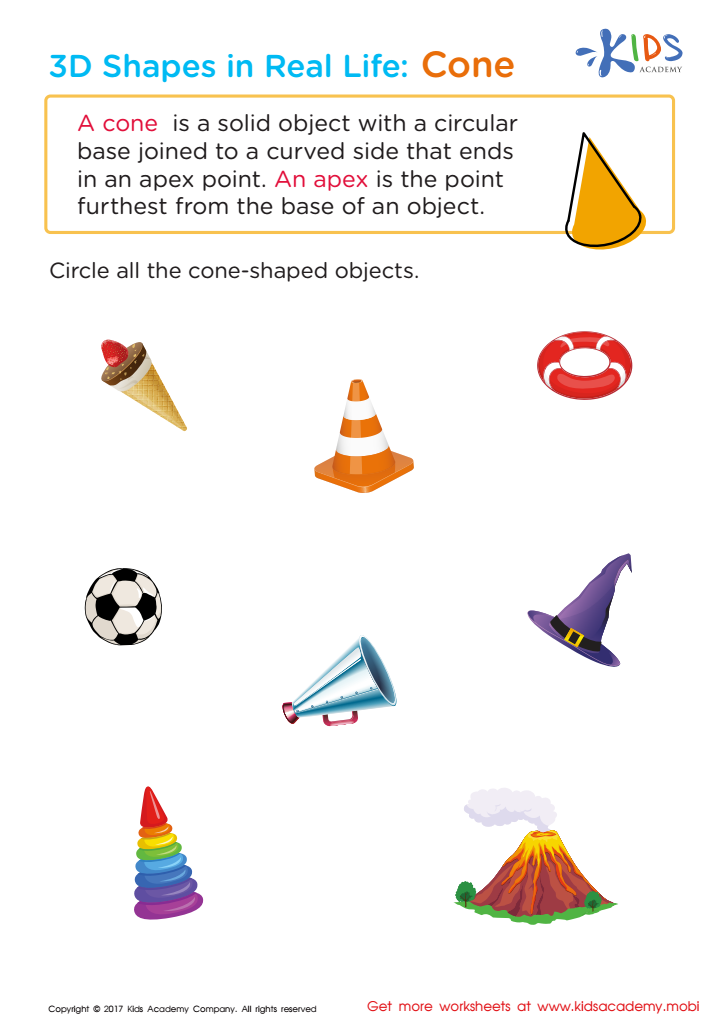
Shapes in Real Life: Cone Worksheet
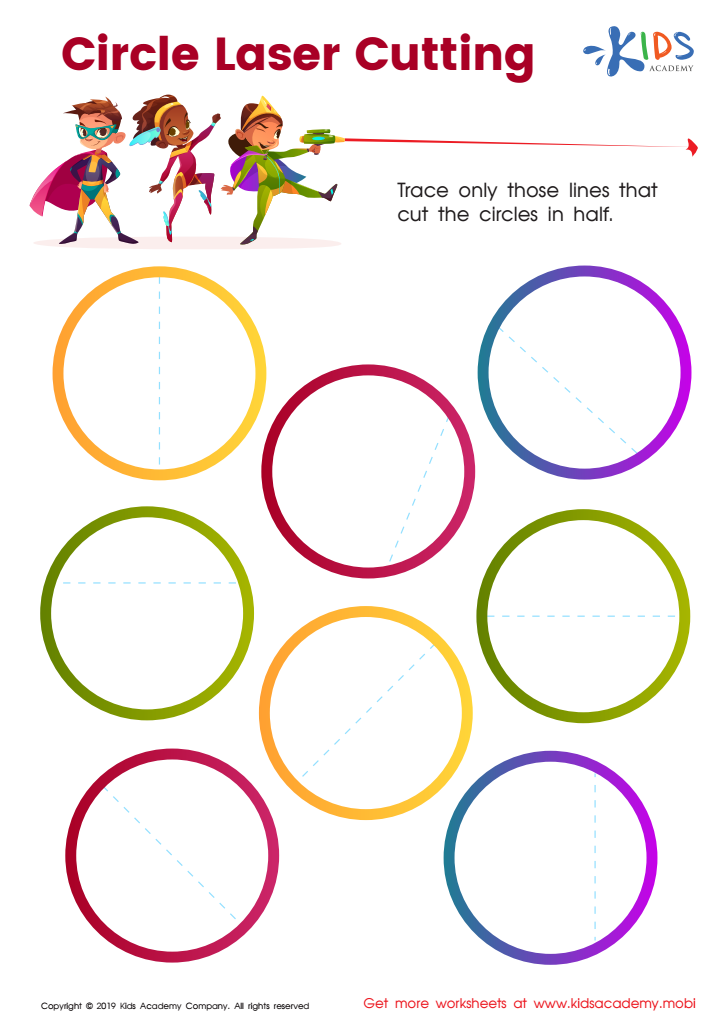
Circle Laser Cutting Worksheet






Shape recognition and understanding basic mathematical concepts are essential building blocks for children's cognitive development. For ages 7-9, these skills not only form the foundation for more advanced math but also integrate seamlessly into everyday life applications.
Firstly, learning to recognize, name, and differentiate between various shapes helps children sharpen their observation and categorization skills. These skills extend beyond mathematics into areas like learnable patterns in language arts, basic science, and even social situations where identifying patterns or differences matter.
Moreover, spatial awareness skills, honed through shape recognition, are crucial for problem-solving and logical thinking. When children grasp how shapes fit together and their properties, they are better able to approach more complex geometrical concepts and abstract mathematical problems with confidence.
Understanding shapes also contributes significantly to a child's success in technology-driven environments. From coding to engineering, rudimentary shape knowledge facilitates a deeper understanding of grid-concepts, algorithms, and even digital imagery.
Finally, mastering shape recognition can boost children’s self-awareness and self-esteem as they succeed in their learning tasks. This is critical for developing a positive attitude toward education and learning overall.
Hence, parents and teachers should place emphasis on shape recognition and basic math to ensure holistic development, artistic and numerical literacy, and readiness for advanced academic challenges.








