Normal Place Value Worksheets for Ages 7-9 - Page 2
43 filtered results
-
From - To
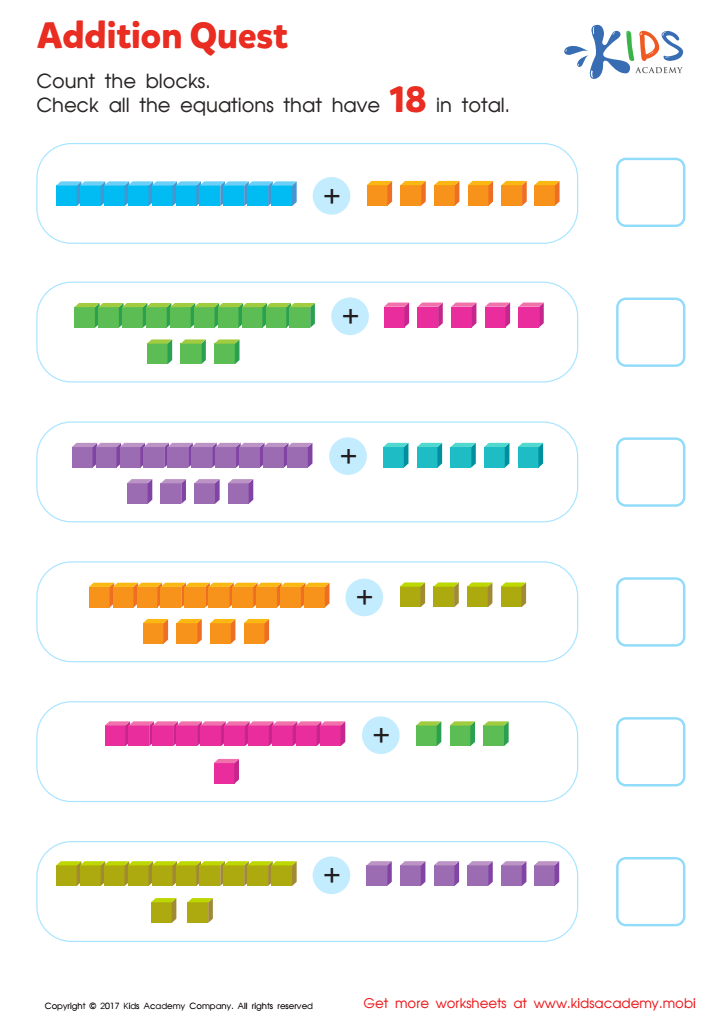
Addition Quest Worksheet: Part 2
 Assign to My Students
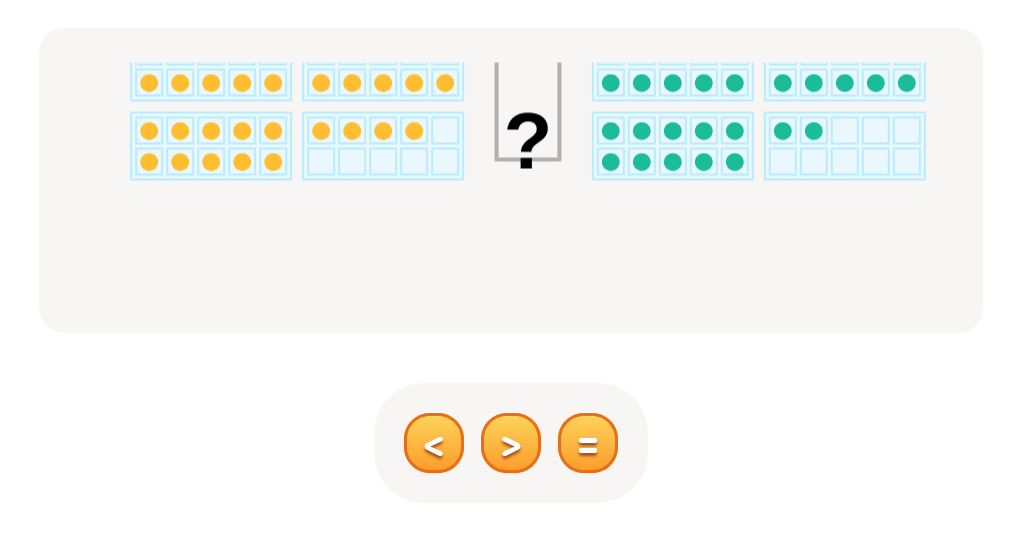


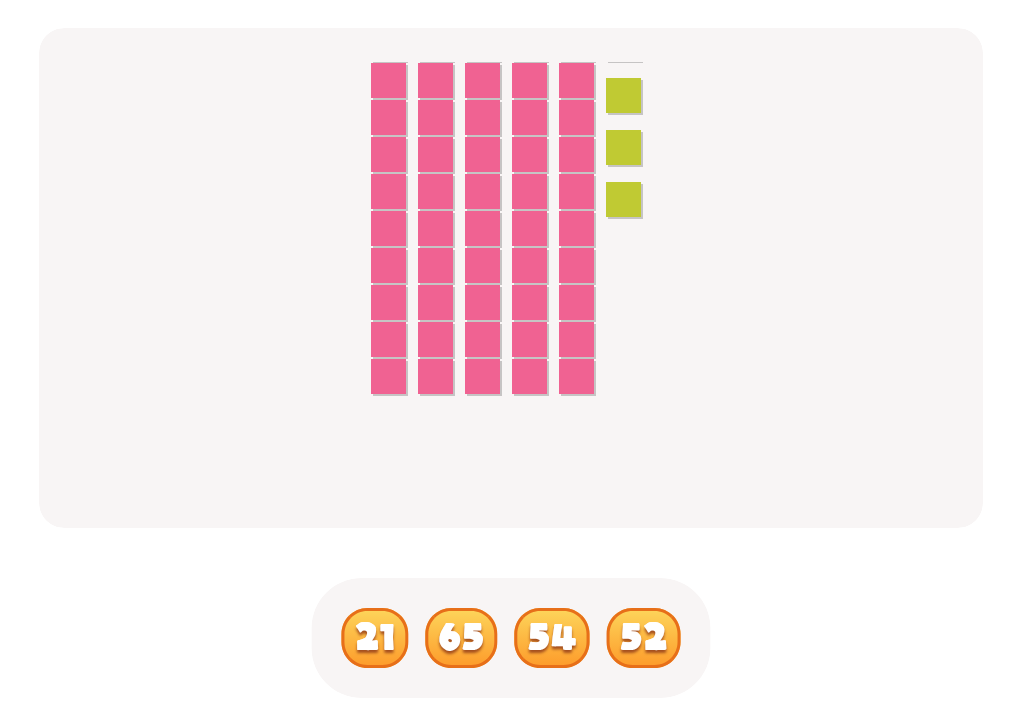
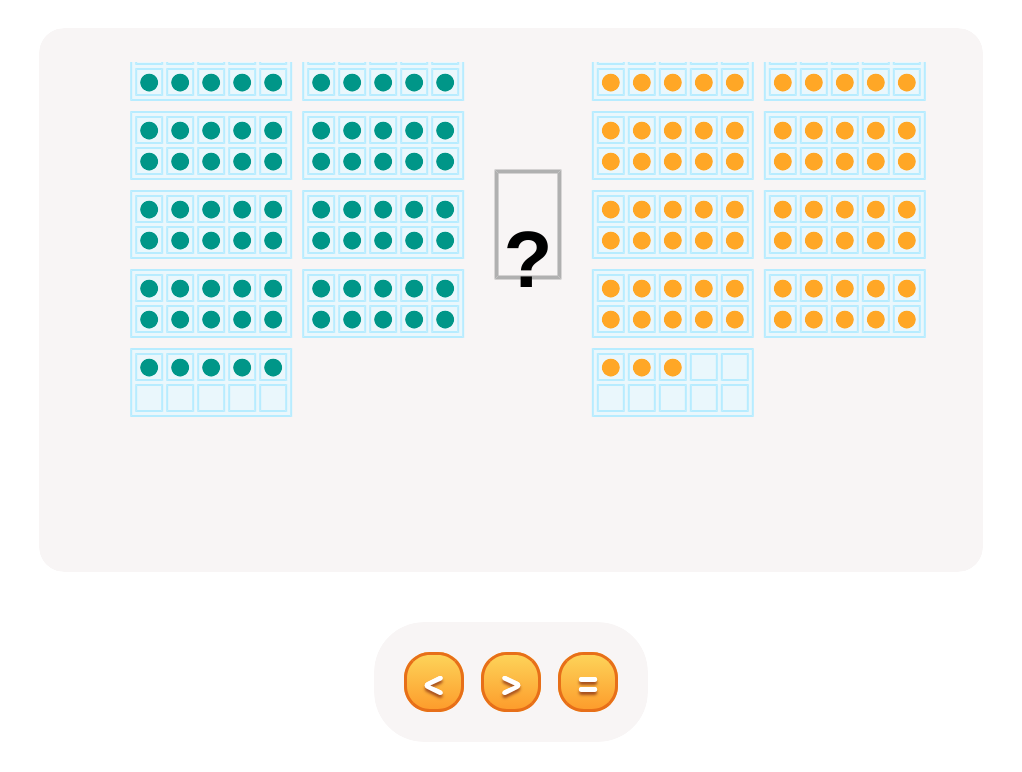
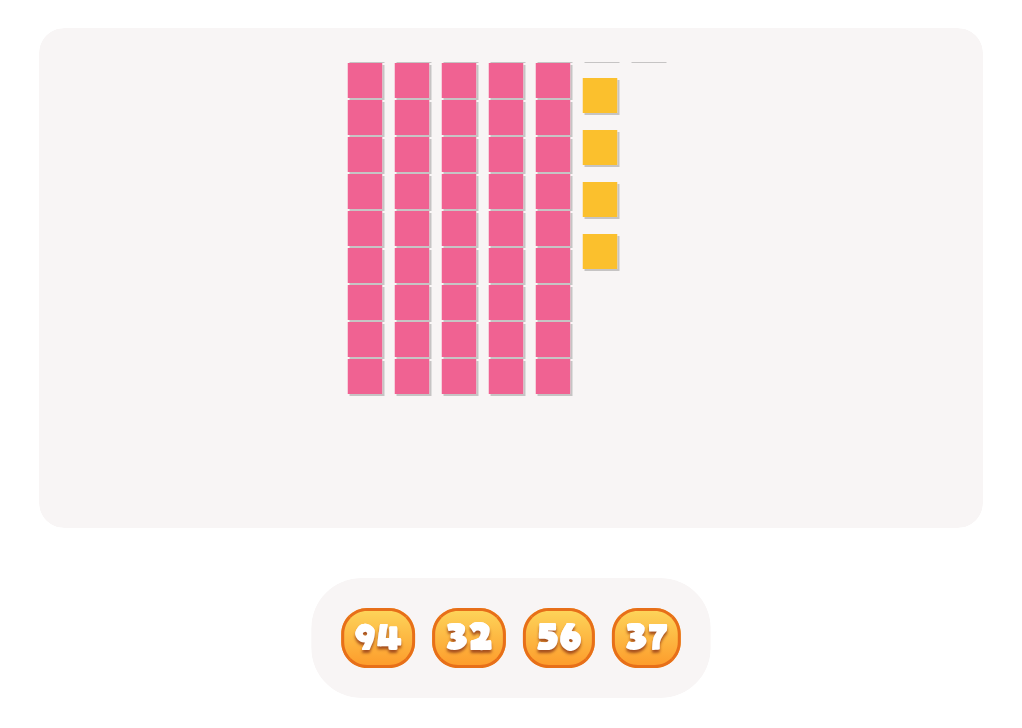
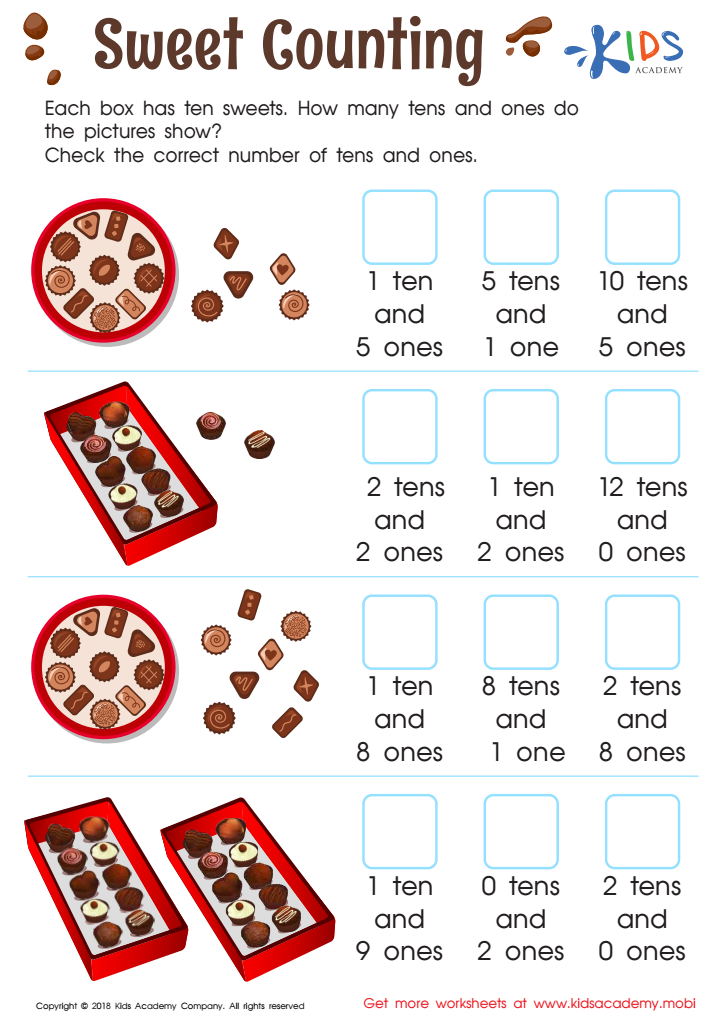
Sweet Counting - Part 2 Worksheet
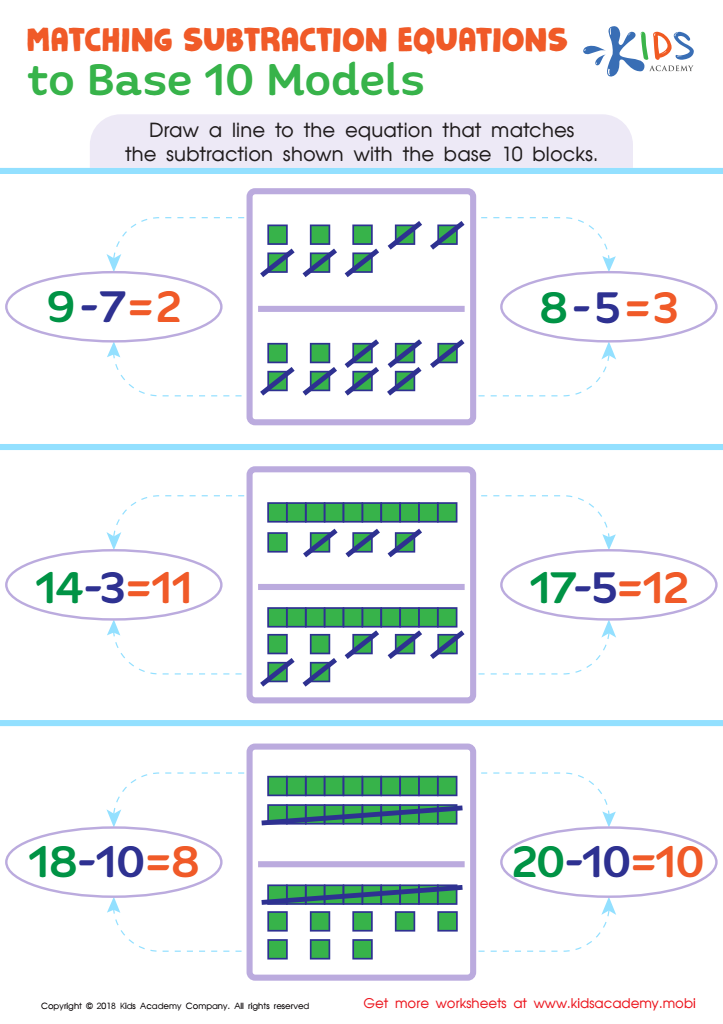
Matching Subtraction Equations To Base 10 Models Worksheet
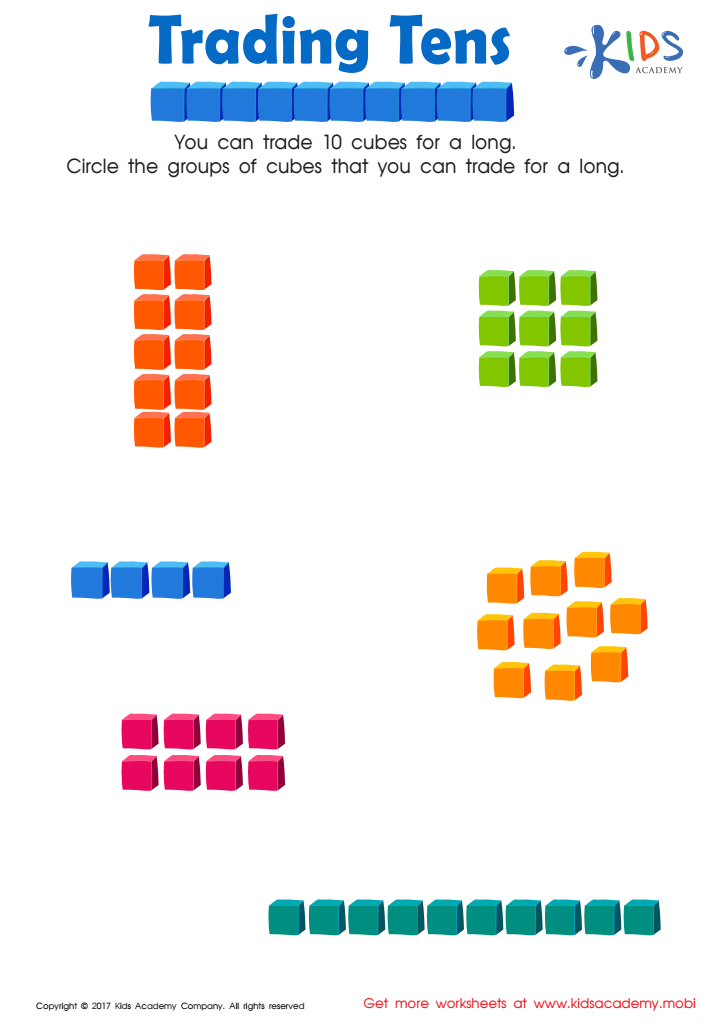
Trading Tens Worksheet
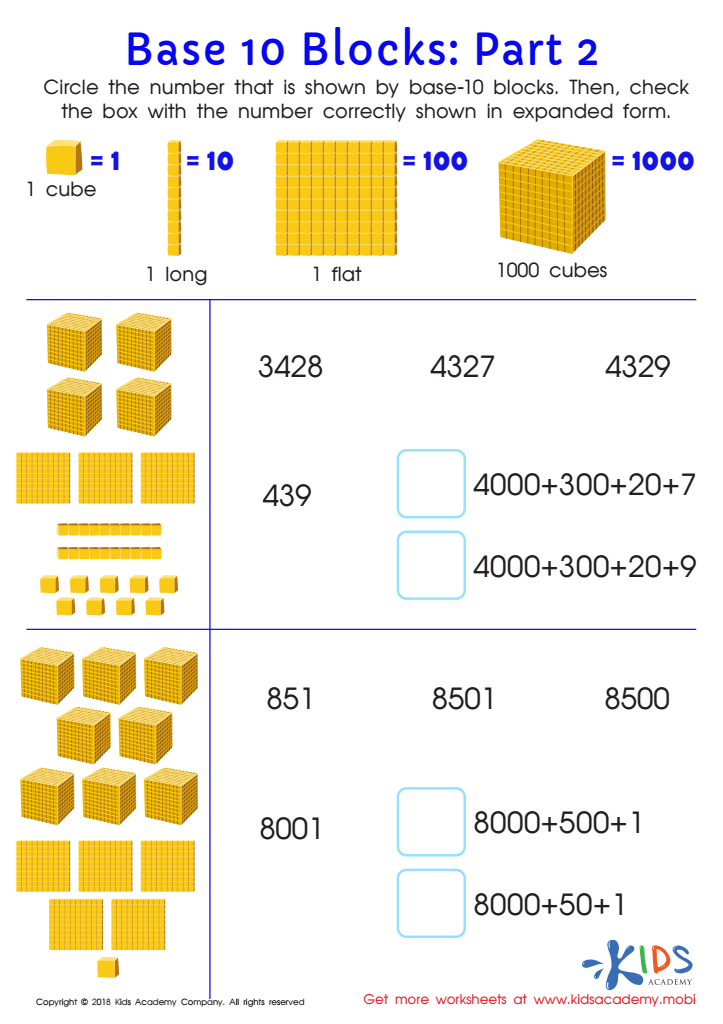
Base 10 Blocks Worksheet: Part 2
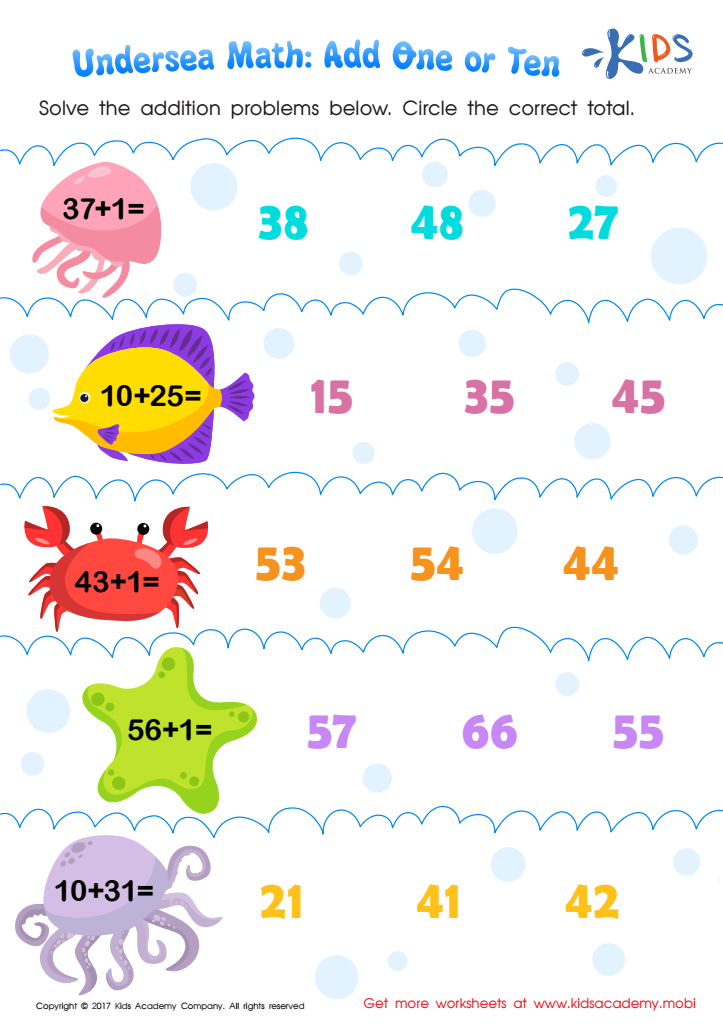
Undersea Math Worksheet
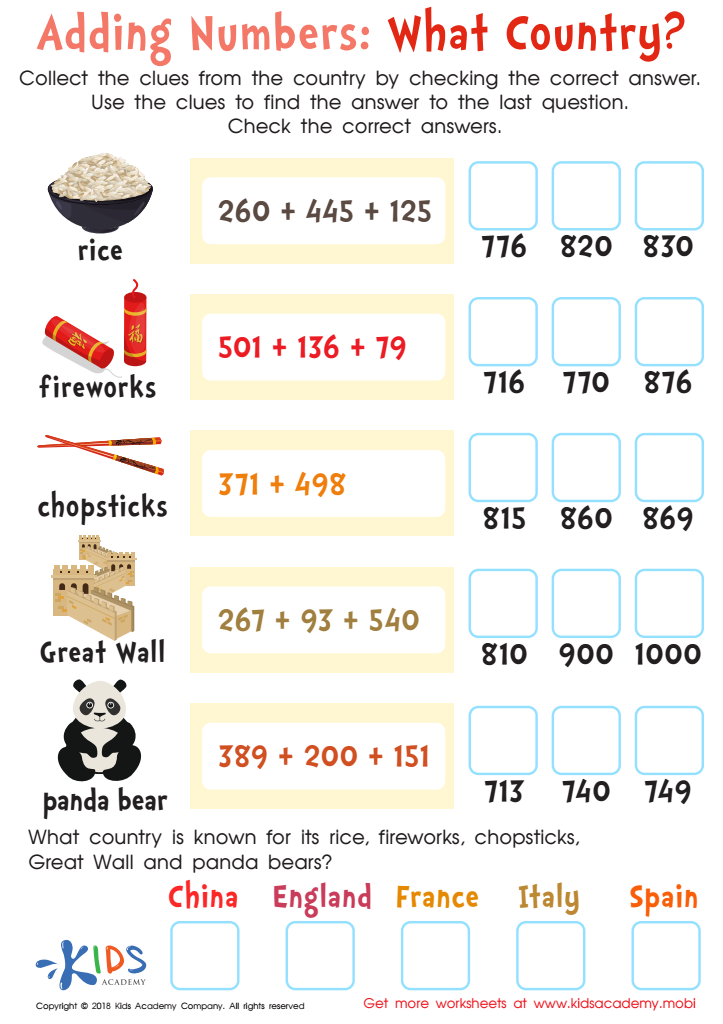
Adding Numbers: What Country Worksheet
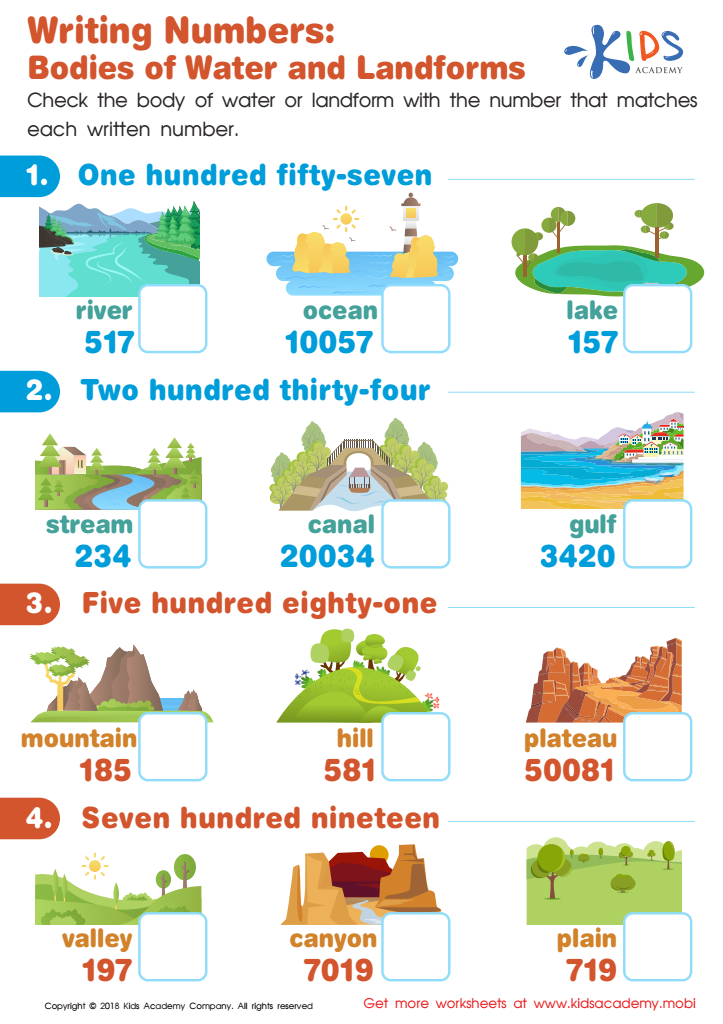
Bodies of Water and Landforms Writing Numbers Worksheet
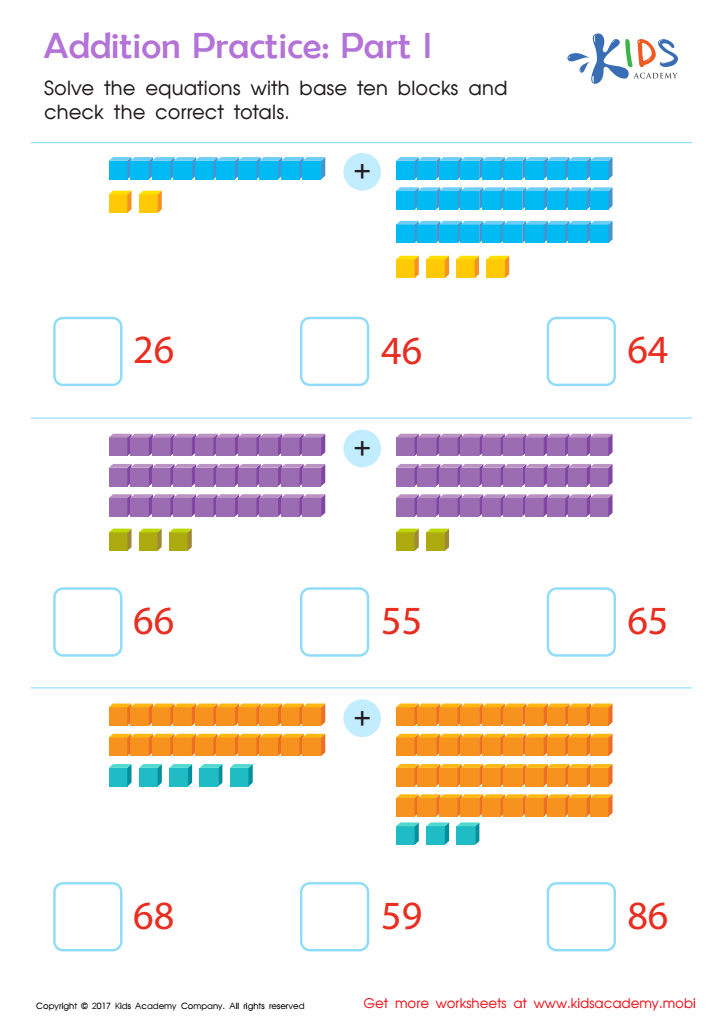
Addition Practice Sheet: Part 1
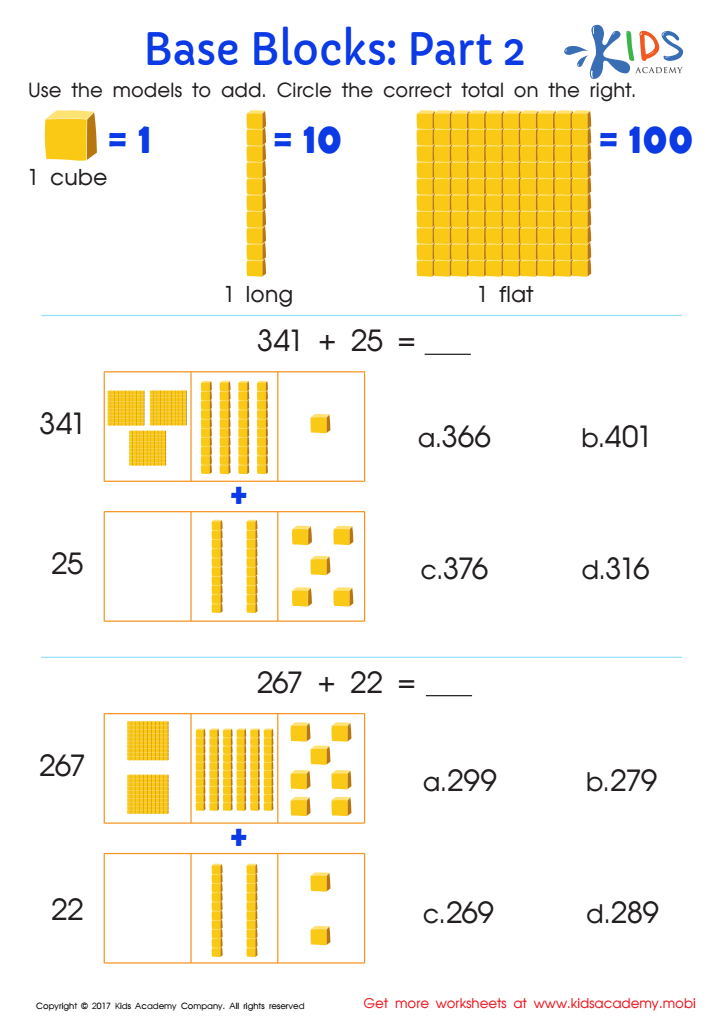
Base Ten Blocks Worksheet: Part 2
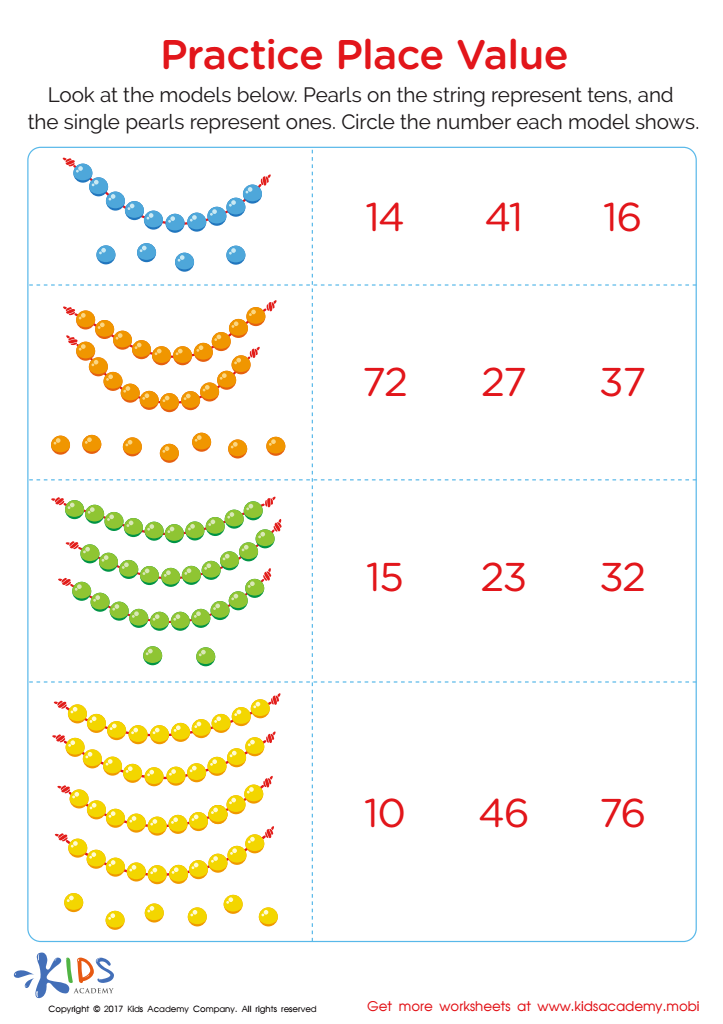
Practice Place Value Printable
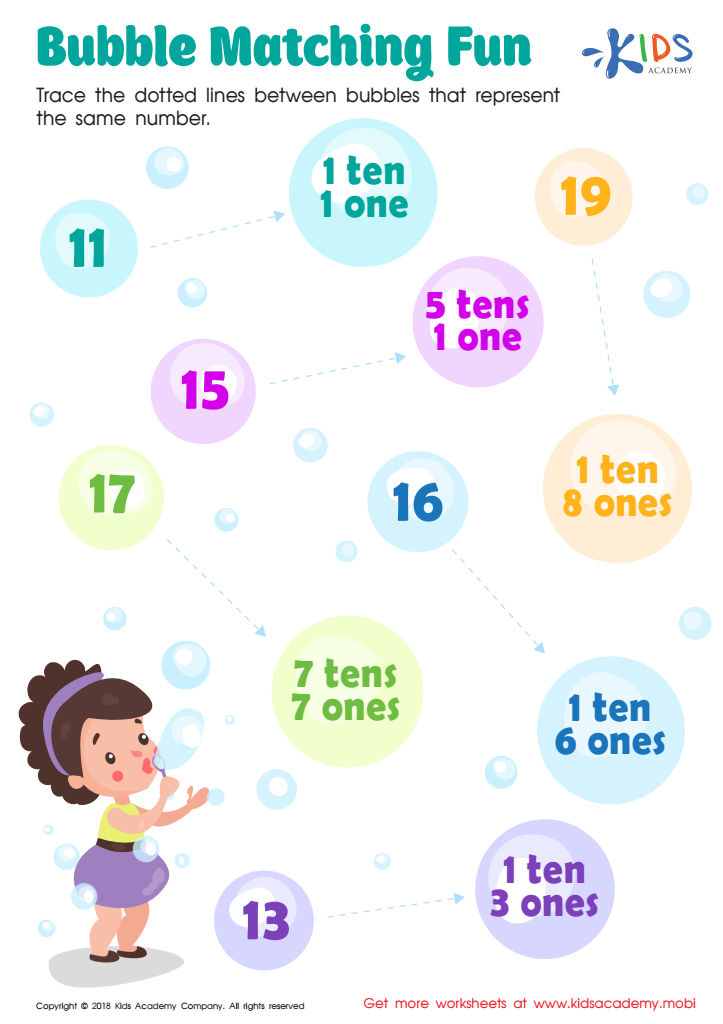
Bubble Matching Fun Worksheet
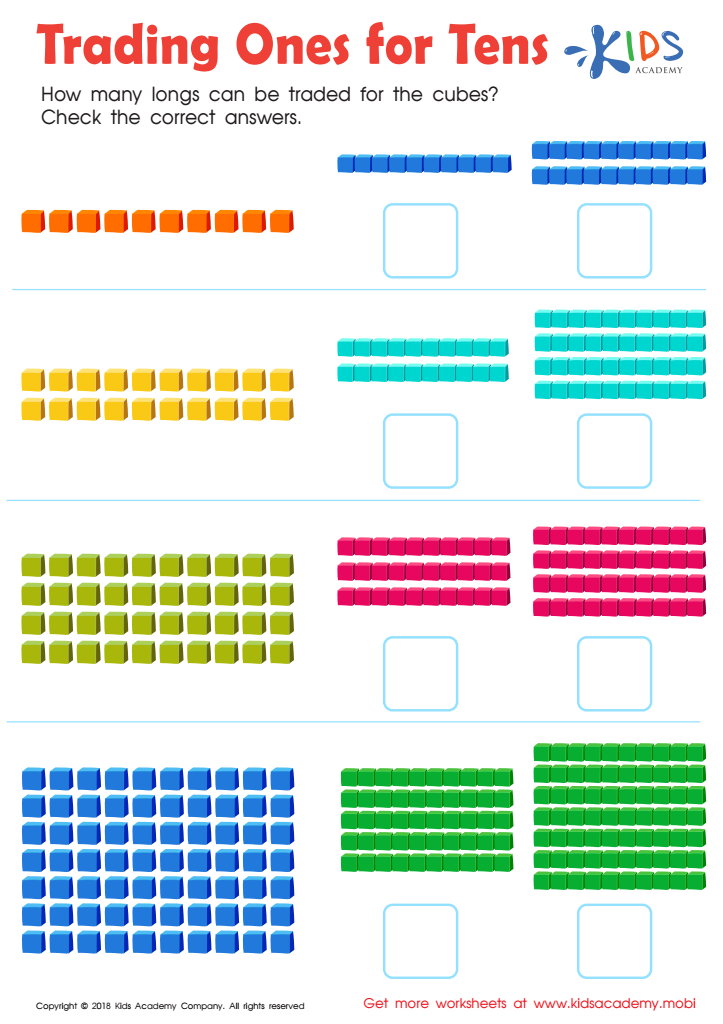
Trading Ones for Tens Worksheet: Part 2
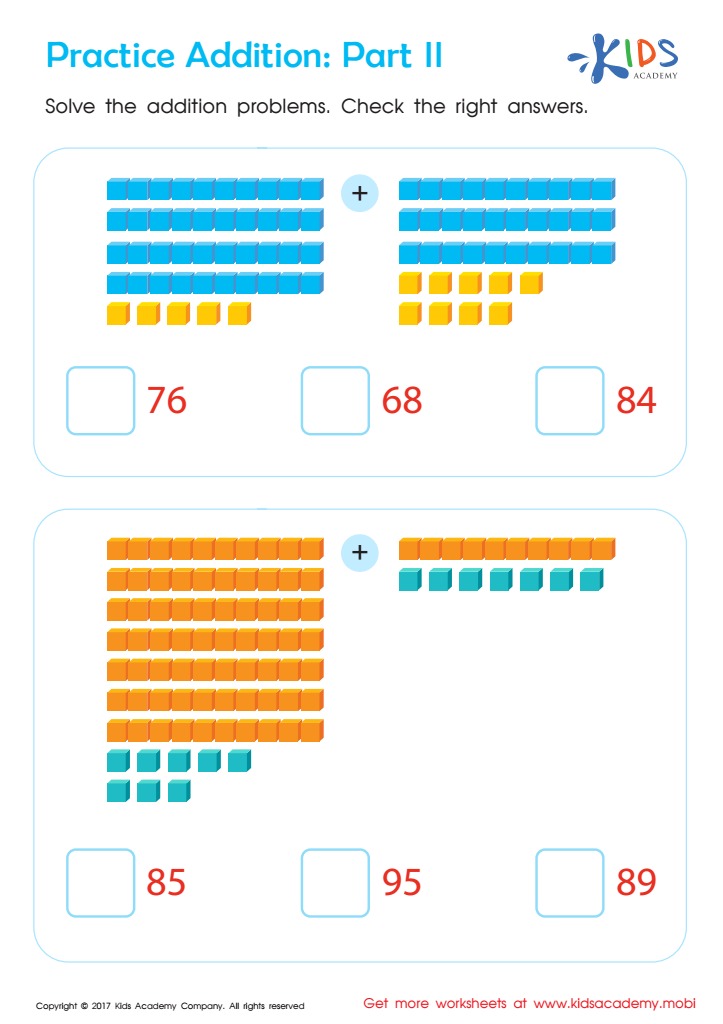
Practice Addition: Part 2 Worksheet
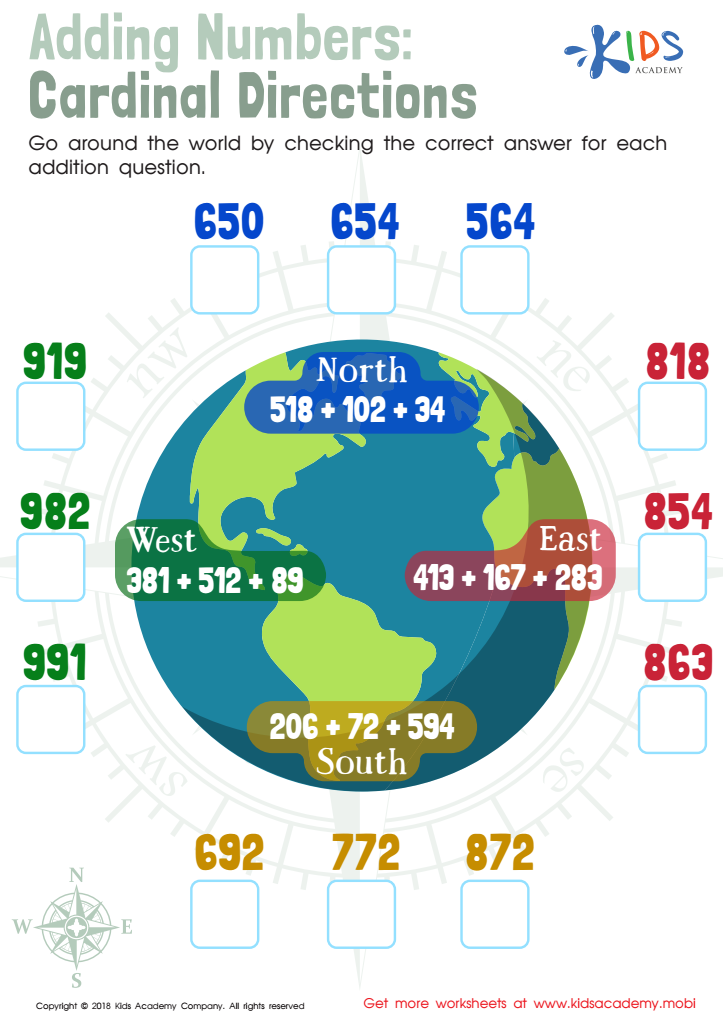
Adding Numbers: Cardinal Directions Worksheet
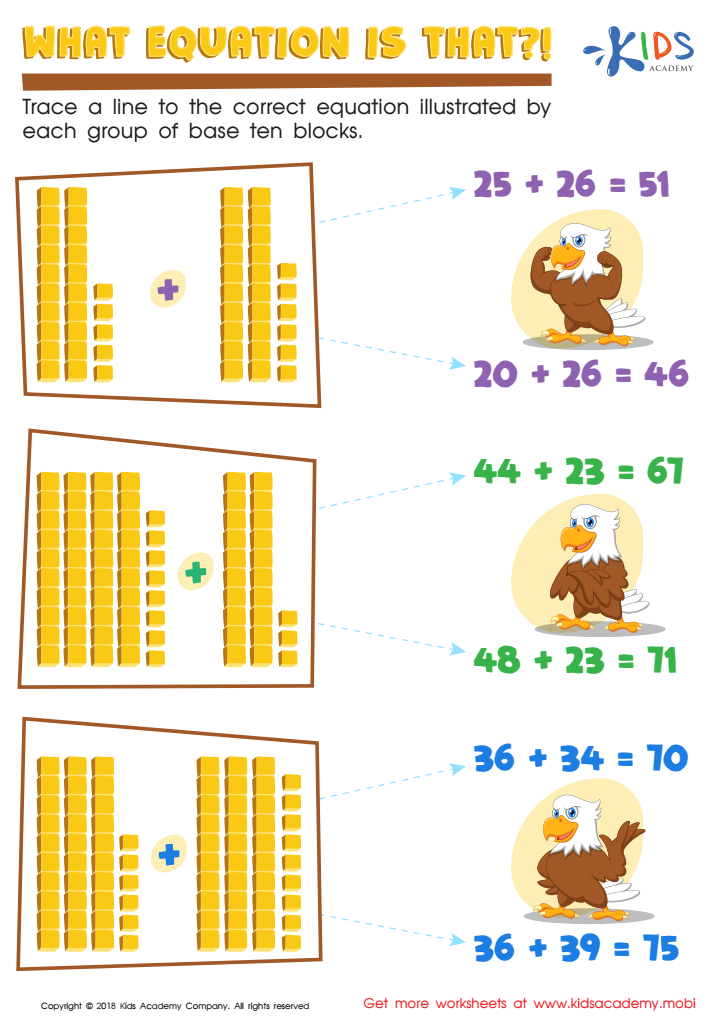
What Equation Is That? Worksheet
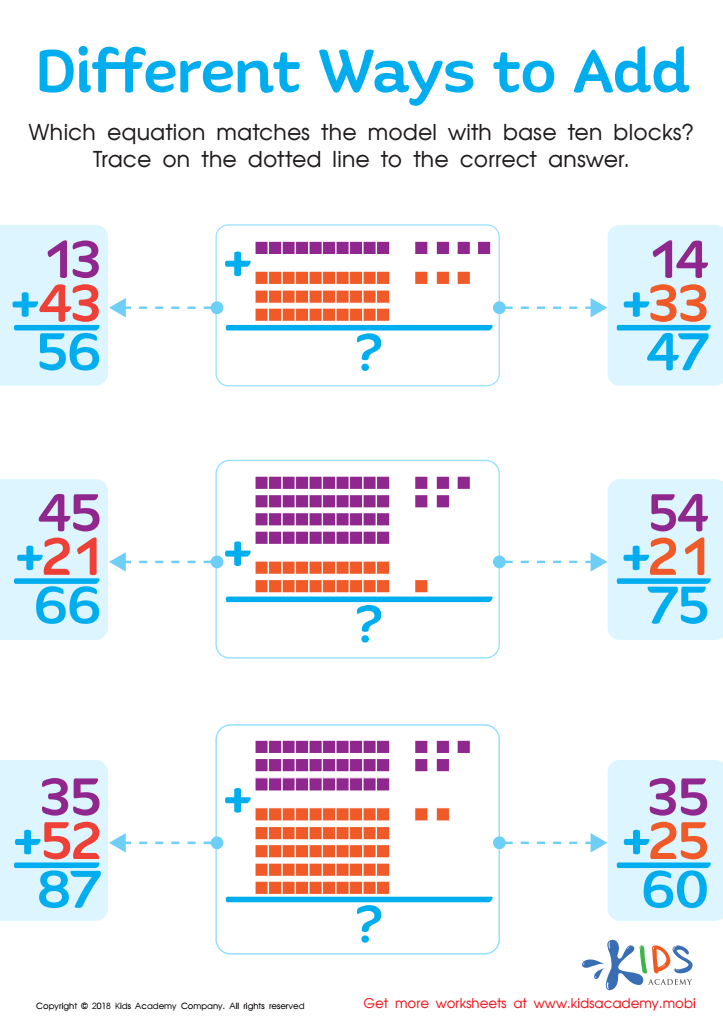
Different Ways to Add Worksheet
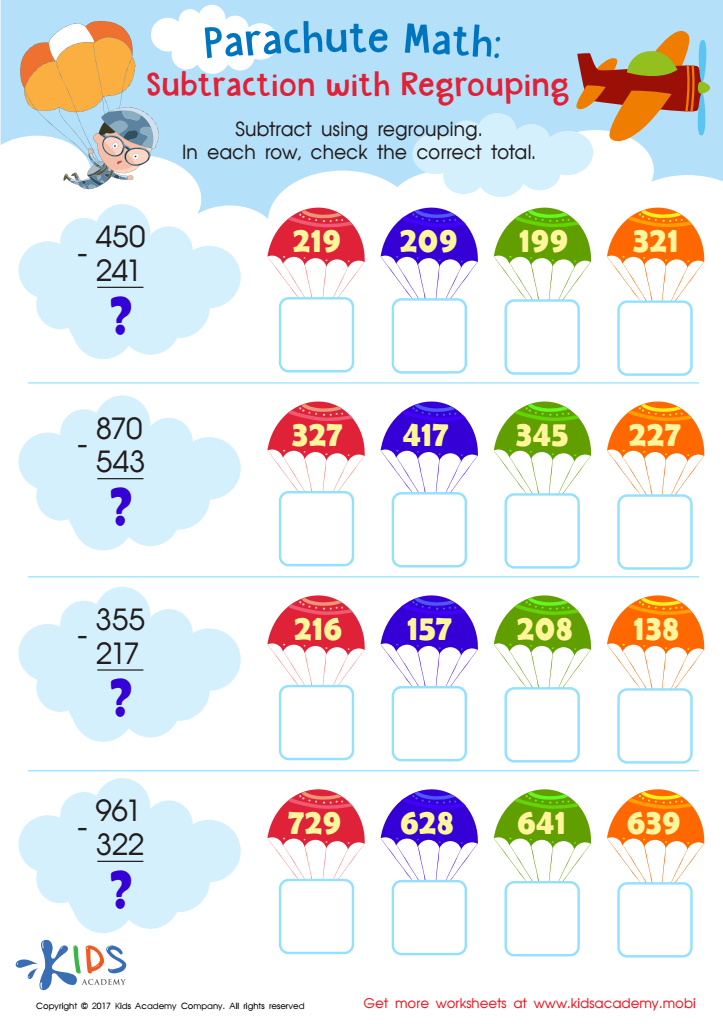
Subtraction with Regrouping for 3rd Grade Worksheet
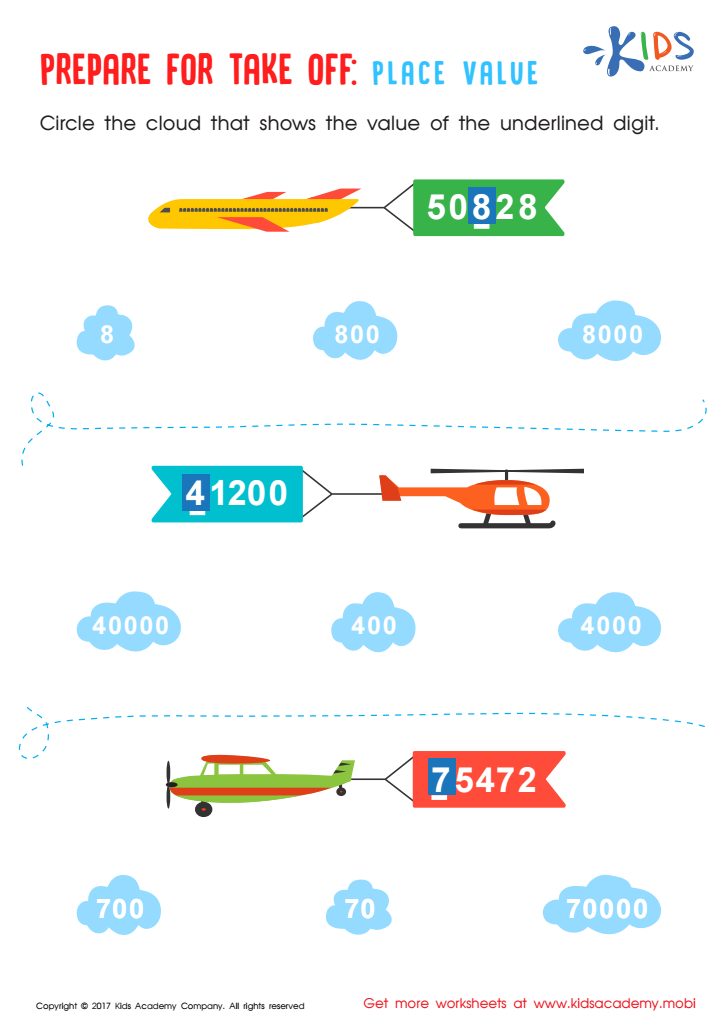
Free Place Value Worksheet for 3rd Grade


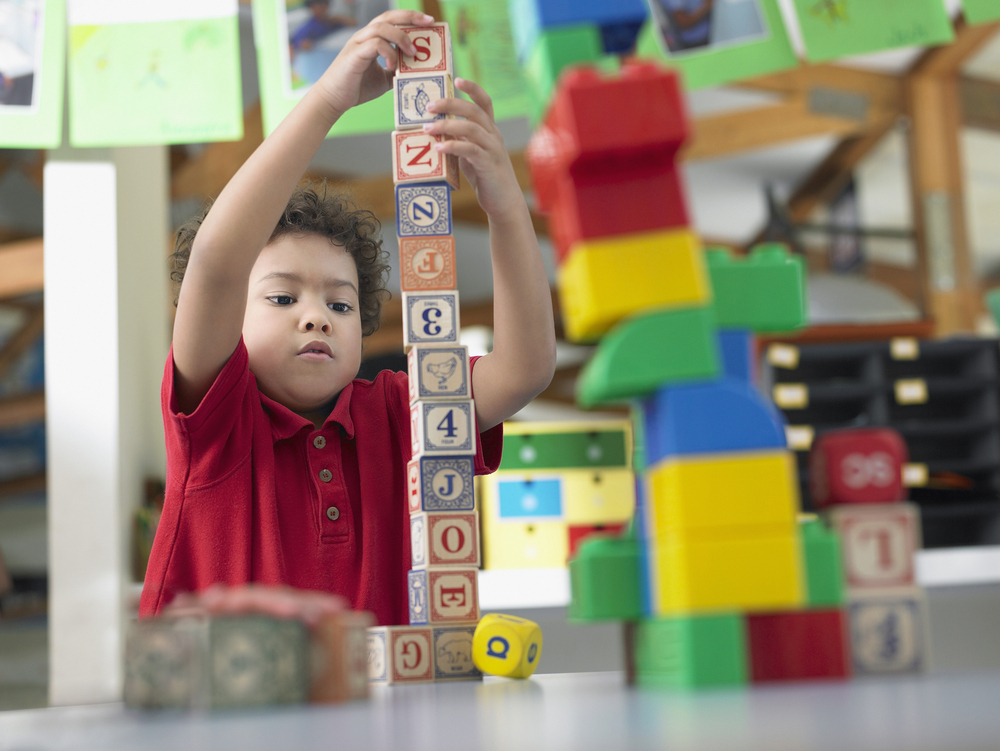



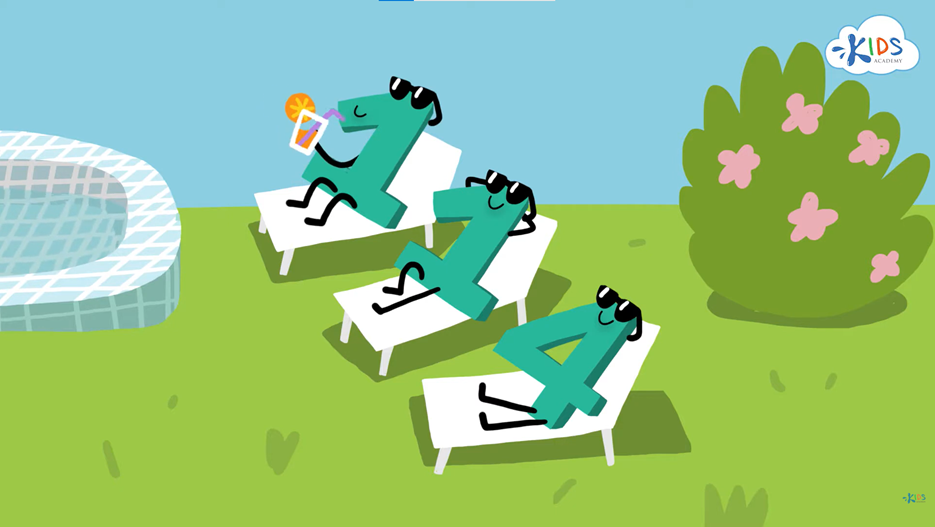

Understanding normal place value is crucial for children aged 7-9 as it lays the foundational skills for their future mathematical learning. At this age, children start to grasp the significance of digits based on their position, which helps them understand larger numbers and perform basic operations like addition and subtraction more effectively.
When parents and teachers emphasize normal place value, they empower children to break down complex problems into manageable parts. For instance, the number 345 can be understood as 300 (hundreds), 40 (tens), and 5 (ones). This decomposition not only aids in calculations but also fosters a stronger number sense, which is essential for more advanced concepts like multiplication and division.
Moreover, a solid comprehension of place value enhances students’ ability to compare and contrast numbers, as well as estimate outcomes. It also provides a framework for understanding decimals in later grades. By reinforcing these principles at home and in the classroom, parents and teachers can instill confidence and competence in young learners, making math a more approachable and enjoyable subject. Investing time in mastering normal place value ultimately nurtures their overall academic success and critical thinking skills.