Normal Sight Words Worksheets for Ages 7-9
15 filtered results
-
From - To
Discover engaging and educational sight words worksheets designed for children aged 7-9. These expertly crafted activities from Kids Academy help young learners enhance their reading skills by building a robust sight word vocabulary. Colorful and interactive, each worksheet focuses on essential sight words, promoting recognition and retention. Perfect for reinforcing classroom learning or extra practice at home, our worksheets make mastering reading fun and effective. Equip your child with the tools they need to become confident and fluent readers with Kids Academy's comprehensive and enjoyable sight words resources. Download and print to start their reading journey today!
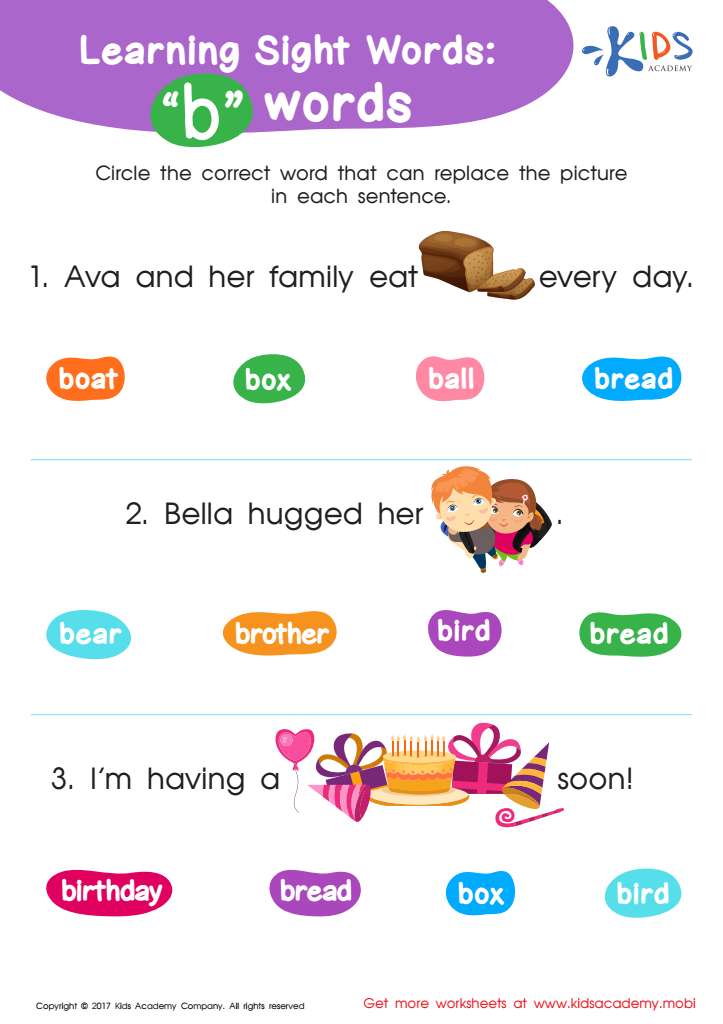
Sight Words Free Worksheet – B Words
 Assign to My Students




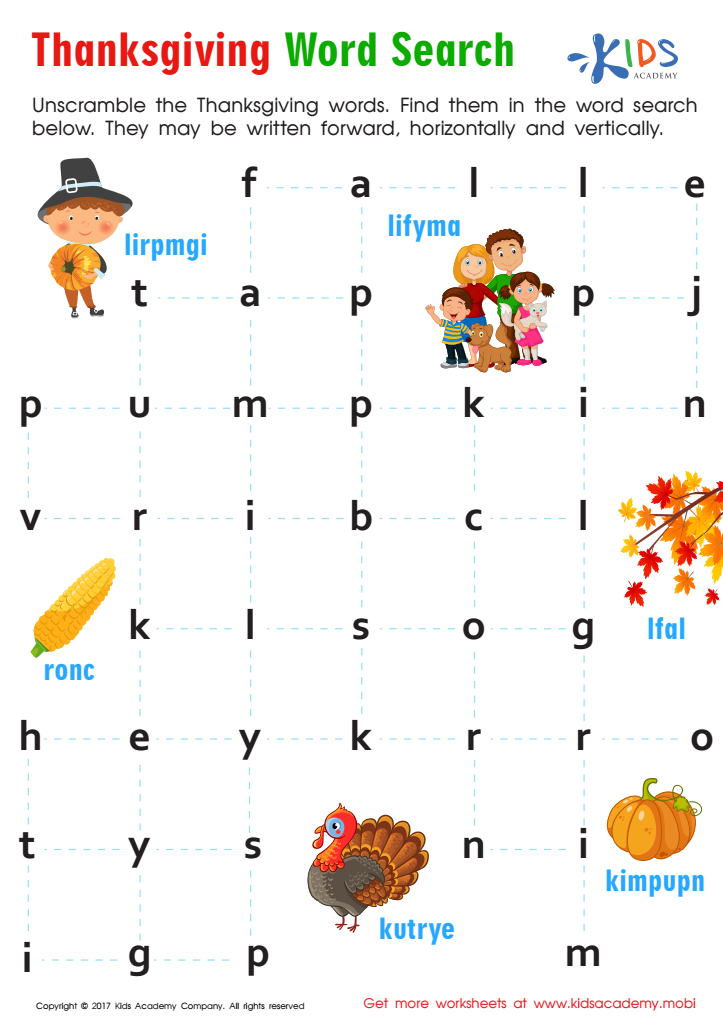
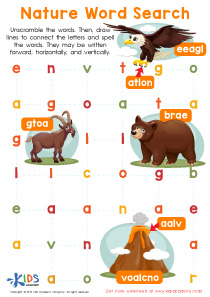
Thanksgiving Word Search Sight Words Worksheet
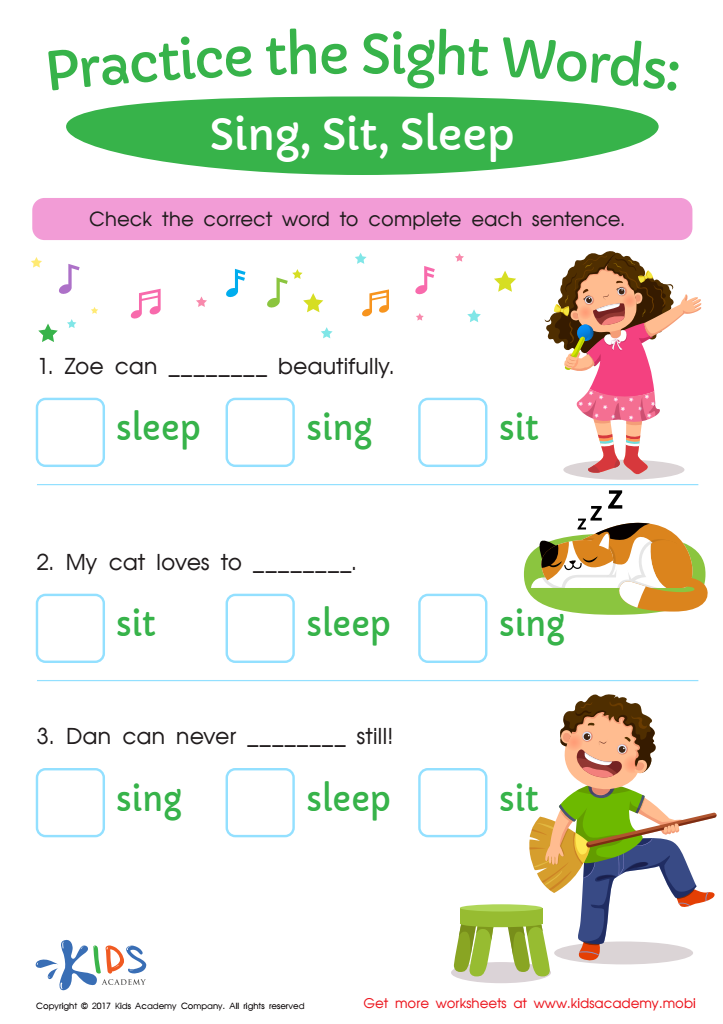
Sing, Sit, Sleep Sight Words Worksheet
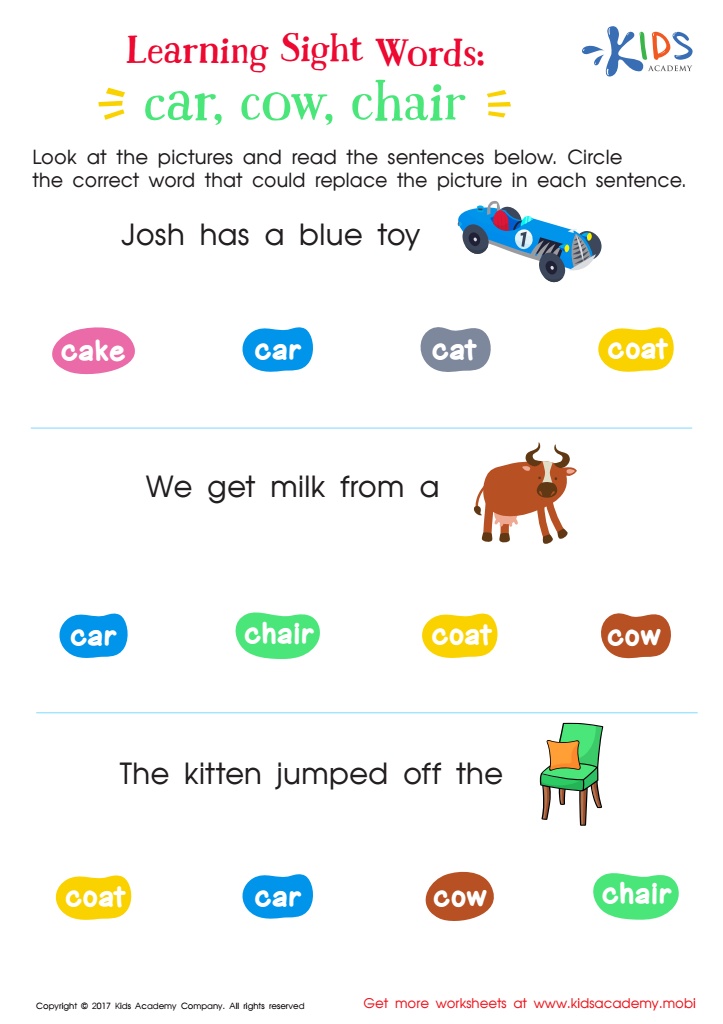
Car, Cow, Chair Worksheet Sight Words Worksheet
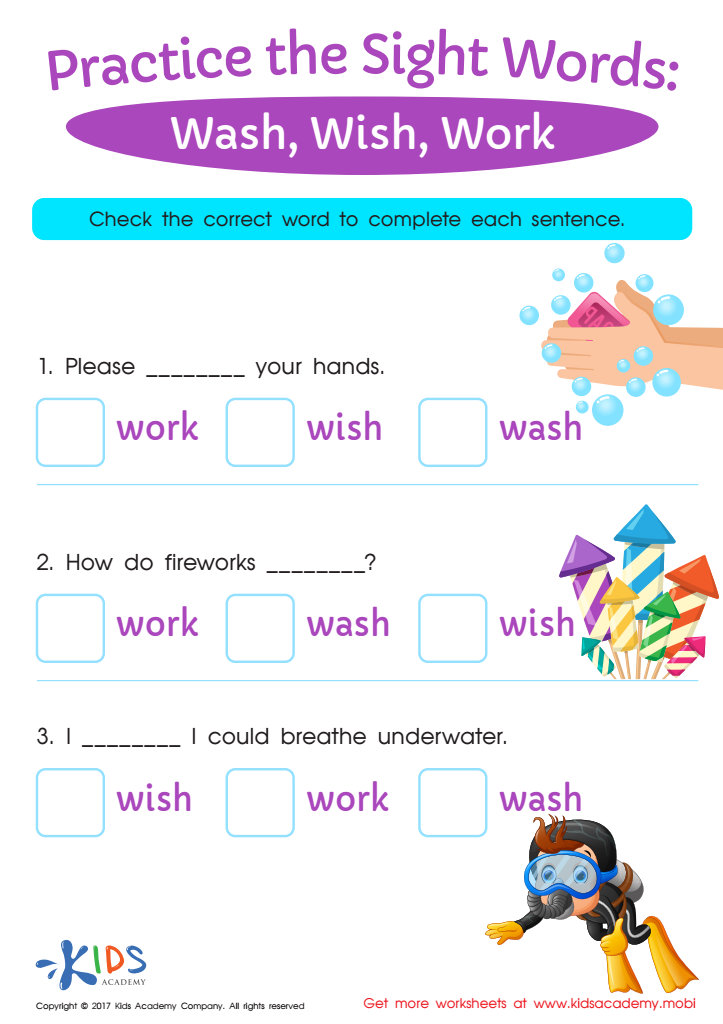
Wash, Wish, Work Sight Words Worksheet
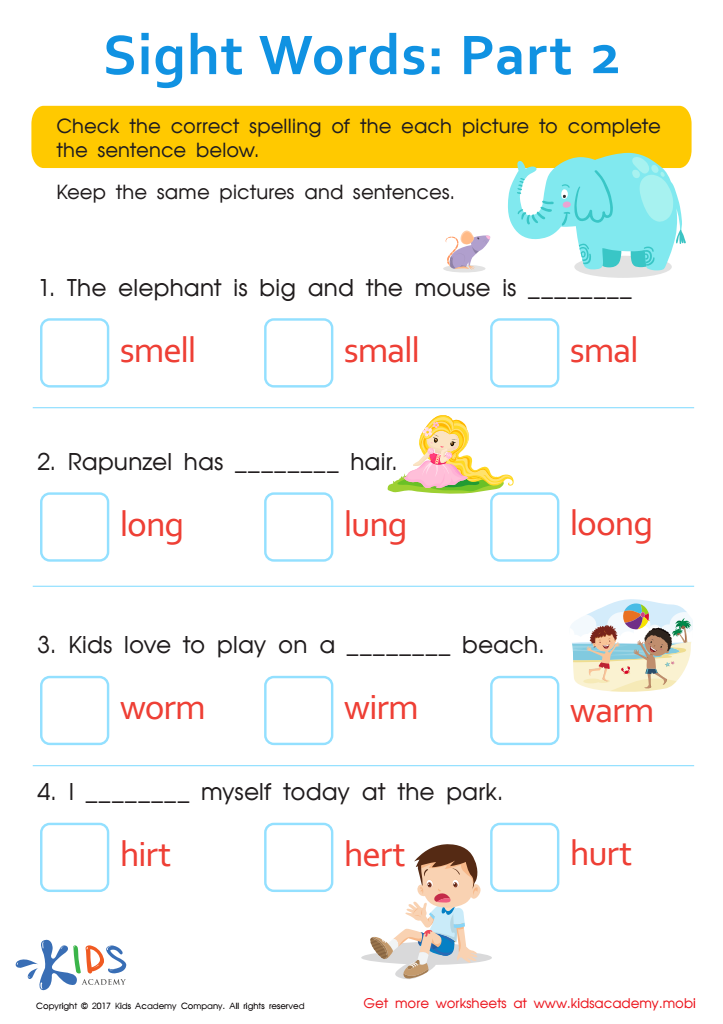
Sight Words Worksheet
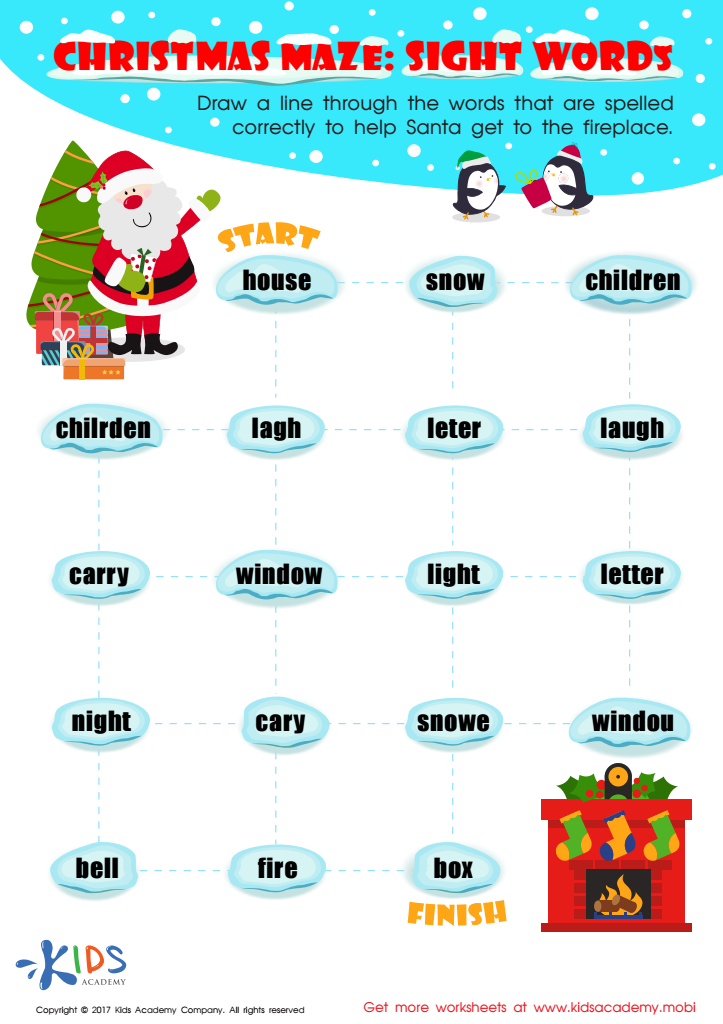
Sight Words Christmas Maze Printable
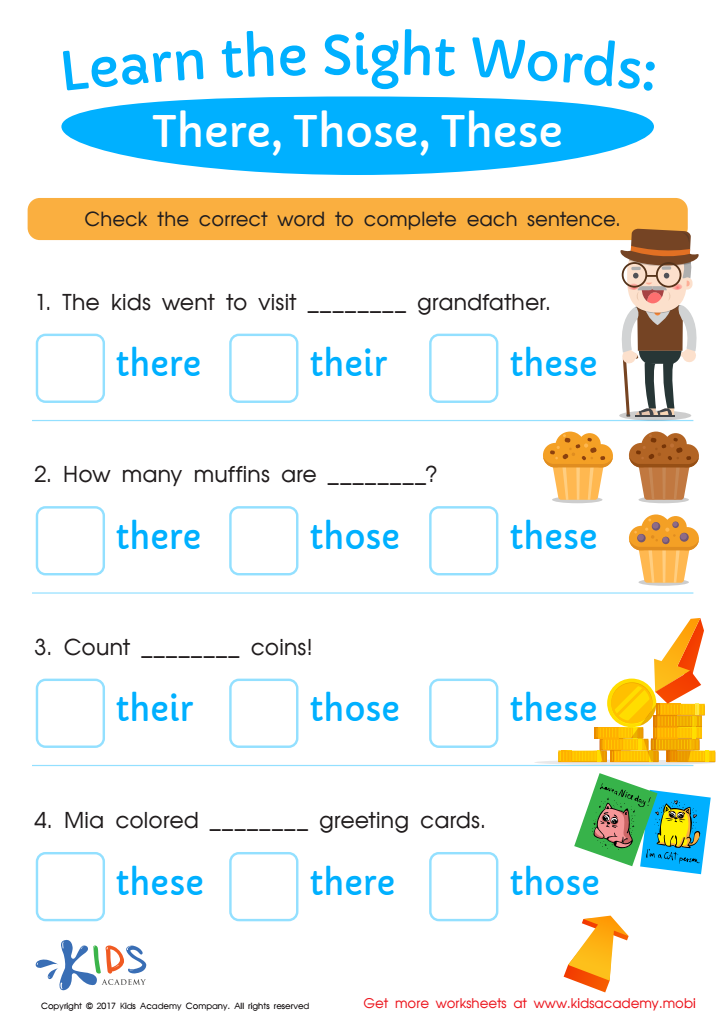
There, Those and These Sight Words Worksheet
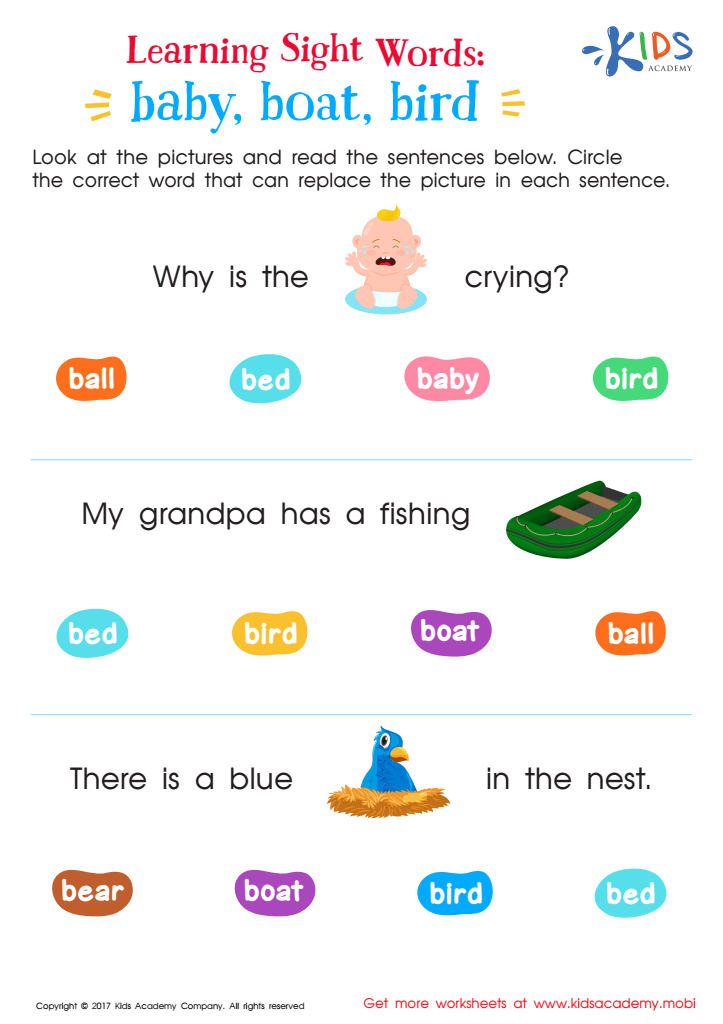
Baby, Boat, Bird Worksheet Sight Words Worksheet
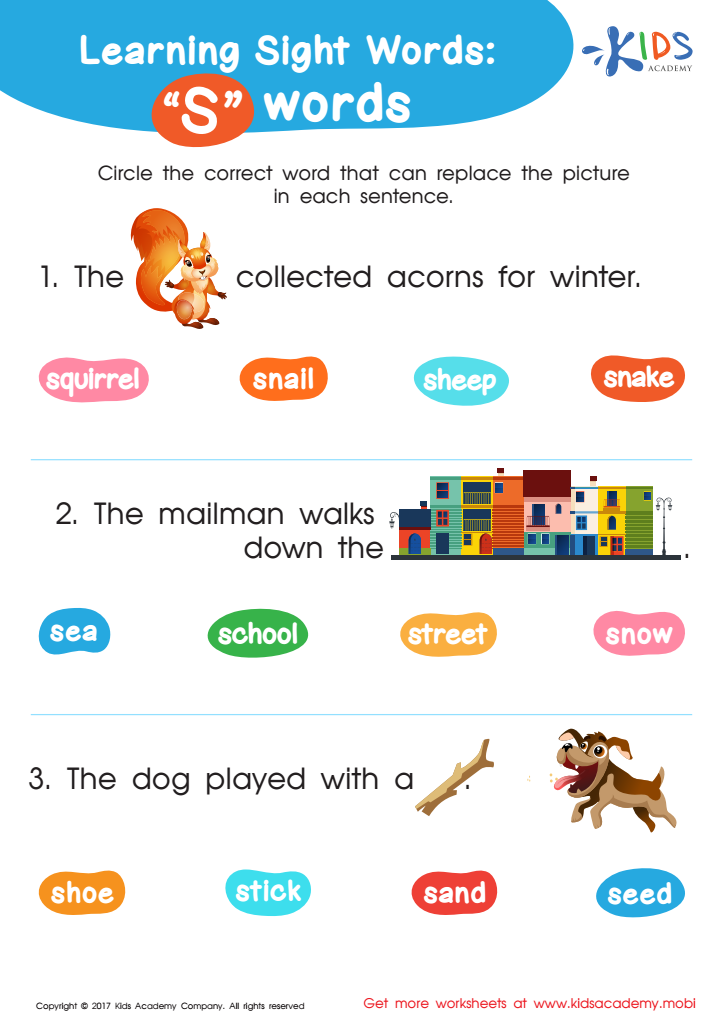
S Words Sight Words Worksheet
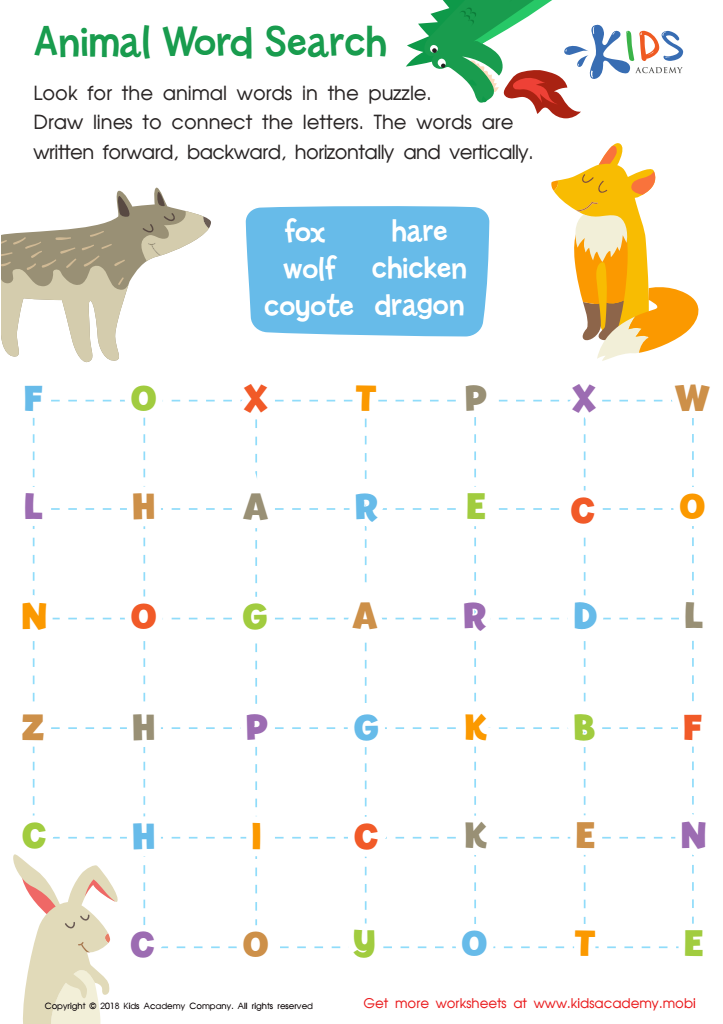
Animal Word Search Worksheet
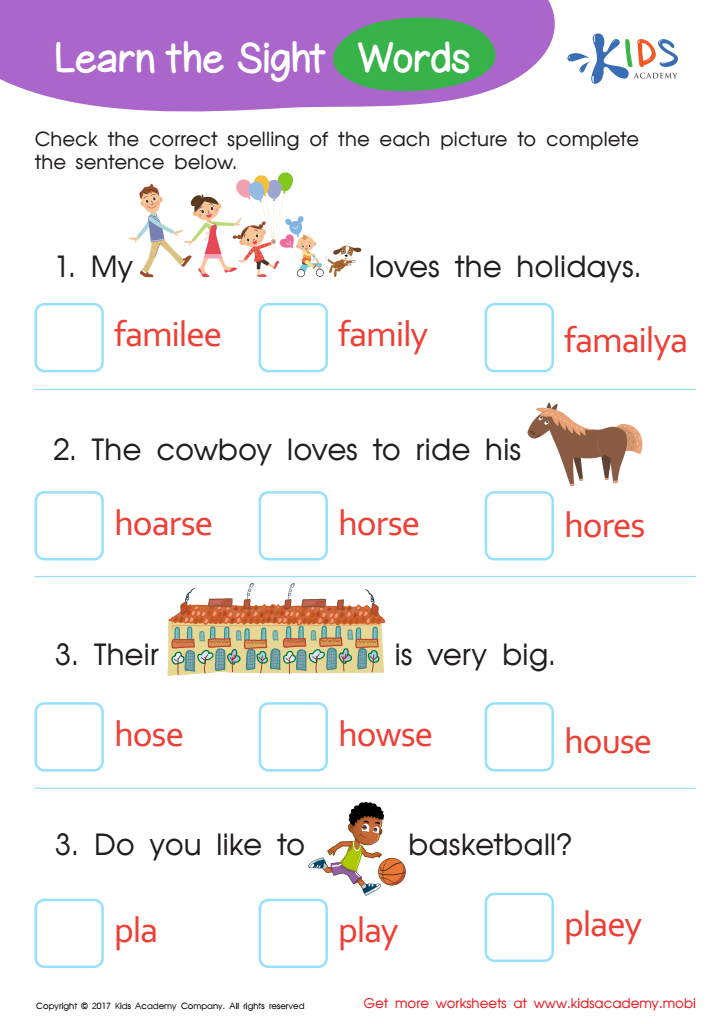
Family, Horse, House, Play Sight Words Worksheet
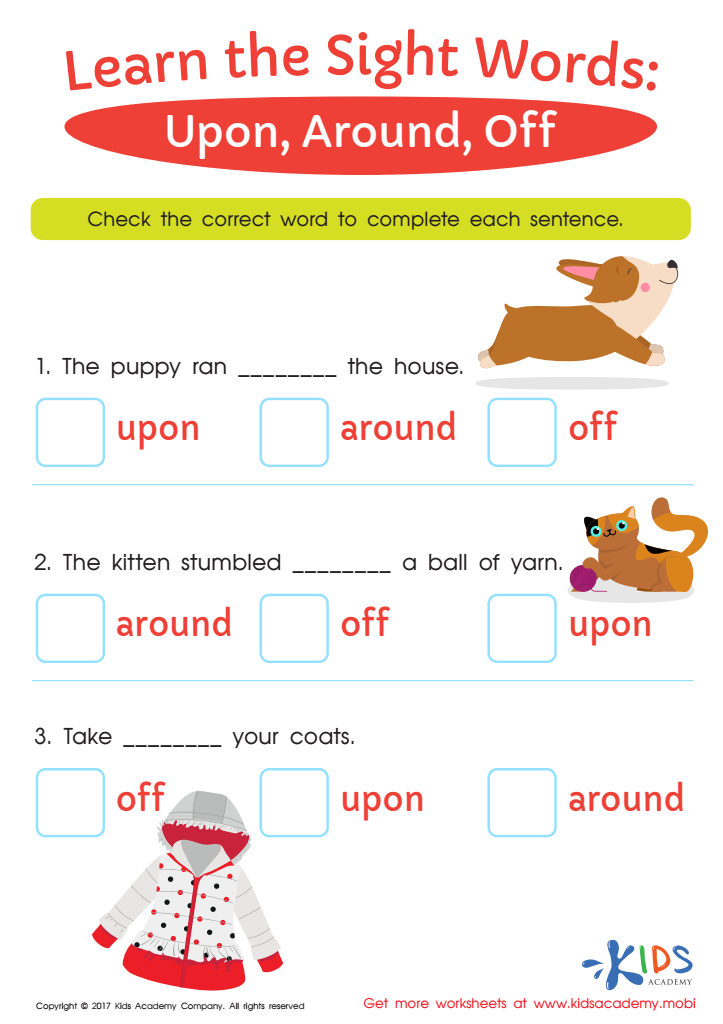
Upon, Around, Off Sight Words Worksheet
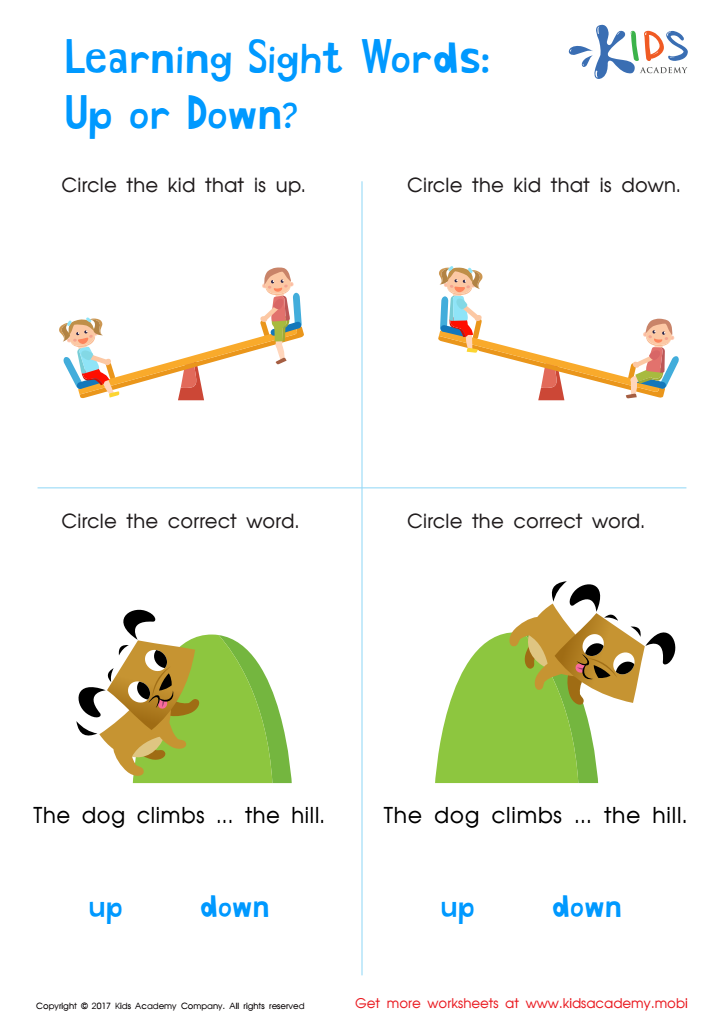
Up or Down Printable Sight Words Worksheet
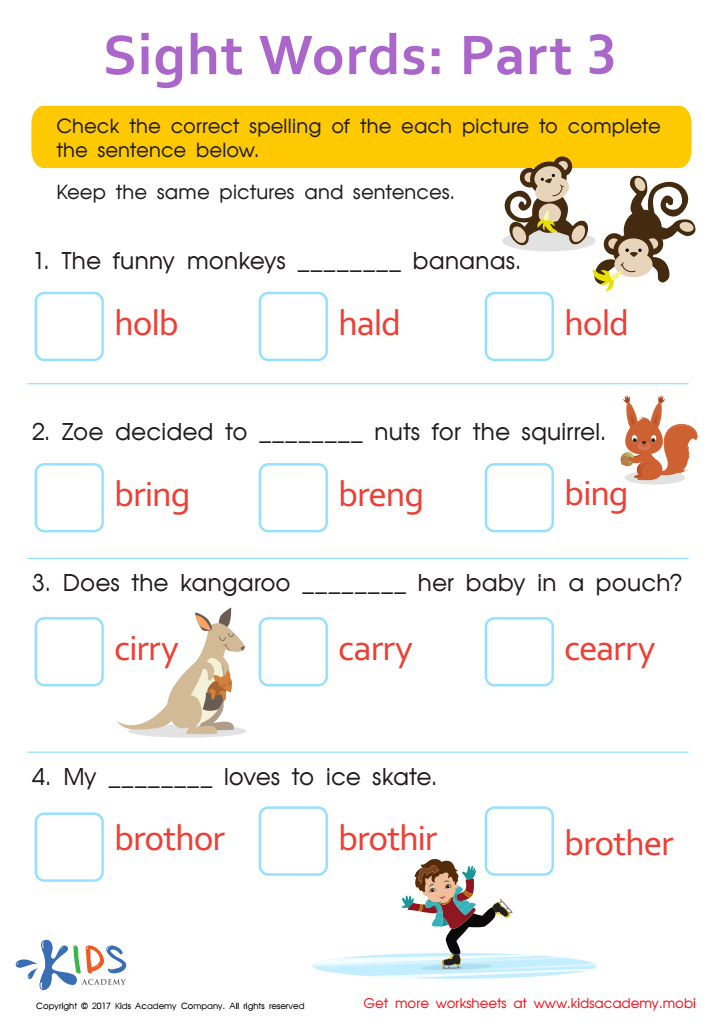
Hold, Bring, Carry, Brother Sight Words Worksheet







Normal sight words refer to common words that young children can recognize instantly without having to "decode" or sound them out. For ages 7-9, typically corresponding to grades 1 through 3, mastery of these words is fundamental to the development of fluent reading skills. When children become familiar with sight words, they can read more quickly and smoothly since they don’t have to stop frequently to figure out these high-frequency words. This fluency allows them to focus on comprehending the text, which is crucial for academic success across all subjects.
Parents and teachers should care about sight words for several reasons. First, recognizing sight words contributes to a child's confidence and motivation to read, creating positive reinforcement in their educational experience. Second, many sight words do not follow regular phonetic patterns, making them difficult to sound out using basic phonics rules. Knowing these by sight resolves this issue and helps avoid frustration. Lastly, the ability to read sight words fluently can help develop an extensive vocabulary as children are introduced to more complex texts earlier on.
Given that reading skills are foundational to learning in general, fostering children’s sight word knowledge equips them with crucial tools for academic growth and daily life communication. Thus, investing time in this endeavor supports a child’s comprehensive educational development.