Enhance your 7-year-old's visual perception skills with our engaging worksheets designed specifically for this age group! Our Visual Perception Normal Worksheets feature a variety of fun activities that help children improve their ability to identify patterns, recognize shapes, and make spatial judgments. These worksheets promote critical thinking and boost problem-solving abilities, all while keeping kids entertained. The exercises are crafted to be enjoyable and age-appropriate, ensuring children develop essential cognitive skills through playful learning. Dive into the world of visual perception with our printable resources, perfect for both home and classroom use. Start fostering creativity and awareness today!

Check out this FREE "Visual perception" Trial Lesson for age 7!

Before and After Numbers

Favorites
With answer key
Interactive
  • 7
  • Visual perception
  • Normal
Valentine’s Day word problem PDF worksheet

Valentines Day 2 Printable

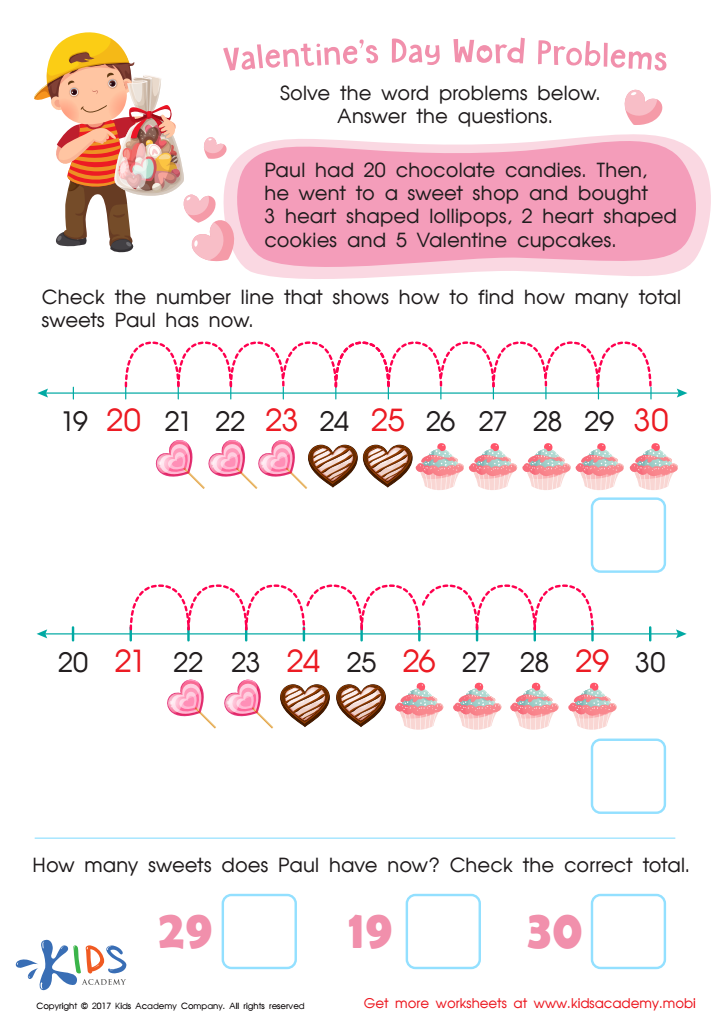
This PDF worksheet uses a number line to help solve the problems. Your child will be ready for Valentine's Day after completing it. Counting and adding from 20 is also reinforced.
Valentines Day 2 Printable
Worksheet
Young and Adult Plants Worksheet

Young and Adult Plants Worksheet

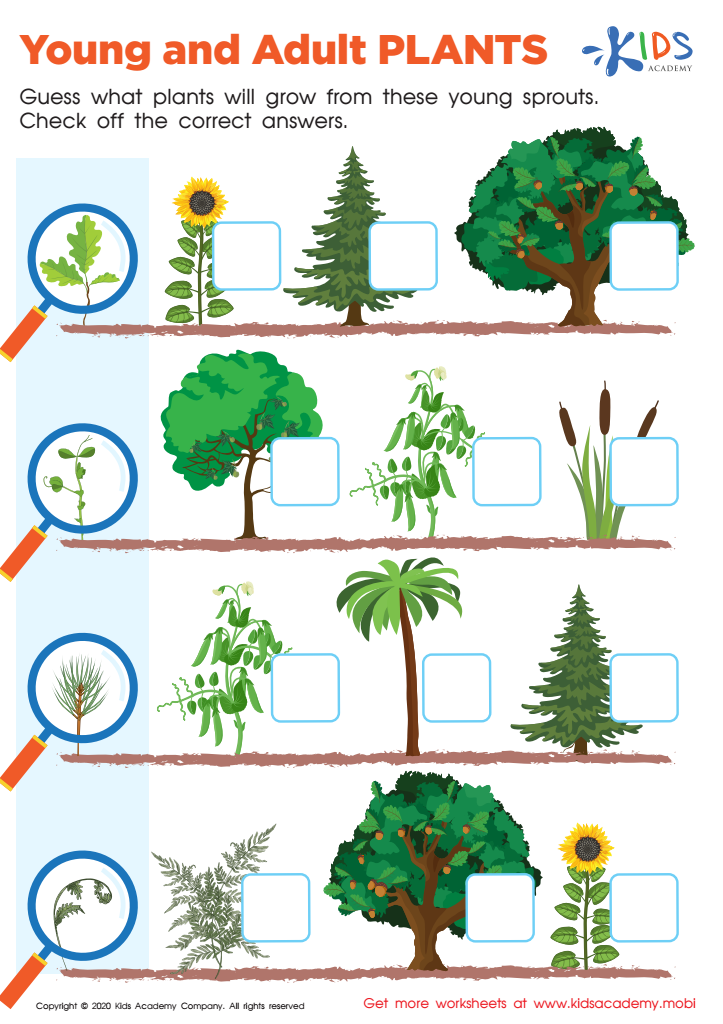
Examine the sprouts, then compare the leaves of the nearby trees. Check the box next to the tree that looks similar to the sprout to complete the worksheet. Problem-solving and analysis skills will be put to the test! 80 words.
Young and Adult Plants Worksheet
Worksheet
Adding Flower Petals Worksheet

Adding Flower Petals Worksheet

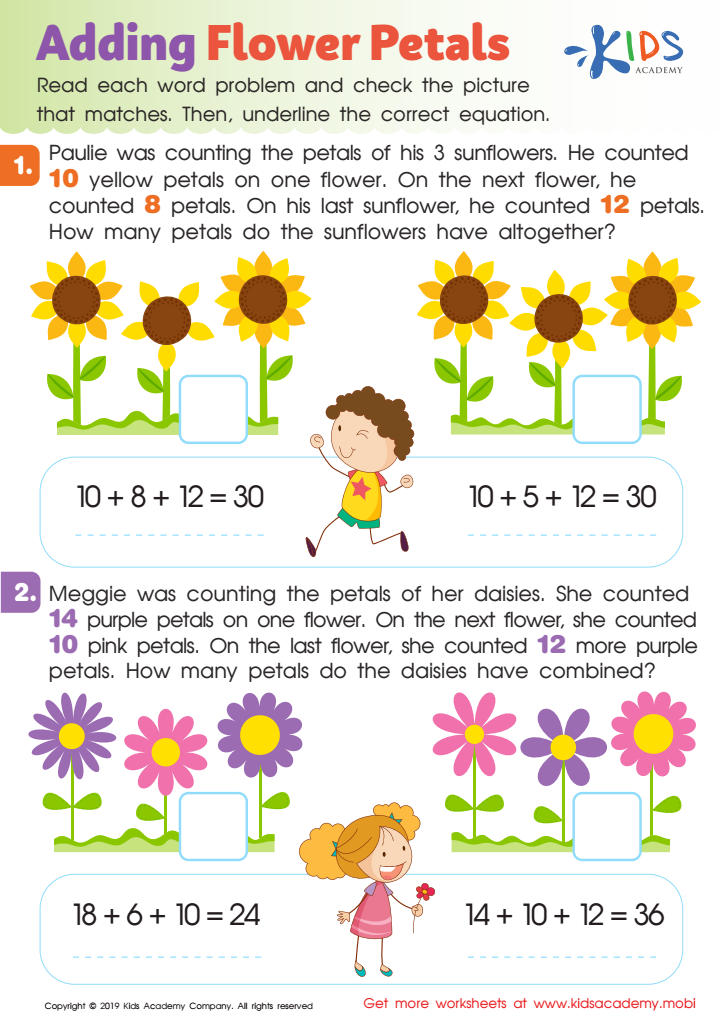
This free worksheet helps little mathematicians learn to understand word problems. They'll read each one and match it to the corresponding picture. Important info is highlighted, teaching kids to look for key info when solving problems. Then they'll underline the correct number equation that matches the picture. A great way to practice problem-solving skills!
Adding Flower Petals Worksheet
Worksheet
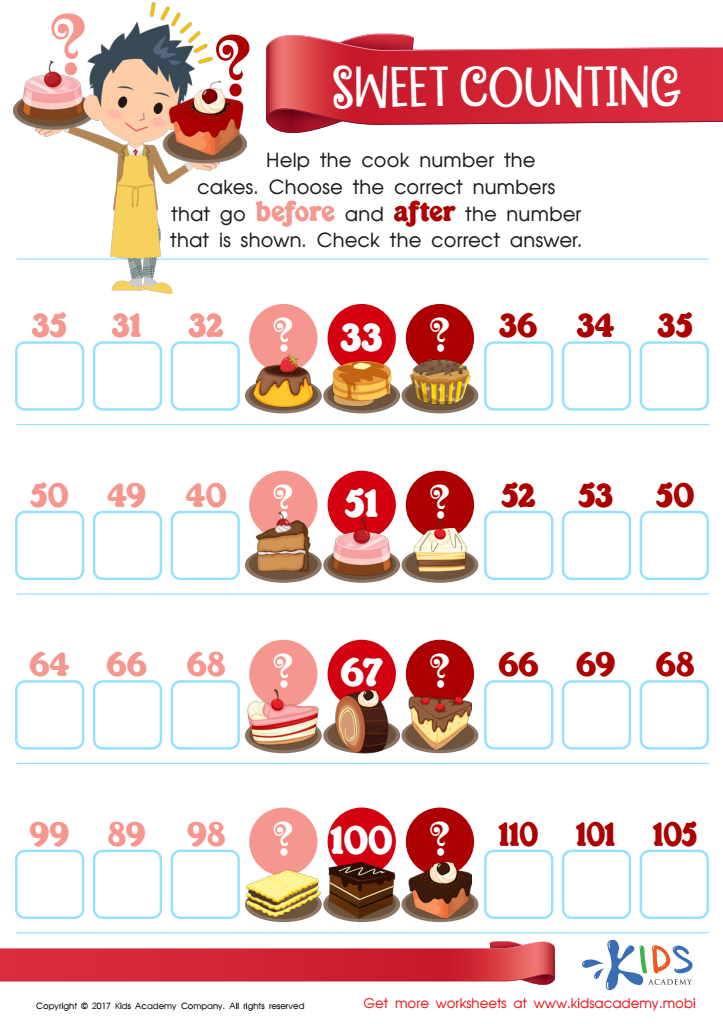
Sweet Counting - Part 1 Worksheet

Sweet Counting - Part 1 Worksheet

Help your child learn numbers by counting cakes! Download this fun worksheet and have them fill in the numbers missing in the line of cakes. They'll have fun helping the cook and be learning at the same time!
Sweet Counting - Part 1 Worksheet
Worksheet
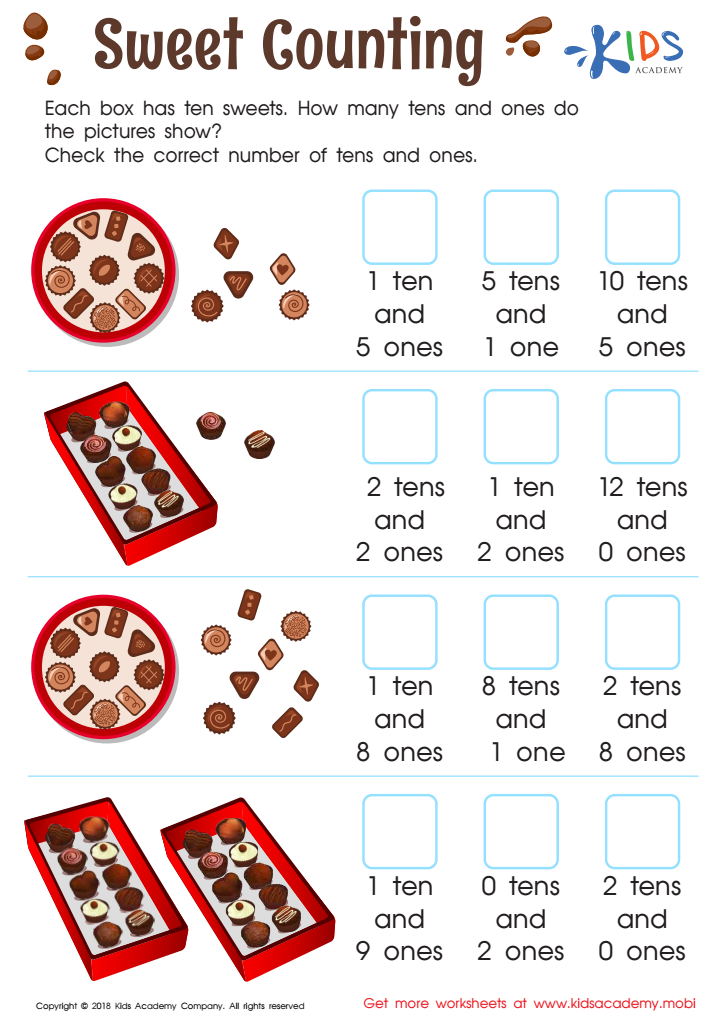
Sweet Counting - Part 2 Worksheet

Sweet Counting - Part 2 Worksheet

Kids adore sweets! Make counting fun with this sweet-themed worksheet. Guide your child to count chocolates in boxes of 10, plus individual candies. Group them into tens and ones. Ask: "How many ones and tens are in each row?" Check the answer and complete the practice sheet.
Sweet Counting - Part 2 Worksheet
Worksheet
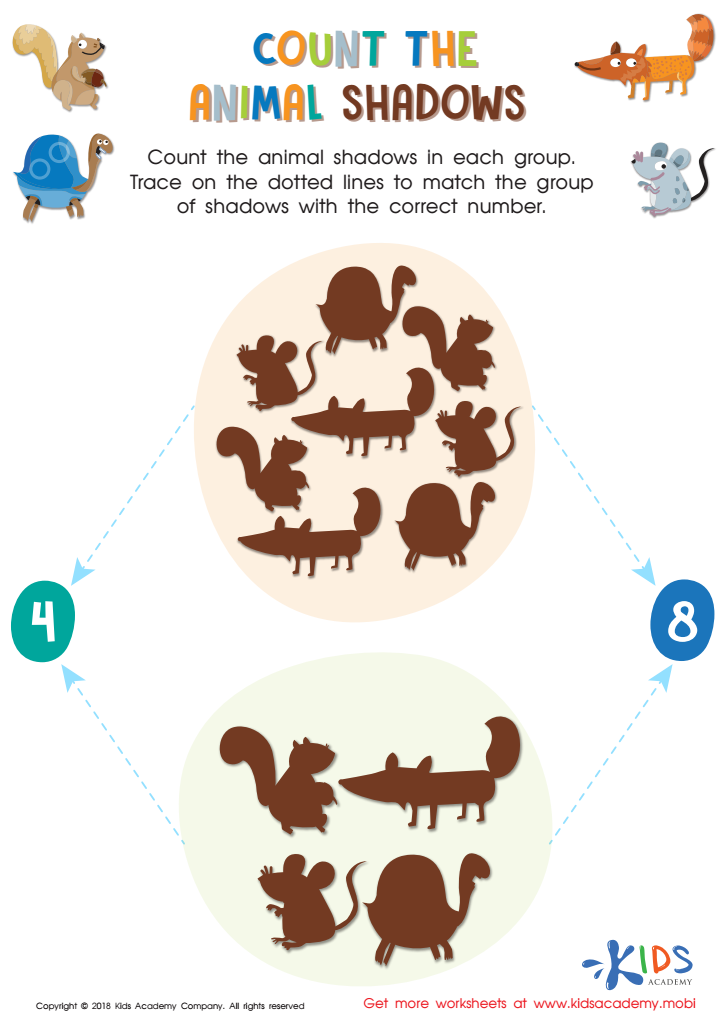
Count the Animal Shadows Worksheet

Count the Animal Shadows Worksheet

Our shadows accompany us wherever we go. Even your kids have seen theirs! Did they know that animals have shadows too? Count the animal shadows in each group with this worksheet. Ask your child to identify the animals pictured, then help them trace the dotted lines to match with the right number.
Count the Animal Shadows Worksheet
Worksheet
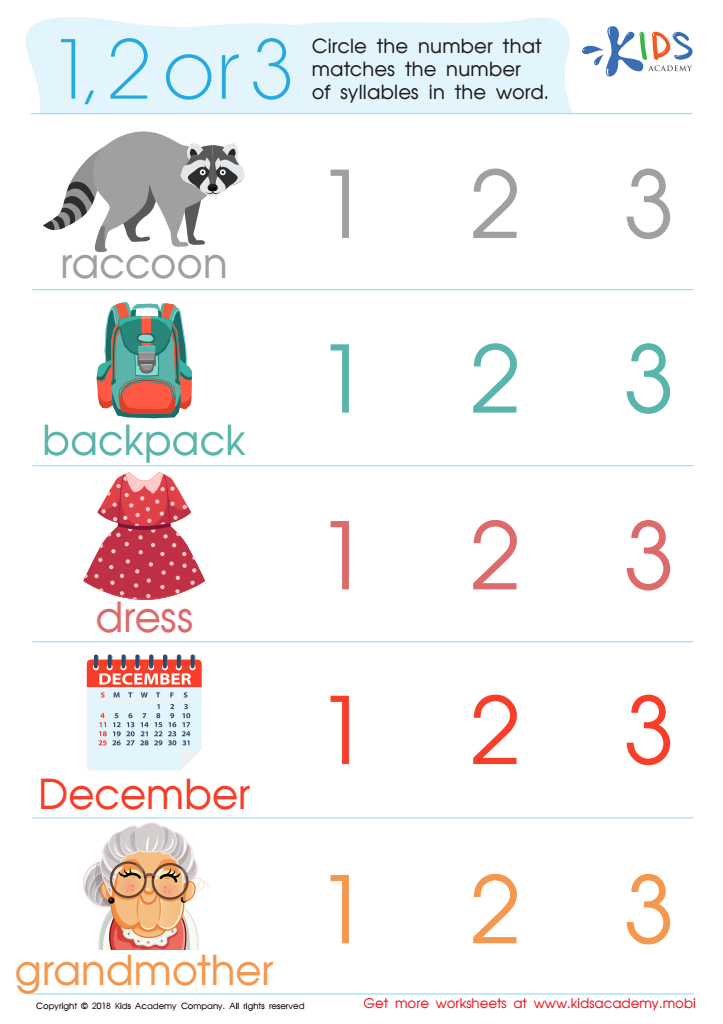
1, 2 or 3? Worksheet

1, 2 or 3? Worksheet

Do your kids know about syllables? Test their understanding with this worksheet. Read the words aloud and ask them to say them with you. Help them circle the number that matches the number of syllables in each word. Perfect for expanding knowledge or testing how much they've already learned.
1, 2 or 3? Worksheet
Worksheet


Visual perception is a crucial skill for 7-year-olds, as it significantly affects learning, development, and everyday functioning. At this age, children are often engaging in complex tasks that involve reading, writing, and playing sports—activities that all rely on effective visual perception. This includes the ability to interpret and understand visual information, such as letters, numbers, shapes, and sizes.

Parents and teachers should care about visual perception normalcy because deficits in this area can lead to struggles in academic performance. For instance, children with weak visual perception may find it challenging to recognize letters, leading to reading difficulties. They might also face issues with spatial awareness, impacting their ability to navigate physical spaces and coordinate motor skills.

Additionally, strong visual perception plays a crucial role in social interactions. Children use visual cues to interpret emotions and body language, essential for building friendships. By monitoring and supporting the development of visual perception skills, parents and teachers can foster children’s self-esteem and independence. Early intervention, when needed, can help prevent ongoing struggles, ensuring children have the foundational skills required for success in both the classroom and their broader environment.