Analytical skills Normal Math Worksheets for 7-Year-Olds
3 filtered results
-
From - To
Enhance your child's analytical skills with our engaging Normal Math Worksheets designed for 7-year-olds. These worksheets are specifically crafted to develop critical thinking and problem-solving abilities while making math fun. Each activity promotes logical reasoning through practical exercises, puzzles, and real-life scenarios that encourage young learners to think deeply and analyze situations. Our user-friendly format allows easy printing and use at home or in the classroom. With a focus on foundational math concepts, your child will build confidence and mastery in their learning journey. Explore our collection and watch your child's analytical prowess grow with each worksheet!
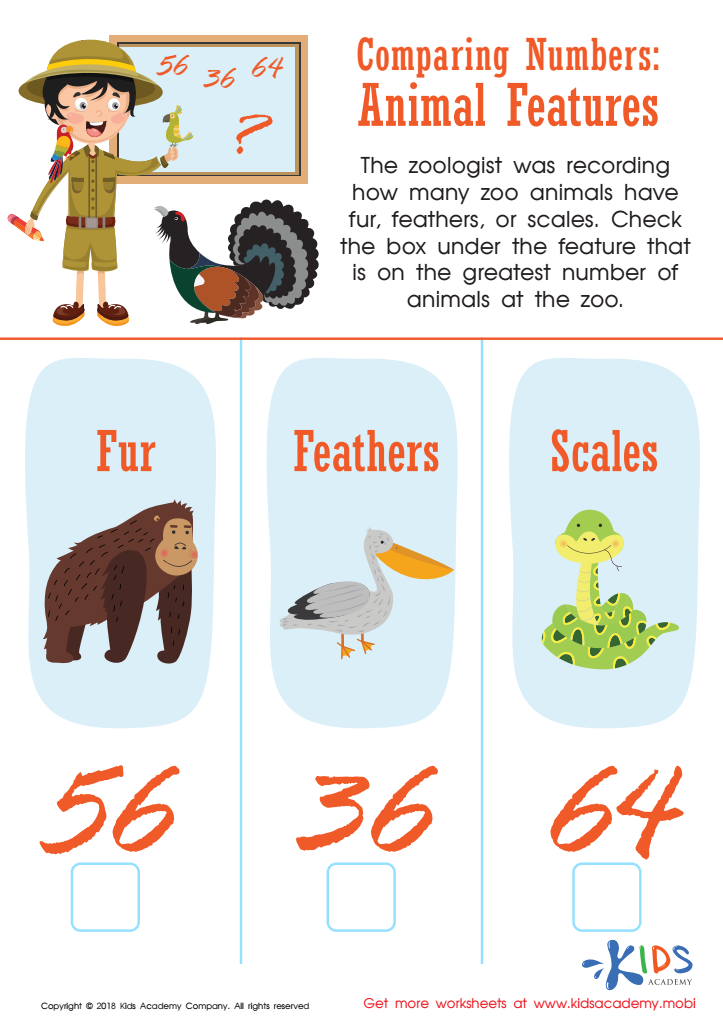
Animal Features Worksheet
 Assign to My Students
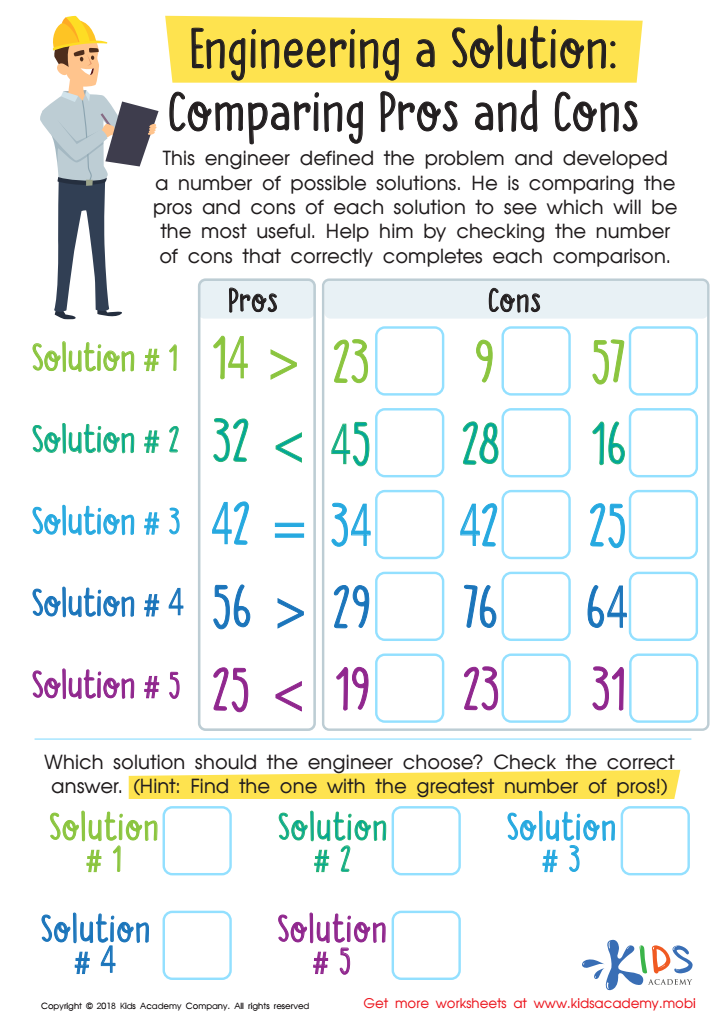
Engineering a Solution: Comparing Pros and Cons Worksheet
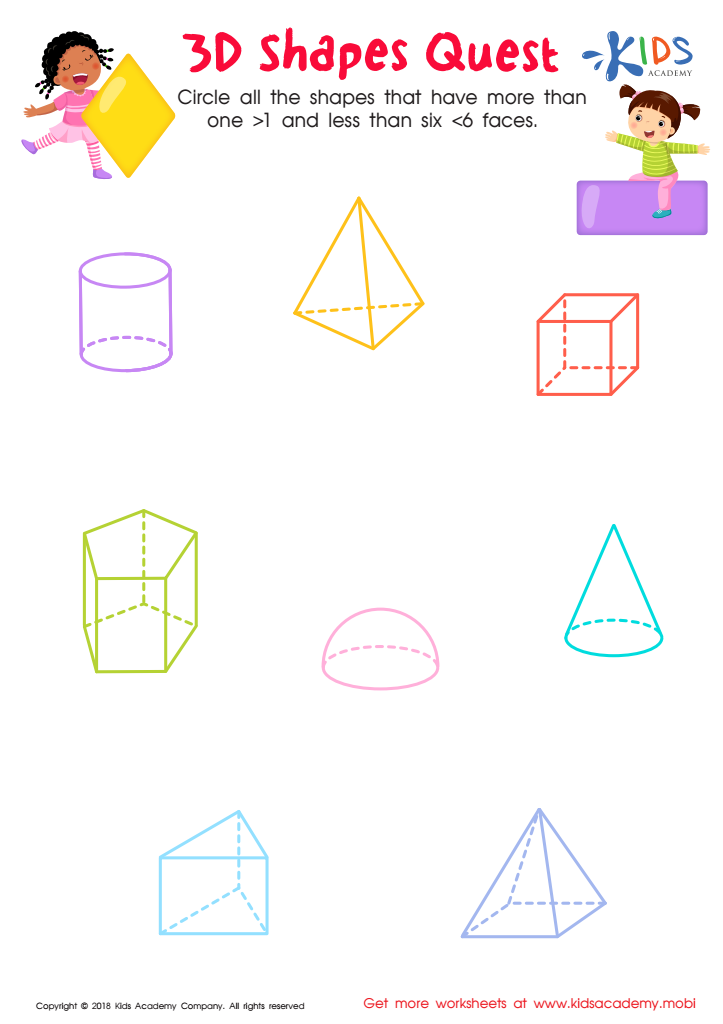
3D Shapes Quest Worksheet







Analytical skills in mathematics are crucial for 7-year-olds as they lay the foundation for critical thinking and problem-solving abilities. At this age, children are naturally curious and eager to explore mathematical concepts. Parents and teachers should care about fostering these skills because they enable children to approach problems methodically and effectively.
Strong analytical skills help children interpret and analyze information, making them better equipped to tackle word problems and real-life scenarios. When children learn to break down complex tasks into manageable steps, they develop perseverance and resilience—qualities that benefit them beyond the classroom.
Furthermore, early development of analytical reasoning encourages mathematical confidence, leading to higher achievement in higher grades. As children grapple with concepts like addition, subtraction, and basic geometry, they begin to identify patterns and relationships. These skills not only enhance their math performance but also support learning in other subjects such as science and language arts.
In nurturing analytical skills, adults are helping to create lifelong learners who can think critically and adapt to new challenges. Investing time and resources in this area will empower young thinkers to succeed academically and understand the role of mathematics in their day-to-day lives.








