Fine Motor Skills Normal Worksheets for Ages 8-9 - Page 2
53 filtered results
-
From - To
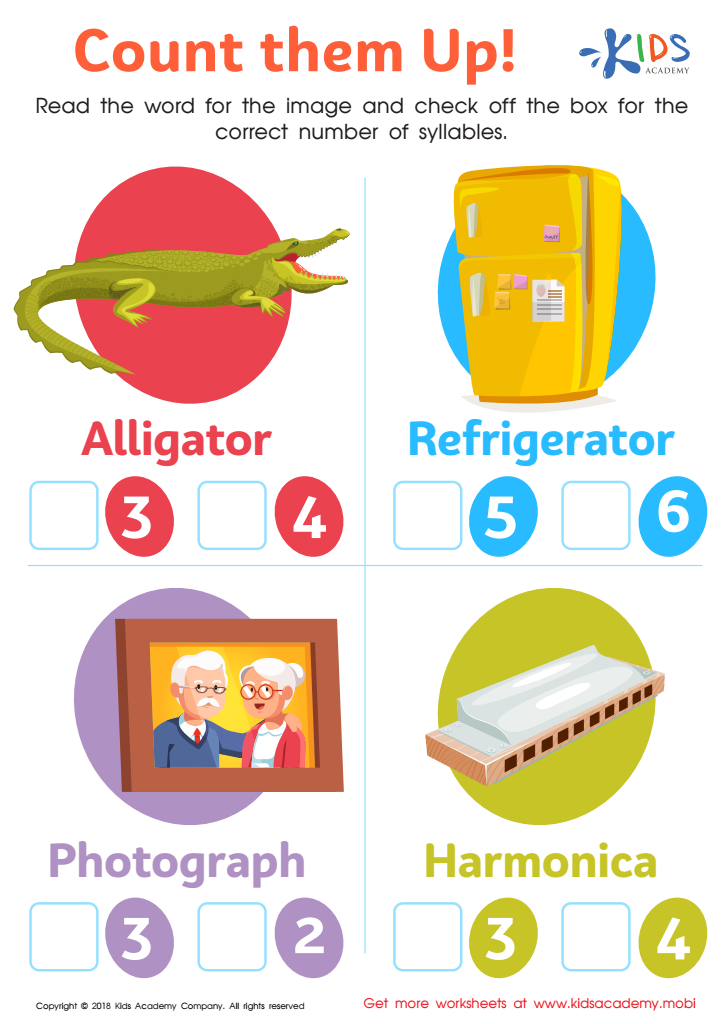
Count Them Up Worksheet
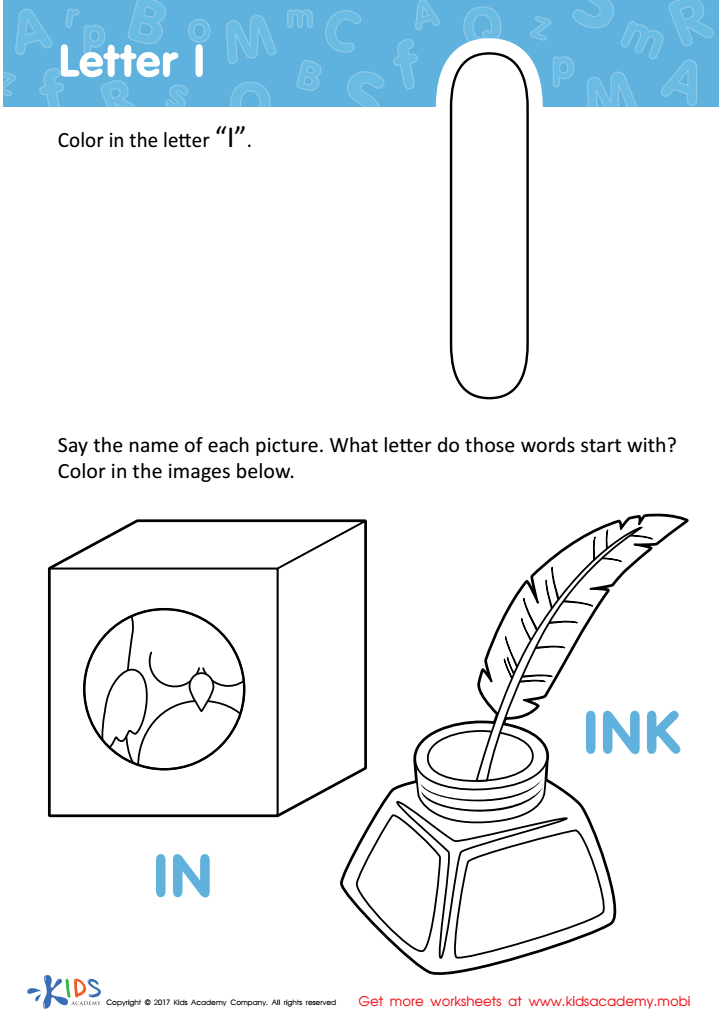
Letter I Coloring Sheet
 Assign to My Students

Native American Coloring Page Worksheet
Assign to My Students

Long and Short U Worksheet
Assign to My Students
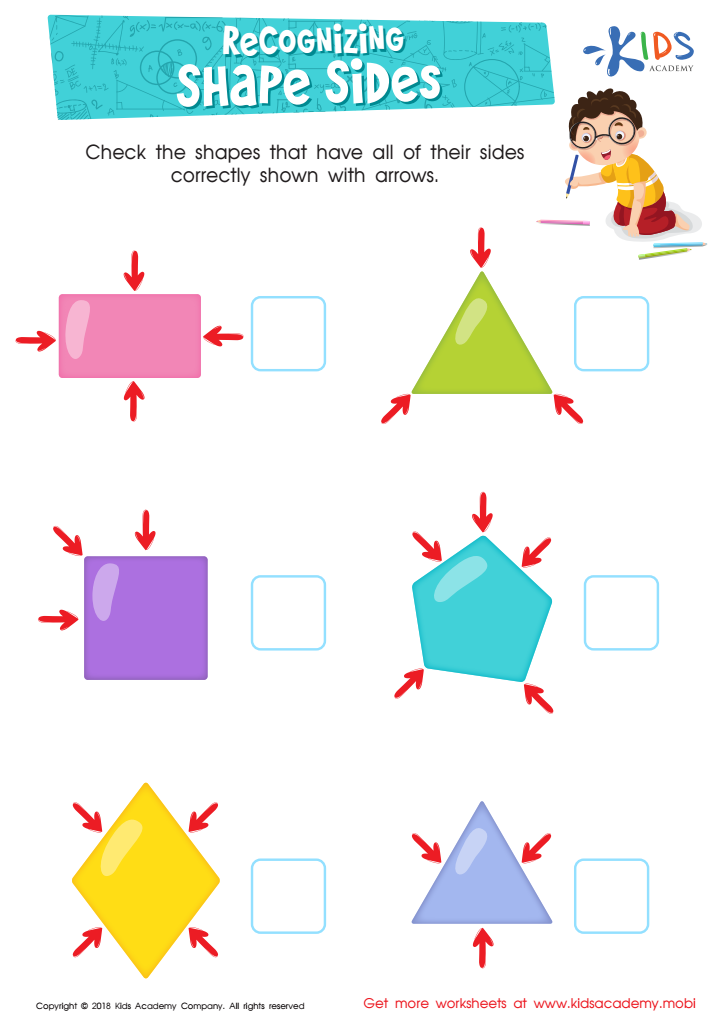
Recognizing Shape Sides Worksheet
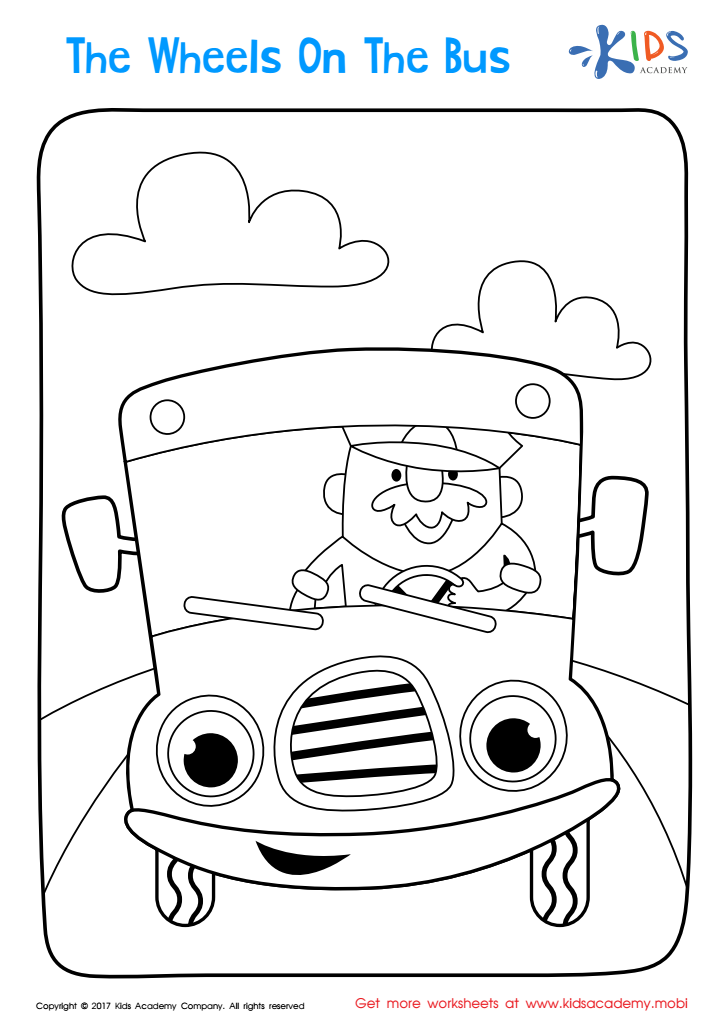
The Wheels on the Bus Coloring Page
Assign to My Students
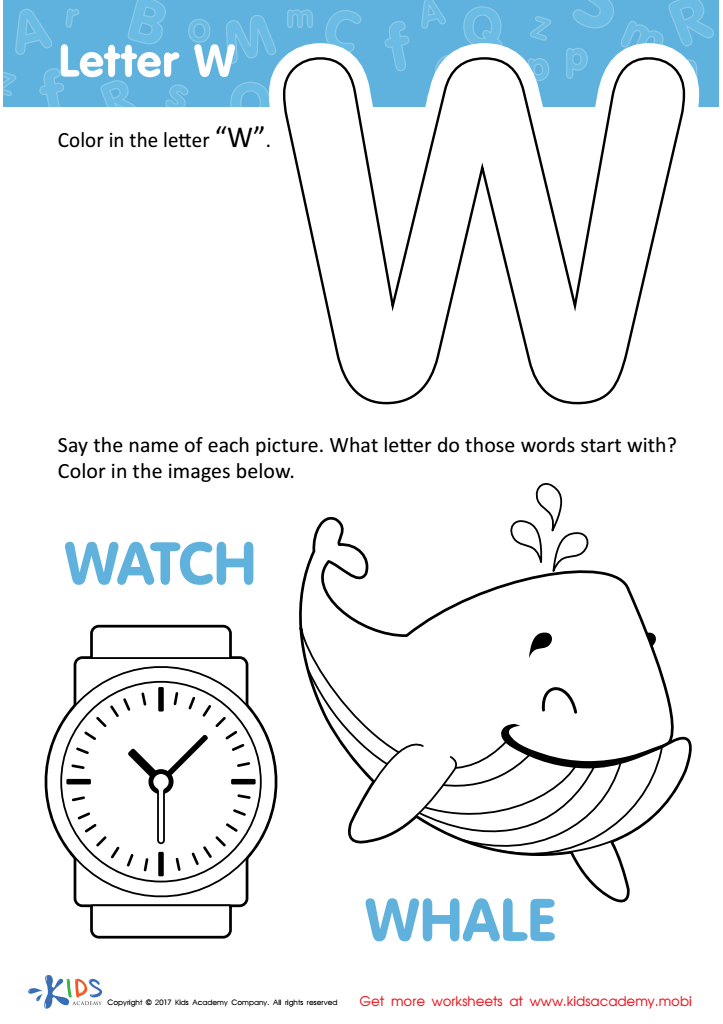
Letter W Coloring Sheet
Assign to My Students
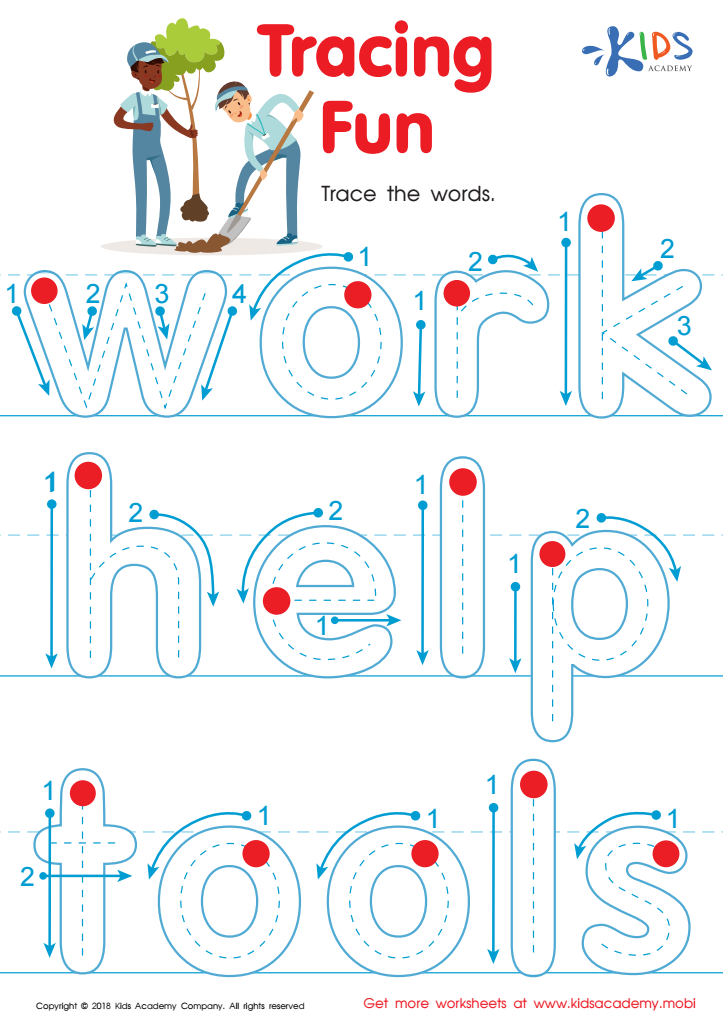
Tracing Fun Worksheet

Red Riding Hood Coloring Page
Assign to My Students
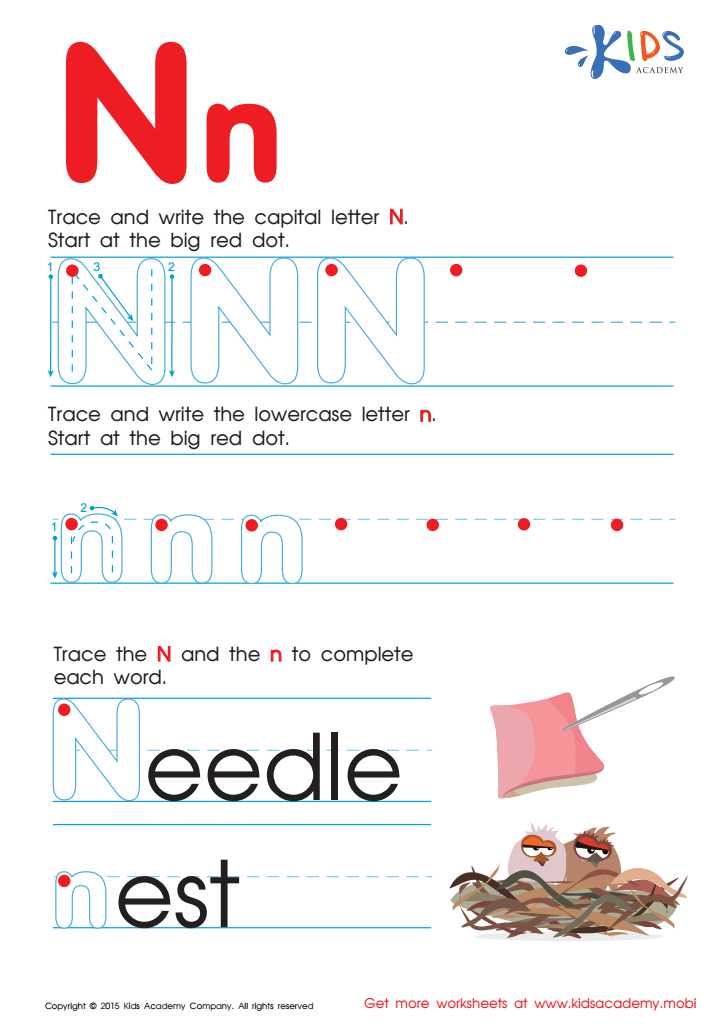
Letter N Tracing Page
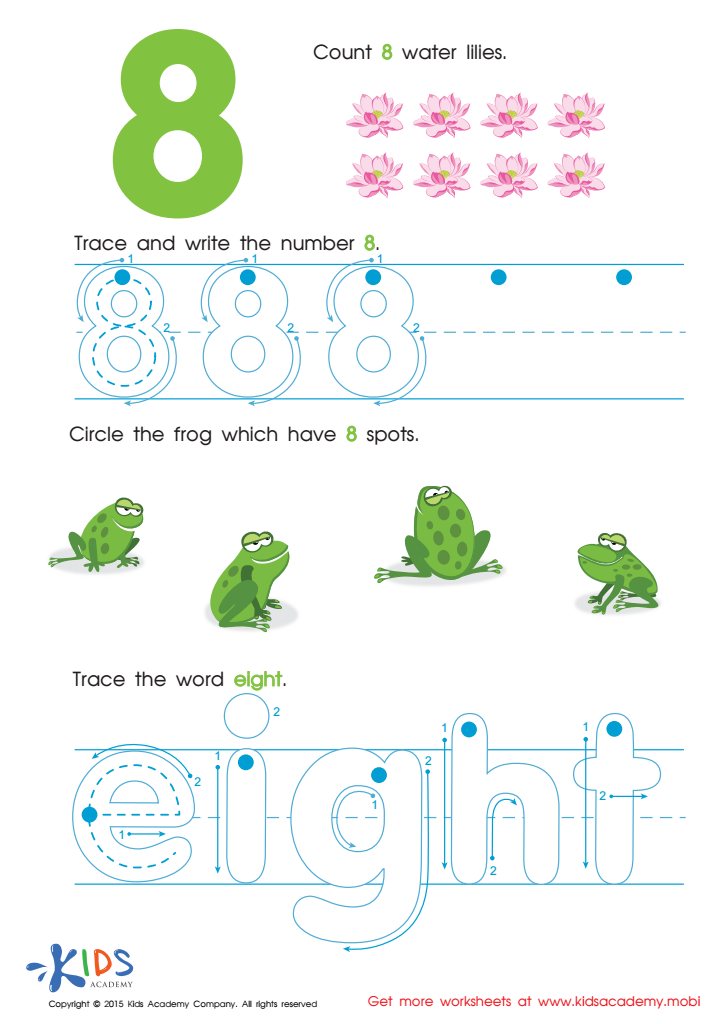
Learn Number 8 Easily Worksheet

Letter E Tracing Page

Pirate Ship Coloring Page
Assign to My Students

White Tracing Color Words Worksheet
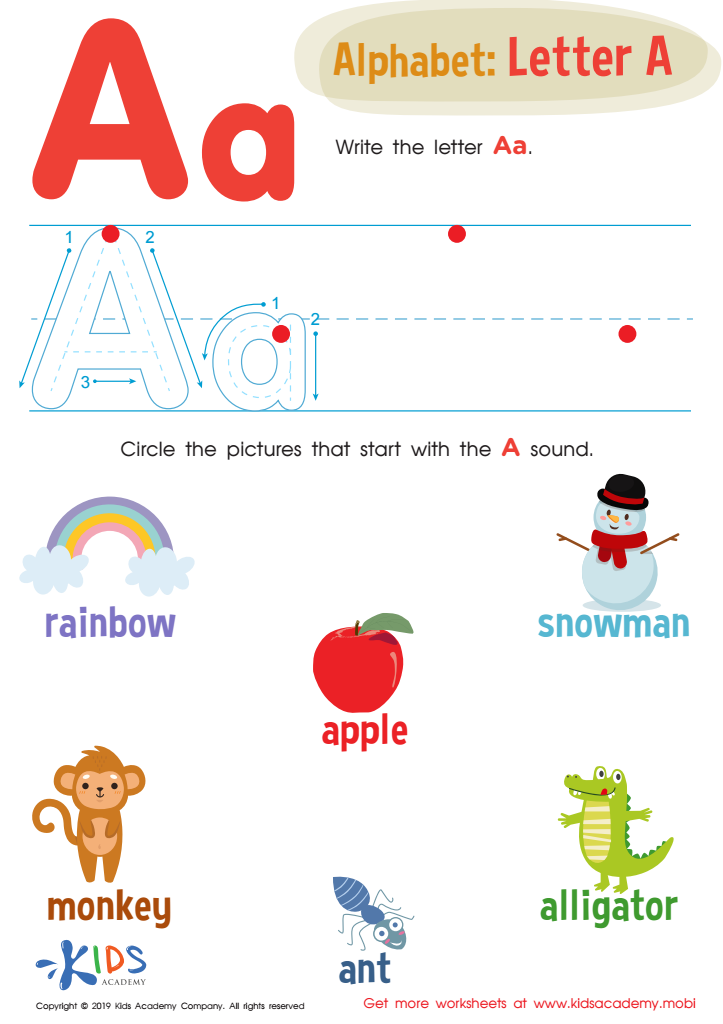
Letter A Tracing Worksheet
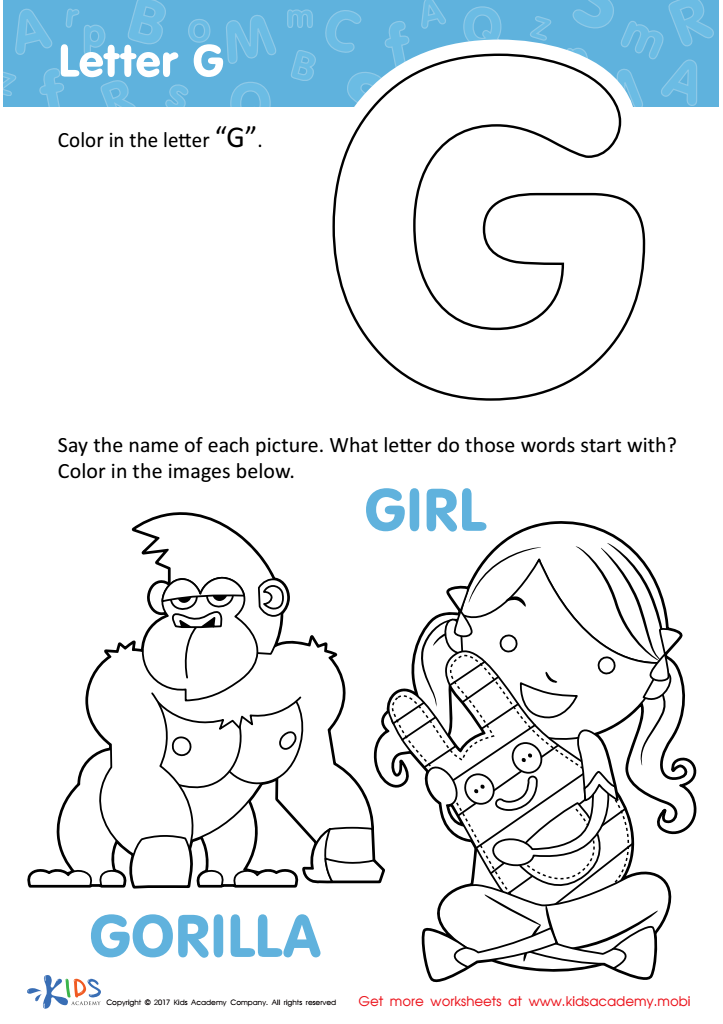
Letter G Coloring Sheet
Assign to My Students
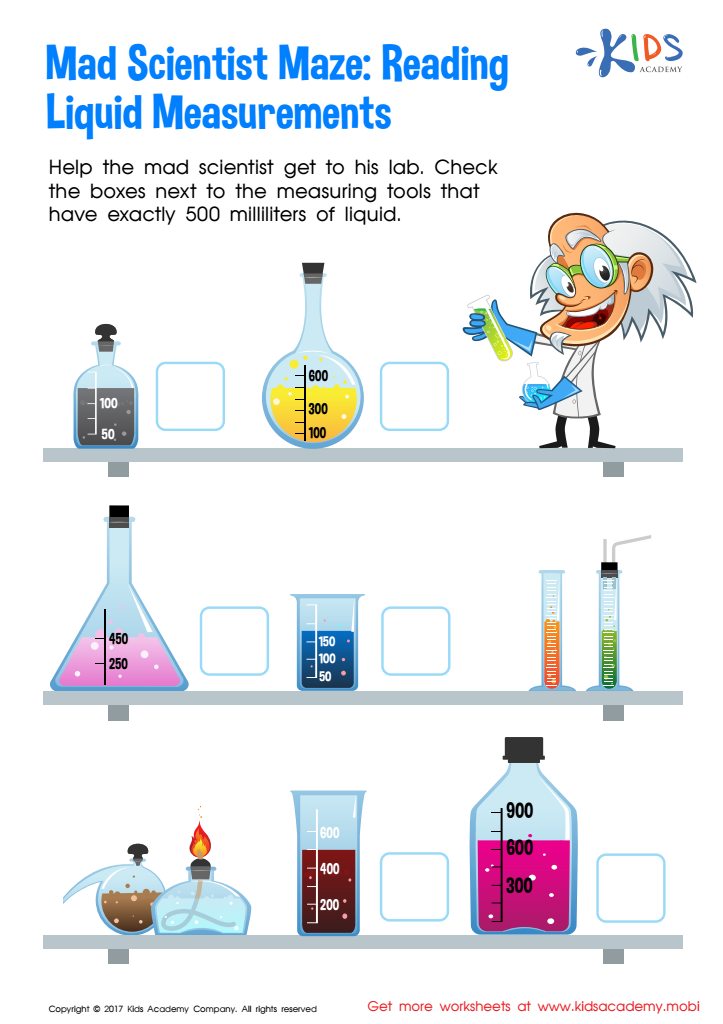
Reading Liquid Measurement Worksheet
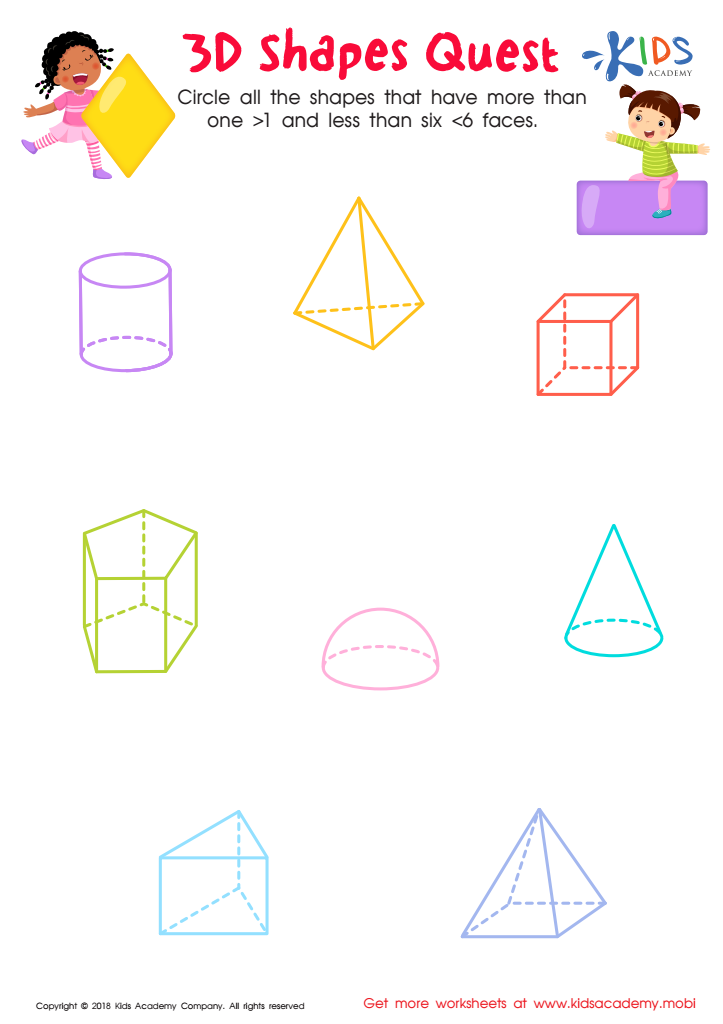
3D Shapes Quest Worksheet
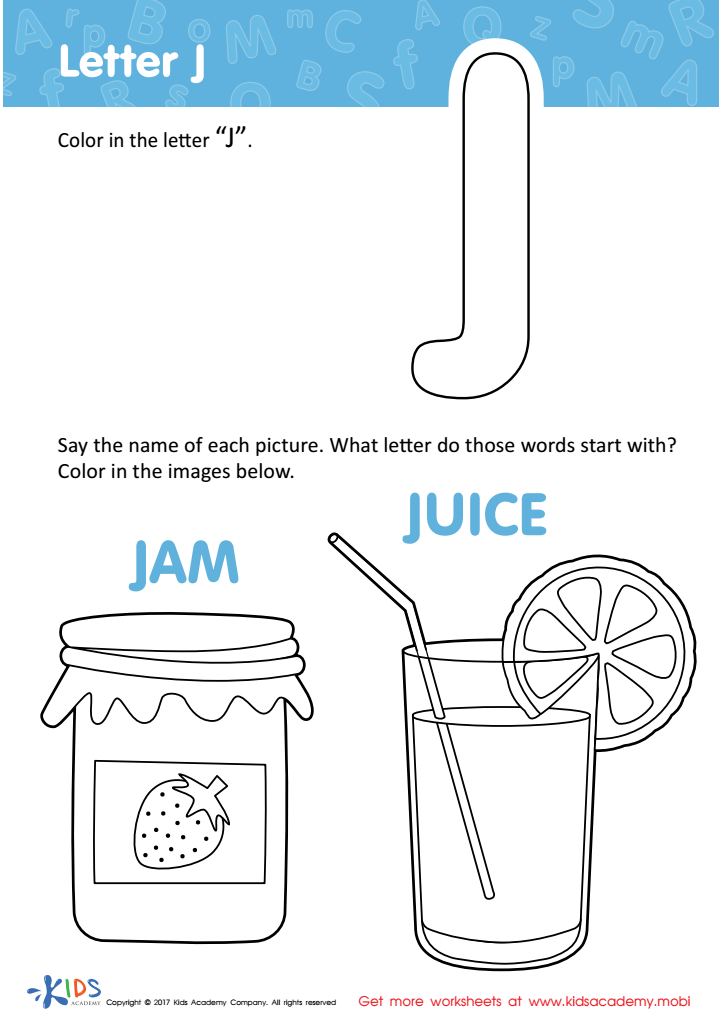
Letter J Coloring Sheet
Assign to My Students
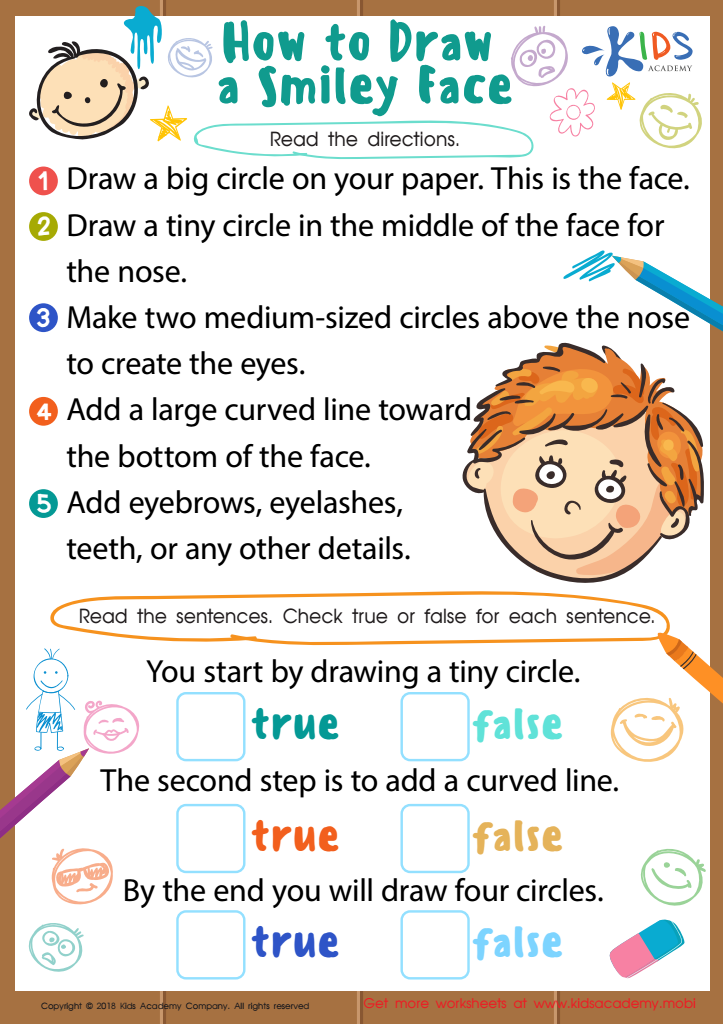
How to Draw a Smiley Face Worksheet
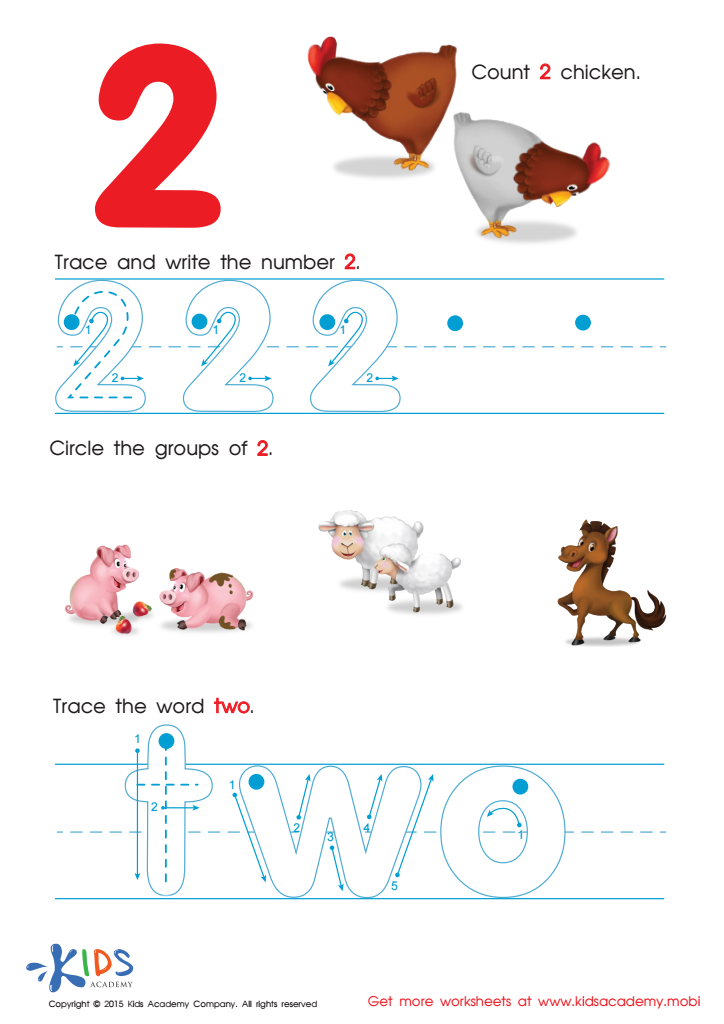
Learn to Write the Number 2 Worksheet

Letter F Tracing Page
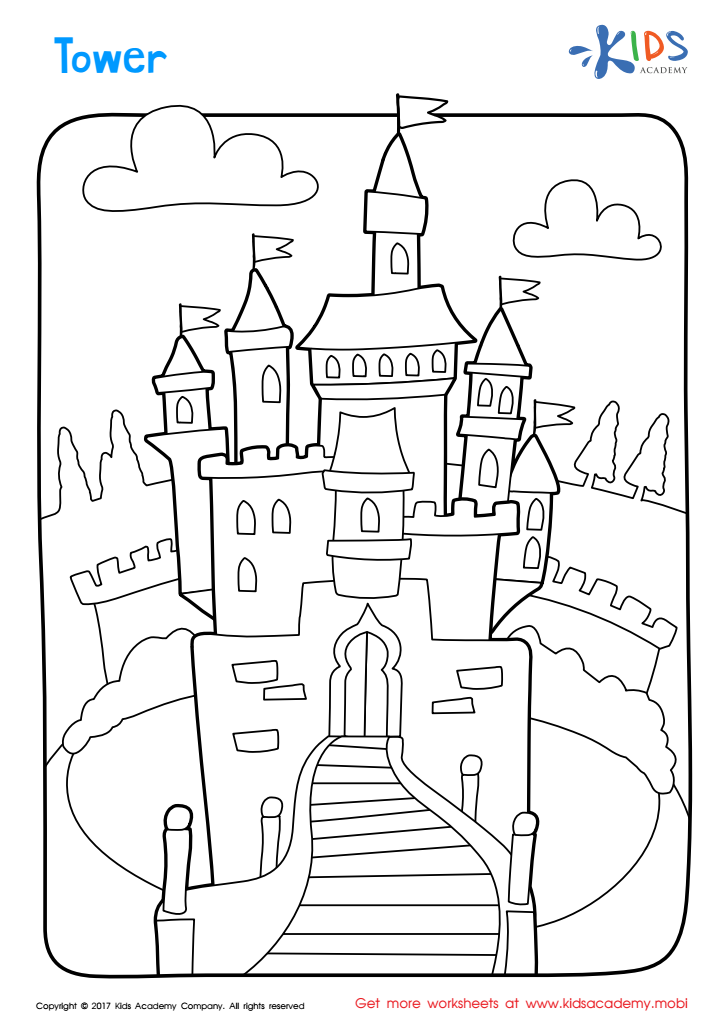
Tower Coloring Page
Assign to My Students

Letter F Coloring Sheet
Assign to My Students








Fine motor skills are crucial for children aged 8-9, as they serve as the foundation for many daily activities and academic tasks. At this age, children hone their abilities to manipulate small objects, control hand movements, and perform intricate tasks. These skills are essential not just for writing and art, but also for activities like tying shoelaces, using utensils, and participating in sports.
For parents and teachers, nurturing fine motor skills can significantly enhance a child's confidence and autonomy. Children who struggle with these skills may experience frustration, which can lead to a lack of motivation and disengagement in learning. By providing opportunities for practice—such as arts and crafts, puzzles, or even playing musical instruments—adults can help foster a supportive environment that promotes dexterity and coordination.
Moreover, fine motor skills are closely linked to cognitive development, as they require focus and concentration. Encouraging activities that enhance these skills can improve hand-eye coordination and spatial awareness, contributing to better academic performance in subjects like math and science. Overall, parents and teachers should care about fine motor skill development because it has a lasting impact on a child’s overall growth, academic success, and self-esteem.








