Understanding fractions Normal Numbers Worksheets for Ages 8-9
10 filtered results
-
From - To
Discover our "Understanding Fractions Normal Numbers Worksheets for Ages 8-9" essential for building fundamental math skills. Kids Academy offers engaging and easy-to-follow printables designed for young learners. These worksheets cover essential fraction concepts, simplifying complex ideas into digestible exercises, making learning fun and effective. Perfect for classroom use or homework, our resources align with common core standards, ensuring educationally robust material. Tailored for ages 8-9, our worksheets include visual aids and practical tasks that help budding mathematicians grasp fractions easily and confidently. Kick-start your child's journey to math success with Kids Academy’s expertly crafted worksheets.
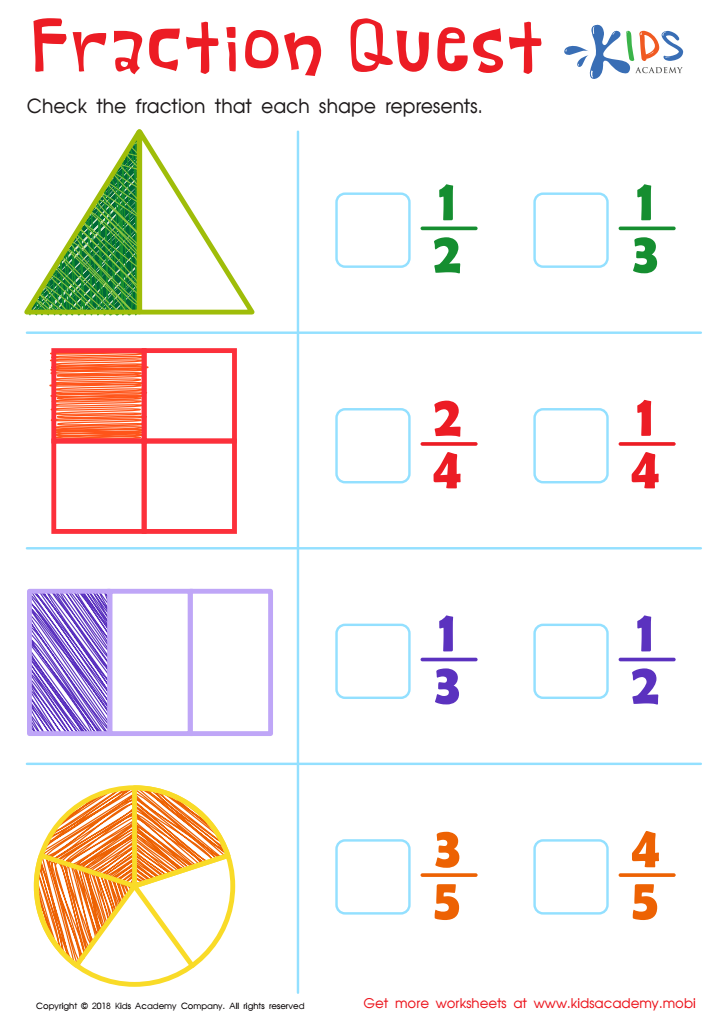
Fraction Quest Worksheet
 Assign to My Students
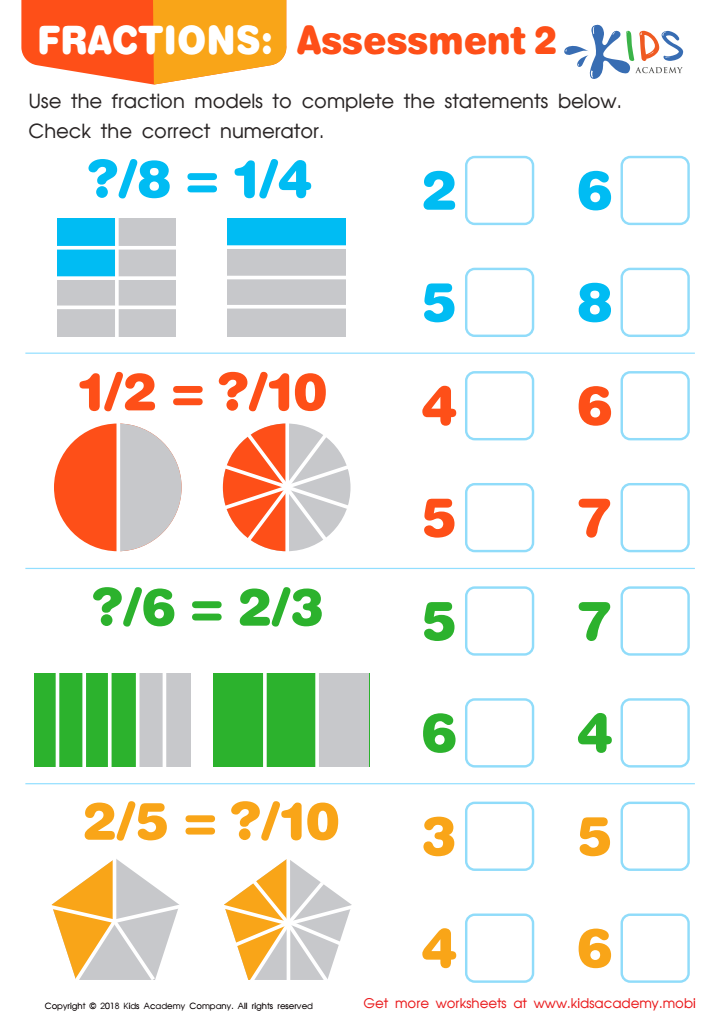
Fractions: Assessment 2 Worksheet
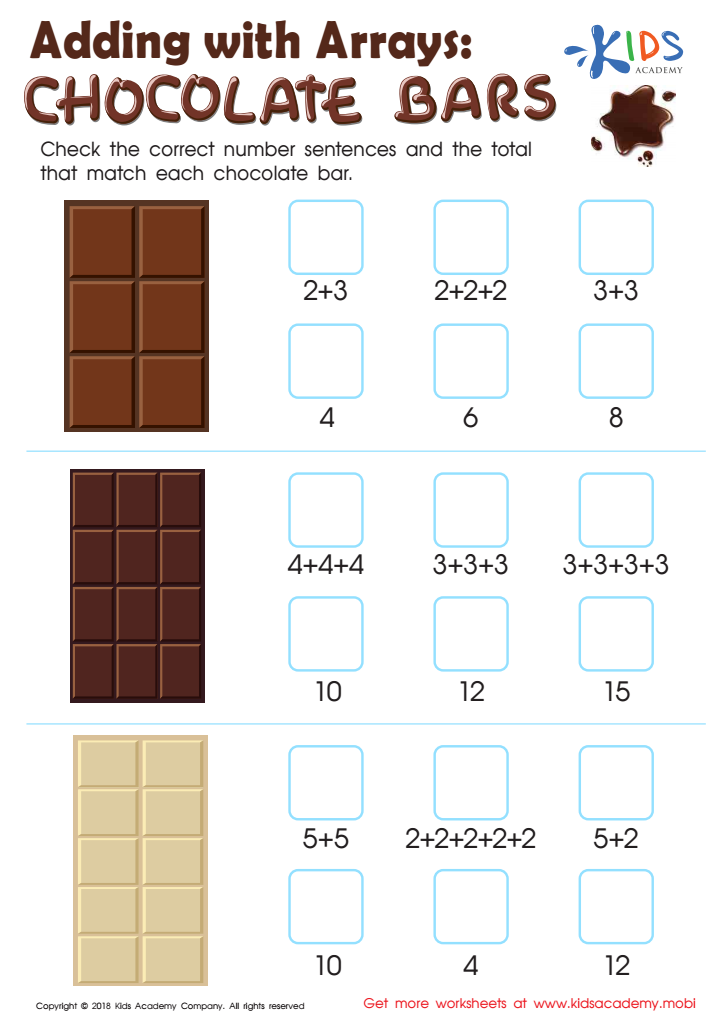
Adding with Arrays: Chocolate Bars Worksheet
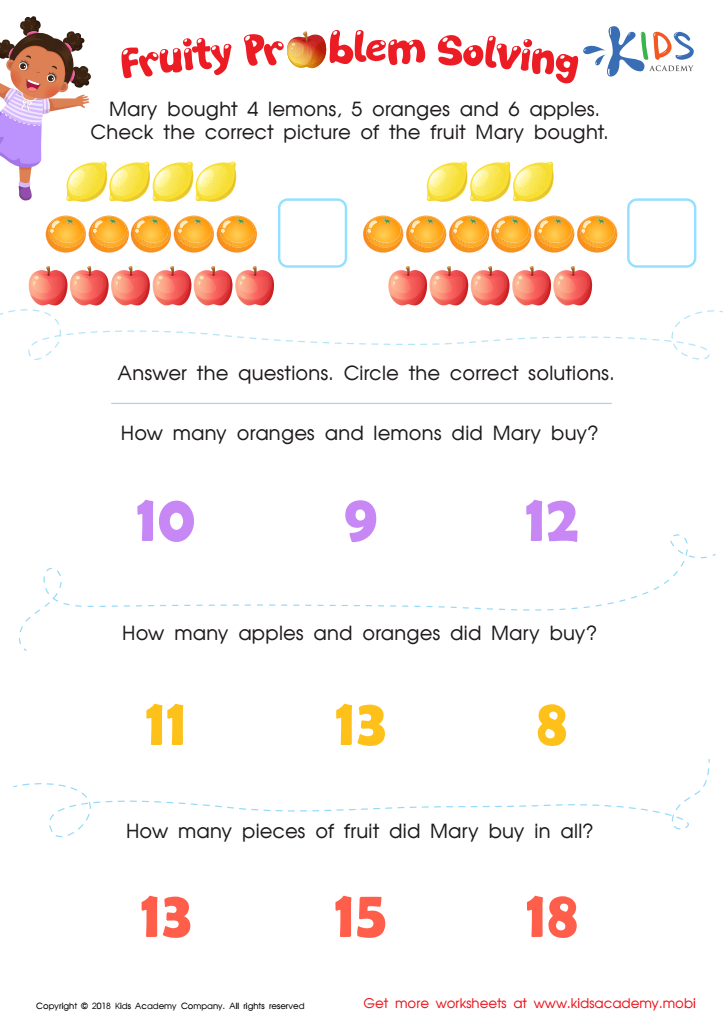
Fruity Problem Solving Worksheet
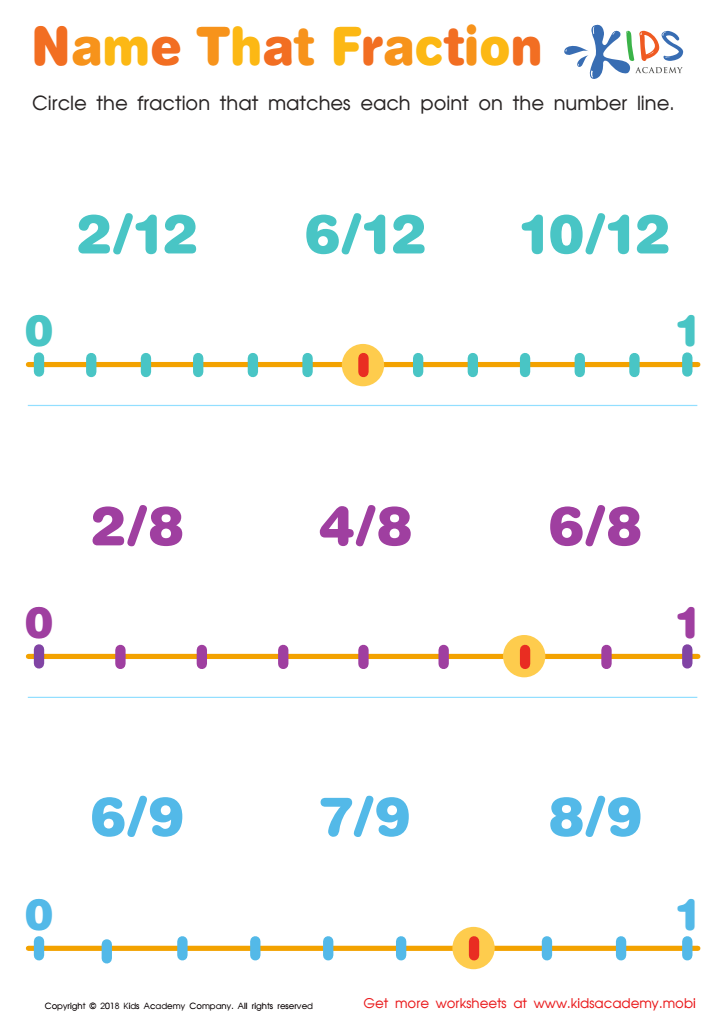
Name That Fraction Worksheet
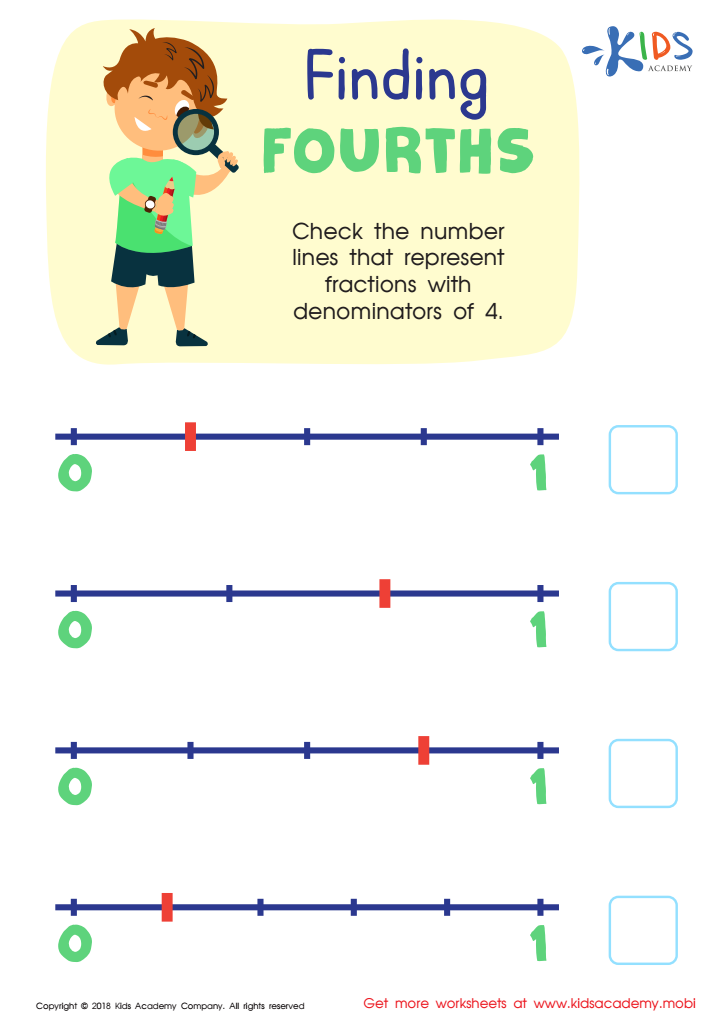
Finding Fourths Worksheet
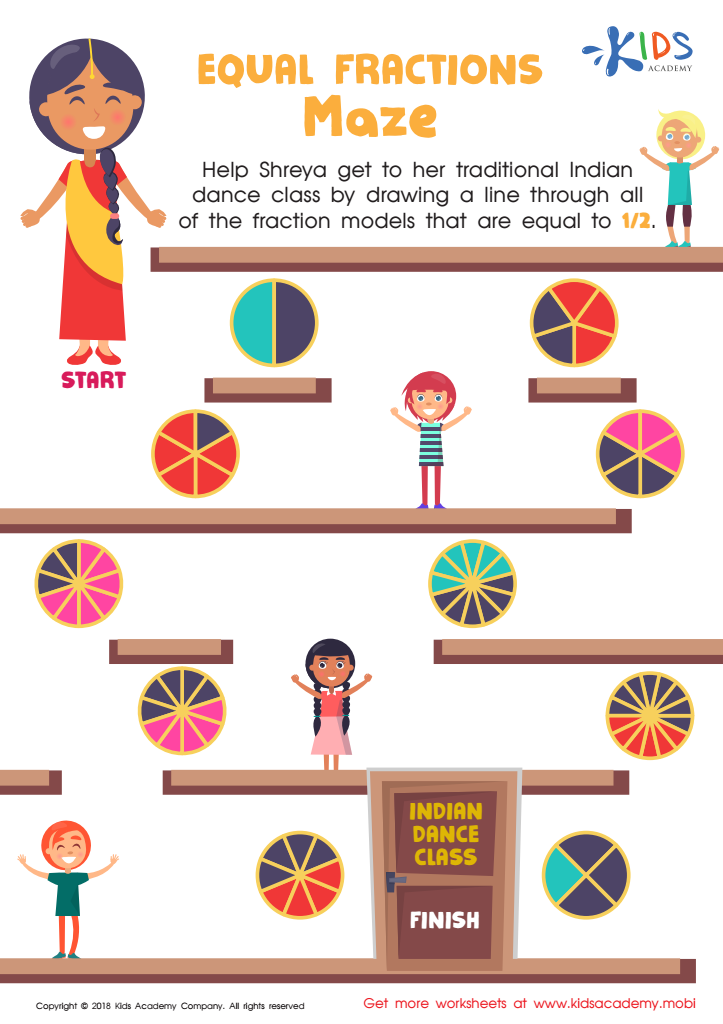
Equal Fractions Maze Worksheet
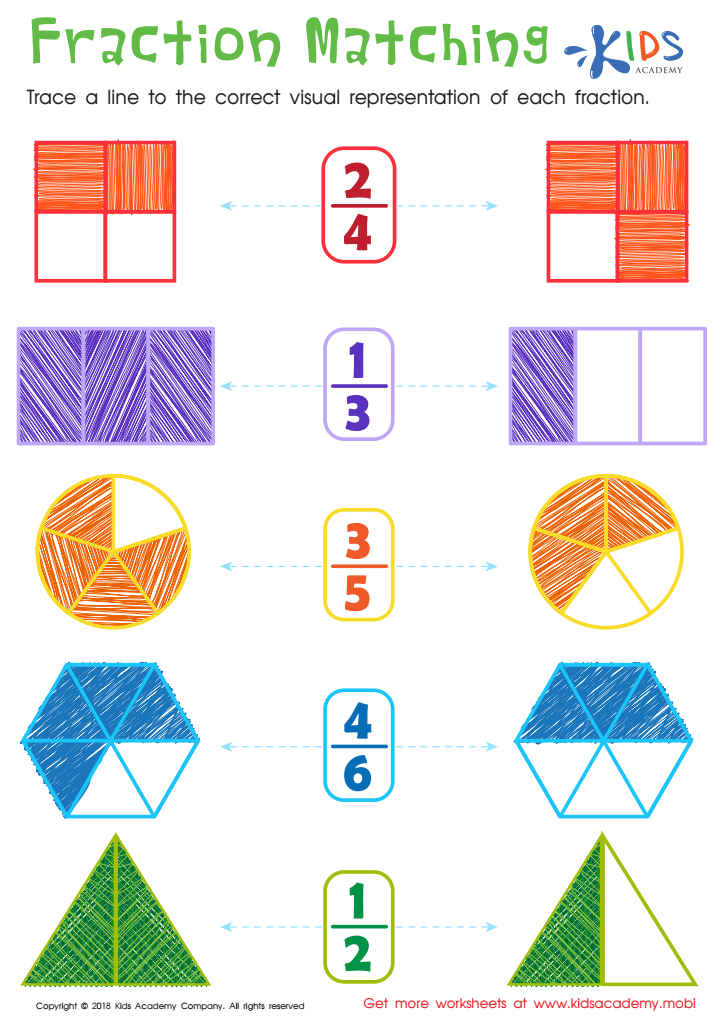
Fraction Matching Worksheet
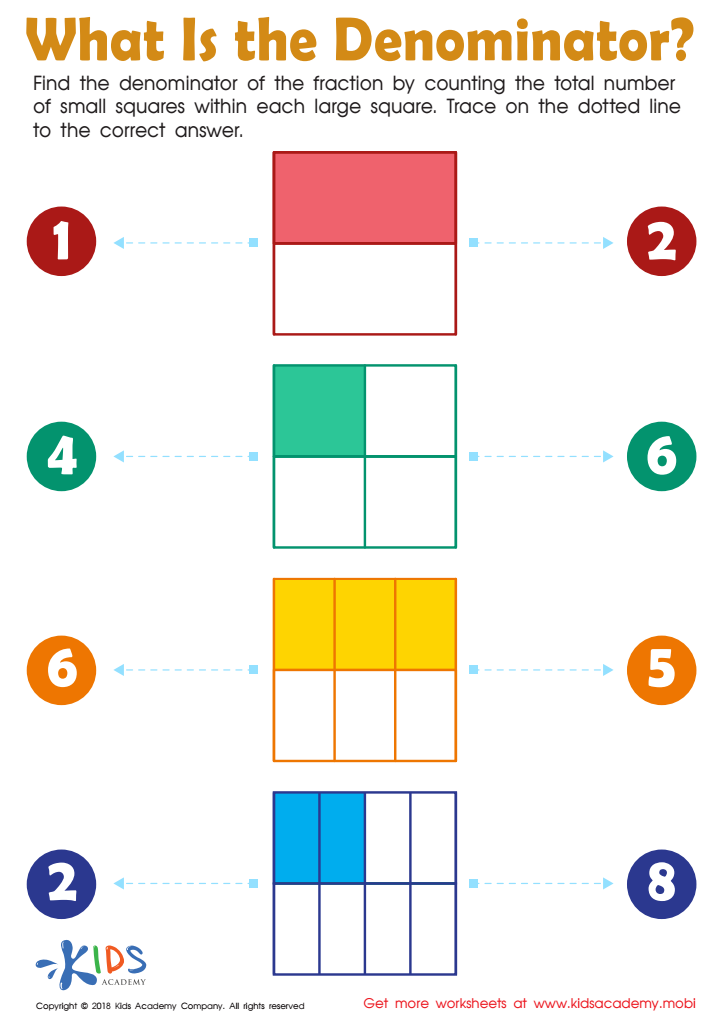
What Is the Denominator? Worksheet
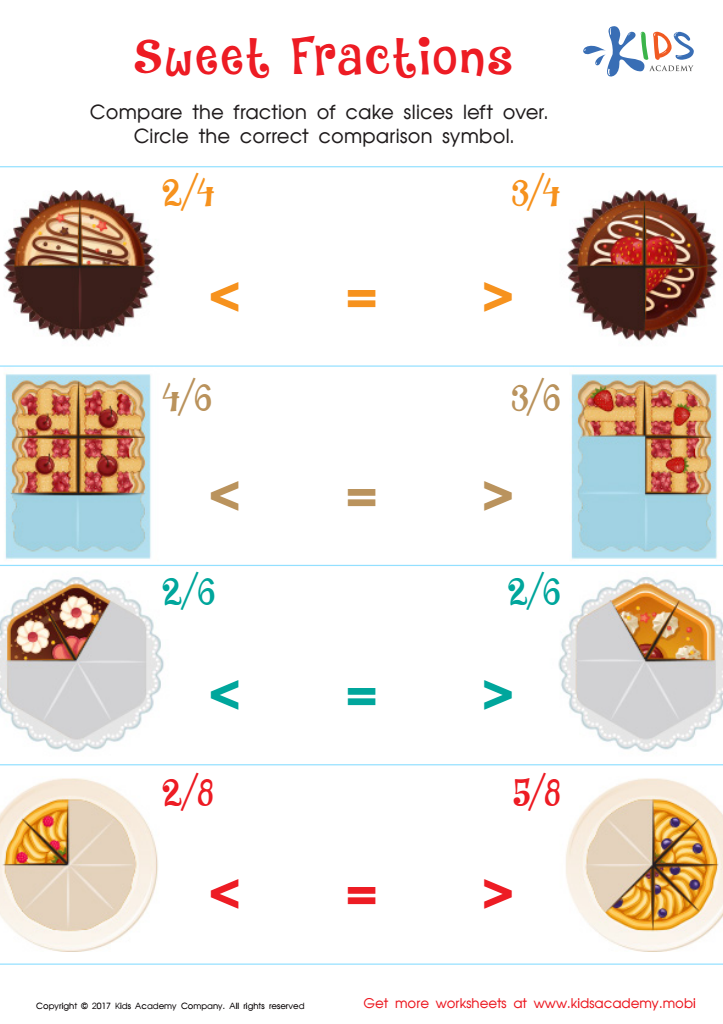
Compare Fractions Worksheet







Understanding fractions and rational numbers at ages 8-9 is foundational for children's math education. This key concept is essential for several reasons. Firstly, it enhances number sense—children learn that numbers can represent parts of a whole or a set, which is crucial for real-world applications like cooking and dividing resources. Secondly, mastering fractions bolsters problem-solving skills. Kids gain the ability to compare, add, and subtract parts of a whole, preparing them for more complex operations with ratios, percentages, and algebra later on.
Another vital reason is the impact on future academic success. Strong foundational skills in math build confidence and reduce anxiety, essential for tackling advanced topics. National education standards often focus on fractions at this age to ensure a smooth progression in math curricula.
Additionally, understanding fractions promotes logical thinking and precision. As children learn to manipulate these numbers, they improve their attention to detail and logical reasoning, skills that are transferable to other academic areas and everyday life.
Finally, early exposure to fractions in a supportive environment prevents future learning gaps. It sets the stage for lifelong numeracy, ensuring that children not only succeed academically but are also capable of handling financial literacy and everyday math with ease. Hence, parents and teachers should prioritize this crucial learning stage.