Reading comprehension Normal Writing Worksheets for Ages 8-9 - Page 2
38 filtered results
-
From - To
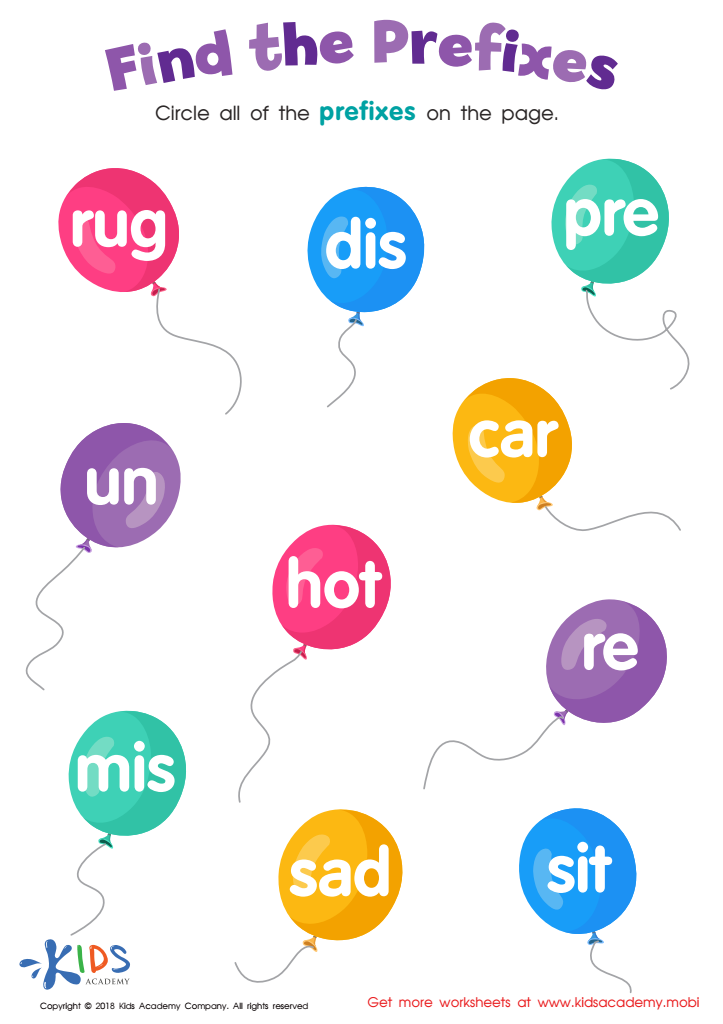
Reading: Find the Prefixes Worksheet
 Assign to My Students
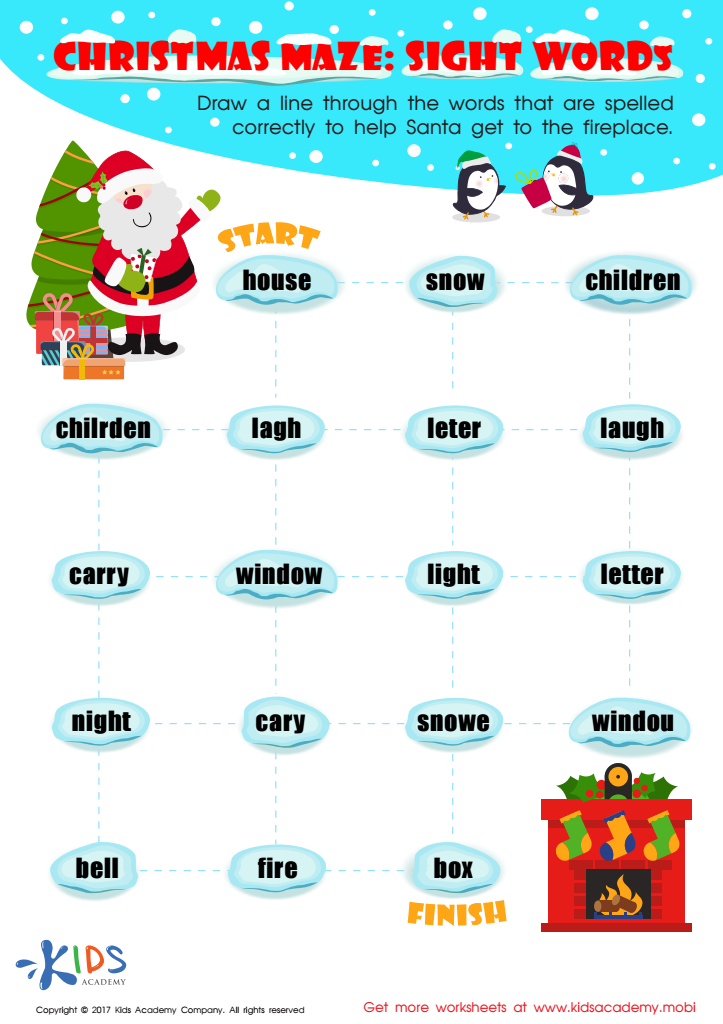
Sight Words Christmas Maze Printable
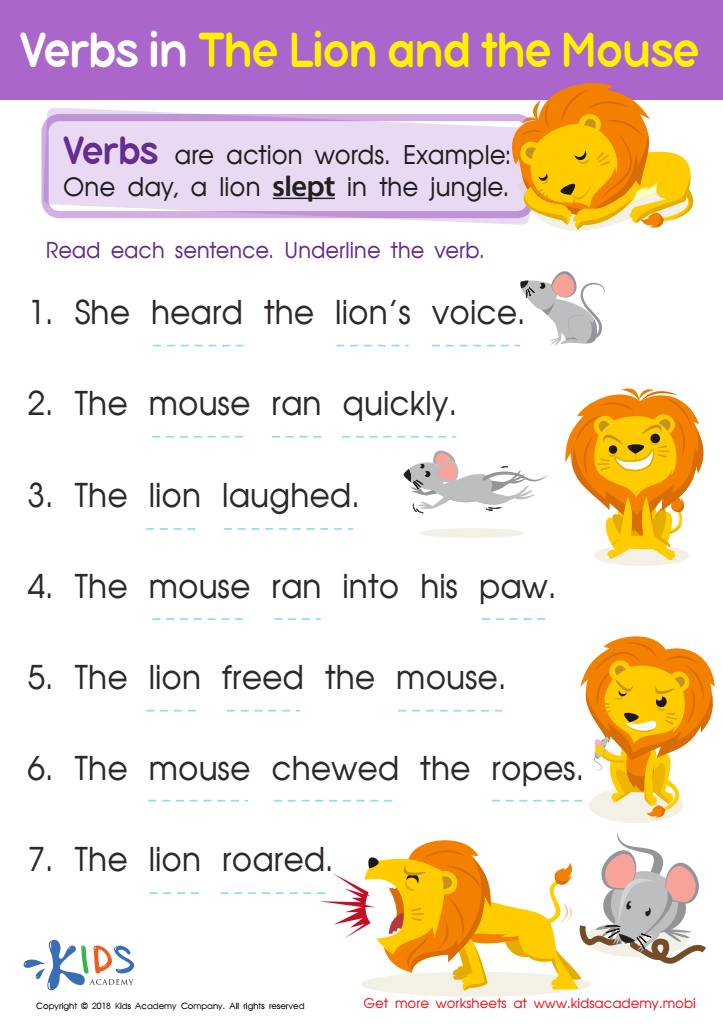
Verbs in The Lion and the Mouse Worksheet
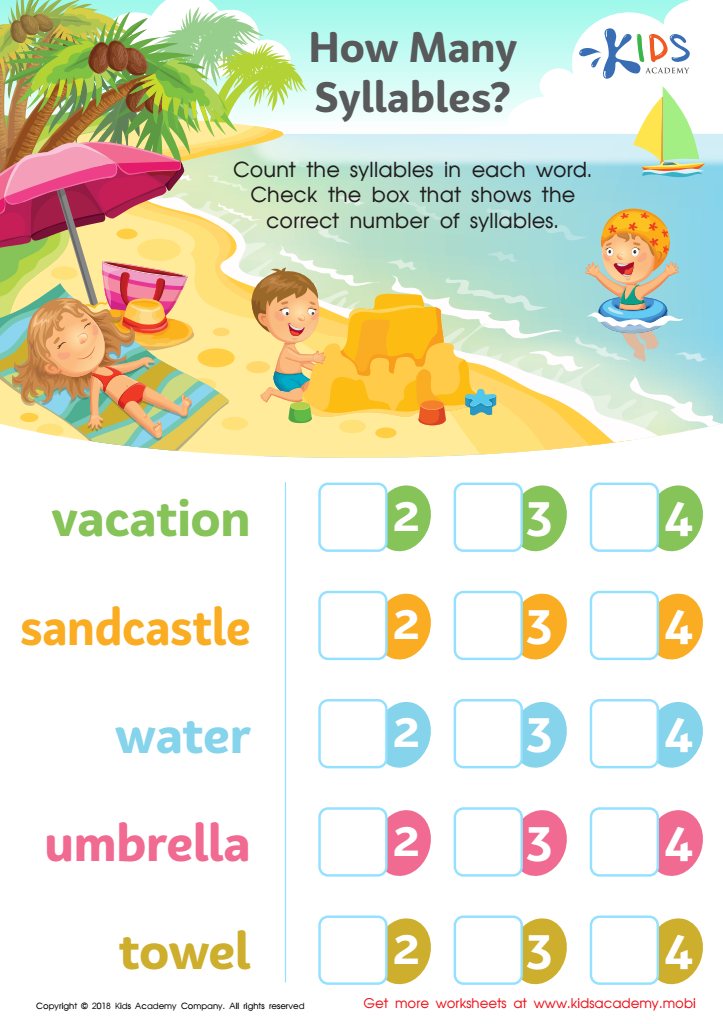
How Many Syllables Worksheet
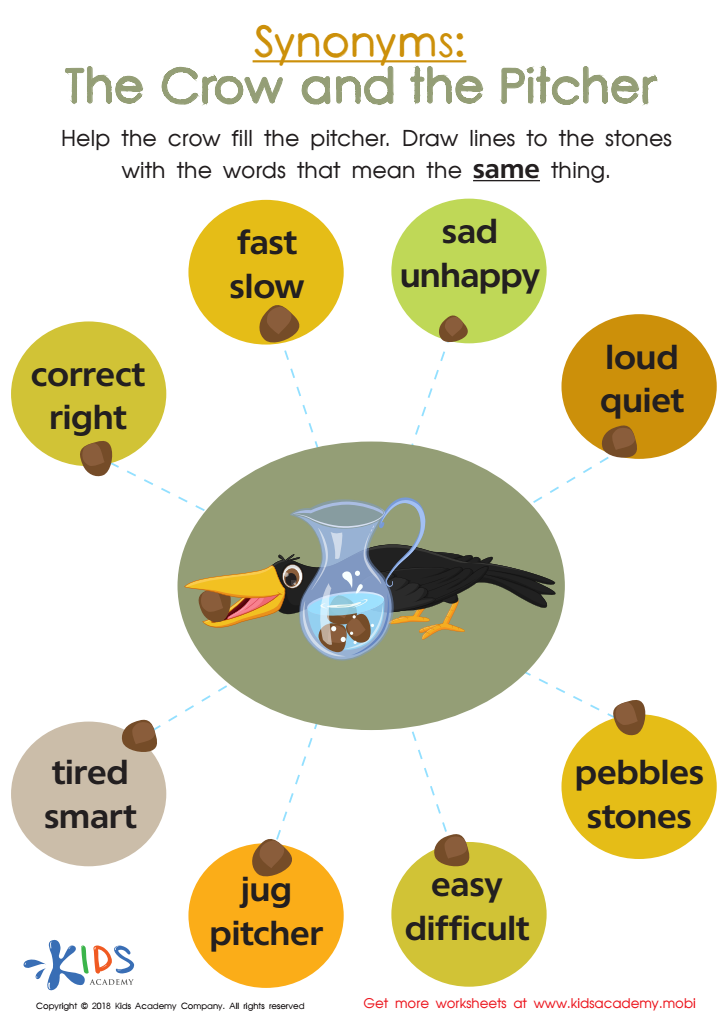
The Crow and the Pitcher Synonyms Worksheet
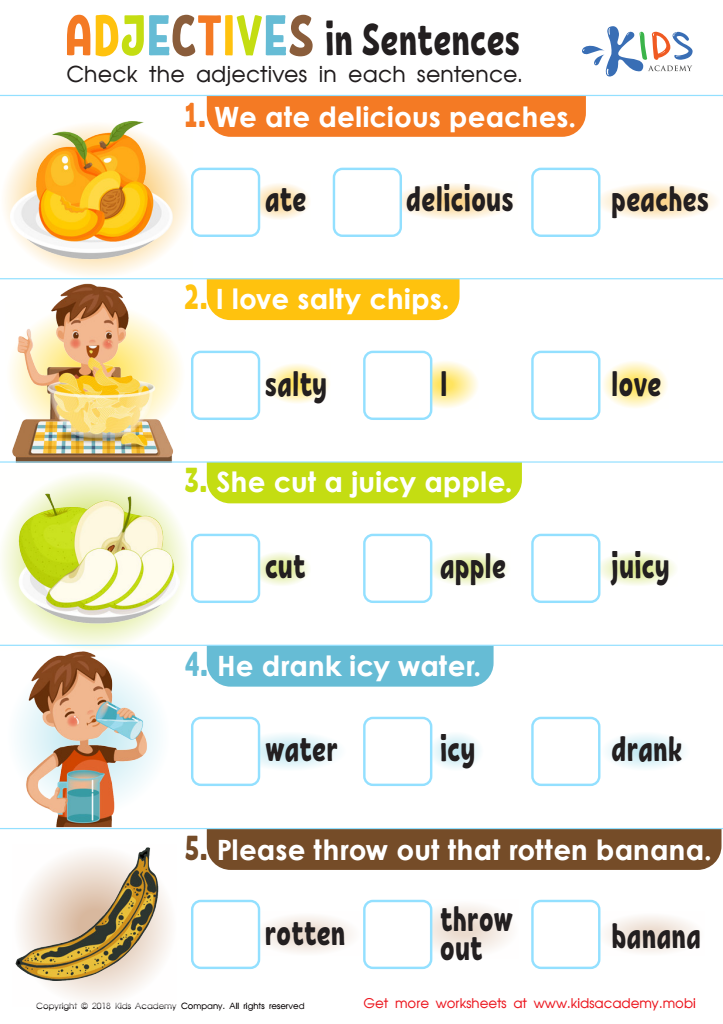
Adjectives in Sentences Worksheet
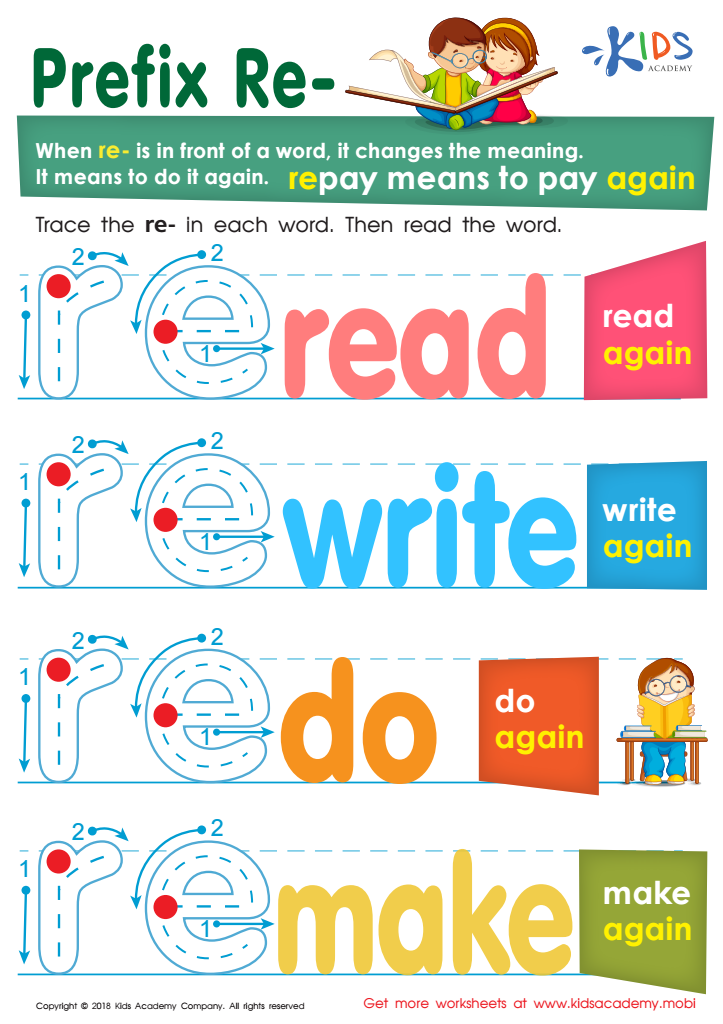
Prefix Re- Worksheet
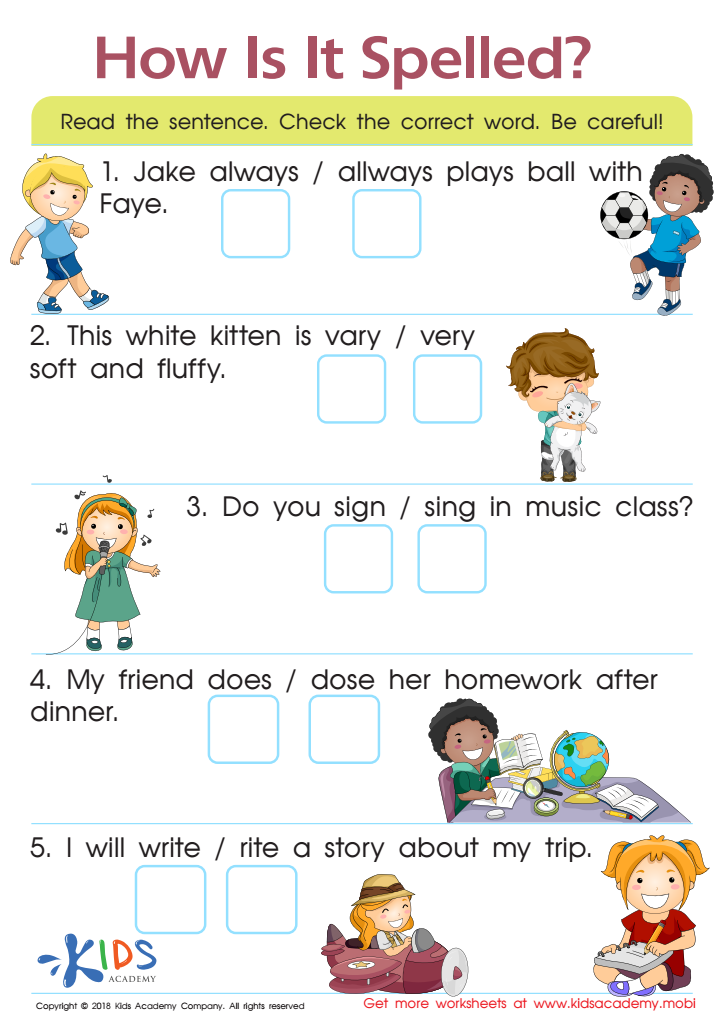
How is it spelled? Worksheet
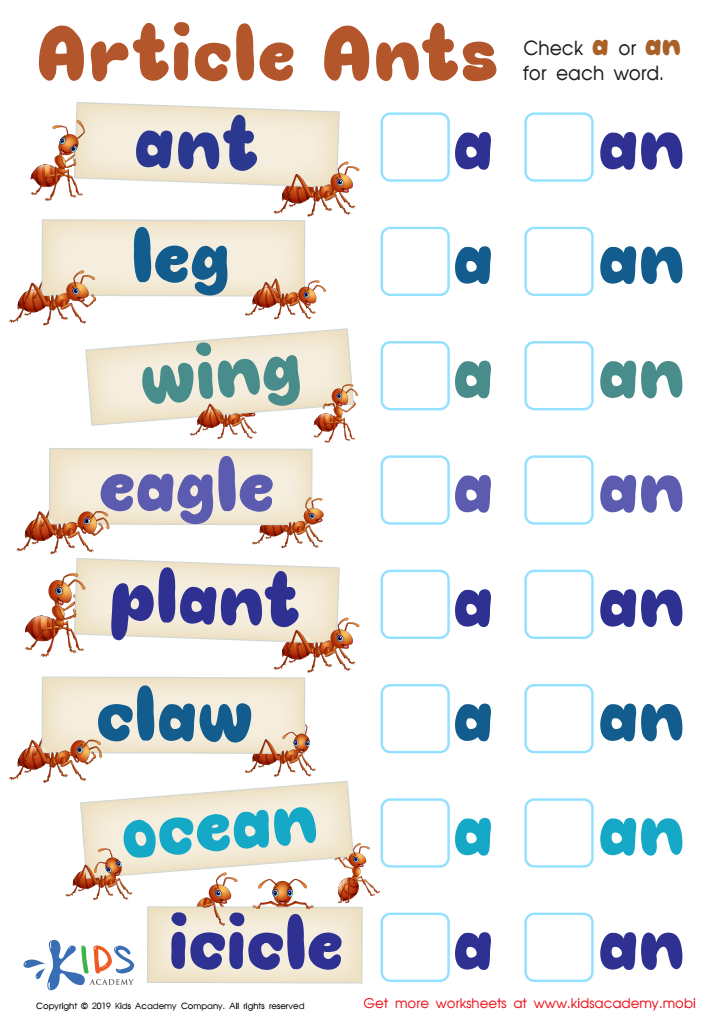
Article Ants Worksheet
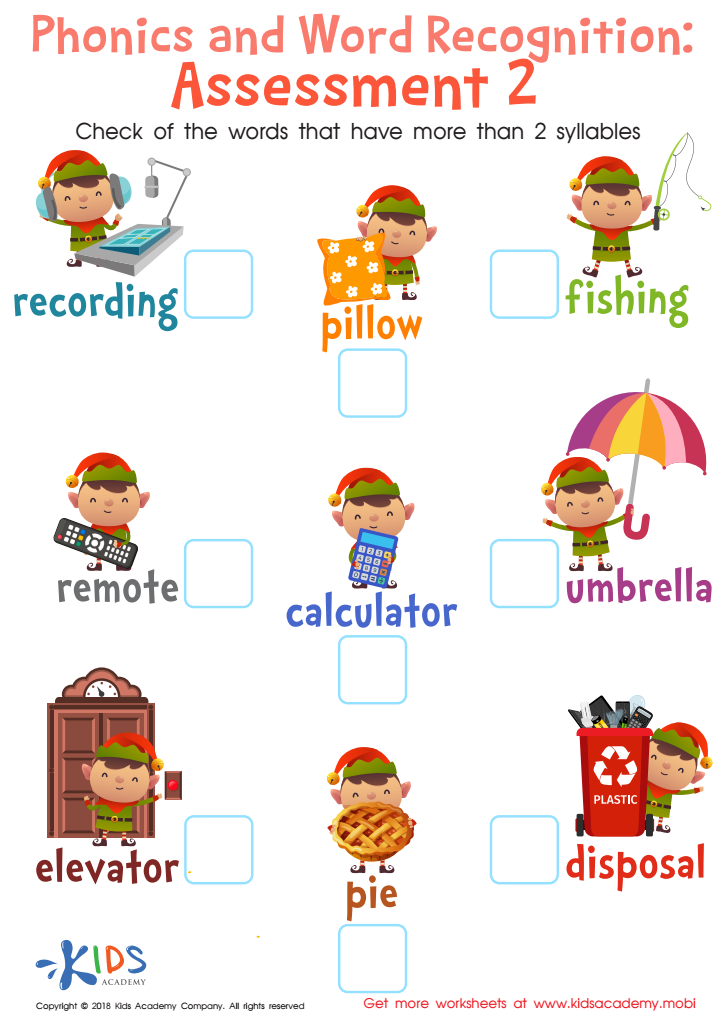
Phonics and Word Recognition: Assessment 2 Worksheet
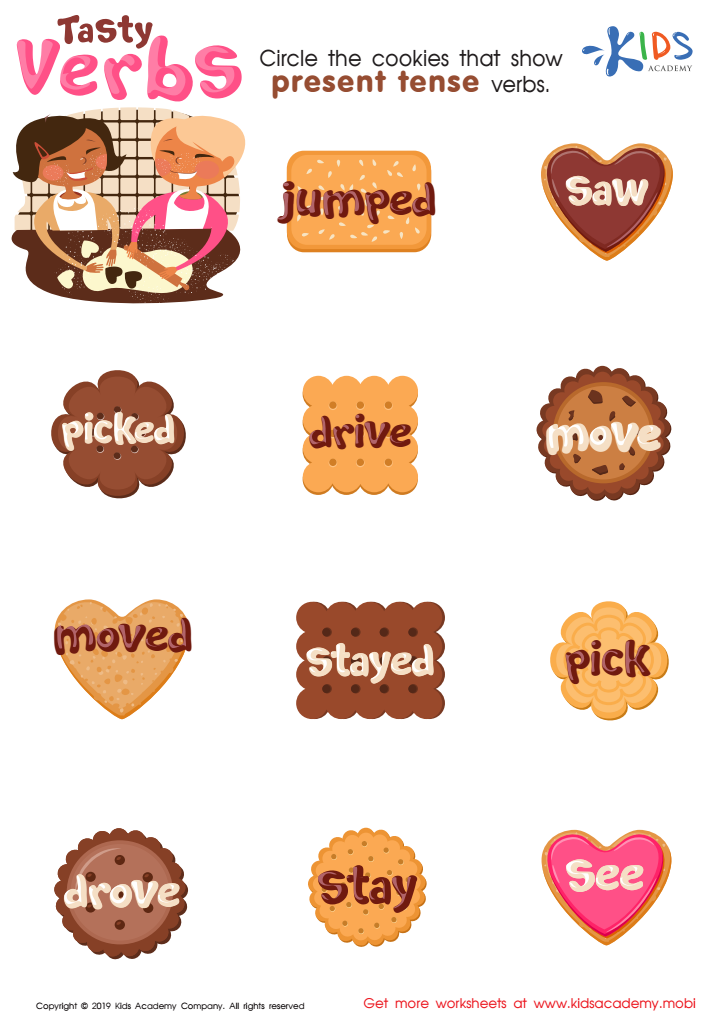
Tasty Verbs Worksheet
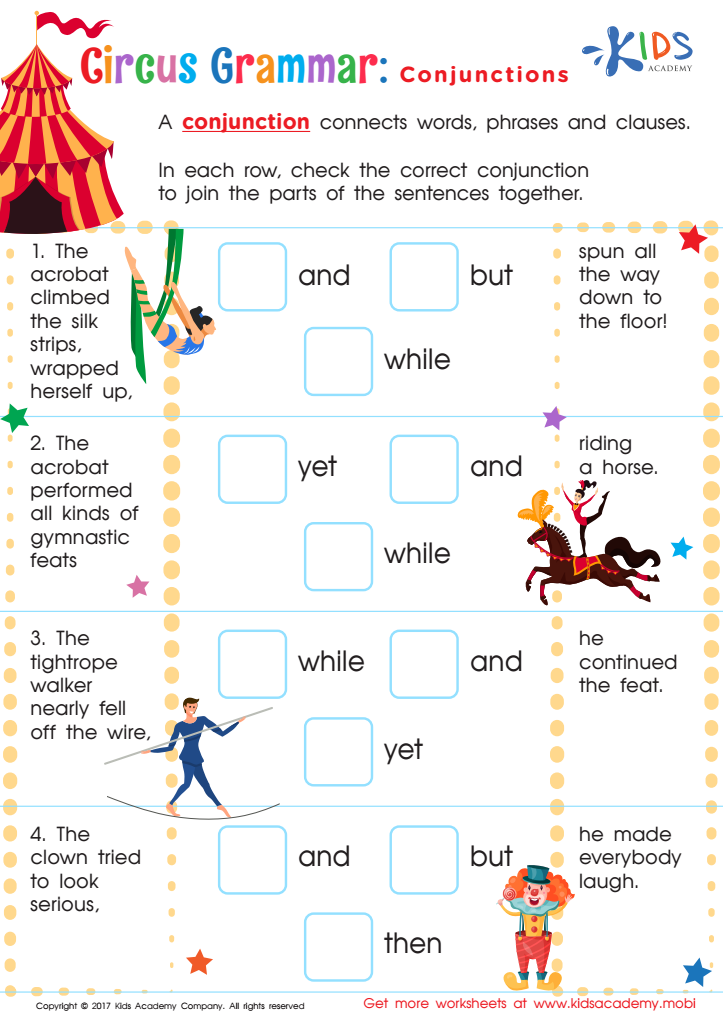
Conjunctions Worksheet
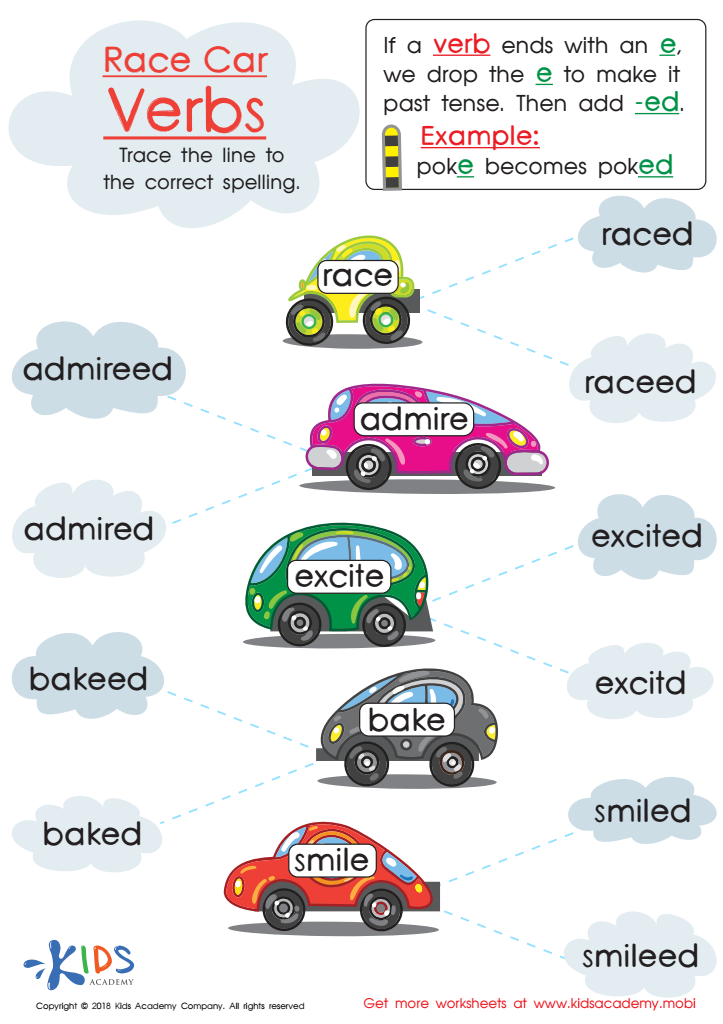
Race Car Verbs Worksheet
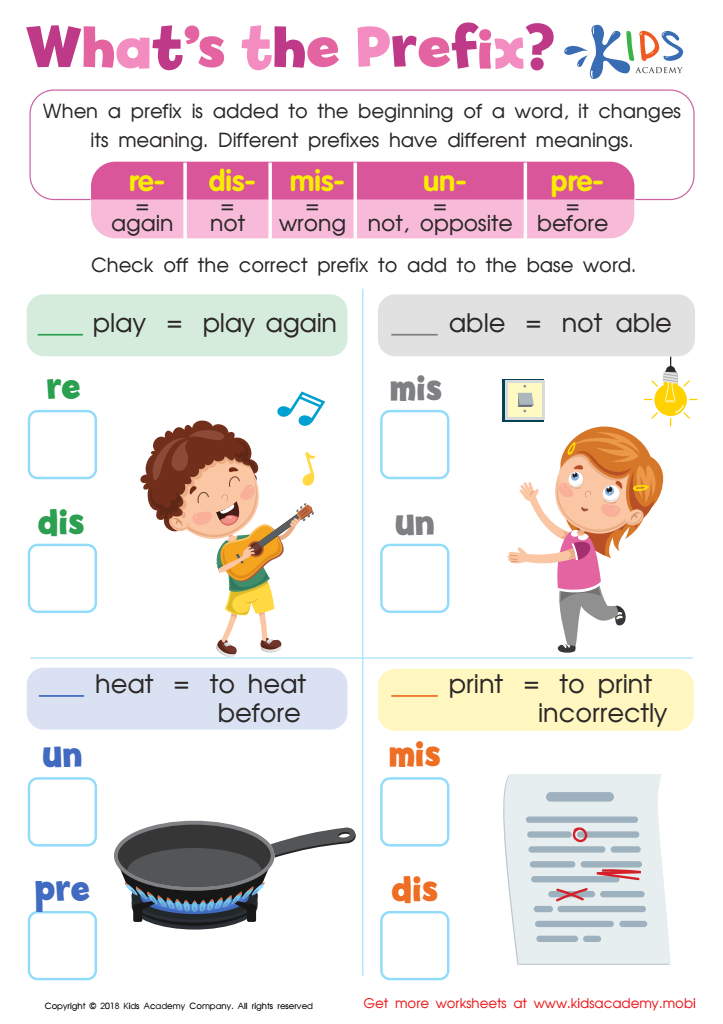
Reading: What Is the Prefix Worksheet







Reading comprehension is a crucial skill for children ages 8-9, and both parents and teachers should pay close attention to its development. At this age, children transition from learning to read to reading to learn, which means they must be able to understand and interpret what they read. Good comprehension skills enable children to grasp key concepts in subjects like science and history and enhance their vocabulary and critical thinking abilities.
Parents can support reading comprehension at home by encouraging regular reading, discussing the stories, and asking questions that promote deeper thinking. Similarly, teachers should focus on engaging reading activities that challenge students to analyze texts, draw inferences, and summarize information. Incorporating interactive reading exercises, such as group discussions and writing assignments, can enhance comprehension skills further.
Inadequate comprehension can lead to struggles in other academic areas, resulting in decreased motivation and self-esteem. By prioritizing reading comprehension, parents and teachers can help children develop a lifelong love for reading and learning, laying a strong foundation for academic success. Supporting children in this essential area not only fosters their educational growth but also boosts their confidence in their abilities.