Vocabulary development Normal Worksheets for 8-Year-Olds
18 filtered results
-
From - To
Enhance your child's vocabulary with our engaging vocabulary development worksheets designed specifically for 8-year-olds. These comprehensive resources focus on key skills to improve language proficiency through fun activities. Kids will enjoy learning new words, exploring synonyms and antonyms, and practicing word usage in context. Our worksheets are tailored to align with educational standards, ensuring that each exercise promotes critical thinking and enhances reading comprehension. With colorful illustrations and interactive tasks, these materials make learning exciting! Ideal for classroom use or at-home practice, our vocabulary worksheets will boost your child’s confidence and set them up for future academic success. Explore the collection today!
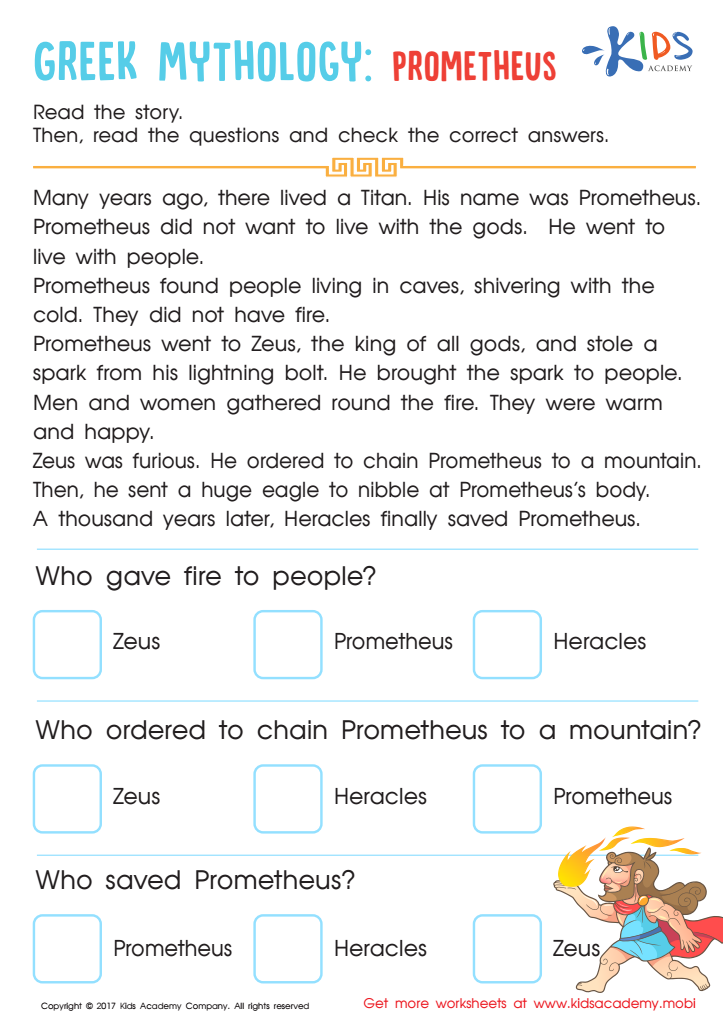
Prometheus Story Worksheet
 Assign to My Students
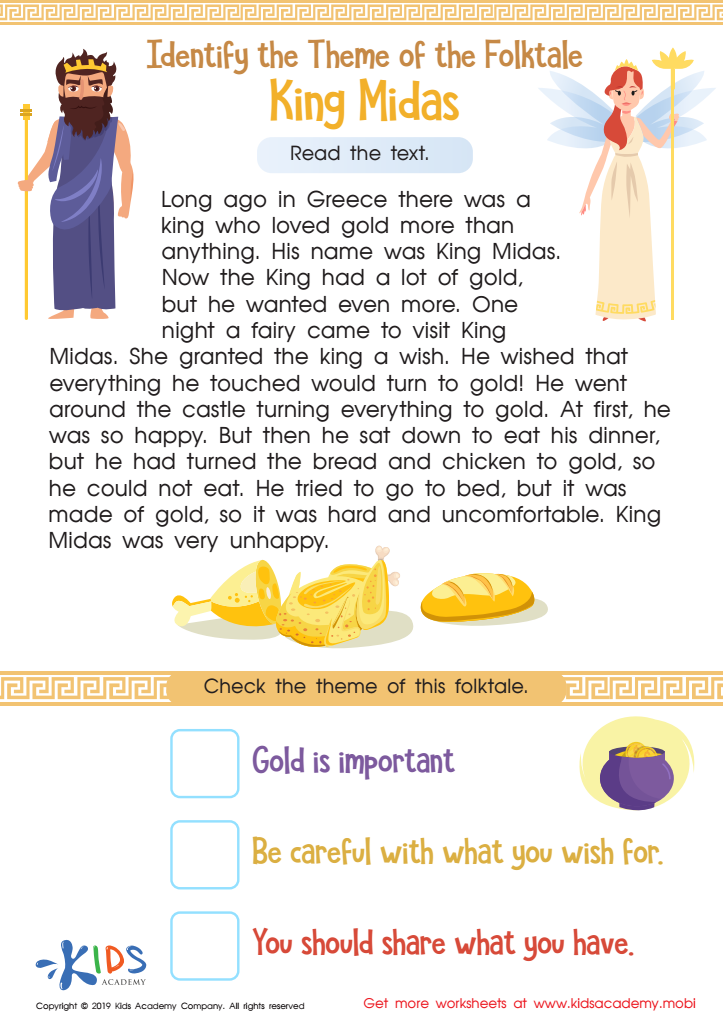
King Midas Worksheet
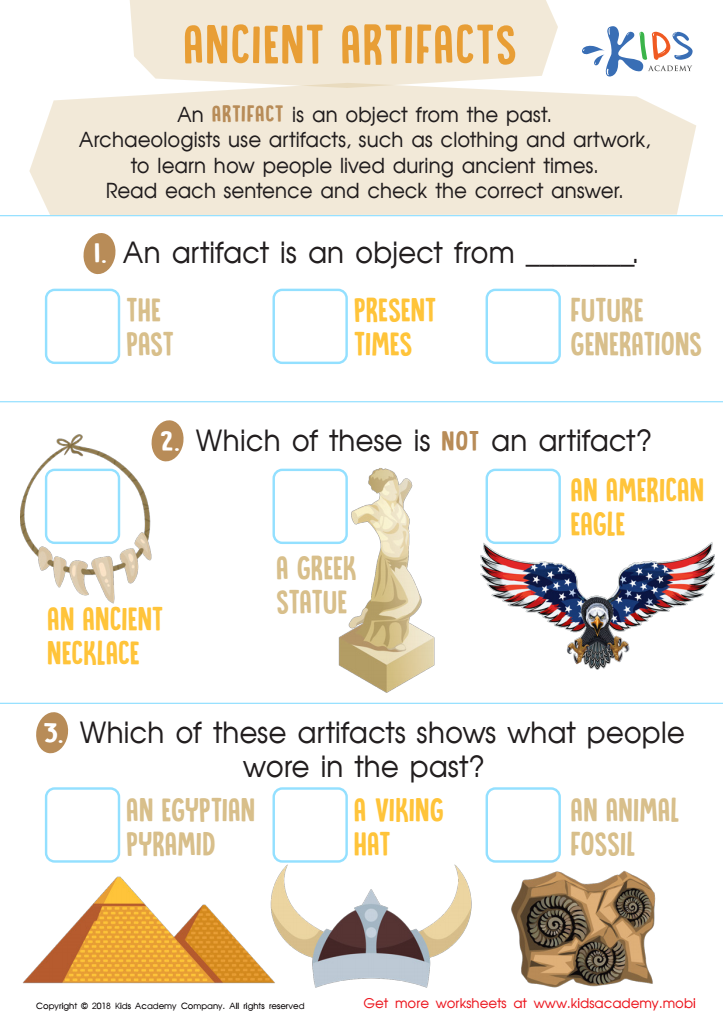
Ancient Artifacts Worksheet
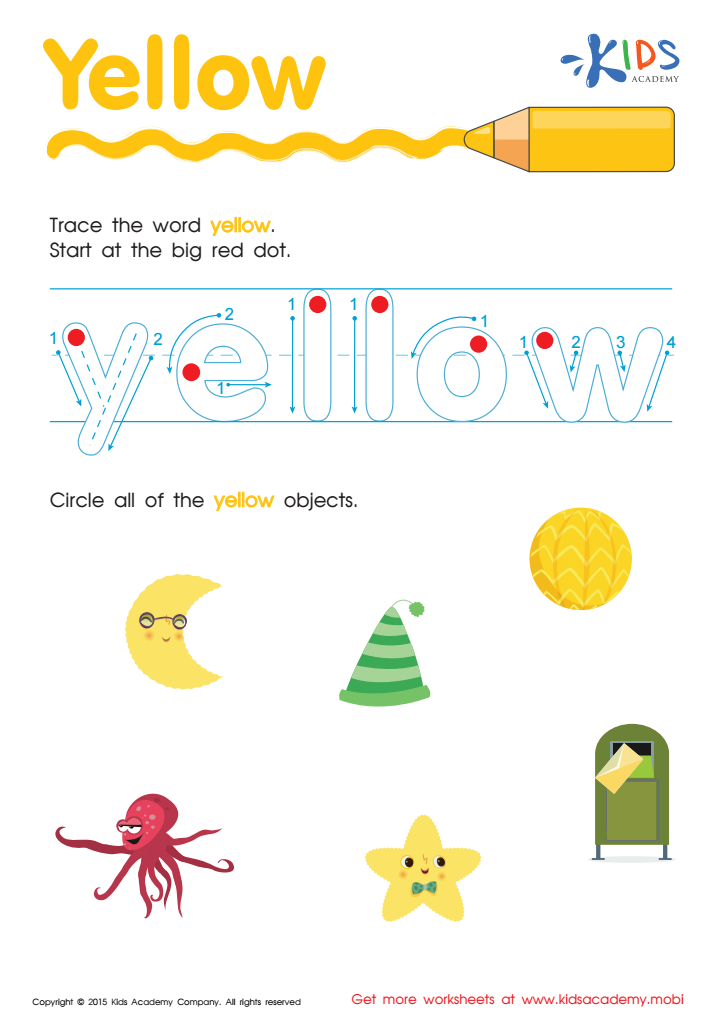
Yellow Tracing Color Words Worksheet
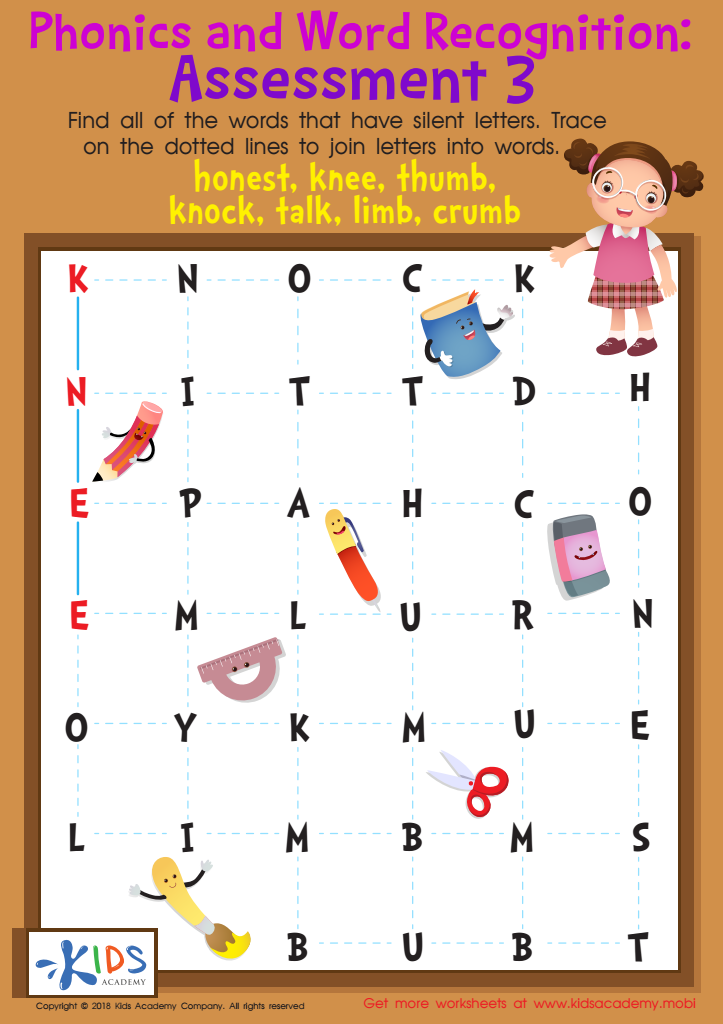
Phonics and Word Recognition: Assessment 3 Worksheet
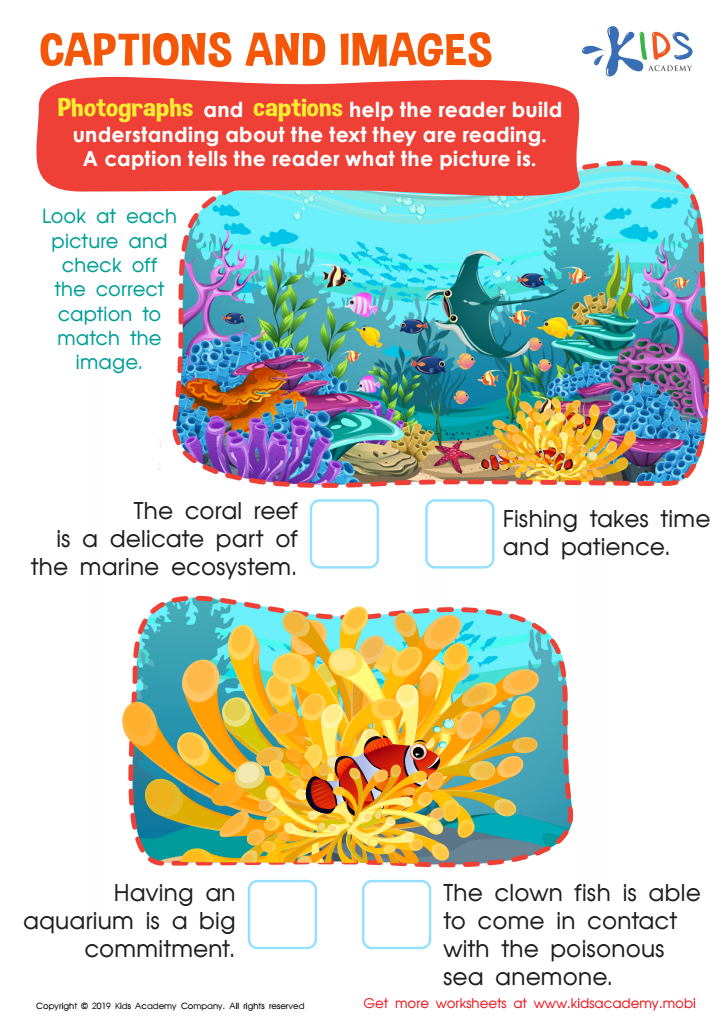
Captions and Images Worksheet
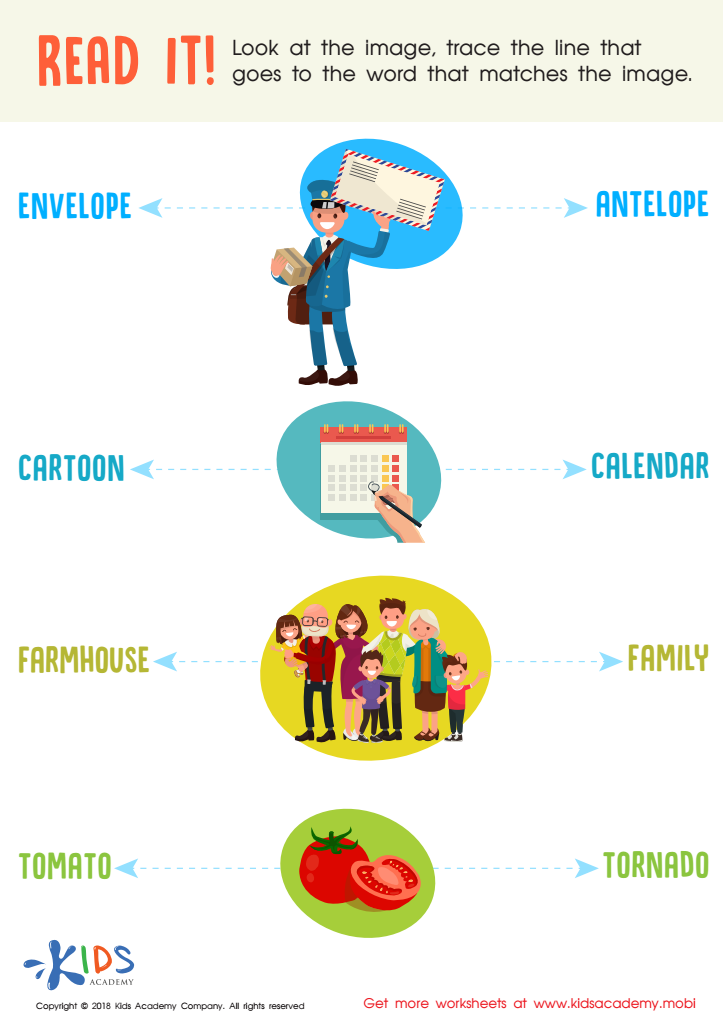
Read It! Worksheet
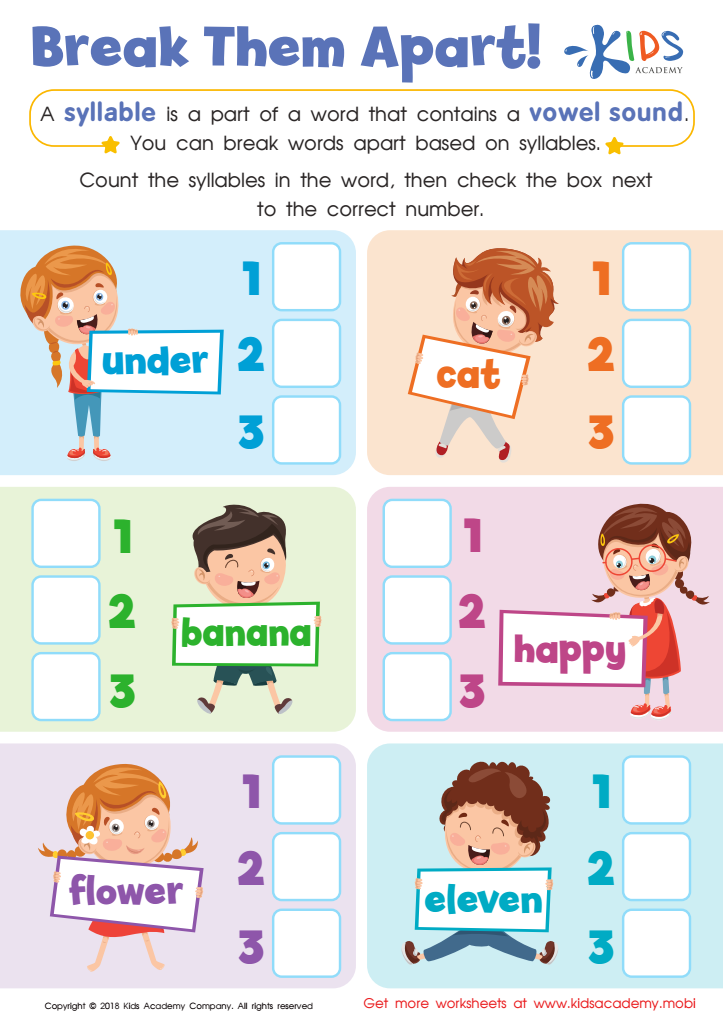
Reading: Break Them Apart Worksheet
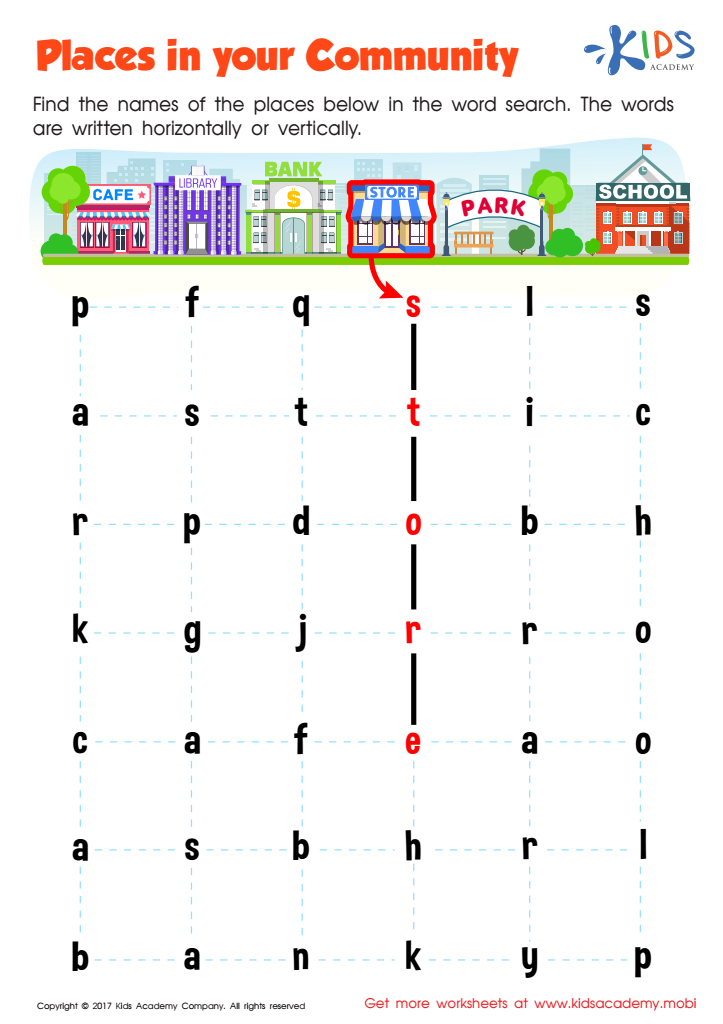
Places in Your Community Worksheet
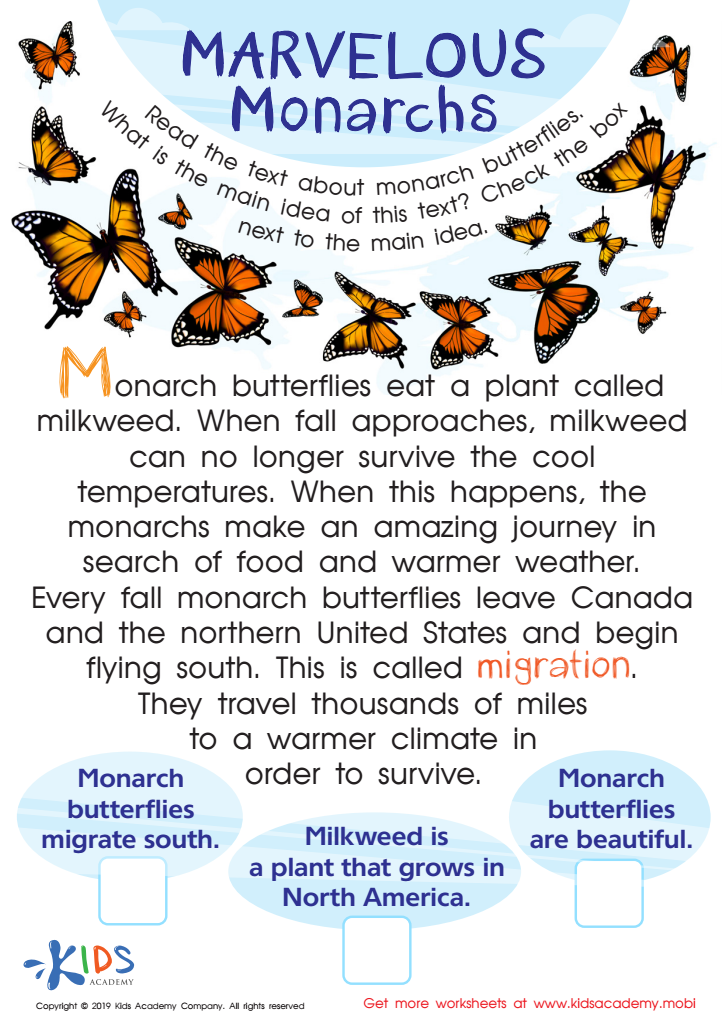
Marvelous Monarchs Worksheet
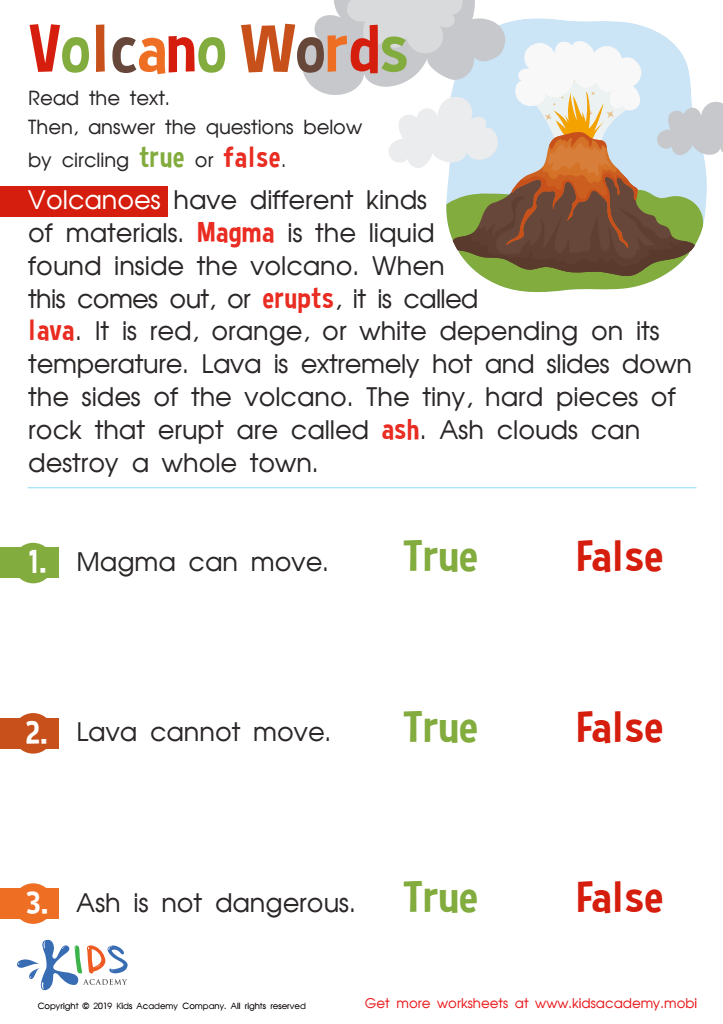
Volcano Words Worksheet
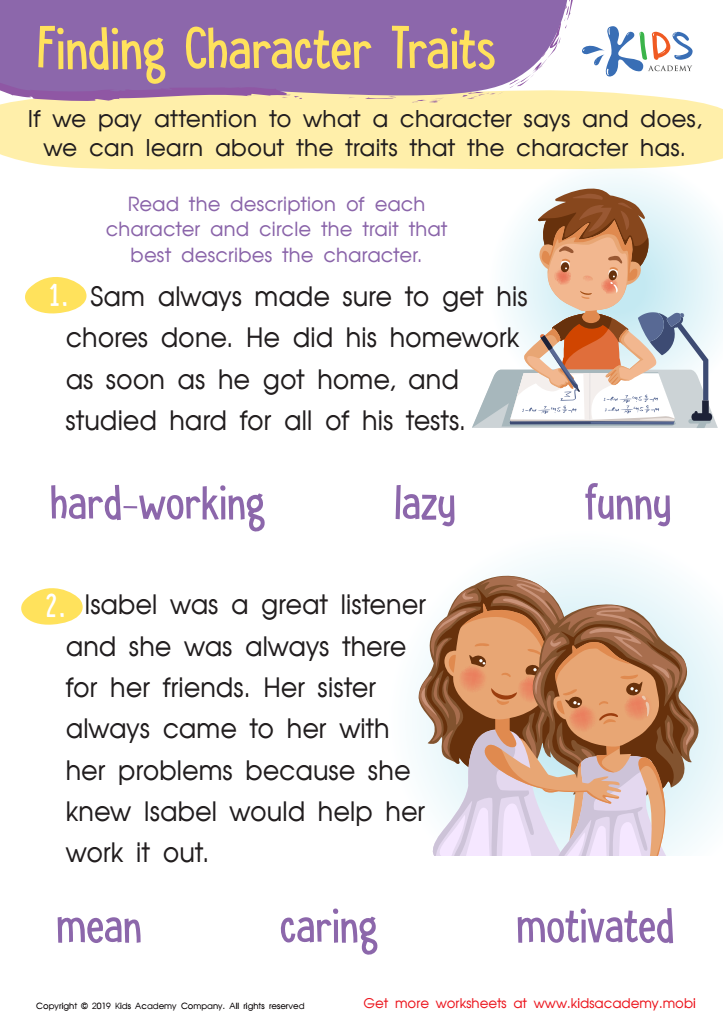
Finding Character Traits Worksheet
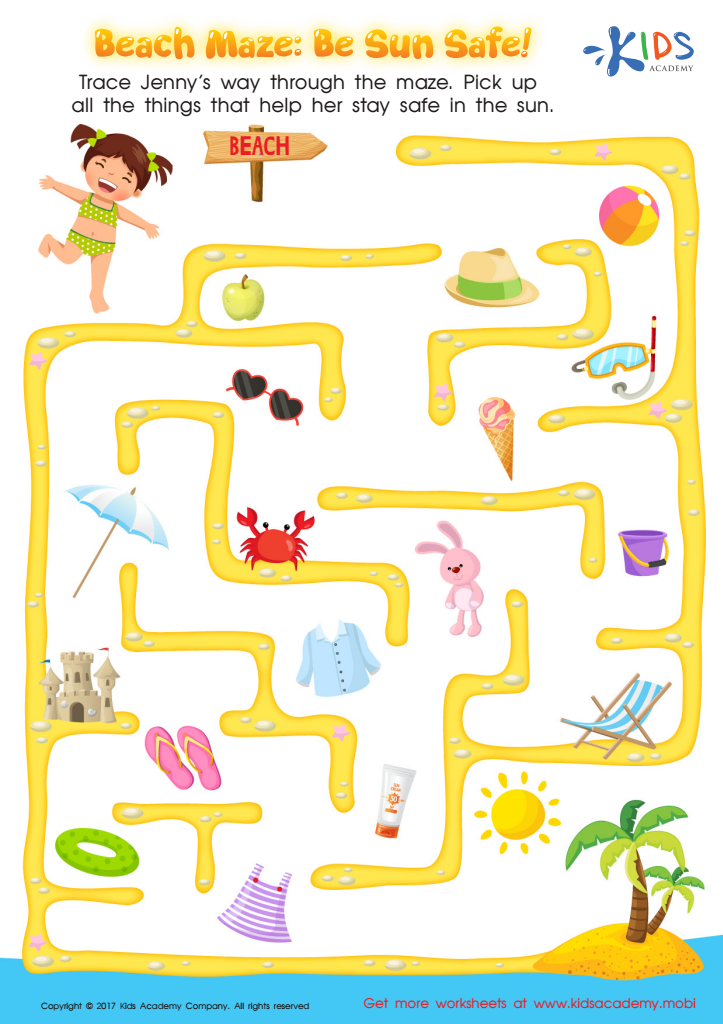
Beach Maze: Sun Safe Worksheet
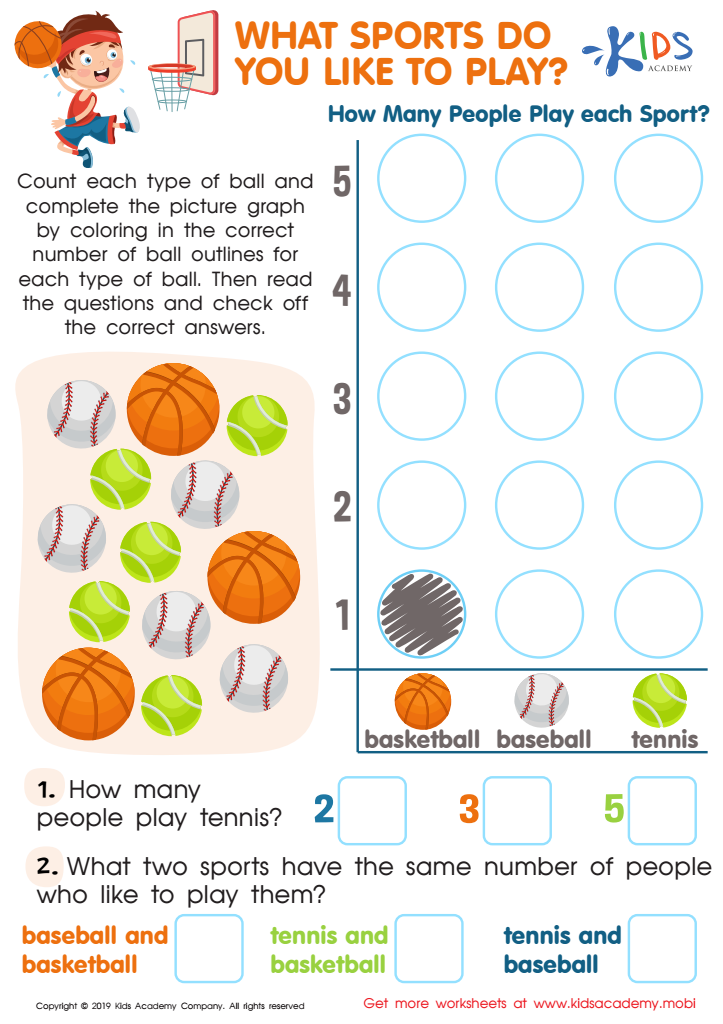
What Sports Do You Like to Play Worksheet
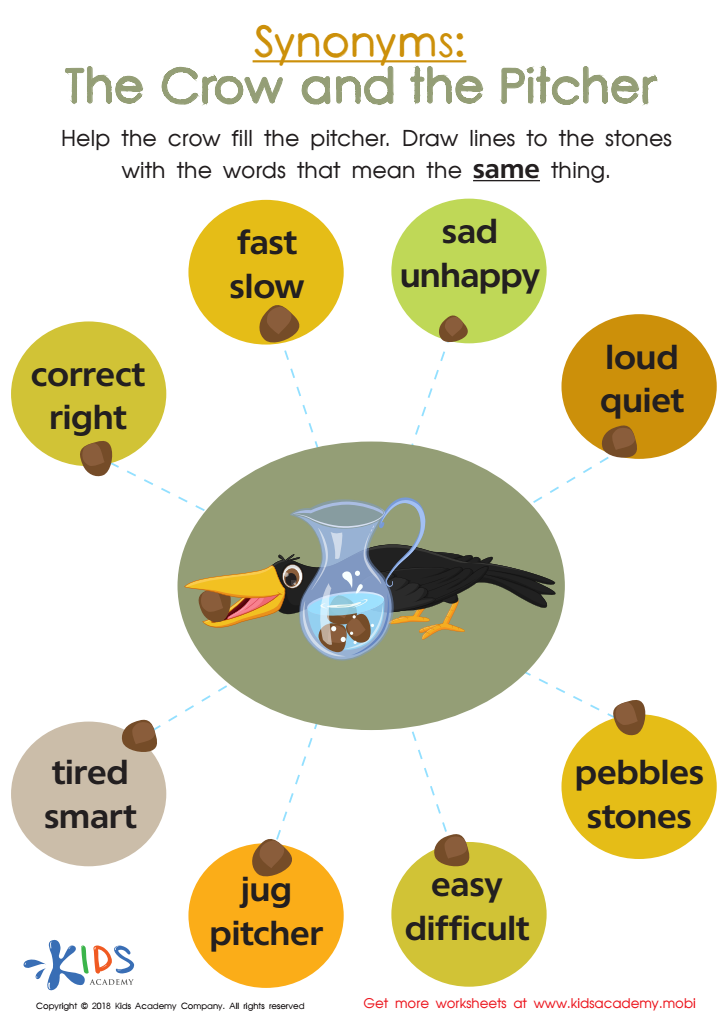
The Crow and the Pitcher Synonyms Worksheet
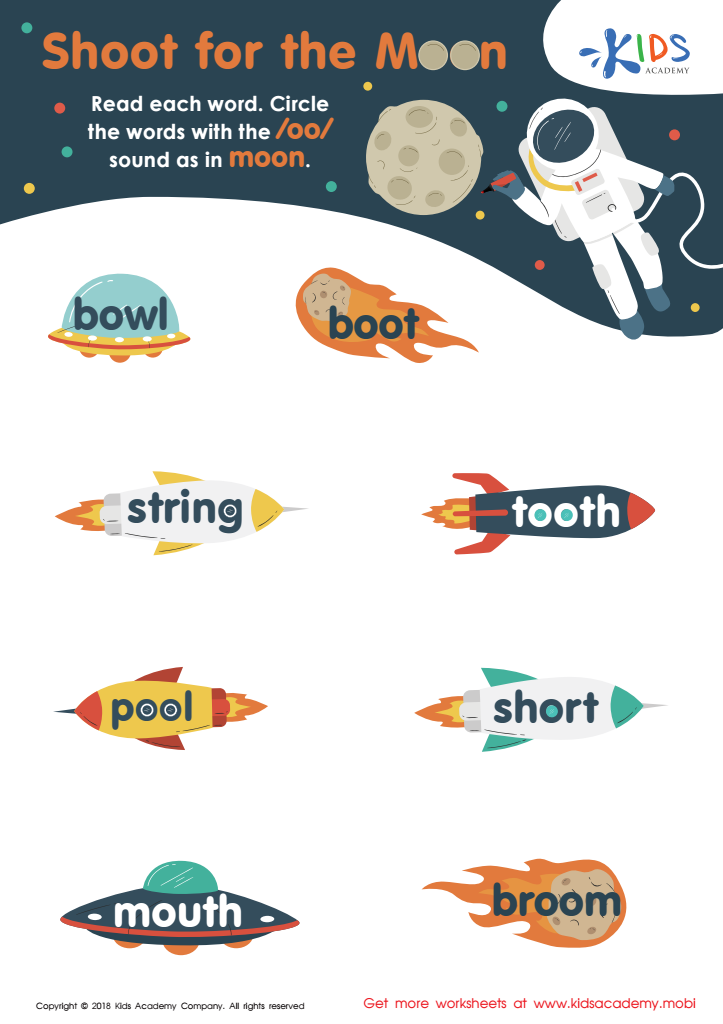
Reading: Shoot for the Moon Worksheet
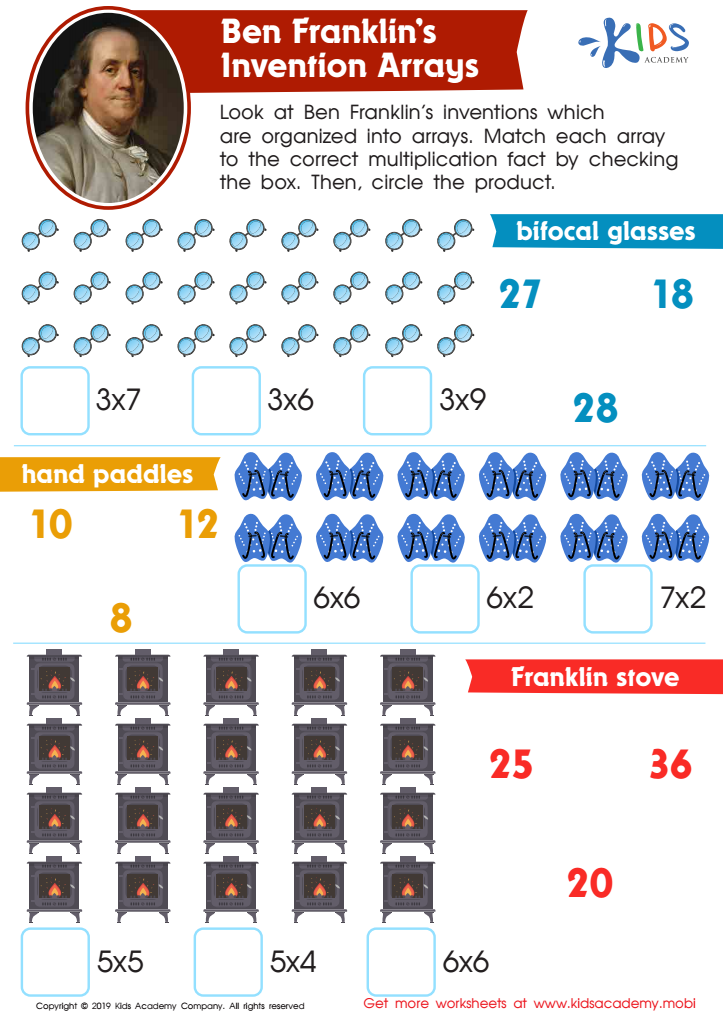
Ben Franklin’s Invention Arrays Worksheet
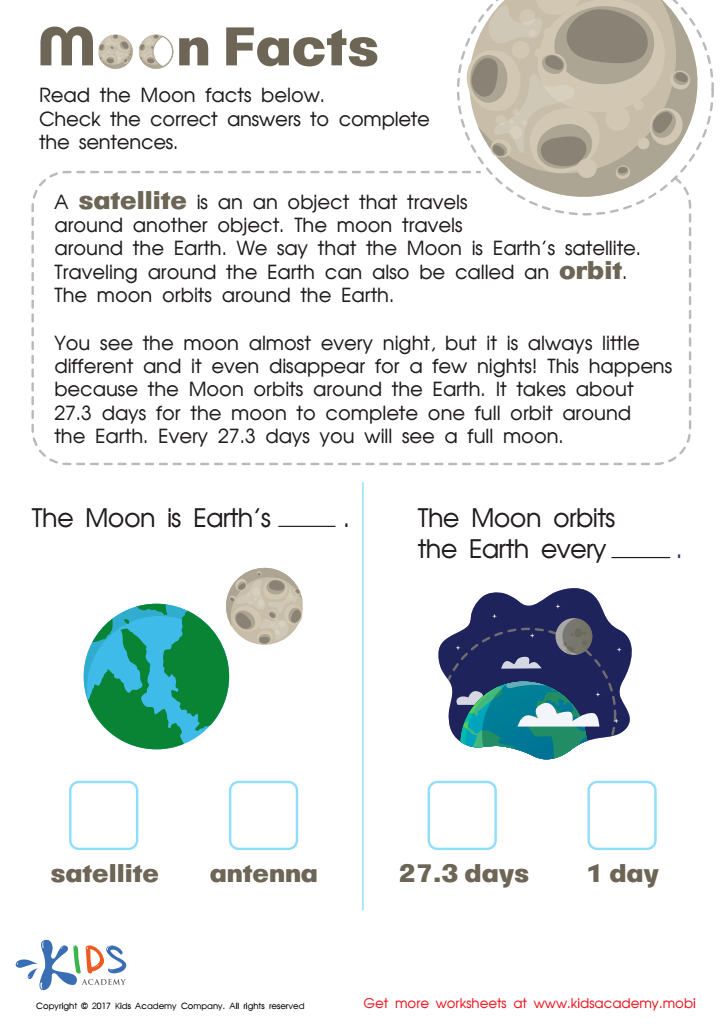
Moon Facts Worksheet







Vocabulary development in 8-year-olds is crucial as it significantly influences their overall literacy skills, academic success, and social interactions. At this developmental stage, children become more adept at comprehending complex texts and expressing themselves clearly. A robust vocabulary enables them to grasp new concepts, fosters critical thinking, and enhances their ability to communicate effectively, which is vital for classroom discussions and collaborative learning.
Parents and teachers should care about nurturing vocabulary development because it lays the foundation for lifelong learning. Research shows that strong vocabulary skills can lead to better reading comprehension and higher academic performance across all subjects. Additionally, vocabulary growth encourages curiosity and a love for language, motivating children to explore and engage with the world around them.
Furthermore, developing vocabulary is integral to building self-confidence in children. When they can articulate their thoughts and feelings, they are more likely to participate actively in class and social settings. Understanding the importance of vocabulary development empowers parents and teachers to integrate engaging activities, such as storytelling and word games, into daily routines, ensuring a holistic approach to education that benefits children far beyond the classroom. Ultimately, investing in vocabulary growth aids children's emotional and intellectual development, leading to well-rounded individuals.








