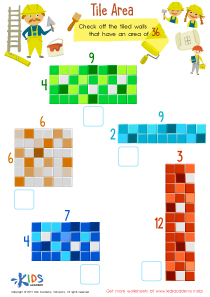
Cognitive Development Normal Numbers Worksheets for 8-Year-Olds
5 filtered results
-
From - To
Enhance your child's cognitive development with our engaging Normal Numbers Worksheets designed specifically for 8-year-olds. These worksheets focus on building essential math skills through fun and interactive exercises that improve number recognition, counting, and basic calculations. Tailored to challenge young minds, the activities foster problem-solving abilities and critical thinking, providing a solid foundation in mathematics. Our printable resources are perfect for at-home learning or classroom support, ensuring your child enjoys a comprehensive educational experience. Download these worksheets today to spark curiosity and reinforce cognitive growth as your child confidently explores the world of numbers!

Cargo Matchup: Hundreds Worksheet
 Assign to My Students

Trace And Write Number 7 with Fun Worksheet
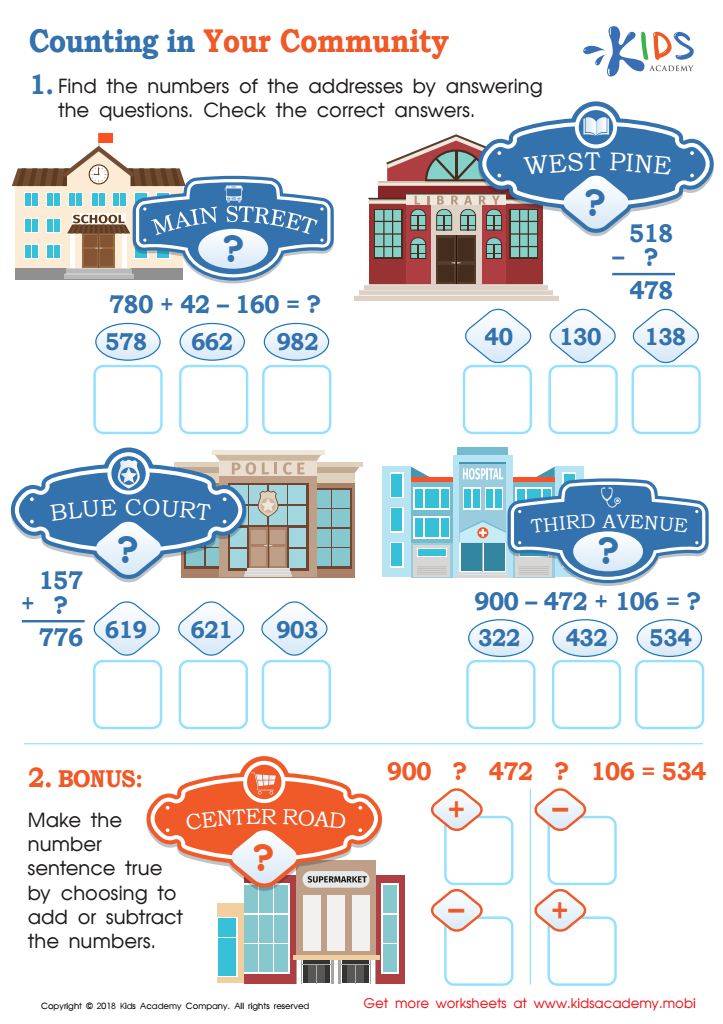
Counting in Your Community Worksheet
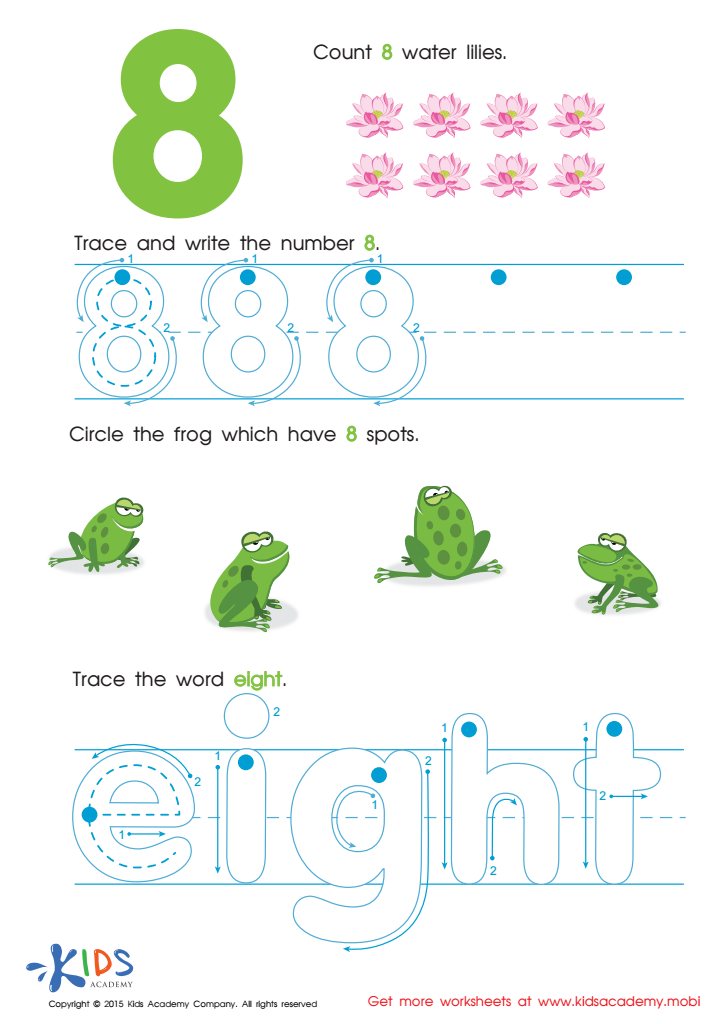
Learn Number 8 Easily Worksheet
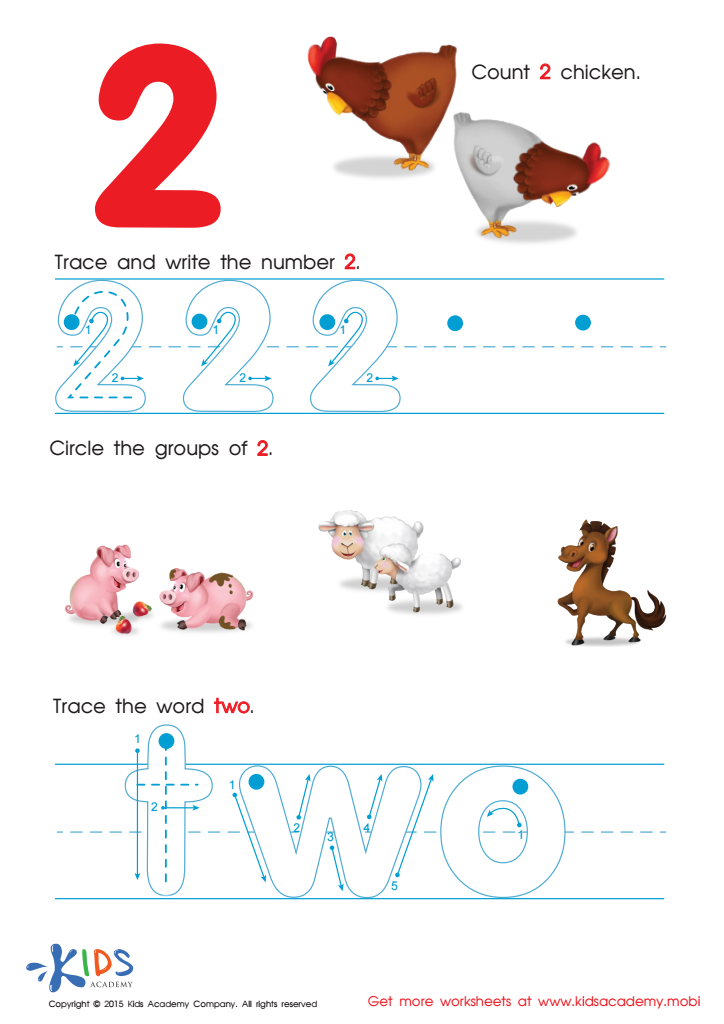
Learn to Write the Number 2 Worksheet








Understanding cognitive development and normal numbers for 8-year-olds is crucial for both parents and teachers. At this age, children's cognitive skills rapidly evolve, impacting their learning and daily interactions. Parents and teachers should recognize that cognitive development influences problem-solving abilities, memory capacity, and information processing. Awareness of what constitutes normal cognitive milestones helps identify potential challenges early and facilitates timely interventions.
For parents, knowing typical cognitive benchmarks enables them to support their child's learning at home, engage in meaningful activities that nurture skills, and encourage curiosity and critical thinking. This understanding fosters a positive learning environment where children feel supported in their pursuit of knowledge.
Teachers, on the other hand, can tailor their instructional practices to meet the diverse needs of their students. By recognizing the cognitive development stages, educators can implement age-appropriate teaching strategies, identify students who may require additional support, and create a classroom atmosphere conducive to learning.
Incorporating an awareness of cognitive development helps ensure that children are not only developing academically but also emotionally and socially, allowing them to thrive as well-rounded individuals. Ultimately, both parents and teachers play a vital role in guiding children’s cognitive growth, ensuring they are equipped with the skills necessary for future success.