Fine Motor Skills Normal Worksheets for 9-Year-Olds - Page 2
46 filtered results
-
From - To
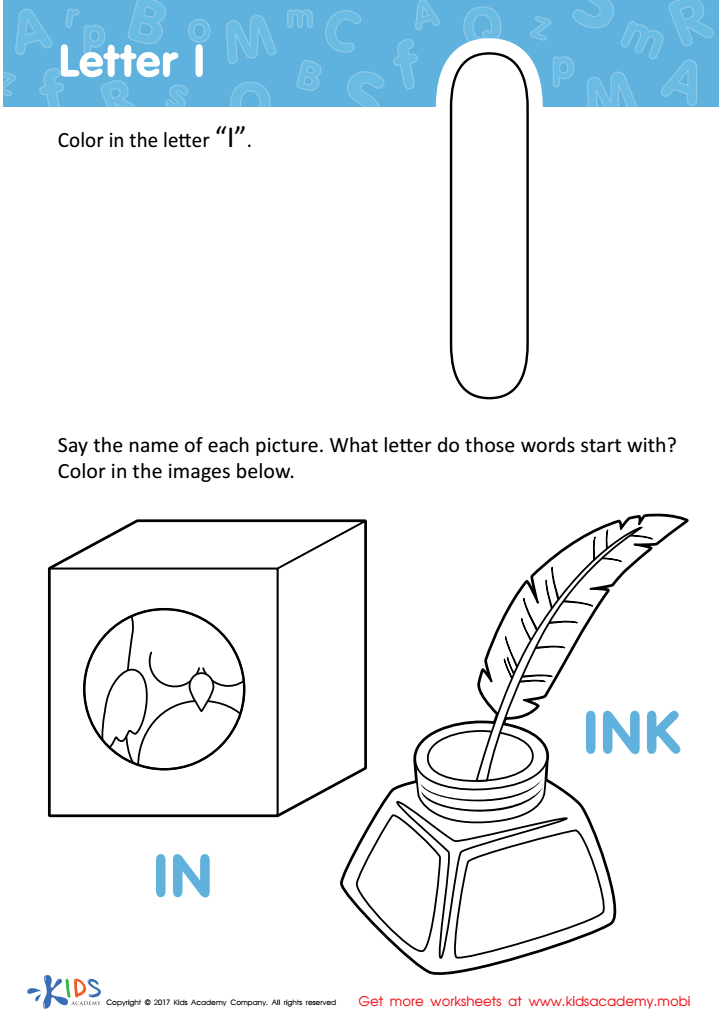
Letter I Coloring Sheet
 Assign to My Students

Long and Short U Worksheet
Assign to My Students
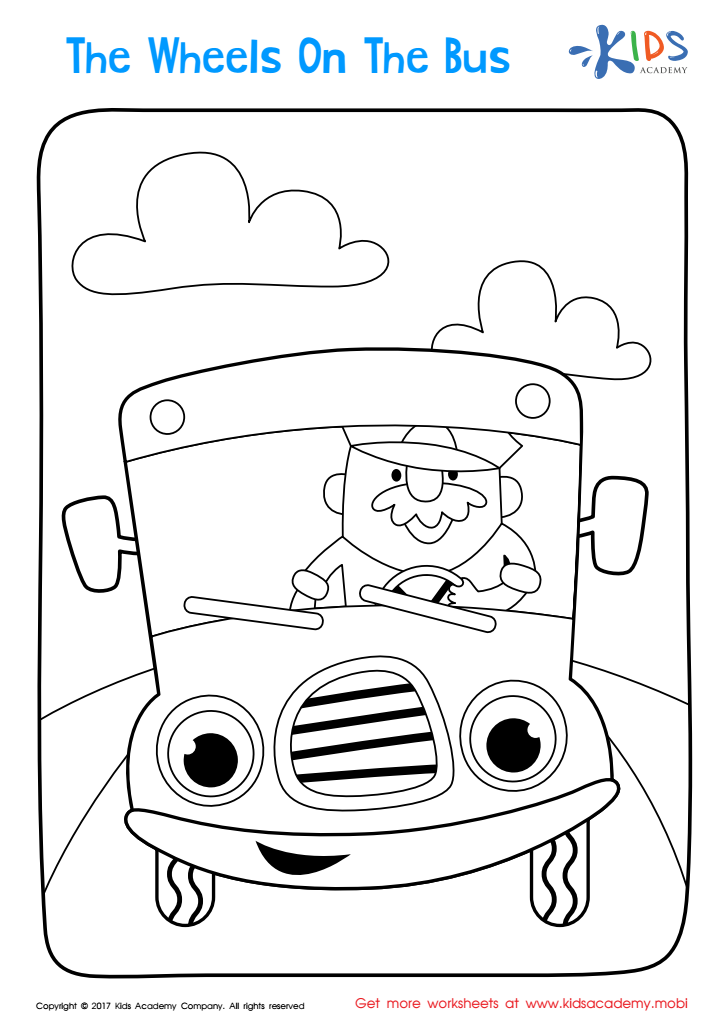
The Wheels on the Bus Coloring Page
Assign to My Students
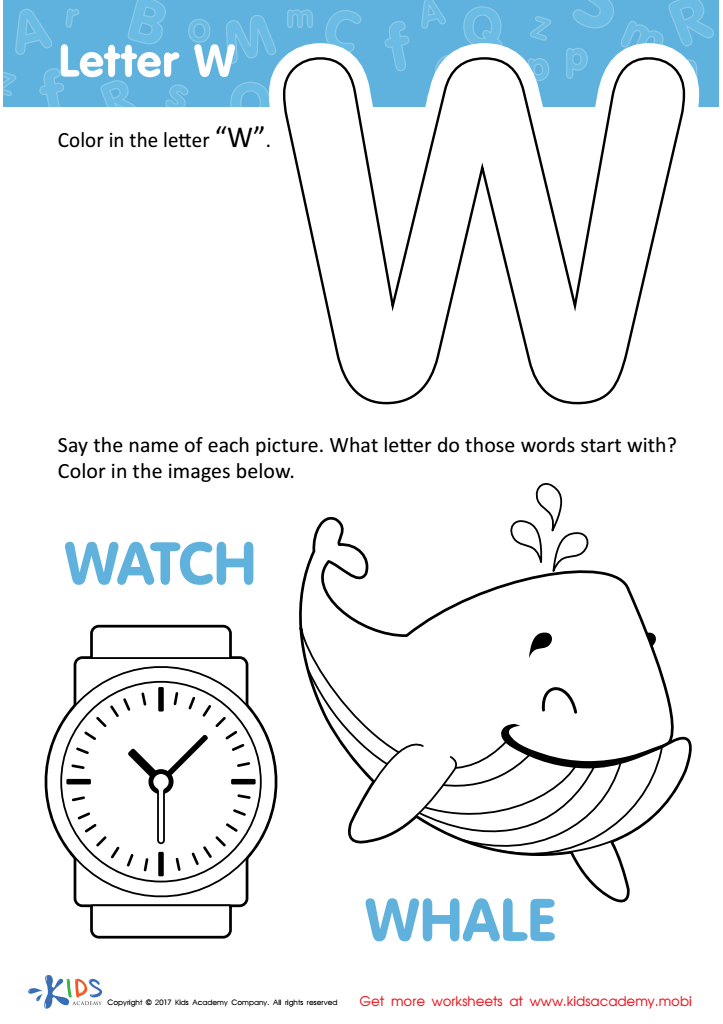
Letter W Coloring Sheet
Assign to My Students

Red Riding Hood Coloring Page
Assign to My Students
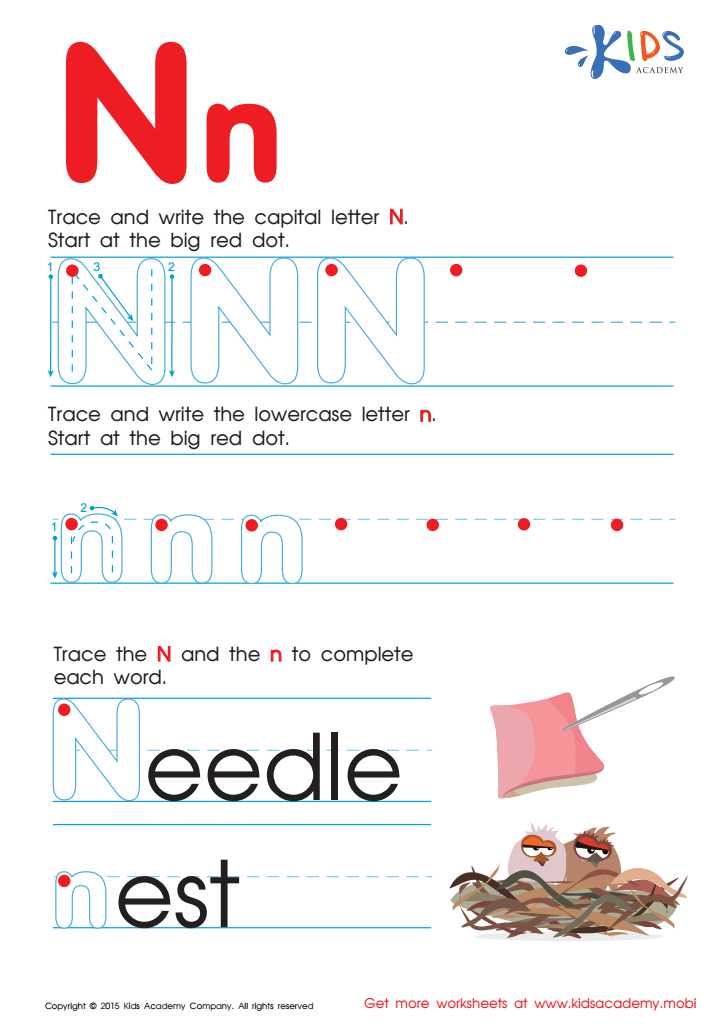
Letter N Tracing Page
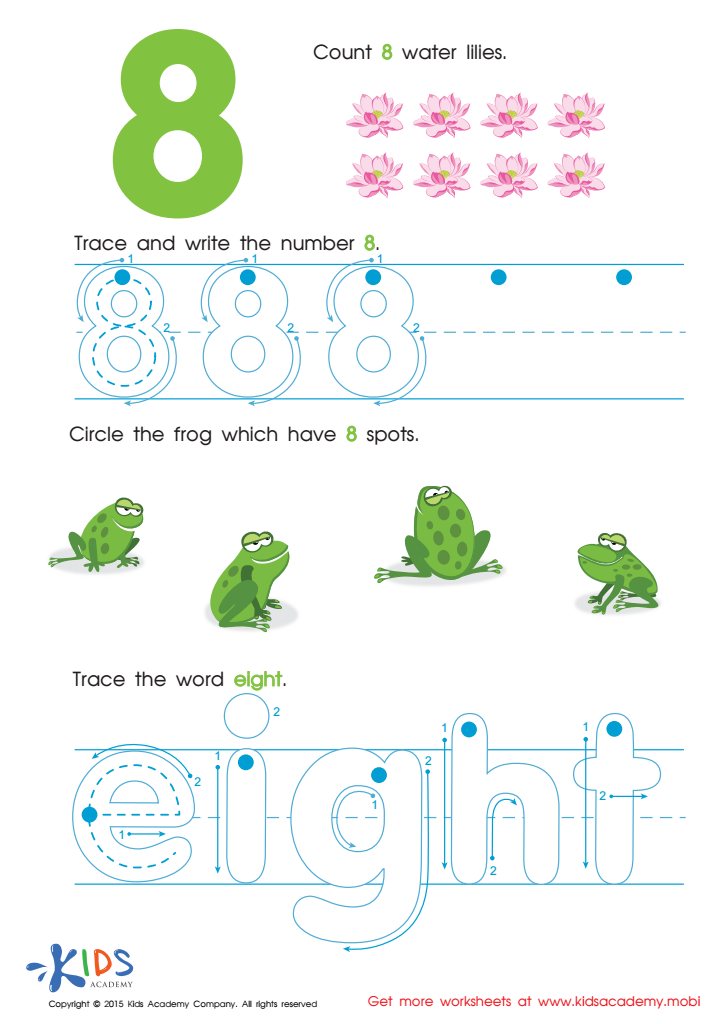
Learn Number 8 Easily Worksheet

Letter E Tracing Page

Pirate Ship Coloring Page
Assign to My Students

White Tracing Color Words Worksheet
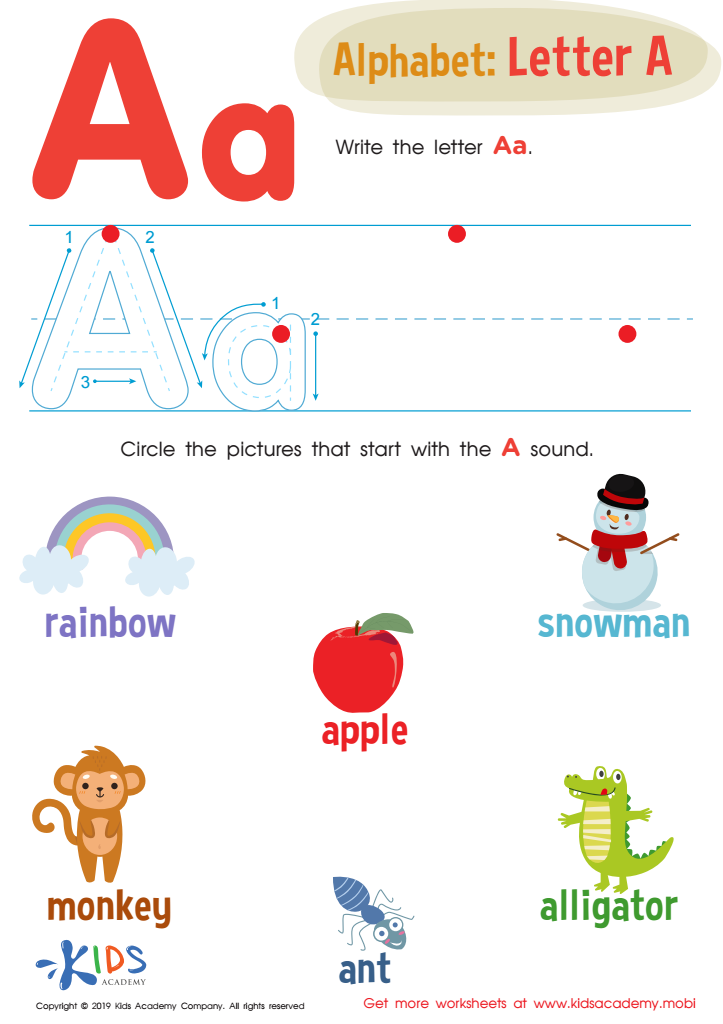
Letter A Tracing Worksheet
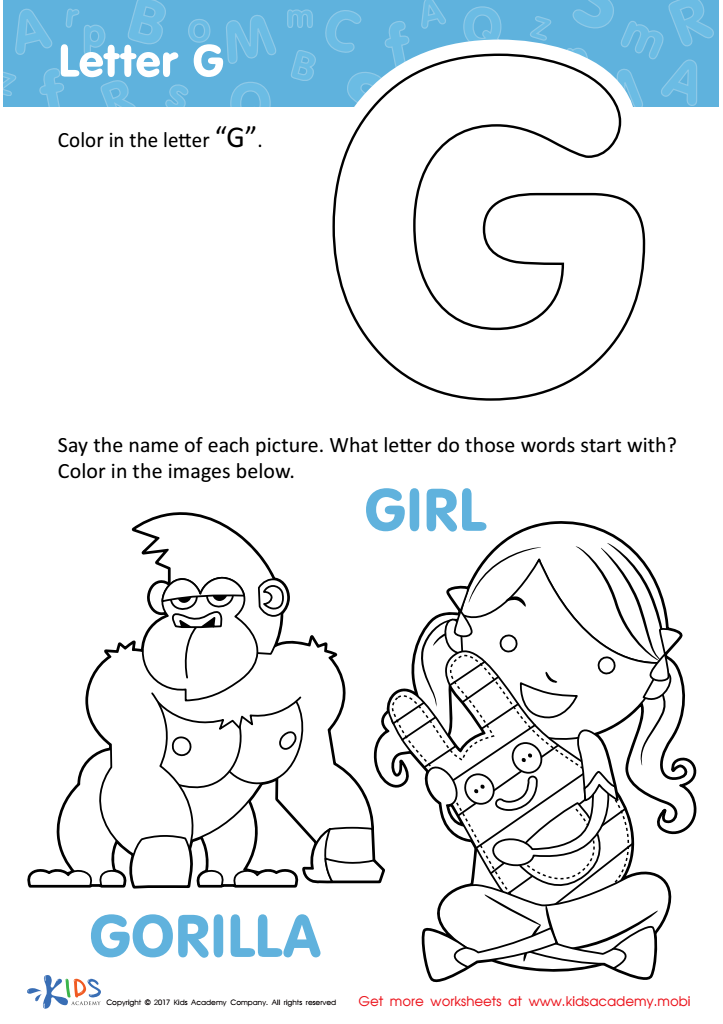
Letter G Coloring Sheet
Assign to My Students
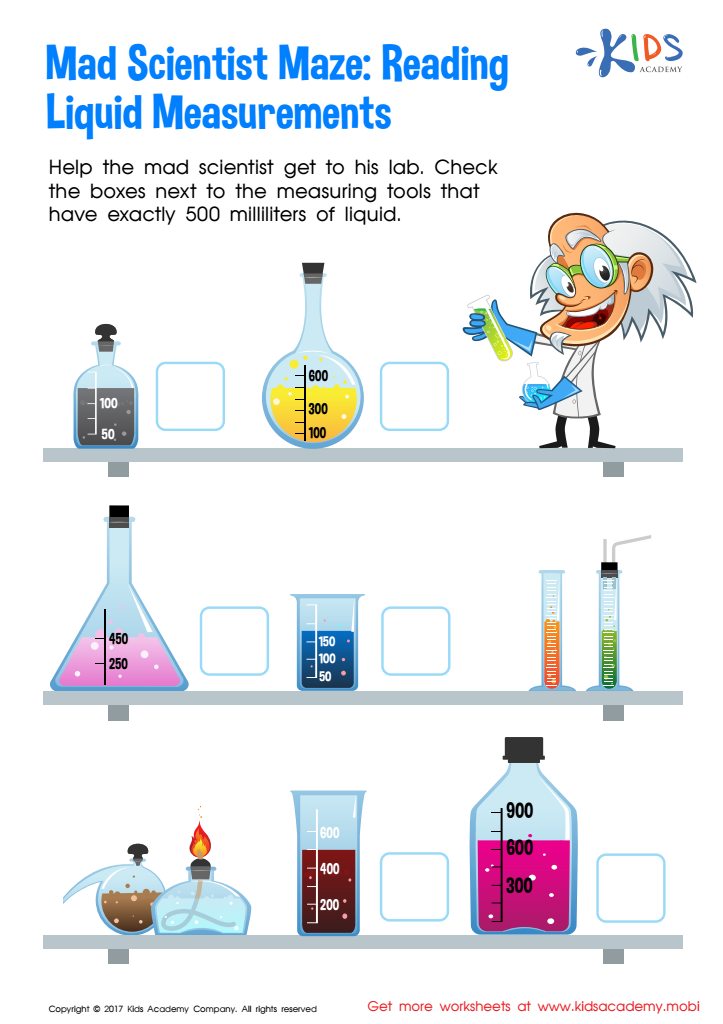
Reading Liquid Measurement Worksheet
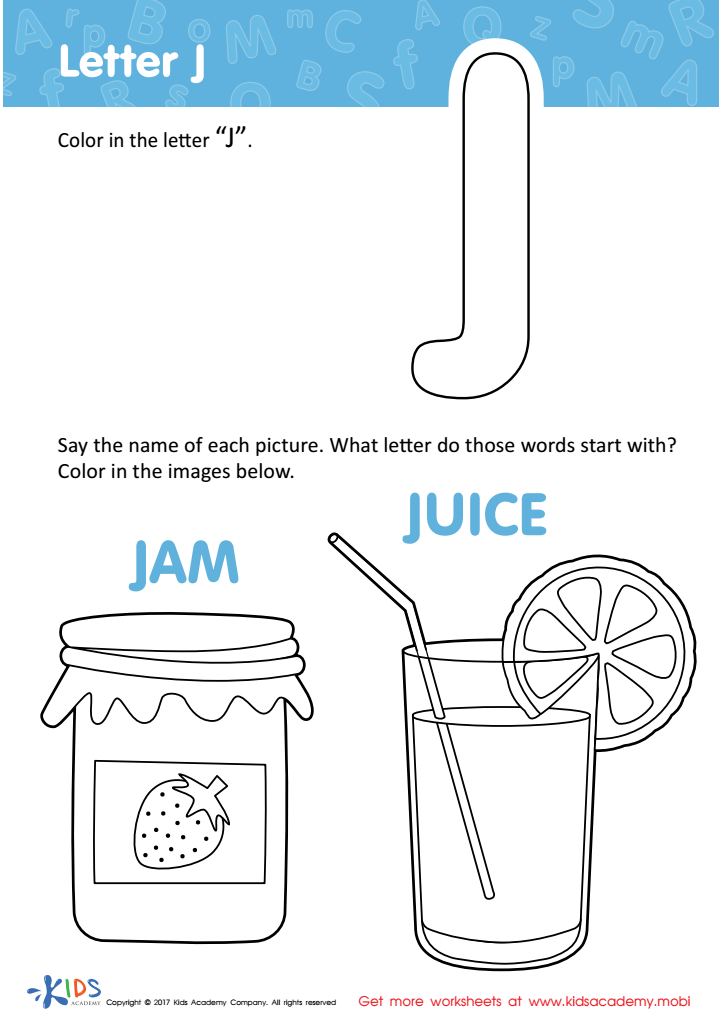
Letter J Coloring Sheet
Assign to My Students
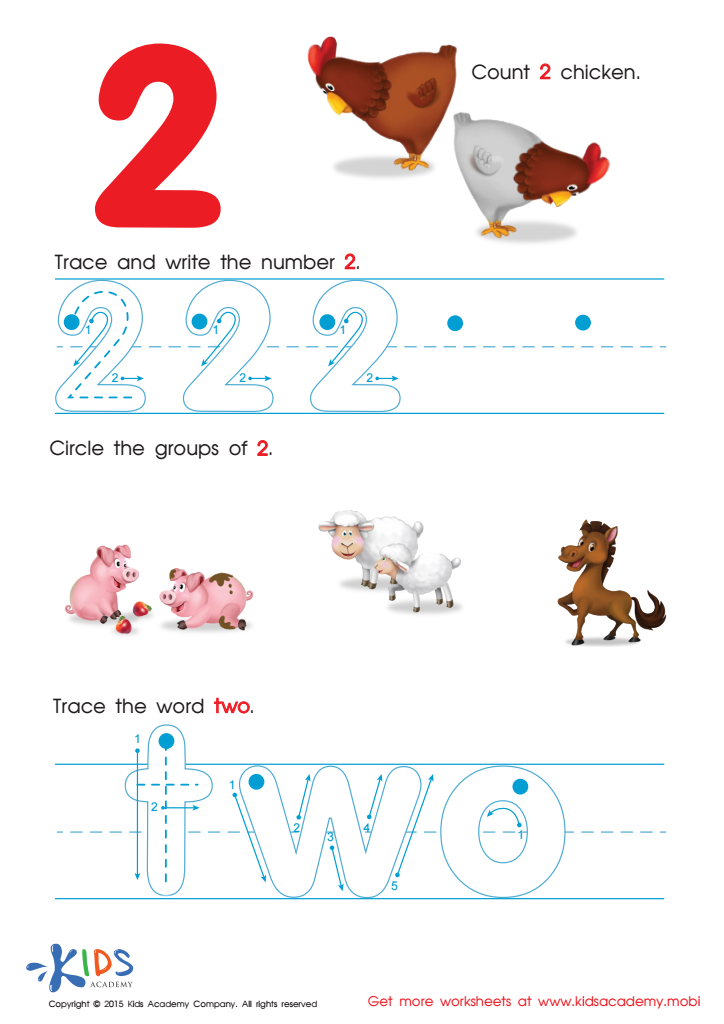
Learn to Write the Number 2 Worksheet

Letter F Tracing Page

Tower Coloring Page
Assign to My Students

Letter F Coloring Sheet
Assign to My Students

Great Hornbill Worksheet
Assign to My Students

Letter N Coloring Sheet
Assign to My Students

Letter D Tracing Page
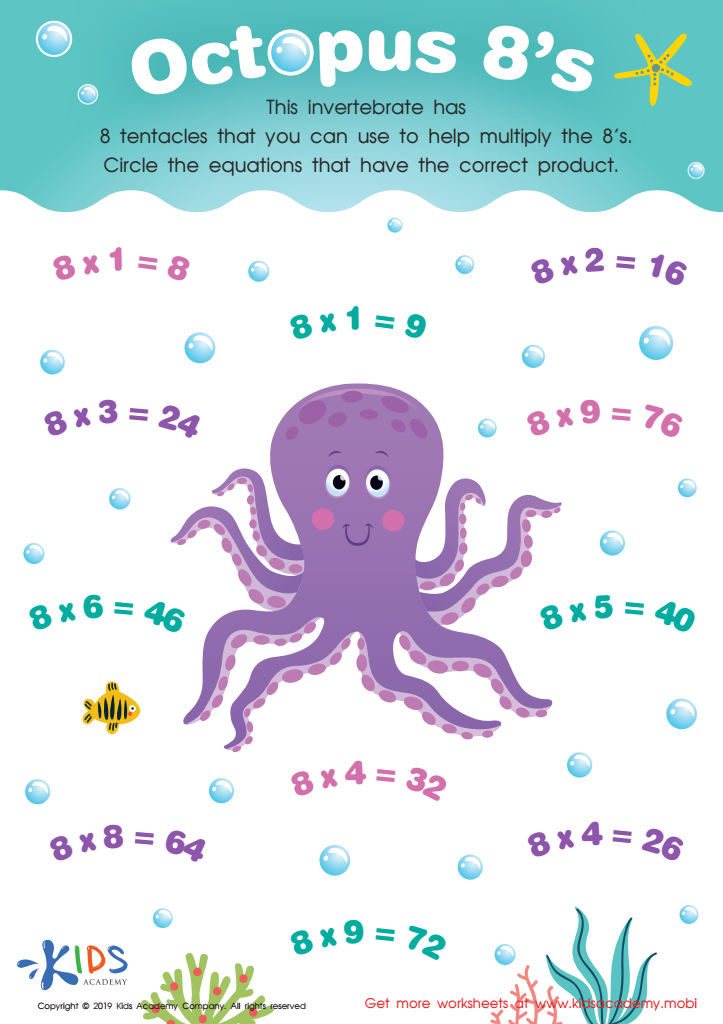
Octopus 8’s Worksheet








Fine motor skills, which involve the use of small muscles in the hands and fingers, are crucial for a 9-year-old’s overall development and academic success. Parents and teachers should pay close attention to the fine motor skills of children at this age because these skills are essential for many daily activities and learning tasks. For example, improved fine motor skills allow children to write more legibly, cut shapes with scissors accurately, tie their shoelaces, and use a keyboard effectively. These abilities are not only important for academic tasks like note-taking, crafting, and computer use but also foster a child's independence in daily self-care routines.
When fine motor skills are well-developed, children experience less frustration and greater confidence in completing tasks both inside and outside the classroom. Moreover, these skills are tied to cognitive development; precise hand movements assist in brain development and coordination. Conversely, delays or difficulties in fine motor skill development can signal underlying issues that may need attention from occupational therapists or other specialists. By recognizing and supporting the development of fine motor skills, parents and teachers can contribute substantially to a child’s academic performance, self-esteem, and autonomy, paving the way for success in both school and everyday life.








