Sound Association Normal Alphabet Worksheets
23 filtered results
-
From - To
Enhance your child's phonetic skills with our Sound Association Normal Alphabet Worksheets! Designed for early learners, these engaging worksheets help children connect letters to their corresponding sounds through fun activities. Each worksheet features vibrant illustrations and simple exercises that make learning both enjoyable and effective. As kids explore sound-letter relationships, they gain foundational reading skills critical for academic success. Perfect for classroom use or at-home learning, our worksheets encourage independent practice and reinforce sound recognition. Download and print now to support your child's literacy journey with interactive, skill-building exercises tailored for young minds! Make learning letters a joyful experience today!
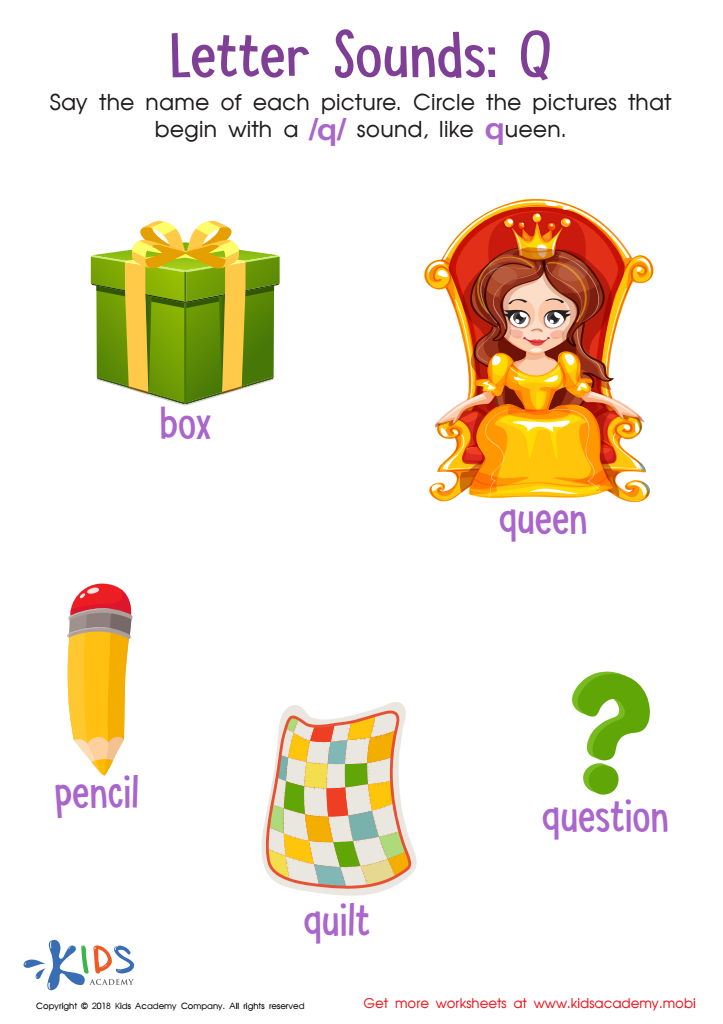
Letter Q Sounds Worksheet
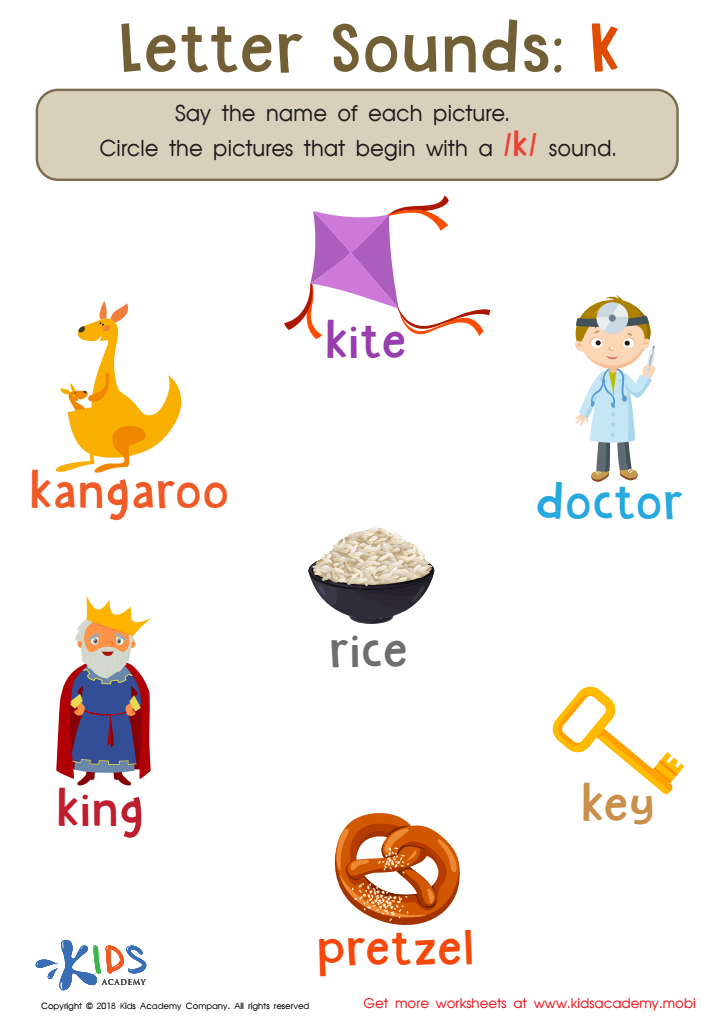
Letter K Sounds Worksheet
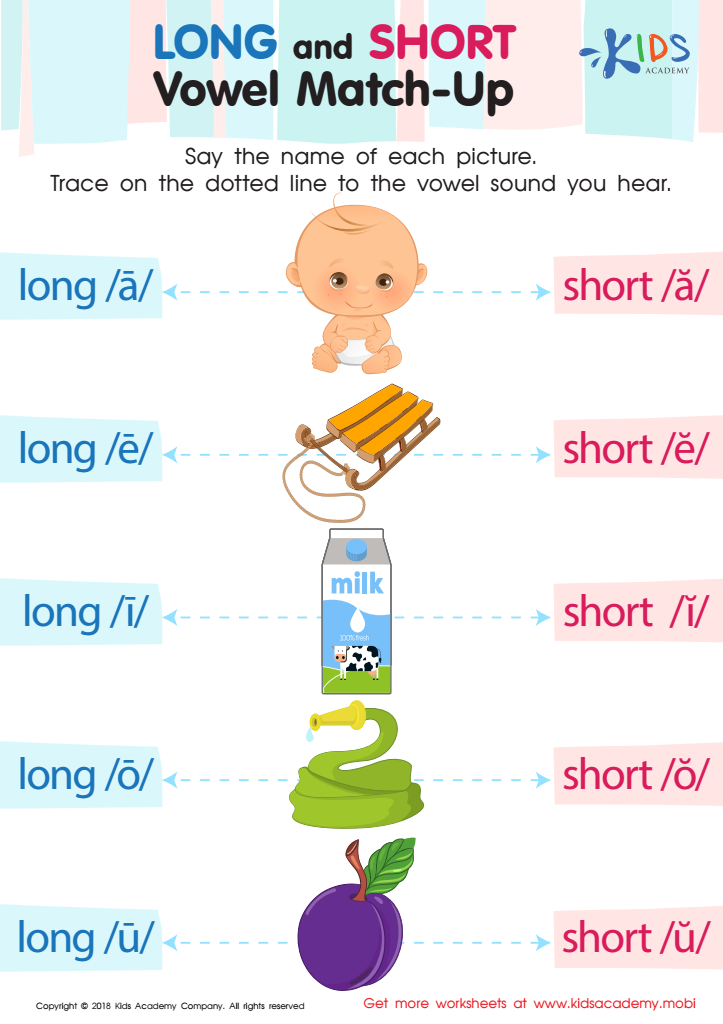
Long and Short Vowel Match up Reading Worksheet
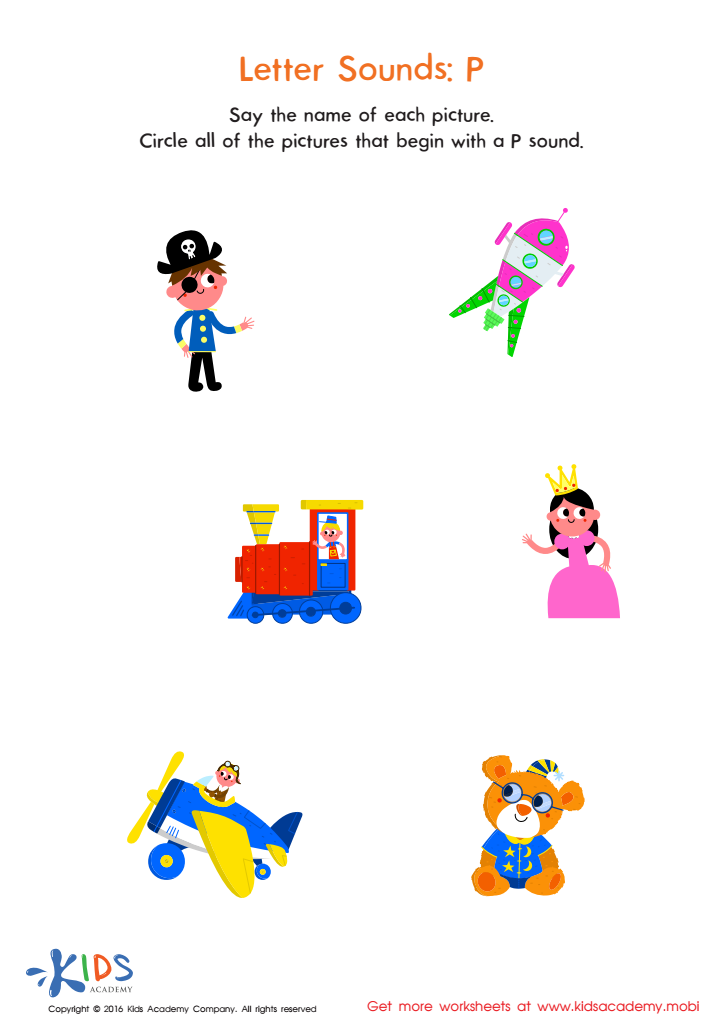
Letter P Sound Worksheet
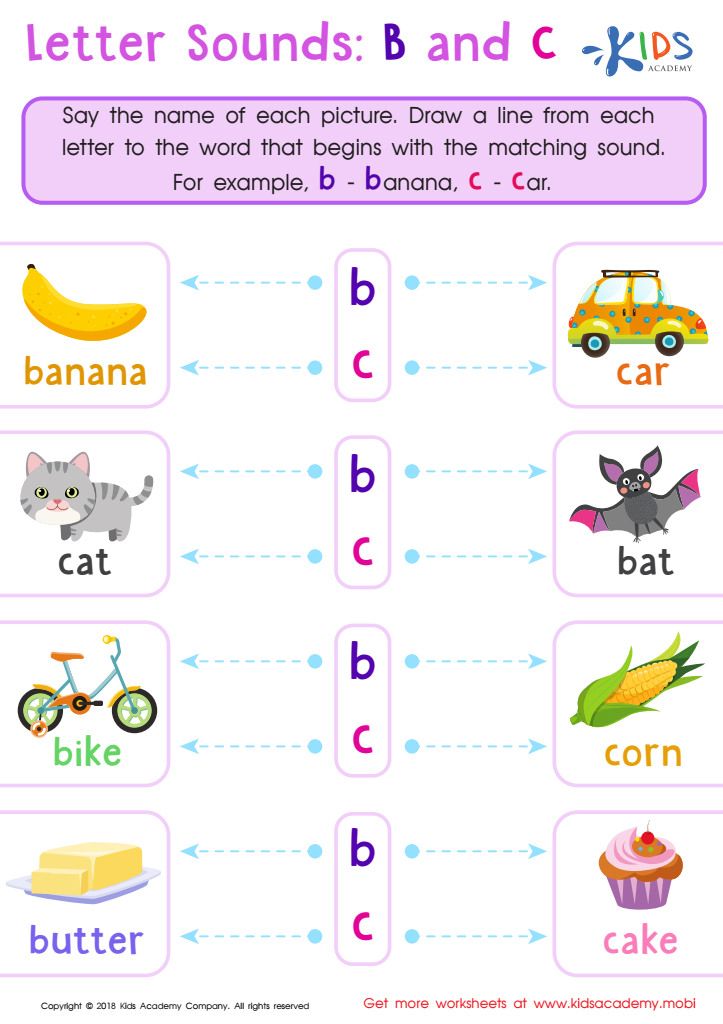
Letter B and C Sounds Worksheet
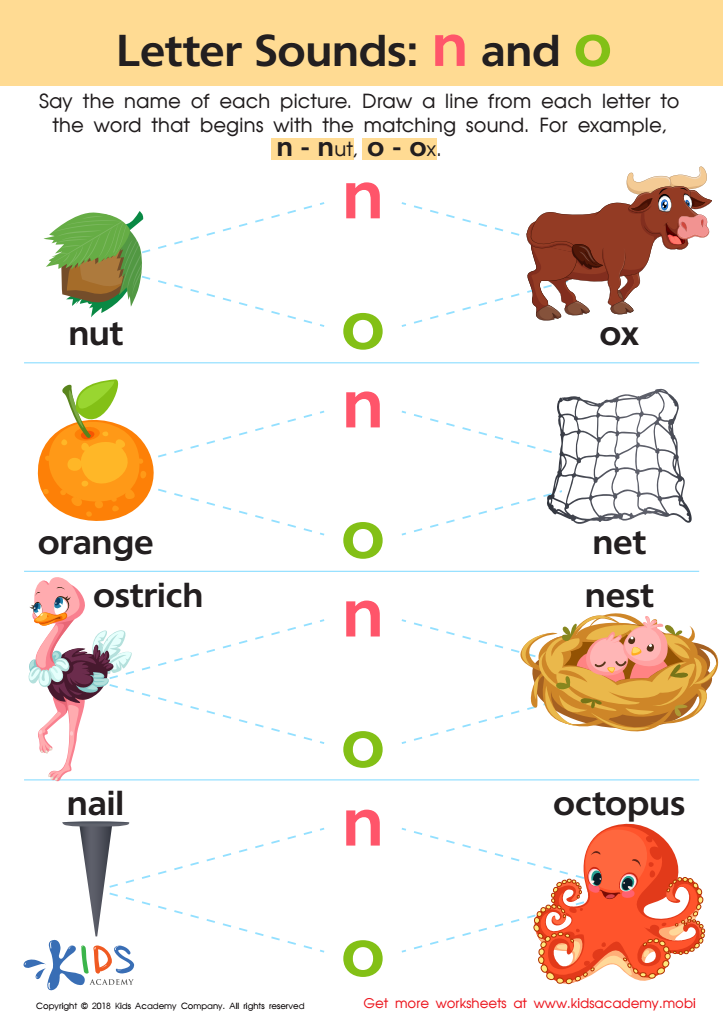
Letter N and O Sounds Worksheet
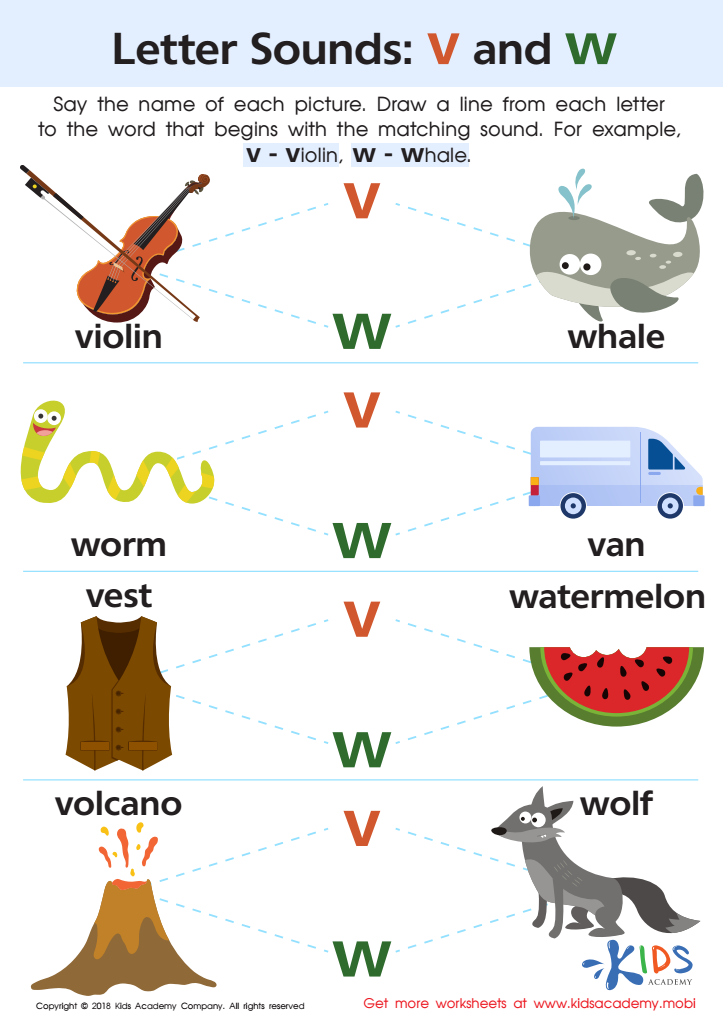
Letter V and W Sounds Worksheet
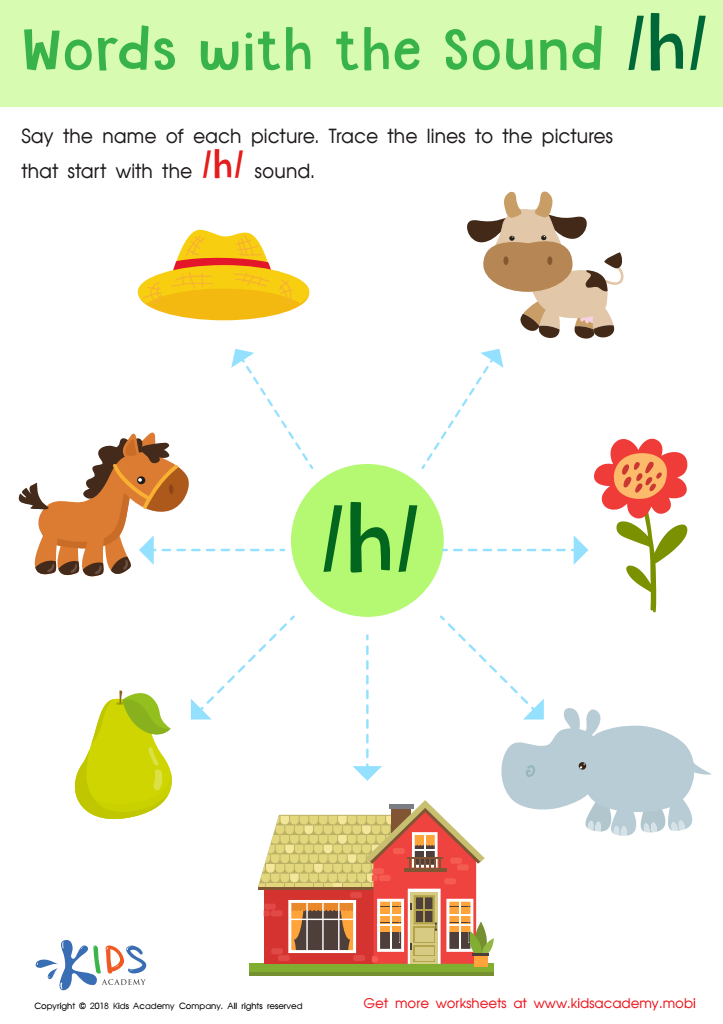
Words with sound h Reading Worksheet
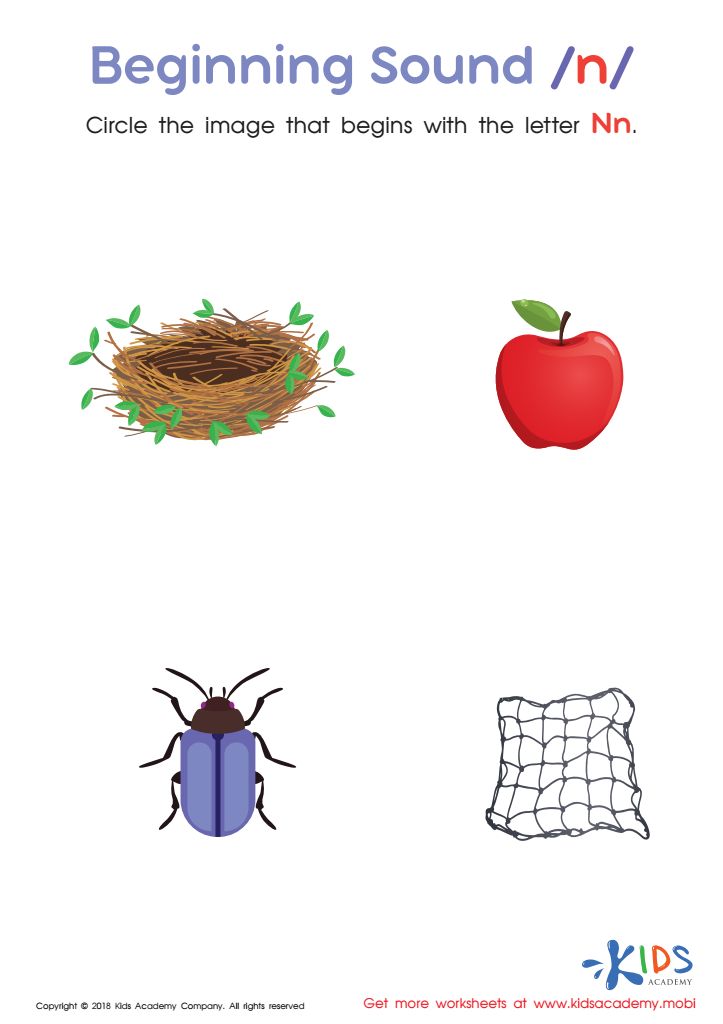
Beginning Sound «n» Worksheet
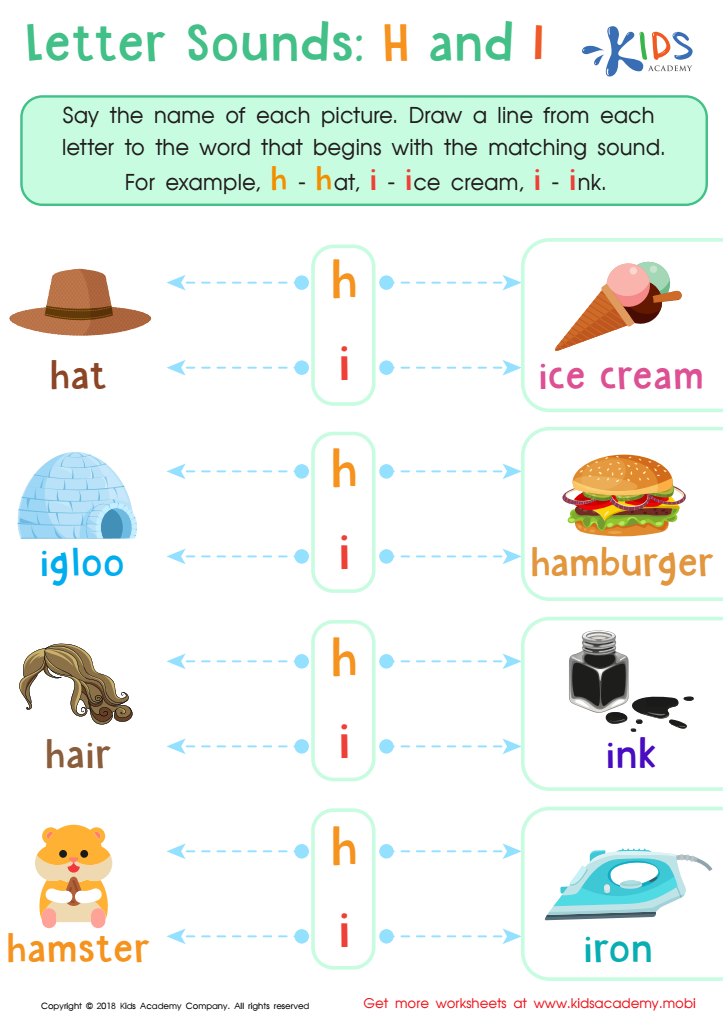
Letter H and I Sounds Worksheet
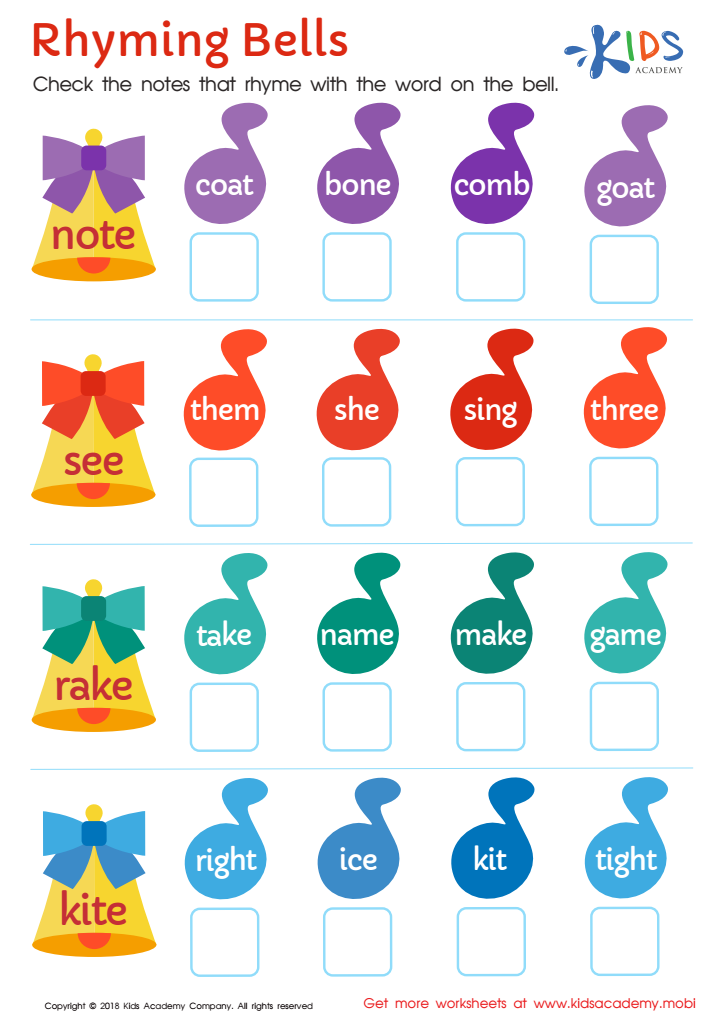
Rhyming Bells Worksheet
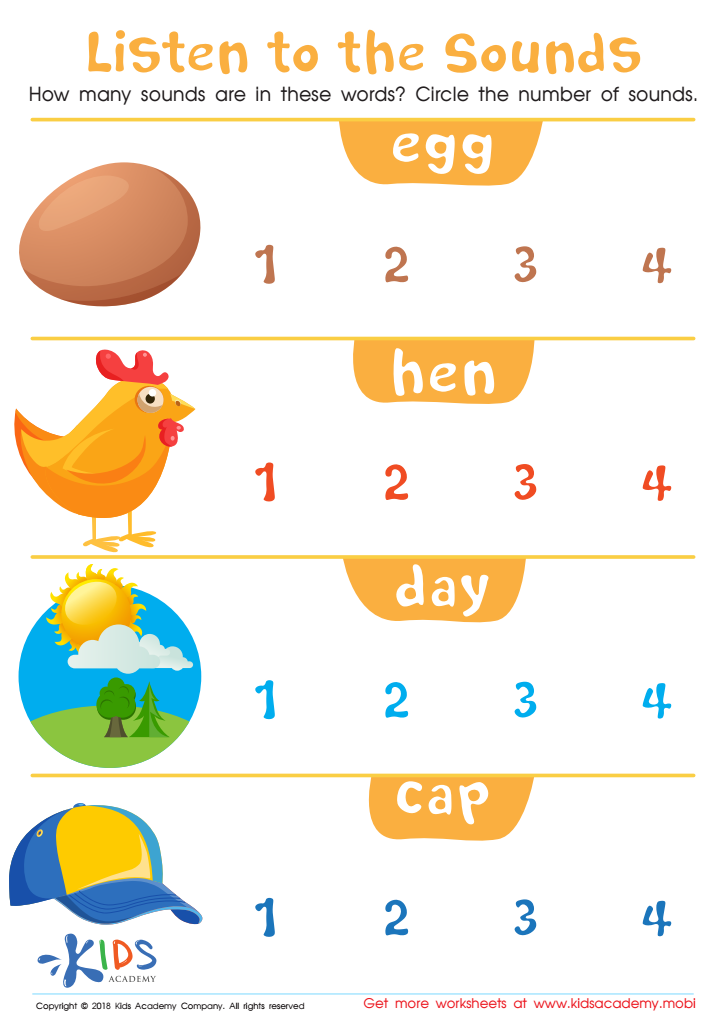
Listen to the Sounds Worksheet
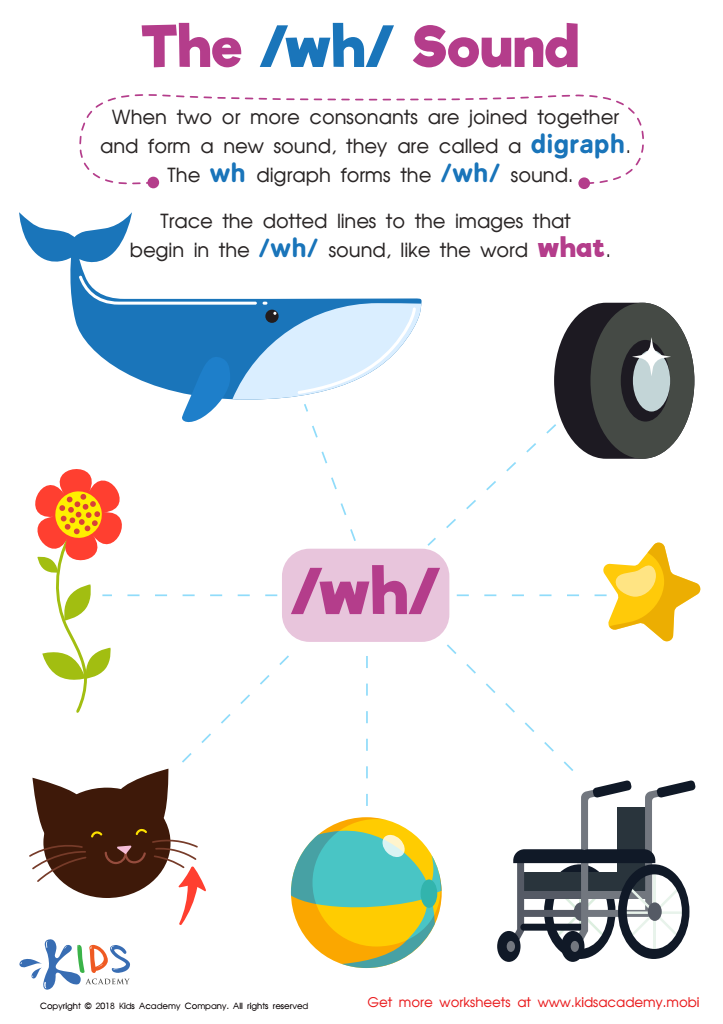
The /wh/ Sound Worksheet
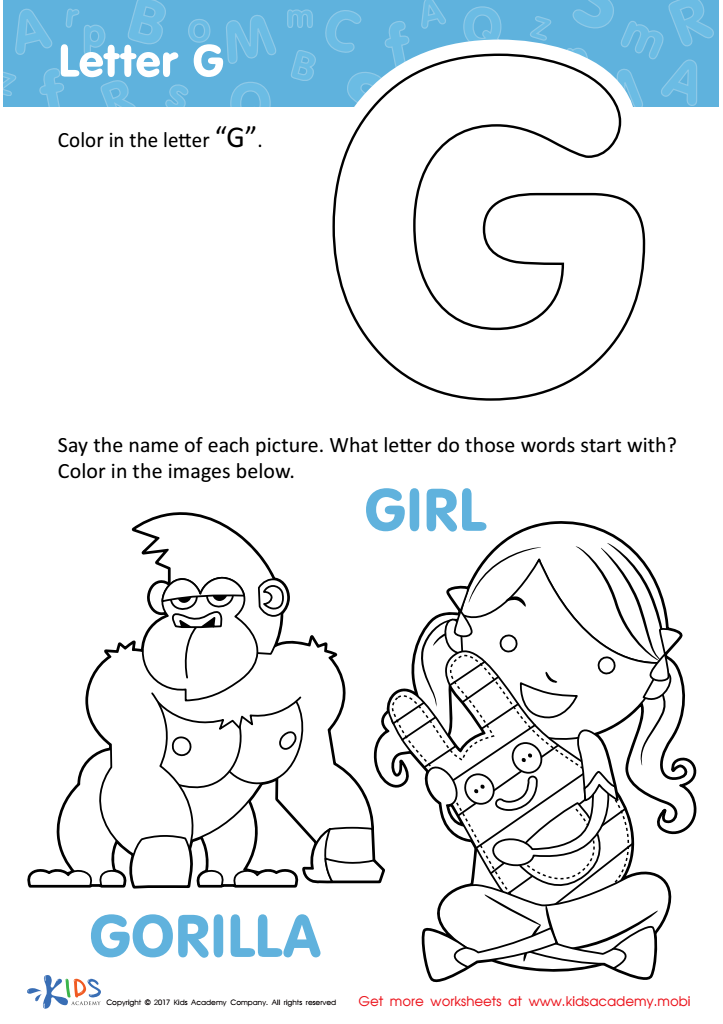
Letter G Coloring Sheet
 Assign to My Students
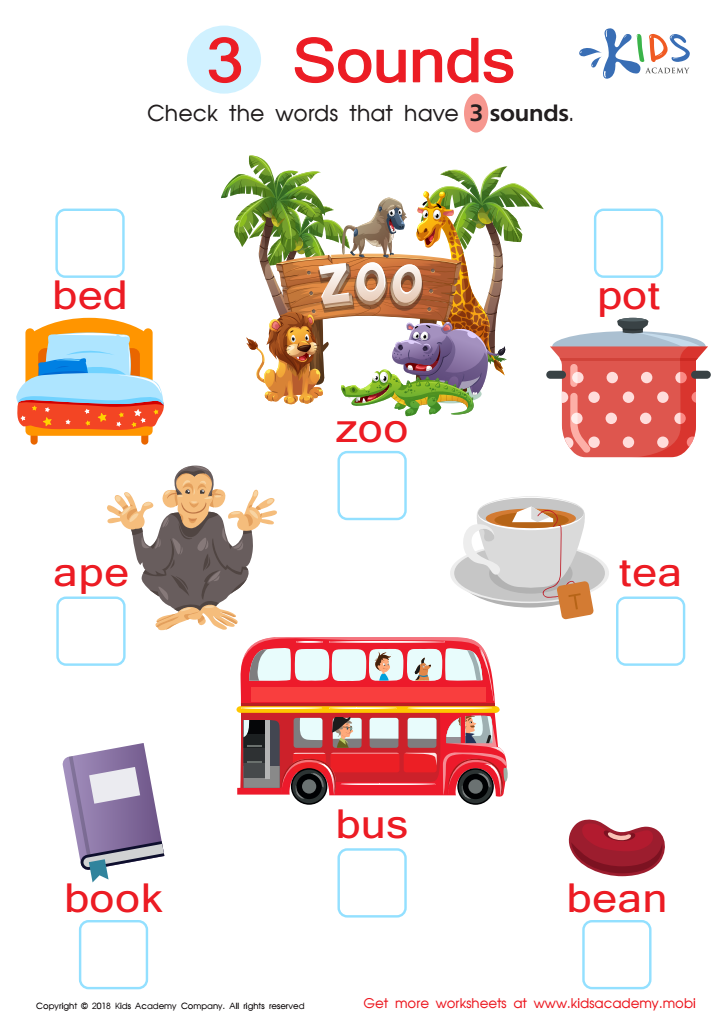
3 Sounds Worksheet
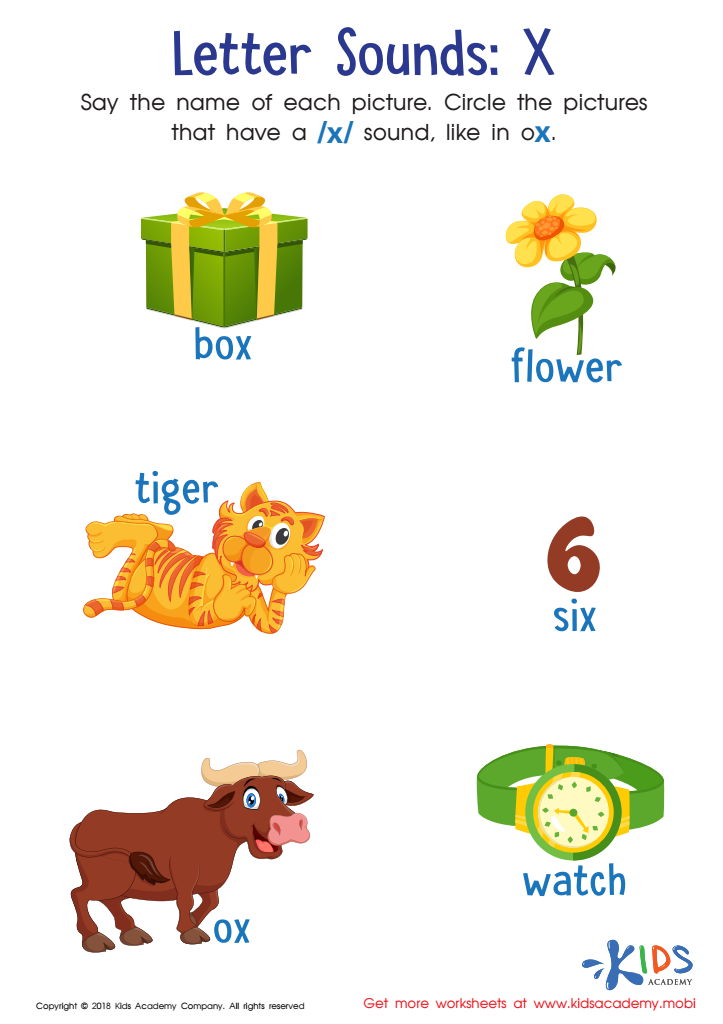
Letter X Sounds Worksheet
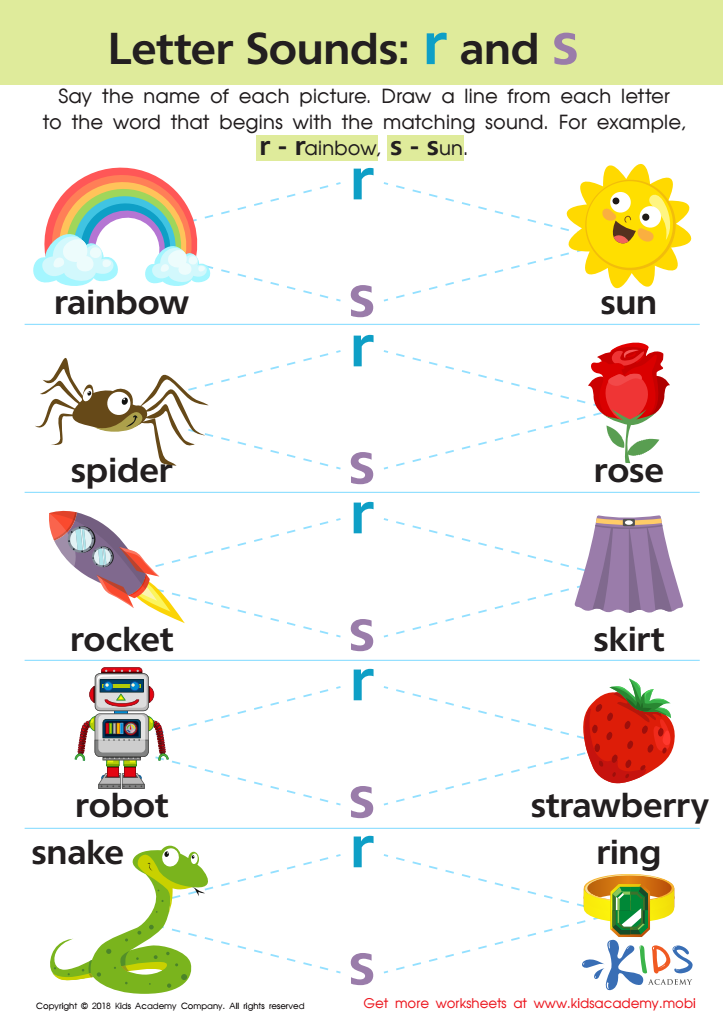
Letter R and S Sounds Worksheet
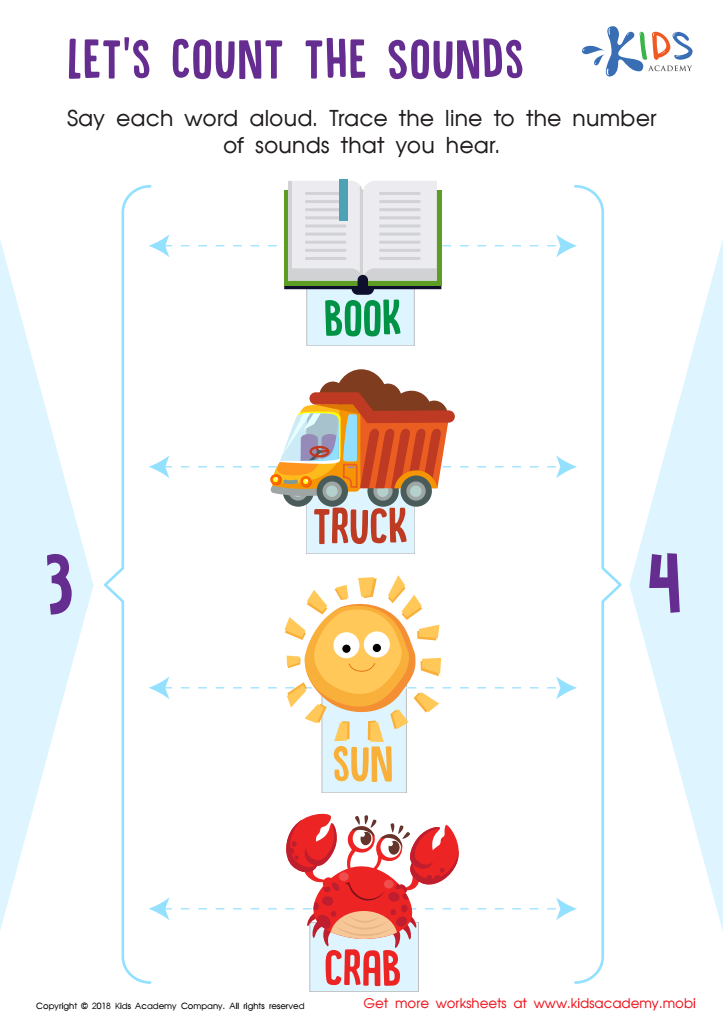
Let's Count the Sounds Worksheet
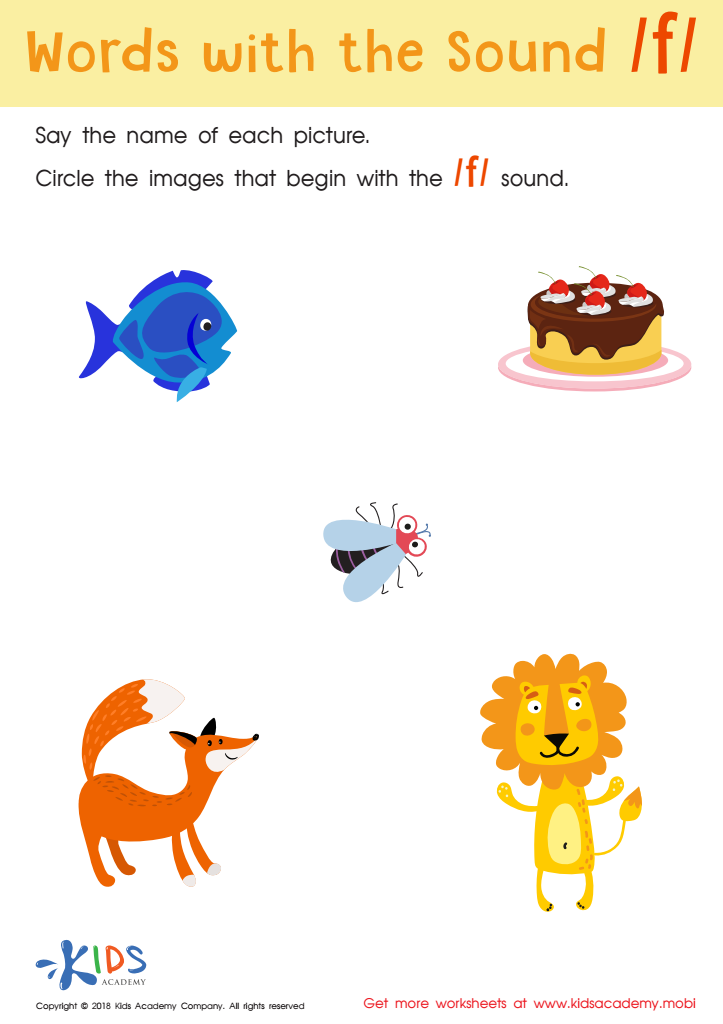
Words with sound f Reading Worksheet
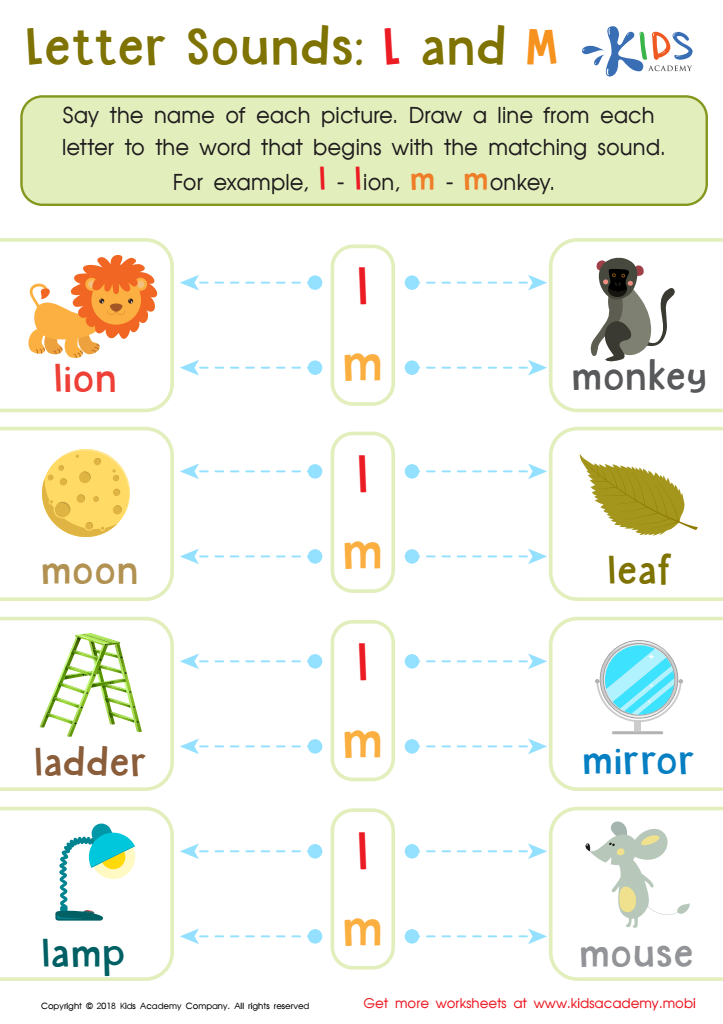
Letter l and M Sounds Worksheet
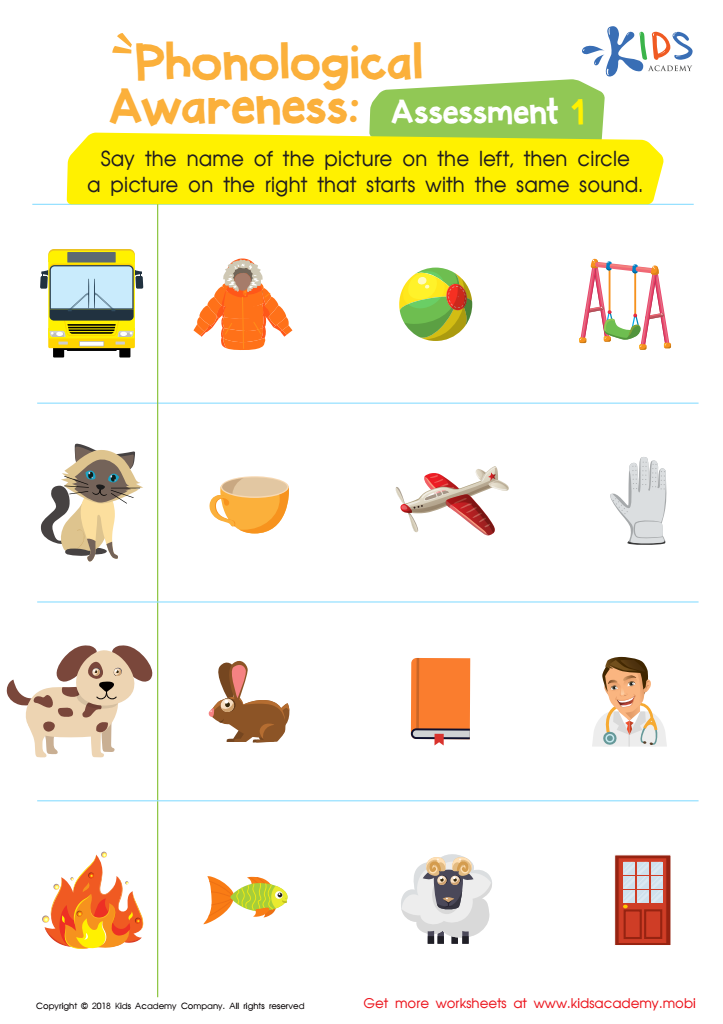
Phonological Awareness: Assessment 1 Worksheet
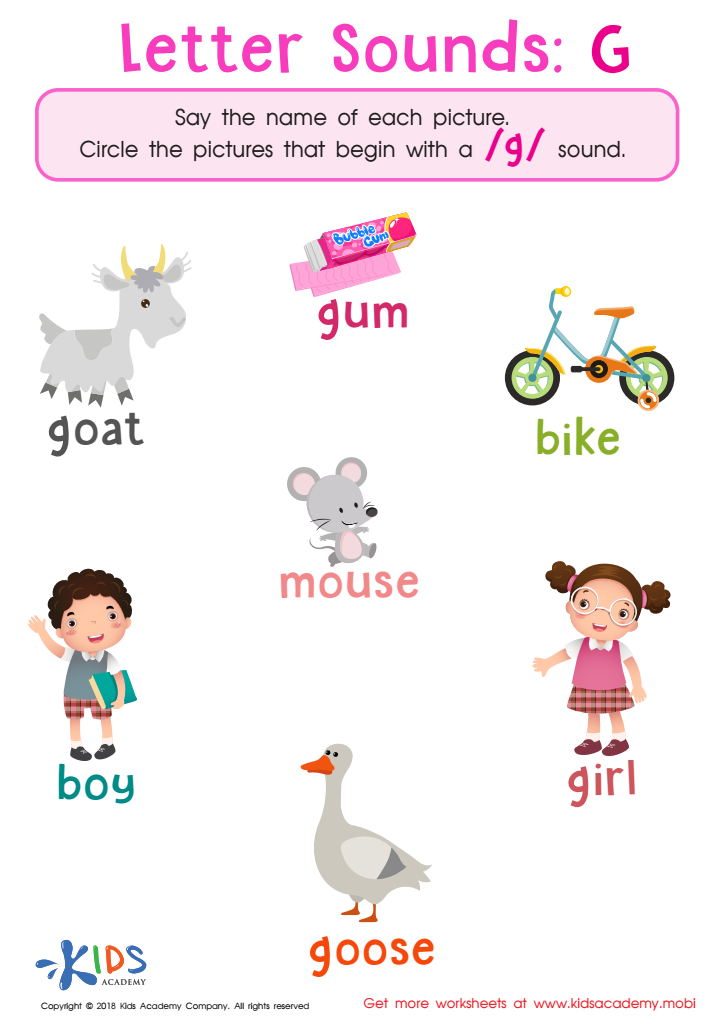
Letter G Sounds Worksheet
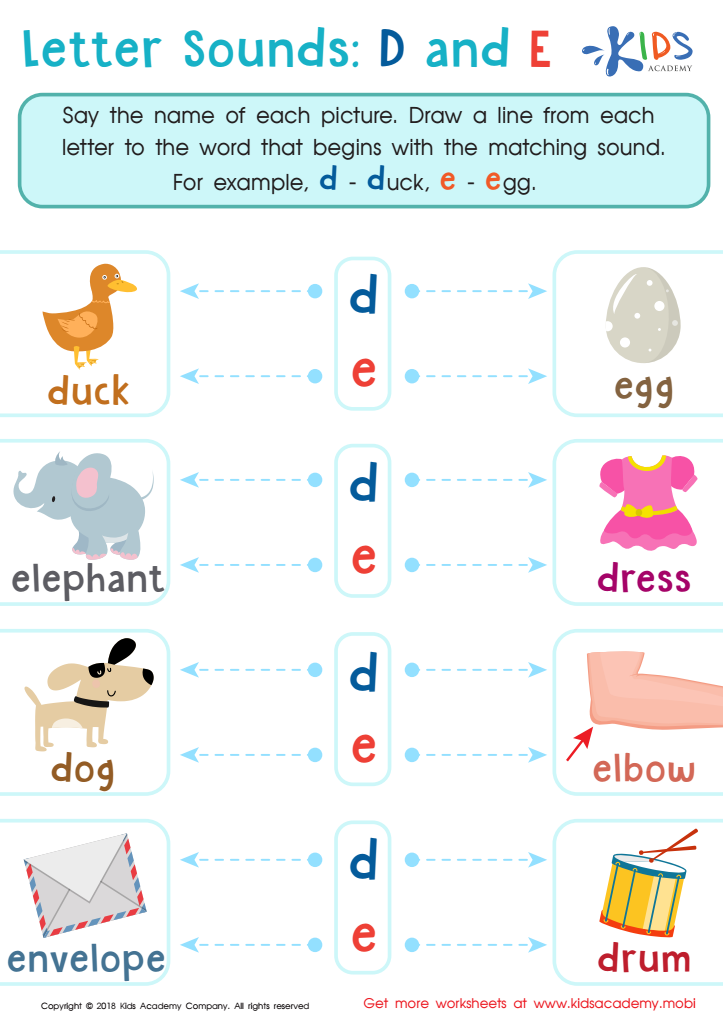
Letter D and E Sounds Worksheet






Parents and teachers should care about Sound Association Normal Alphabet (SANA) because it plays a crucial role in early literacy development. SANA emphasizes the relationship between sounds and letters, which lays the foundation for reading and writing skills. By engaging children in this method, educators and caregivers can enhance phonemic awareness—an essential skill for understanding that words are made up of sounds.
When children consistently associate sounds with the correct letters, they gain confidence in decoding words, which is vital for fluent reading. This skill directly impacts their ability to comprehend text, communicate effectively, and express themselves through writing. Moreover, sound association activities promote active participation, making learning both enjoyable and effective.
Incorporating SANA into daily learning routines equips children to tackle more complex literacy tasks as they progress in school. Furthermore, children with a solid grasp of sound-letter relationships are more likely to develop a lifelong love for reading, which is crucial for academic and personal growth.
Ultimately, by fostering an understanding of SANA, parents and teachers can create a supportive environment that promotes successful early literacy development, setting the stage for continued learning and achievement in later stages of education.







