Sound Association Normal Phonics Worksheets
22 filtered results
-
From - To
Discover our comprehensive Sound Association Normal Phonics Worksheets designed to enhance phonetic awareness in early learners. These expertly crafted worksheets help children develop crucial skills in letter-sound recognition, boosting their reading foundation. Ideal for preschool and kindergarten students, each worksheet uses engaging exercises that make phonics fun and interactive. By associating sounds with corresponding letters and objects, young readers will improve their ability to decode and read new words confidently. Explore our collection to provide a solid phonetic foundation that supports long-term literacy success. Unleash the potential in every young learner with our effective phonics-tastic resources!
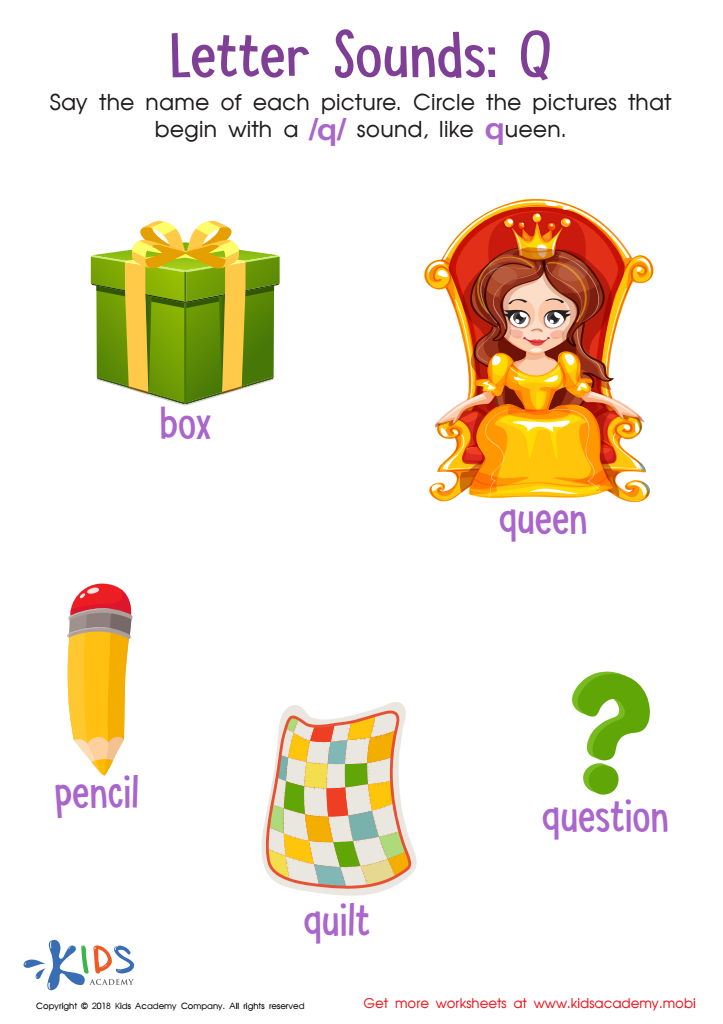
Letter Q Sounds Worksheet
 Assign to My Students
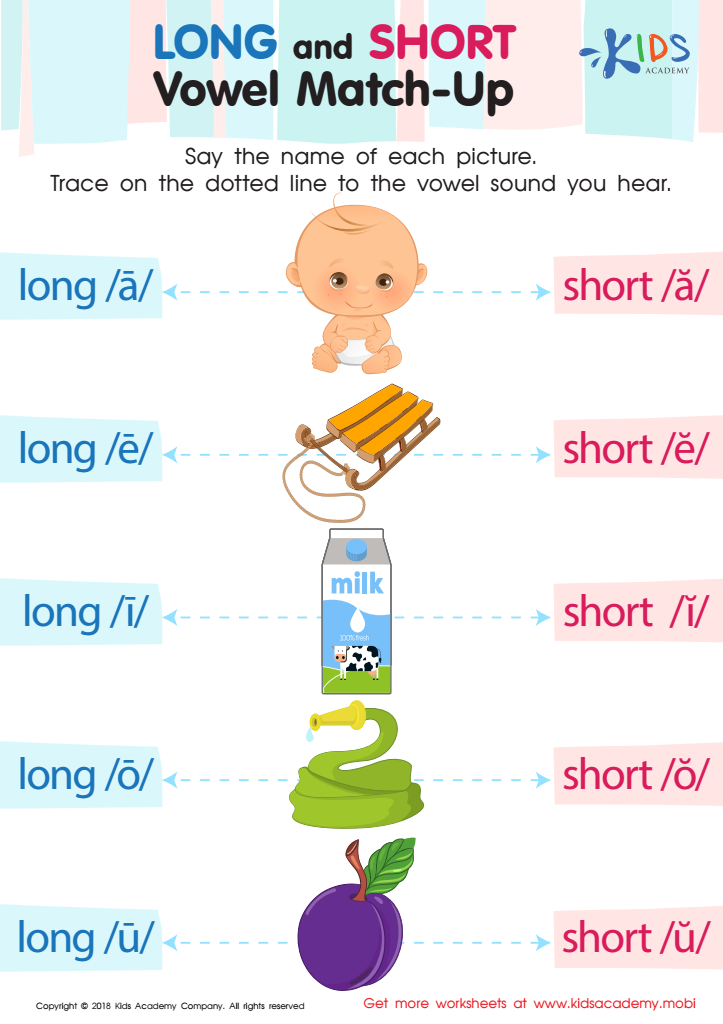
Long and Short Vowel Match up Reading Worksheet
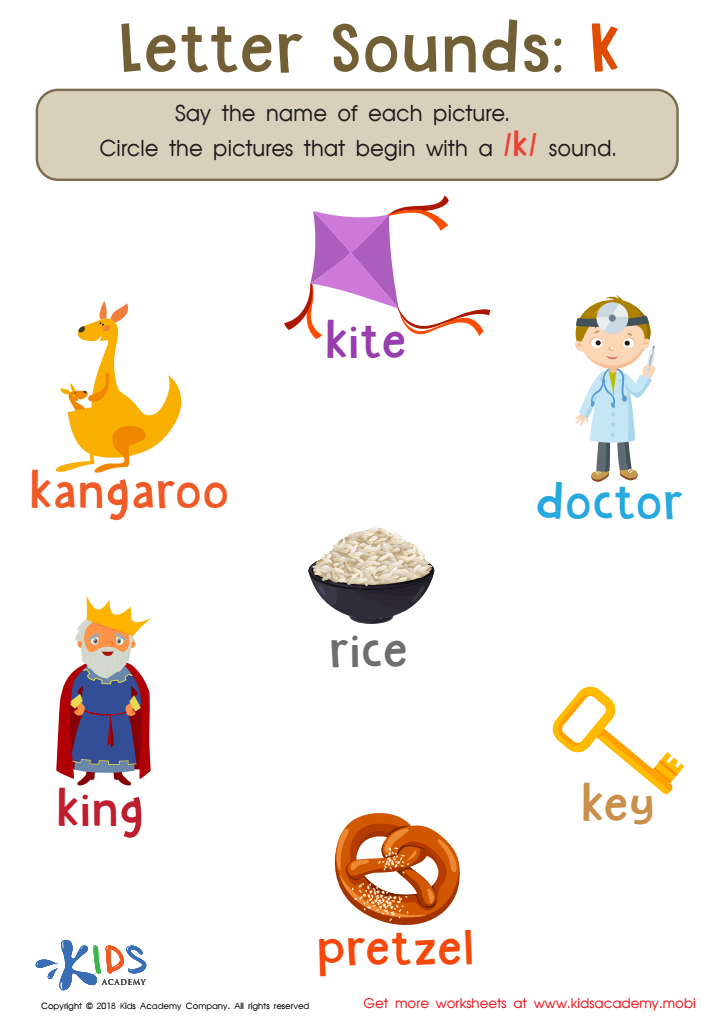
Letter K Sounds Worksheet
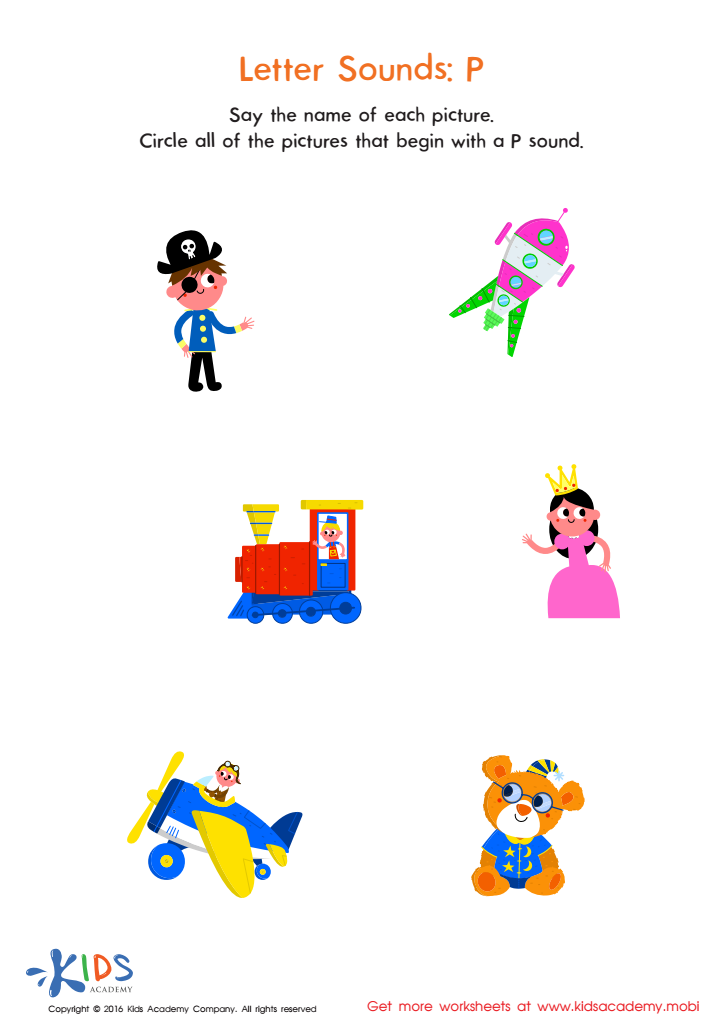
Letter P Sound Worksheet
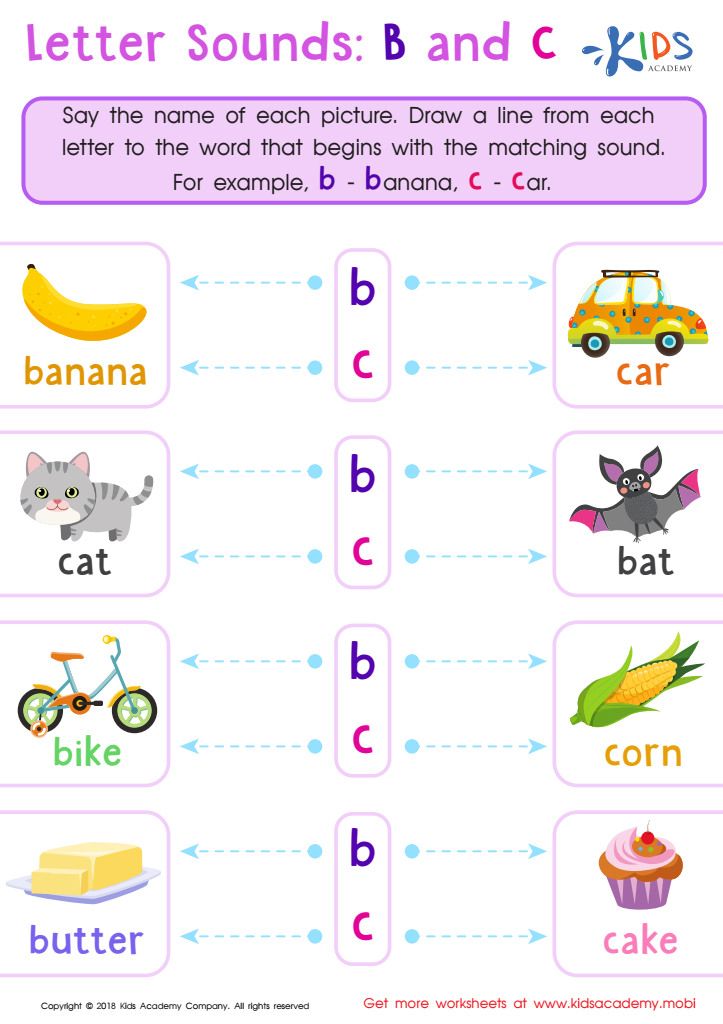
Letter B and C Sounds Worksheet
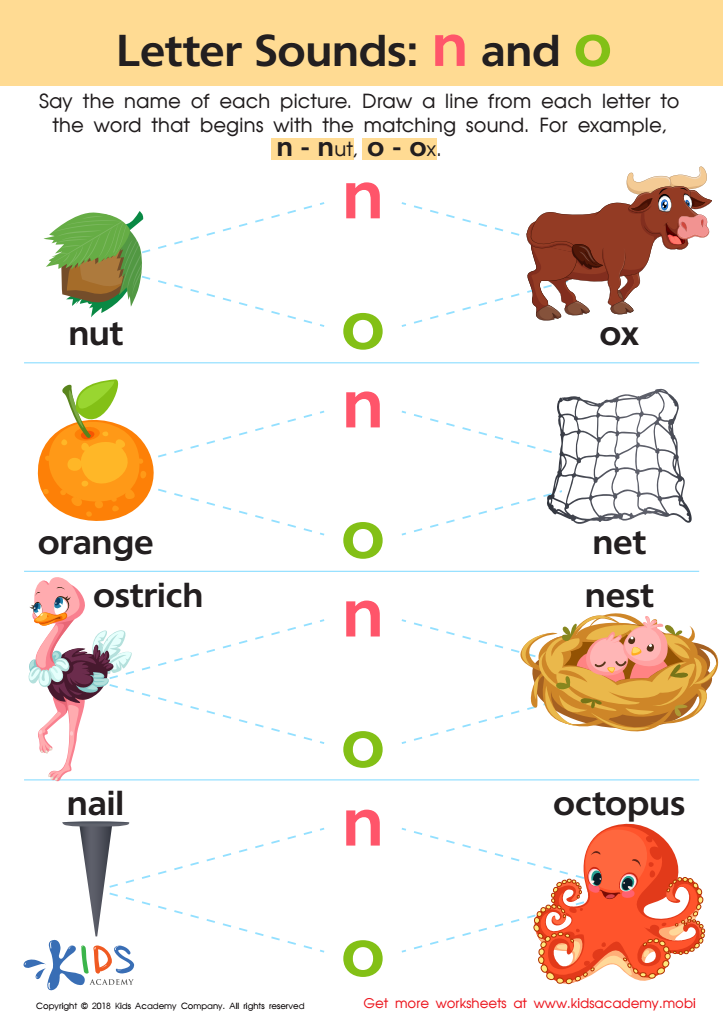
Letter N and O Sounds Worksheet
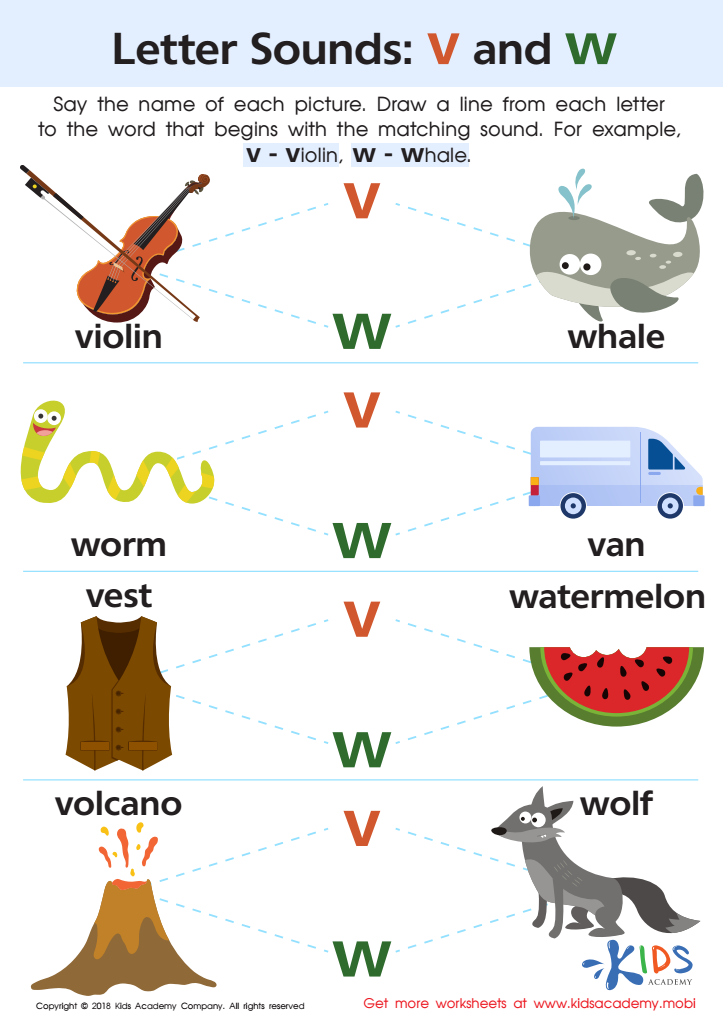
Letter V and W Sounds Worksheet
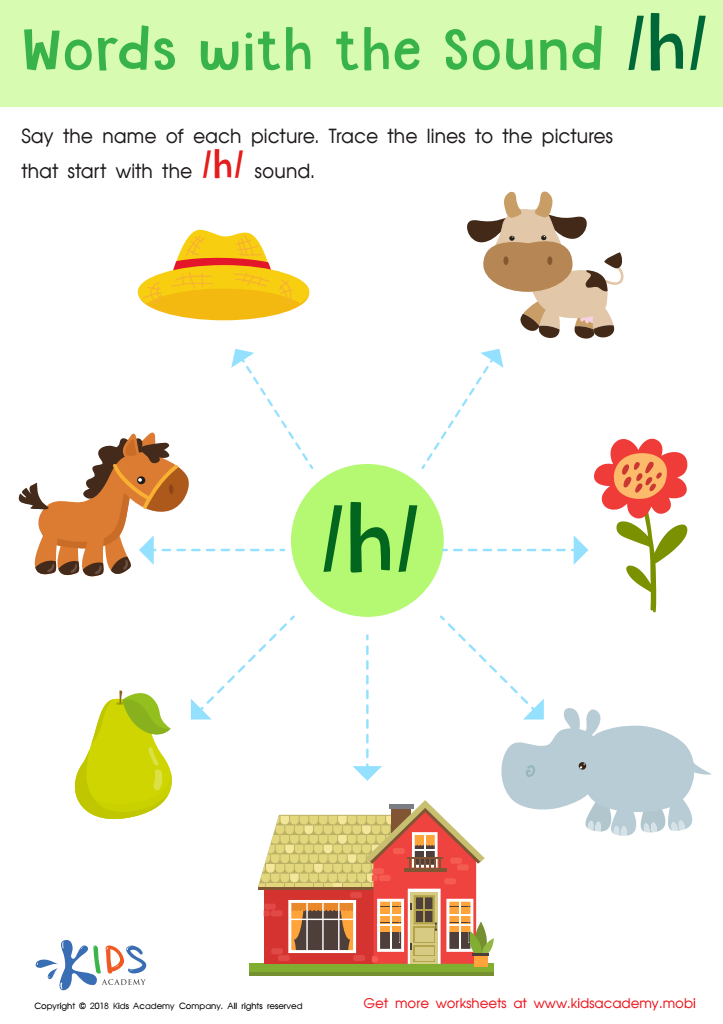
Words with sound h Reading Worksheet
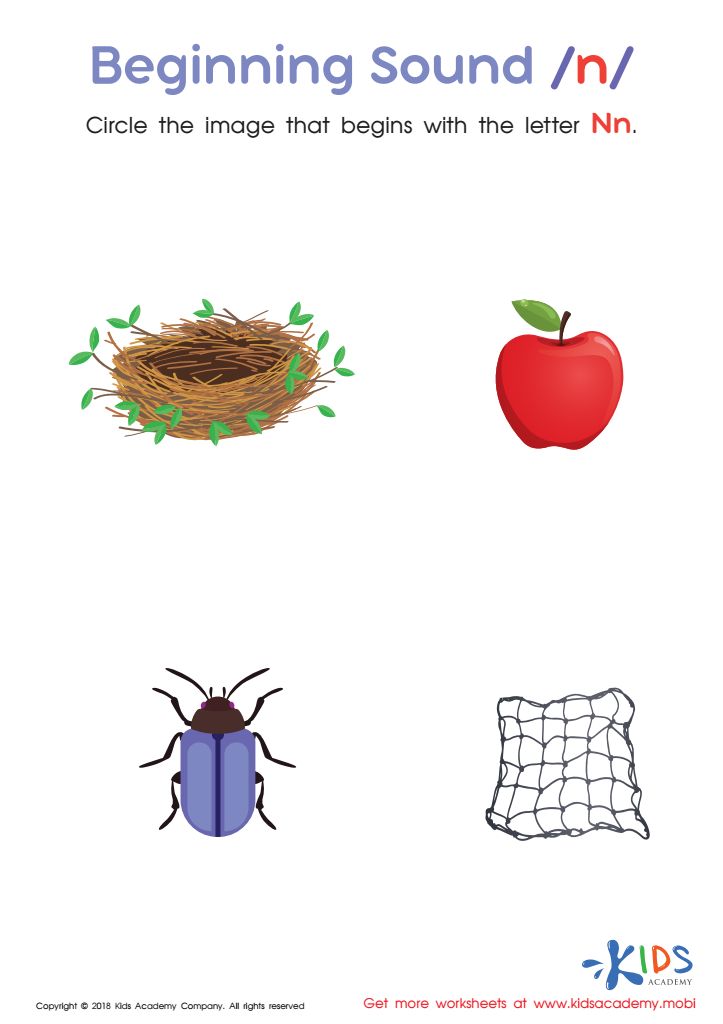
Beginning Sound «n» Worksheet
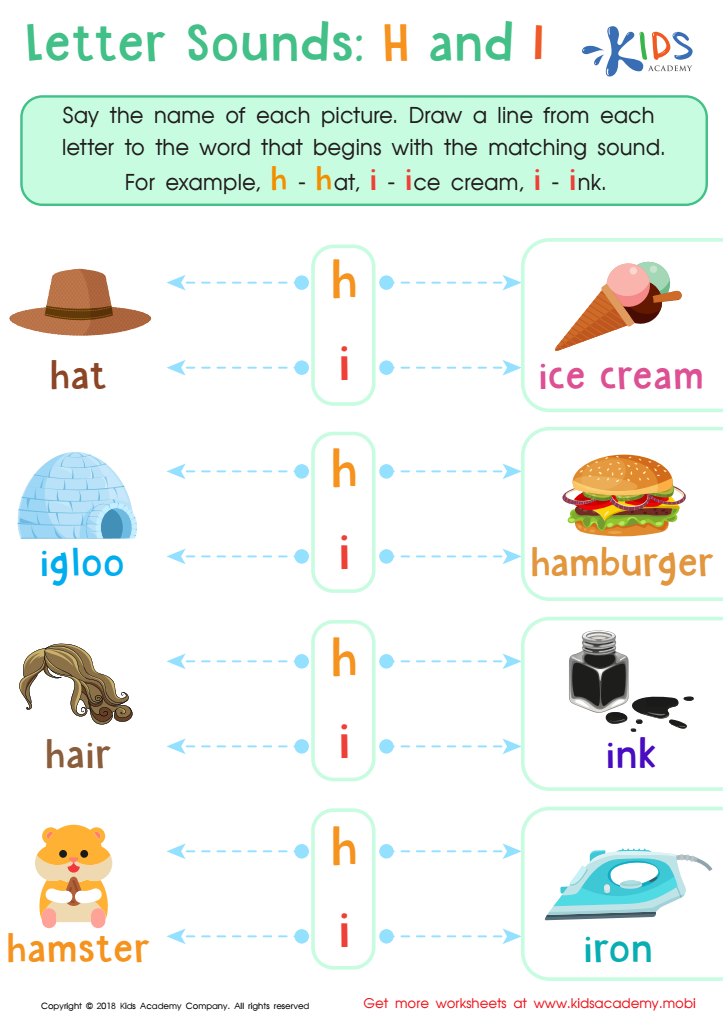
Letter H and I Sounds Worksheet
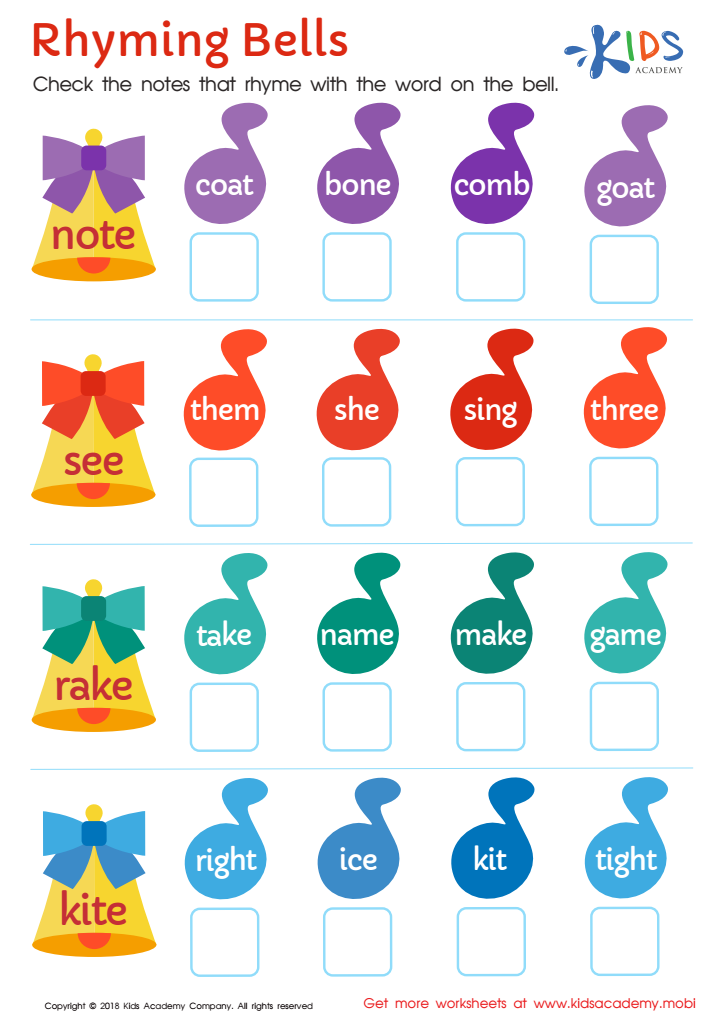
Rhyming Bells Worksheet
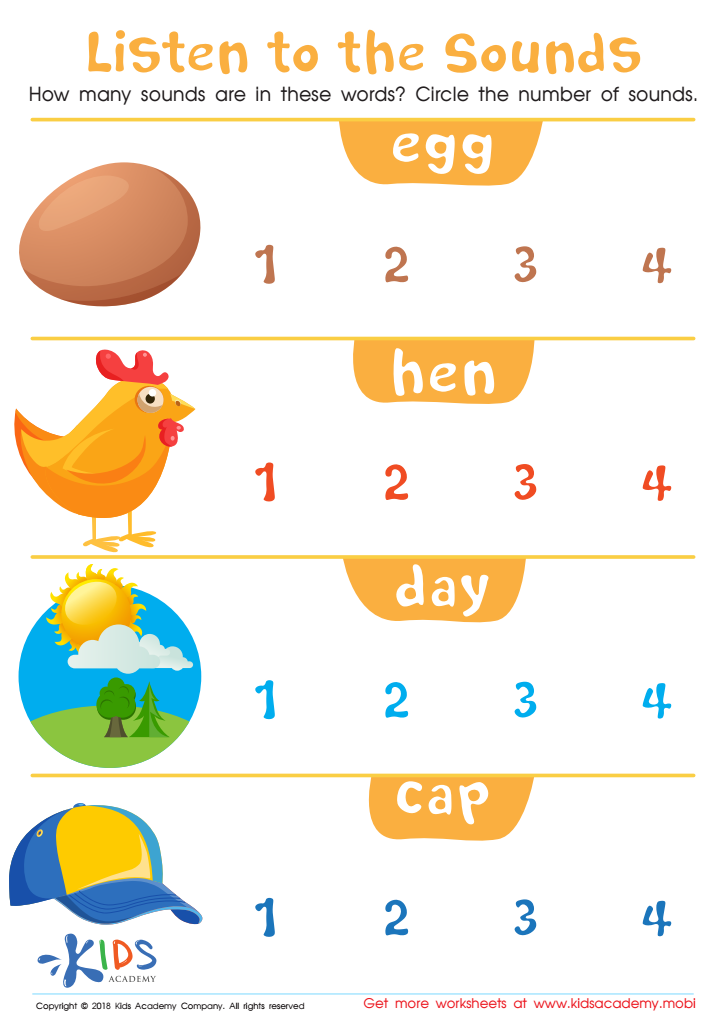
Listen to the Sounds Worksheet
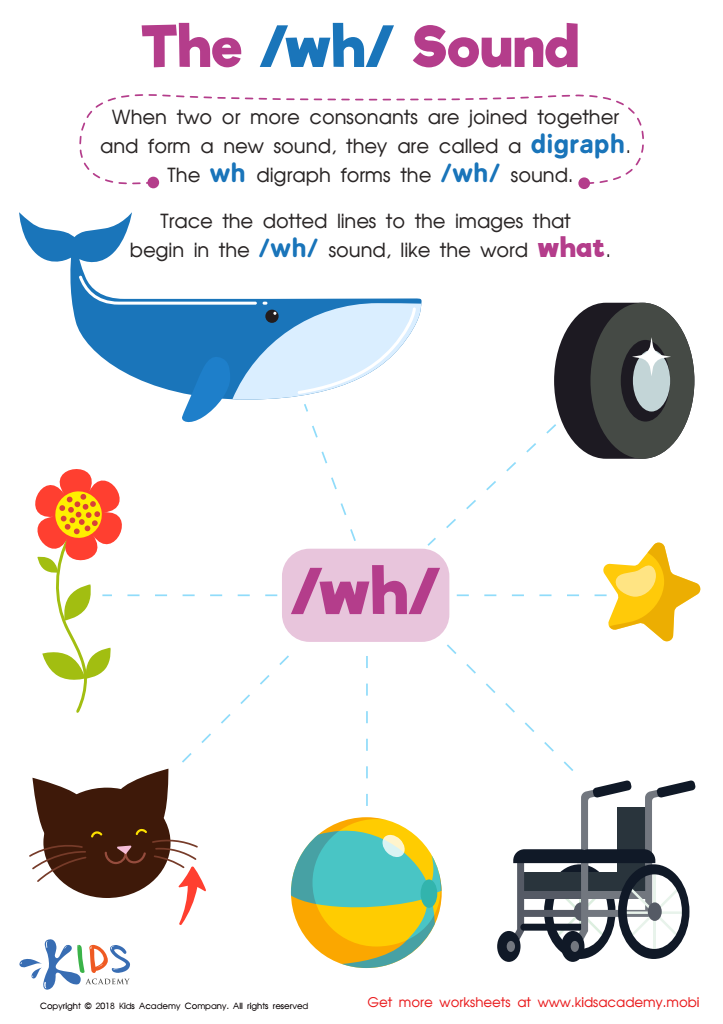
The /wh/ Sound Worksheet
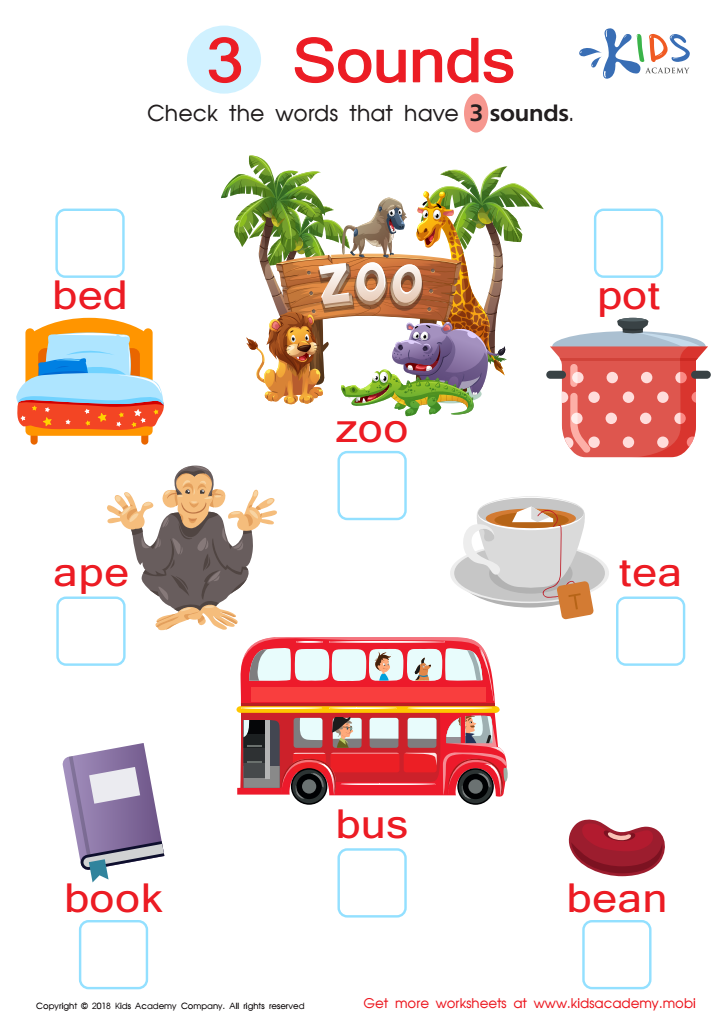
3 Sounds Worksheet
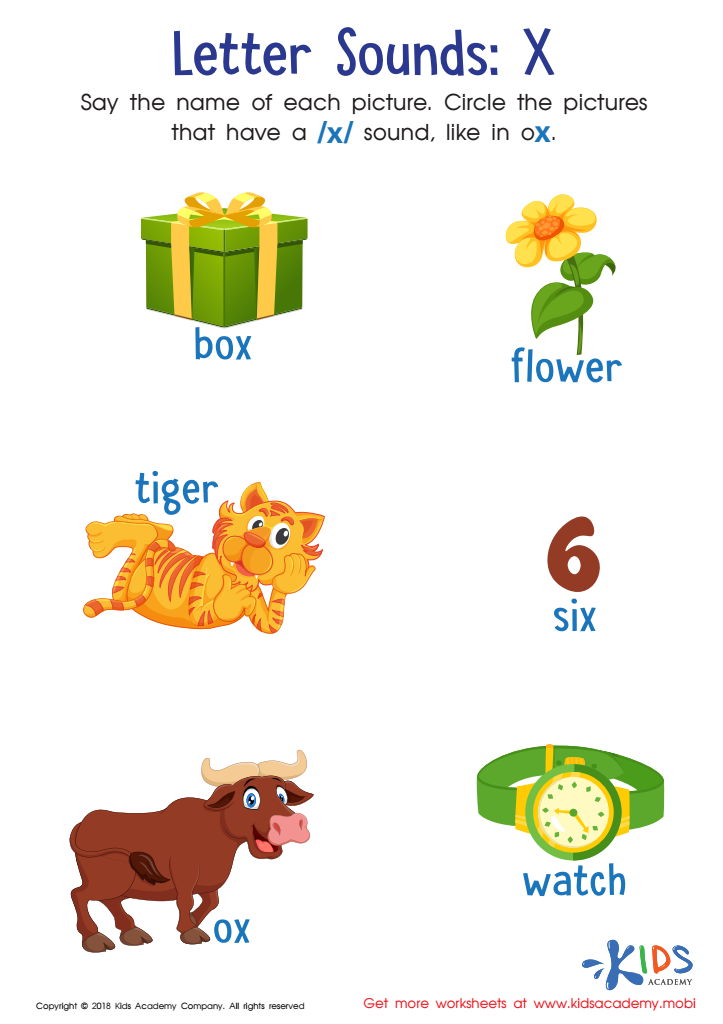
Letter X Sounds Worksheet
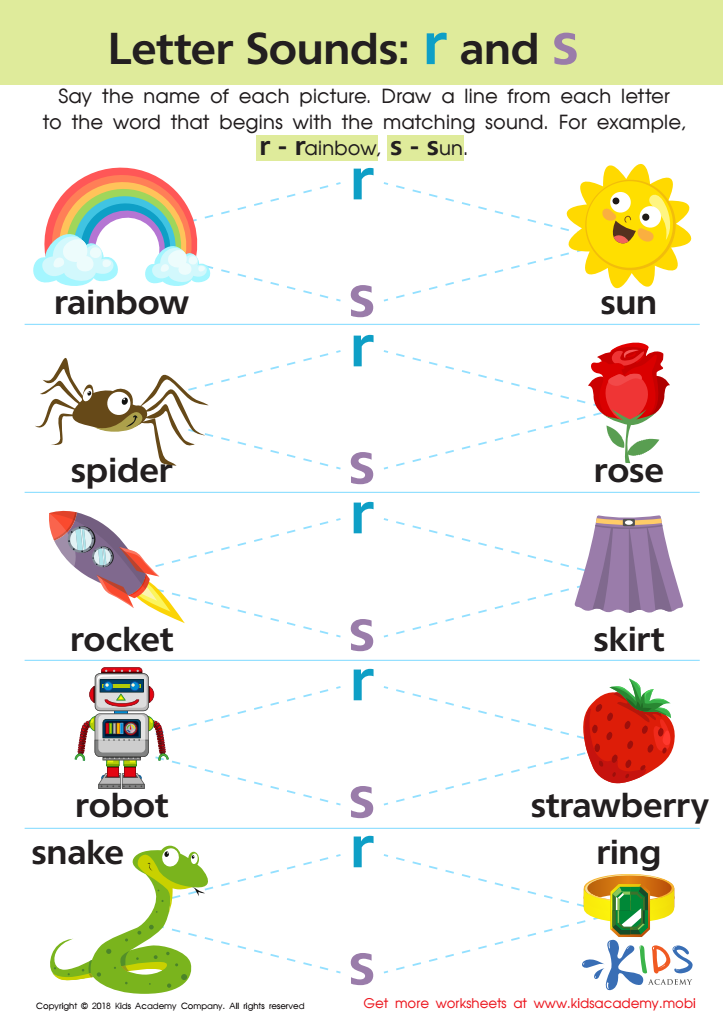
Letter R and S Sounds Worksheet
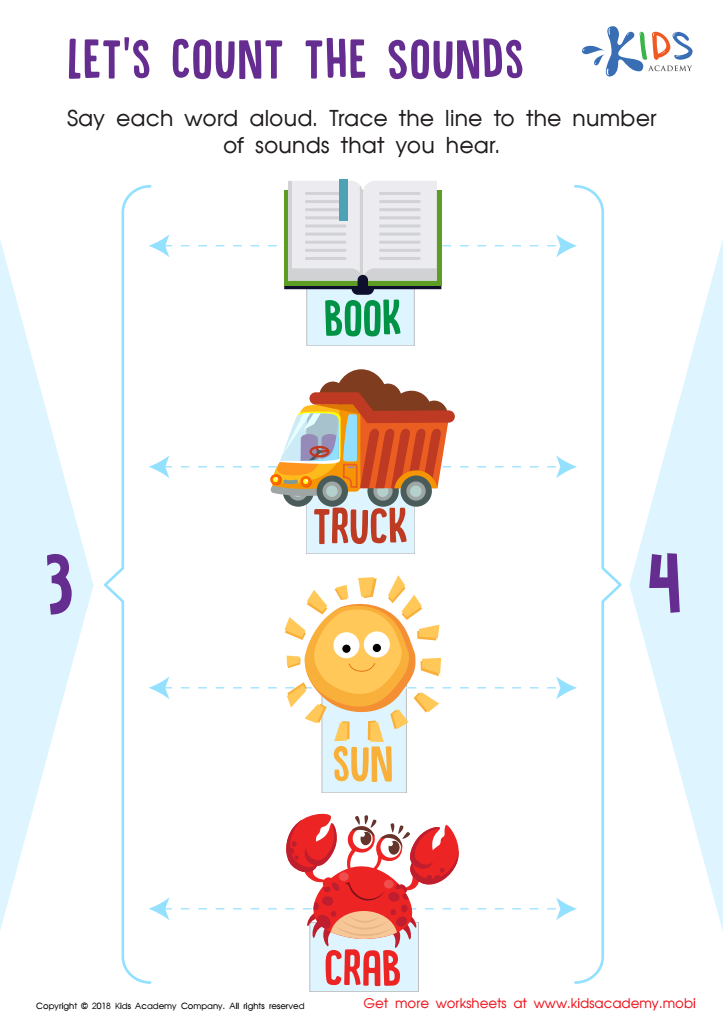
Let's Count the Sounds Worksheet
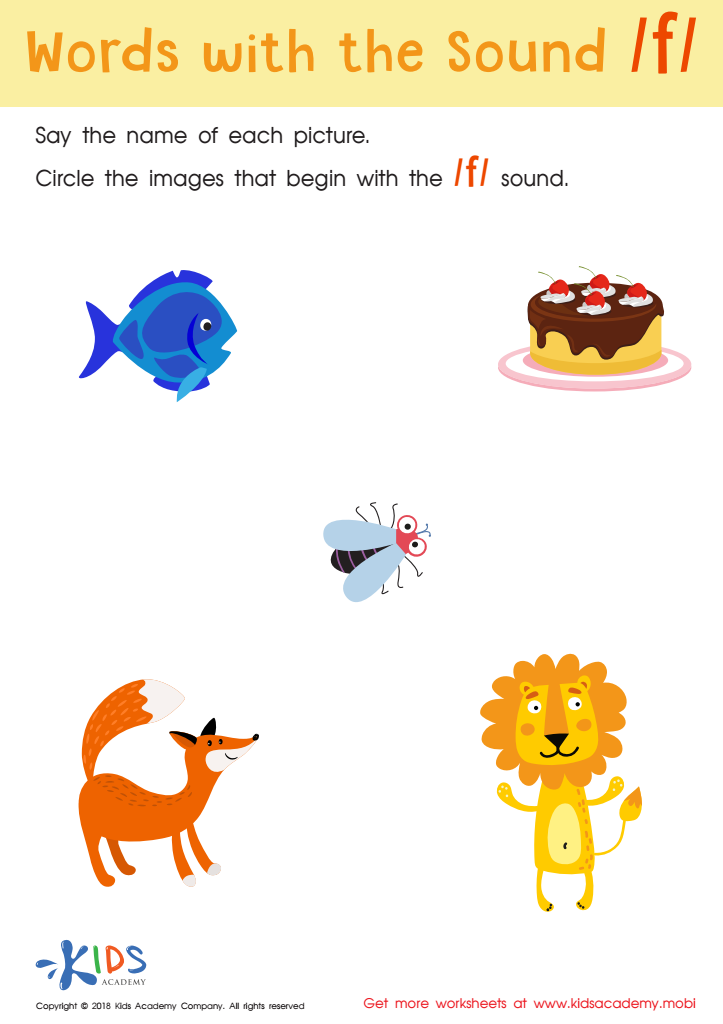
Words with sound f Reading Worksheet
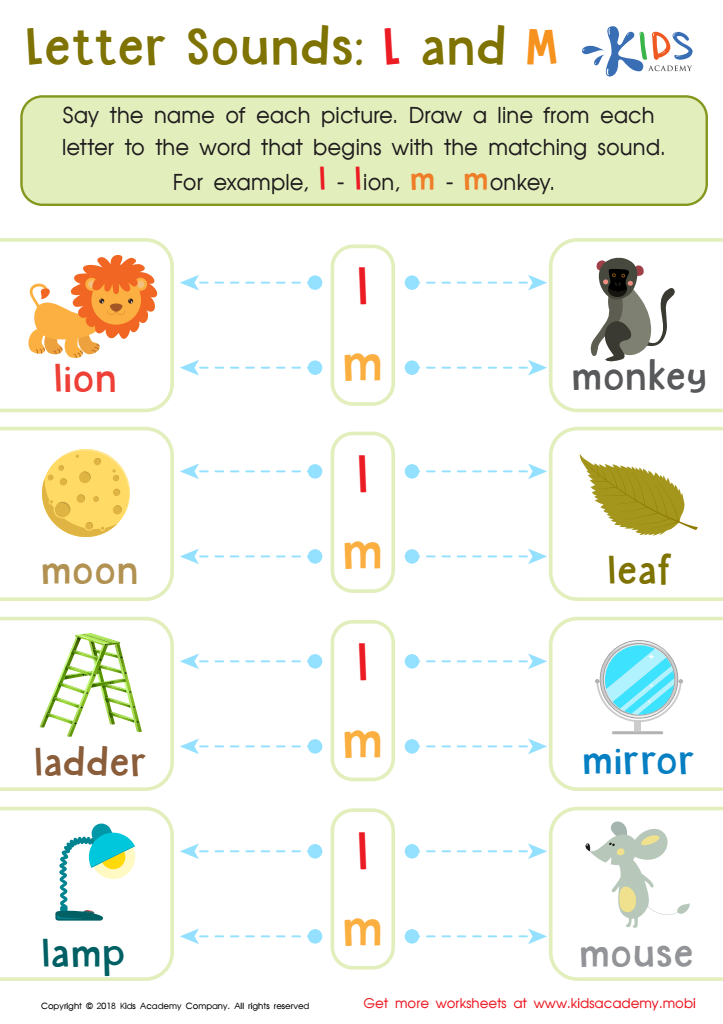
Letter l and M Sounds Worksheet
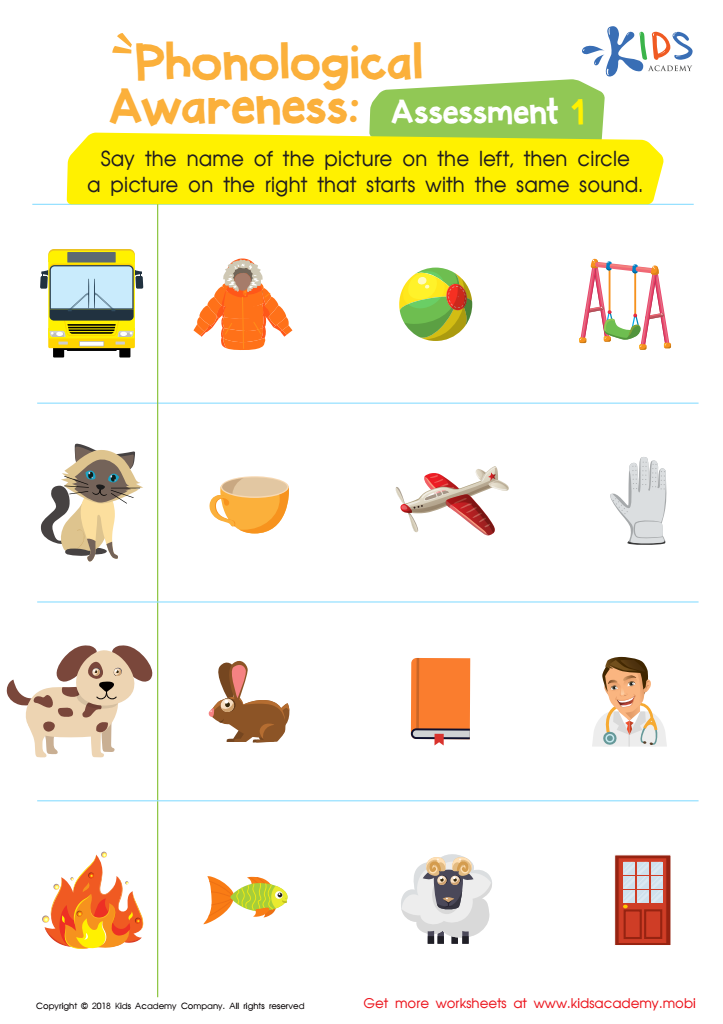
Phonological Awareness: Assessment 1 Worksheet
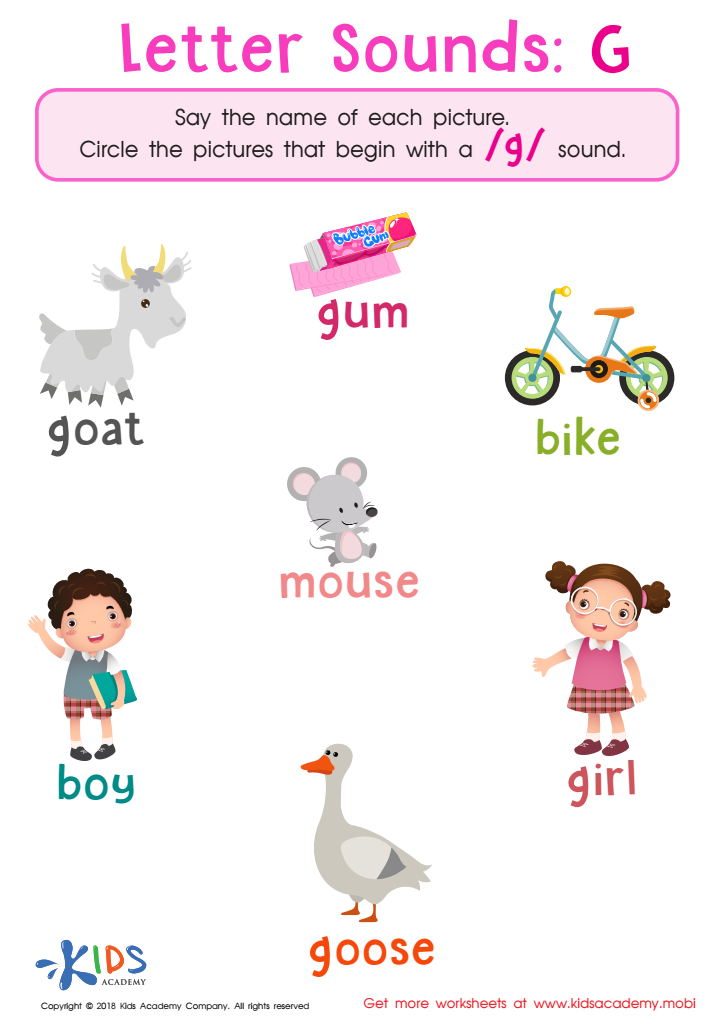
Letter G Sounds Worksheet
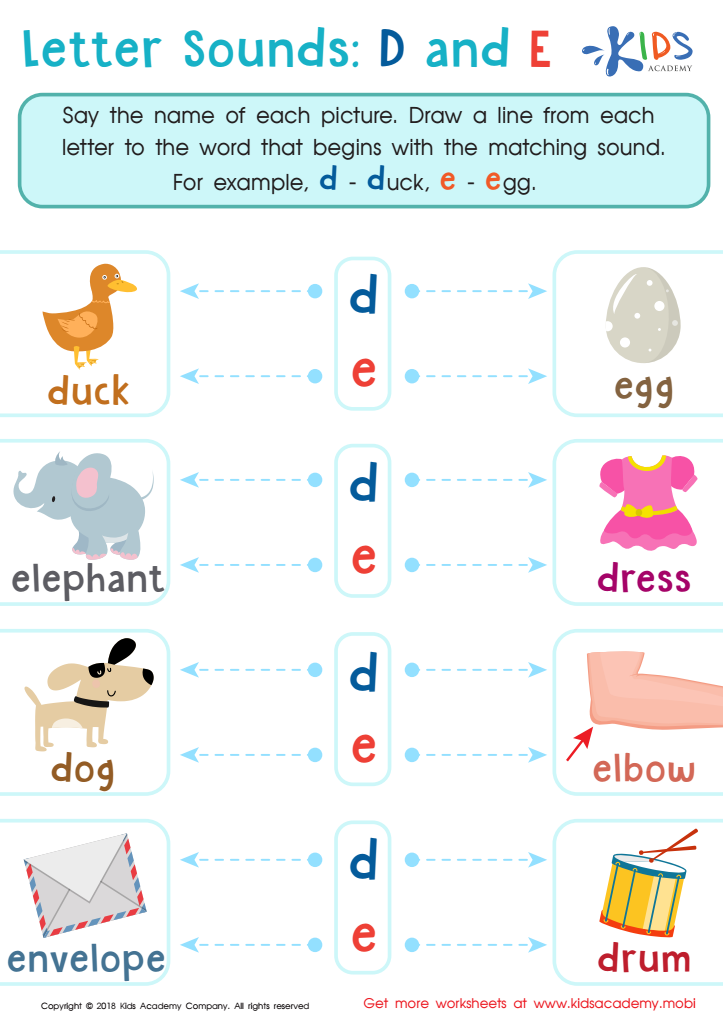
Letter D and E Sounds Worksheet








Sound Association in normal phonics is crucial for children's early literacy development, and both parents and teachers should certainly care about it. This method links letters or letter combinations with their respective sounds, creating a foundation for reading and spelling skills. Without solid phonological awareness, children may struggle to decode words, leading to difficulties in reading comprehension and fluency.
Firstly, early success in reading sets the stage for future academic achievements. Children who develop strong phonics skills can read more efficiently, allowing them to concentrate on understanding the text rather than decoding each word. This transforms reading from a mechanical process into an enjoyable and meaningful activity.
Secondly, phonics instruction can make learning to write easier. When children grasp the sounds letters make, they can apply this knowledge to spell words correctly. This not only benefits their writing skills but also builds their confidence in tackling new academic challenges.
Lastly, phonics isn’t just confined to English class—it spills over into other subject areas like science, social studies, and math, which also require reading. Therefore, focusing on sound association nurtures well-rounded learners who can thrive across the academic spectrum.
In summary, a good grasp of phonics paves the way for academic success and lifelong learning, making it vital for both parents and teachers to prioritize this aspect of early education.







