Counting skills Normal Grade 1 Worksheets - Page 2
46 filtered results
-
From - To
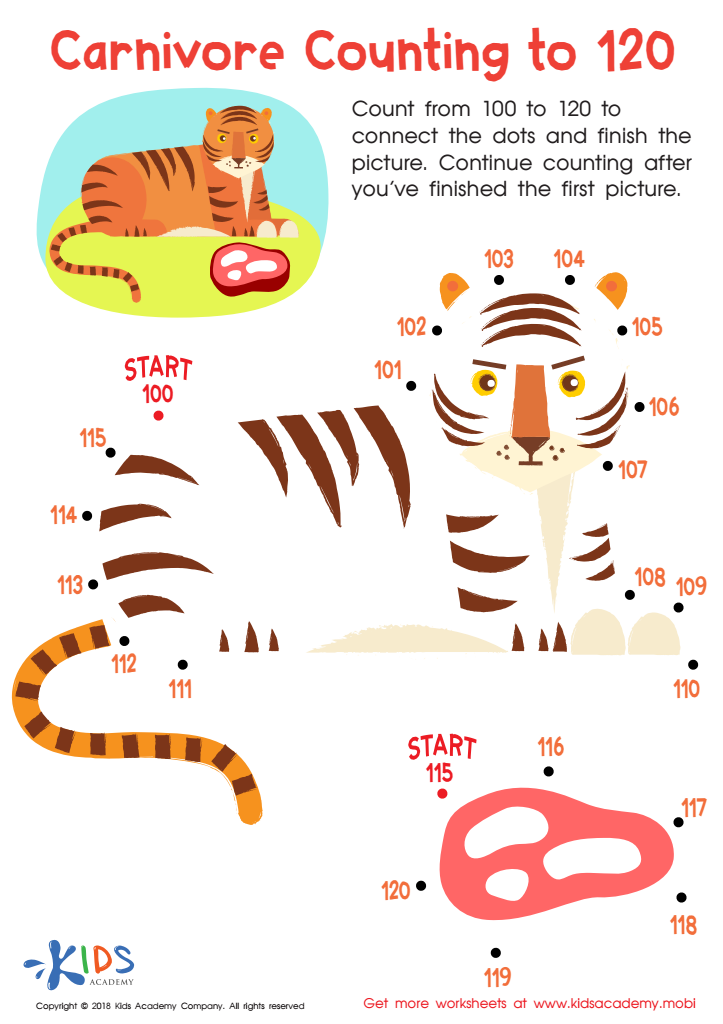
Carnivore Counting to 120 Worksheet
 Assign to My Students
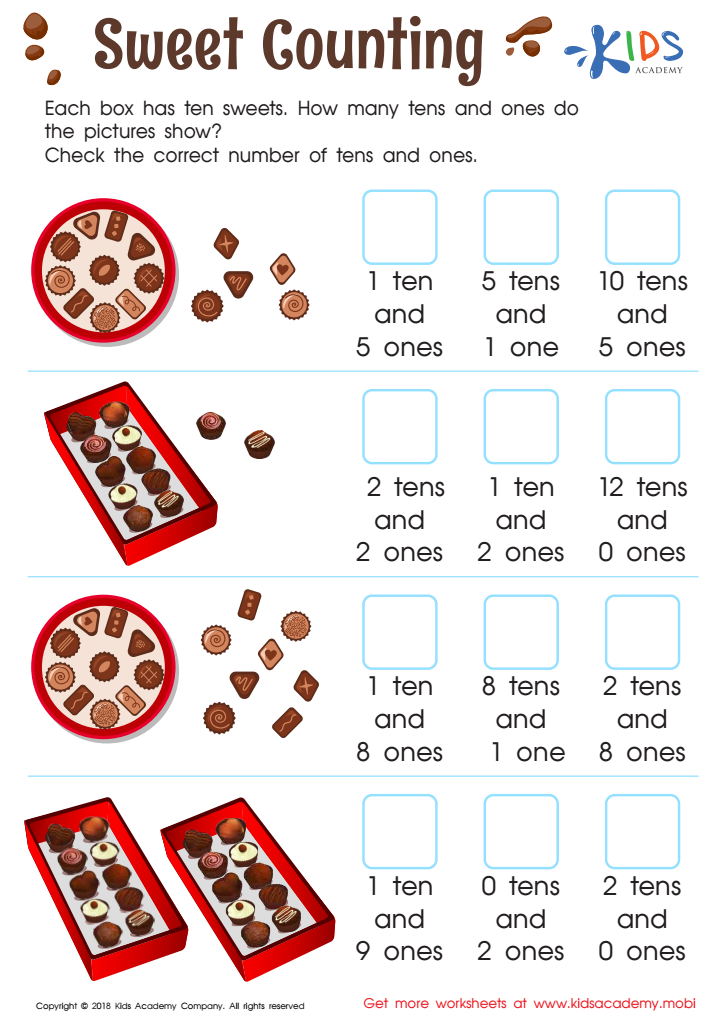
Sweet Counting - Part 2 Worksheet
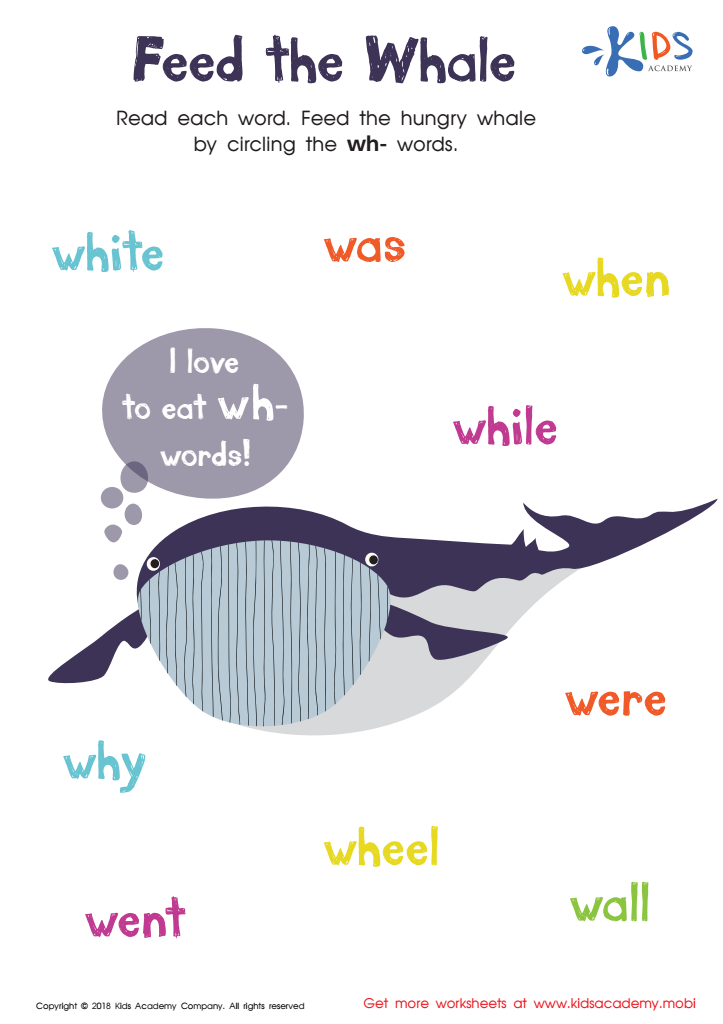
Feed the Whale Worksheet
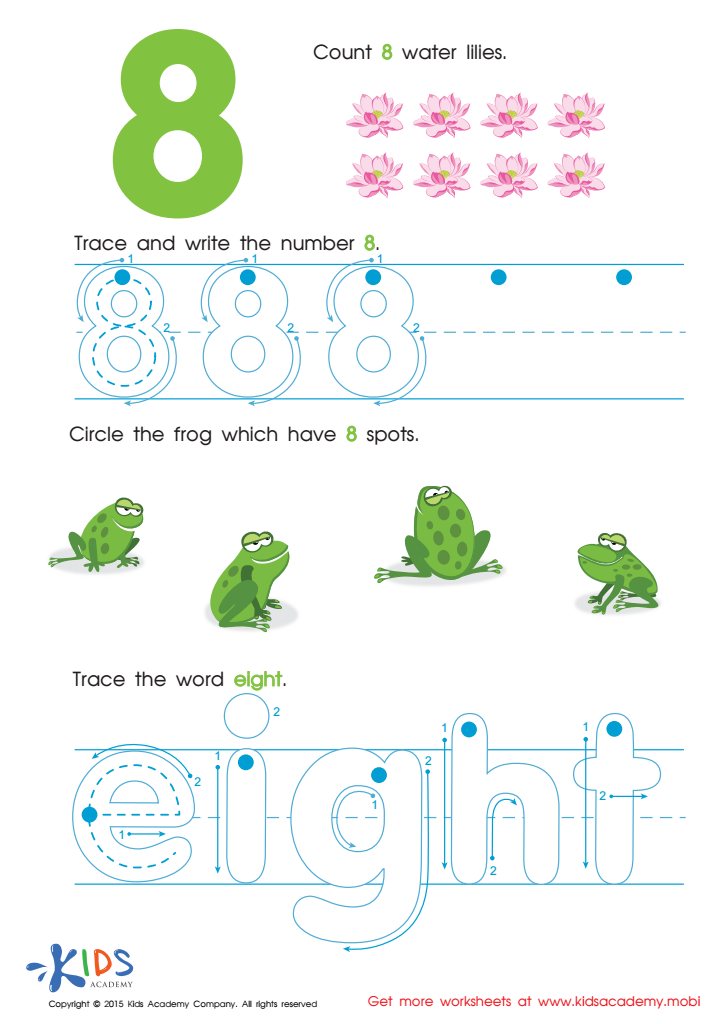
Learn Number 8 Easily Worksheet
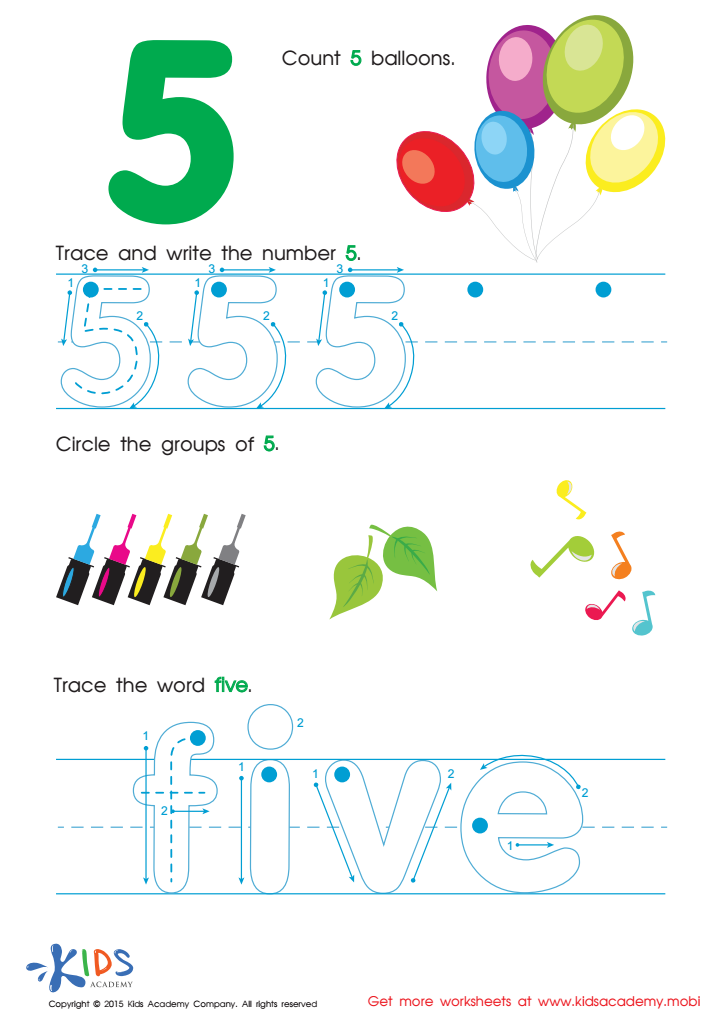
Practice Writing Number 5 Worksheet
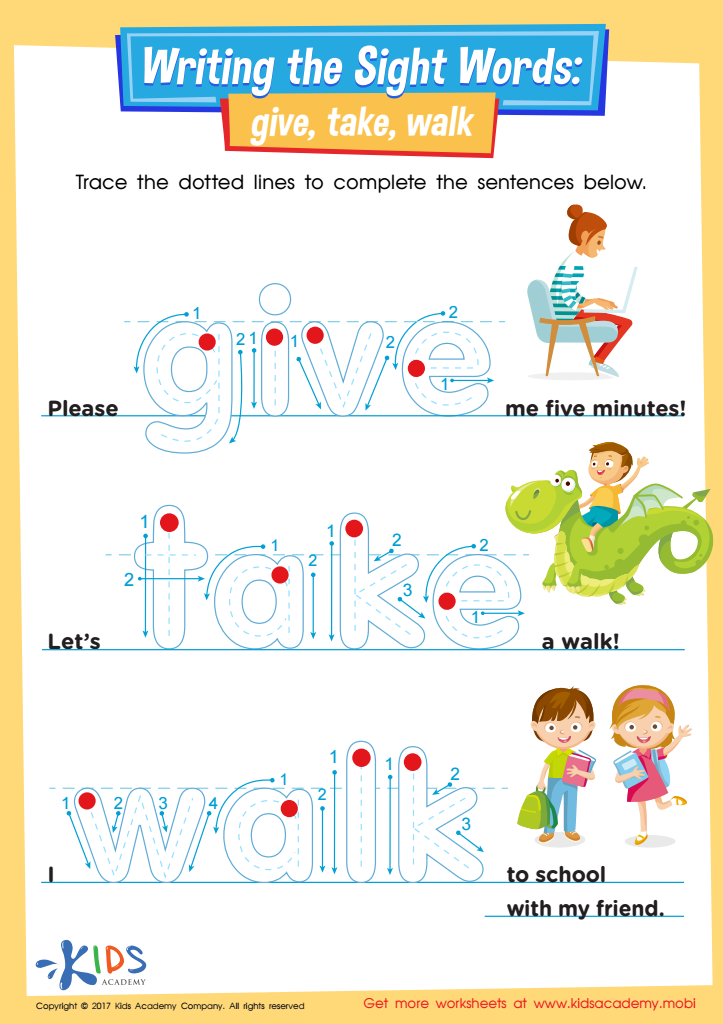
Give, Take, Walk Printable Sight Words Worksheet
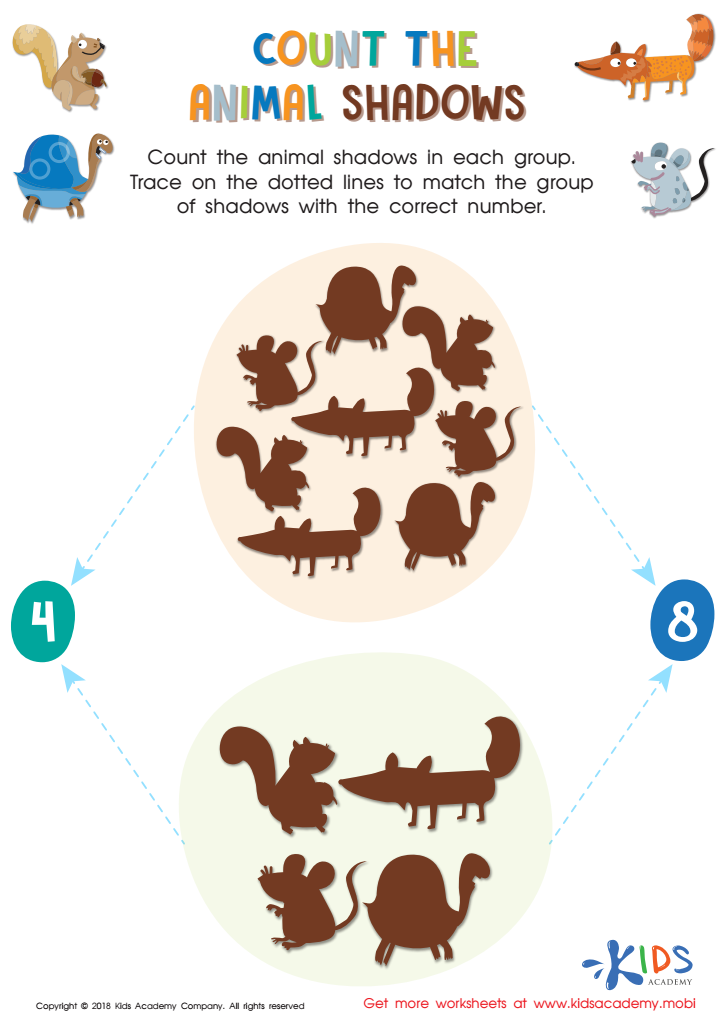
Count the Animal Shadows Worksheet
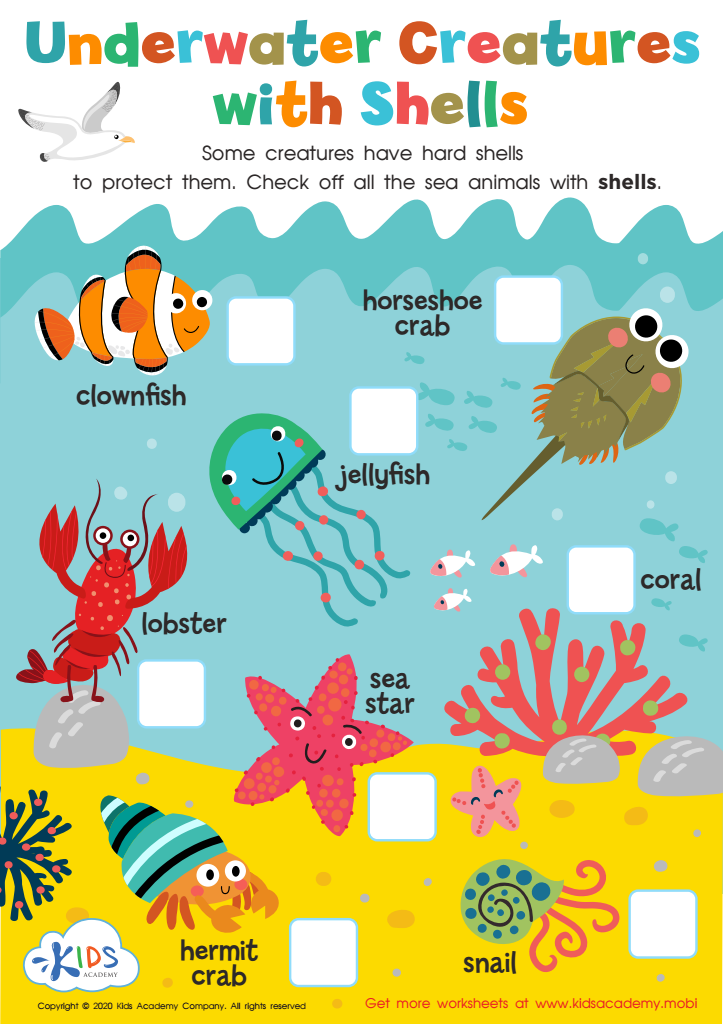
Underwater Creatures with Shells Worksheet
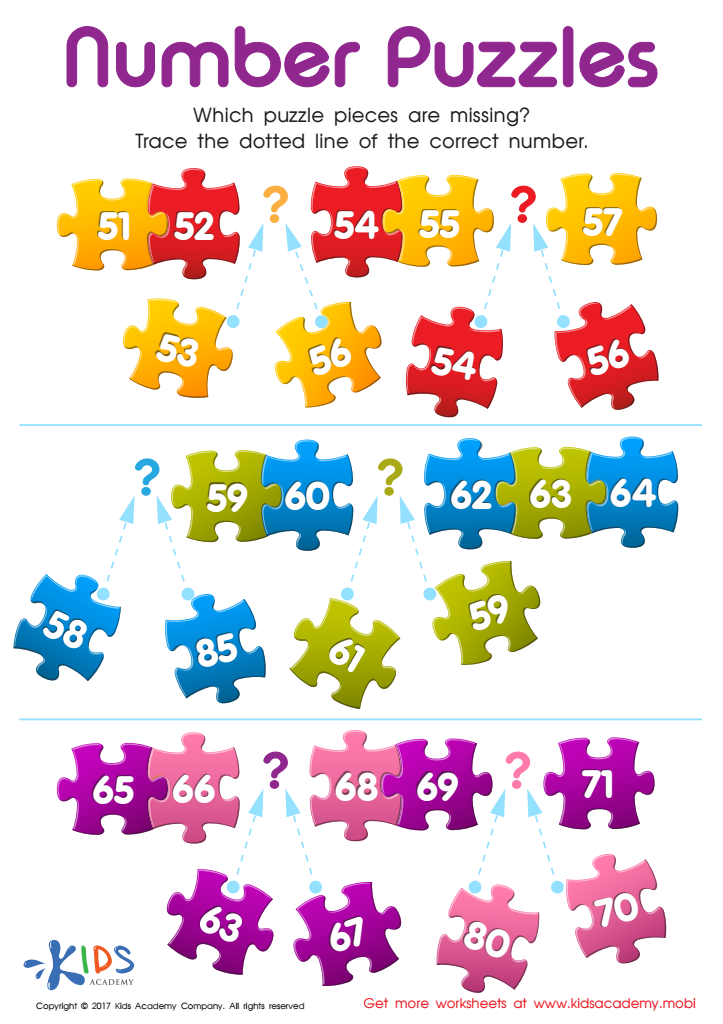
Number Puzzles Worksheet
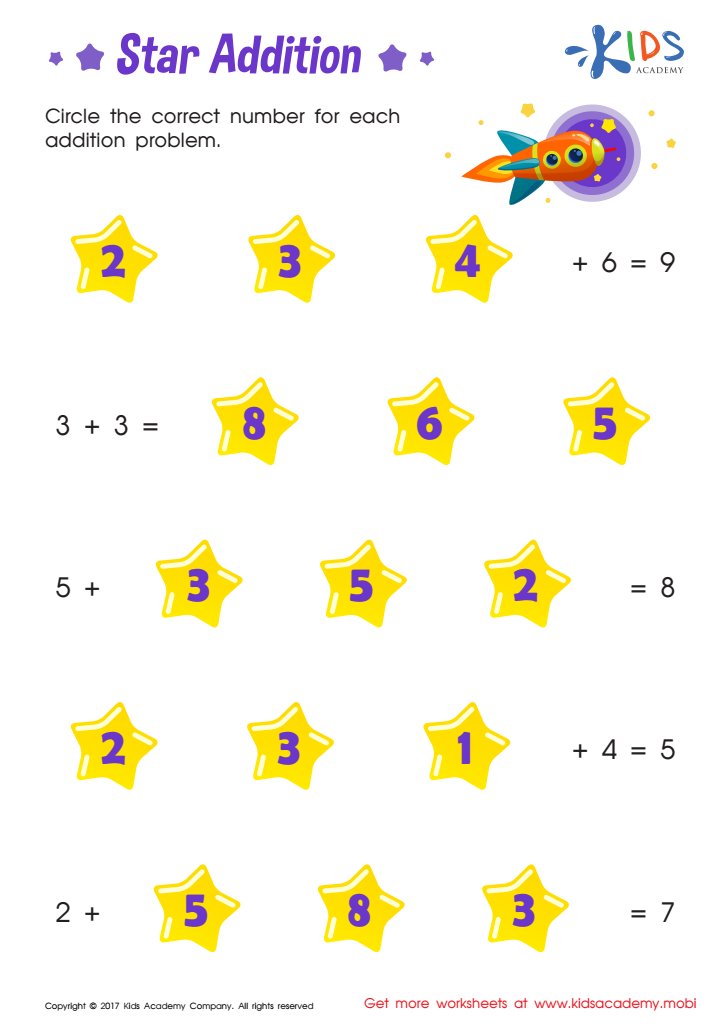
Star Addition Printable
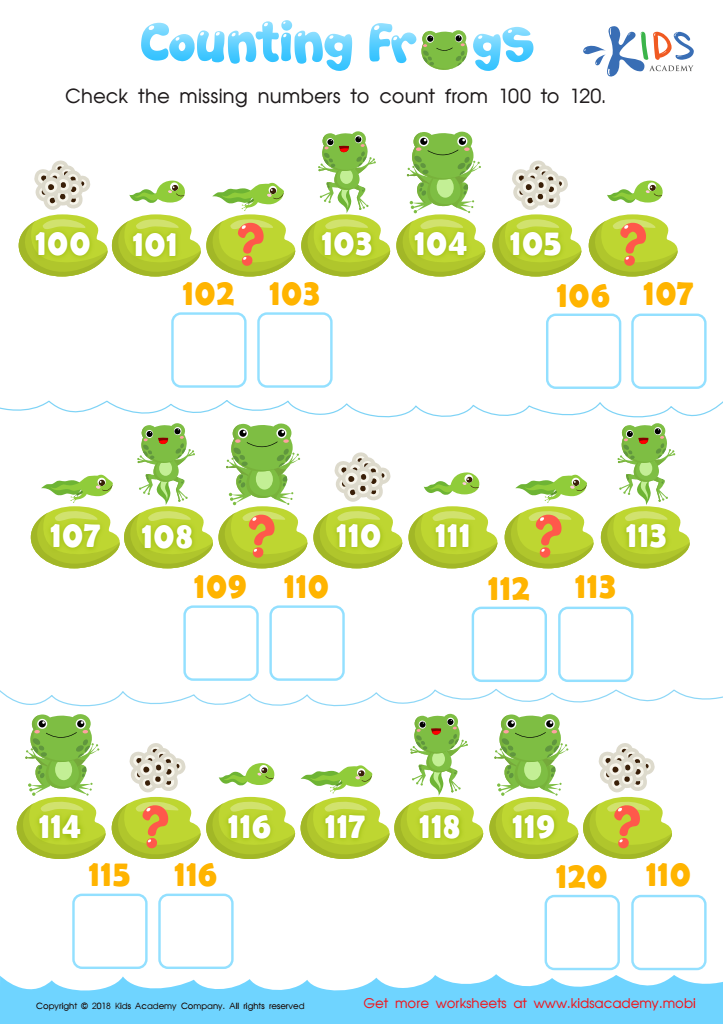
Counting Frogs Worksheet
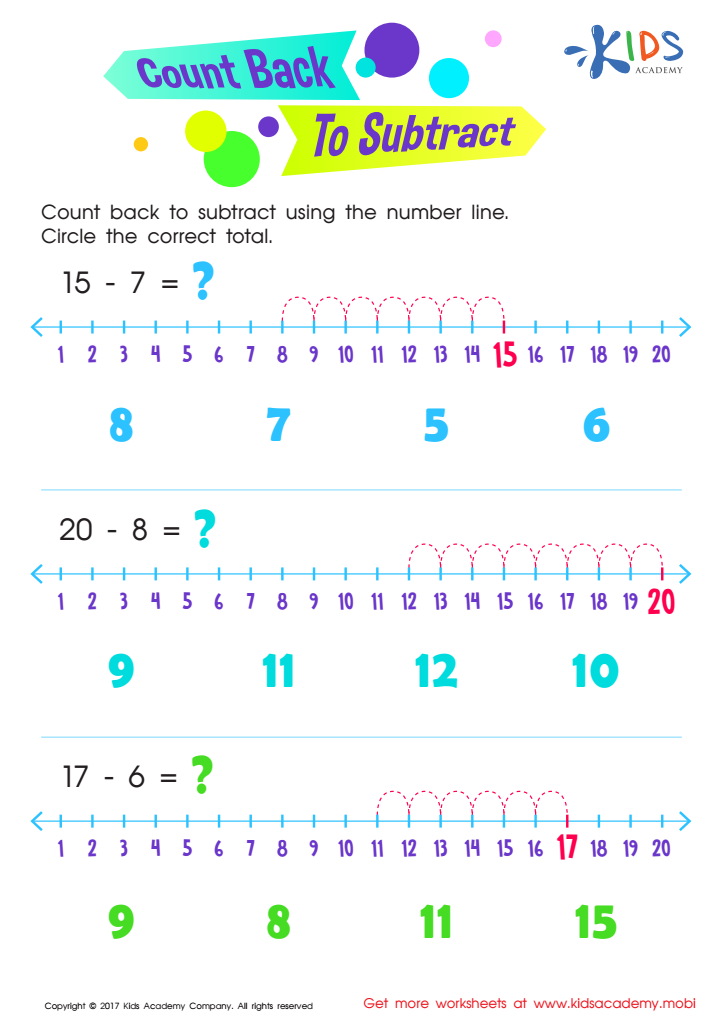
Count Back to Subtract Substraction Worksheet
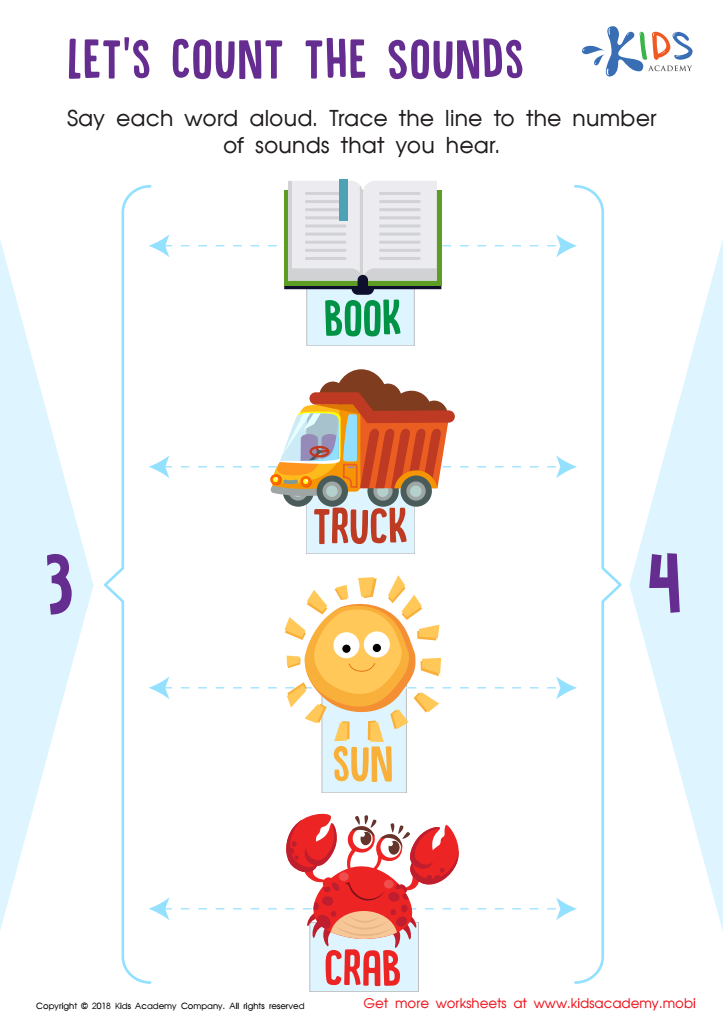
Let's Count the Sounds Worksheet
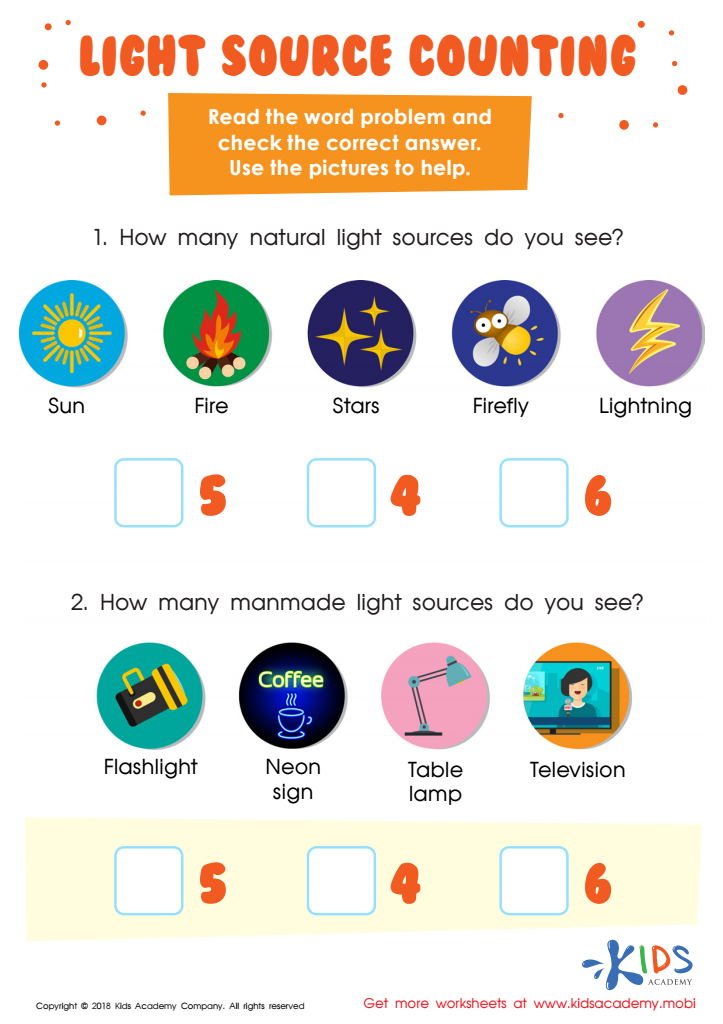
Light Source Counting Worksheet
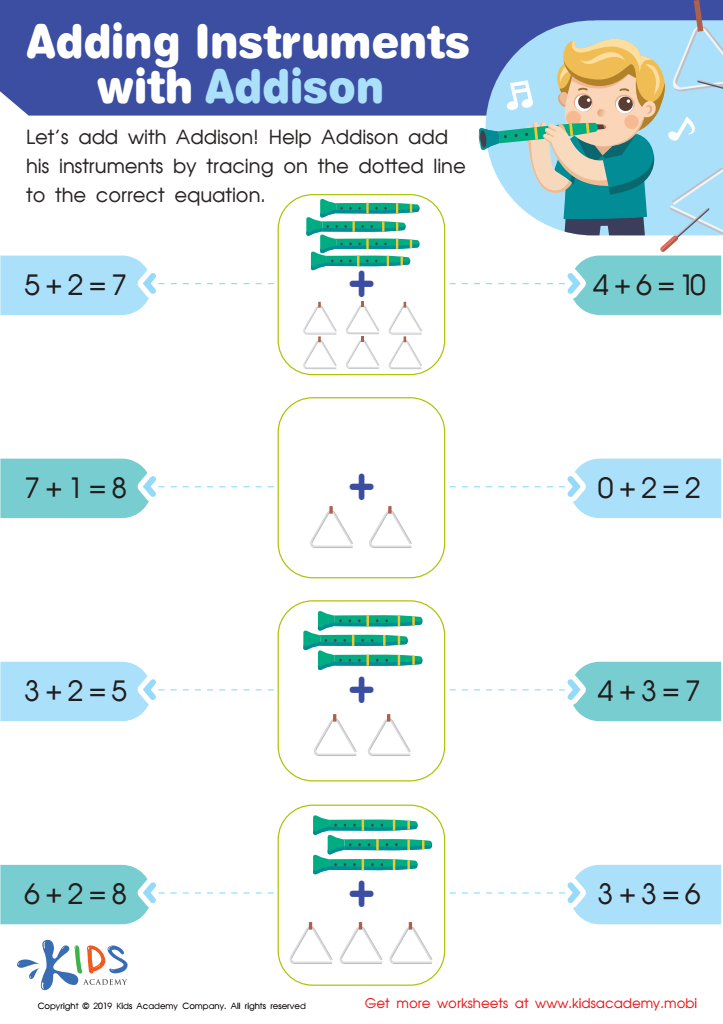
Adding Instruments with Addison Worksheet
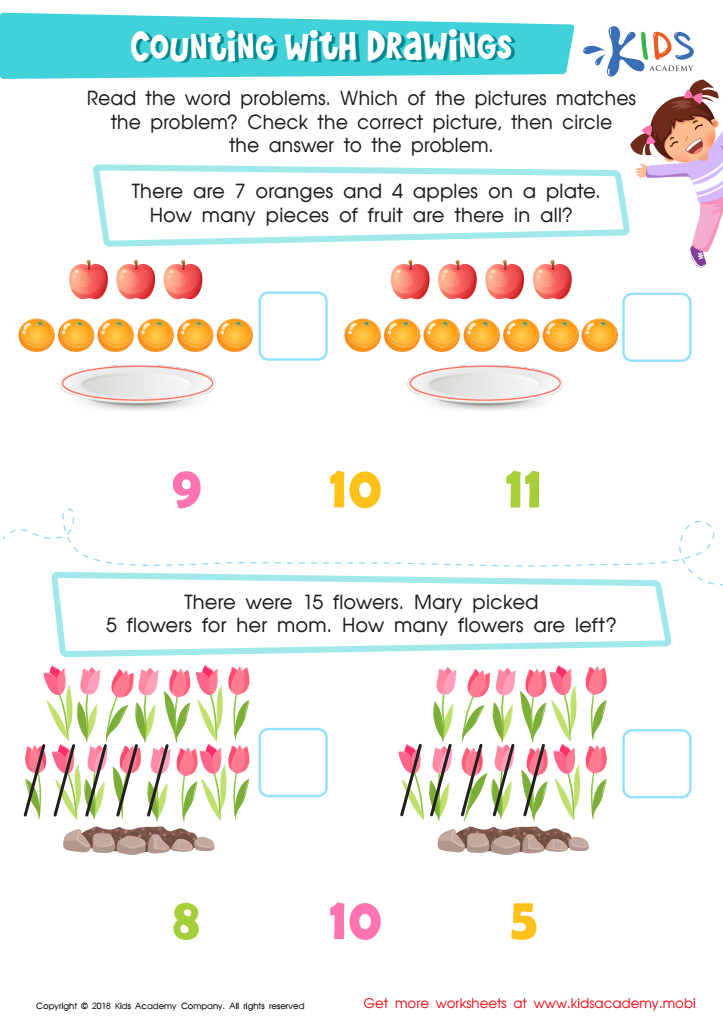
Counting with Drawings:Fruits & Flowers Worksheet
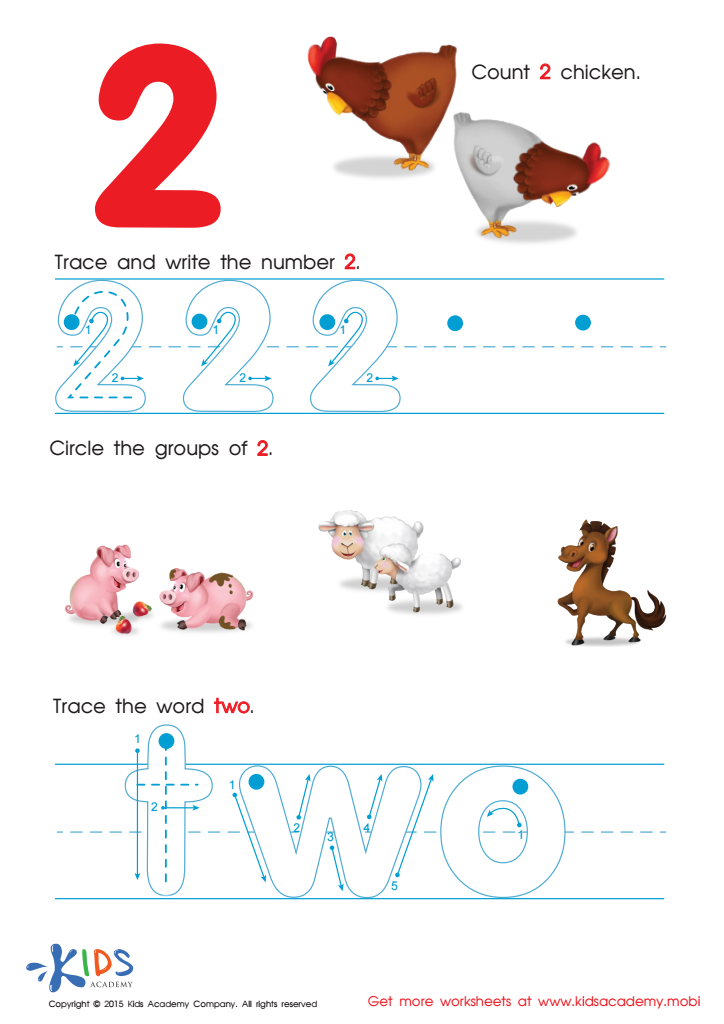
Learn to Write the Number 2 Worksheet
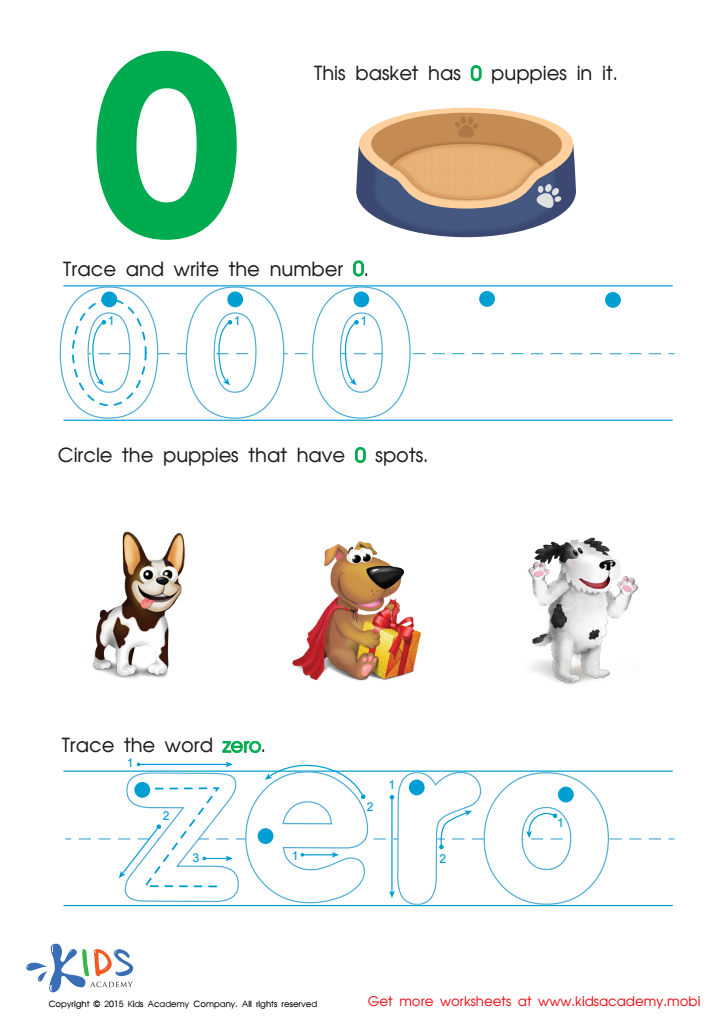
Trace And Write Number 0 Worksheet
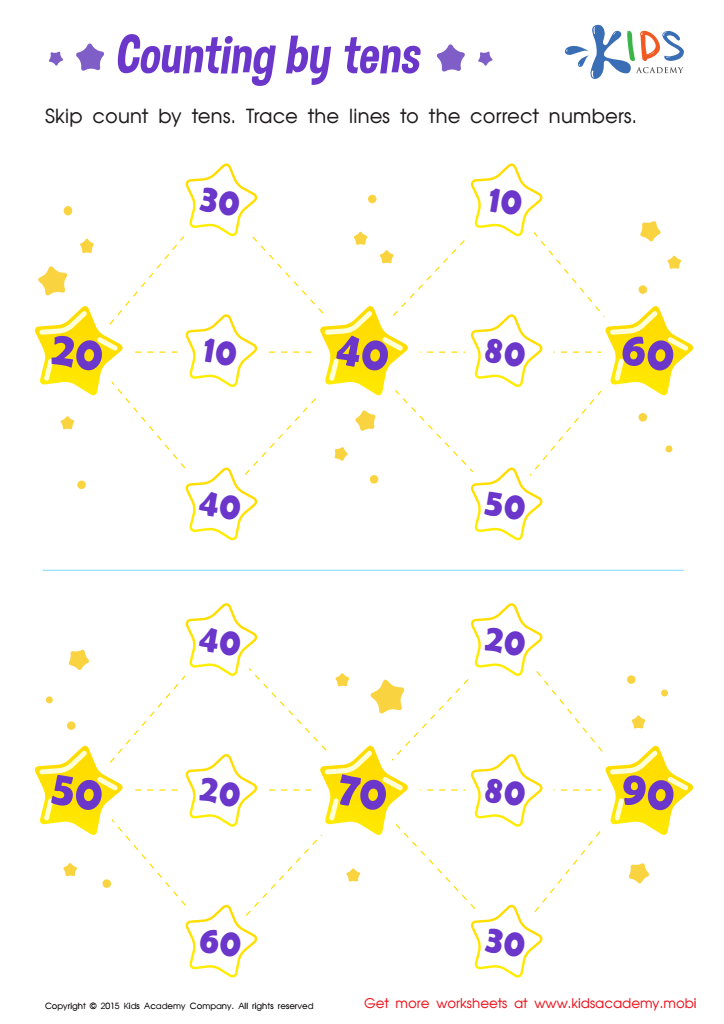
Learn Dozens: Counting by Tens Printable
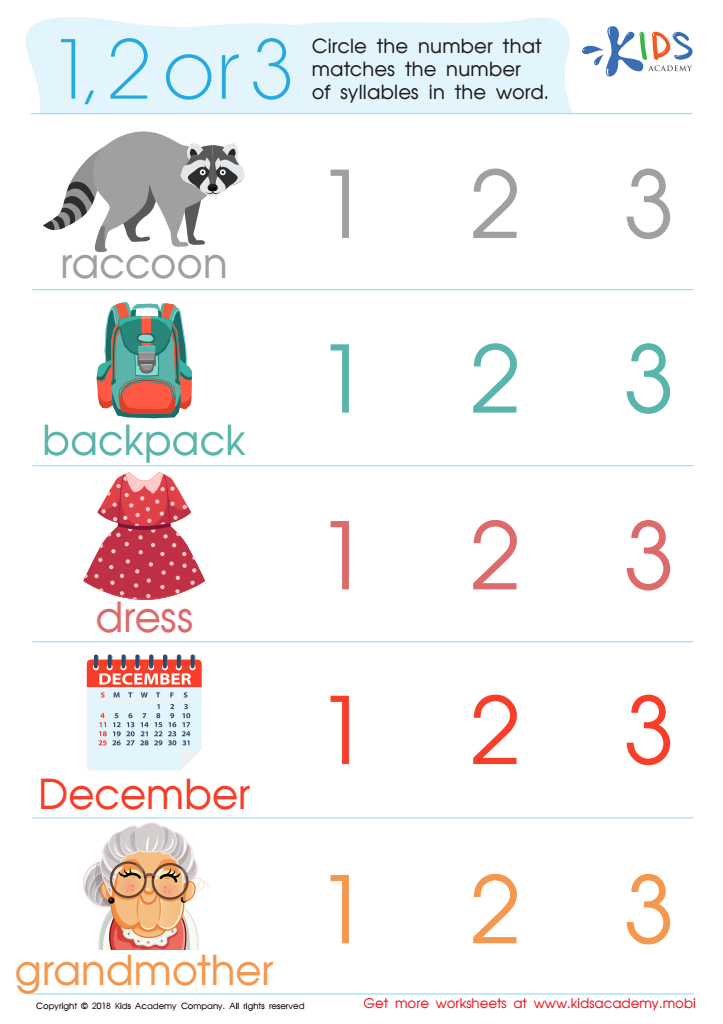
1, 2 or 3? Worksheet
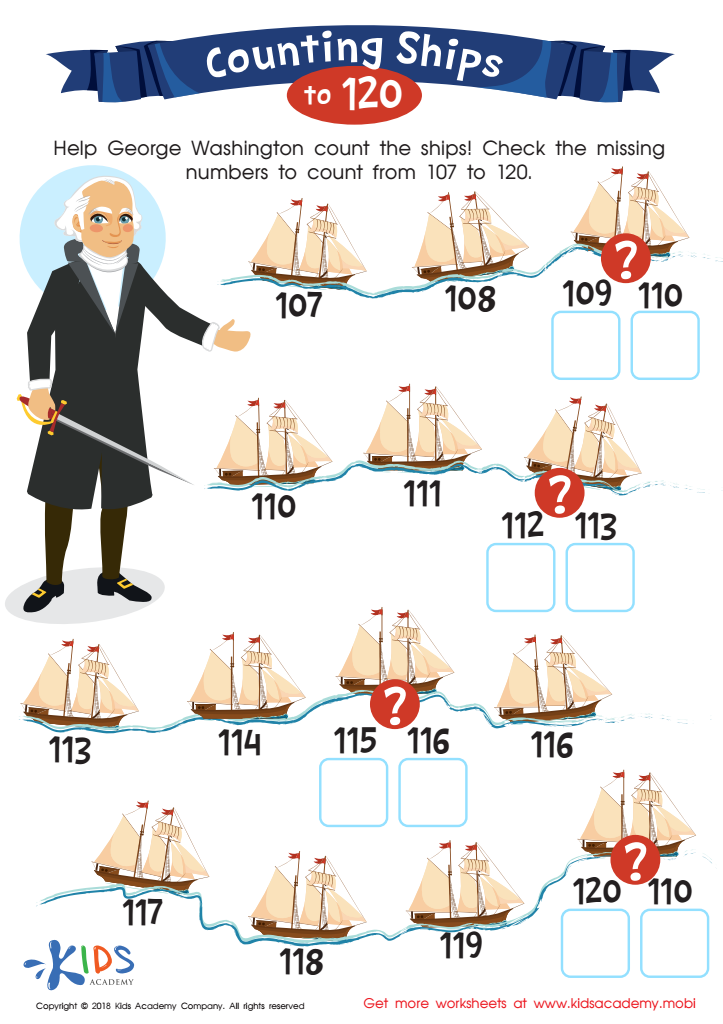
Counting Ships to 120 Worksheet
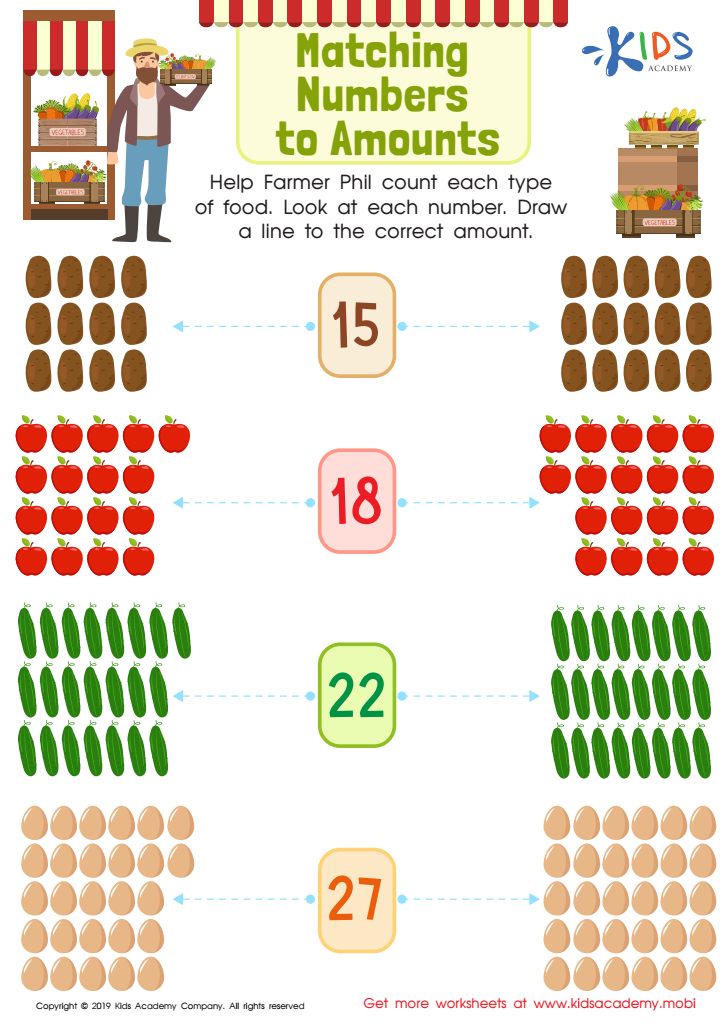
Matching Numbers to Amounts Worksheet








Counting skills are a cornerstone of early mathematics education, particularly for first-grade students, as they pave the way for a variety of essential lifelong skills. These skills form the basis for understanding more complex mathematical concepts such as addition, subtraction, and place value. When children can count fluently, they are better equipped to grasp these foundational math principles, which are critical for success in later grades and everyday activities like telling time, handling money, and interpreting data.
For teachers and parents, fostering counting skills in first graders helps identify and address mathematical difficulties early. Early intervention can mitigate long-term learning challenges and encourage a positive attitude towards math, a subject that often causes anxiety. Encouraging counting also enhances memory, attention to detail, and problem-solving skills, contributing to overall cognitive development.
Moreover, counting exercises can be integrated into fun, real-life scenarios, making learning engaging and relevant. Whether counting apples in a grocery store or steps while walking, these activities link classroom learning to the real world. By emphasizing the importance of counting skills in grade one, parents and teachers set the stage for a solid educational foundation, leading to academic confidence and competence in future mathematical endeavors.