Critical Thinking Normal Kindergarten Science Worksheets
6 filtered results
-
From - To
Enhance your child's critical thinking skills with our engaging Normal Kindergarten Science Worksheets! Designed specifically for young learners, these printable worksheets provide fun, interactive activities that promote problem-solving and analytical thinking. Each worksheet encourages students to explore scientific concepts through hands-on experiences, fostering inquiry and curiosity about the world around them. These resources are ideal for reinforcing classroom learning or as enriching home activities. Empower your kindergarteners to think critically, ask questions, and come up with solutions as they dive into the wonders of science. Download our worksheets today and set the foundation for your child's lifelong love of learning!
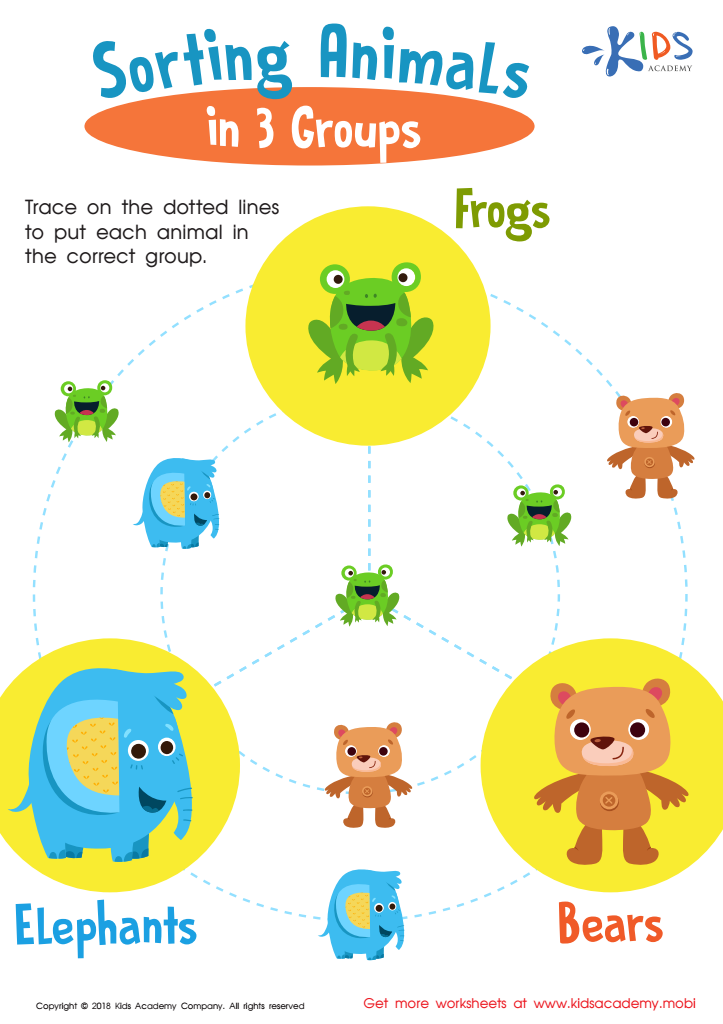
Sorting Animals in 3 Groups Worksheet
 Assign to My Students
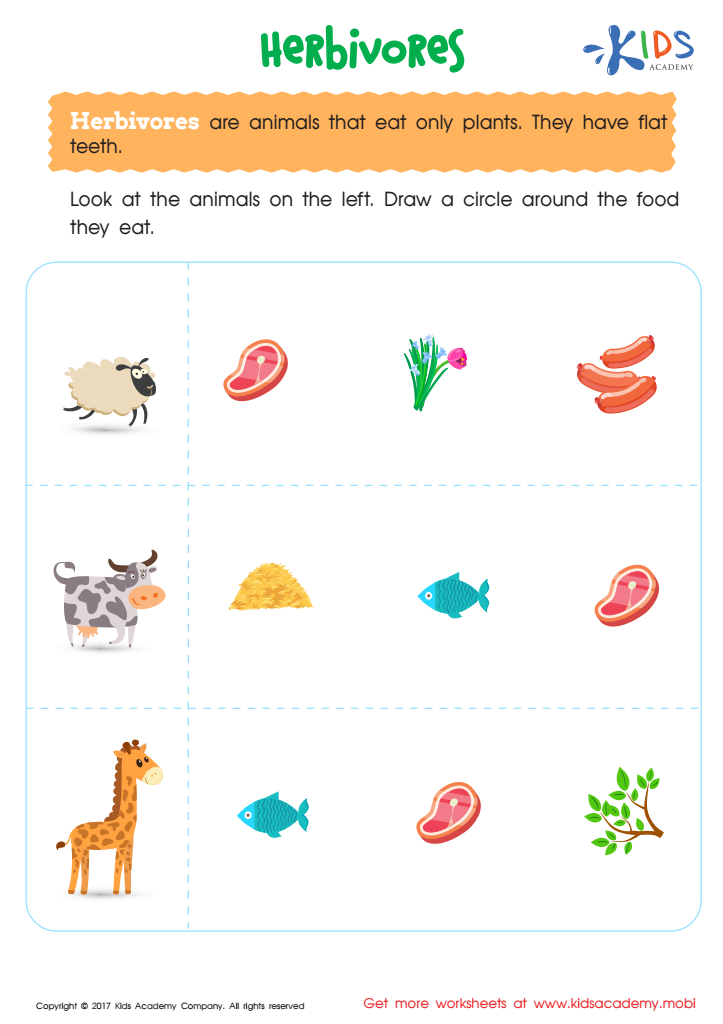
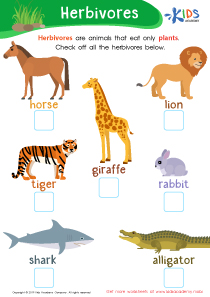
Herbivores Printable
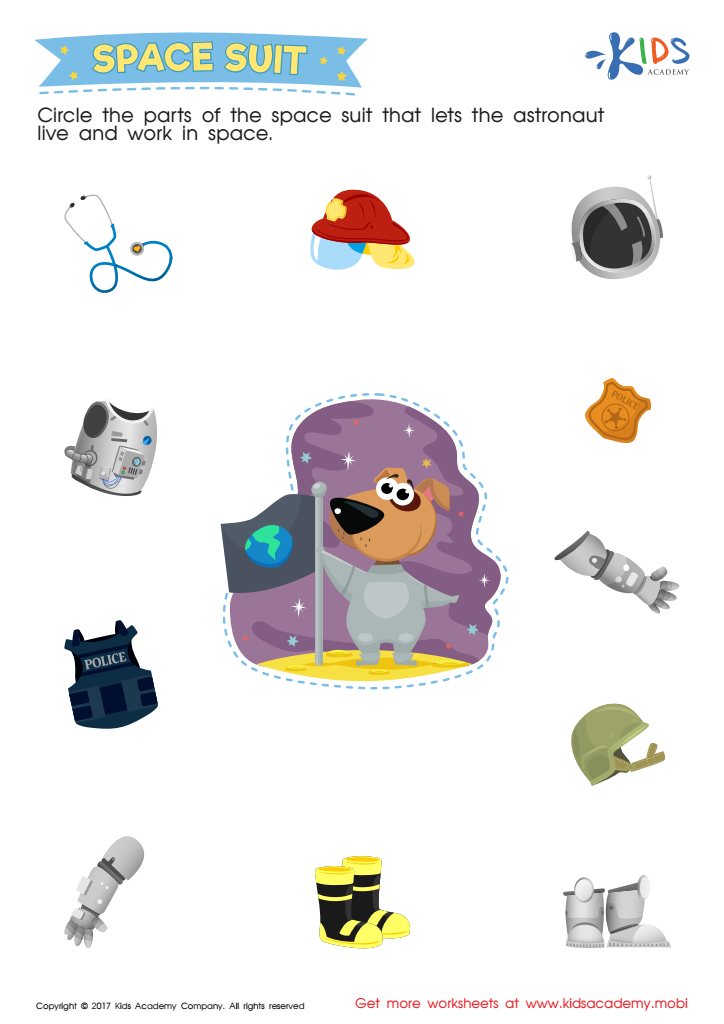
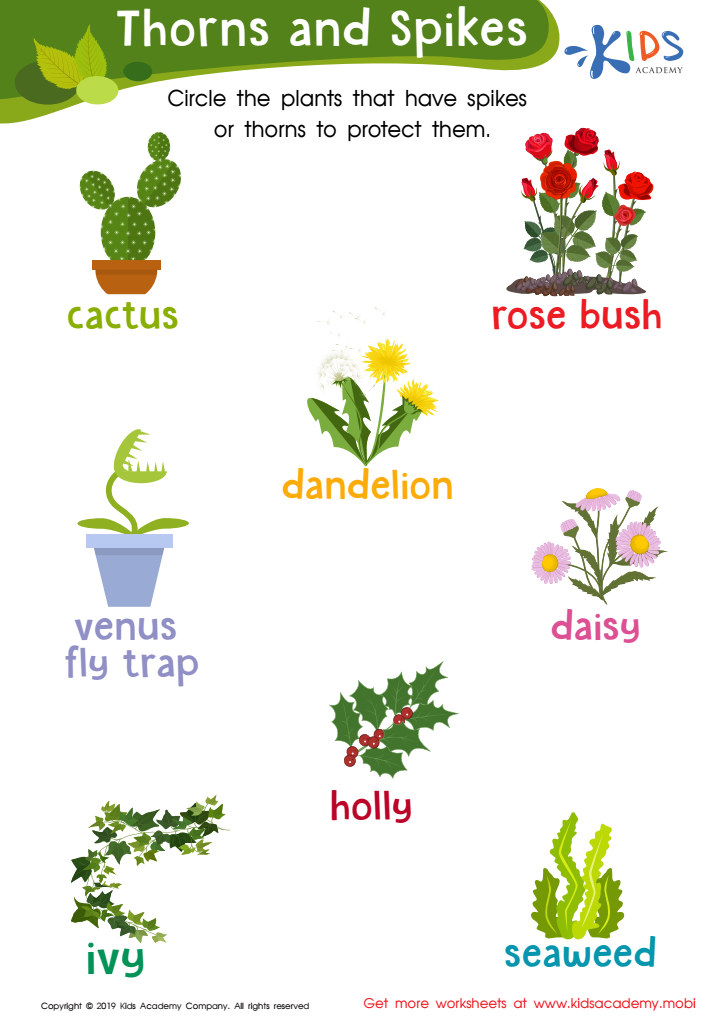
Thorns and Spikes Worksheet
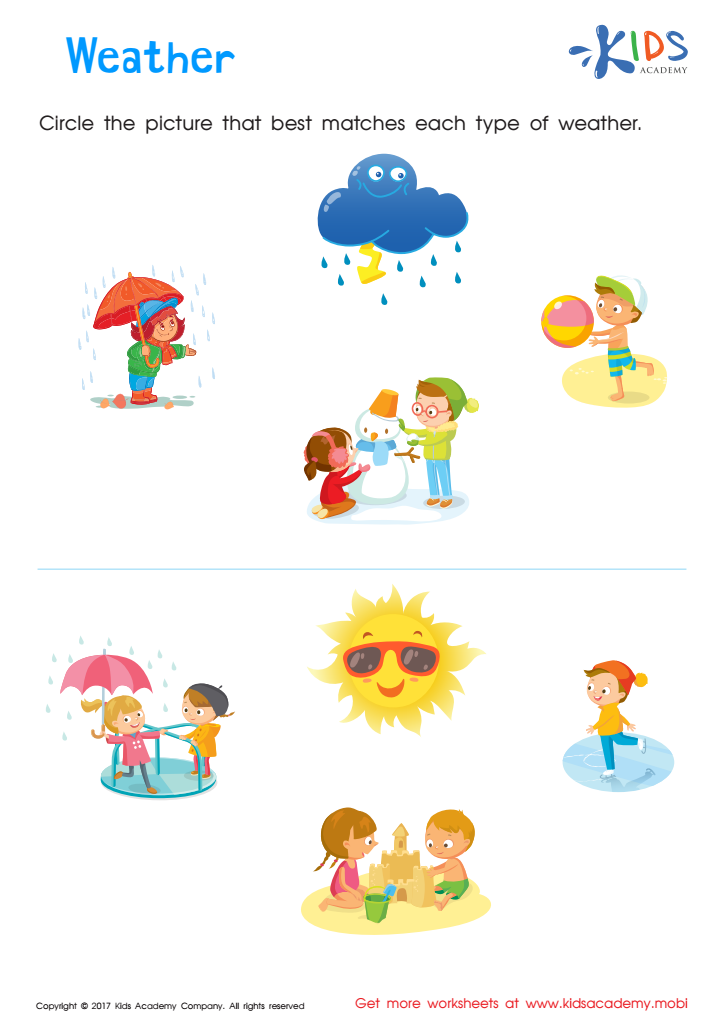
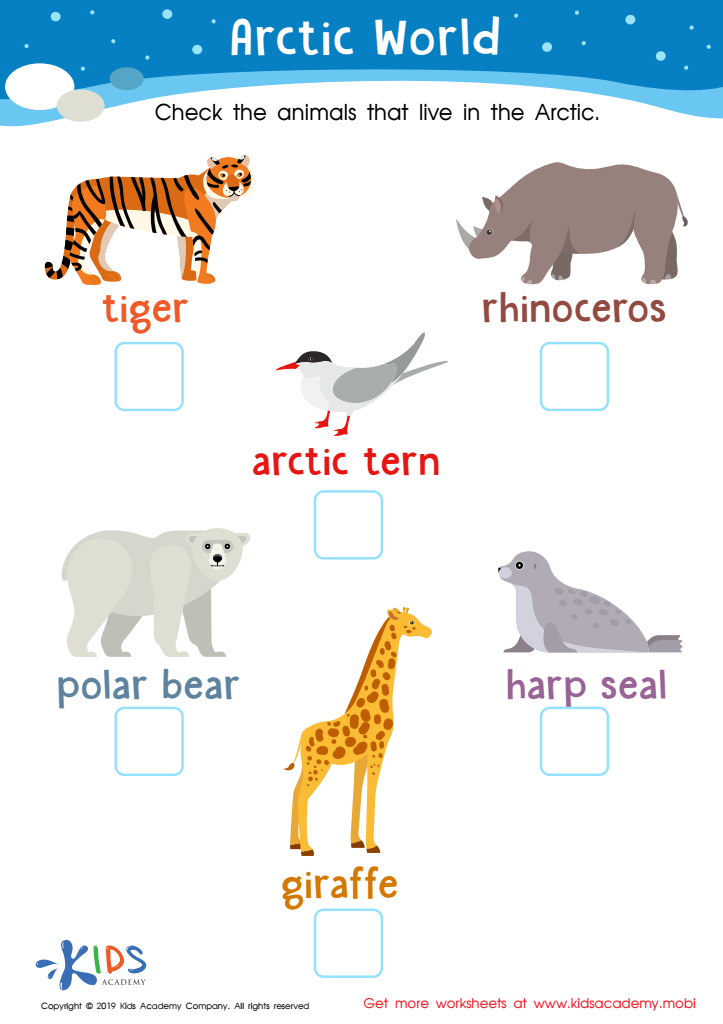
Arctic World Worksheet





Understanding and promoting critical thinking in early childhood science education is essential for several reasons. Firstly, critical thinking fosters a sense of curiosity in young learners. When children engage in hands-on scientific exploration, they begin to ask questions about the world around them, nurturing a powerful, innate desire to learn.
Secondly, critical thinking equips children with important problem-solving skills. As they explore scientific concepts, they learn to analyze information, evaluate possibilities, and reach conclusions, laying the groundwork for more complex reasoning in later years. This skill is invaluable not just in science but across all academic fields and real-life situations.
Moreover, supporting critical thinking in kindergarten science helps to develop social skills. Group activities often require collaboration and communication, encouraging children to listen to different perspectives and articulate their thoughts effectively.
Lastly, early exposure to critical thinking principles instills a growth mindset. Children learn that mistakes are part of the learning process, promoting resilience and a positive attitude toward challenges.
Overall, prioritizing critical thinking in kindergarten science not only enhances academic readiness but also fosters inquisitive, engaged, and resilient learners prepared for future success. Teachers and parents play crucial roles in nurturing these essential skills.