
Comparing sizes Normal Worksheets
3 filtered results
Difficulty Level
Grade
Age
-
From - To
Subject
Activity
Standards
Explore our engaging "Comparing Sizes Normal Worksheets" designed to help young learners understand the concept of size differences! Perfect for early childhood education, these worksheets encourage children to compare, sort, and classify objects by size. Featuring colorful illustrations and interactive activities, each worksheet is crafted to reinforce essential skills in a fun and approachable way. Ideal for both classroom settings and at-home learning, these resources cater to various learning styles, making size comparison an enjoyable experience. Boost your child's confidence and knowledge with our comprehensive collection of size comparison activities today!
Favorites
With answer key
Interactive
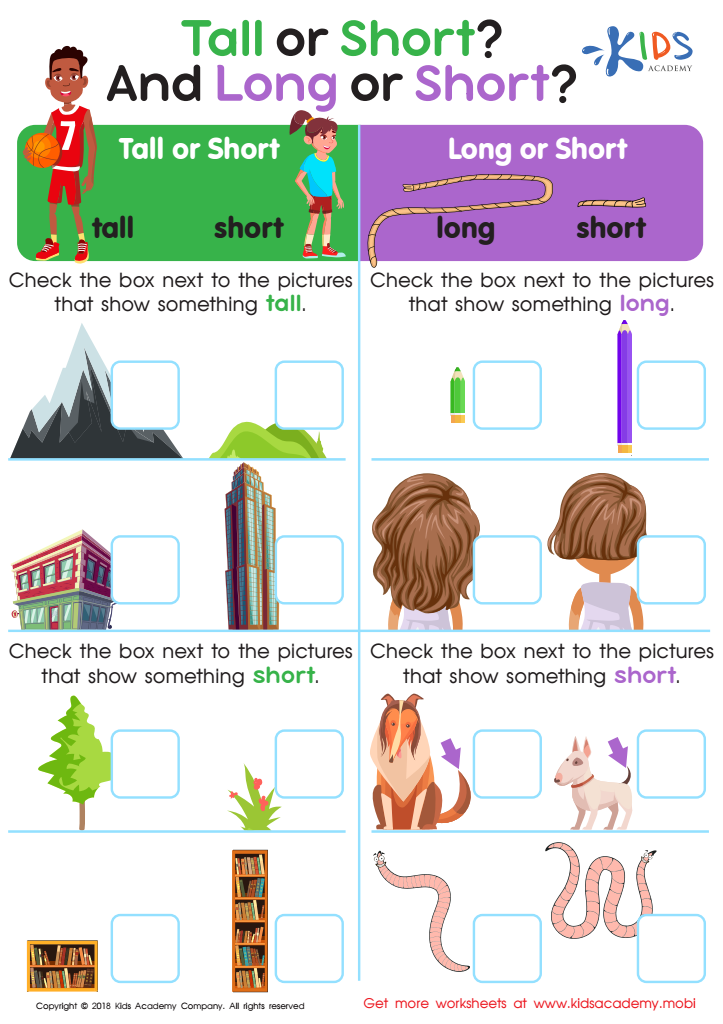
Tall or Short and Long or Short? Worksheet
This worksheet is fun and helpful for kids to understand the difference between height and length. With pictures of familiar objects, they can compare and choose the box with the right answer. This helps them gain skills and a better foundation for future measuring.
 Assign to My Students
Tall or Short and Long or Short? Worksheet
Worksheet
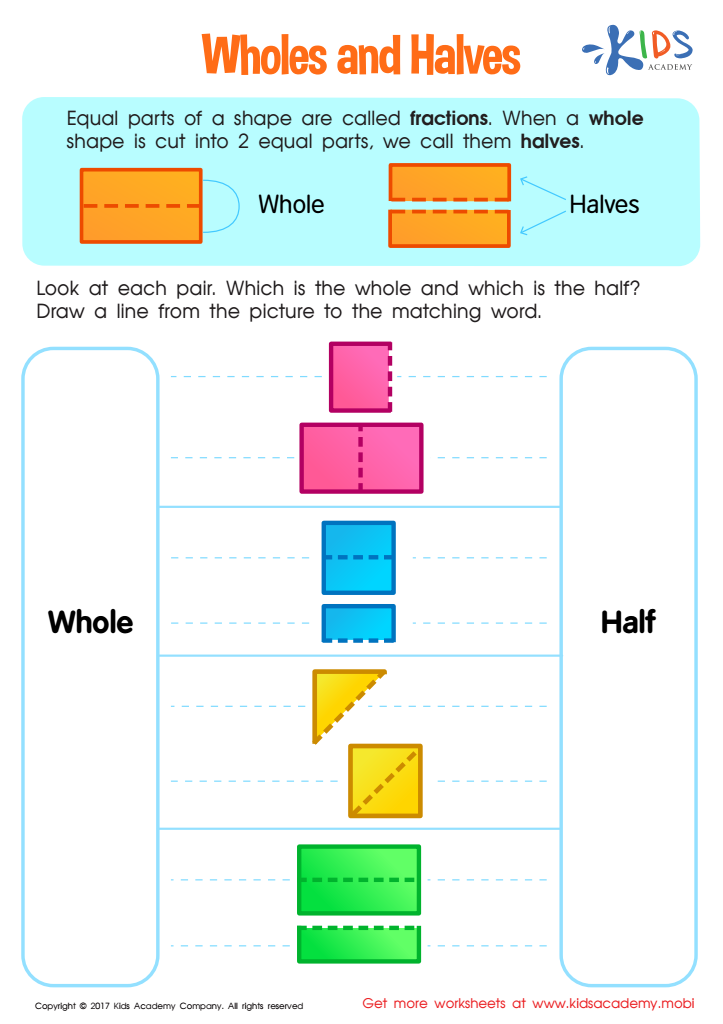
Wholes and Halves Worksheet
Students can feel overwhelmed with fractions. Help take the stress off by using a colorful worksheet to explain whole shapes and how to find halves. Ask them to identify the whole and point to the matching word for the half. A free printout can help guide them.
Wholes and Halves Worksheet
Worksheet
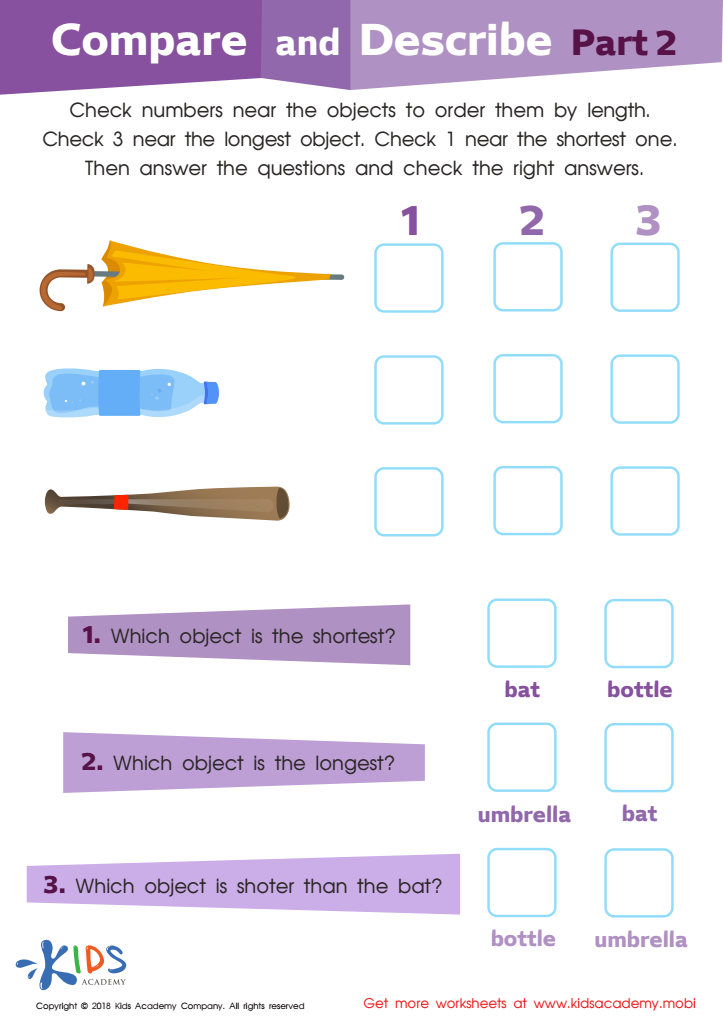
Compare and Describe: Part 2 Worksheet
Help kids hone their comparison skills with this fun measurement worksheet! Kids will sort objects by length and check off the boxes as they go. At the bottom, they'll read the questions and take a final look at the images to complete the exercise. An exciting way to learn measurement!
Compare and Describe: Part 2 Worksheet
Worksheet
Join Kids Academy for Free
Who is primarily going to use this learning content?







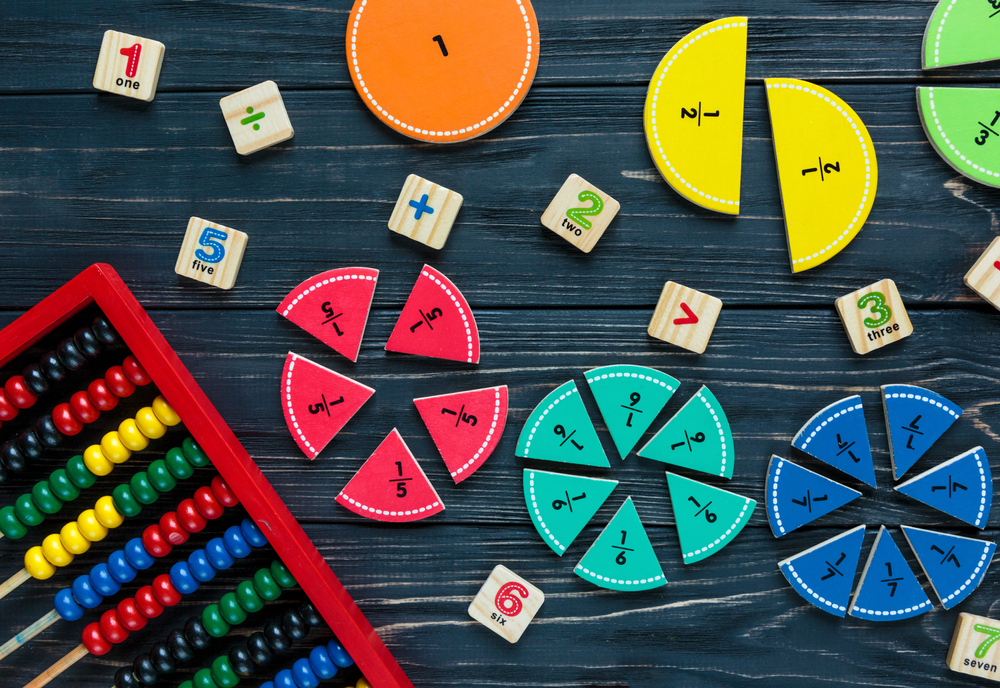
Understanding and comparing sizes is a fundamental mathematical concept that early learners encounter in their education. For parents and teachers, fostering this skill nurtures critical thinking and analytical abilities in children. When children learn to compare sizes—be it through hands-on experiences, visual aids, or interactive games—they develop essential cognitive skills. This practice lays a foundation for further mathematical learning, enabling children to grasp more complex concepts like measurement and volume later on.
Moreover, comparing sizes helps children strengthen their observational skills. It encourages them to notice details and make connections in the world around them, enhancing their ability to categorize and sort information. This skill is not limited to mathematics; it applies to science, art, and daily living situations, enabling children to make informed decisions.
For teachers, integrating size comparison activities in early education supports diverse learning styles and promotes engagement. For parents, participating in size comparison tasks can reinforce lessons from school while also serving as an opportunity for quality bonding time. Ultimately, emphasizing the importance of comparing sizes benefits children by helping them understand their environment, boosting their confidence in problem-solving, and preparing them for future academic success.








