Learning about ecosystems Normal Worksheets
3 filtered results
-
From - To
Discover engaging "Learning about Ecosystems Normal Worksheets" designed to introduce young learners to the fascinating world of ecosystems! These worksheets provide a fun and interactive way for children to explore the connections between plants, animals, and their environments. By utilizing colorful illustrations and age-appropriate activities, students will deepen their understanding of concepts such as food chains, habitats, and biodiversity. Perfect for classroom use or at-home learning, these worksheets encourage critical thinking and creativity. Empower your students with the knowledge they need to appreciate nature and inspire a future generation of environmental stewards. Start exploring ecosystems today!
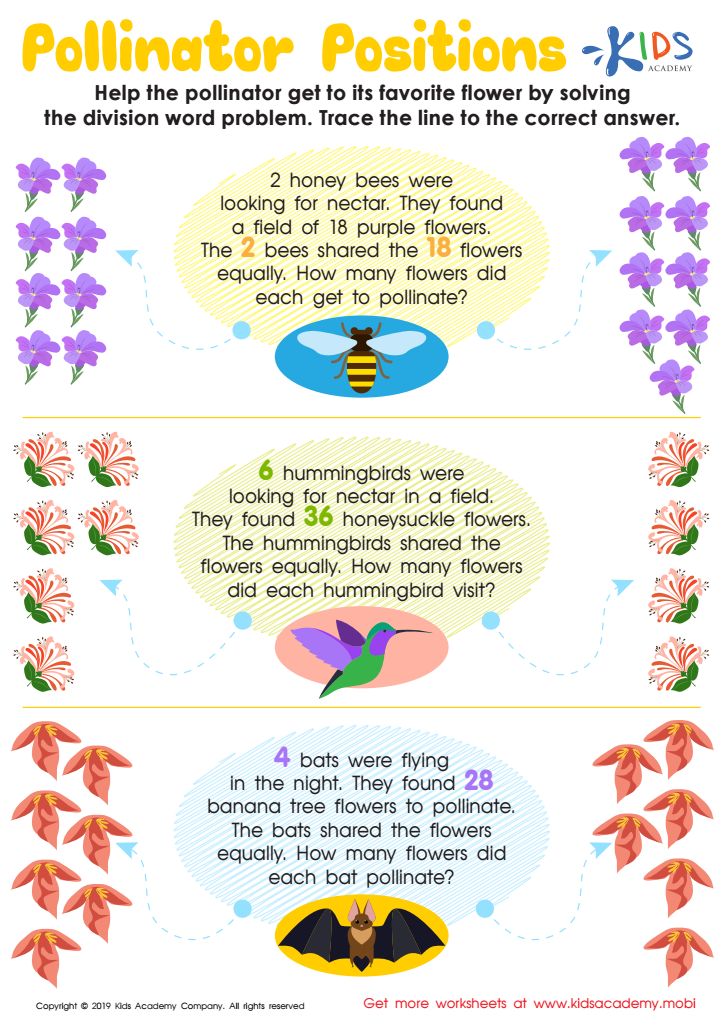
Pollinator Positions Worksheet
 Assign to My Students
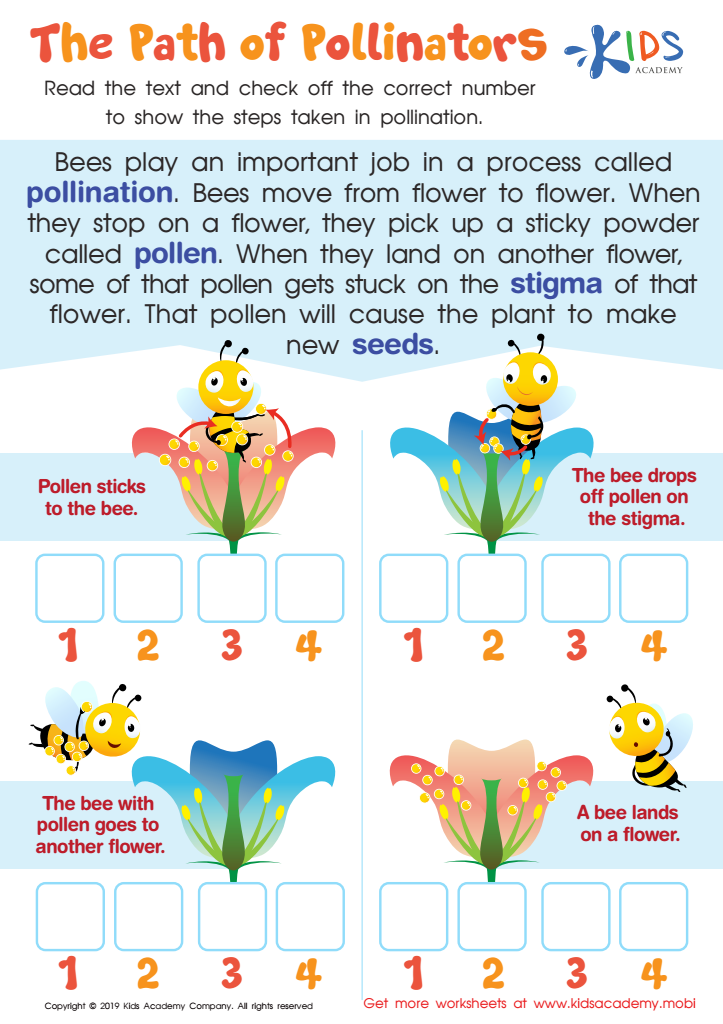
The Path of Pollinators Worksheet
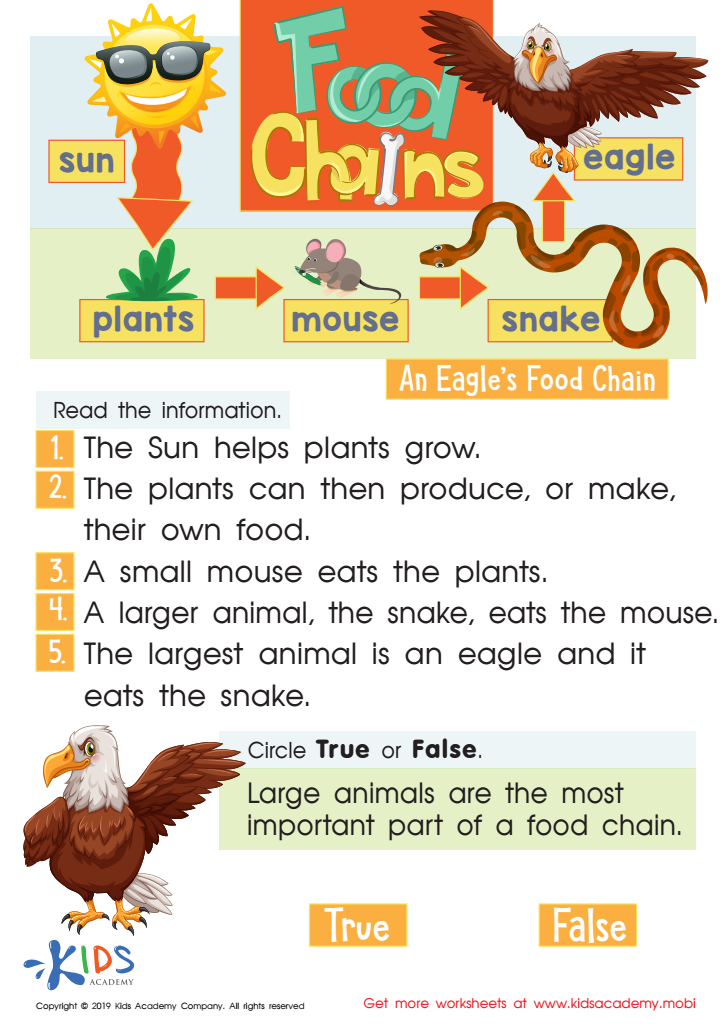
Food Chains Worksheet






Understanding ecosystems is crucial for parents and teachers, as it lays the foundation for children's awareness of environmental issues. Firstly, ecosystems are essential for sustaining life; they provide resources such as clean air, water, and food. By learning about how various species interact within their habitats, children can develop a greater appreciation for nature and the delicate balance required to maintain it.
Additionally, educating children about ecosystems fosters a sense of responsibility towards their surroundings. As future stewards of the planet, children need to understand the impact of human activities on natural habitats. This knowledge can inspire them to make mindful decisions and participate in conservation efforts, ultimately contributing to a healthier world.
Moreover, studying ecosystems enhances critical thinking and problem-solving skills. It engages children in hands-on activities like gardening or nature walks. These experiences promote curiosity and can strengthen their observational skills, fostering a deeper desire to learn.
Lastly, as global challenges such as climate change continue to rise, understanding ecosystems becomes increasingly vital. Parents and teachers have the opportunity to help children cultivate a lifelong understanding of ecology, preparing them to tackle environmental challenges and become proactive, informed citizens.








