Number identification Normal Worksheets
6 filtered results
-
From - To
Enhance your child's number recognition skills with our Number Identification Normal Worksheets! Designed for early learners, these engaging and interactive worksheets provide a fun way for kids to practice identifying numbers 1 through 20. Each worksheet features colorful, age-appropriate exercises, including tracing, counting, and matching activities that encourage independent learning. Perfect for classroom or at-home practice, our worksheets help build foundational math skills critical for future success. Download and print these resources easily from our website, and let your child enjoy a productive learning experience. Watch their confidence grow as they master number identification in a fun and supportive environment!
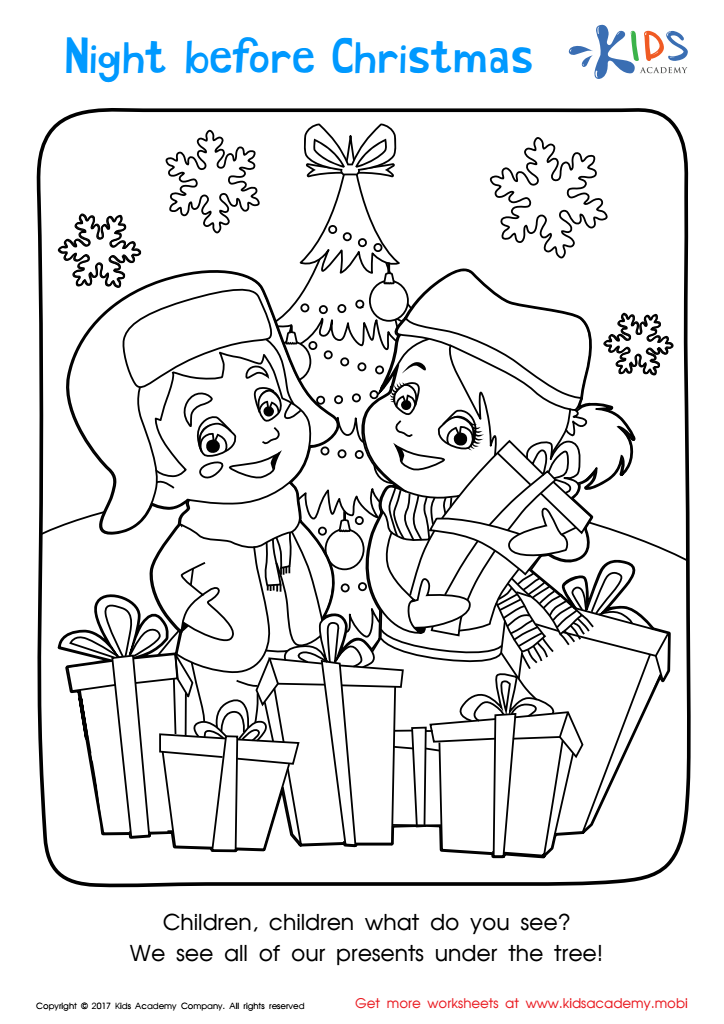
Christmas: Night Before Christmas Printable
 Assign to My Students
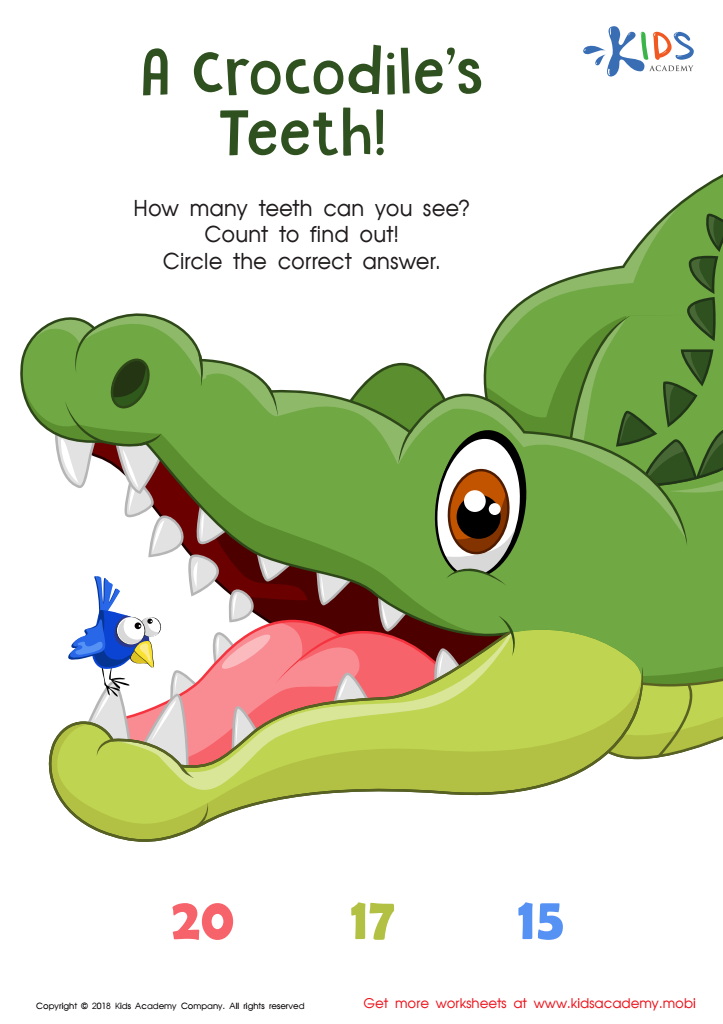
A Crocodile's Teeth Worksheet

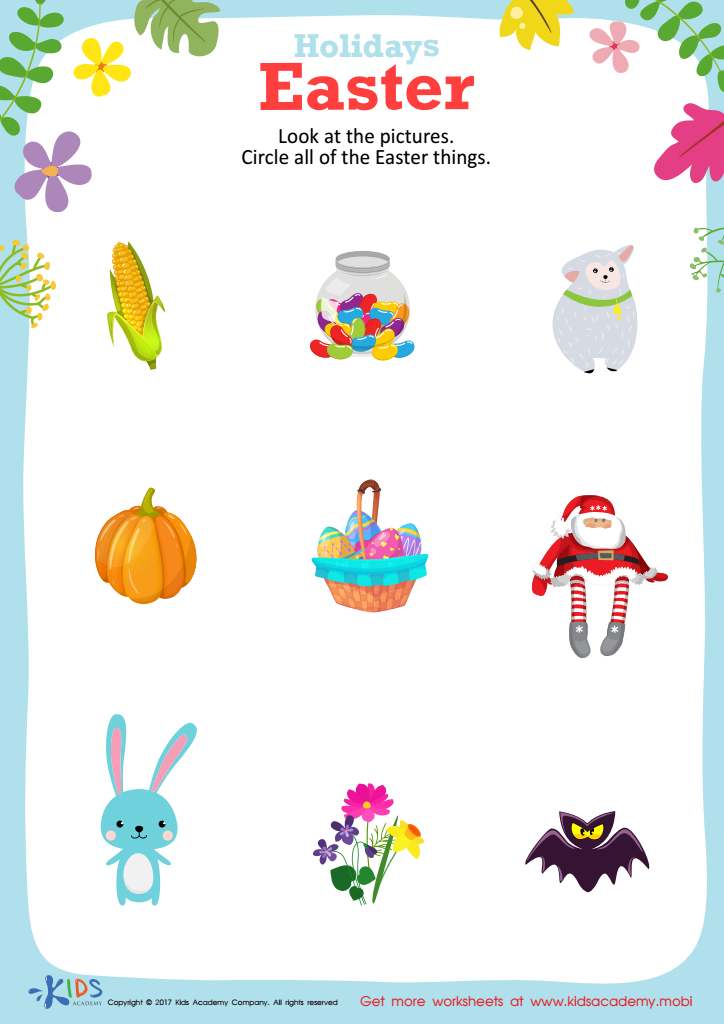
Easter Holiday Printable
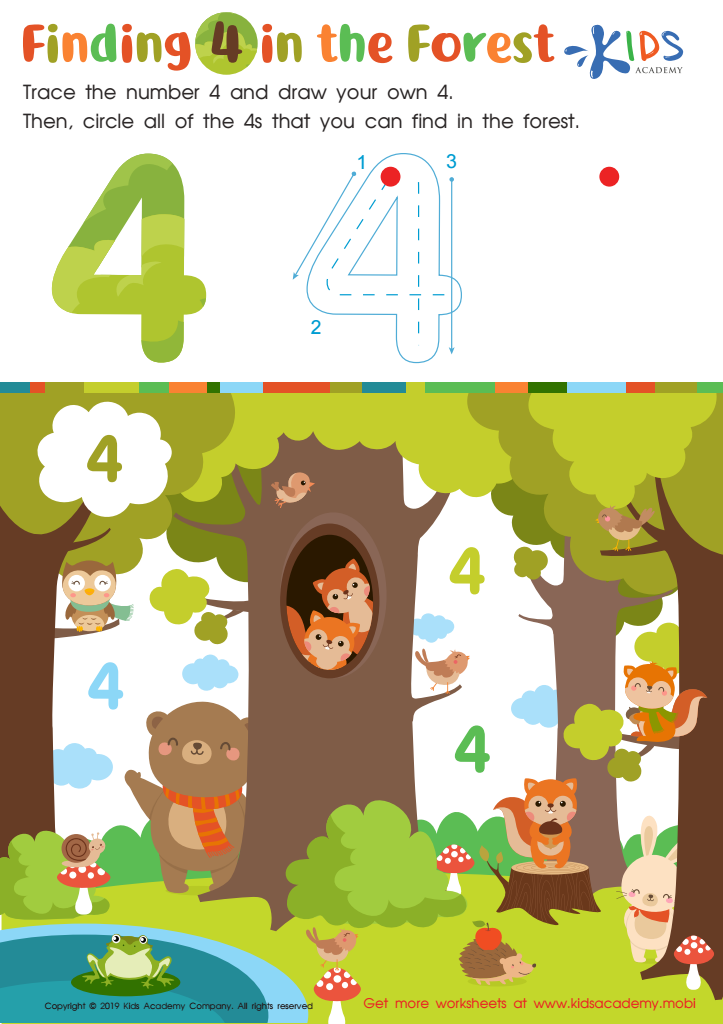
Finding 4 in the Forest Worksheet
Easter: Easter Eggs Worksheet
Assign to My Students





.jpg)

Number identification is a critical foundational skill for early grade students, forming the basis for advanced mathematical understanding. Parents and teachers should prioritize this skill because it serves as a cornerstone for various math concepts, including addition, subtraction, and place value. Mastery of number identification enables children to recognize numerals quickly and accurately, enhancing their ability to engage with mathematical problems.
Moreover, early proficiency in number recognition influences a child's confidence and attitude toward math, promoting a positive learning experience. When children easily identify numbers, they are less likely to experience frustration, which can deter them from engaging with mathematics in the future.
Additionally, this skill aligns with key developmental milestones in early education standards, affirming its significance in a comprehensive curricular approach. As parents and teachers nurture this skill, they are instrumental in providing a solid learning foundation necessary for future academic success, not only in math but in problem-solving and critical thinking.
Ultimately, focusing on number identification nurtures essential cognitive skills while fostering a lifelong appreciation for mathematics, making it vital for the child’s educational journey. By prioritizing this skill, adults can actively contribute to their children's overall academic achievement and future opportunities.








