Number Sequencing Normal Math Worksheets
13 filtered results
-
From - To
Discover our interactive Number Sequencing Normal Math Worksheets designed to help young learners master the concept of number order. Perfect for preschool and early grade school children, these engaging worksheets offer a variety of activities that make sequencing fun! Students will enhance their counting skills, improve numerical understanding, and develop problem-solving abilities as they practice arranging numbers in ascending and descending order. Our printable resources are easy to use at home or in the classroom, supporting independent learning. Explore our colorful and creative worksheets today to inspire a love for math and boost confidence in your child’s numerical abilities!
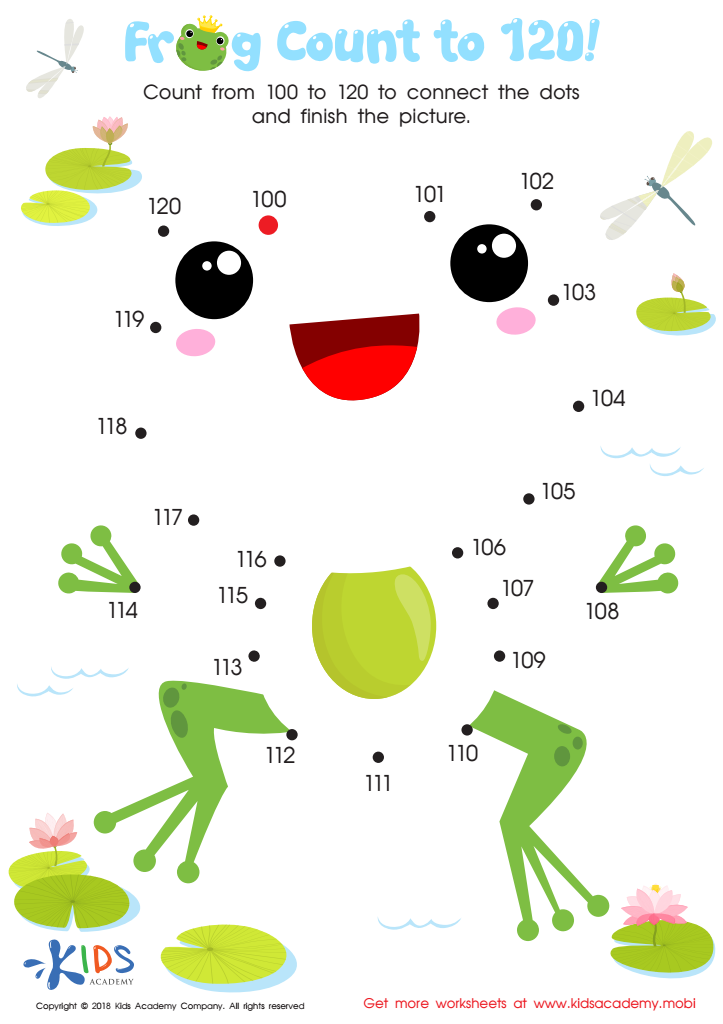
Frog Count to 120 Worksheet
 Assign to My Students
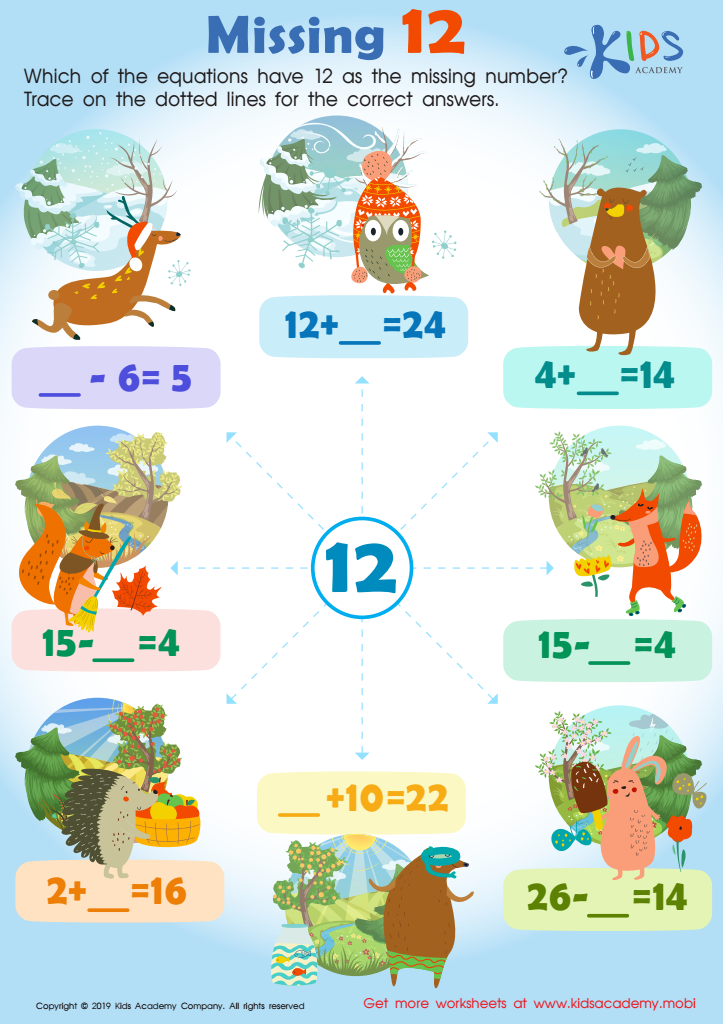
Missing 12 Worksheet
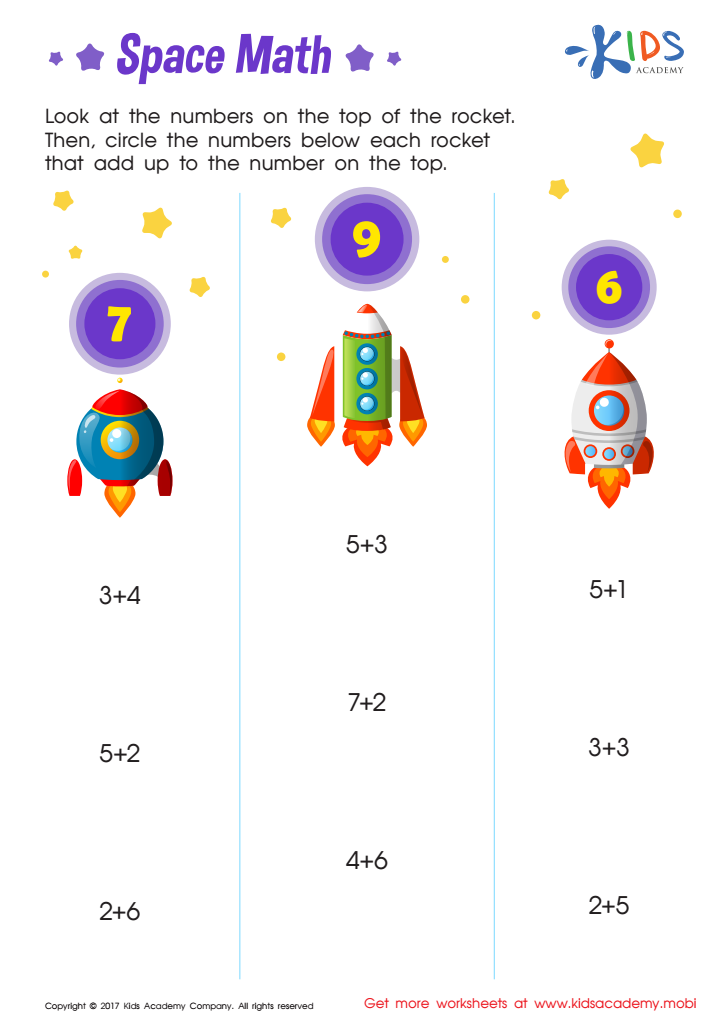
Addition: Space Math Worksheet
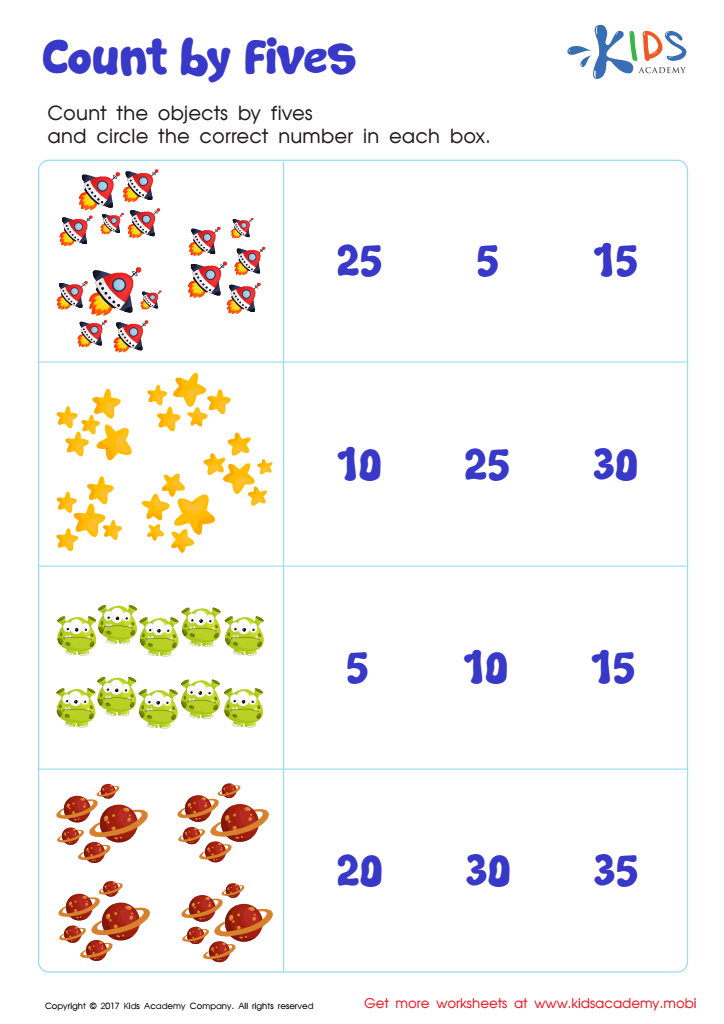
Skip Counting by 5s: Space Math Printable
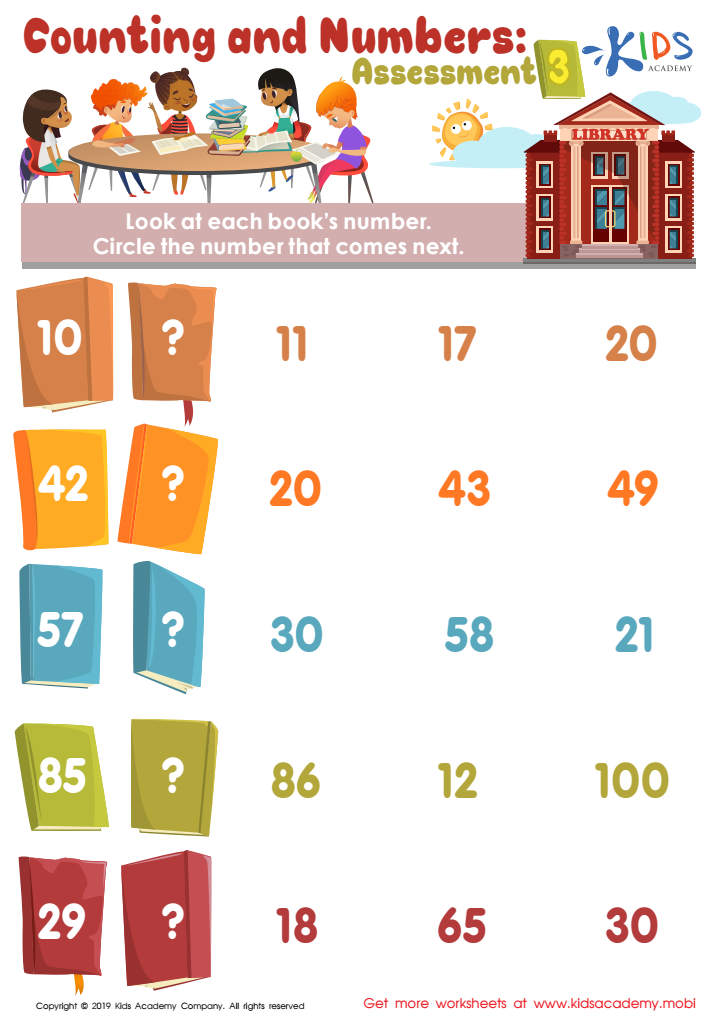
Counting and Numbers: Assessment Worksheet
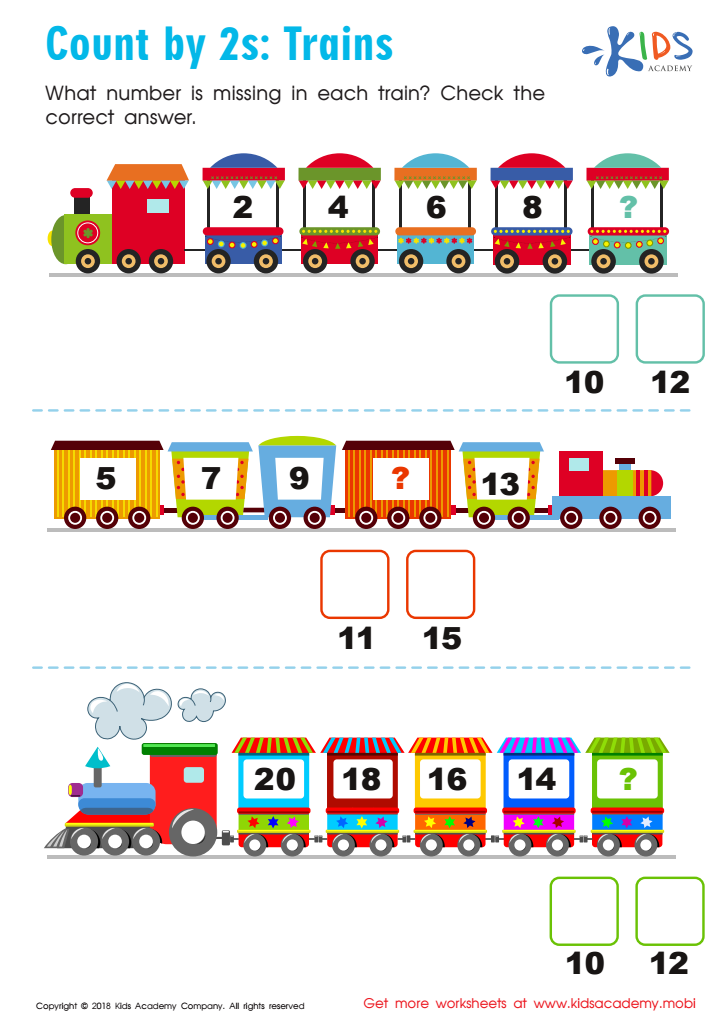
Count by 2's: Trains Worksheet
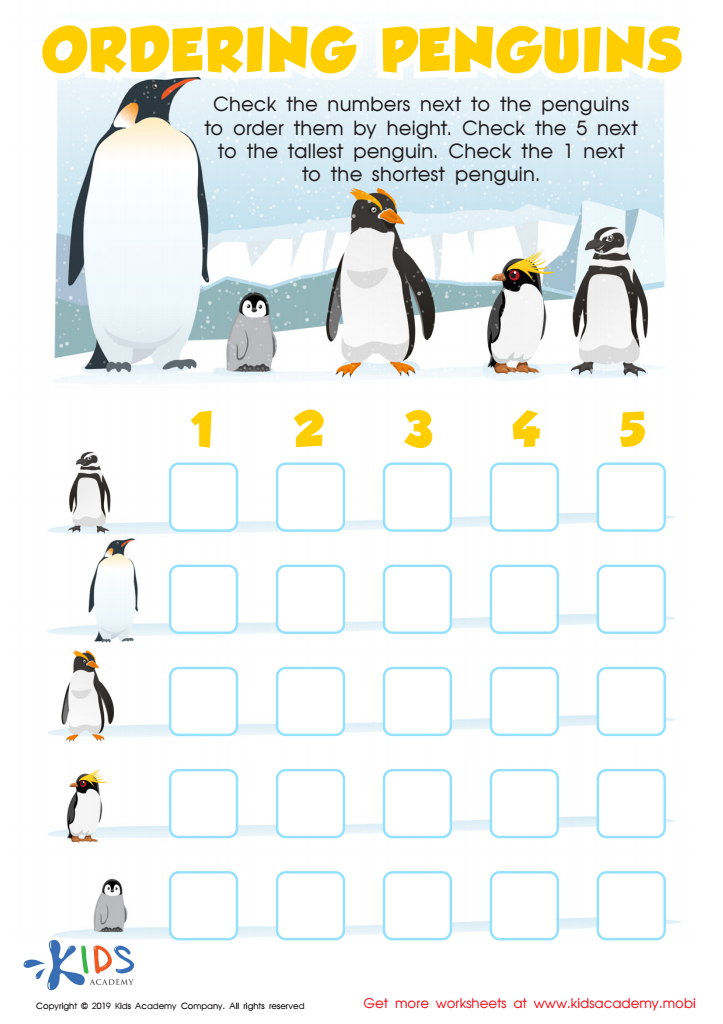
Ordering Penguins Worksheet
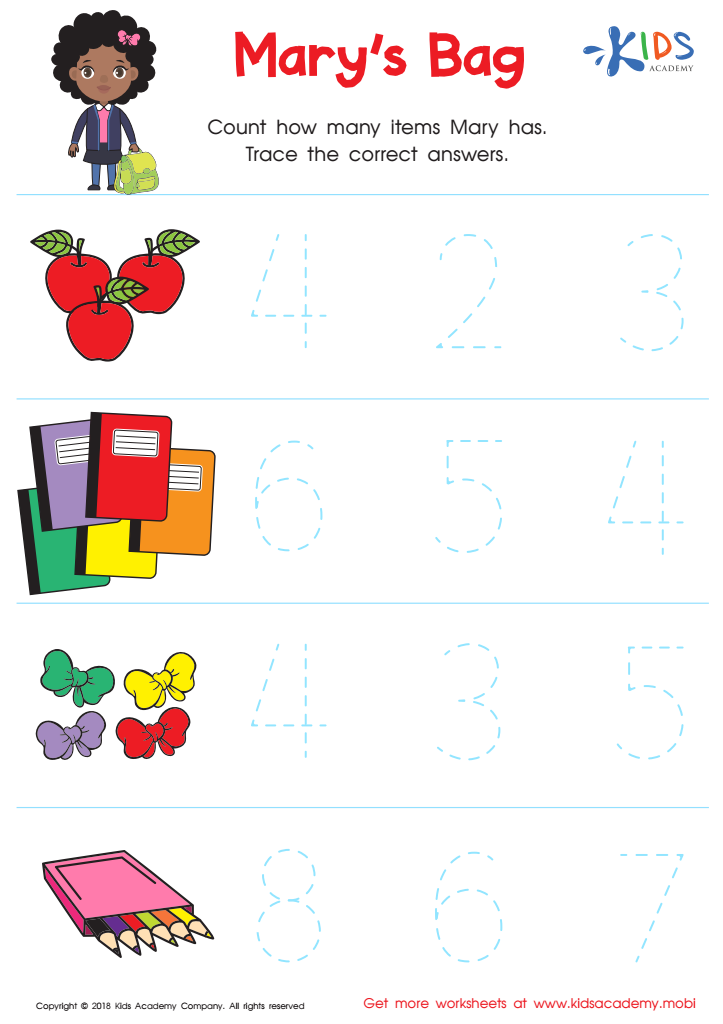
Kindergarten Number Tracing: Mary's Bag Worksheet
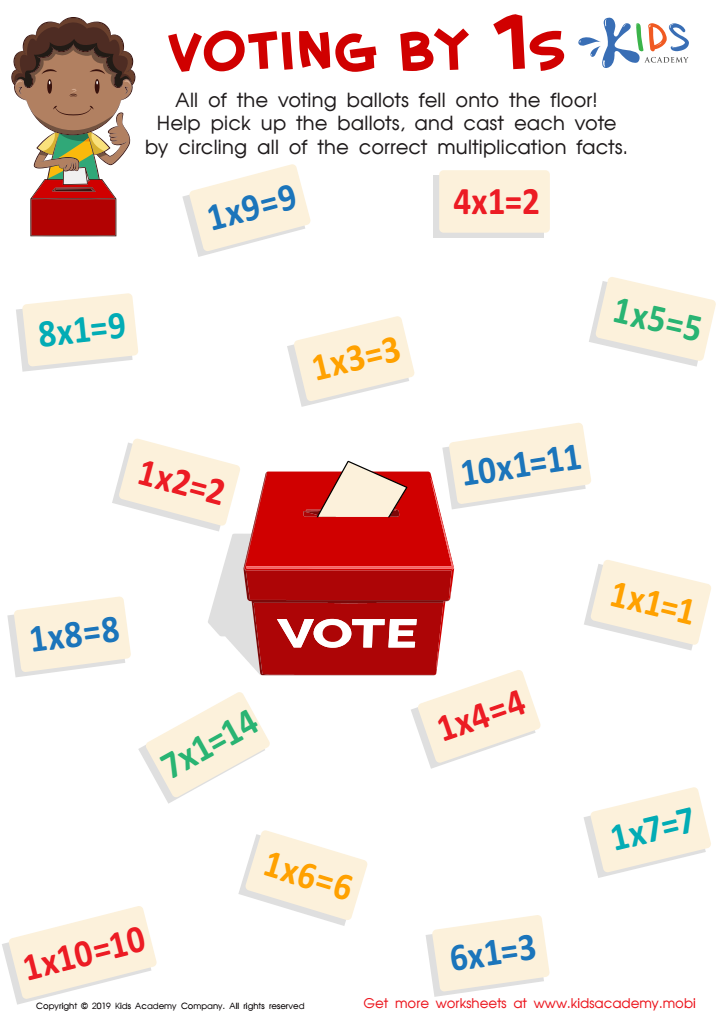
Voting by 1s Worksheet
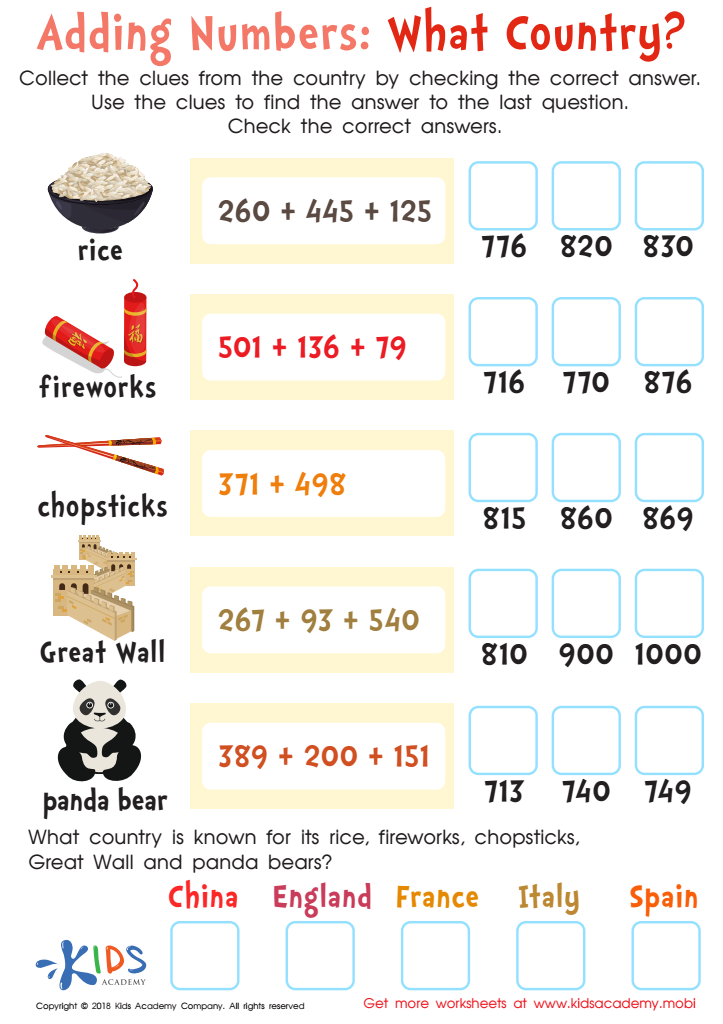
Adding Numbers: What Country Worksheet
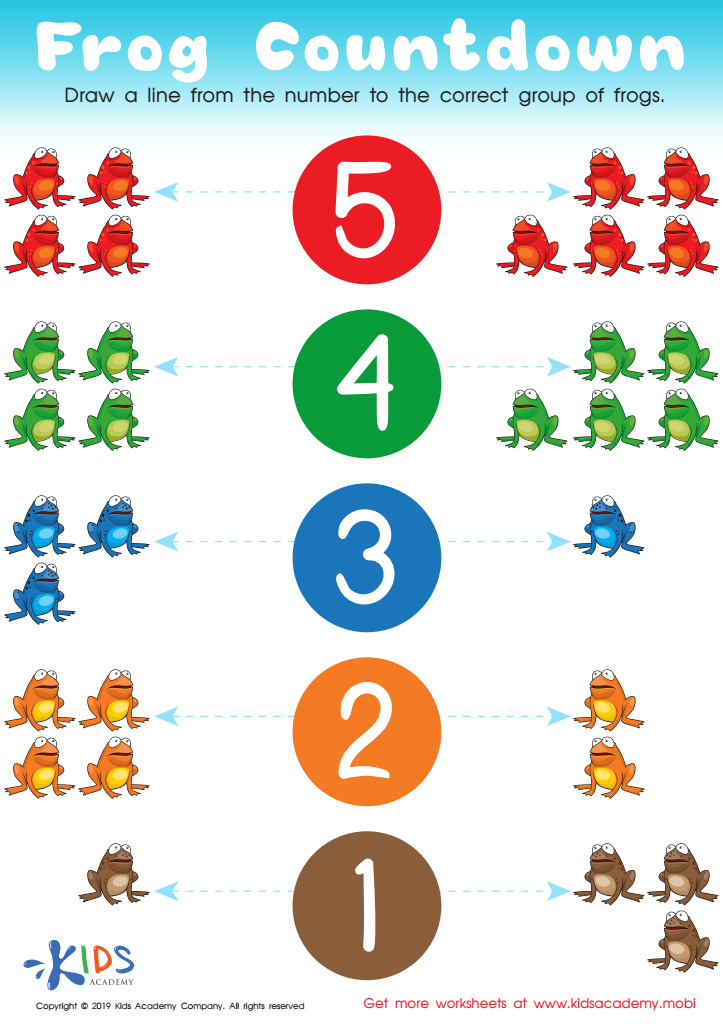
Frog Countdown Worksheet
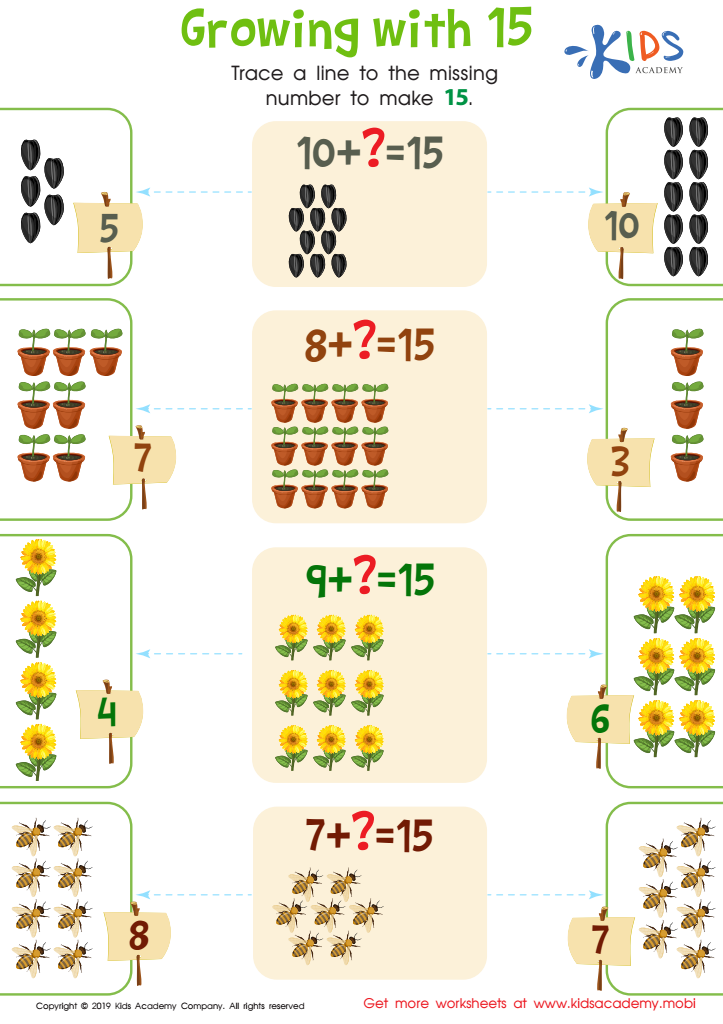
Growing with 15 Worksheet
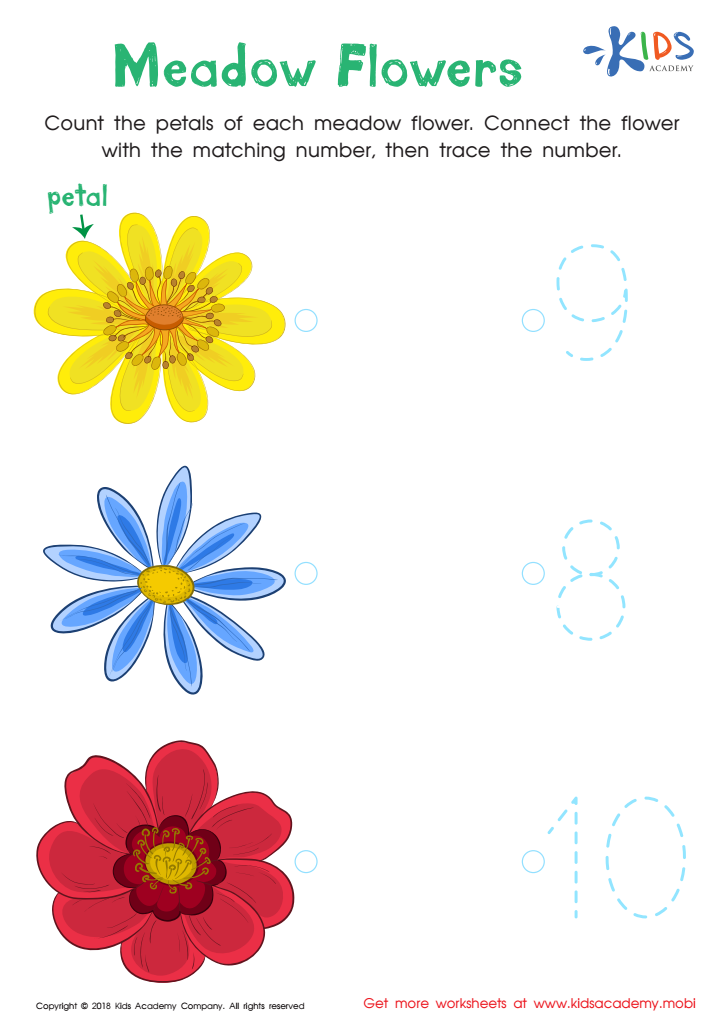
Kindergarten Number Tracing: Medow Flowers Worksheet







Number sequencing is a fundamental aspect of mathematical understanding that forms the basis for various higher-level mathematical concepts. For parents and teachers, grasping the significance of number sequencing is crucial to fostering a child's cognitive and mathematical development.
First, number sequencing helps children understand the order and relationship between numbers, which is essential for basic arithmetic operations like addition and subtraction. This skill not only enhances their problem-solving abilities but also boosts their confidence in tackling more complex mathematical tasks.
Moreover, strong sequencing skills support logical reasoning and critical thinking. When children learn to recognize patterns and sequences, they develop the ability to predict outcomes and make connections between different mathematical concepts. This competence is vital for success not just in math but in real-life situations where organization and timing matter, such as planning, scheduling, or approaching problem-solving in general.
Lastly, early mastery of number sequencing lays a solid foundation for future mathematical skills, paving the way for concepts like multiplication, division, and fractions. Therefore, both parents and teachers should prioritize activities and resources that promote number sequencing to ensure that children are well-prepared for academic success in the later stages of their education.








