Visual perception improvement Normal Math Worksheets
4 filtered results
-
From - To
Discover the perfect blend of fun and education with our Visual Perception Improvement Normal Math Worksheets! Designed to enhance children's visual processing skills while reinforcing essential math concepts, our worksheets offer an engaging approach to learning. Suitable for young learners, these activities include shape recognition, pattern identification, and spatial awareness exercises. By using visually appealing graphics and interactive tasks, we ensure kids stay motivated and enjoy their math practice. Help your child improve their visual perception and build a strong foundation in math with our expertly crafted worksheets, available now at Kids Academy.
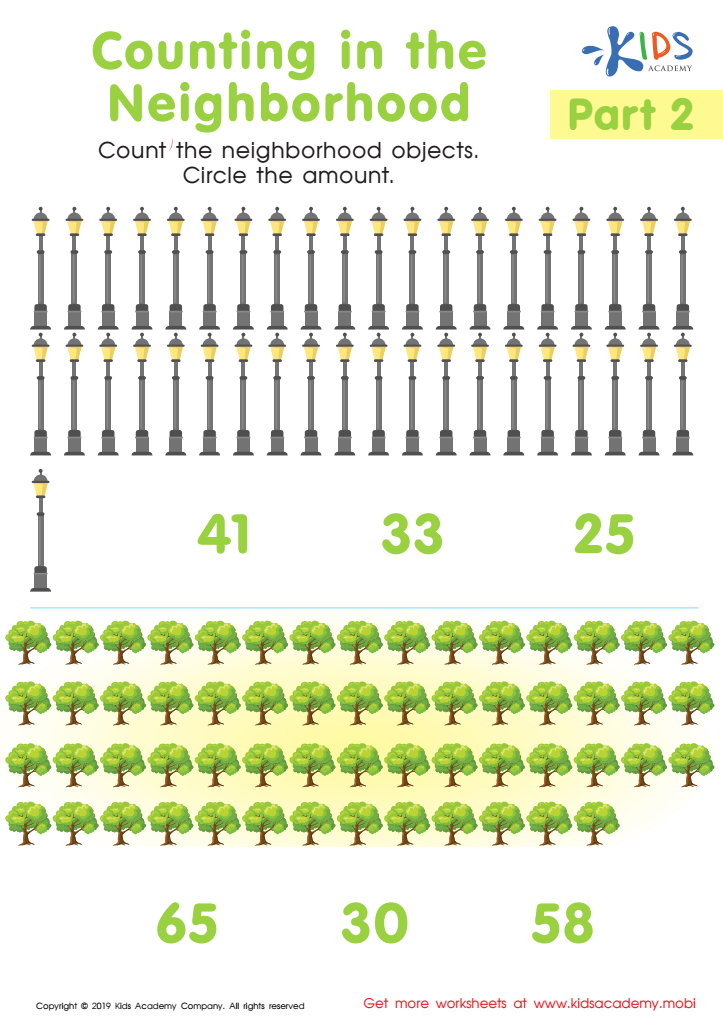
Counting In The Neighborhood Part 2 Worksheet
 Assign to My Students
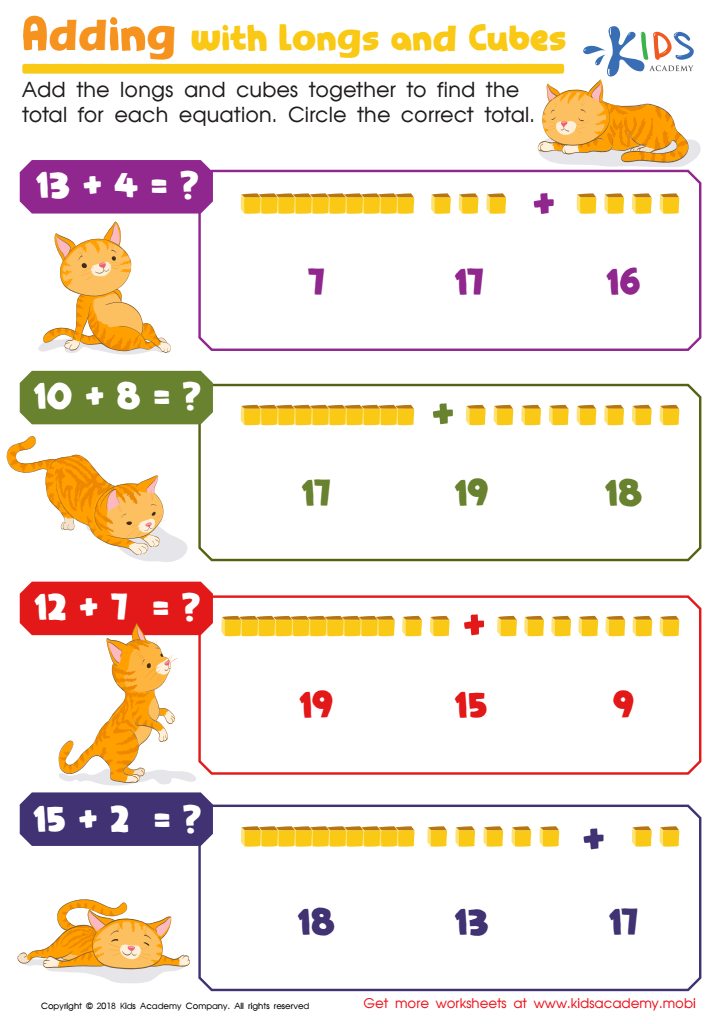
Adding With Longs and Cubes Worksheet
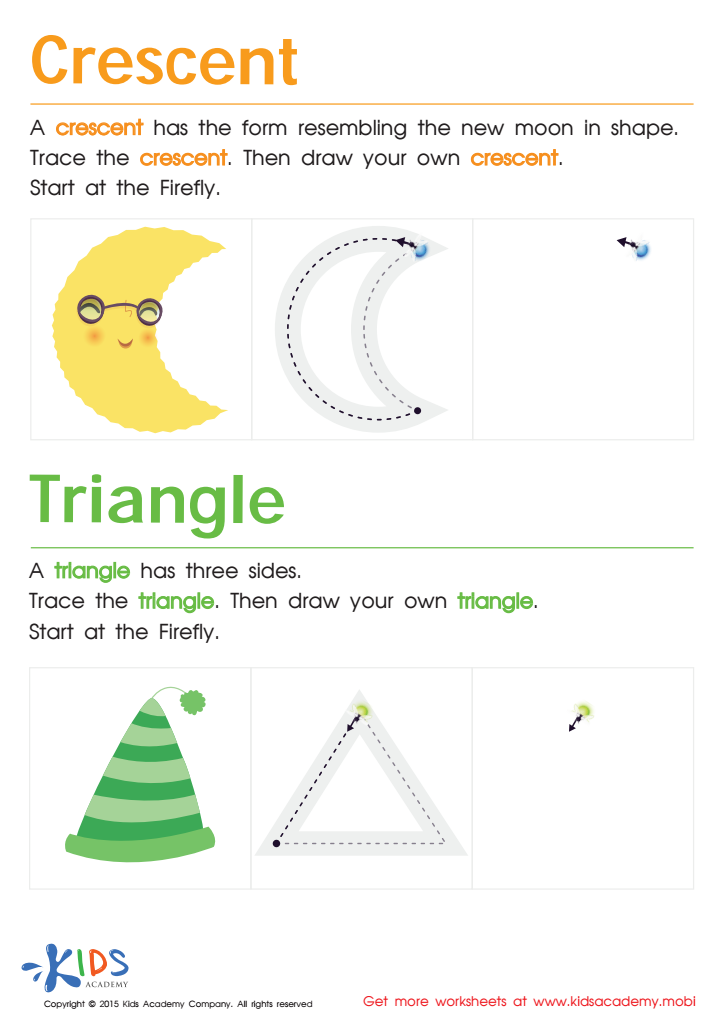
Learning to Draw Crescents And Triangles Worksheet
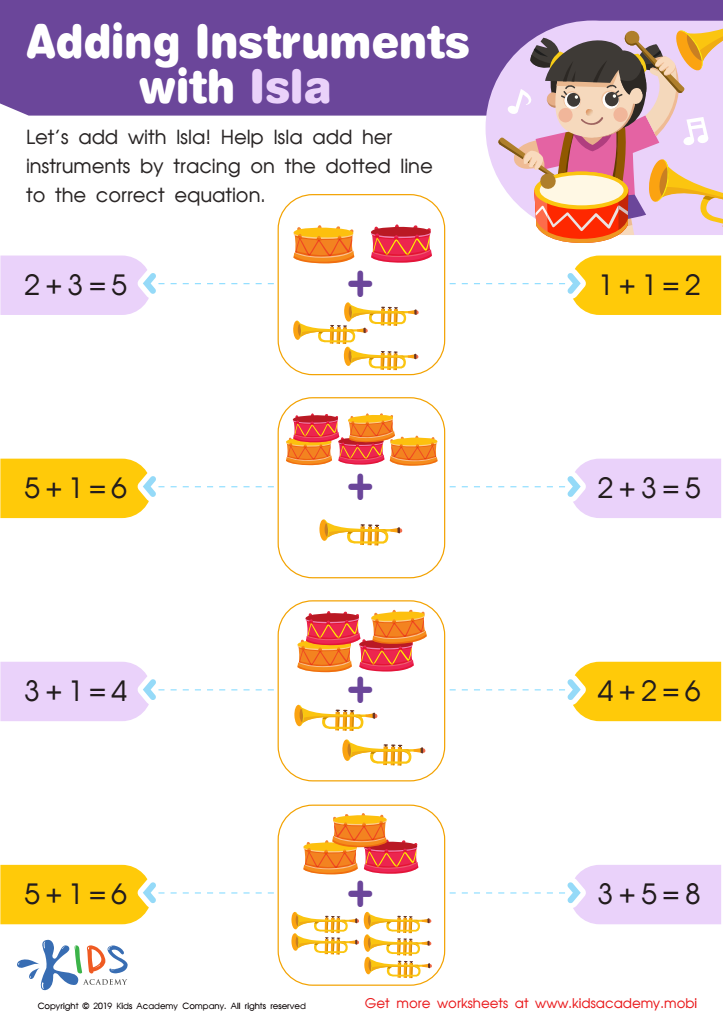
Adding Instruments with Isla Worksheet







Visual perception is crucial for a child's development, directly affecting their ability to interpret and interact with the world around them. This skill is fundamental not only for daily activities but also for academic success, particularly in subjects like math. By focusing on visual perception improvement, parents and teachers can help children develop essential skills such as pattern recognition, spatial awareness, and the ability to distinguish different shapes and sizes.
In the context of math, strong visual perception allows children to better understand and solve problems involving geometry, measurement, and even basic arithmetic. For instance, recognizing patterns is key to learning to count, while spatial awareness aids in comprehending the properties and relationships of shapes and structures. These skills form the foundation for more complex mathematical reasoning and problem-solving in higher grades.
Furthermore, improving visual perception can enhance a child’s reading and writing abilities, contributing to overall academic performance. Activities like puzzles, drawing, and building with blocks can be fun yet educational ways to bolster these skills.
In essence, by prioritizing visual perception development, parents and teachers enable children to gain a comprehensive toolset that supports their academic journey and beyond. Improved visual perception correlates with better classroom performance, higher self-esteem, and a more profound ability to learn new concepts.








