Cognitive Development Normal Preschool Math Worksheets
13 filtered results
-
From - To
Unlock your child's potential with our "Cognitive Development Normal Preschool Math Worksheets"! Specially tailored for preschoolers, these engaging and colorful worksheets are designed to enhance cognitive development and math skills effortlessly. Focused on key areas such as number recognition, counting, patterns, and basic problem-solving, they'll help young minds grow while keeping learning fun. Our worksheets not only lay a strong mathematical foundation but also boost critical thinking and analytical abilities. Ideal for both classroom and home learning, they provide an excellent resource for parents and educators aiming to foster early academic success. Start your child's journey to a brighter future with us today!
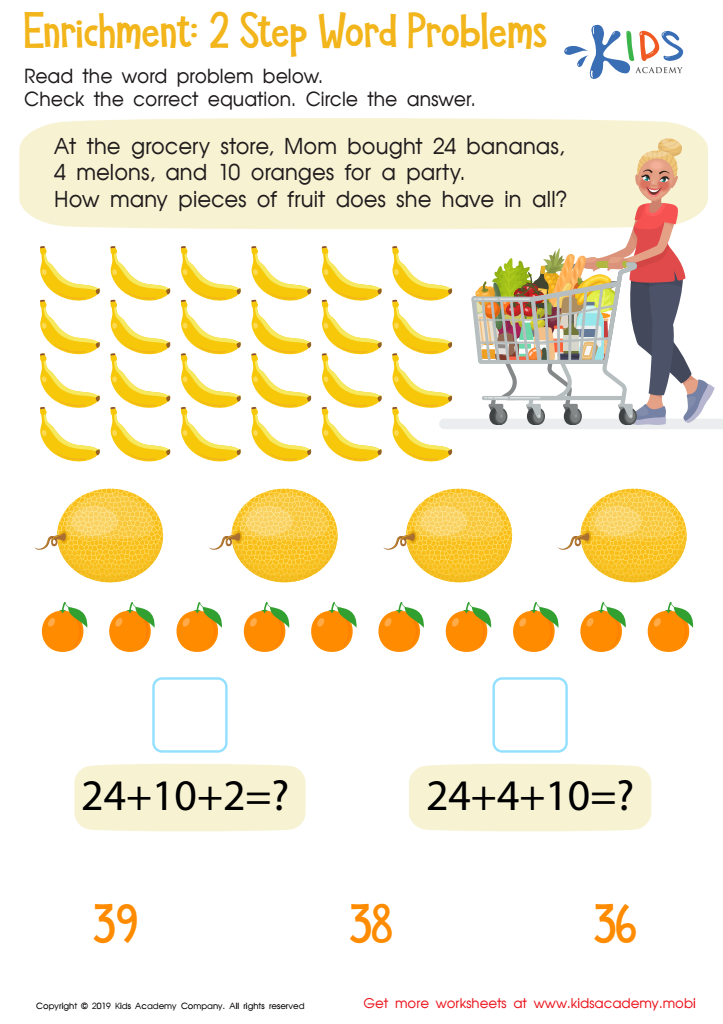
Enrichment -2 Step Word Problems Worksheet
 Assign to My Students
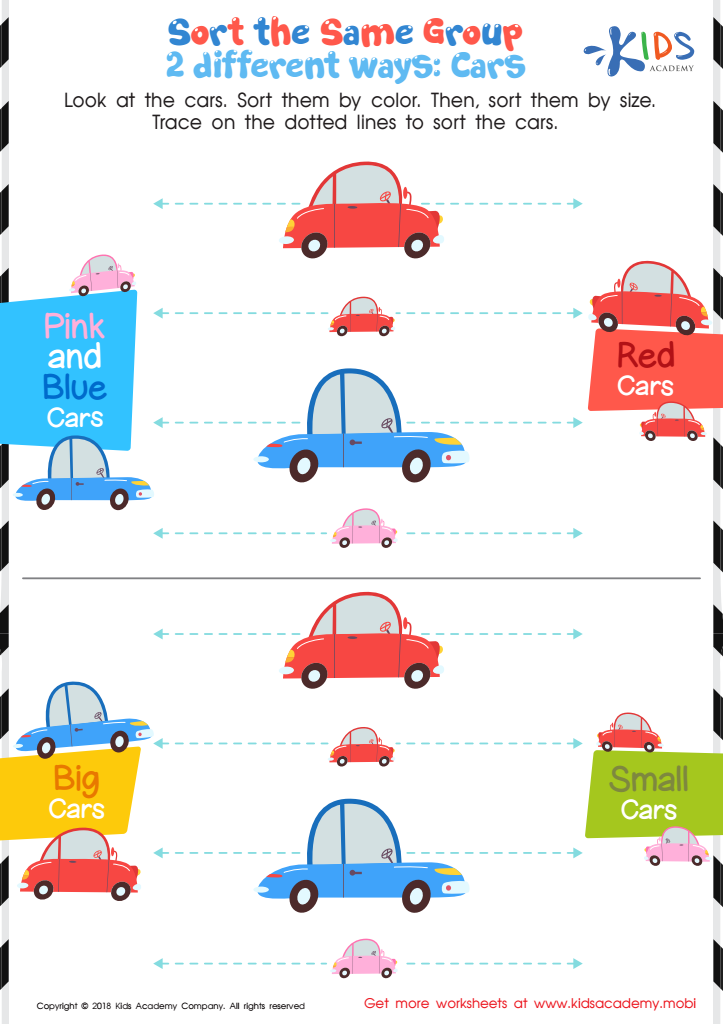
Sort the Same Group 2 Different Ways: Cars Worksheet
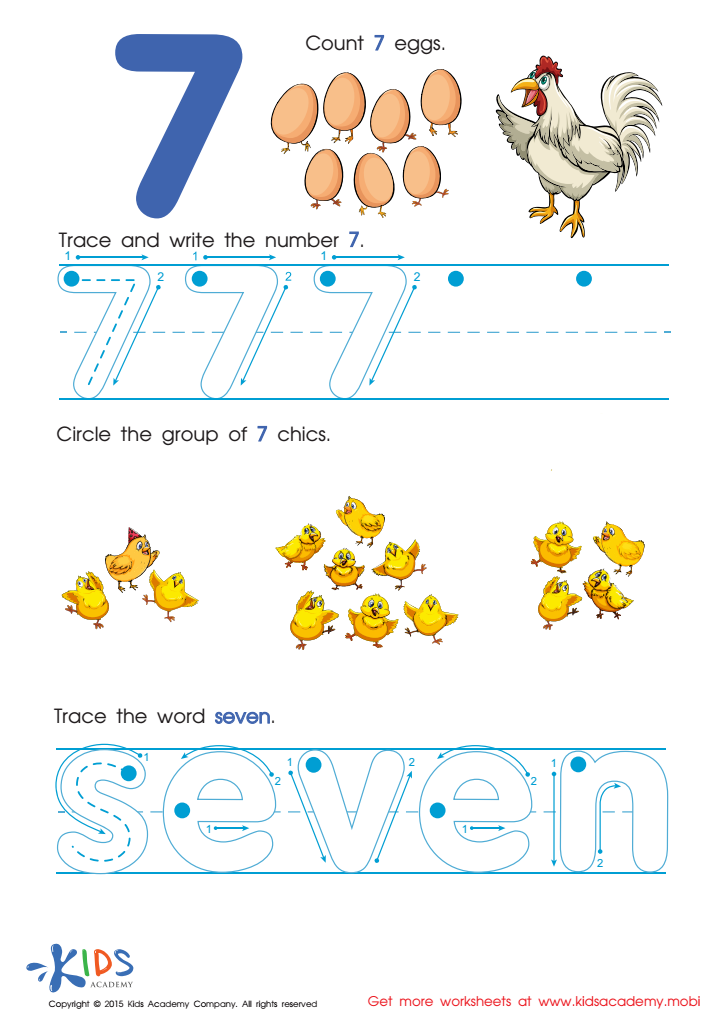
Trace And Write Number 7 with Fun Worksheet
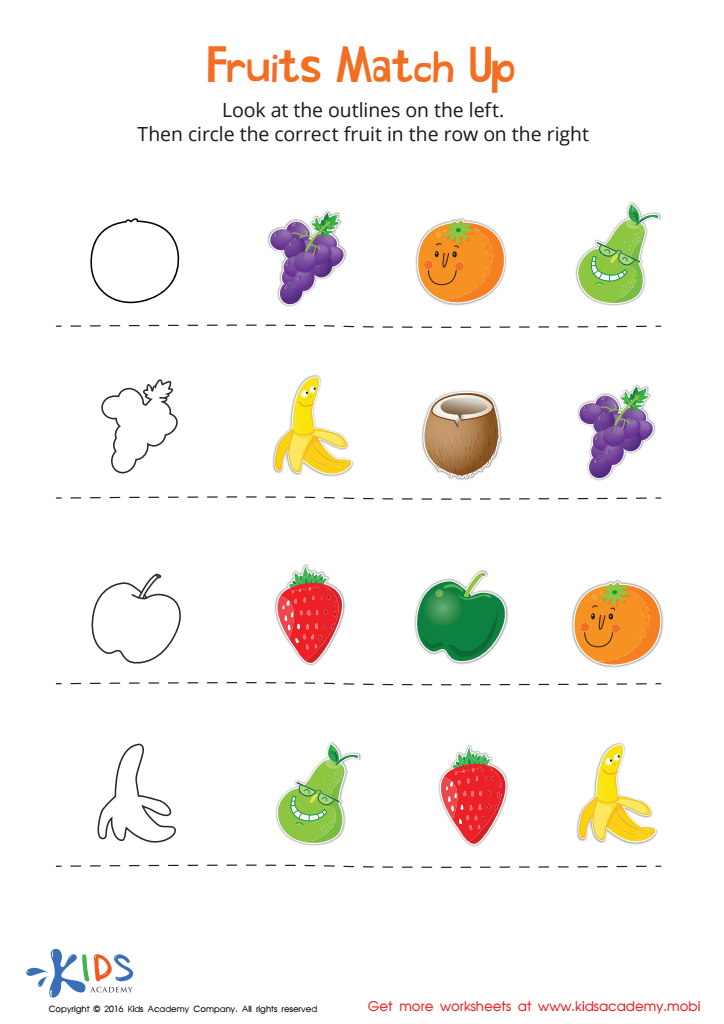
Fruits Match Up Worksheet
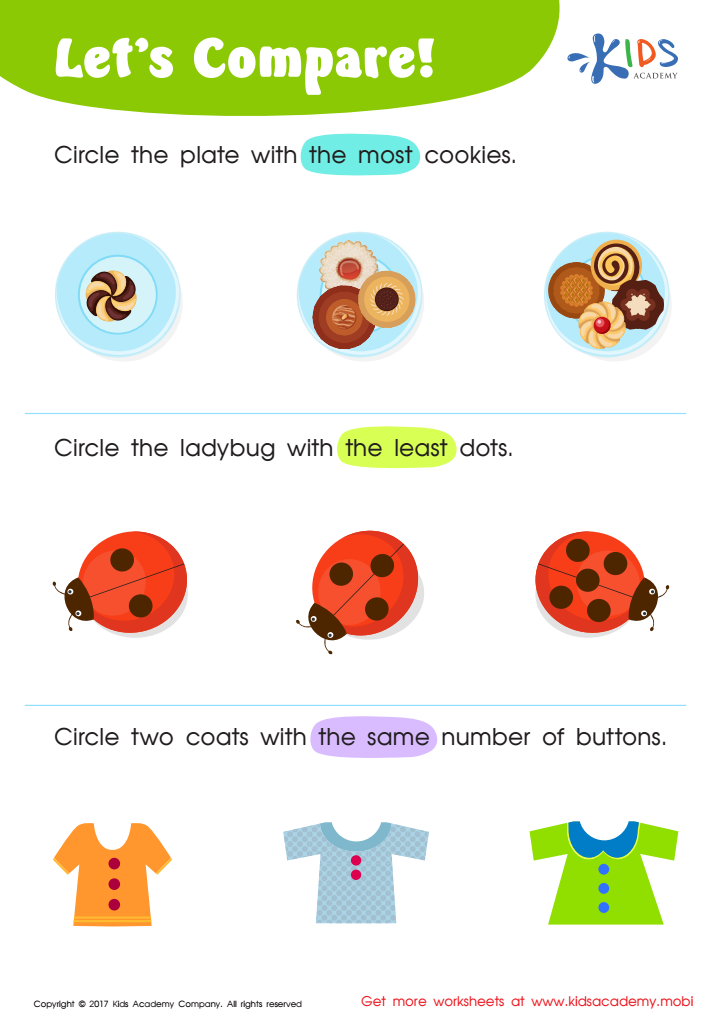
Matching: Classifying Toys by Size Worksheet
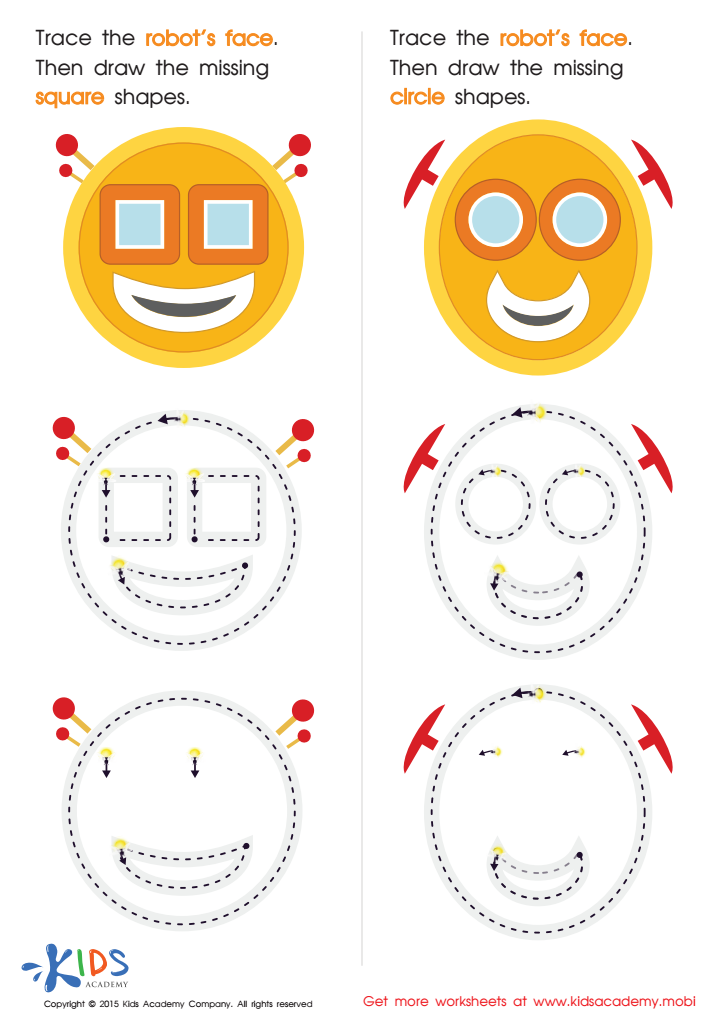
Practicing to Draw Circles And Squares Printable
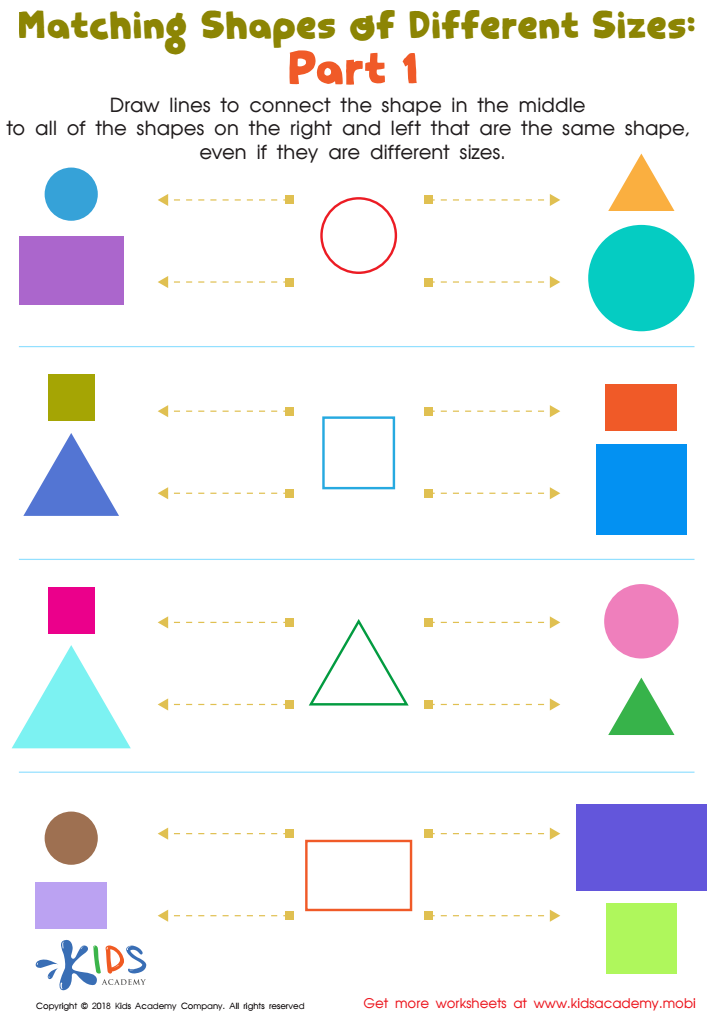
Geometry: part 1 Worksheet
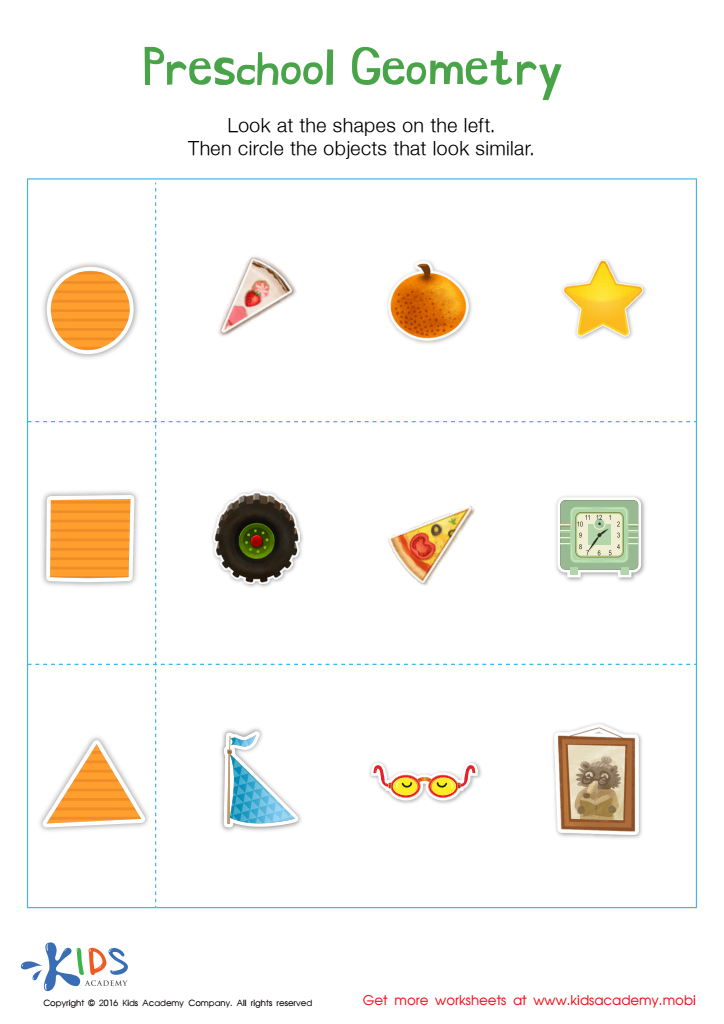
Preschool Geometry Match Up Worksheet
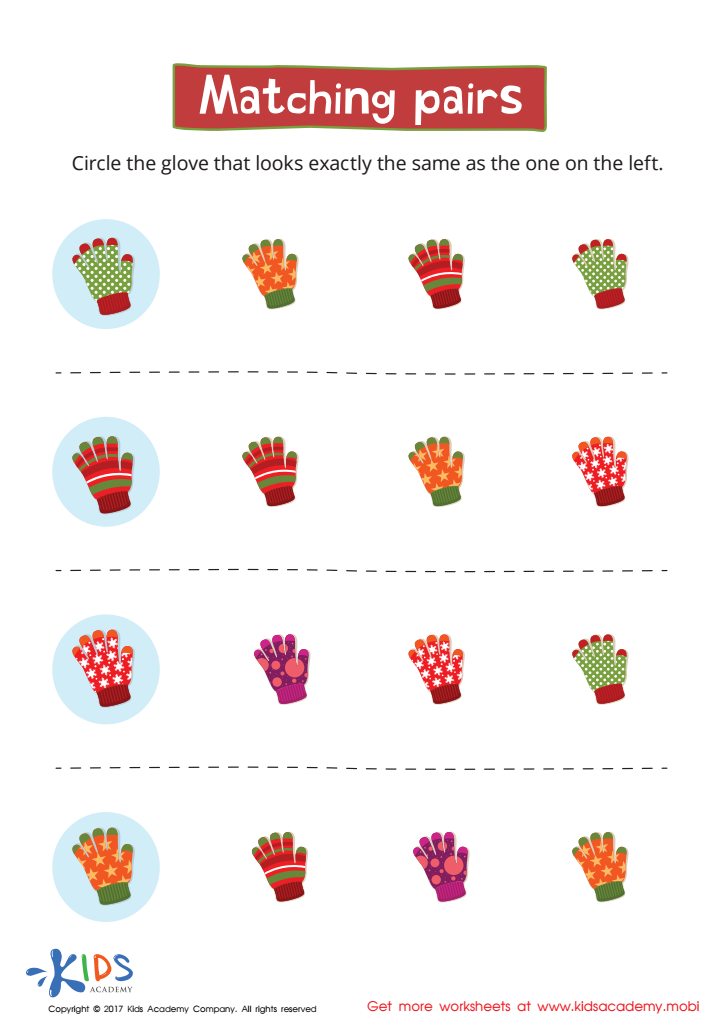
Matching: Matching Pairs Worksheet
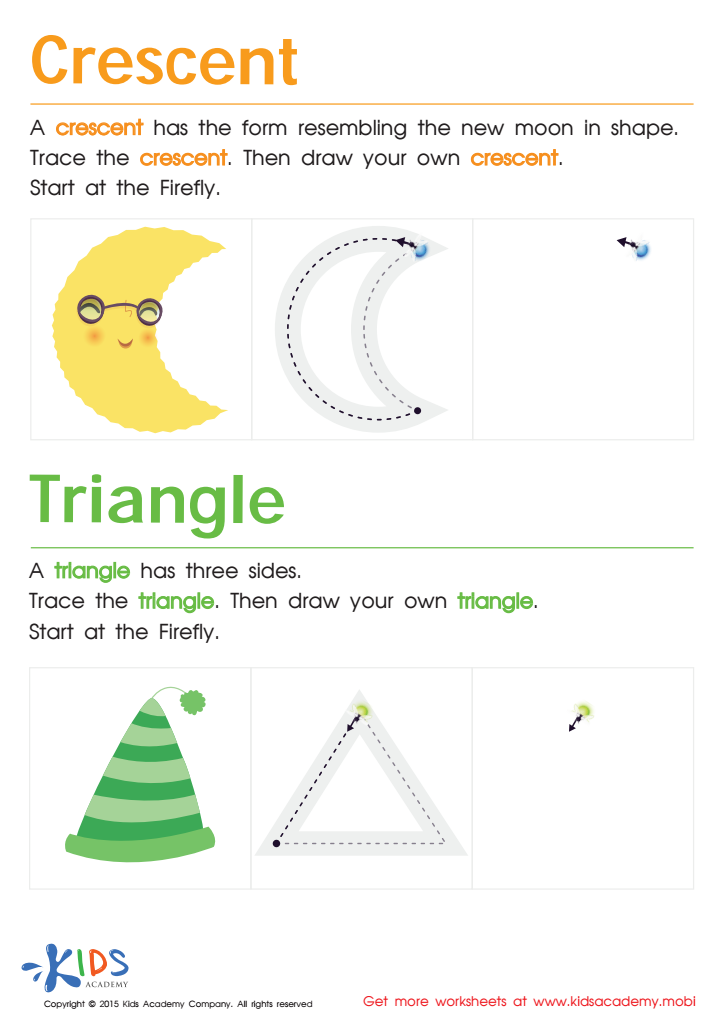
Learning to Draw Crescents And Triangles Worksheet
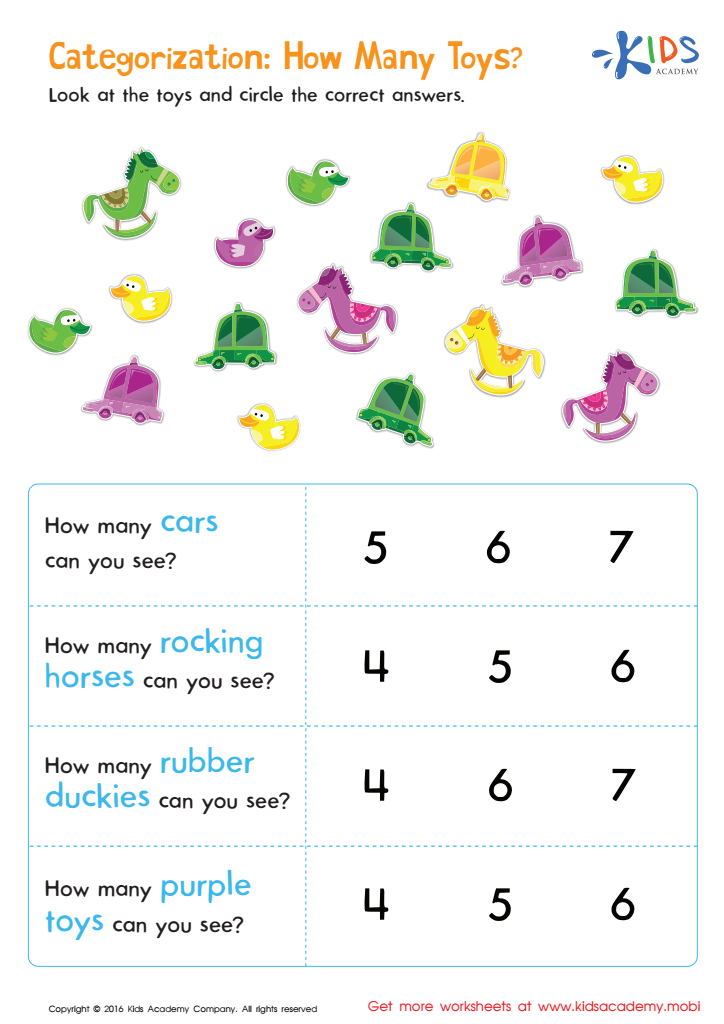
Classifying Toys by Type and Color Sorting Worksheet
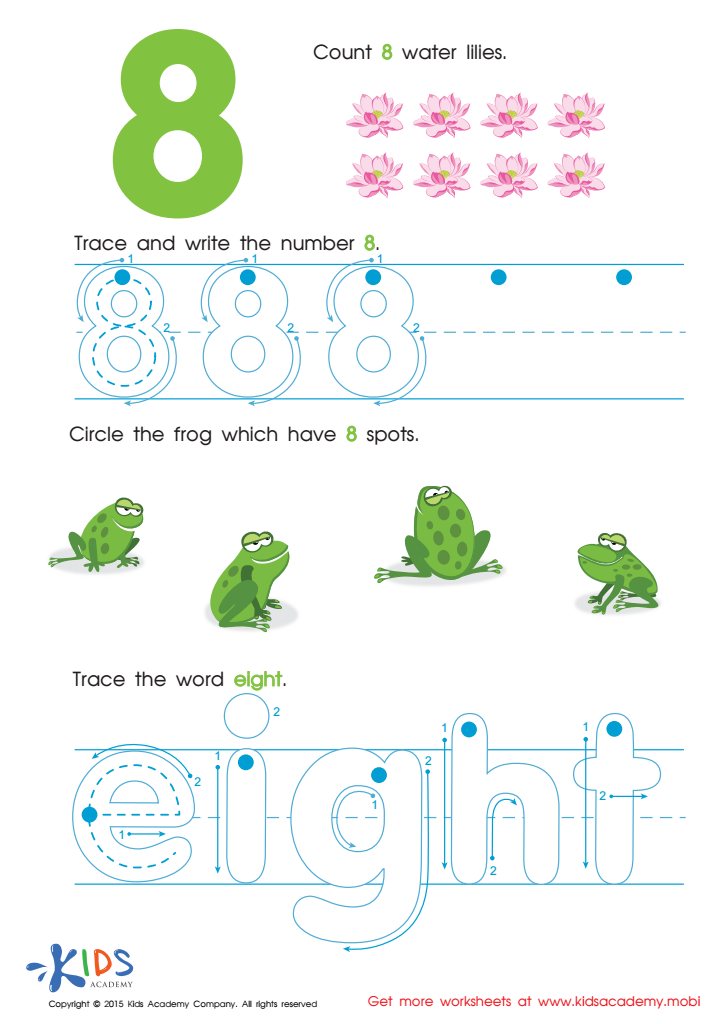
Learn Number 8 Easily Worksheet
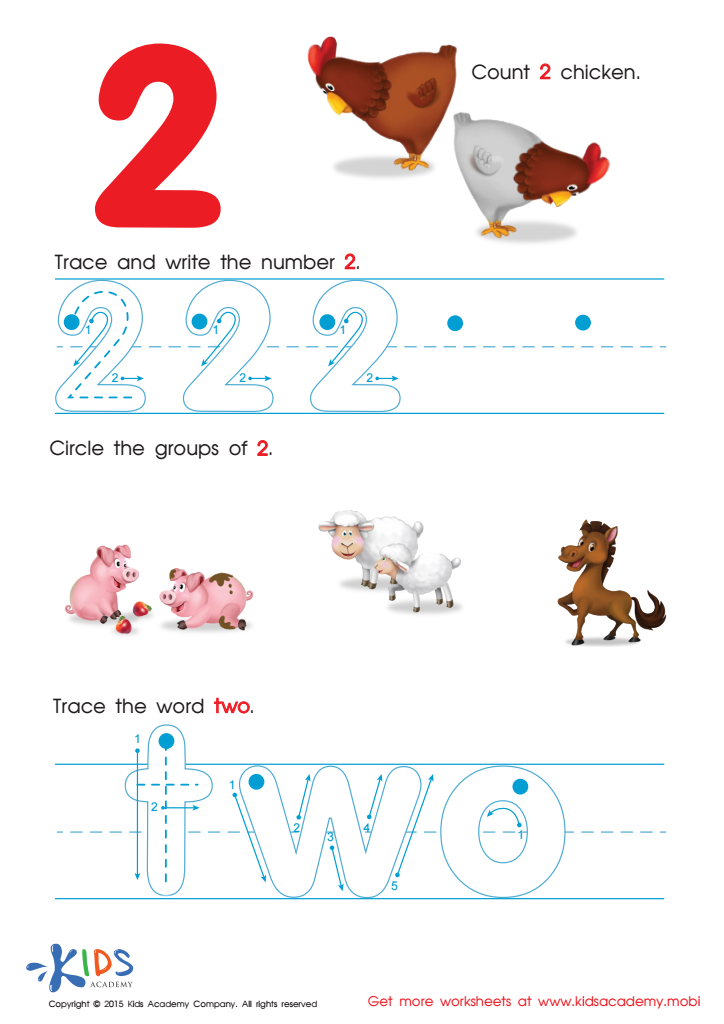
Learn to Write the Number 2 Worksheet








Caring about cognitive development in the context of normal preschool mathematics is essential for parents and teachers as it lays the foundation for a child's future academic success and everyday problem-solving skills. Cognitive development involves the way children think, explore, and figure things out. This includes skills like attention, memory, and logical reasoning, which are all pivotal for understanding math concepts.
At the preschool level, engaging with math helps develop these cognitive abilities in fun and meaningful ways. Activities like counting objects, recognizing patterns, and understanding shapes introduce children to basic numerical concepts. They start to grasp that numbers represent quantities and can understand simple operations such as addition and subtraction through oral storytelling and play-based scenarios.
Fostering an early interest and proficiency in math prepares children for more structured learning environments in kindergarten and beyond. It also builds confidence, promotes problem-solving skills, and encourages logical thinking, which are beneficial beyond the realm of mathematics. By supporting normal cognitive math development, parents and teachers help create a strong educational foundation, setting children on a path to success in school and everyday life activities. Early engagement with math can also spark a lifelong interest in STEM fields, crucial for personal and professional growth in our increasingly technological world.