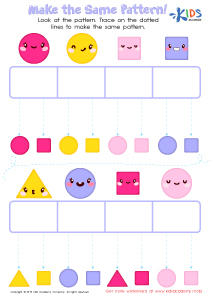
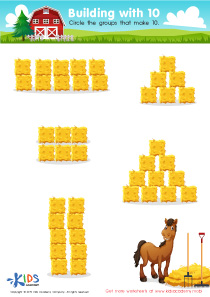
Categorization skills Normal Preschool Matching Worksheets
6 filtered results
-
From - To
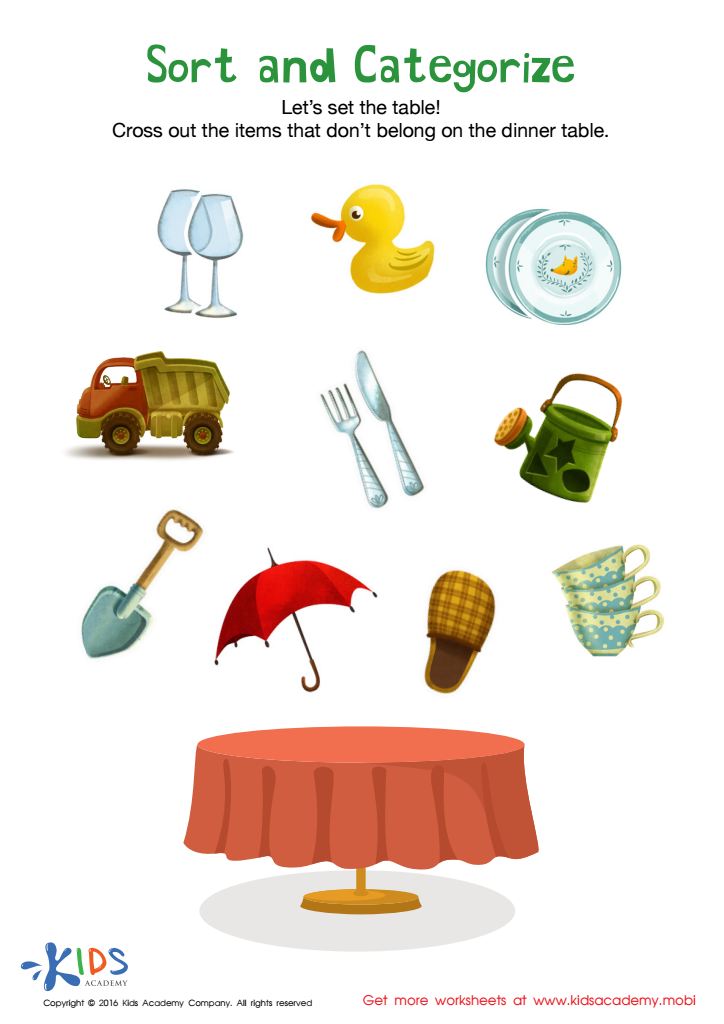
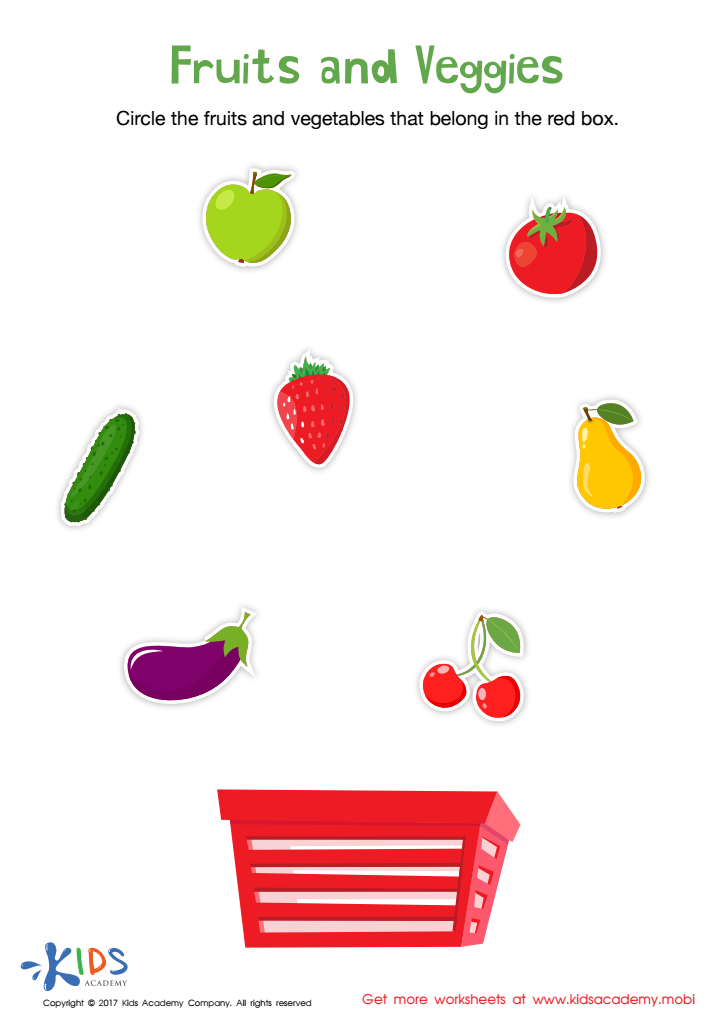
Enhance your preschooler's learning experience with our "Categorization Skills Normal Preschool Matching Worksheets." Designed to support early childhood education, these engaging activities help children develop critical cognitive skills by sorting and matching various objects. Through playful exercises, children will learn to identify and group items based on attributes such as color, shape, and size, fostering their understanding of categories in a fun and interactive way. These worksheets not only bolster foundational math skills but also encourage observation and critical thinking. Visit our website to easily access and print these worksheets, making learning both enjoyable and productive for your little ones!
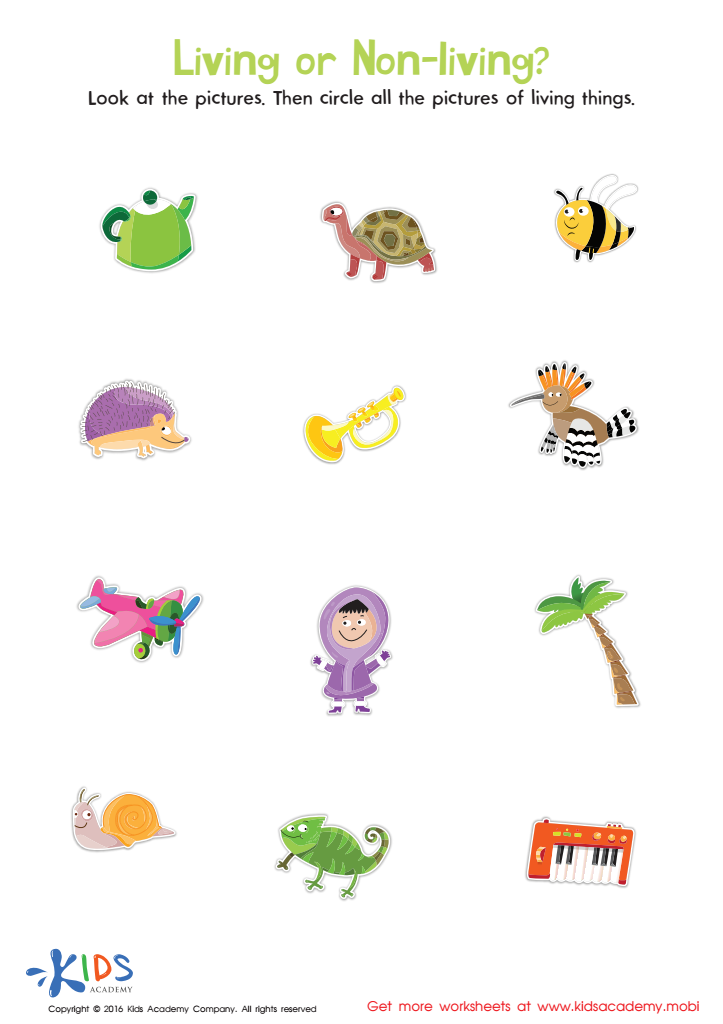
Identifying Living and Non–living Things Sorting Worksheet
 Assign to My Students
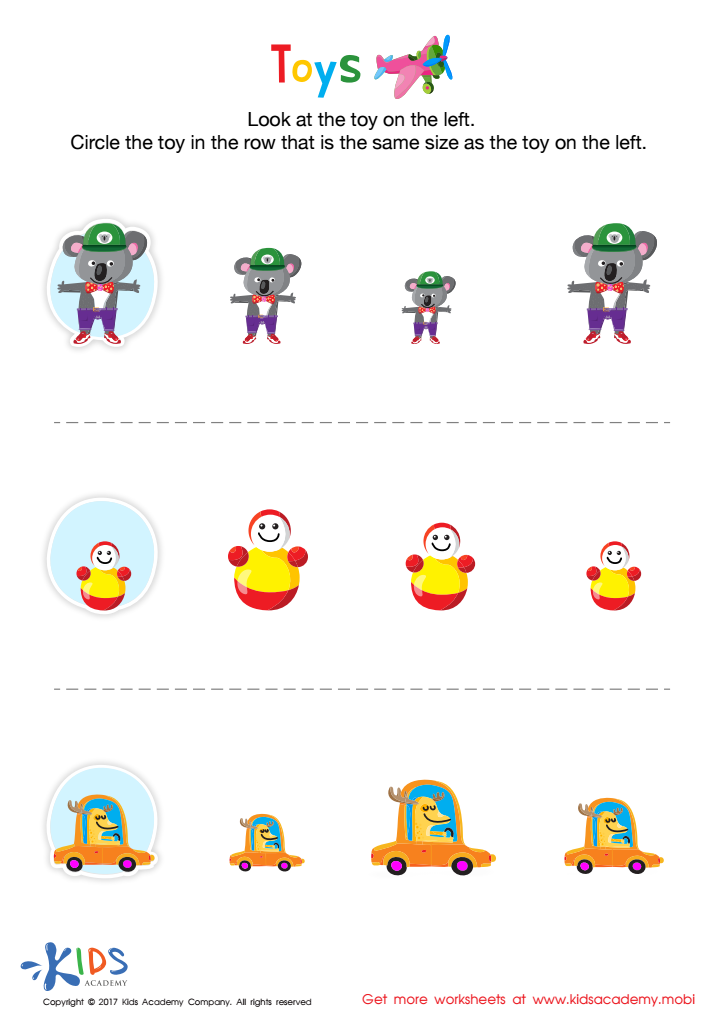
Matching: Classifying Toys by Size Worksheet
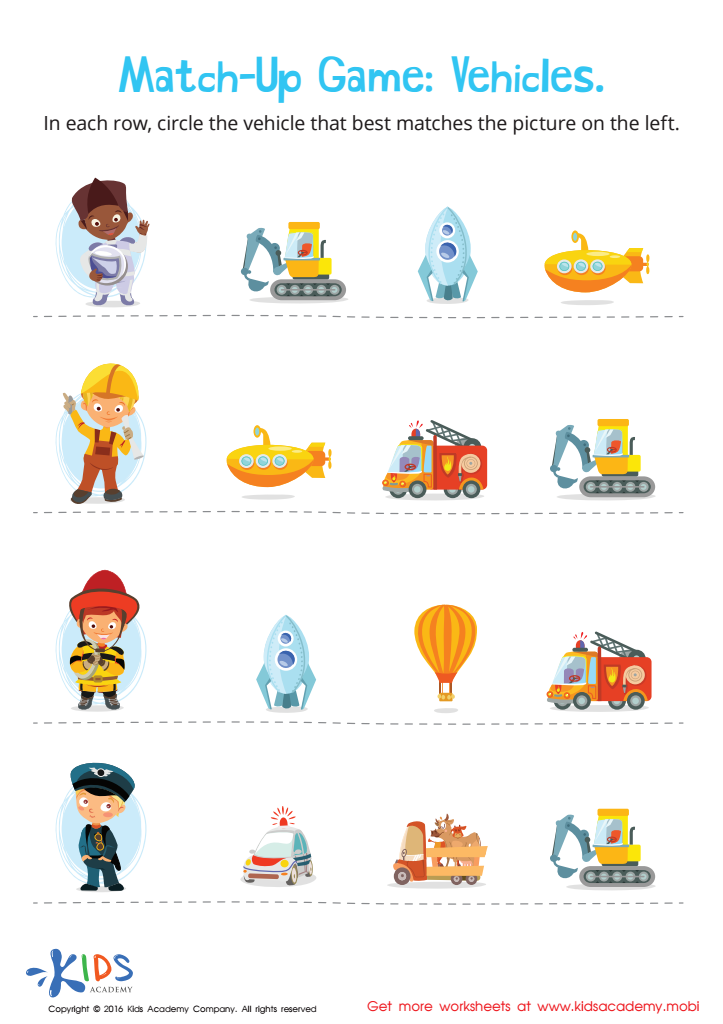
Vehicles Worksheet
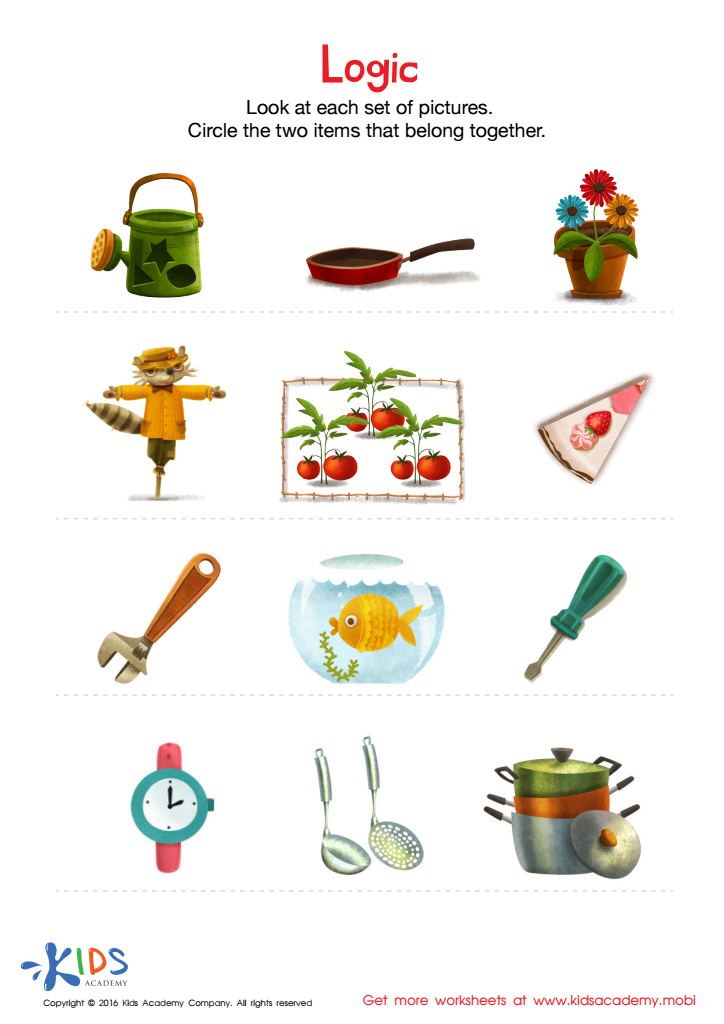
Logic Game Sorting Worksheet








Categorization skills are foundational for children's cognitive development and learning processes, especially during preschool age. When children practice matching skills, which is a key aspect of categorization, they are learning to identify similarities and differences among objects. This ability helps them organize information effectively, a critical skill for future academic success.
Parents and teachers should care about these skills because they promote logical thinking and reasoning. By engaging in matching activities, children develop essential problem-solving strategies, which will aid them across various disciplines in school, from mathematics to language arts. Furthermore, strong categorization skills support language development, as children learn to verbalize their thoughts and describe characteristics of different categories.
In a social context, these skills foster peer interactions. For instance, when children categorize or match during play, they collaborate, negotiate, and communicate, enhancing their social skills. Ultimately, strong categorization and matching skills build confidence in children, enabling them to explore and make sense of the world around them. Thus, prioritizing these skills in preschool prepares young learners for more complex concepts, making it a valuable focus for both parents and teachers.