Shape Recognition Normal Grade 2 Worksheets
8 filtered results
-
From - To
Shape Recognition Normal Grade 2 Worksheets are designed to build foundational geometry skills in second graders. These engaging, printable worksheets help children identify, name, and classify various shapes, stimulating their spatial understanding. With vibrant illustrations and interactive activities, students will enhance their ability to recognize and differentiate between 2D and 3D shapes while refining their cognitive and visual abilities. Perfect for classroom or at-home learning, these worksheets align with core educational standards, ensuring a comprehensive approach to early geometry skills. Empower your child's learning journey with our dynamic Shape Recognition worksheets, fostering confidence and academic growth.
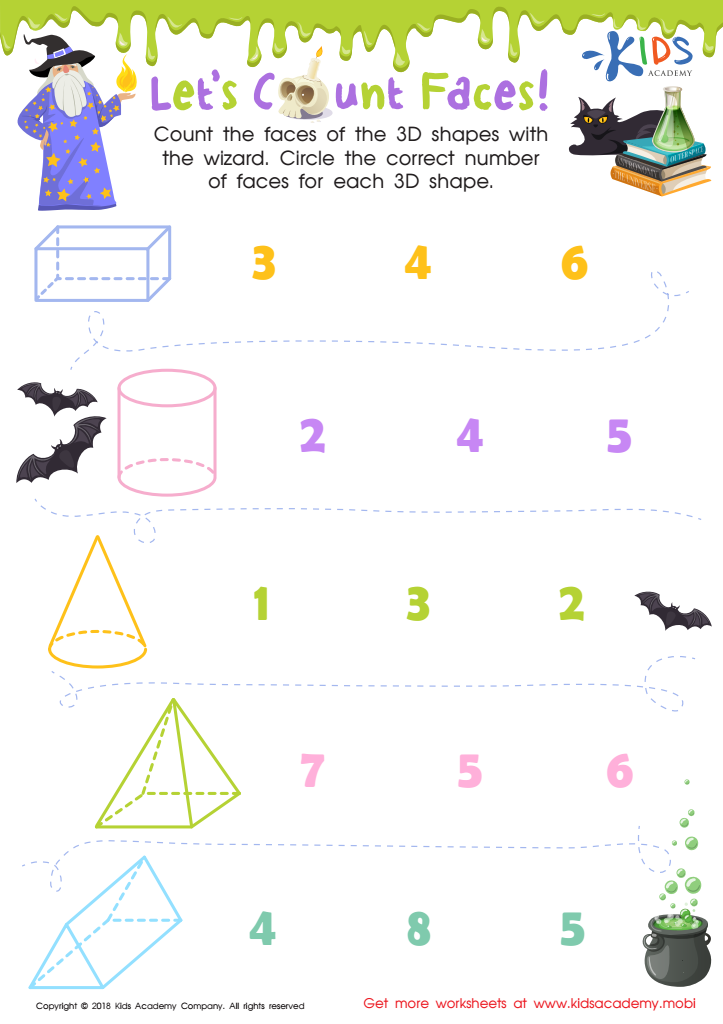
Let's Count Faces! Worksheet
 Assign to My Students
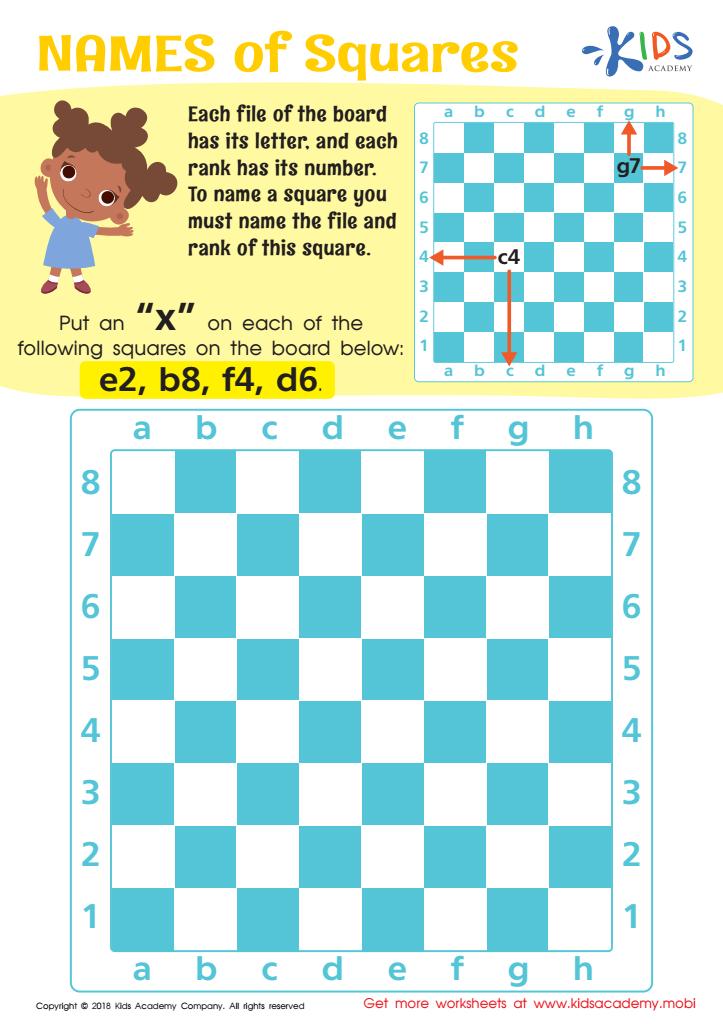
Names of Squares Worksheet
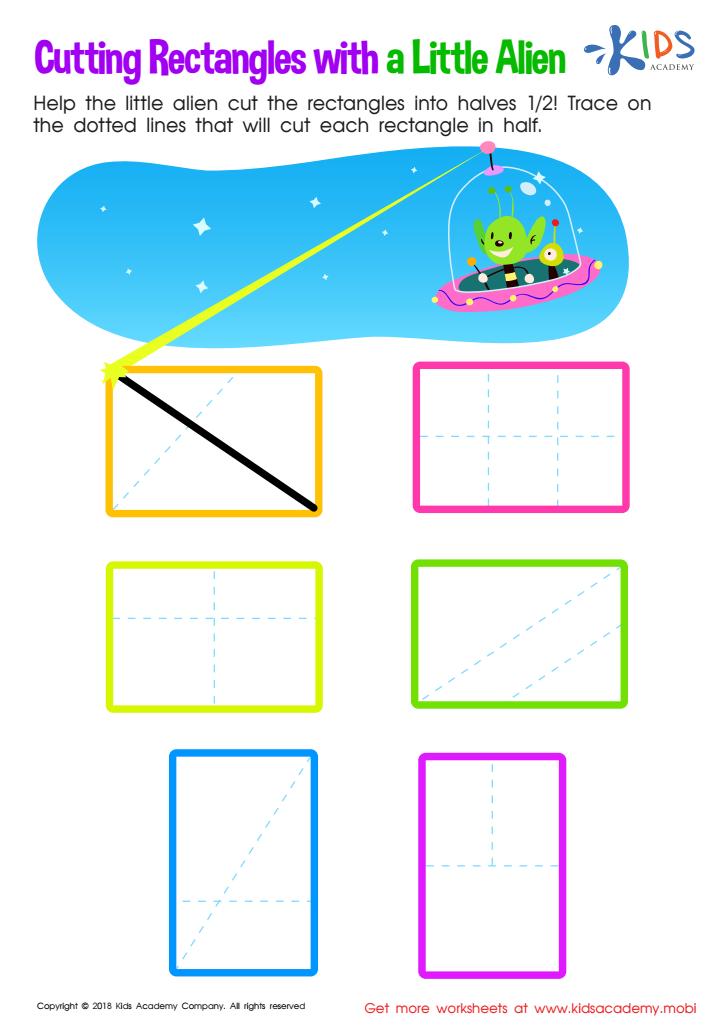
Cutting Rectangles with Alien Worksheet
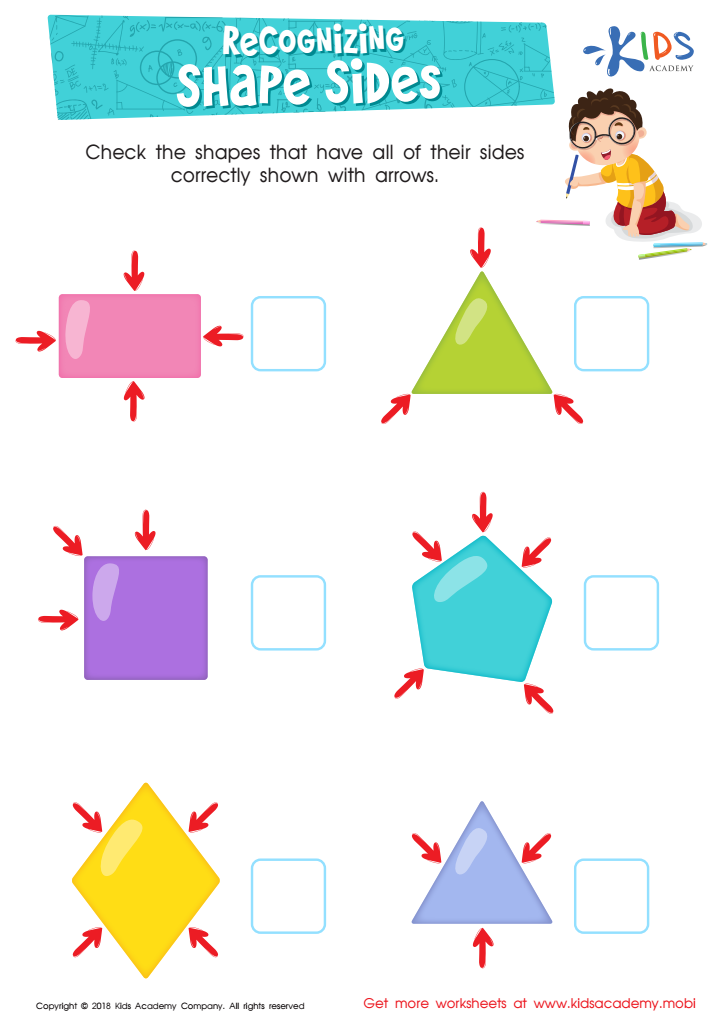
Recognizing Shape Sides Worksheet
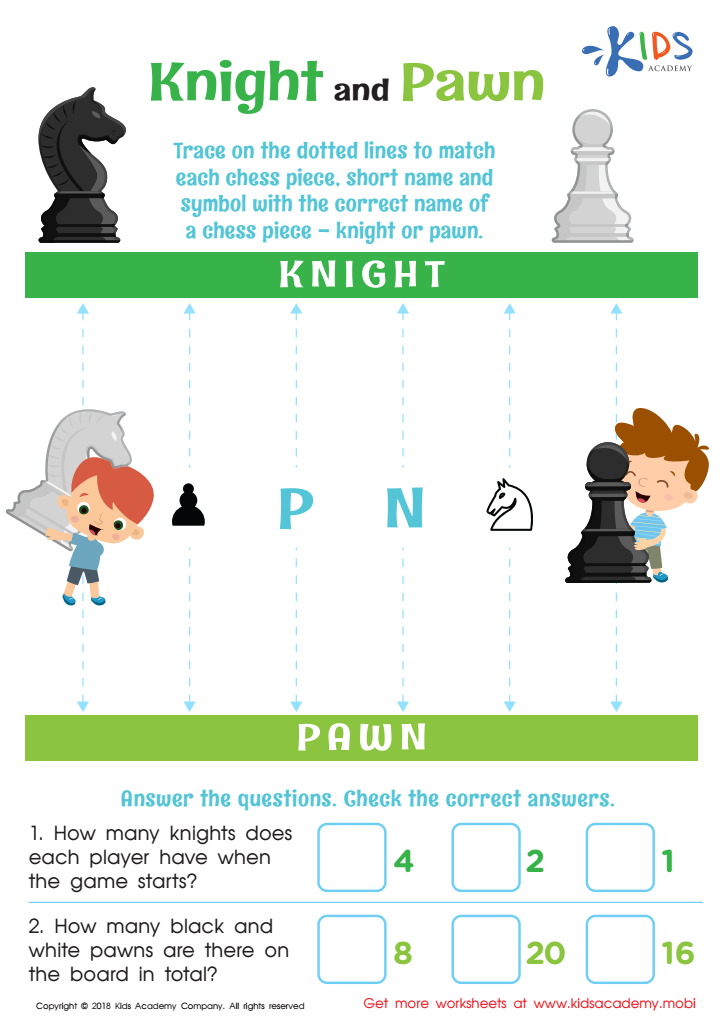
Knight and Pawn Worksheet
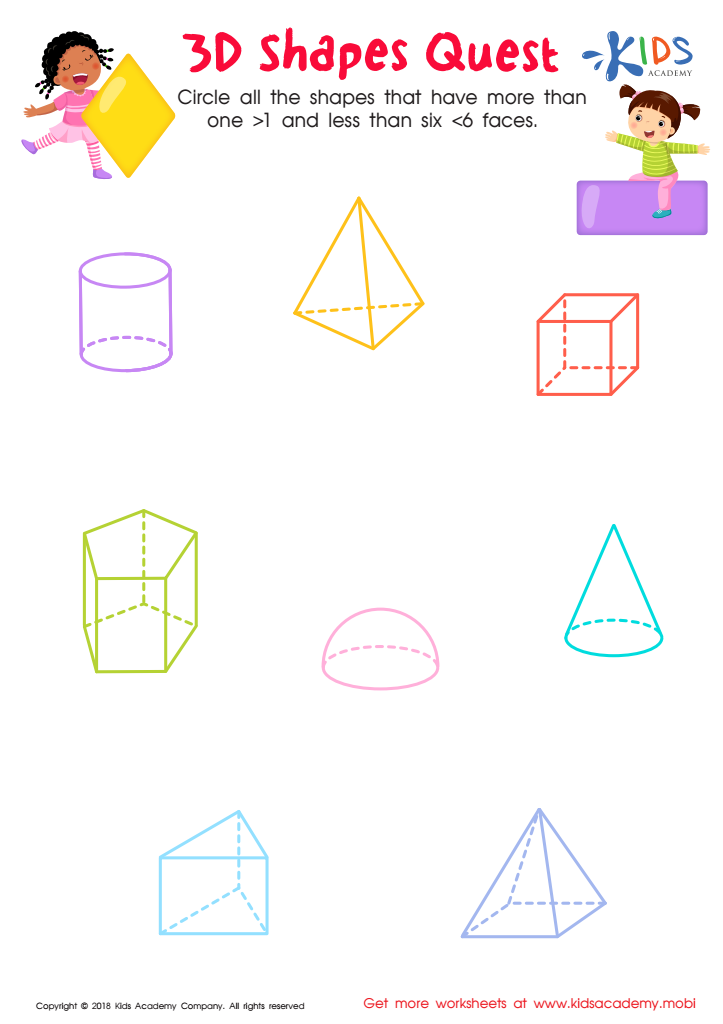
3D Shapes Quest Worksheet
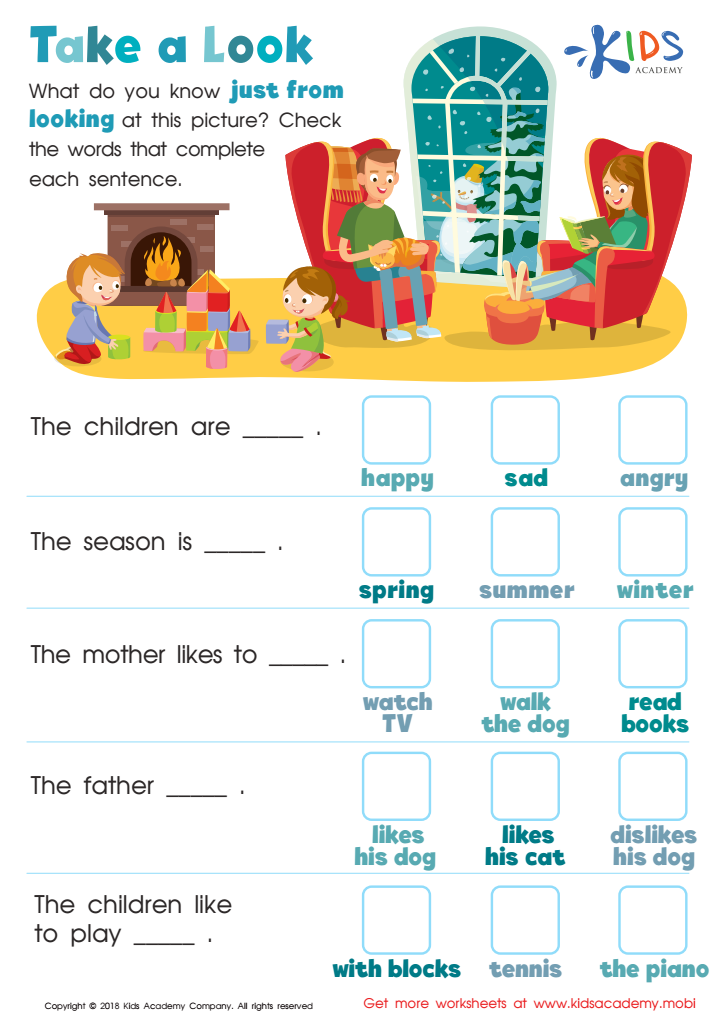
Take a Look - Part 1 Worksheet
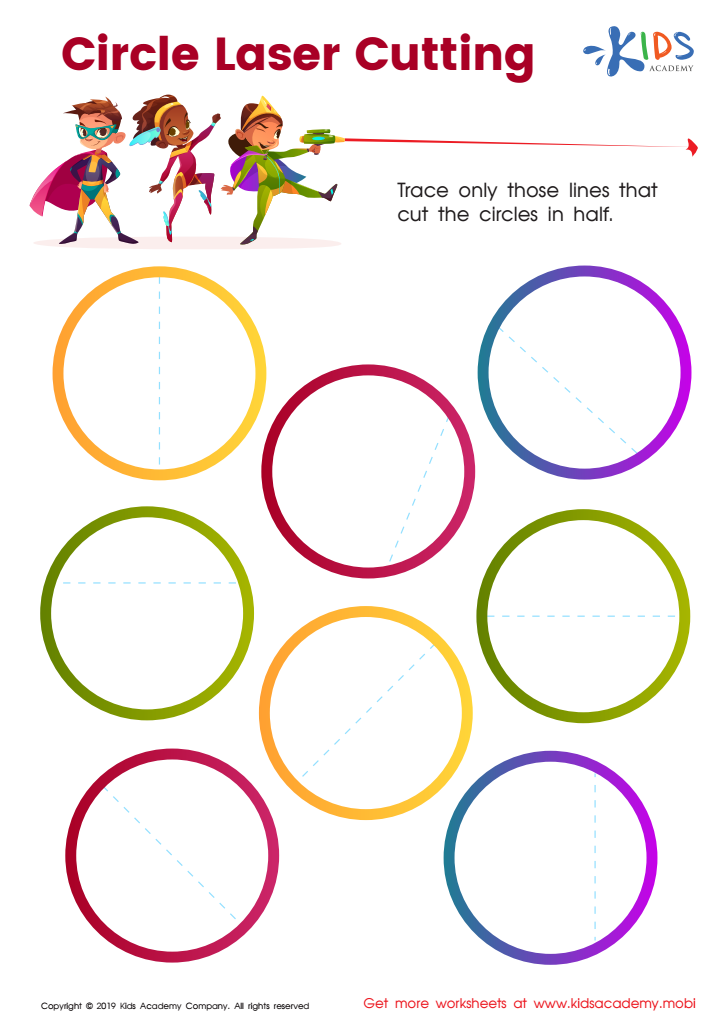
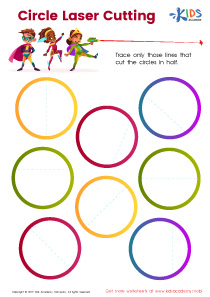
Circle Laser Cutting Worksheet







Shape recognition is a fundamental cognitive skill developed in early childhood, and it plays a crucial role for Grade 2 students in both academic and practical aspects of their lives. Parents and teachers should prioritize this area because it builds the basis for more complex math concepts like geometry, spatial reasoning, and pattern recognition, which are integral to the Grade 2 curriculum. Understanding shapes helps children classify and organize visual information, facilitating better problem-solving skills.
Moreover, shape recognition enhances a child's ability to understand and interpret the world around them. For instance, knowing different shapes enables students to recognize letters and numbers, contributing significantly to their reading and writing skills. This understanding fosters early literacy competencies, which are essential for academic progression.
In practical terms, shape recognition is crucial for everyday tasks such as identifying traffic signs, following instructions in DIY projects, or sorting objects. Mentally visualizing and manipulating shapes can impact children's abilities in art, music, and even physical activities, as these tasks often require a keen sense of space and form. Thus, robust shape recognition skills engender confidence and readiness for learning across varied domains, underscoring its importance for student success in Grade 2 and beyond.