Vocabulary expansion Normal Grade 2 Reading Worksheets - Page 2
29 filtered results
-
From - To
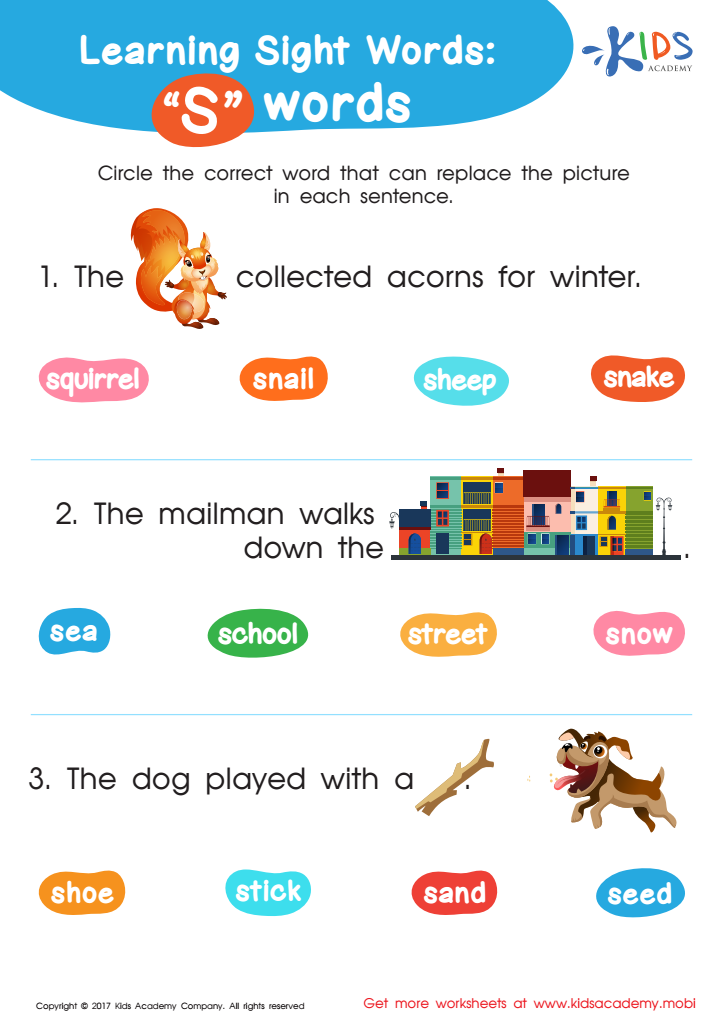
S Words Sight Words Worksheet
 Assign to My Students
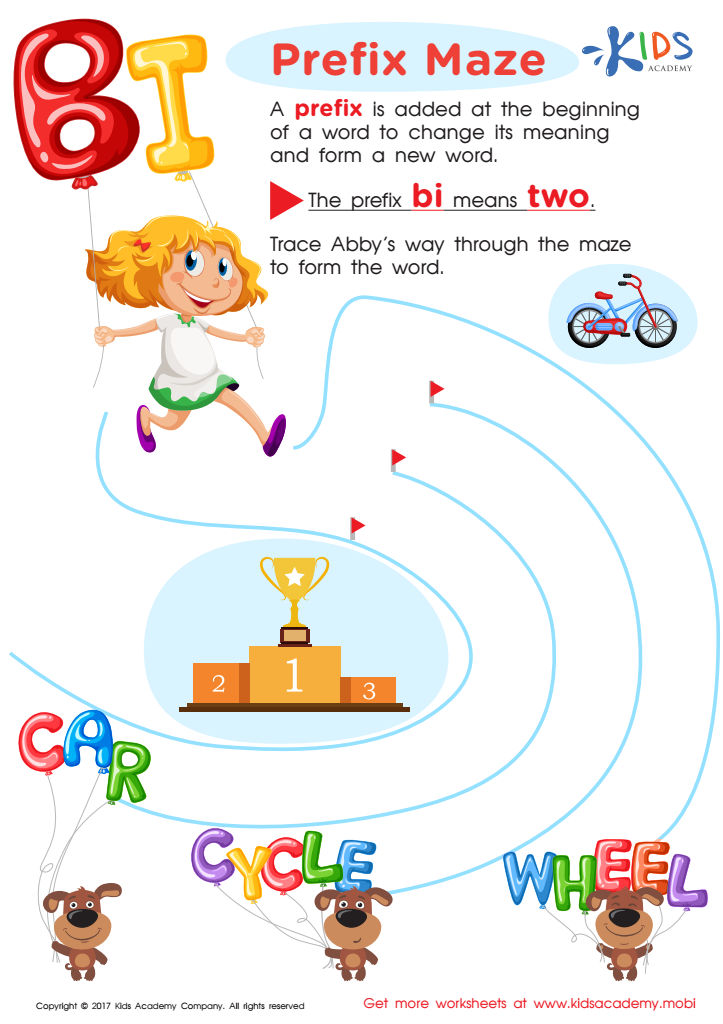
Prefix Bi Words Worksheet
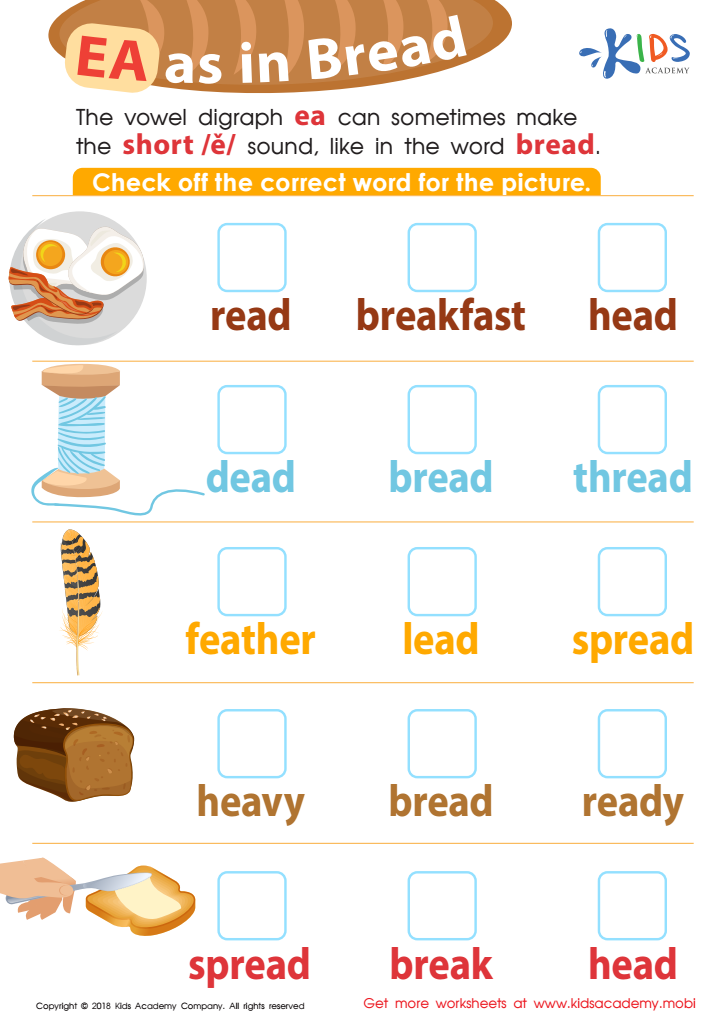
Reading: EA as in Bread Worksheet
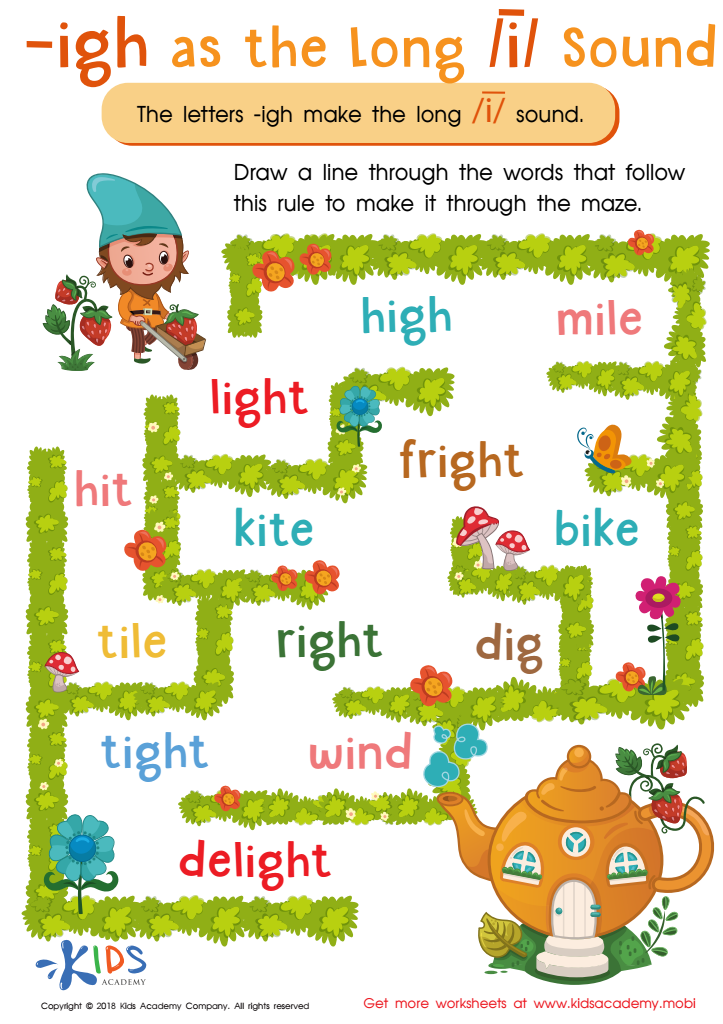
Reading: IGH as Long I Worksheet
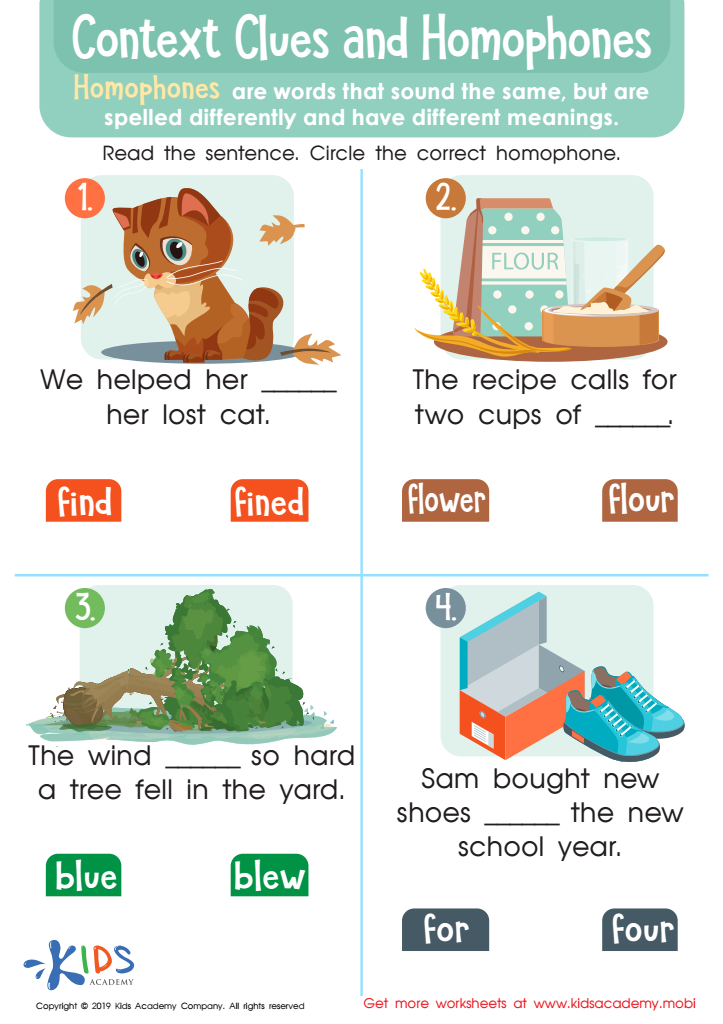
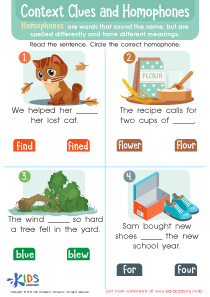
Context Clues and Homophones Worksheet






Vocabulary expansion is crucial for Grade 2 students as it lays the foundation for their overall literacy, academic achievement, and communication skills. At this stage, children encounter more complex texts, and a robust vocabulary enhances comprehension, allowing them to understand and enjoy reading more fully. When vocabulary is enriched, students can express their thoughts more clearly and articulate their ideas during discussions, boosting their confidence in both academic and social settings.
For parents and teachers, fostering vocabulary growth is essential because it encourages a lifelong love of reading and learning. Engaging students with diverse words through read-alouds, conversations, and word games can inspire curiosity and critical thinking. This investment in vocabulary also aids in their ability to decode, analyze, and discuss various subjects they encounter in future grades.
Moreover, a strong vocabulary correlates with better performance on standardized tests and assessments, which can affect future educational opportunities. Thus, prioritizing vocabulary expansion in Grade 2 not only equips children with the tools necessary for academic success but also empowers them to navigate the world around them effectively. In this pivotal time of language development, parents and teachers play an instrumental role in ensuring students thrive linguistically and cognitively.