Color recognition Normal Grade 3 Worksheets
17 filtered results
-
From - To
Enhance your Grade 3 students' learning experience with our engaging Color Recognition Worksheets! Designed to support young learners, these printable resources provide a fun and interactive way to master color identification and differentiation. Featuring a variety of activities such as coloring, matching, and sorting, these worksheets cater to diverse learning styles while reinforcing essential skills. Ideal for both classroom settings and at-home practice, our Color Recognition Worksheets help children understand the importance of color in their environment. Foster creativity and critical thinking in your students with these vibrant and educational materials—perfect for parents and teachers alike!
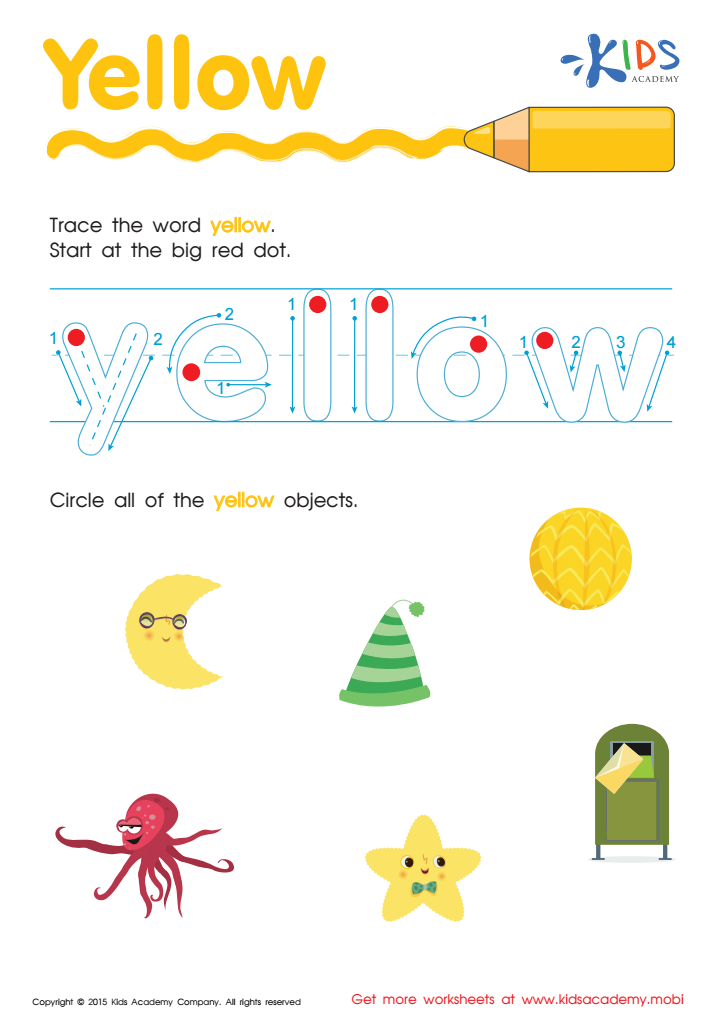
Yellow Tracing Color Words Worksheet
Twinkle Twinkle Little Star Coloring Page
 Assign to My Students
In The Garden Coloring Page
Assign to My Students
Paleontology Coloring Page Worksheet
Assign to My Students
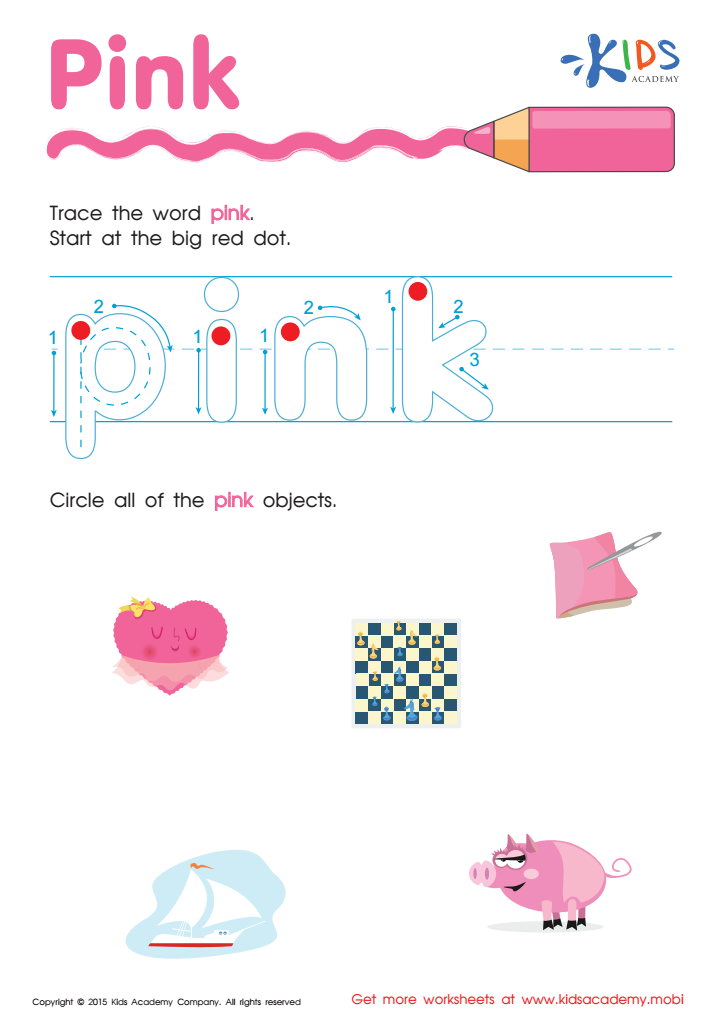
Pink Tracing Color Words Worksheet
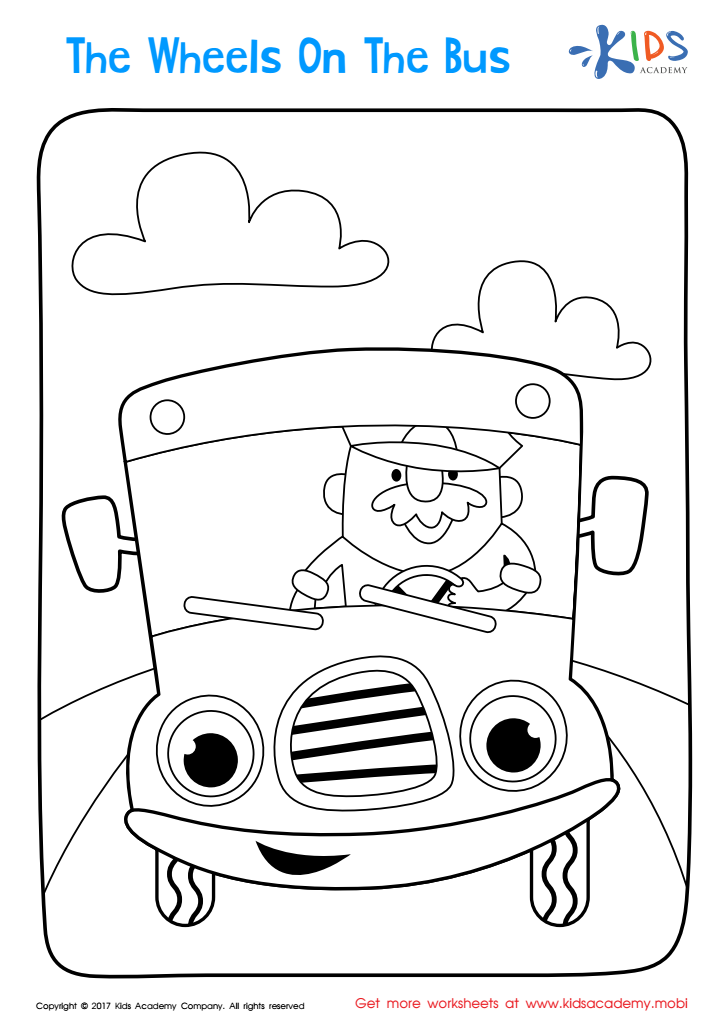
The Wheels on the Bus Coloring Page
Assign to My Students
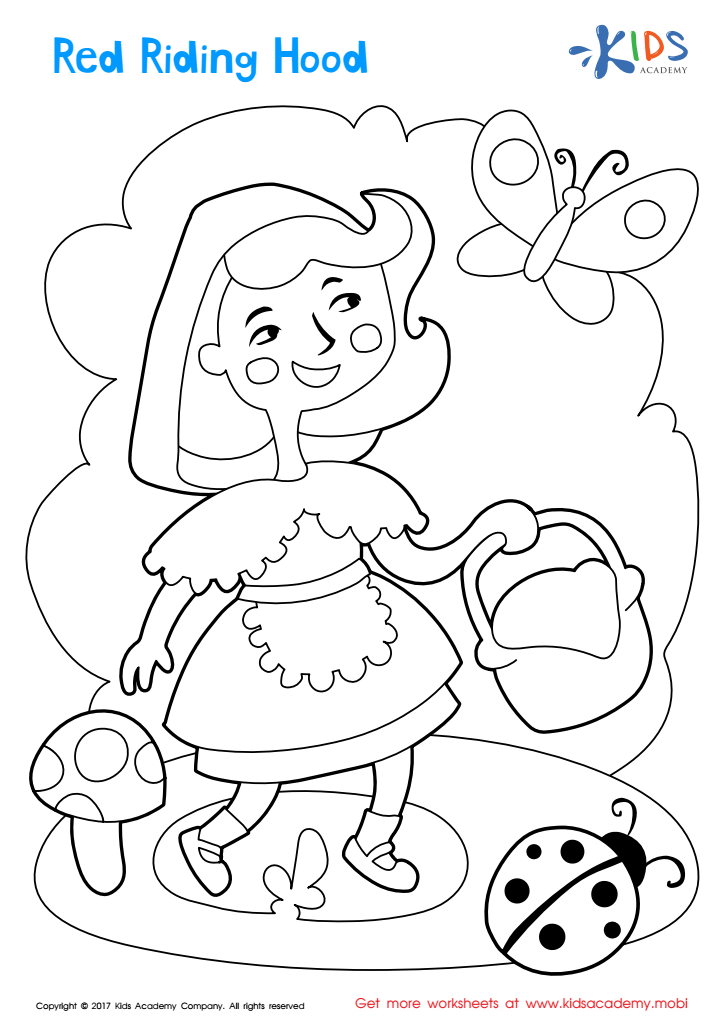
Red Riding Hood Coloring Page
Assign to My Students
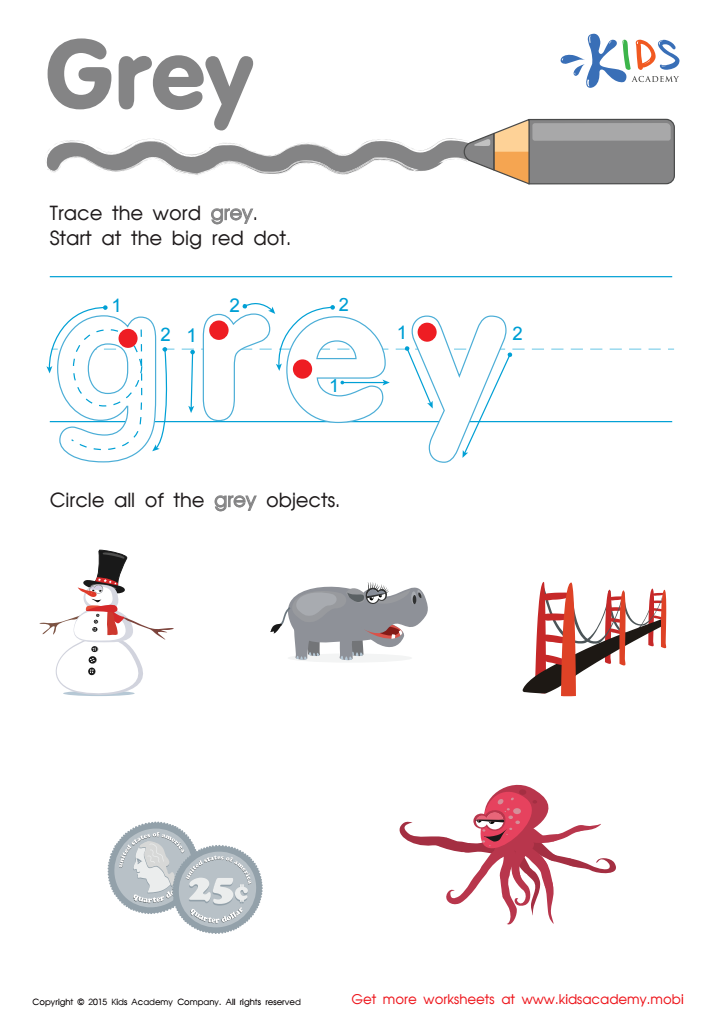
Grey Tracing Color Words Worksheet
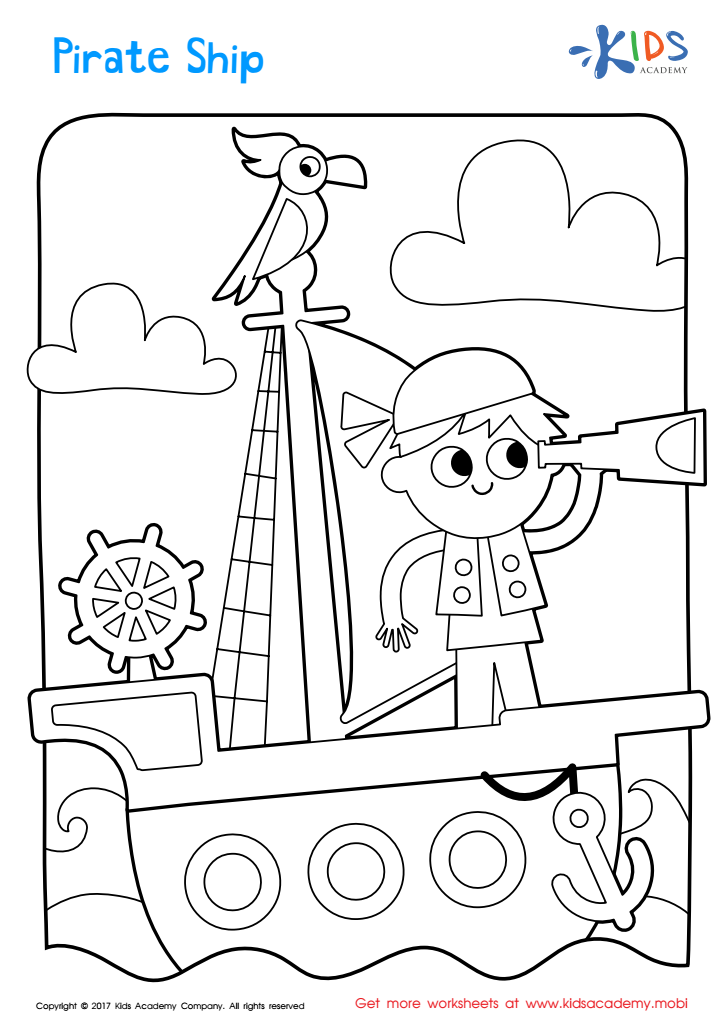
Pirate Ship Coloring Page
Assign to My Students
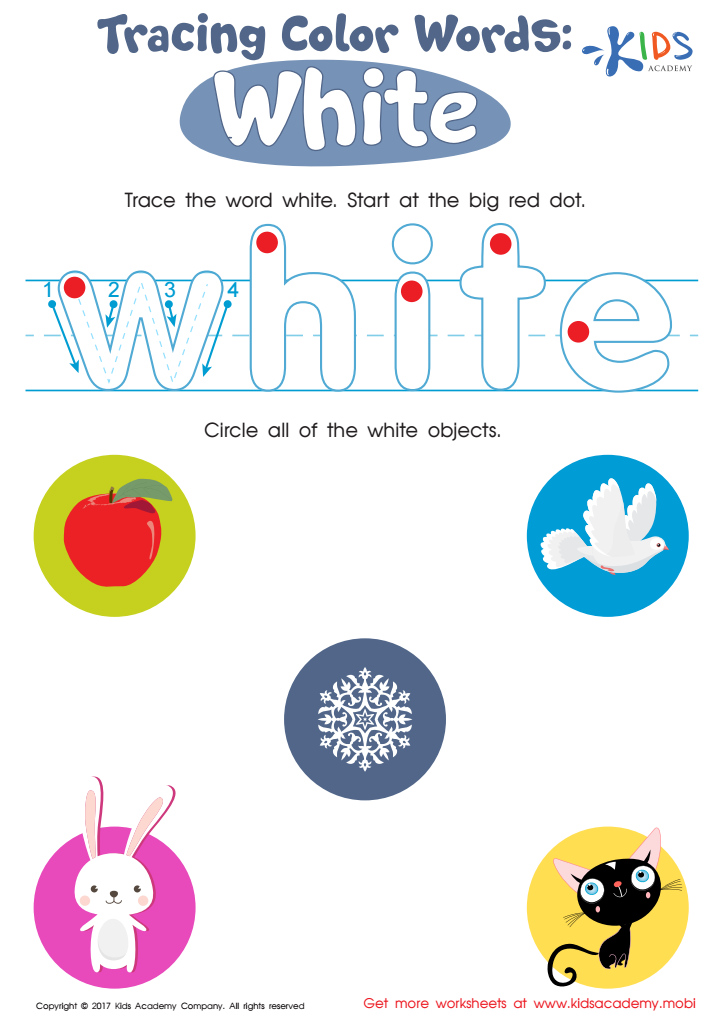
White Tracing Color Words Worksheet
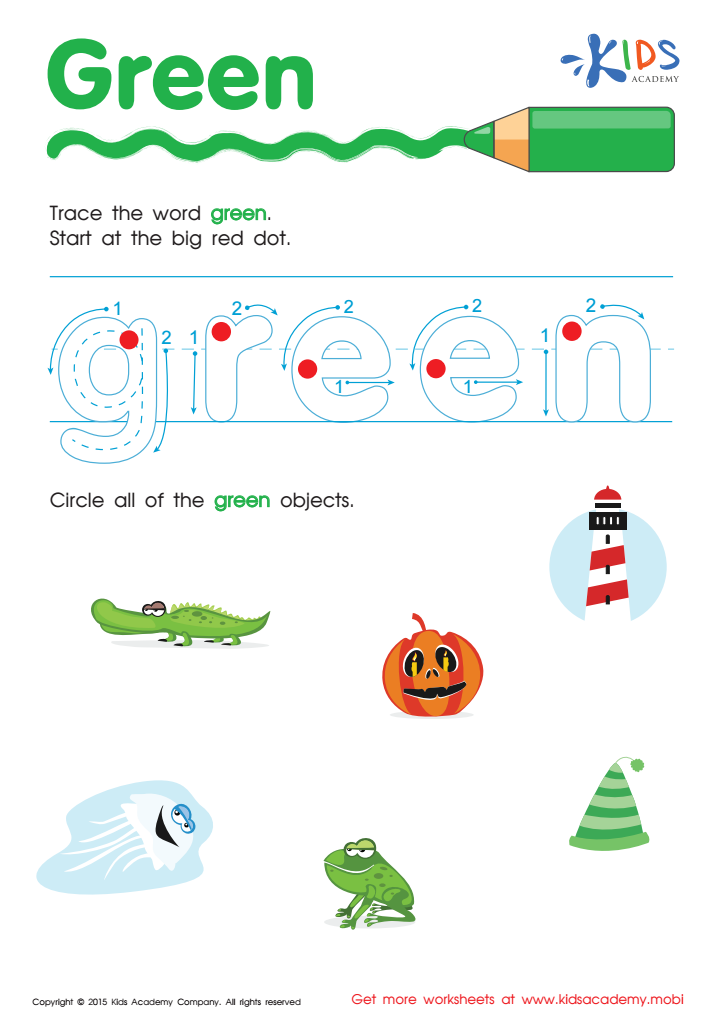
Green Tracing Color Words Worksheet
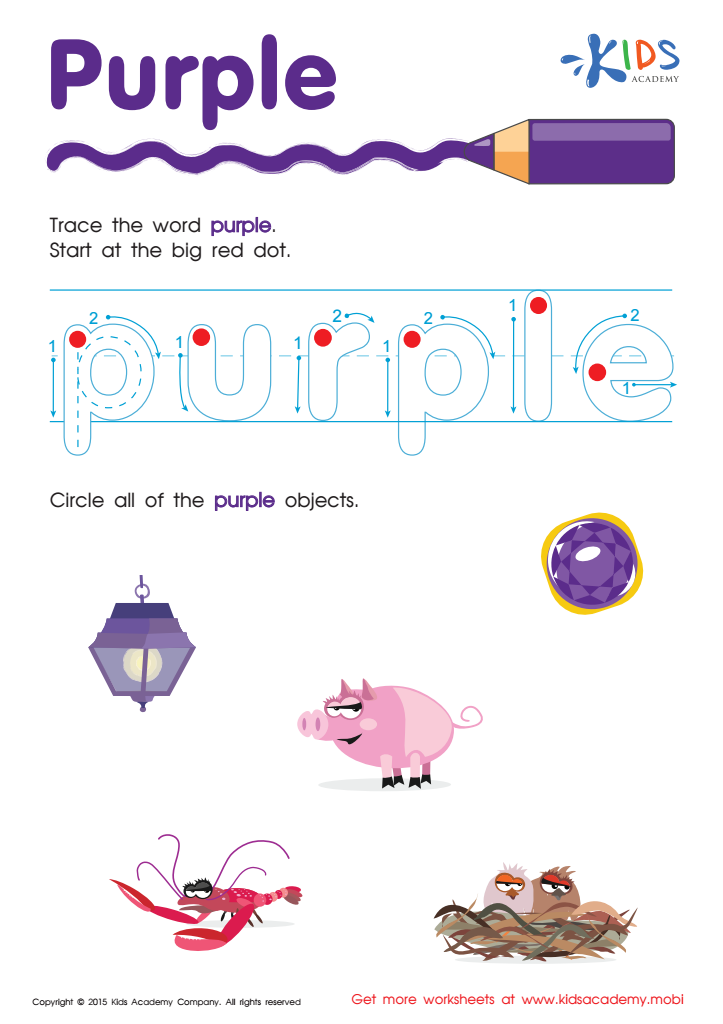
Purple Tracing Color Words Worksheet
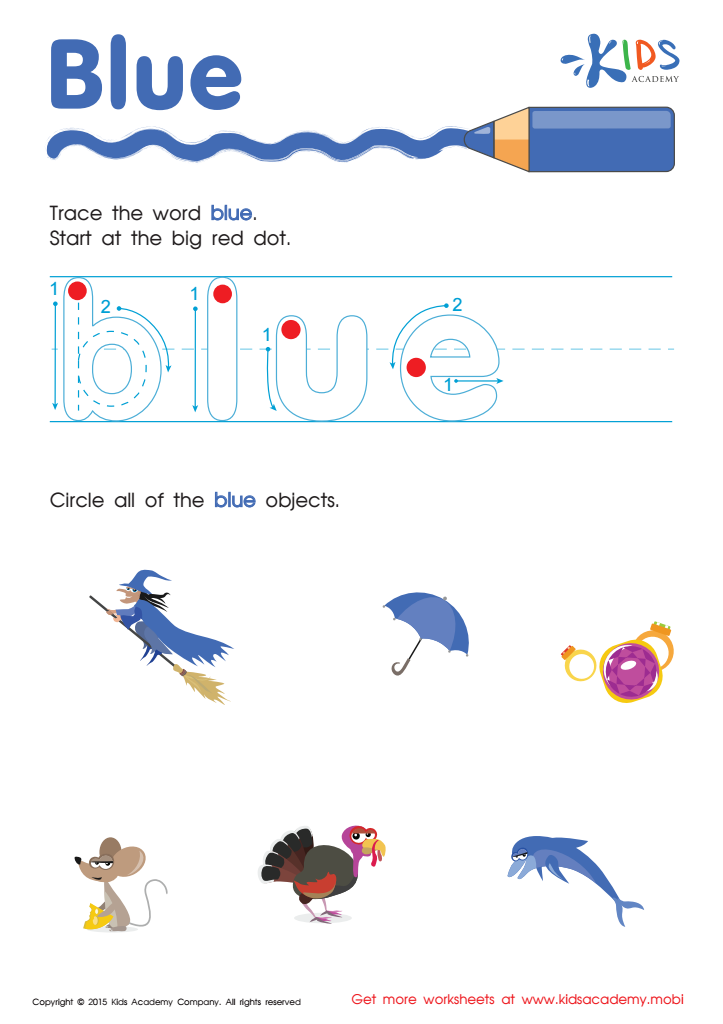
Blue Tracing Color Words Printable
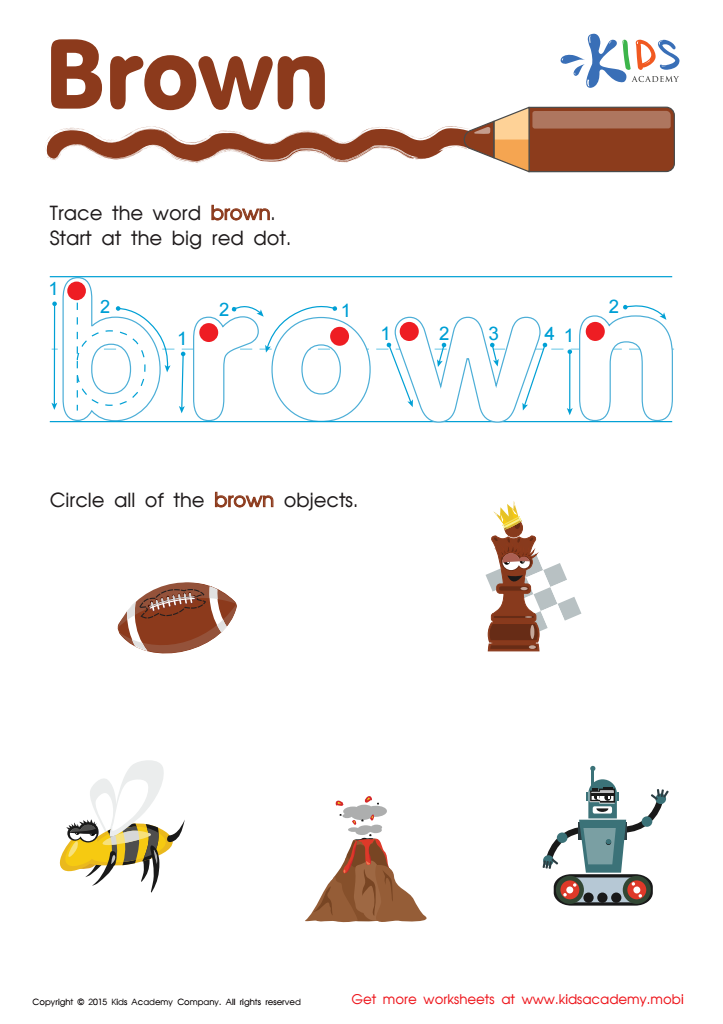
Brown Tracing Color Words Worksheet
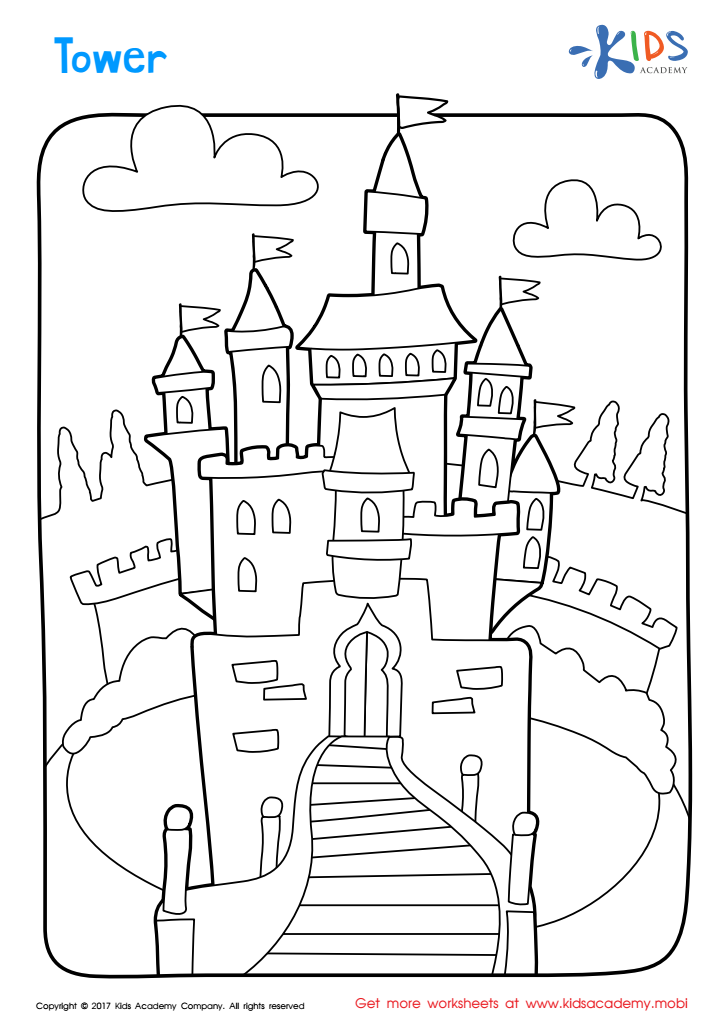
Tower Coloring Page
Assign to My Students
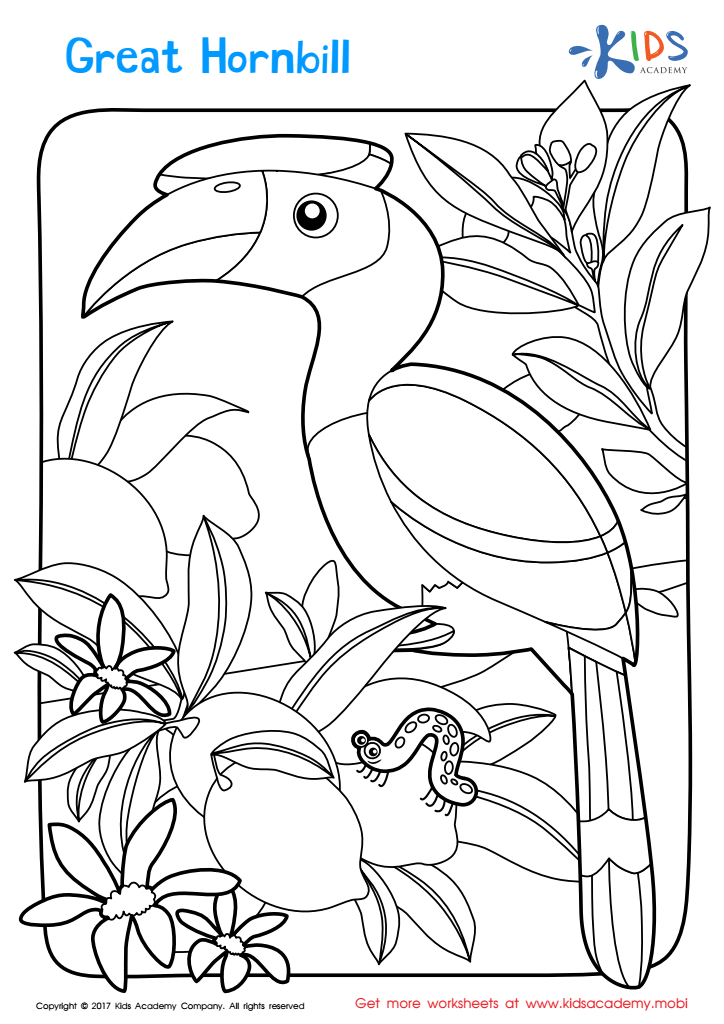
Great Hornbill Worksheet
Assign to My Students
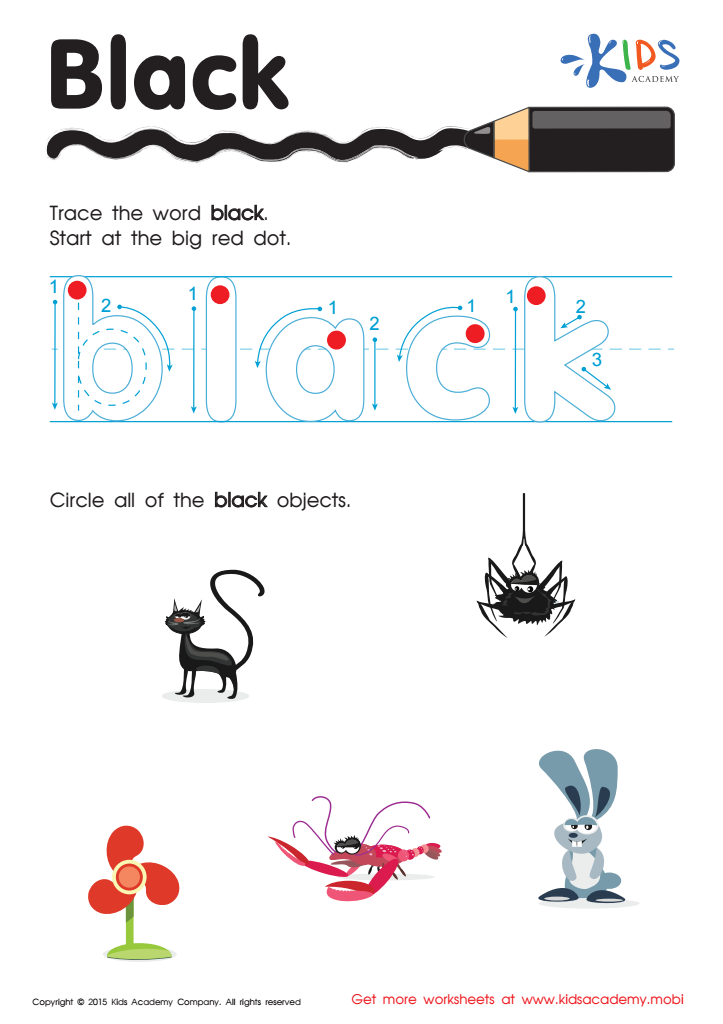
Black Tracing Color Words Printable








Color recognition is a fundamental skill that plays a vital role in a child's cognitive and emotional development, especially by Grade 3. Understanding colors not only enhances a child's ability to communicate and express themselves but also supports their learning across various subjects. For parents and teachers, fostering color recognition helps in developing critical thinking and creativity. By interacting with colors in their environment, children learn to categorize and differentiate, which lays the foundation for more complex problem-solving skills, such as sorting and classifying.
Moreover, color recognition is closely linked to broader educational subjects such as art, math, and language arts. For example, understanding colors is essential in art, where children explore their creativity, and in math, where they may use colors to understand graphs or patterns. From a social perspective, color can influence mood and feelings. Teachers and parents can leverage this understanding to create a positive learning atmosphere and help children express their emotions effectively.
Lastly, with advancements in technology and visual media, color recognition skills are increasingly important. Children must navigate these colorful environments confidently. Thus, prioritizing color recognition in learning is essential for holistic childhood development and ensuring children are well-prepared for future challenges.