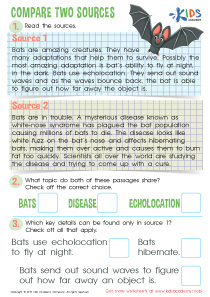
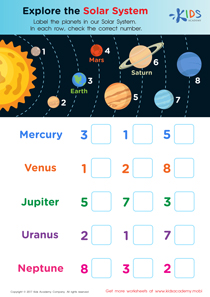
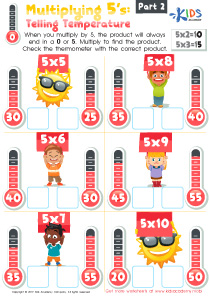
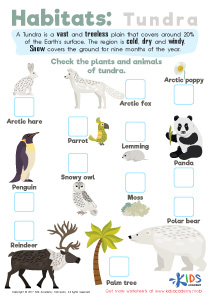
Enhance your third grader's scientific reasoning with our engaging Critical Thinking Normal Grade 3 Science Worksheets! Designed to stimulate inquisitive minds, these worksheets encourage students to analyze, evaluate, and apply their knowledge in fun and interactive ways. Your child will explore various topics, from ecosystems to basic experiments, while developing essential problem-solving skills. Each worksheet promotes critical thinking through thought-provoking questions and practical activities. Perfect for classroom or home use, these resources will foster a love for science and prepare young learners for future academic success. Browse our collection now and empower your child to think critically about the world around them!

Check out this FREE Grade 3 Trial Lesson on Science!

Multiplication Arrays

Favorites
With answer key
Interactive
  • Grade 3
  • Critical Thinking
  • Science
  • Normal
Amphibians vs Reptiles Worksheet for 3rd Grade

Amphibians vs Reptiles Worksheet for 3rd Grade

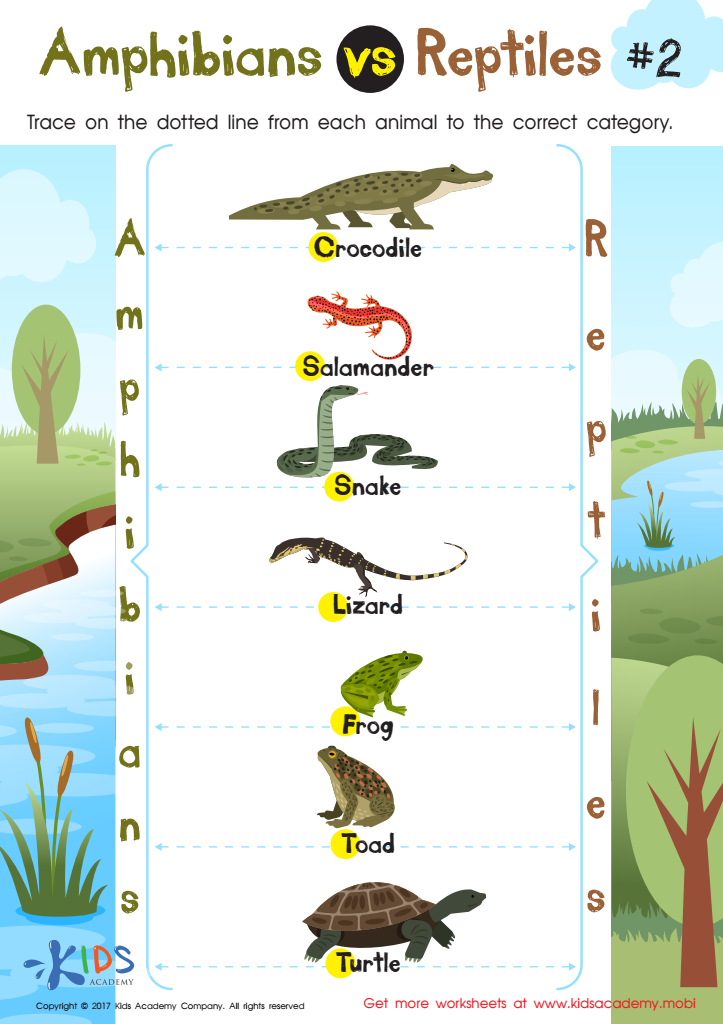
Let your 3rd grader challenge themselves and have fun by distinguishing between reptiles and amphibians. With this cool worksheet, they'll explore vivid pictures and learn about these fascinating creatures!
Amphibians vs Reptiles Worksheet for 3rd Grade
Worksheet
Studying Fossils Worksheet

Studying Fossils Worksheet

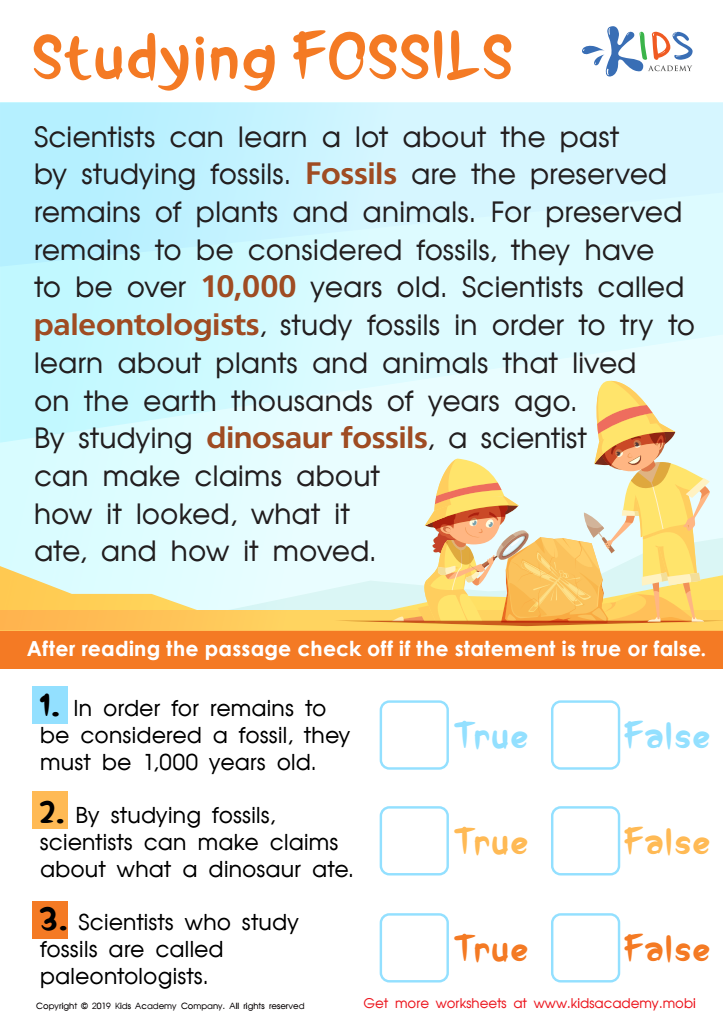
Fossils captivate children! It's no wonder why; when we learn about them, we are getting a glimpse into history and uncovering old mysteries! With this free download, kids will understand what a paleontologist is and how they use fossils to learn about long-gone plants and animals. They'll discover that old bones are priceless and that exploring ancient history can be exciting!
Studying Fossils Worksheet
Worksheet
Thomas Edison’s Invention Arrays Worksheet

Thomas Edison’s Invention Arrays Worksheet

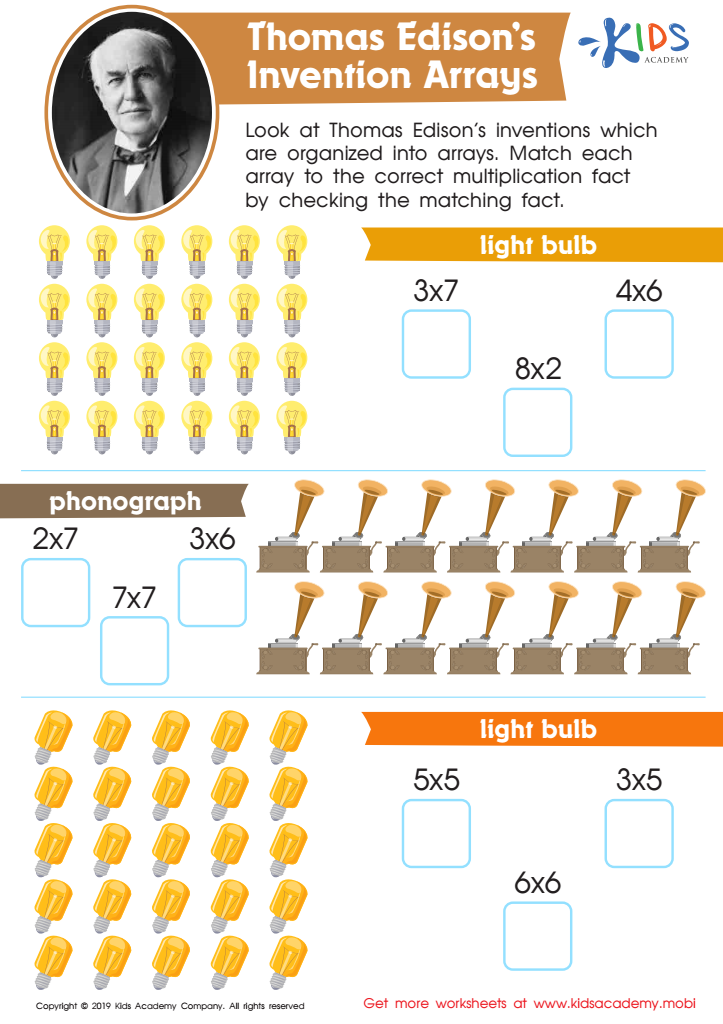
Test your students' knowledge on history by asking them what Thomas Edison invented. If they get the right answer, provide more information on other inventors. Check out this printout of Edison's light bulb inventions laid out in arrays. Get them to match each array to the correct multiplication fact.
Thomas Edison’s Invention Arrays Worksheet
Worksheet
Mountain Animals Worksheet
Mountain Animals Worksheet

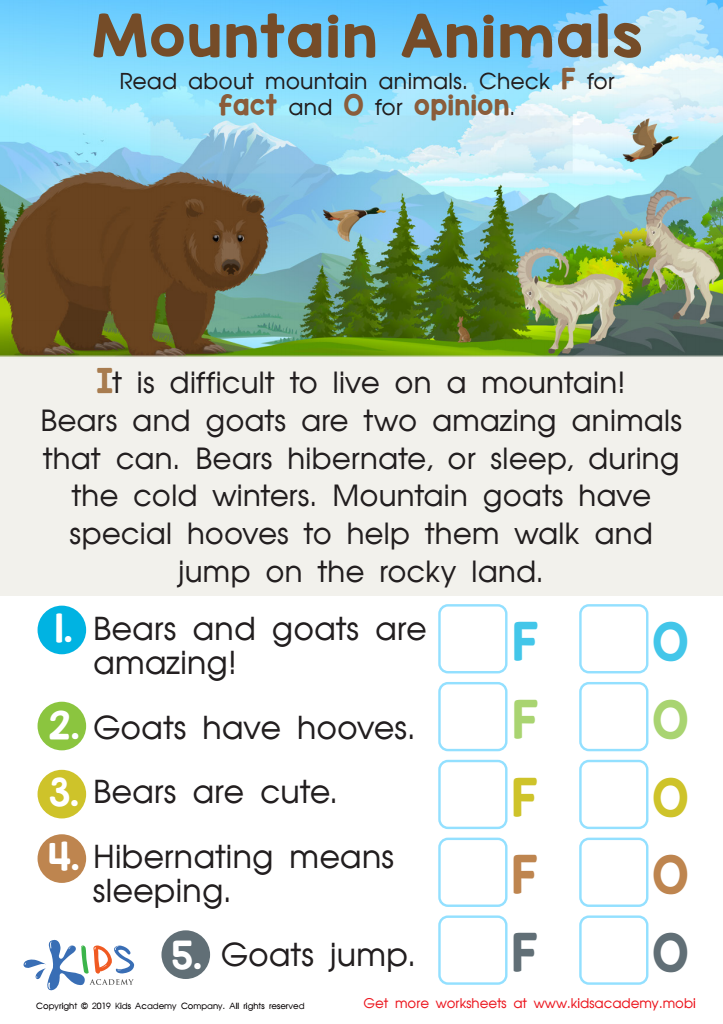
Is mountain wildlife amazing? Fact or fiction? Help your child sharpen critical-thinking skills with this engaging worksheet. Featuring a fun nonfiction passage about animals like bears and goats, your child will read through the text and identify each statement as fact or fiction. Perfect for boosting reading comprehension and analytical abilities!
Mountain Animals Worksheet
Worksheet
Divide up the Garden Worksheet

Divide up the Garden Worksheet

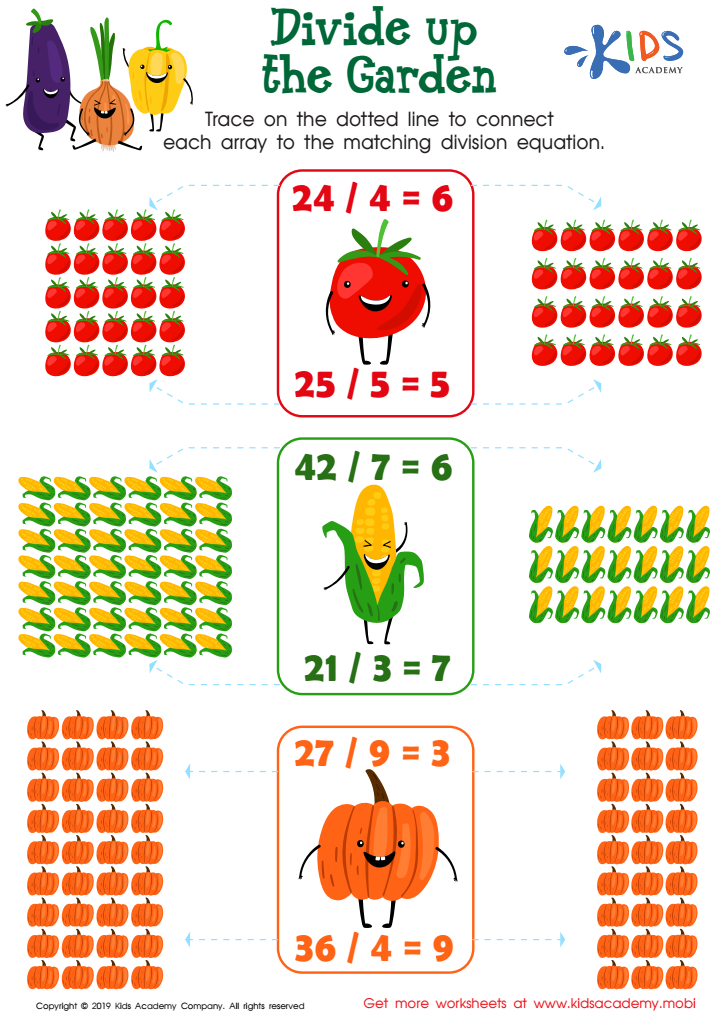
Dividing is simply grouping items into equal sets. This worksheet helps kids see division problems in array form. They'll match each equation with a picture group, using the lines provided. It's a great way for beginners to understand division more concretely.
Divide up the Garden Worksheet
Worksheet
Animal Extinction Worksheet


Animal Extinction Worksheet

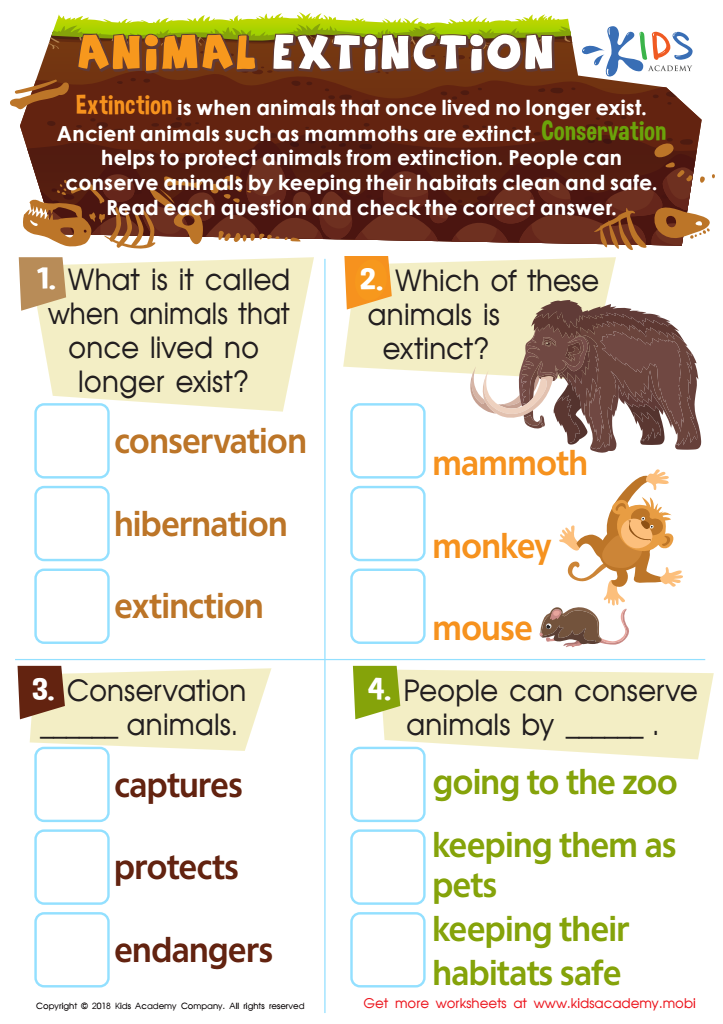
Children can learn how their actions can help endangered animals with this free PDF worksheet. It explains extinction, looks at the mammoth as an example, and poses questions about conservation. Keeping habitats clean and safe is key to protecting animals and keeping them abundant. Learning about this now can make a huge difference for future generations.
Animal Extinction Worksheet
Worksheet


Critical thinking in Grade 3 science is essential as it lays the foundation for effective problem-solving, analytical reasoning, and decision-making in young learners. At this age, children are naturally curious, and fostering critical thinking encourages them to ask questions, explore, and make connections between concepts. Engaging in scientific inquiry promotes not just memorization of facts, but deeper understanding of the world around them.

Parents and teachers should care about this skill because it empowers students to move beyond surface-level learning. By challenging them to analyze data, form hypotheses, and draw conclusions, they develop a mindset that values evidence-based reasoning. These skills are crucial for navigating future academic pursuits and everyday life situations.

Moreover, incorporating critical thinking in science encourages collaboration and communication among peers, enhancing social skills. It prepares children to become informed citizens who can think critically about societal issues, thus playing a vital role in fostering a generation capable of addressing complex challenges. In a rapidly changing world, the ability to evaluate information critically and make thoughtful decisions is indispensable. Supporting critical thinking in Grade 3 science not only enriches students’ educational experiences but also equips them with essential skills for their future.