Tracing Letters worksheets activities for Ages 4-7
57 filtered results
-
From - To
Welcome to our engaging Tracing Letters Worksheets designed for children ages 4-7! These interactive activities aim to enhance fine motor skills and letter recognition through fun, hands-on learning. Each worksheet features beautifully illustrated letters that children can trace, helping them understand proper letter formation while developing confidence in their writing abilities. Perfect for preschool and early grade teachers, our worksheets cater to different learning styles and can easily be integrated into your classroom or home activity schedule. Explore our diverse collection of neatly organized tracing worksheets, and watch your child’s handwriting flourish as they embark on this exciting learning journey!
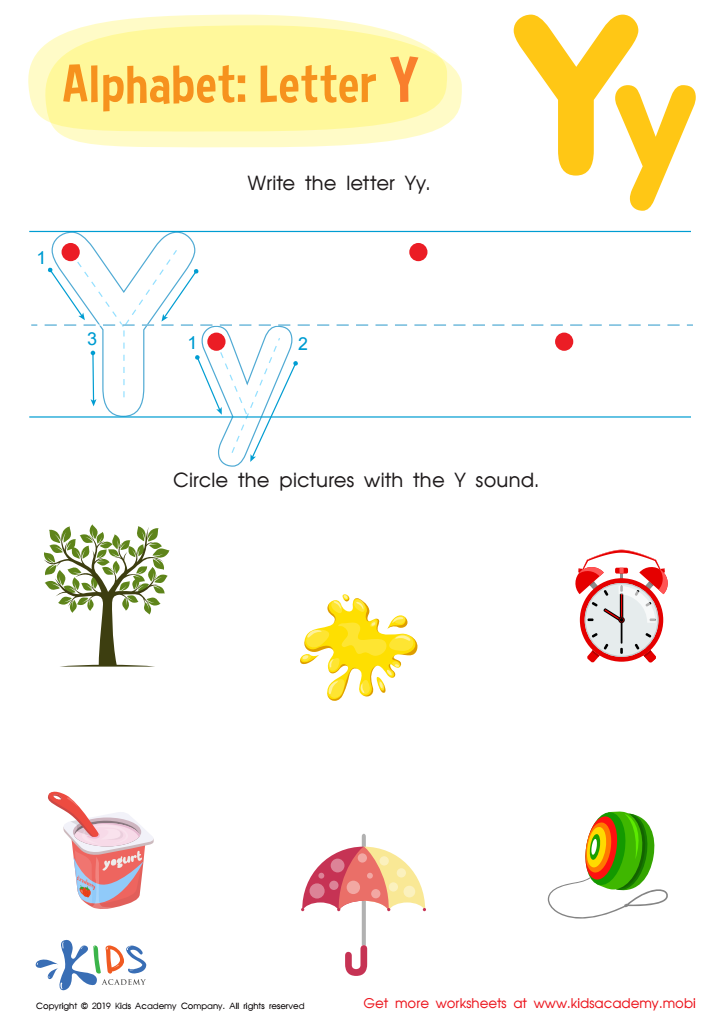
Letter Y Tracing Worksheet
 Assign to My Students
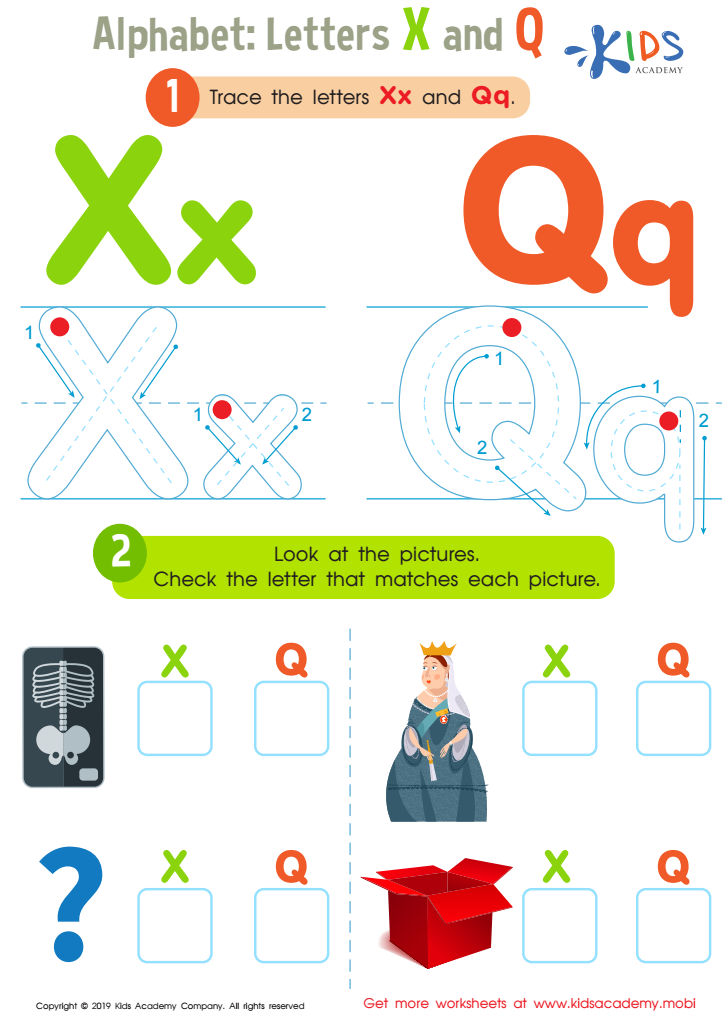
Letters X and Q Tracing Worksheet
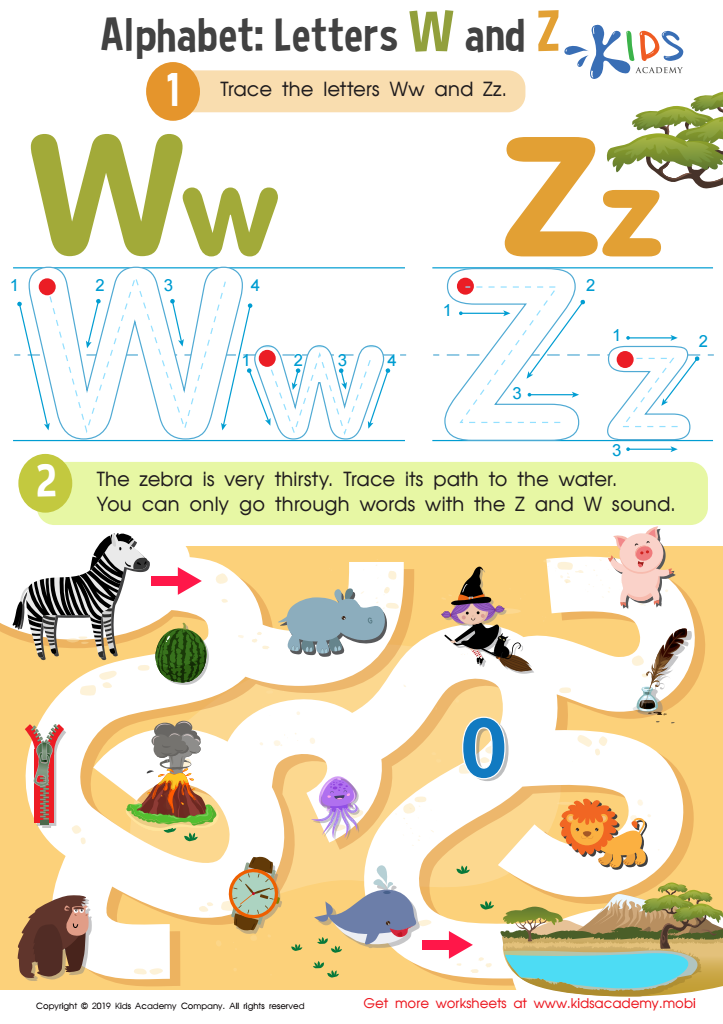
Letters W and Z Tracing Worksheet
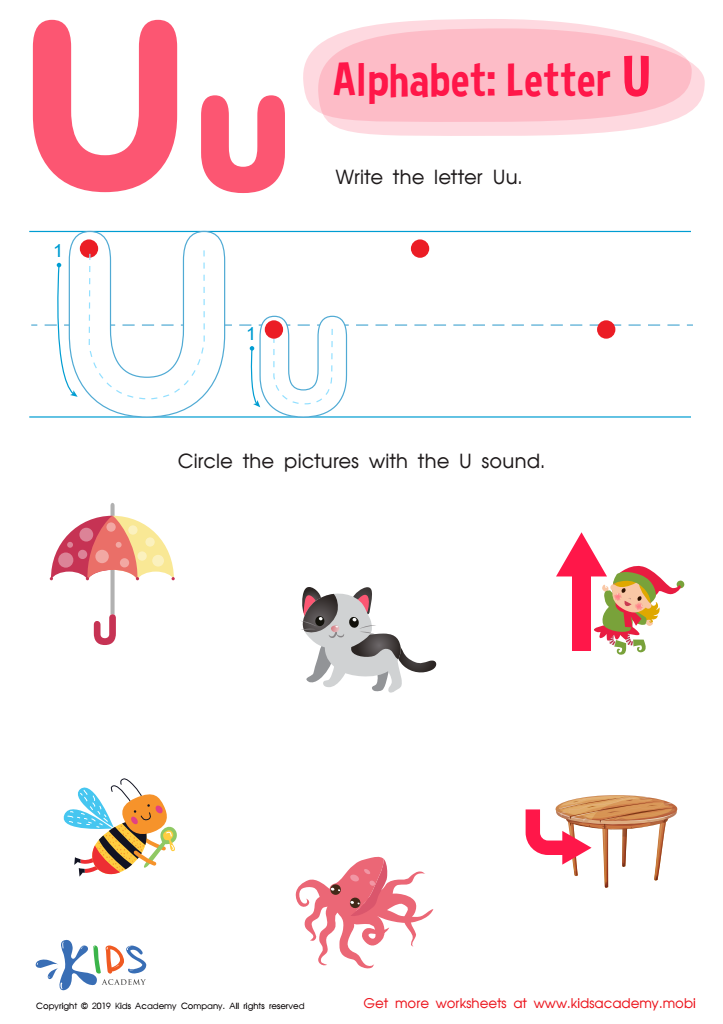
Letter U Tracing Worksheet
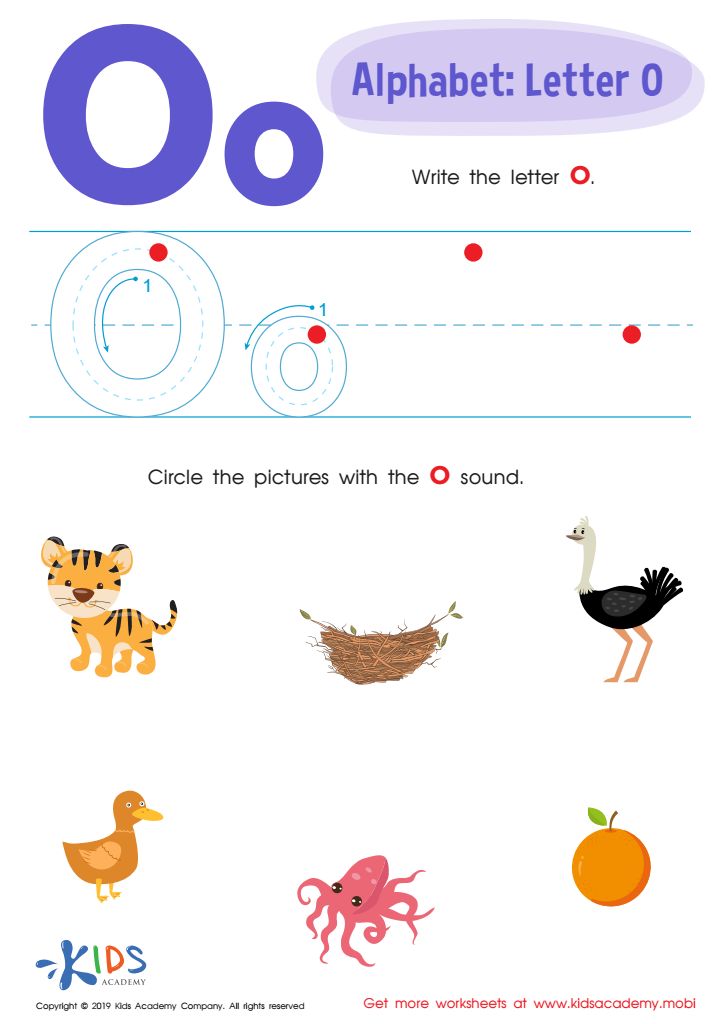
Letter O Tracing Worksheet
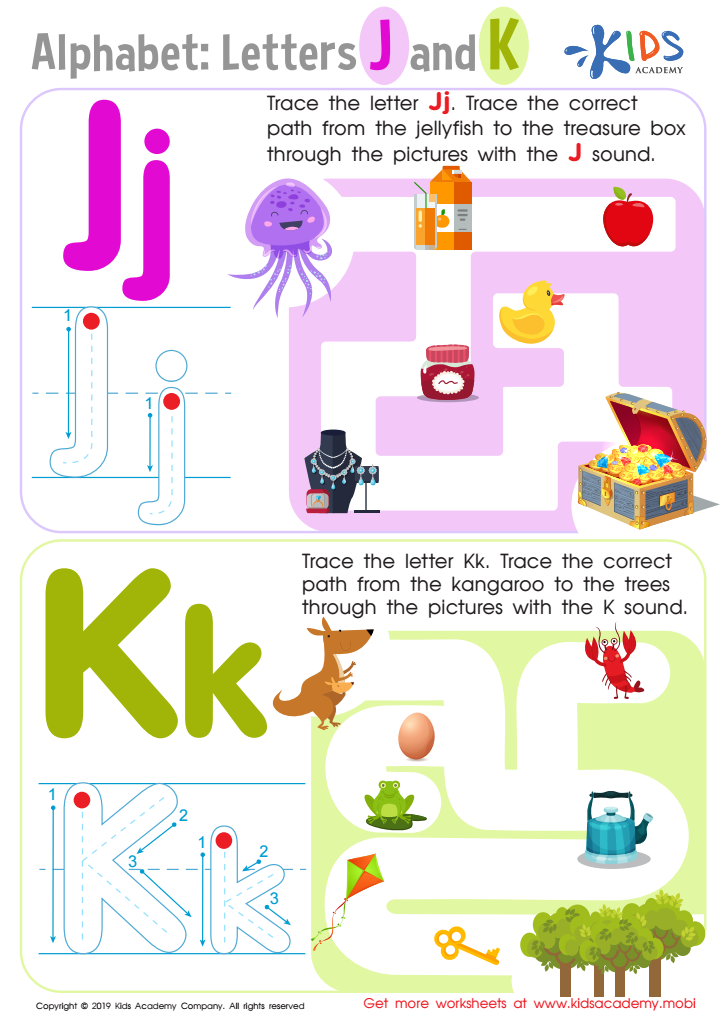
Letters J and K Tracing Worksheet
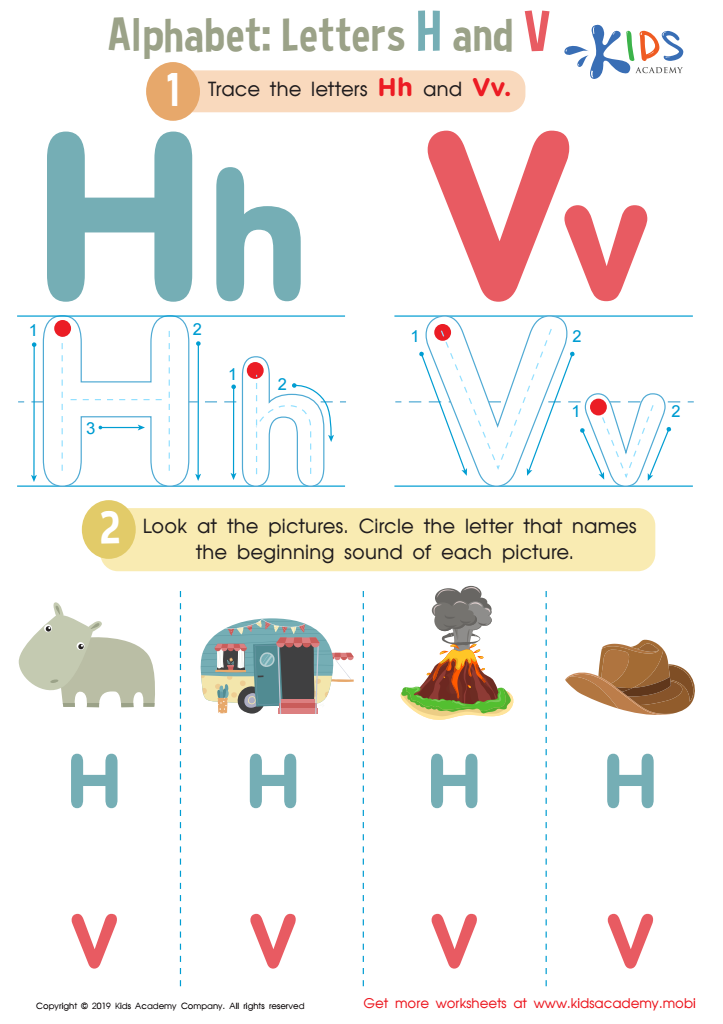
Letters H and V Tracing Worksheet
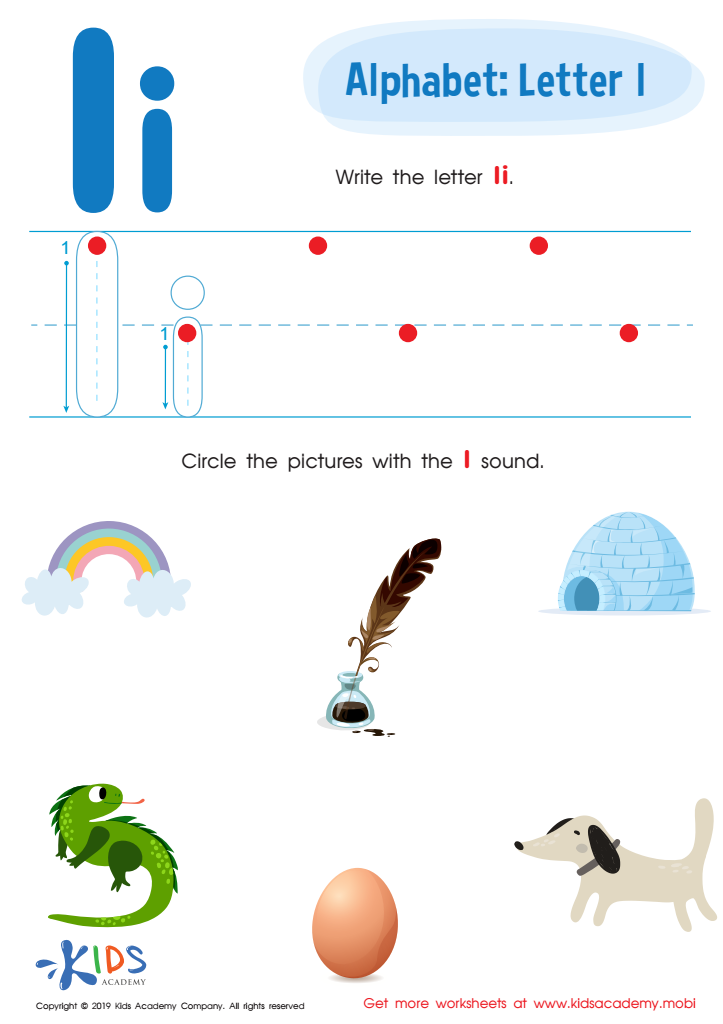
Letter I Tracing Worksheet
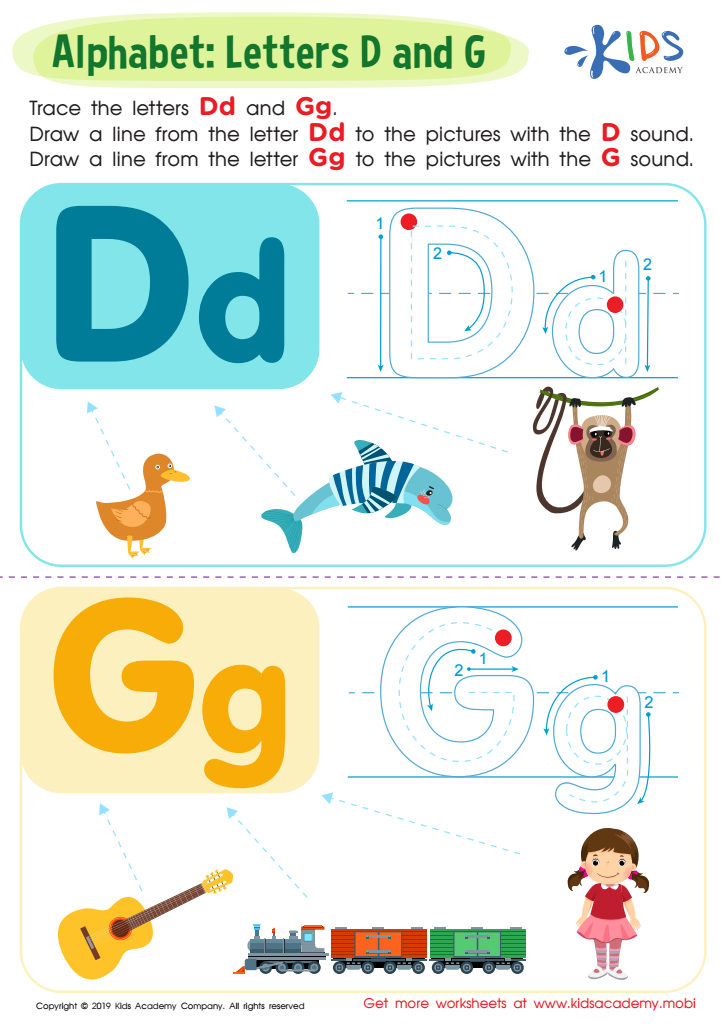
Letter D and G Tracing Worksheet
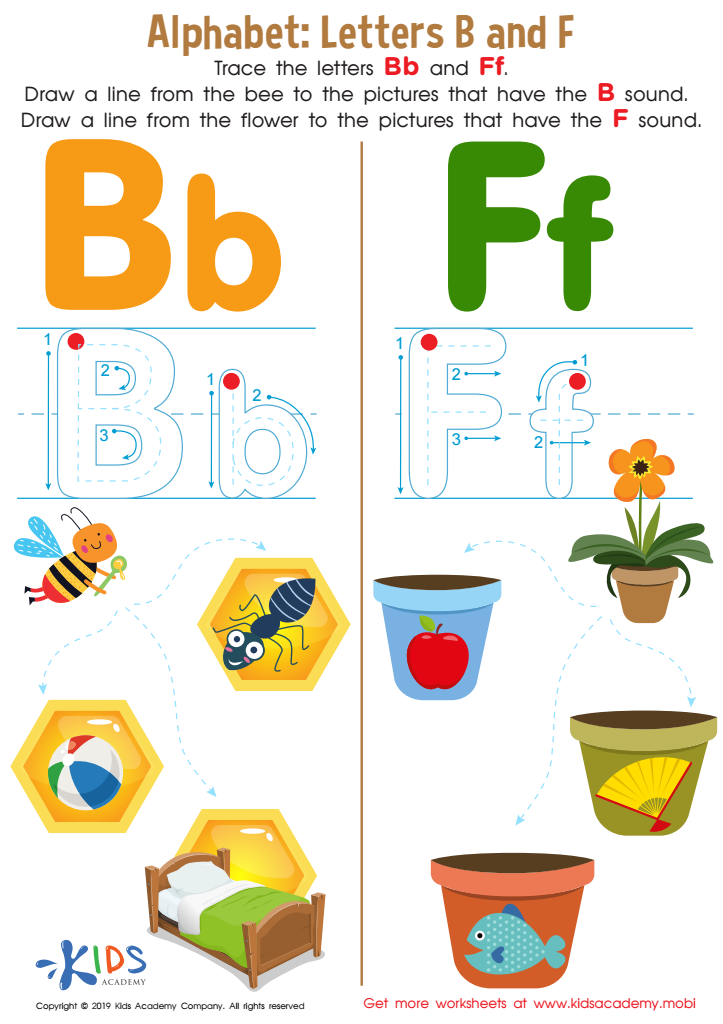
Letters B and F Tracing Worksheet
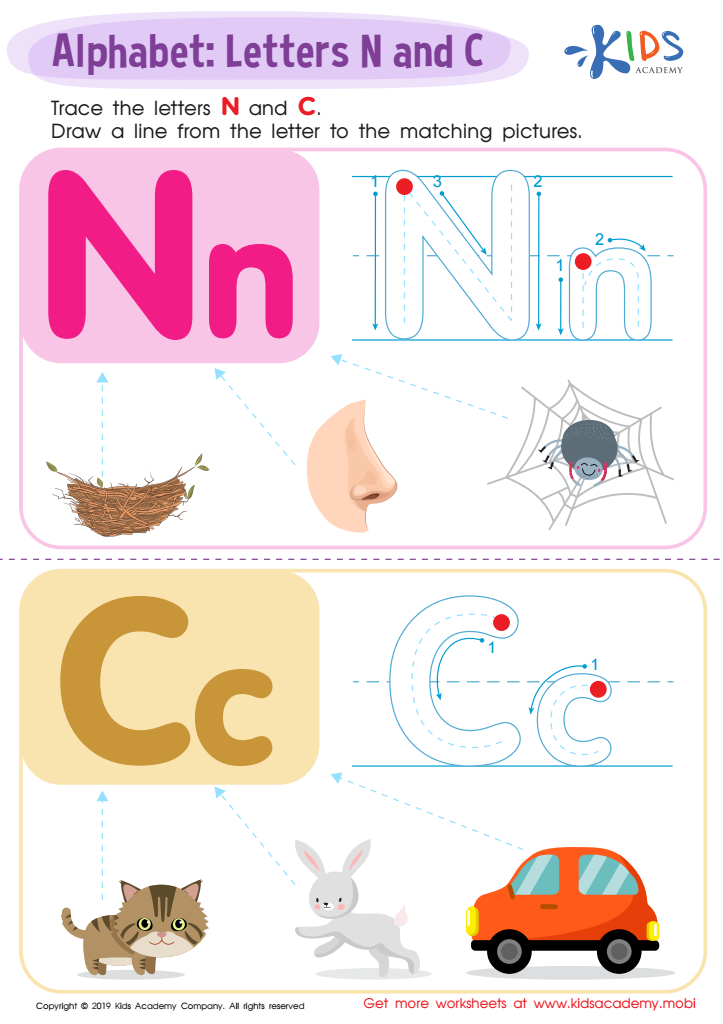
Letter N and C Tracing Worksheet
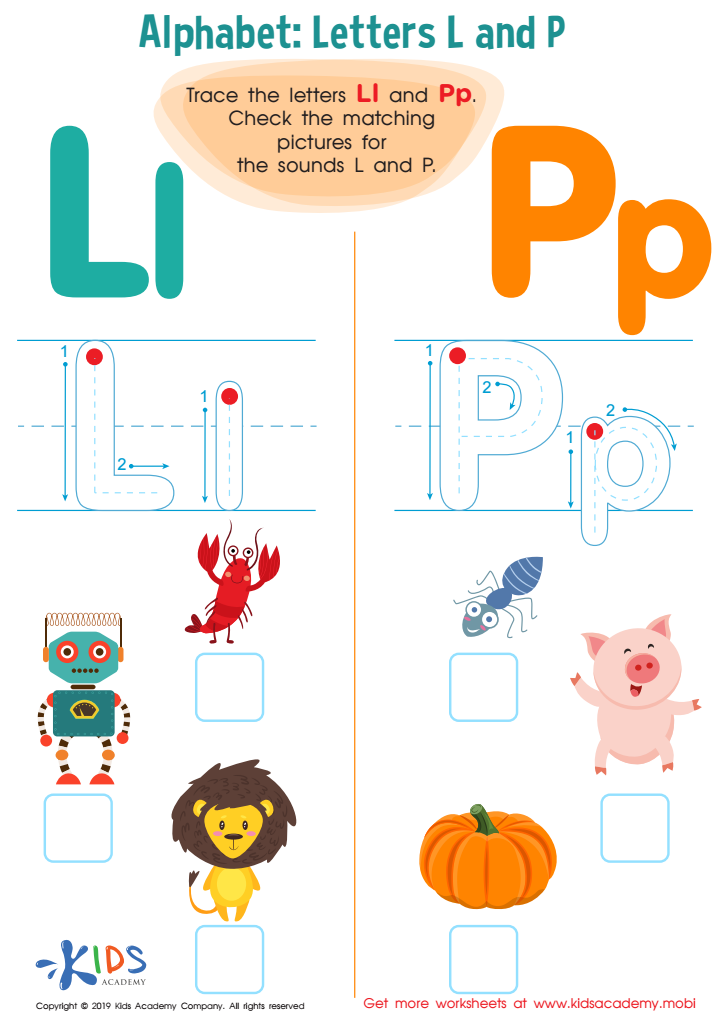
Letter L and P Tracing Worksheet
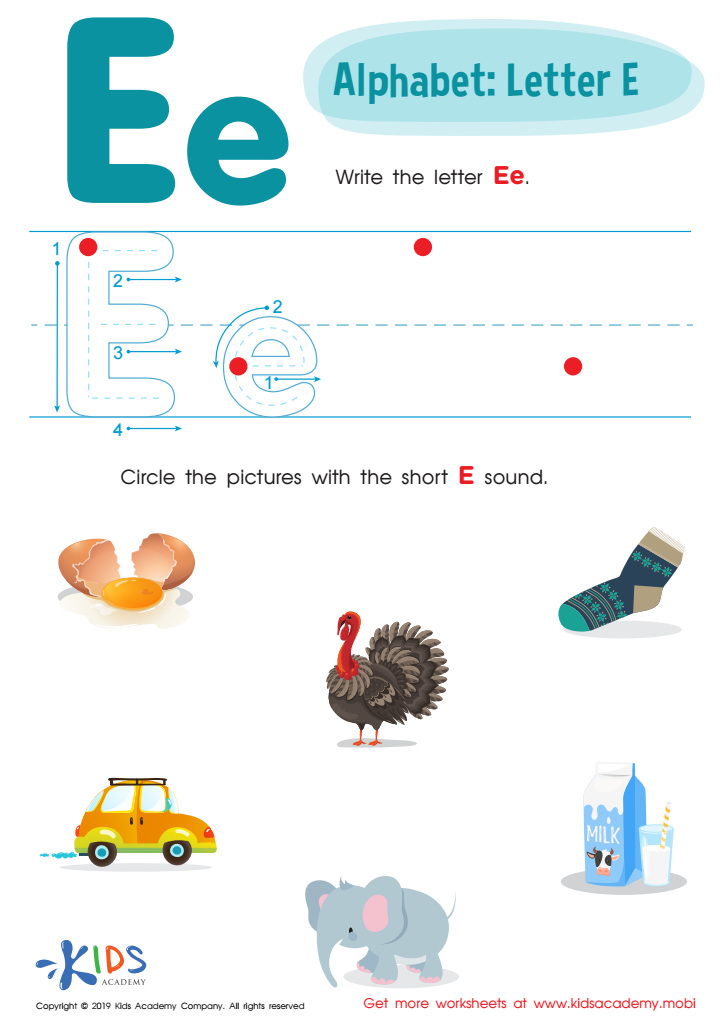
Letter E Tracing Worksheet
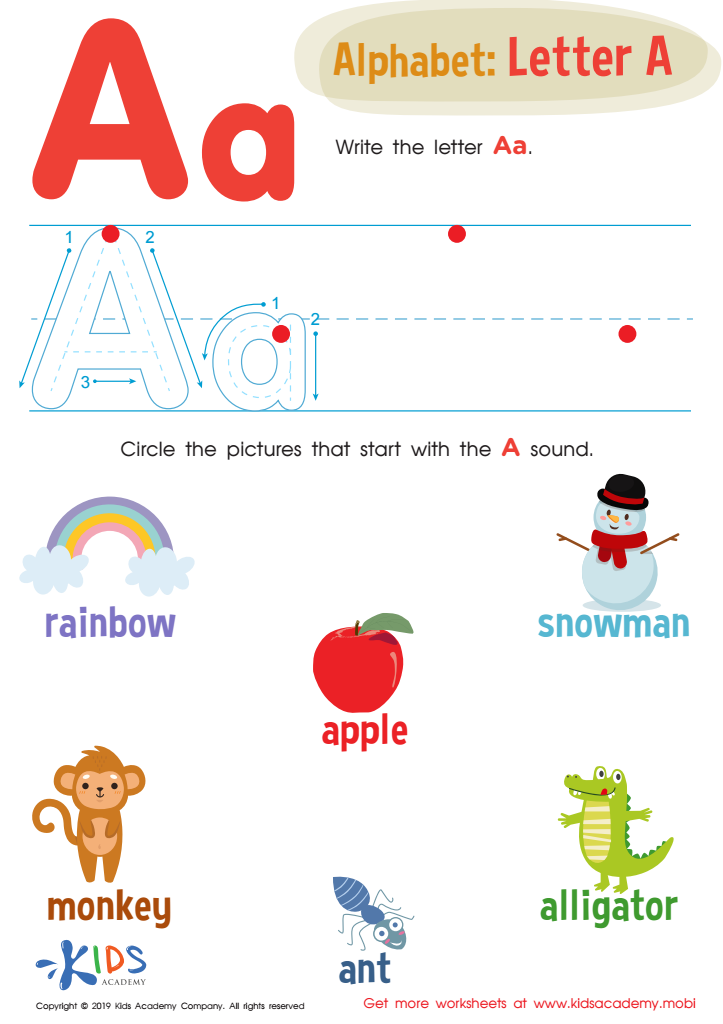
Letter A Tracing Worksheet
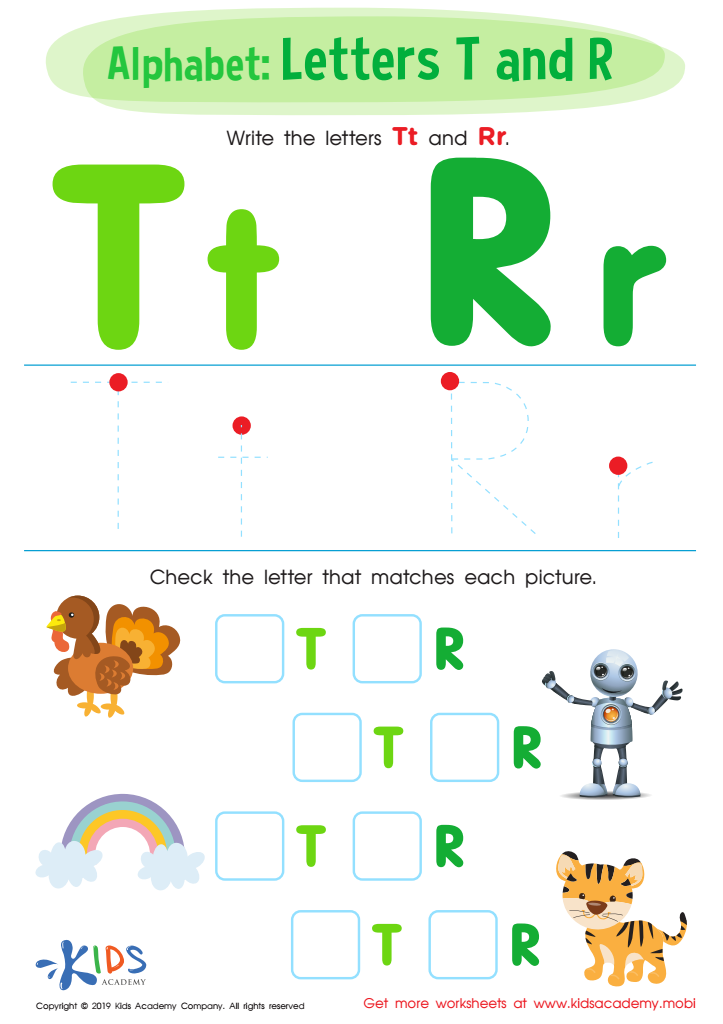
Letters T and R Worksheet
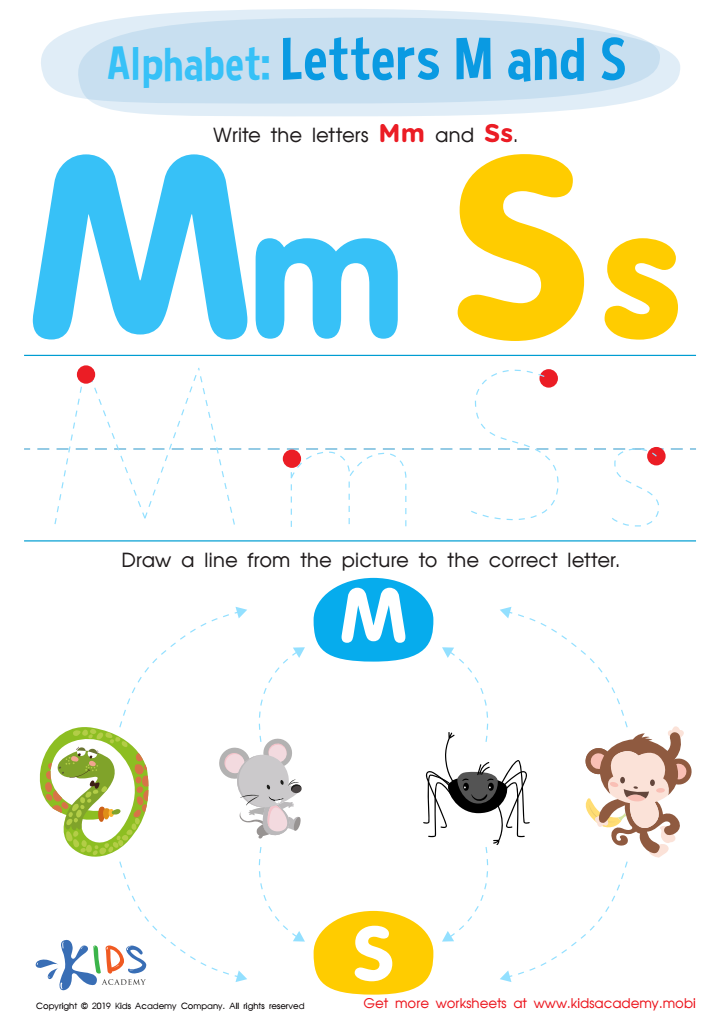
Letters M and S Tracing Worksheet
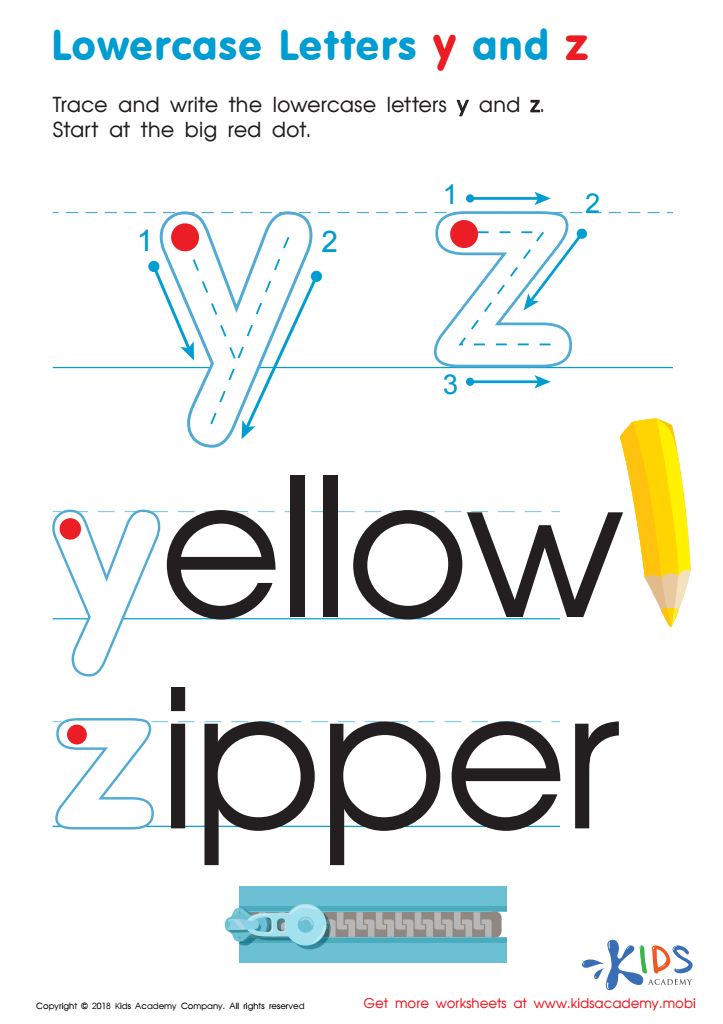
Lowercase Letters y z Worksheet
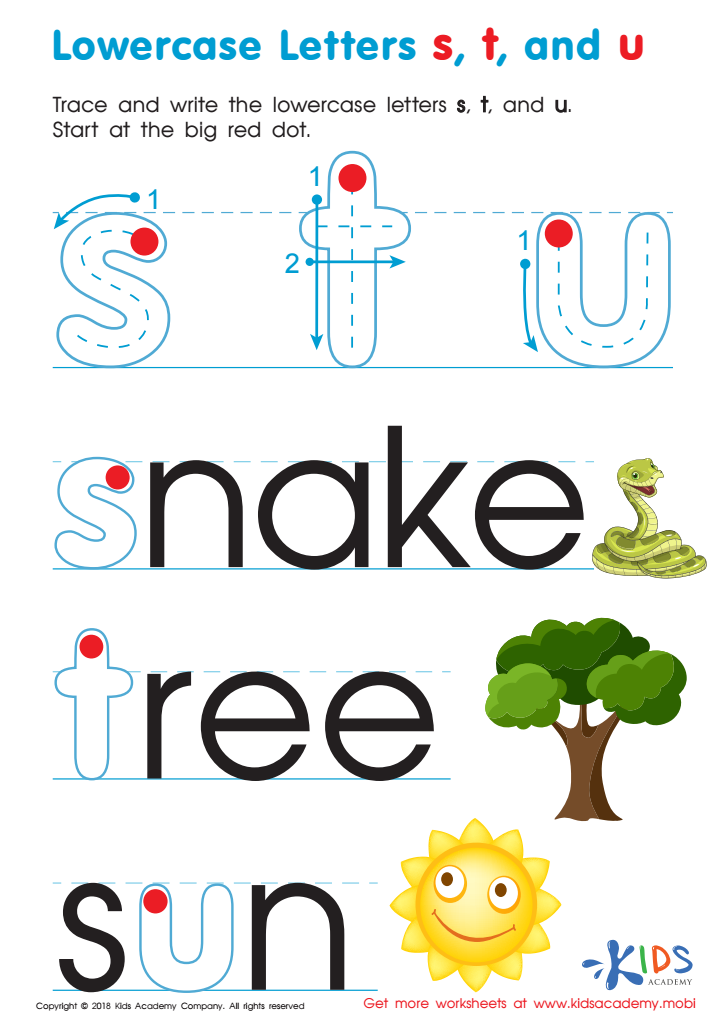
Lowercase Letters s t u Worksheet
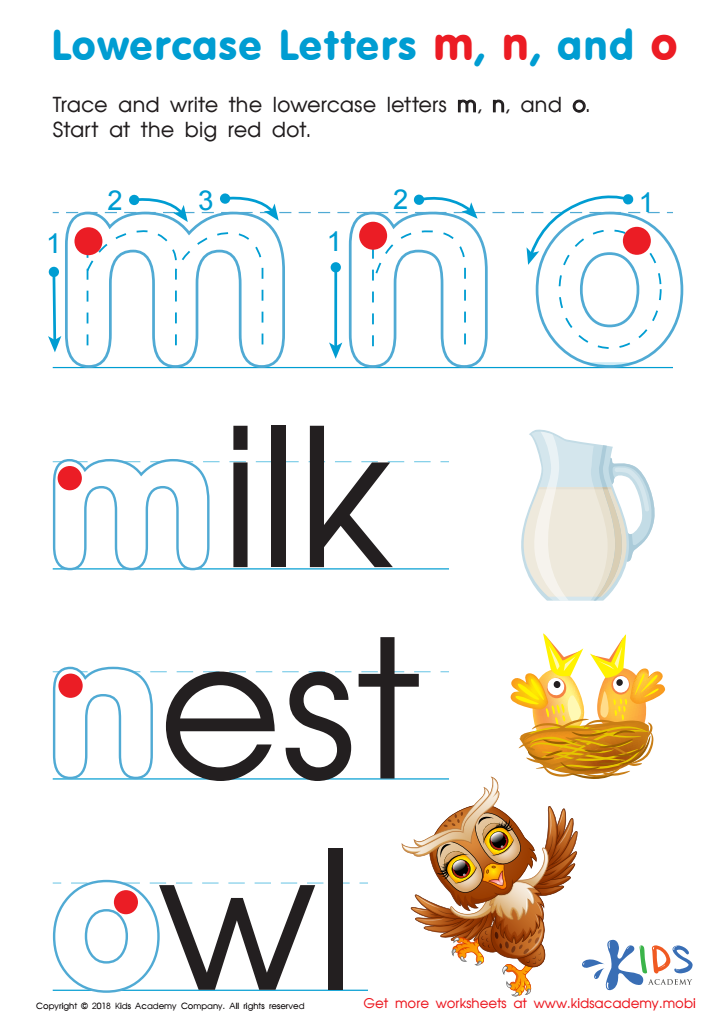
Lowercase Letters m n o Worksheet
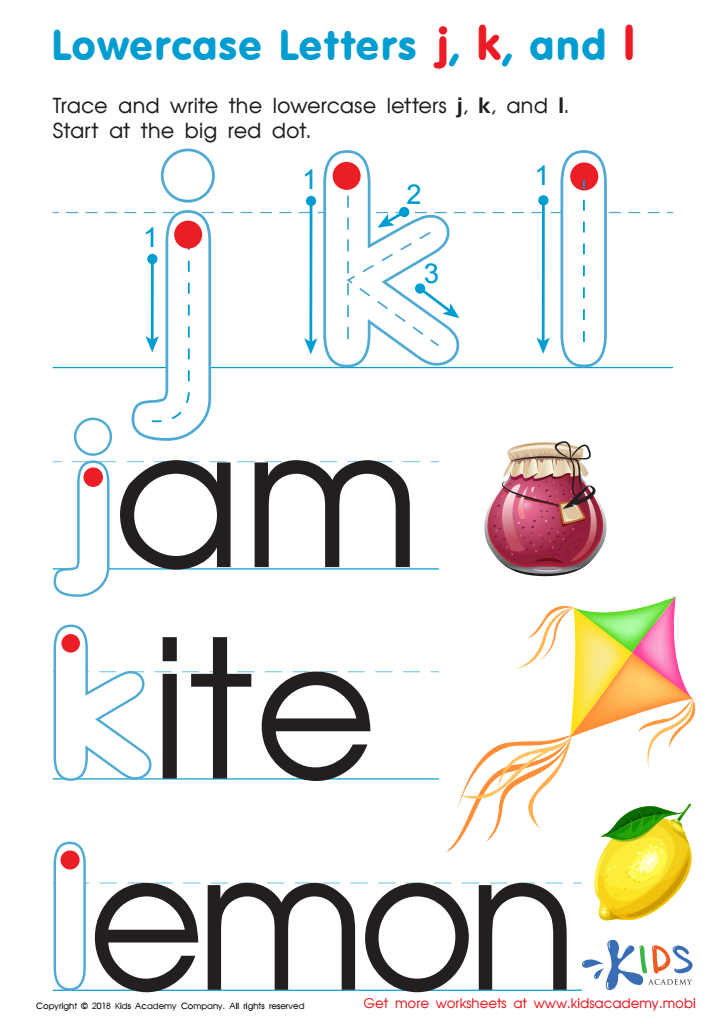
Lowercase Letters j k l Worksheet
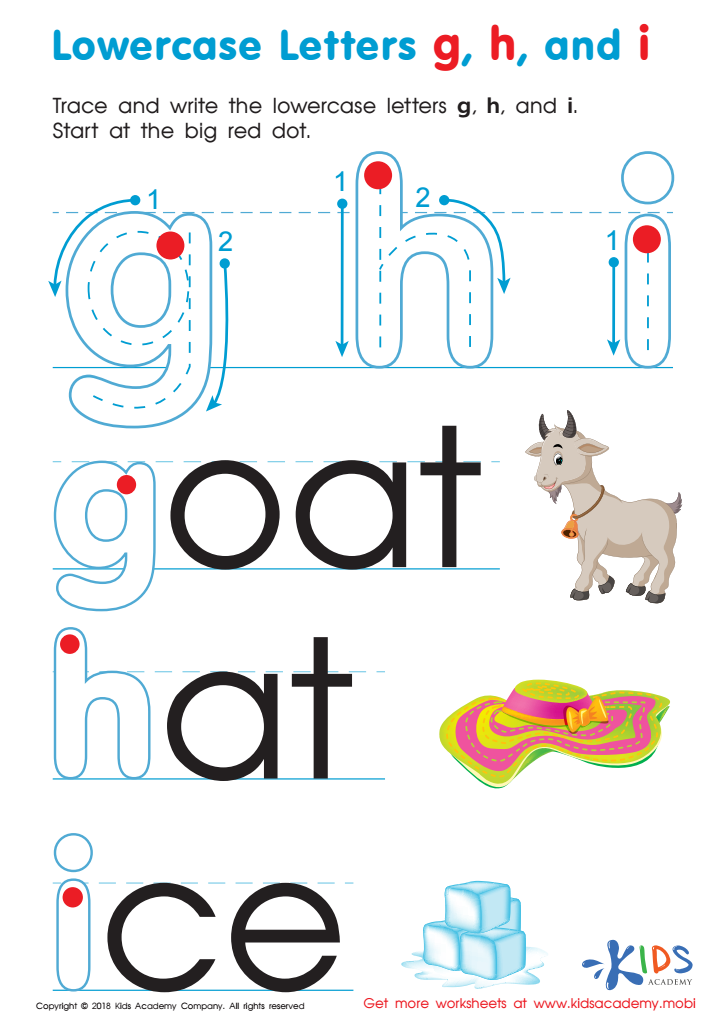
Lowercase Letters g h i Worksheet
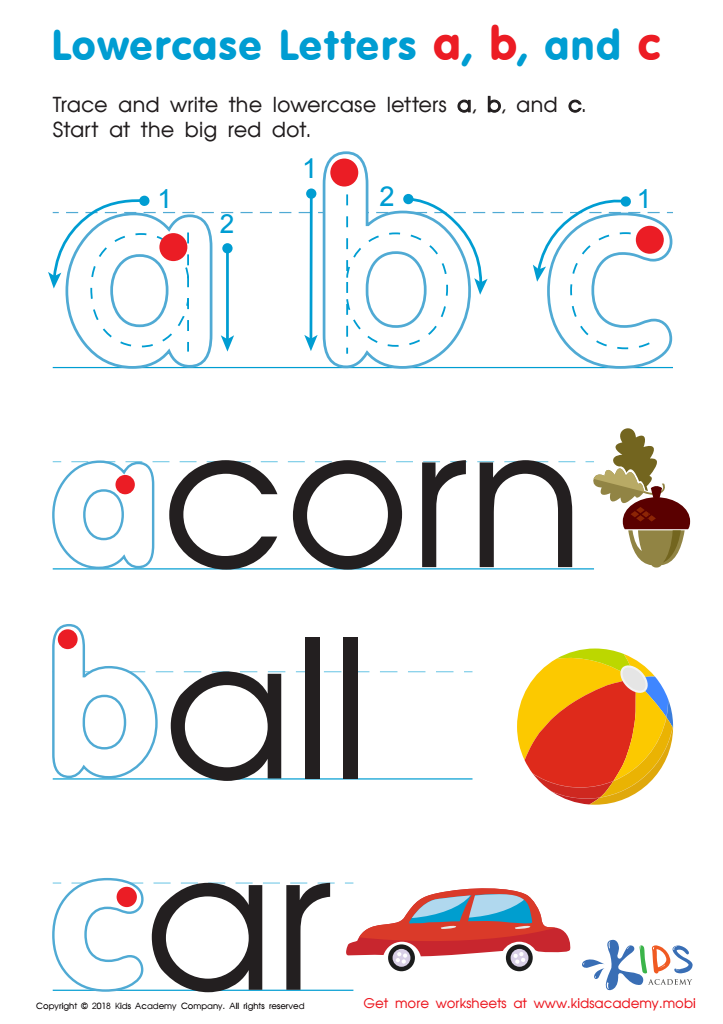
Lowercase Letters a b c Worksheet
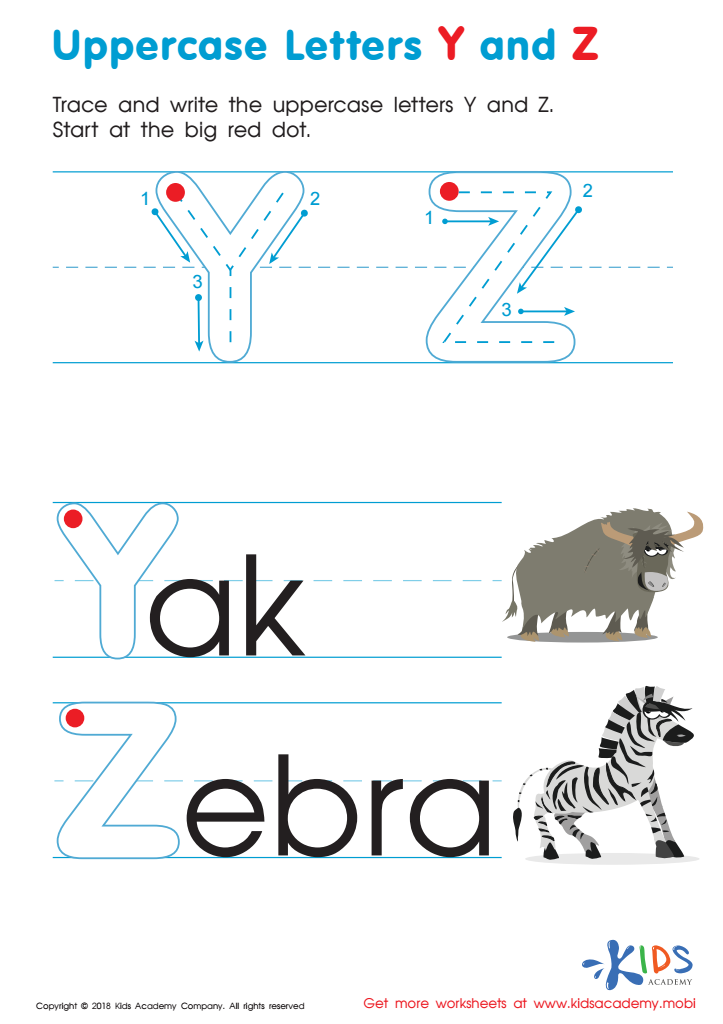
Uppercase Letters Y Z Worksheet
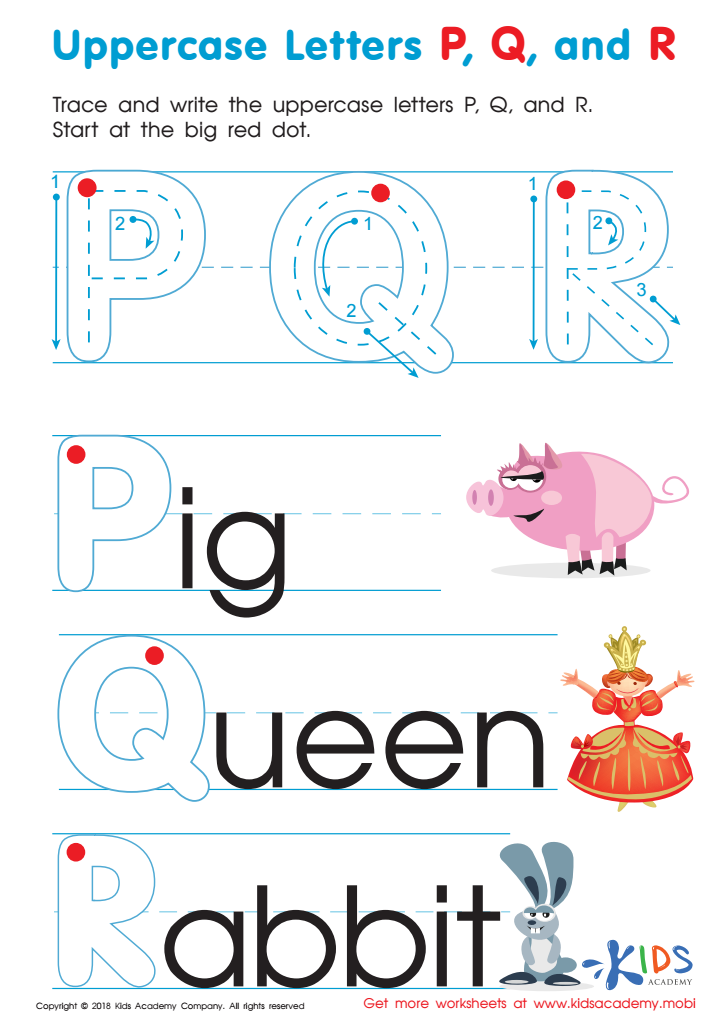
Uppercase Letters P, Q, and R Worksheet








Tracing letters activities are vital for children aged 4-7, offering numerous educational benefits that parents and teachers should prioritize. At this age, children are developing foundational skills that will serve them throughout their academic journey. Tracing letters helps enhance fine motor skills as they learn to control pencils, crayons, or markers, fostering dexterity essential for writing.
Additionally, these activities aid in letter recognition, which is crucial as children begin to understand the alphabet's role in forming words. By engaging in tracing exercises, children reinforce visual memory and learn the correct formation of letters, which can lead to improved handwriting.
Moreover, tracing activities provide an opportunity for early literacy development. As children trace, they connect sounds to letters—a critical step towards reading. These activities can also be tailored to various learning styles, making them versatile for diverse classrooms or home environments.
Finally, tracing letters fosters a sense of accomplishment in children. Mastering a new skill can boost their confidence and intrinsic motivation to engage in further learning. With these benefits, tracing letters activities create a solid foundation for future language and writing skills, making it essential for caregivers to incorporate them into early education.








