Fairy Tales worksheets activities for Ages 5-7 - Page 3
51 filtered results
-
From - To
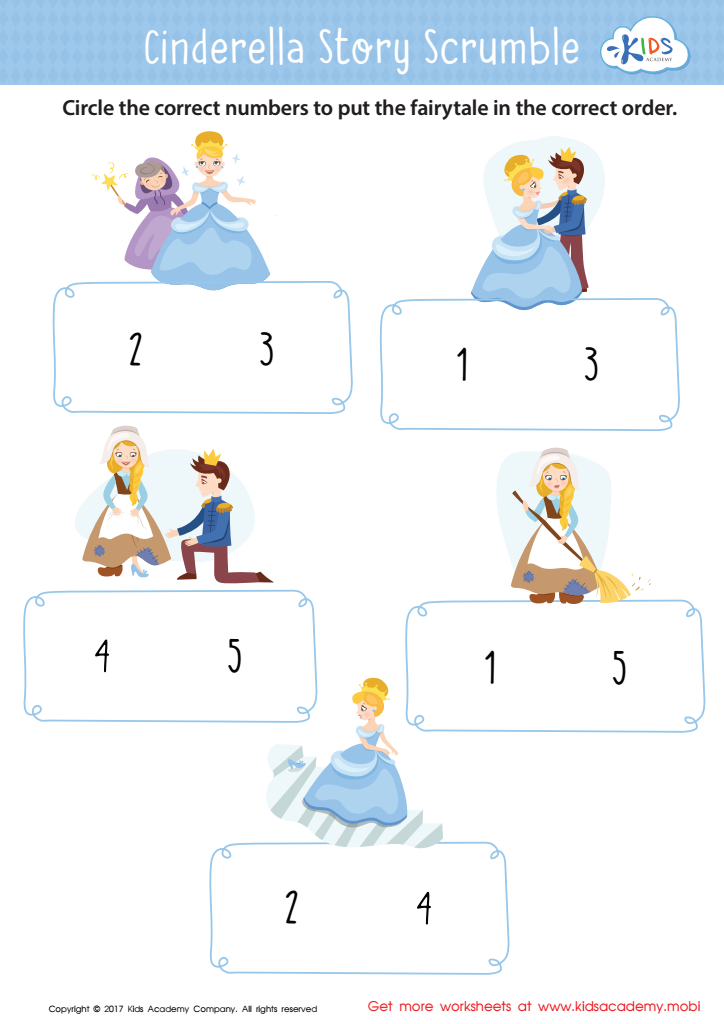
Cinderella Story Sequencing Worksheet
 Assign to My Students
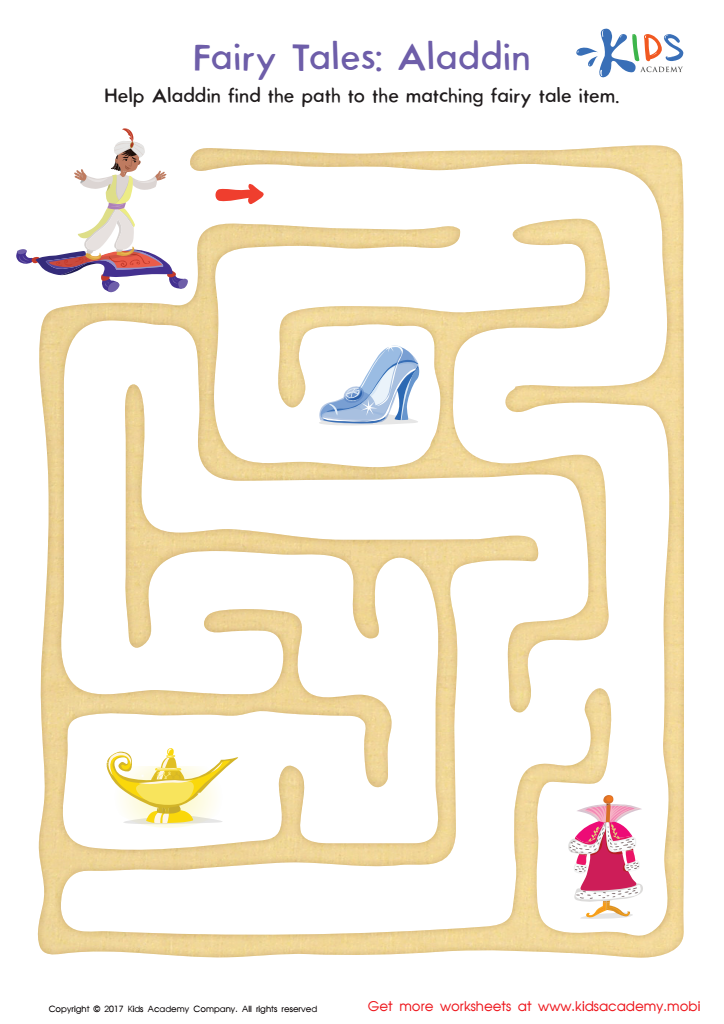
Fairy Tales Aladdin Printable
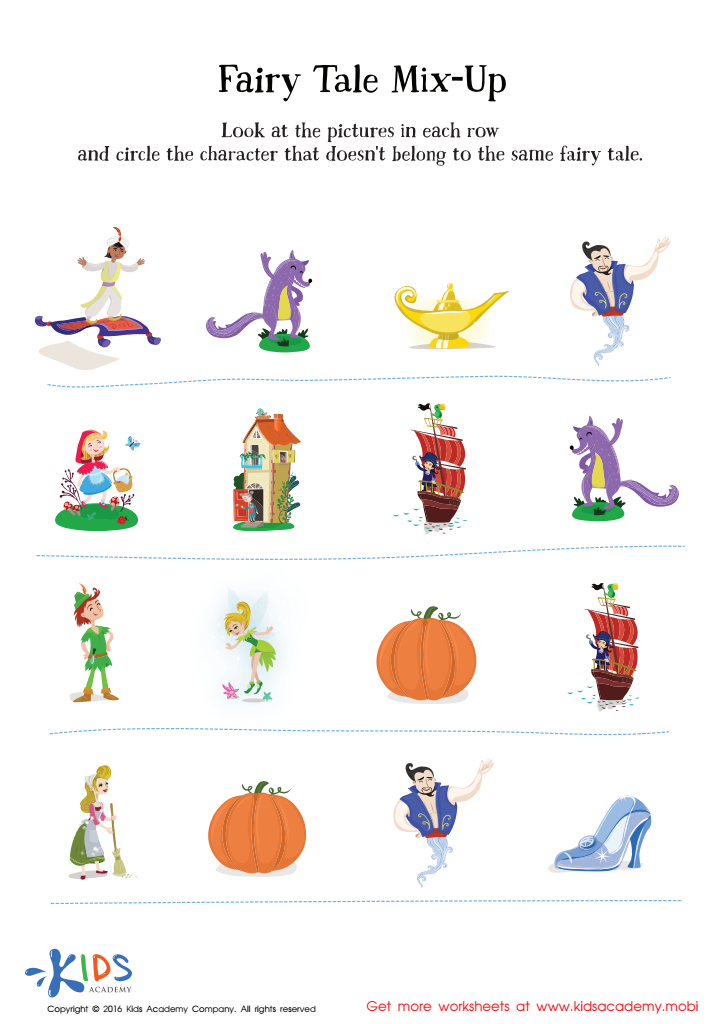
Fairy Tale Worksheet: Story Mix Up





.jpg)
Fairy tales are an essential part of early childhood education, particularly for children aged 5-7. These narratives foster imagination and creativity, allowing children to explore fantastical worlds where anything is possible. Engaging in fairy tale activities can stimulate cognitive development by enhancing language skills, vocabulary, and comprehension as kids listen to stories or participate in storytelling.
Moreover, fairy tales often convey important moral lessons about friendship, bravery, and kindness, helping children to understand complex social concepts and develop empathy. Through activities like role-playing, art projects, or puppet shows based on fairy tales, children can actively interpret and question themes, promoting critical thinking and problem-solving skills.
Additionally, participating in fairy tale activities enhances children's differentiation in learning styles. While some children express themselves through drawing and painting, others may prefer movement and drama. Offering diverse ways to interact with these tales addresses varying interests and talents.
Lastly, fairy tales enrich cultural awareness, exposing children to folklore from different traditions. This appreciation of diversity is crucial in our global society. In summary, incorporating fairy tale activities into early education benefits cognitive, emotional, and social development while nurturing a lifelong love of storytelling.








