Math worksheets activities for Ages 5-8 - Page 3
66 filtered results
-
From - To
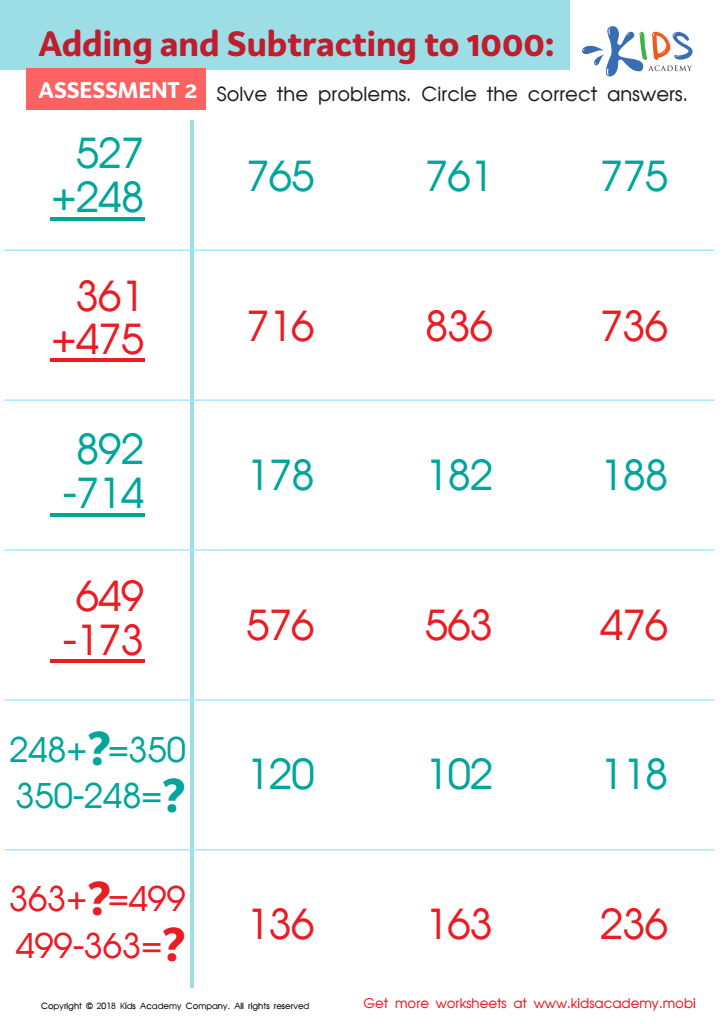
Adding and Subtracting to 1 Worksheet: Assessment 2
 Assign to My Students
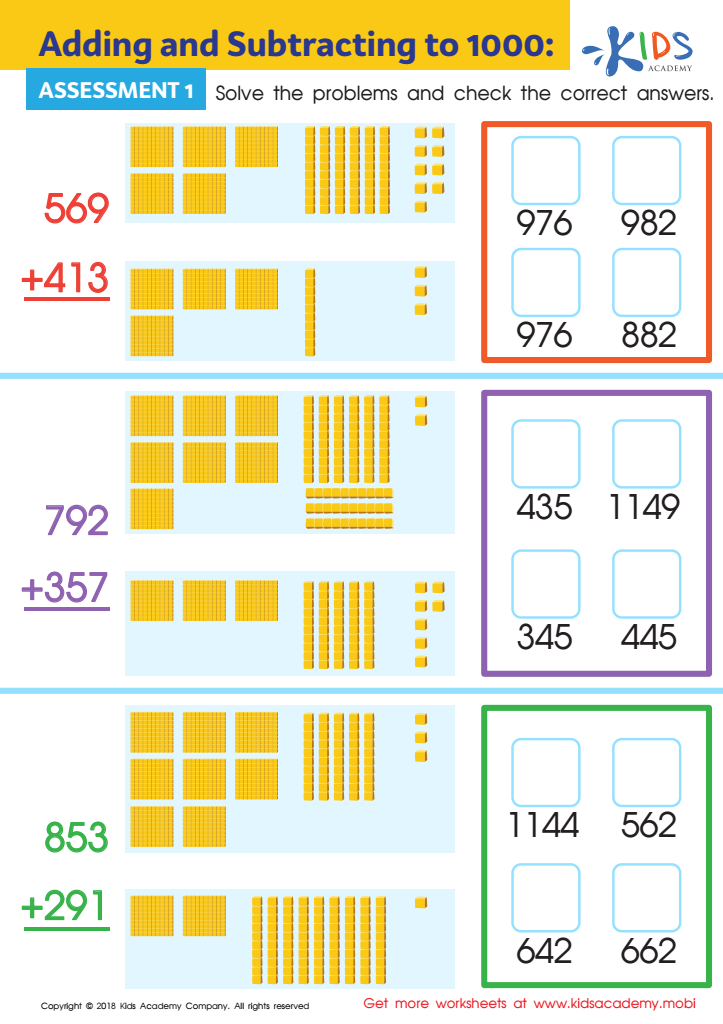
Adding and Subtracting to 1 Worksheet: Assessment 1
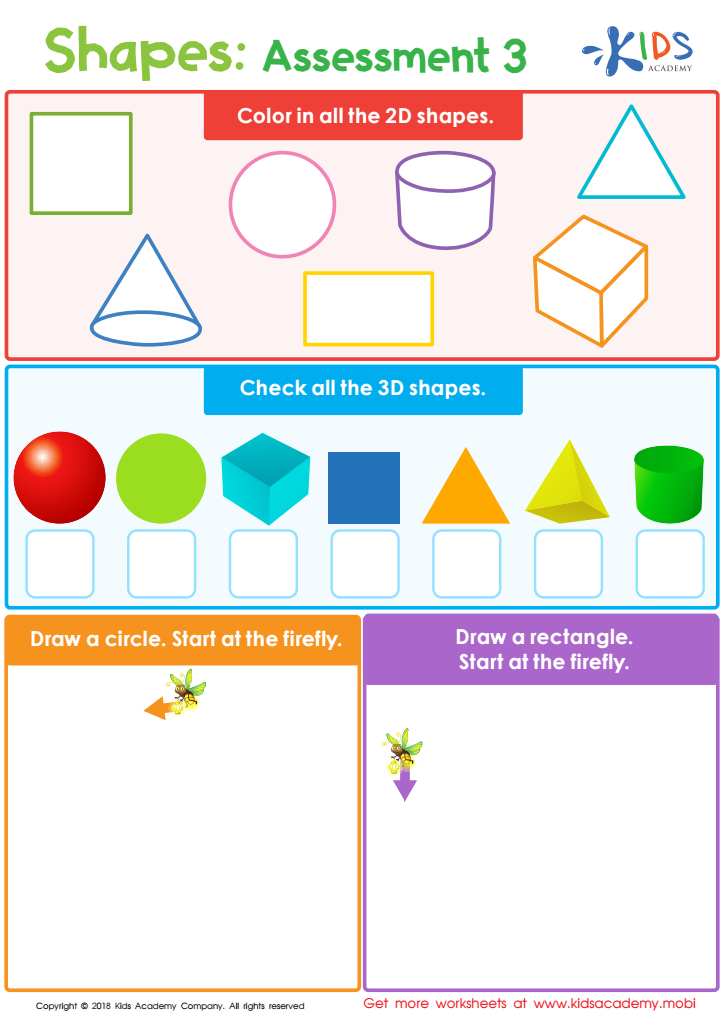
Shapes: Assessment 3 Worksheet
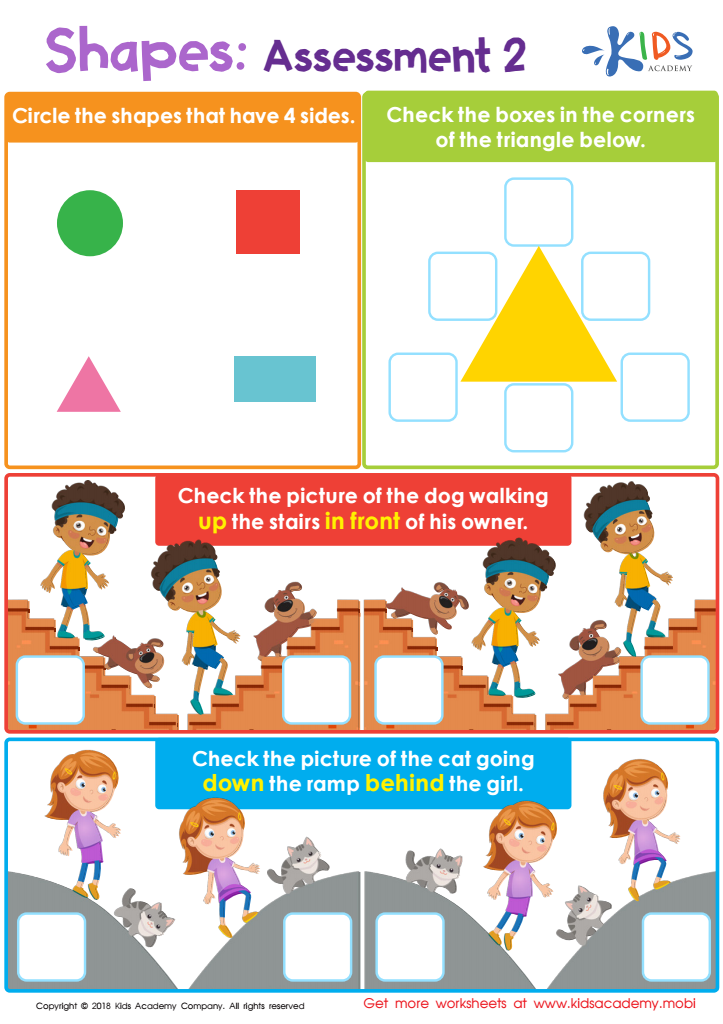
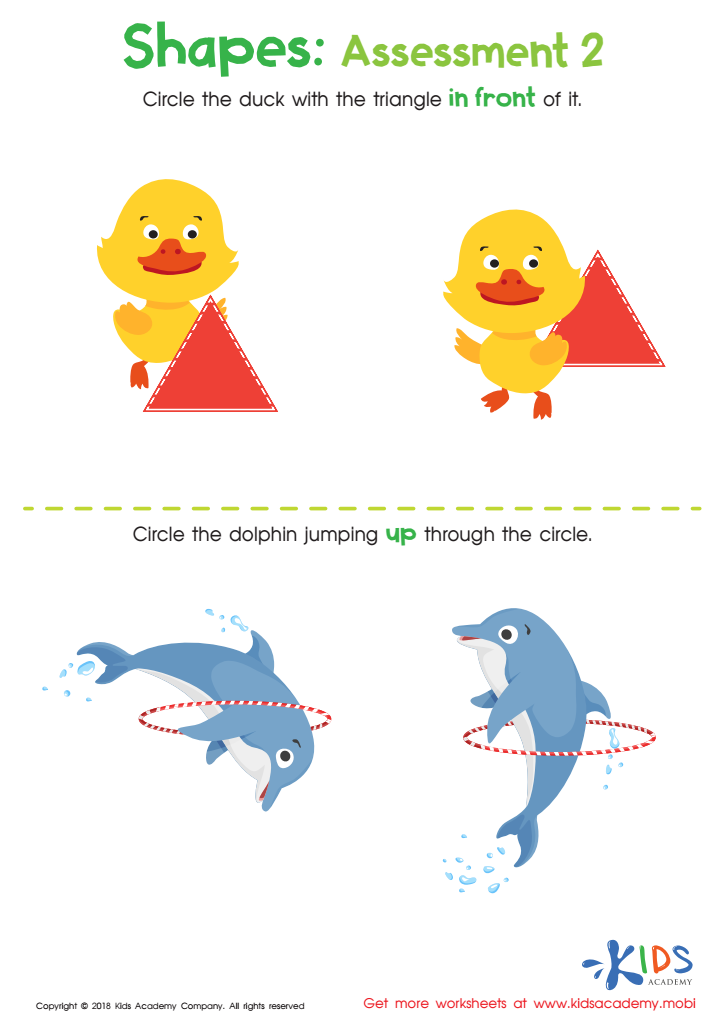
Shapes: Assessment 2 Worksheet
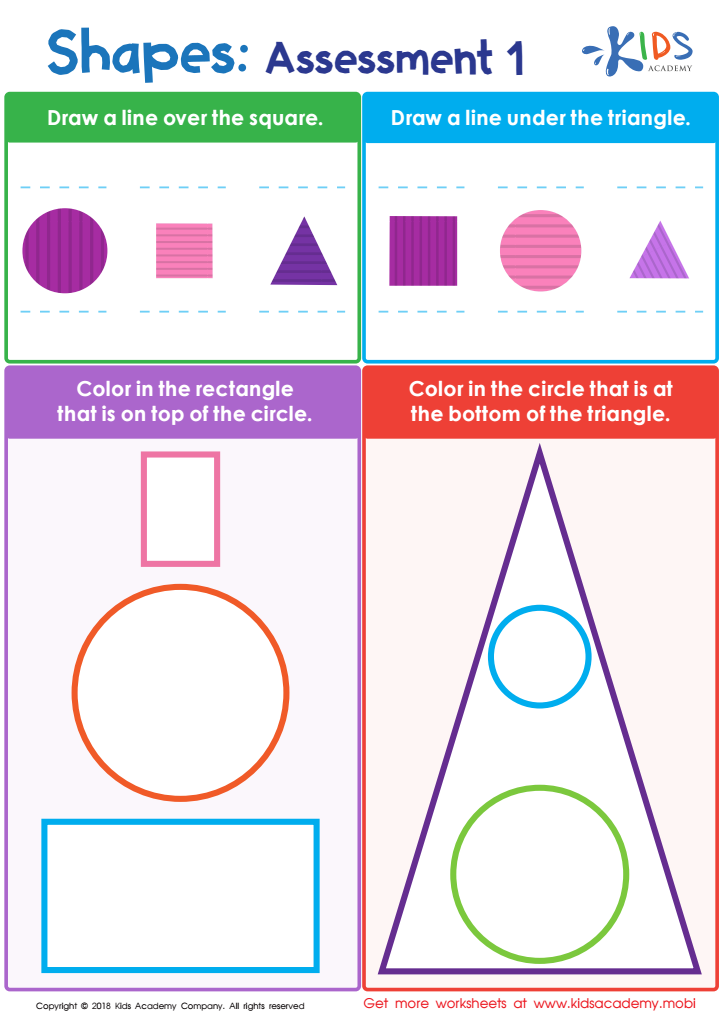
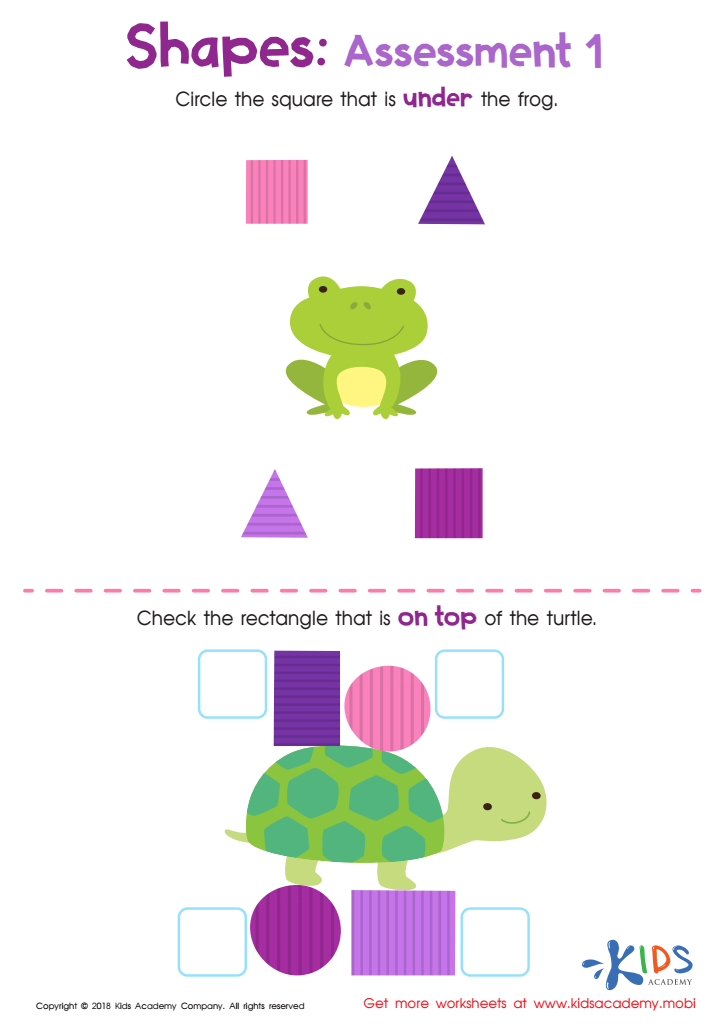
Shapes: Assessment 1 Worksheet
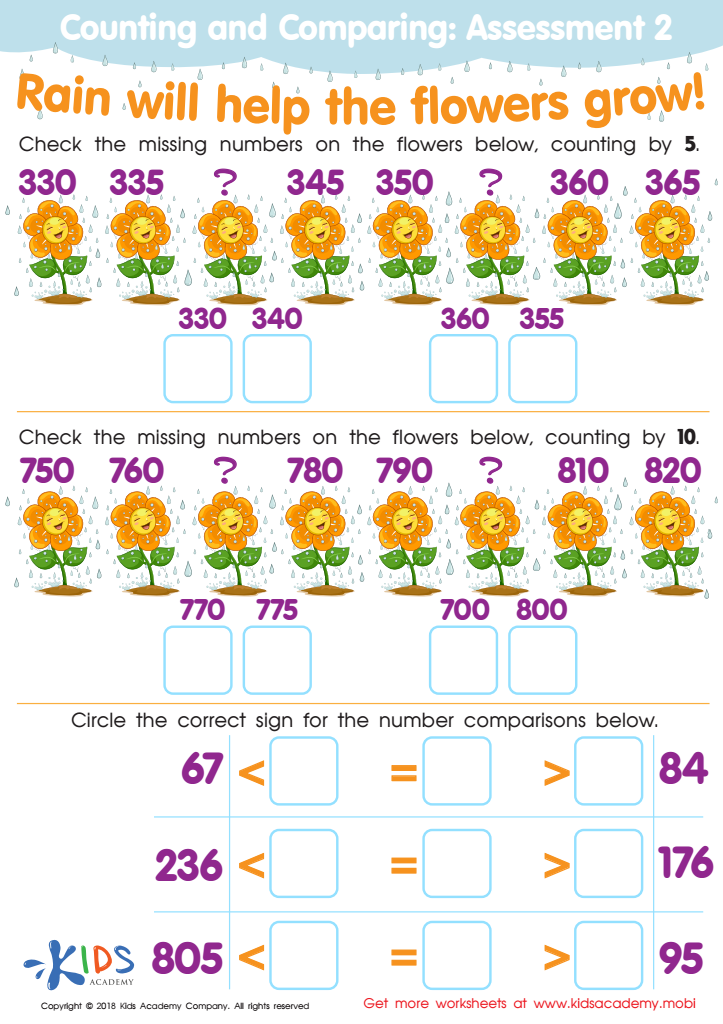
Counting and Comparing: Assessment 2 Worksheet
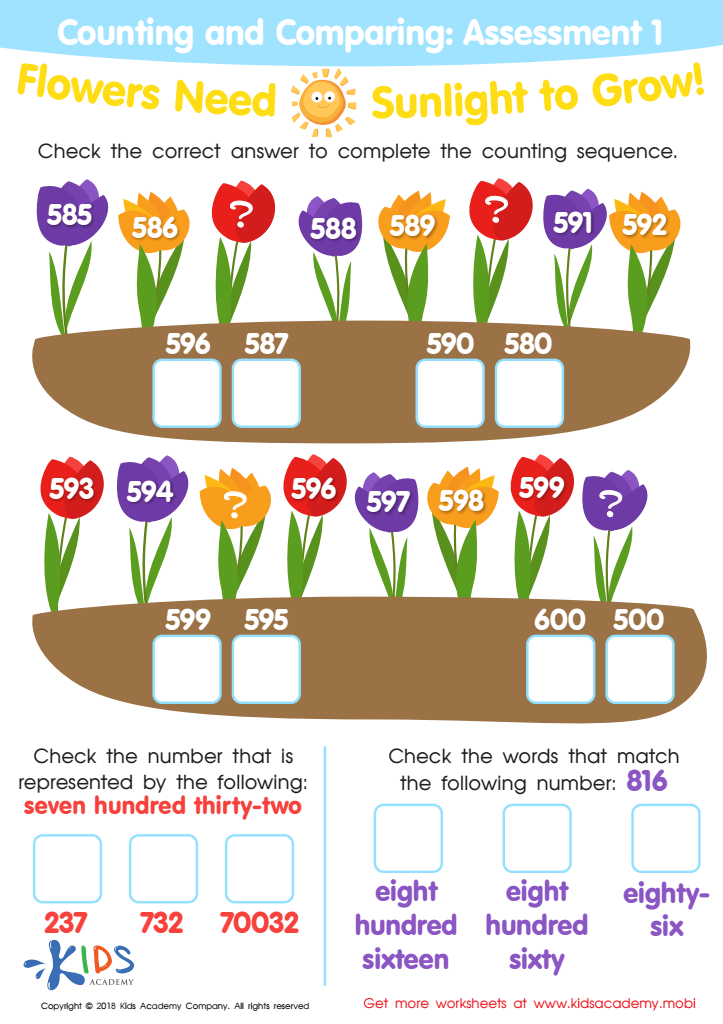
Counting and Comparing: Assessment 1 Worksheet
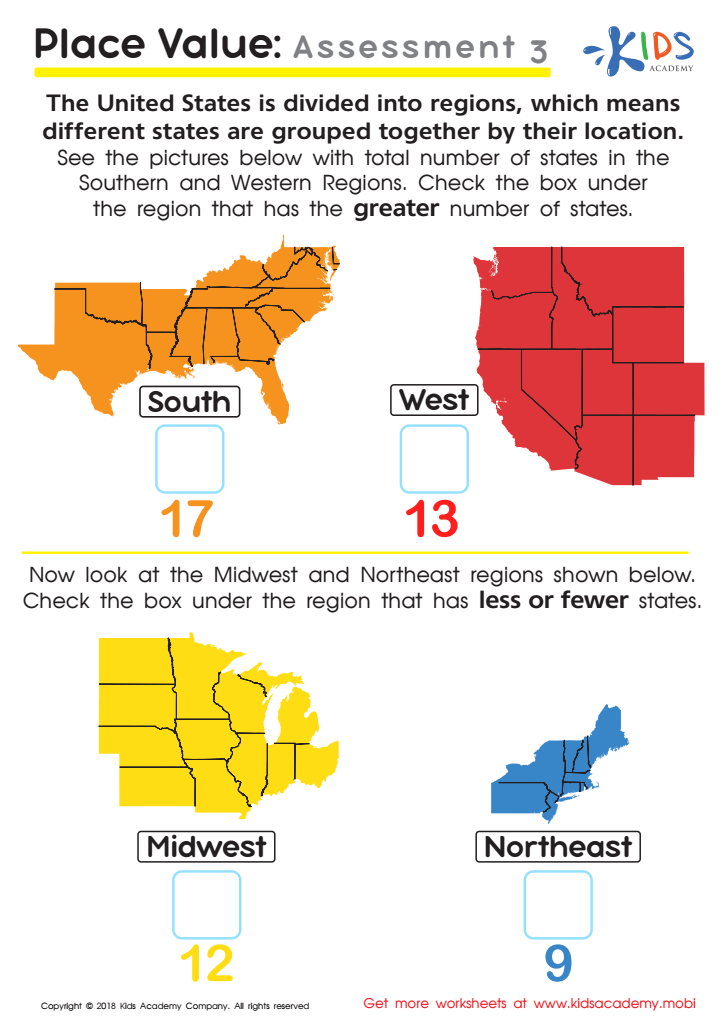
Place Value: Assessment 3 Worksheet
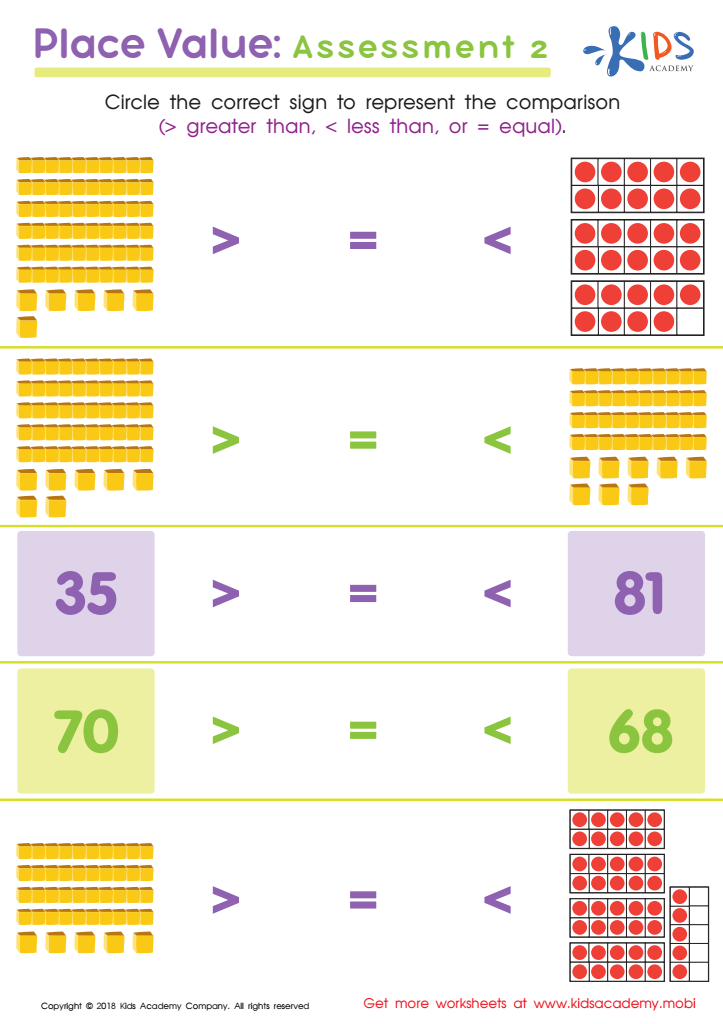
Place Value: Assessment 2 Worksheet
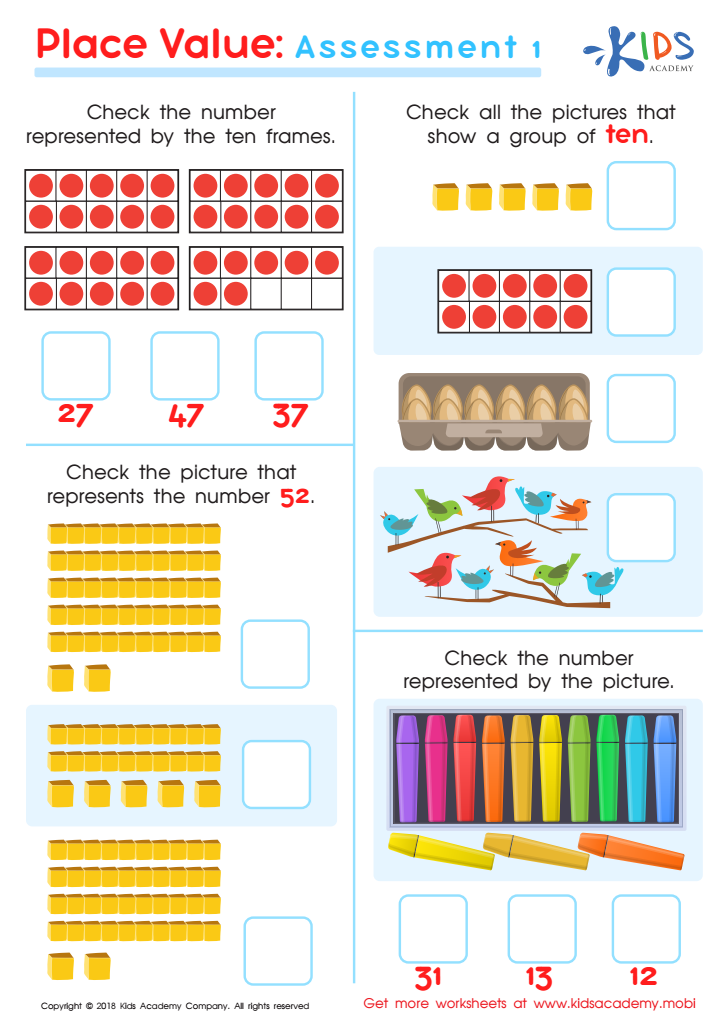
Place Value: Assessment 1 Worksheet
Geometry – Assessment 2 Worksheet
Geometry – Assessment 1 Worksheet
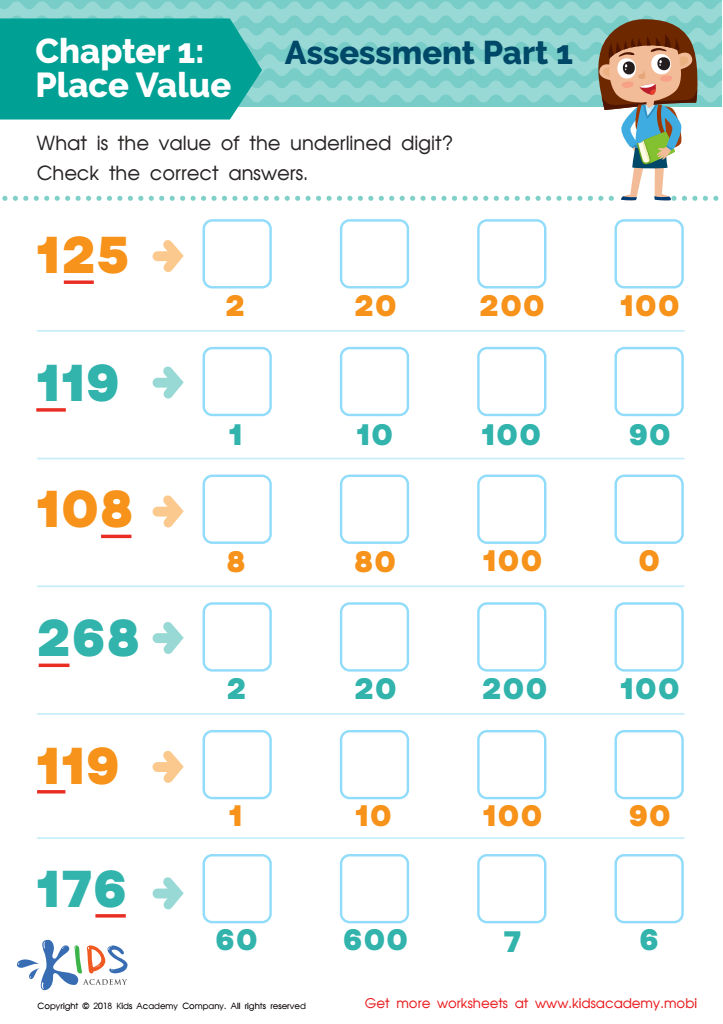
Place Value: Chapter 1 Worksheet
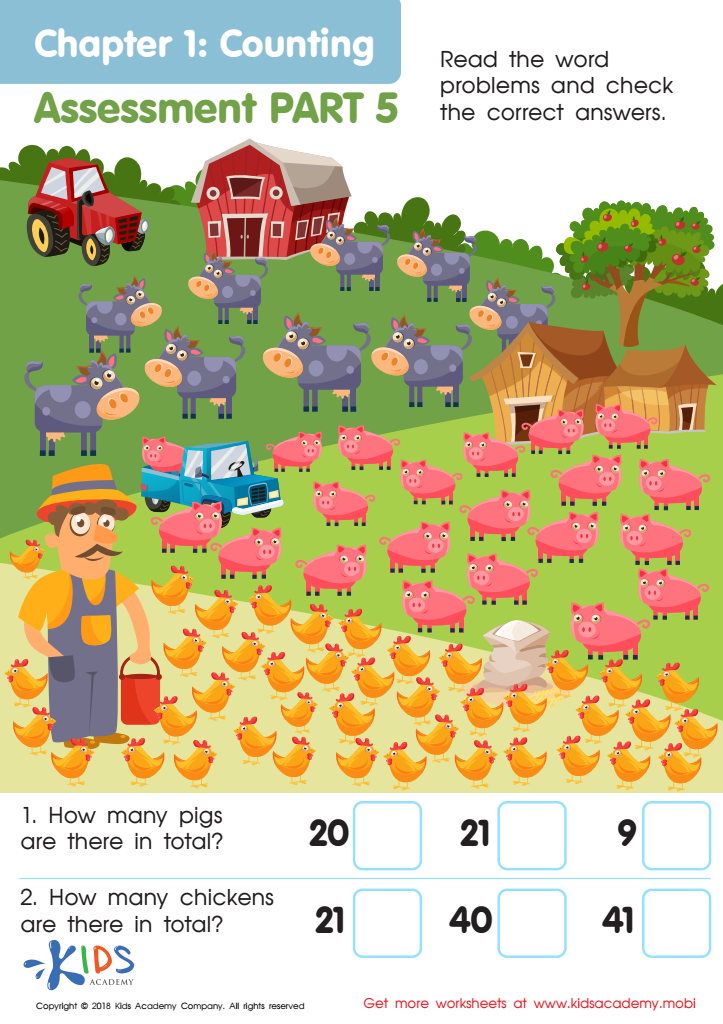
Counting: Assessment 5 Worksheet
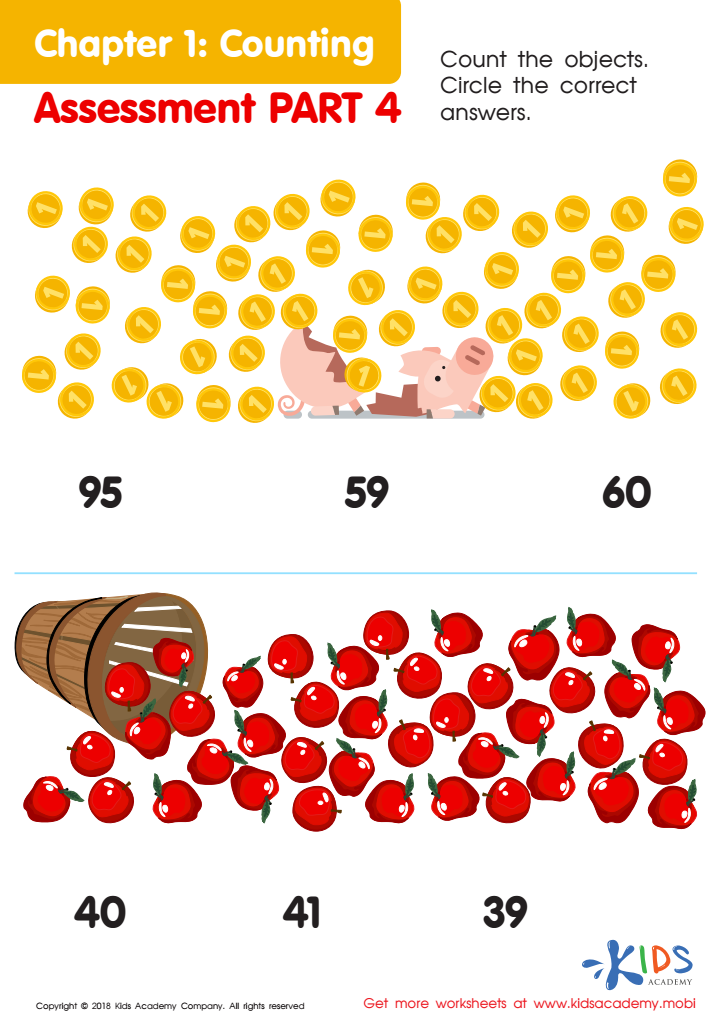
Counting: Assessment 4 Worksheet
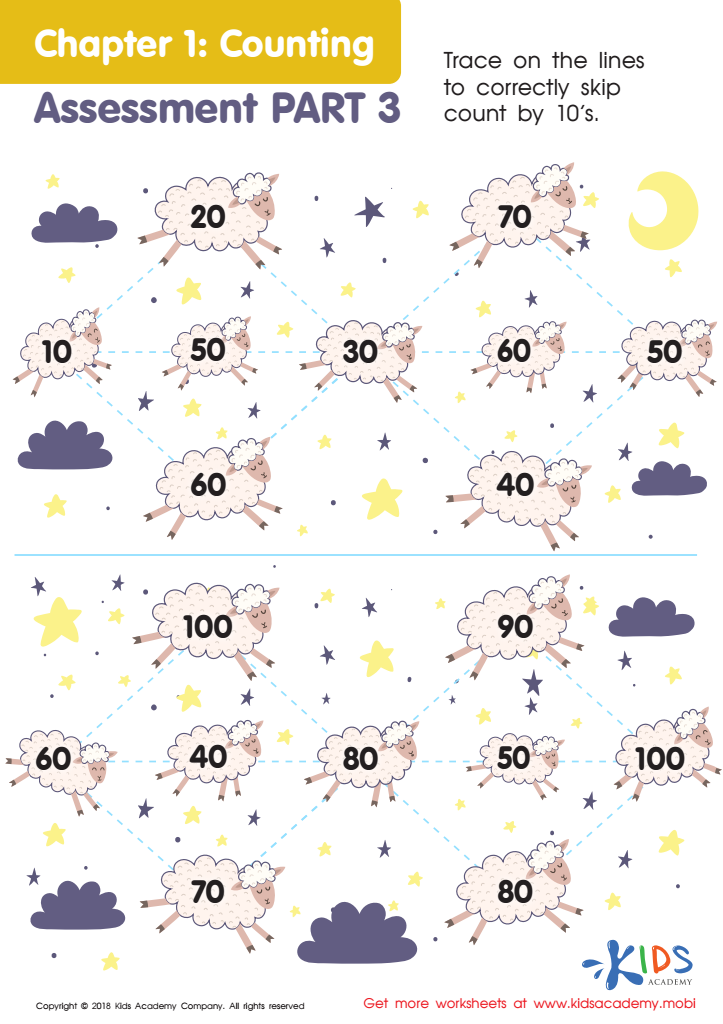
Counting: Assessment 3 Worksheet
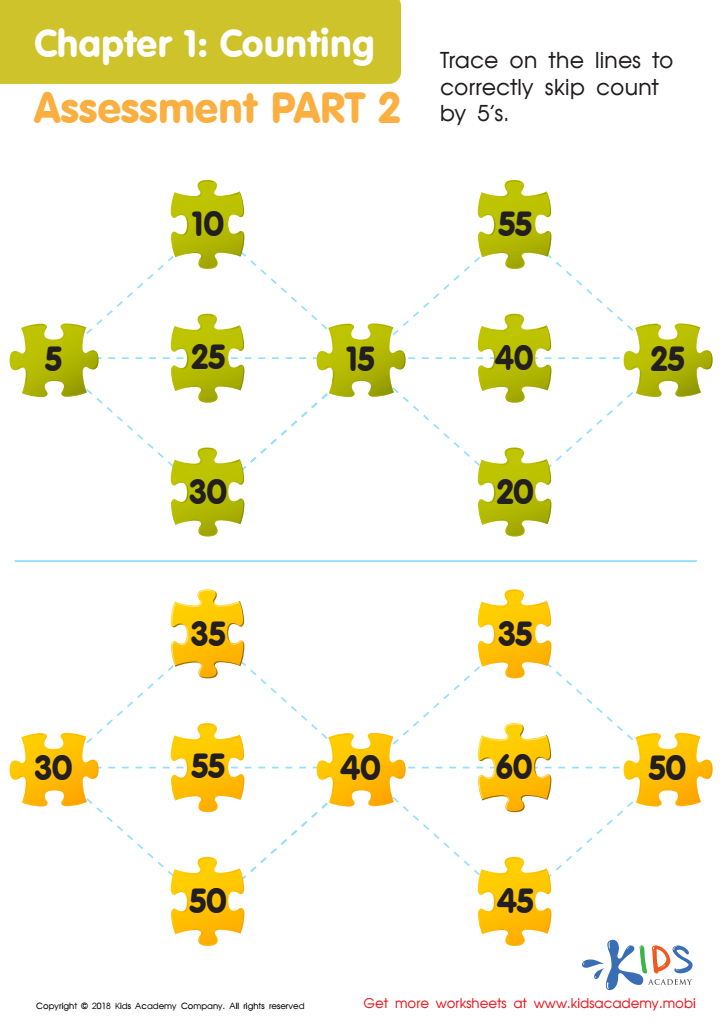
Counting: Assessment 2 Worksheet
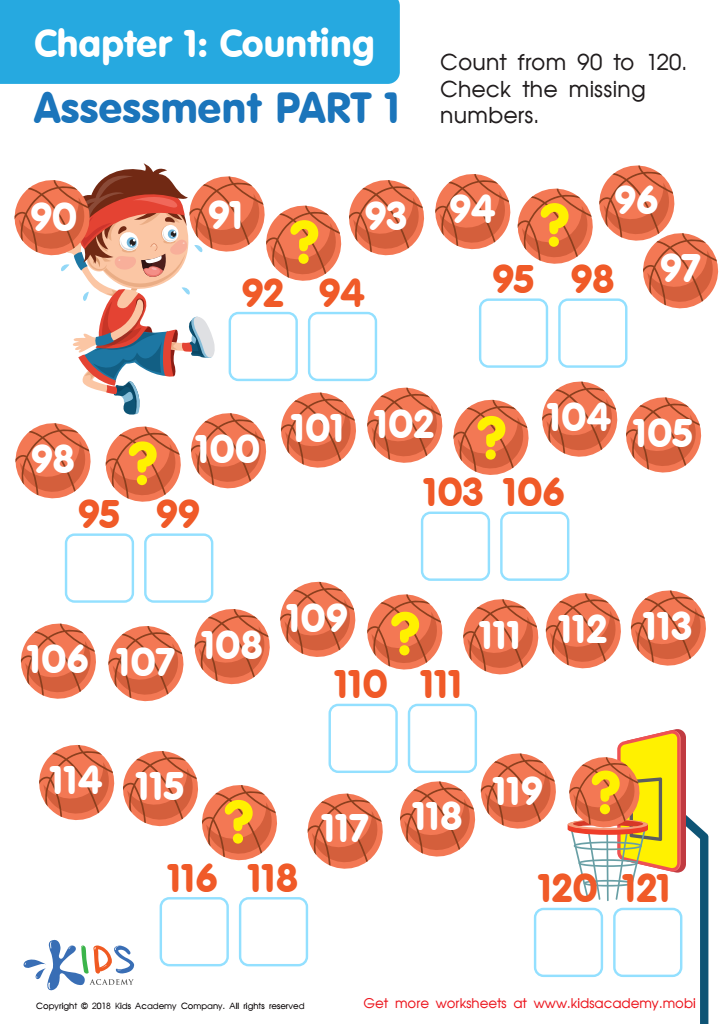
Counting Past 1: Assessment 1 Worksheet







Parents and teachers should prioritize math activities for ages 5-8 because this foundational stage lays the groundwork for a child's future academic success and overall critical thinking skills. At this age, children are naturally curious and eager to explore numbers, patterns, and relationships, setting the stage for a lifelong appreciation of math.
Engaging in math activities fosters cognitive development by enhancing problem-solving skills, logical reasoning, and analytical thinking. Through playful interactions with math concepts—like counting, sorting, and measuring—children develop a strong number sense and the ability to make connections between math and real-life situations. This hands-on learning approach makes math enjoyable, reducing anxiety often associated with the subject later in life.
Furthermore, early math competency has been linked to future success in various subjects, particularly in STEM education, where strong math skills are essential. By integrating math into daily activities—such as cooking, shopping, or playing games—parents and teachers can create a rich learning environment that supports children's growth, promotes resilience, and encourages them to tackle challenges with confidence. Ultimately, investing in math activities during these formative years equips children with indispensable tools they will rely on throughout their educational journeys and beyond.








