Mazes worksheets activities for Ages 5-8 - Page 2
74 filtered results
-
From - To
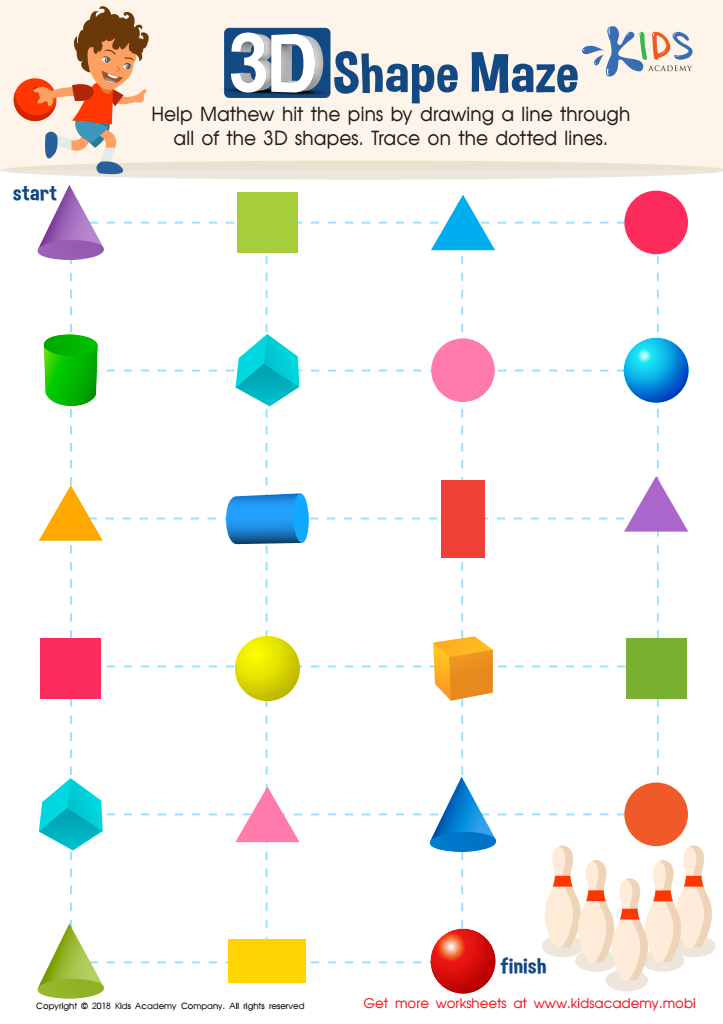
Shapes Maze Geometry Worksheet
 Assign to My Students
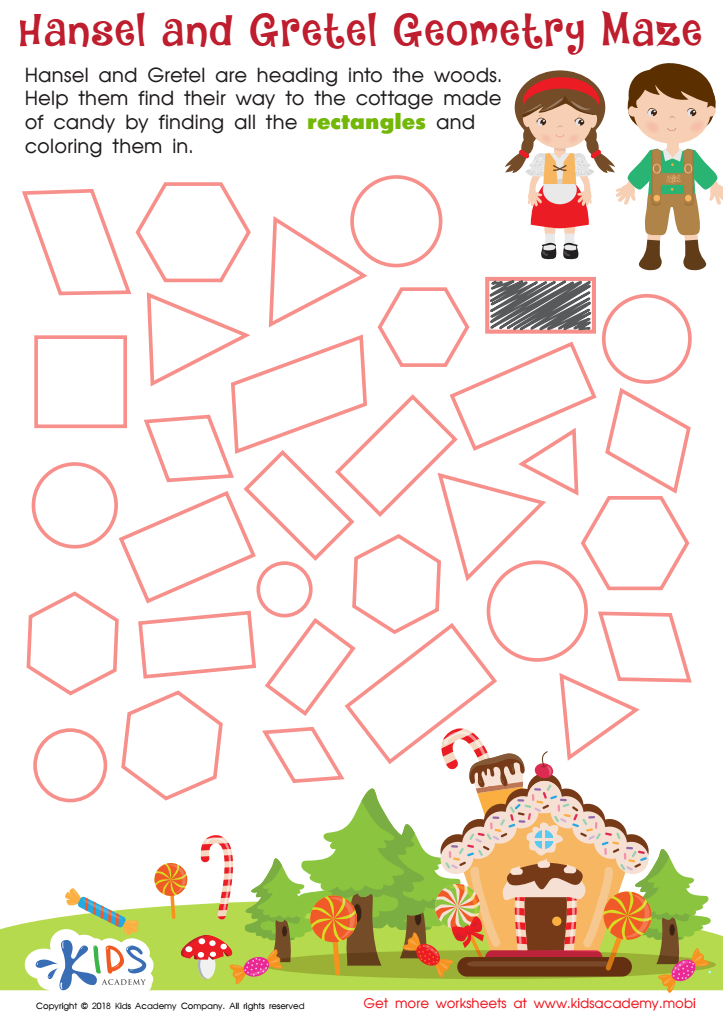
Hansel and Gretel Geometry Maze Worksheet
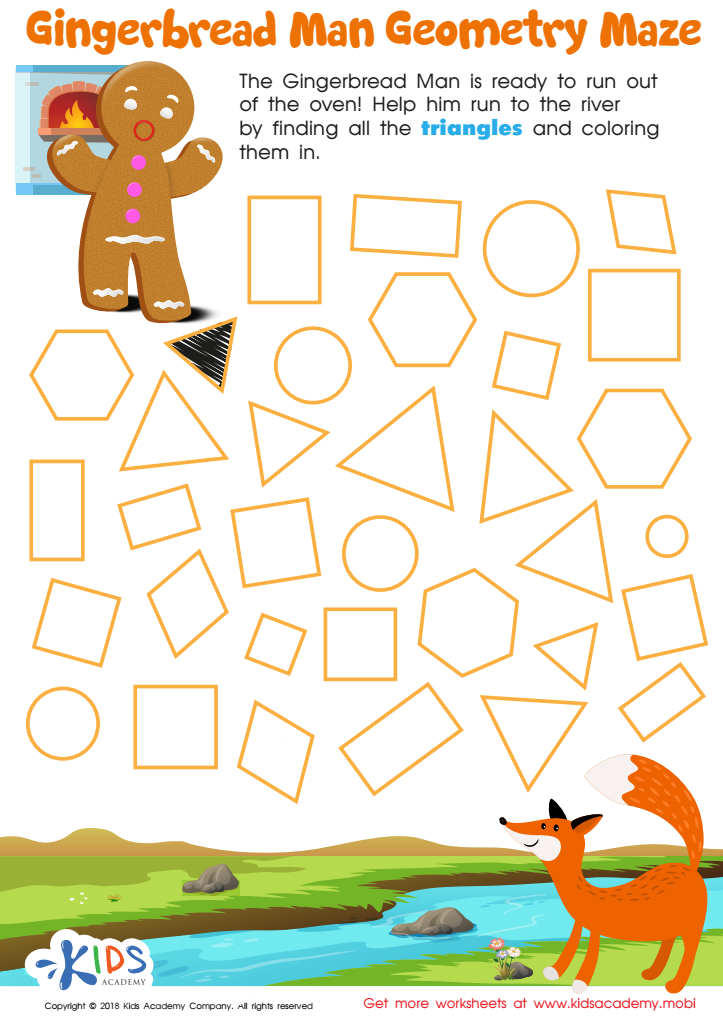
Gingerbread Man Geometry Maze Worksheet
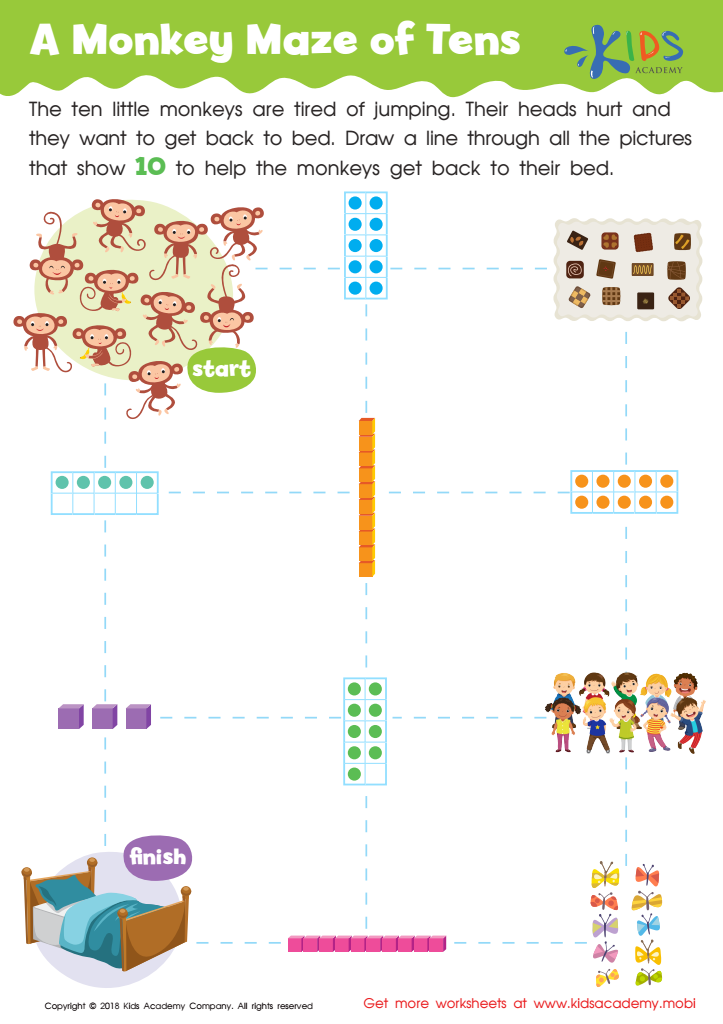
A Monkey Maze of Tens Worksheet
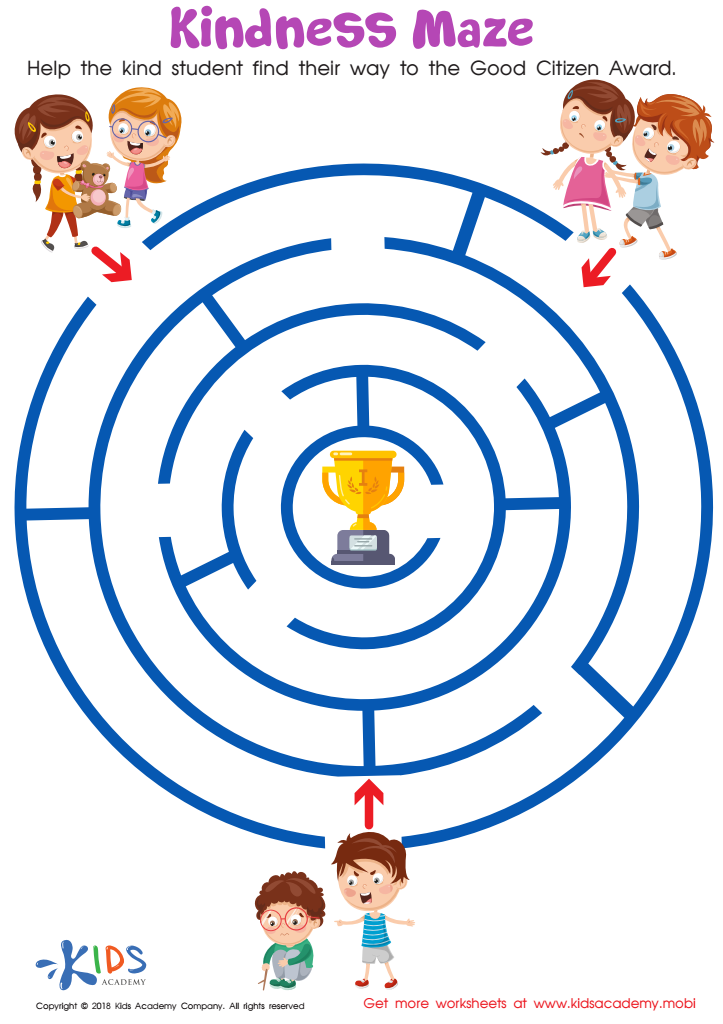
Kindness Maze Worksheet
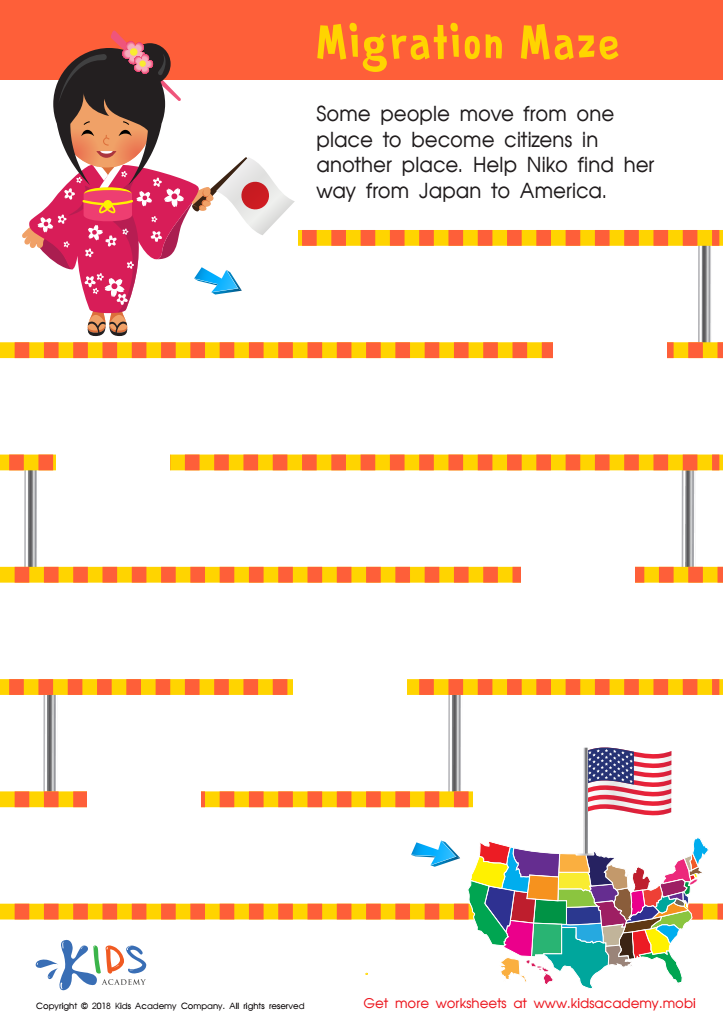
Migration Maze Worksheet
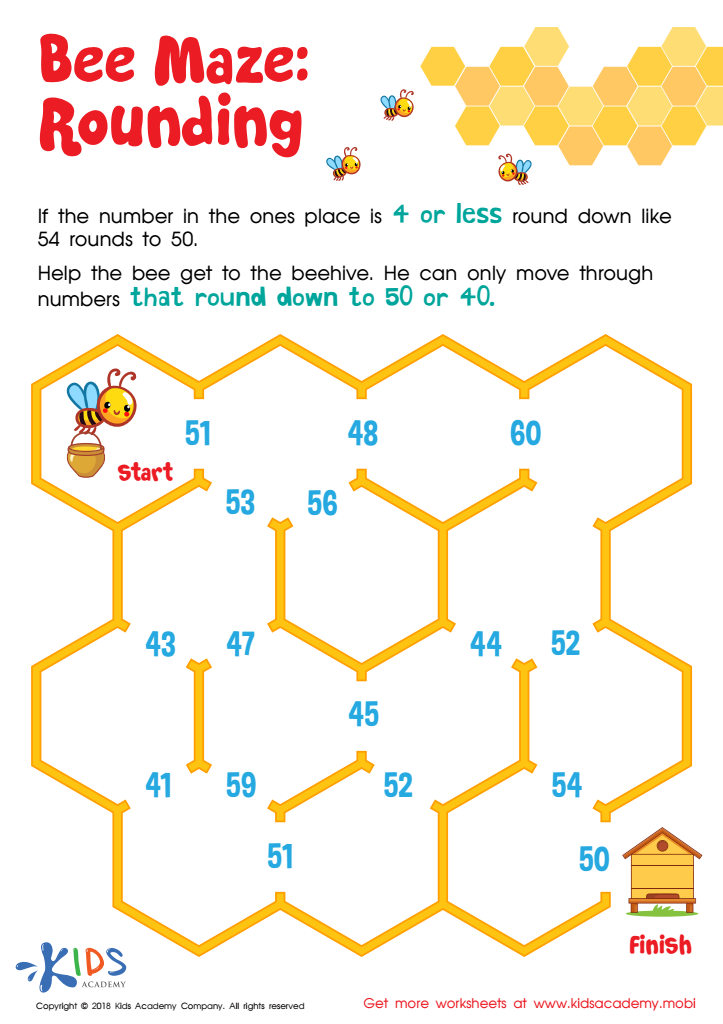
Rounding Down Printable Worksheet
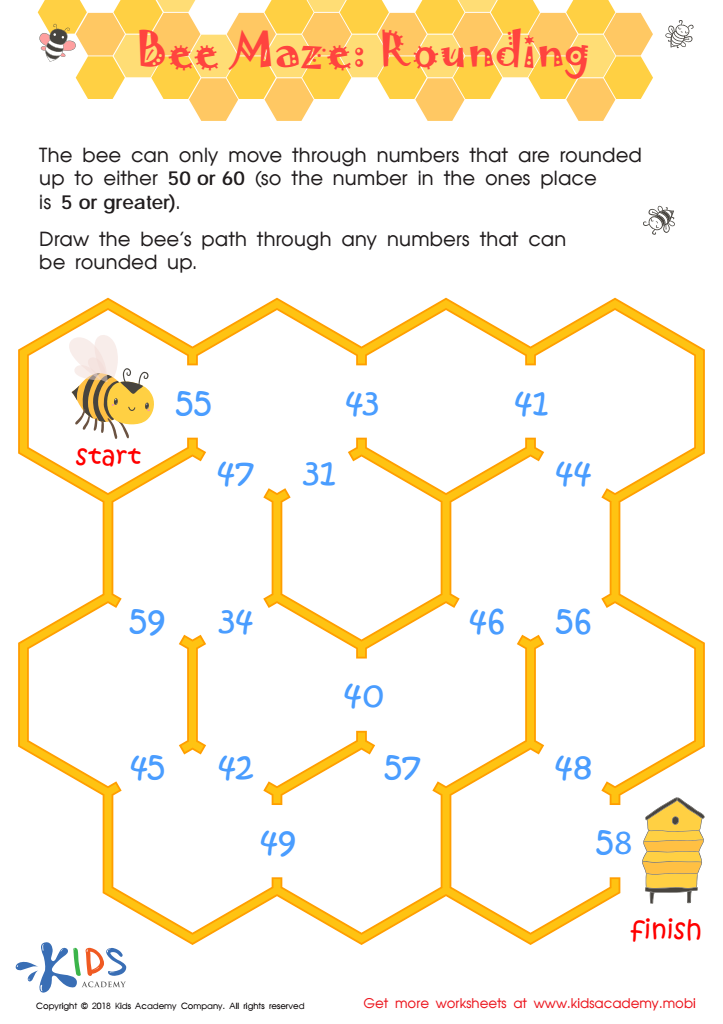
Bee Maze Rounding Worksheet
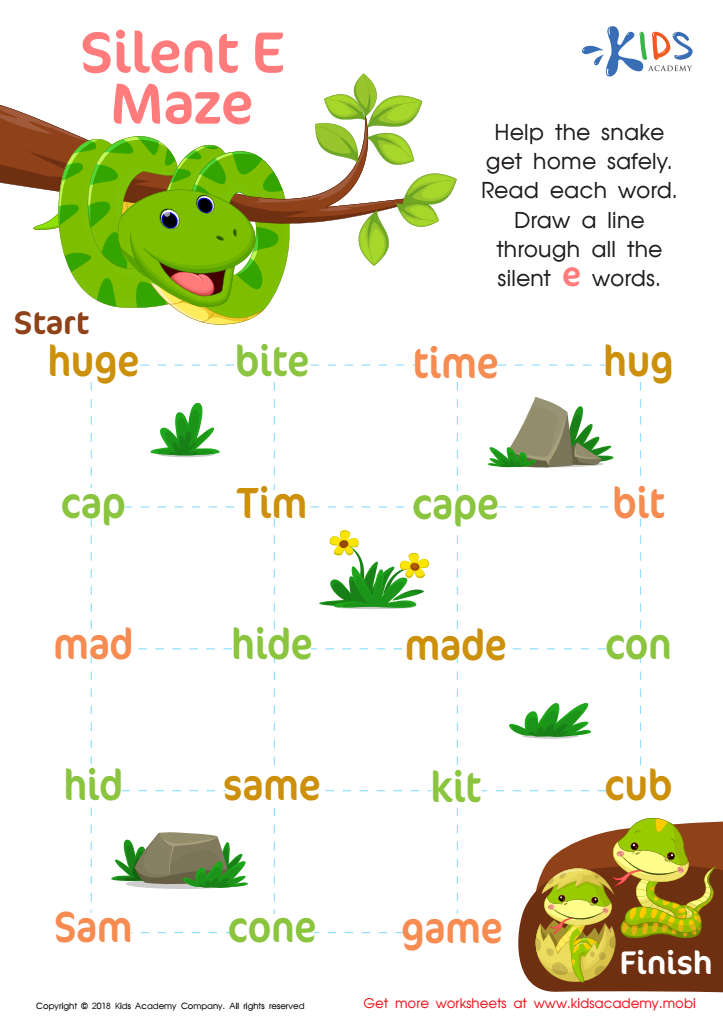
Silent E Maze Worksheet
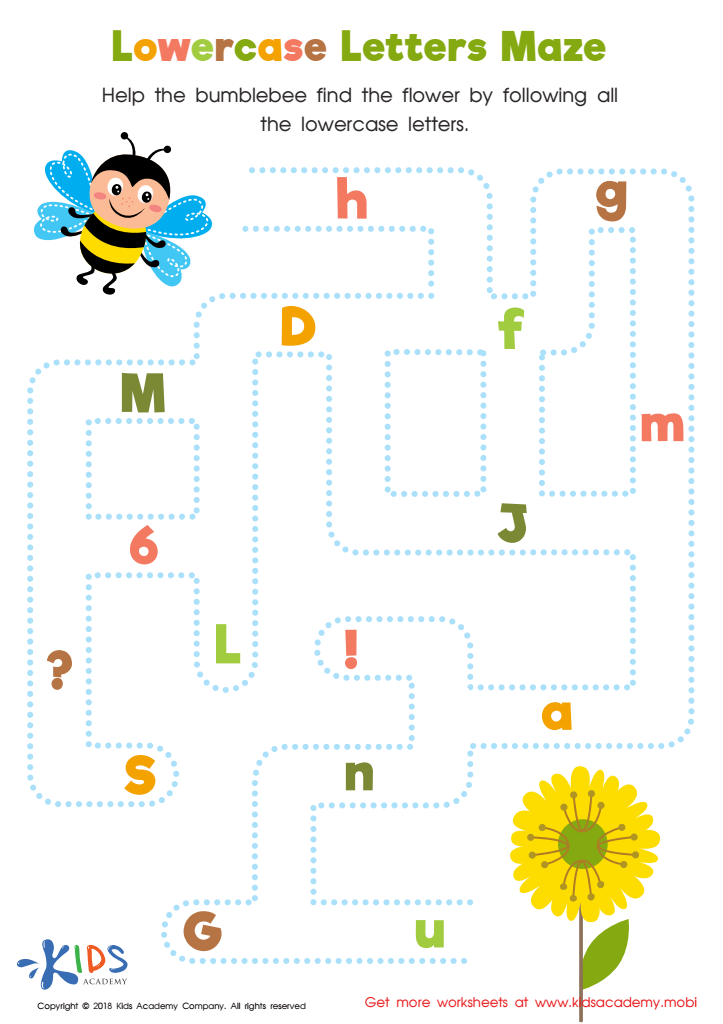
Lowercase Letters Maze Worksheet
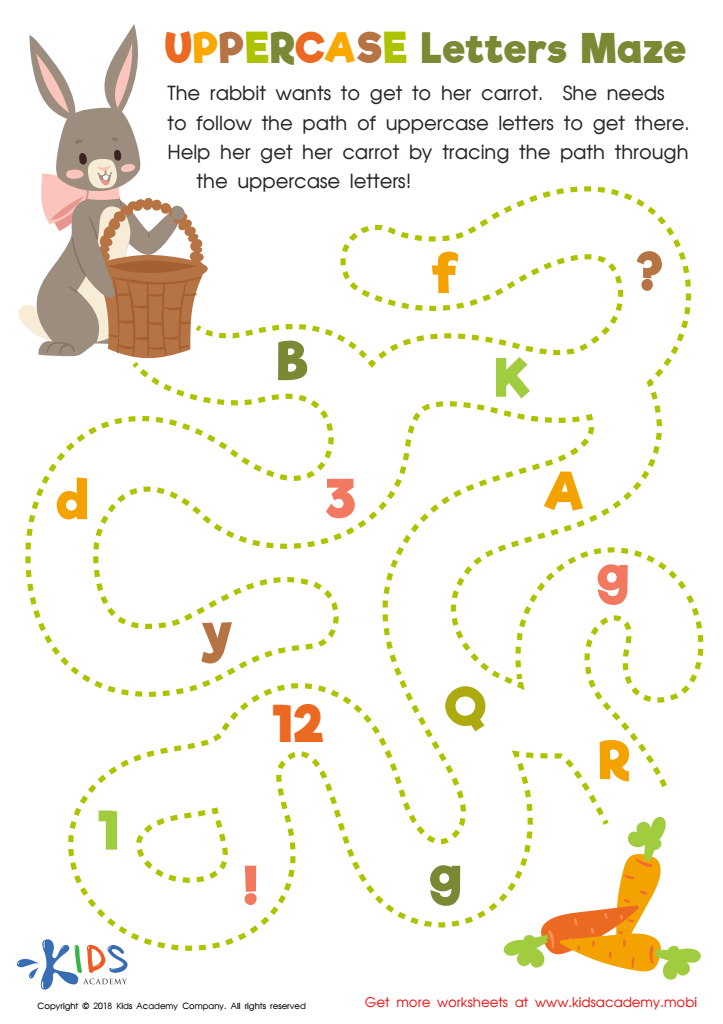
Uppercase Letters Maze Worksheet
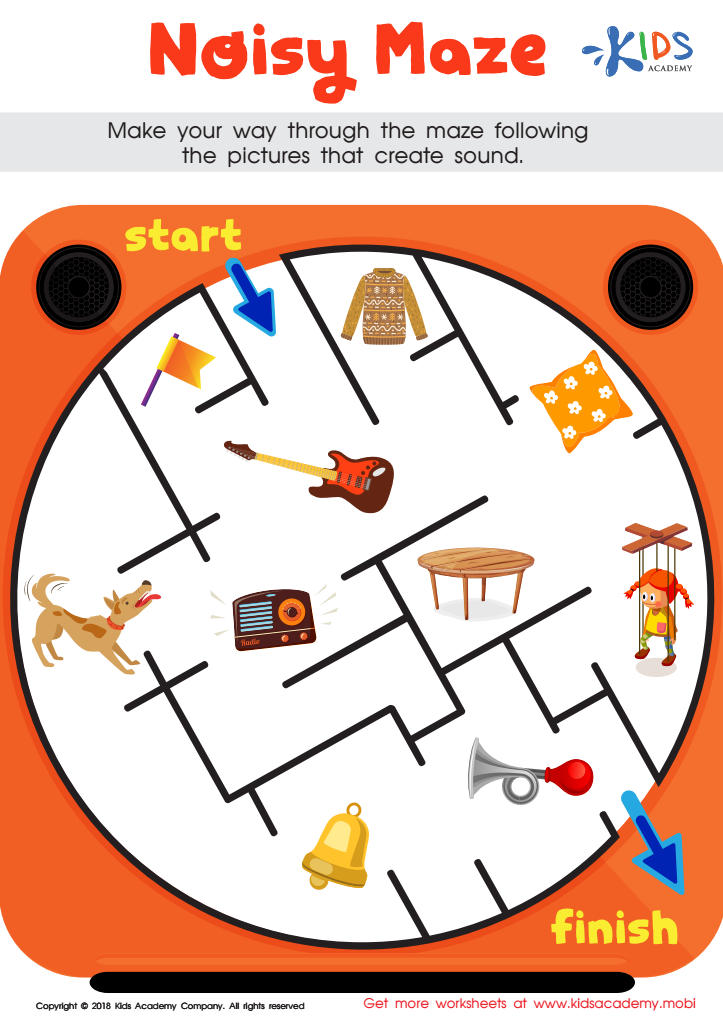
Noisy Maze Worksheet
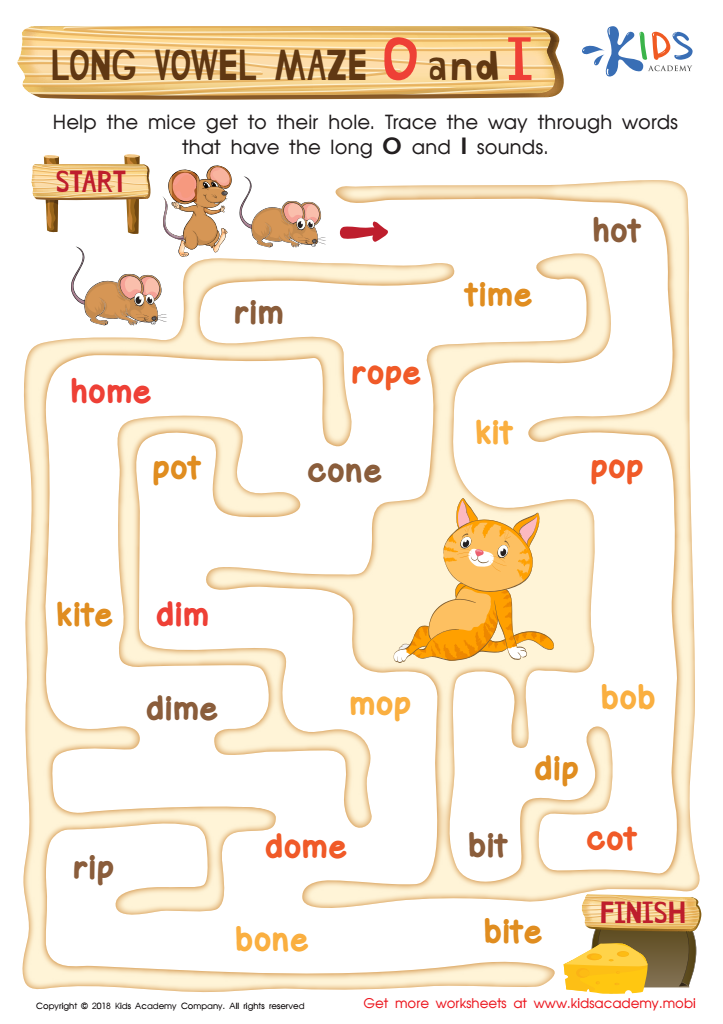
Long Vowel Maze /o/ and /i/ Worksheet
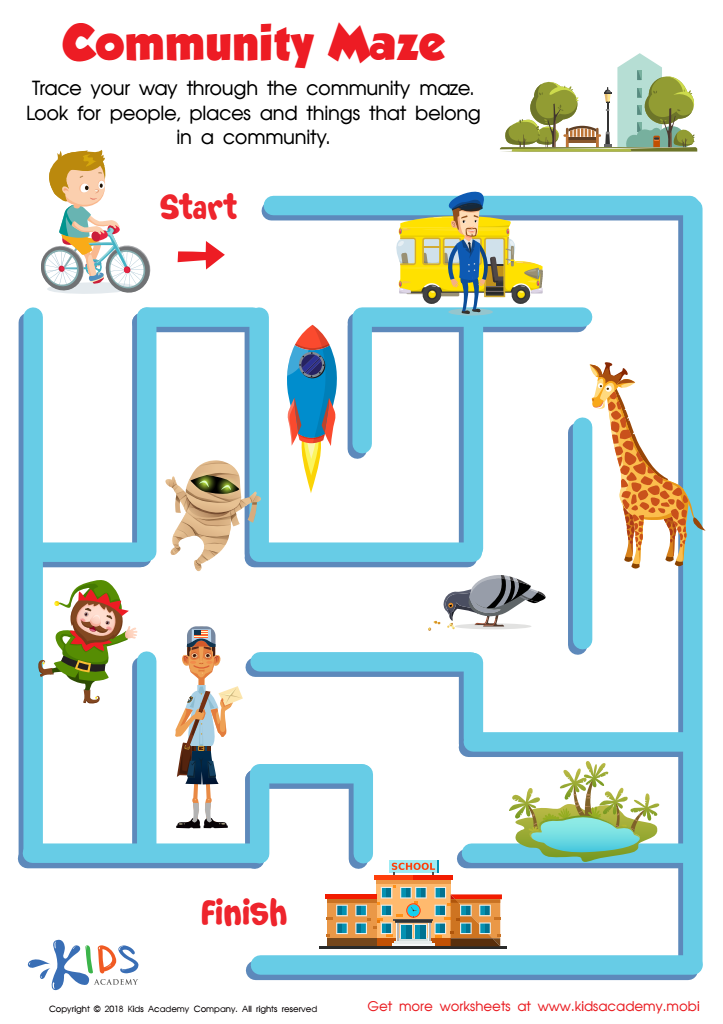
Community Maze Worksheet
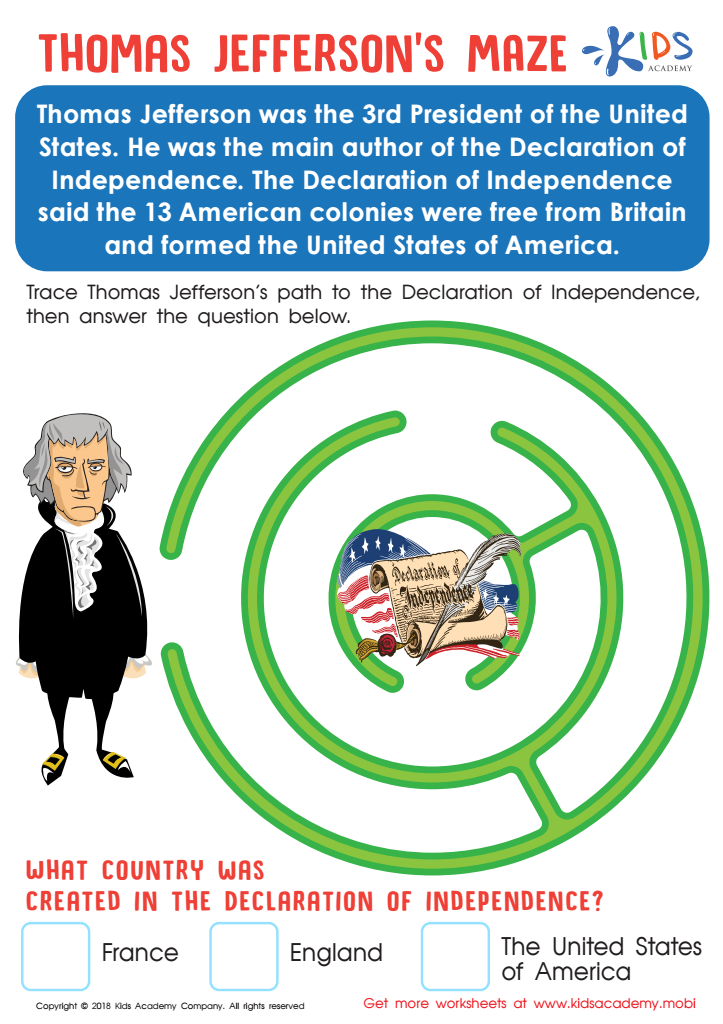
Thomas Jefferson's Maze Worksheet
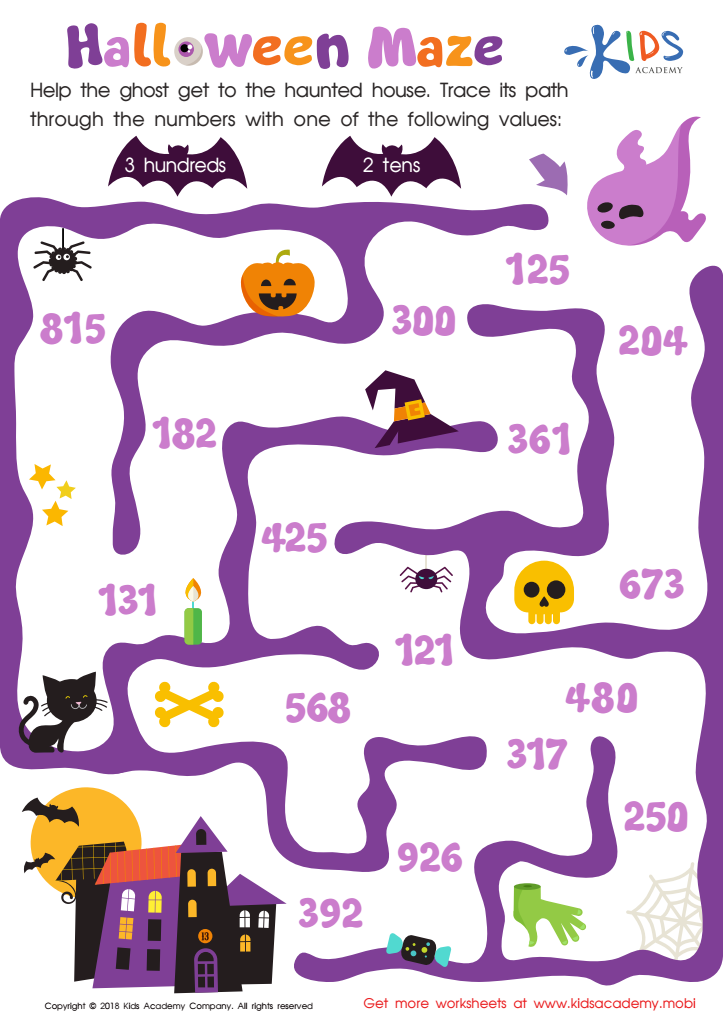
Place Value: Halloween Maze Worksheet
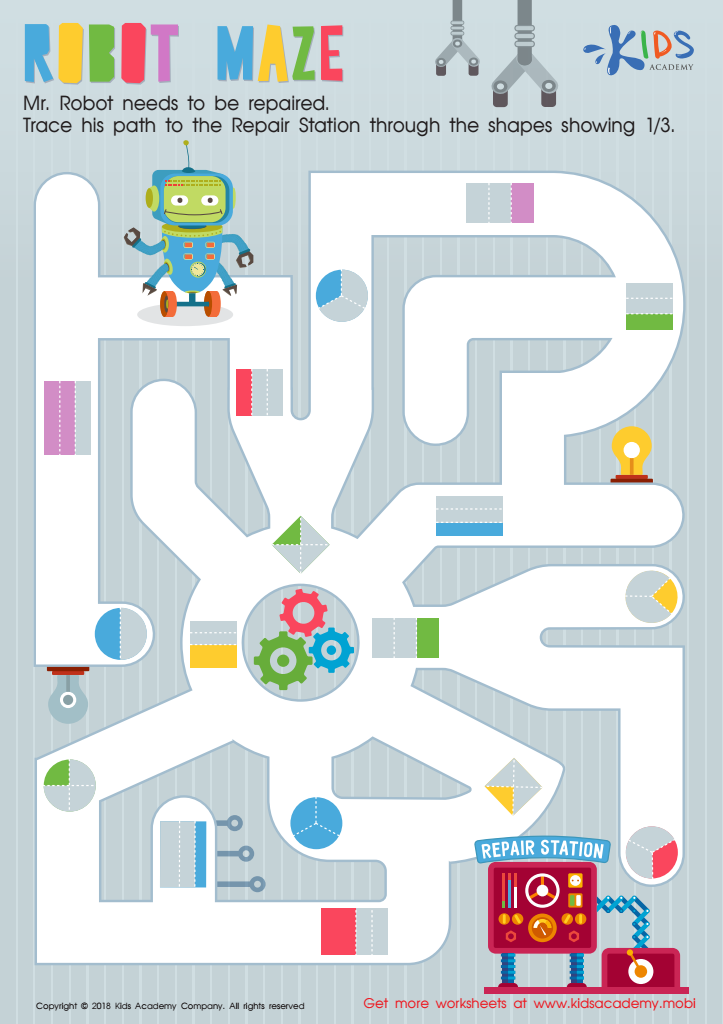
Robot Maze Worksheet
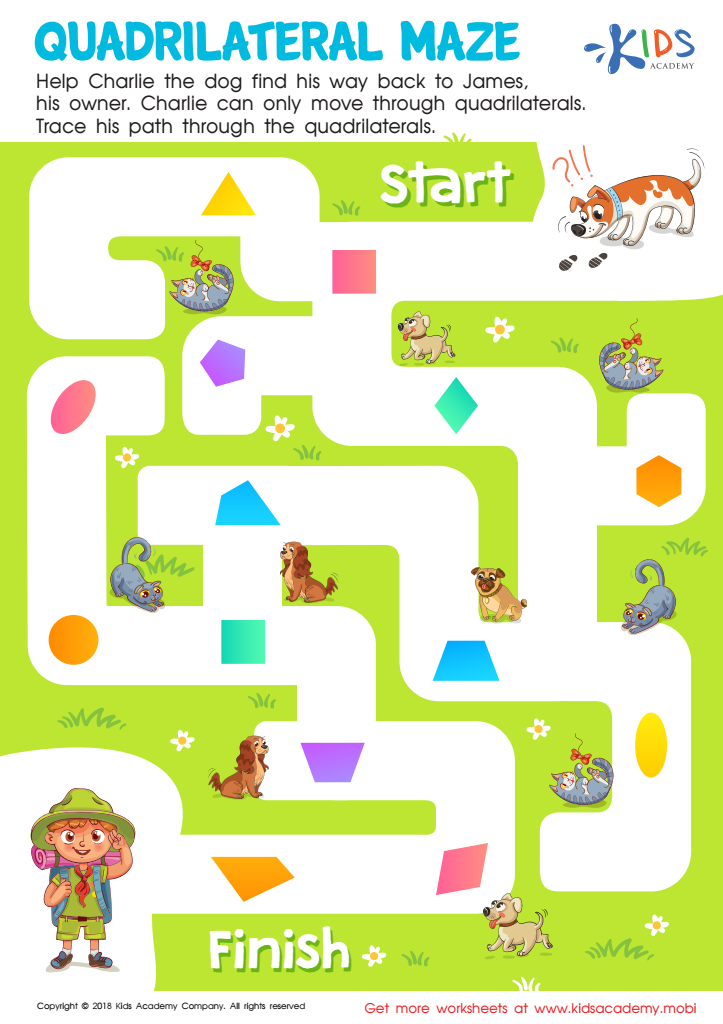
Quadrilateral Maze Worksheet
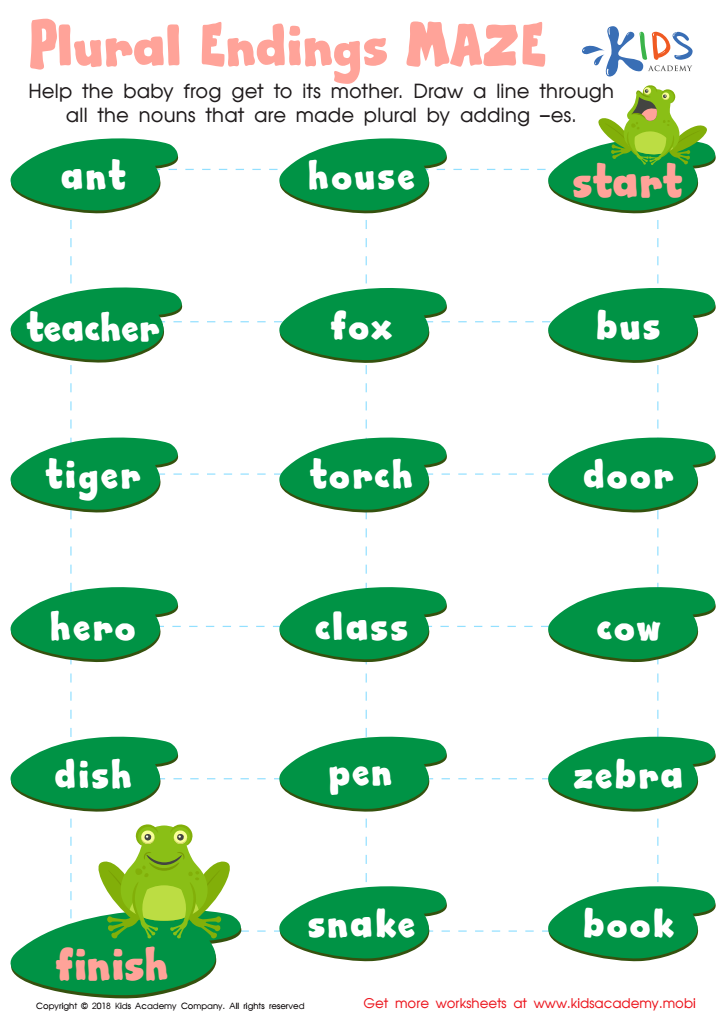
Plural Endings Maze Worksheet
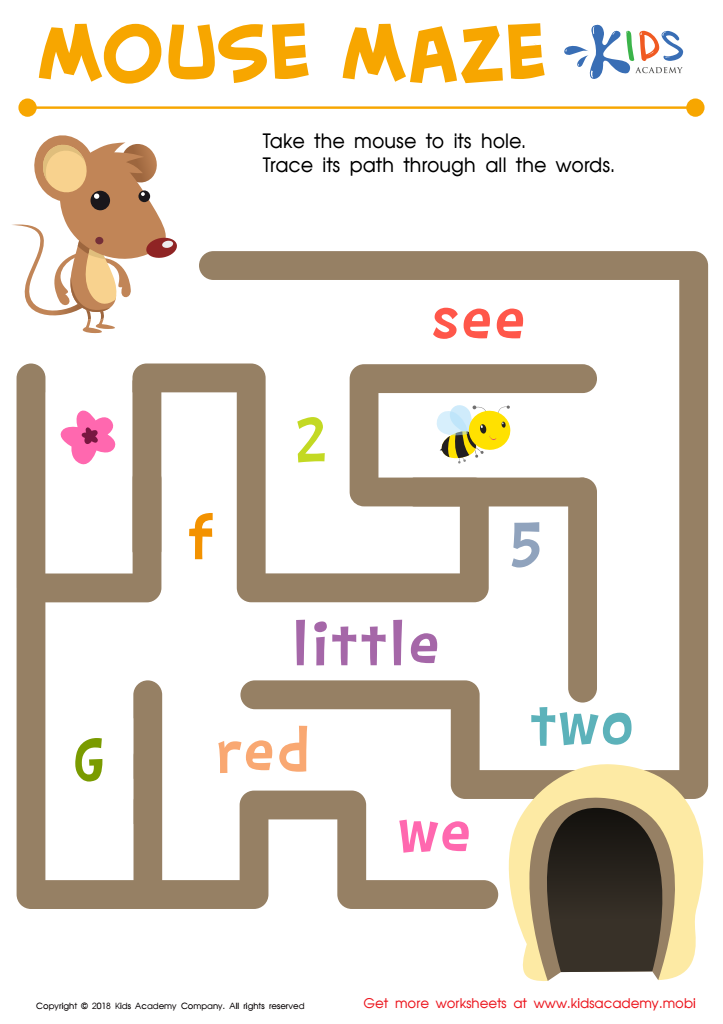
Find Words Mouse Maze Worksheet
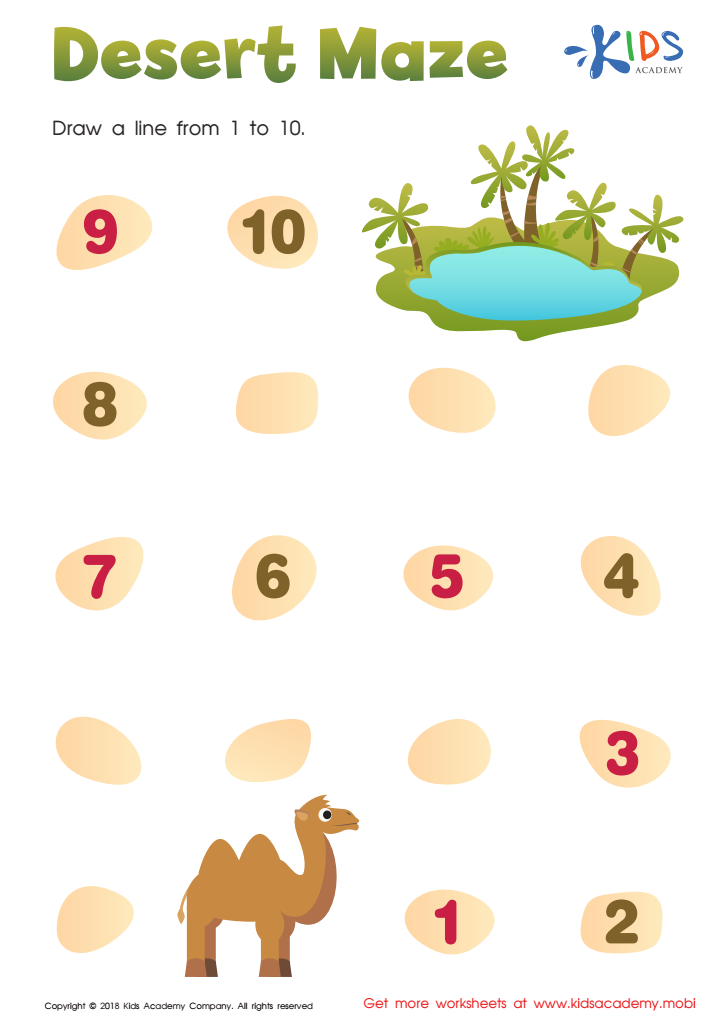
Desert Maze Worksheet
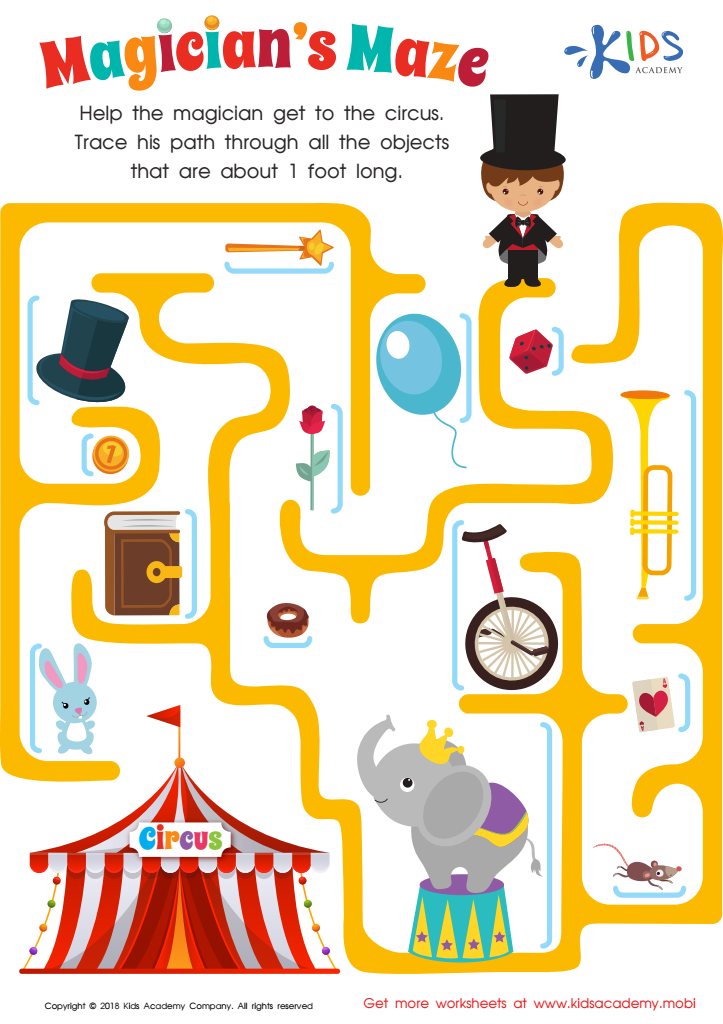
Estimating Length: Magician's Maze Worksheet
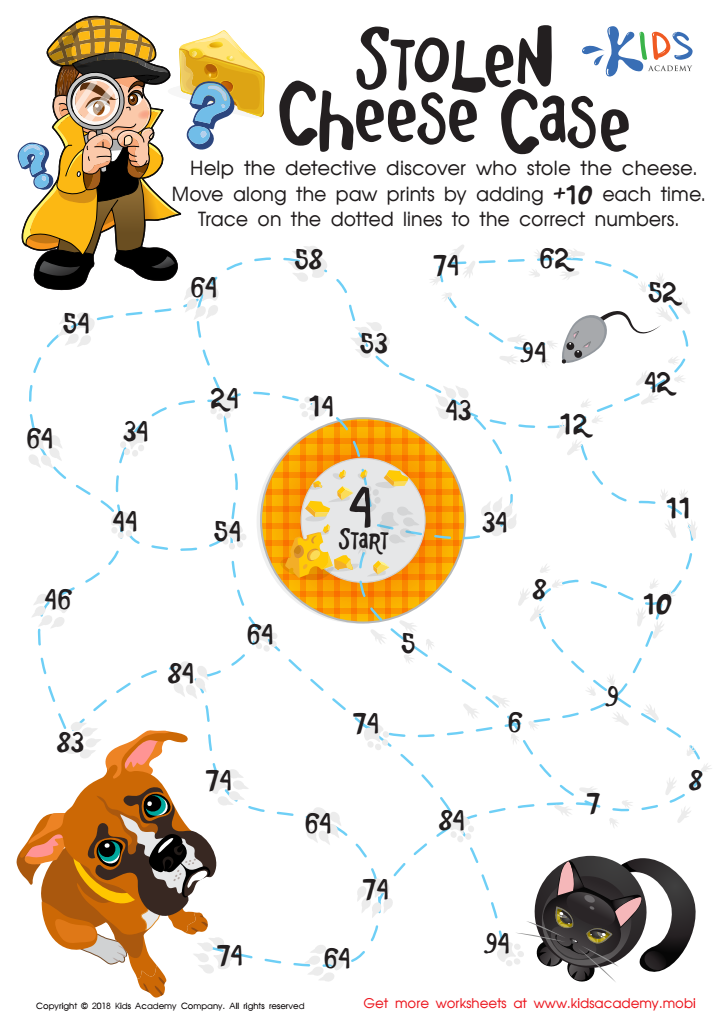
Stolen Cheese Case Maze Worksheet
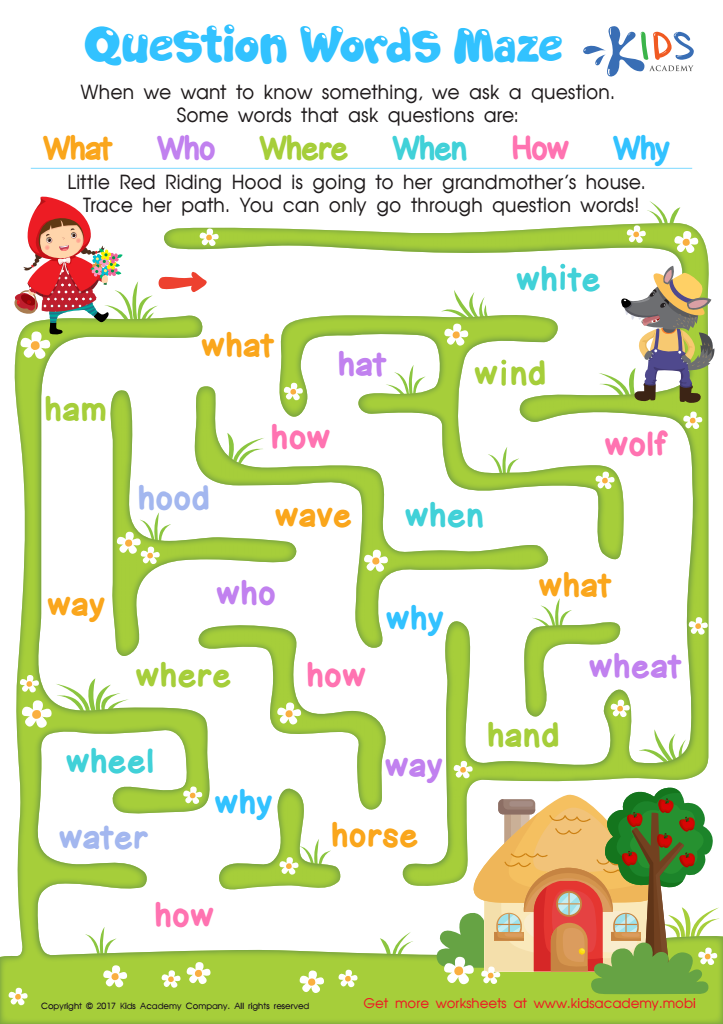
Question Words Maze Worksheet






.jpg)
Mazes are not just fun activities; they are vital tools for the development of children aged 5-8. Engaging in maze activities promotes critical cognitive skills, including problem-solving and logical thinking. Children learn to navigate pathways, make decisions, and understand spatial relationships, which lays the groundwork for more complex mathematical concepts later on.
Additionally, maze activities enhance fine motor skills as children practice their hand control by tracing paths. This activity is particularly helpful for developing dexterity required for writing and other manual tasks. Furthermore, mazes can facilitate concentration and patience, as children must focus and persist through challenges to reach their goal.
From a social perspective, maze activities can easily involve collaborative play, where children work together to figure out solutions, fostering teamwork and communication skills. They also offer opportunities for teachers and parents to bond with children while providing encouragement and guidance.
Furthermore, mazes can be integrated into lessons on various subjects like geography, math, and even storytelling, enriching the learning experience. In summary, incorporating maze activities into both home and classroom settings nurtures cognitive, physical, and social development, making them invaluable for parents and educators alike.








