Reading worksheets activities for Ages 6-9
14 filtered results
-
From - To
Discover our engaging reading worksheets designed specifically for children aged 6 to 9! These fun and interactive activities foster a love for reading while enhancing essential literacy skills. Our worksheets feature a variety of exercises, including comprehension questions, vocabulary building, and reading fluency practice. Whether your child is a budding reader or seeking to improve their skills, our carefully crafted materials cater to all levels. Parents and educators can easily access printable worksheets that align with educational standards, making learning enjoyable at home or in the classroom. Start your child’s reading journey today with our engaging resources and watch them thrive!
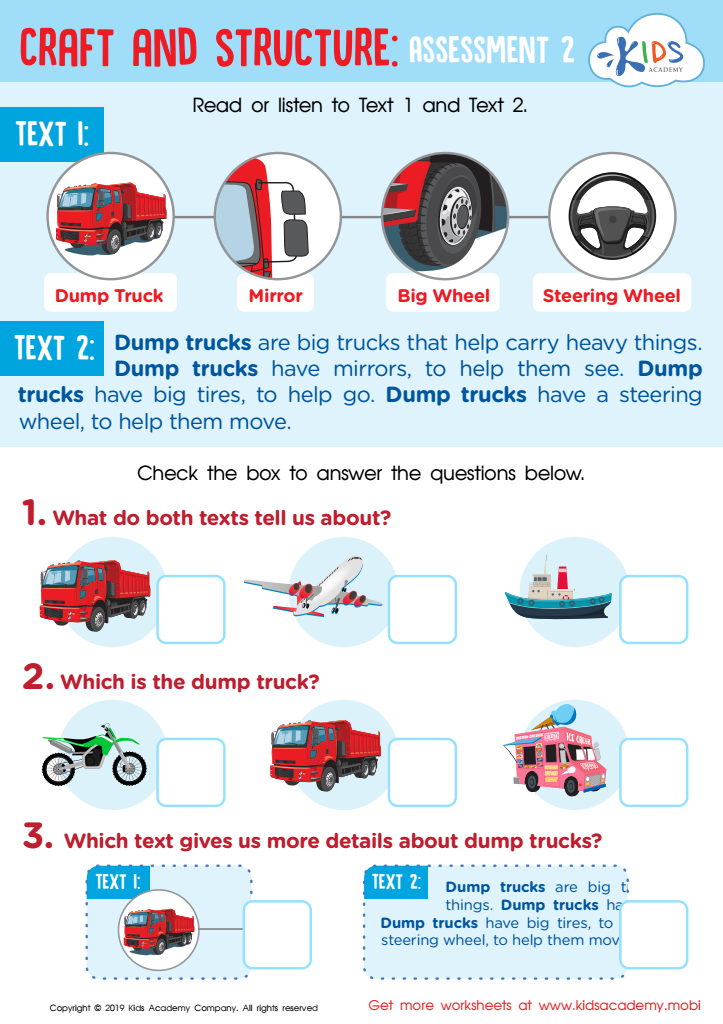
Craft and Structure: Assessment 2 Worksheet
 Assign to My Students
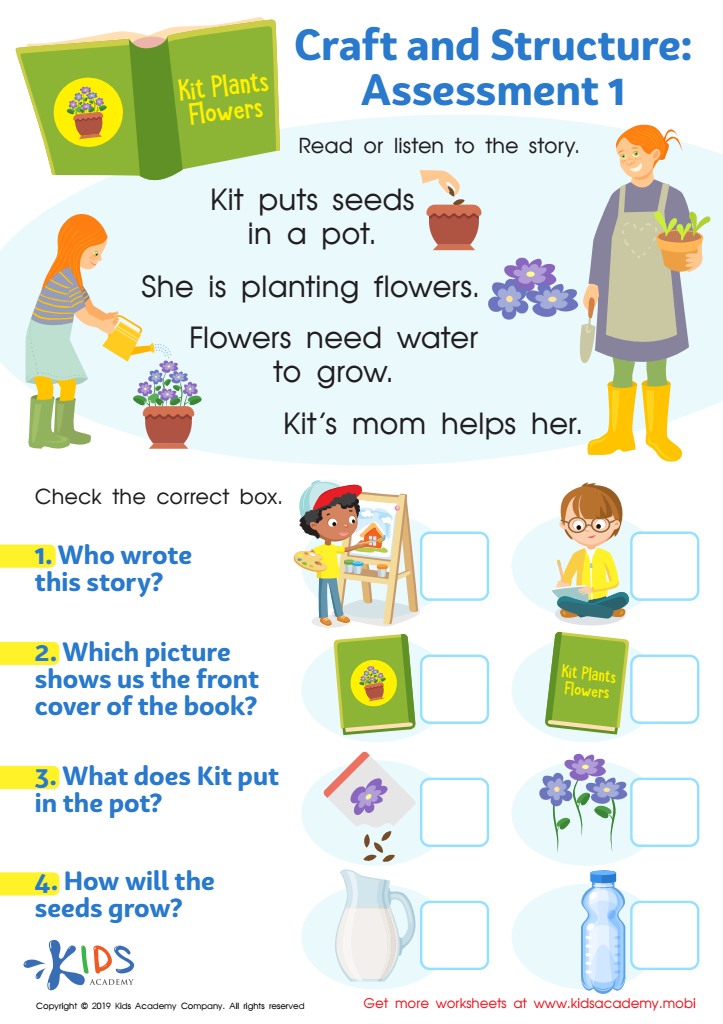
Craft and Structure: Assessment 1 Worksheet
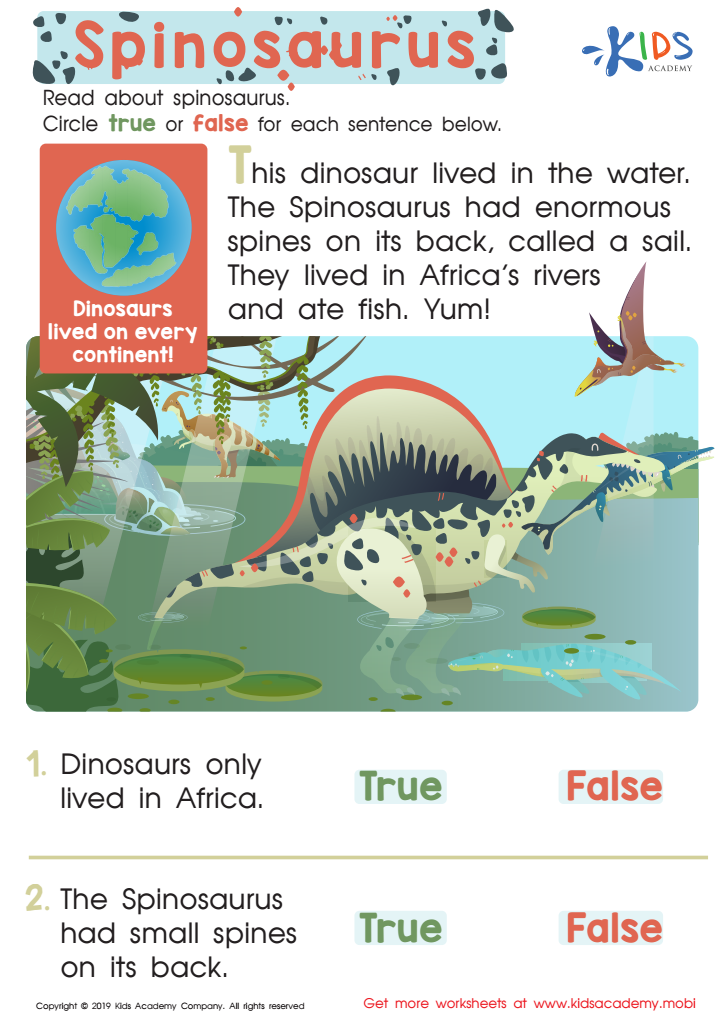
Spinosaurus Assessment Worksheet
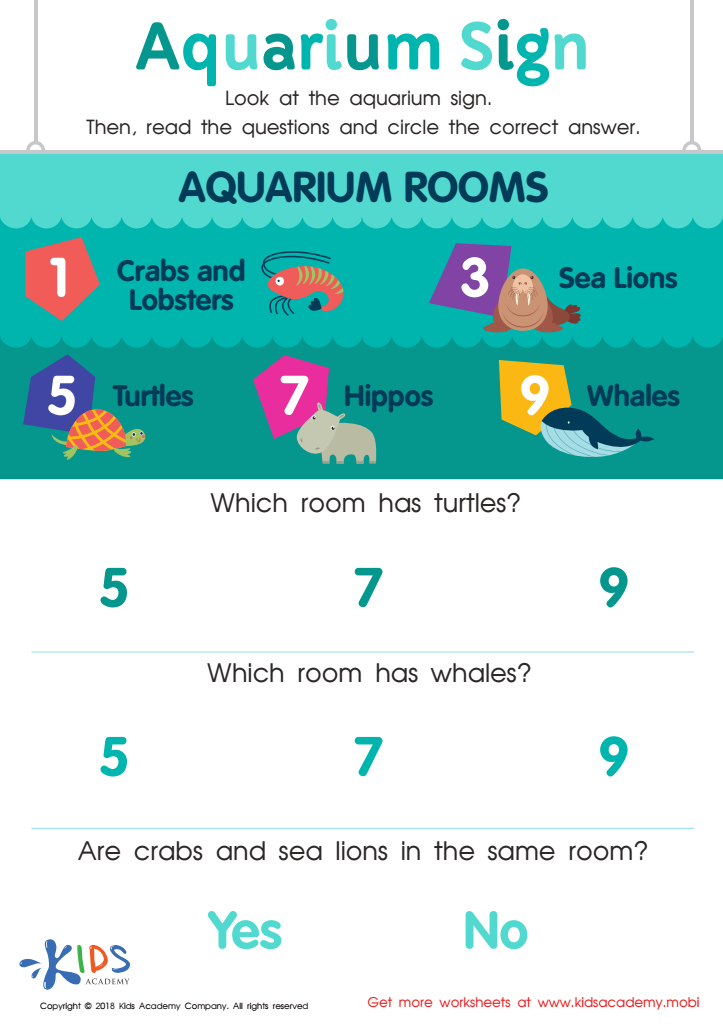
Assessment: Aquarium Sign Worksheet
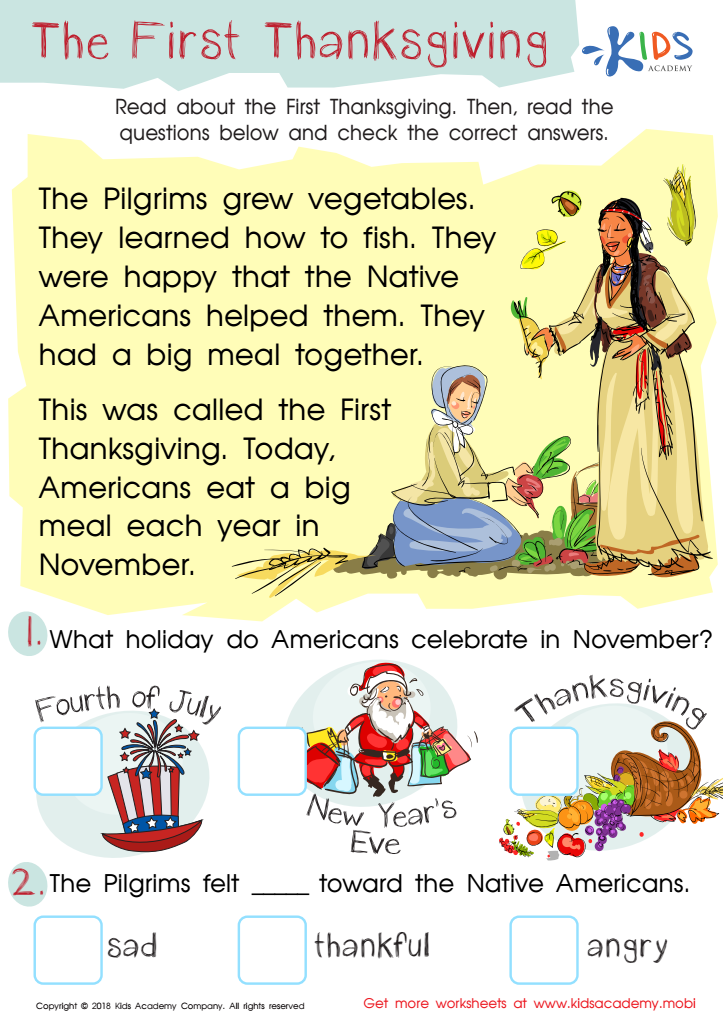
Assessment: First Thanksgiving Worksheet
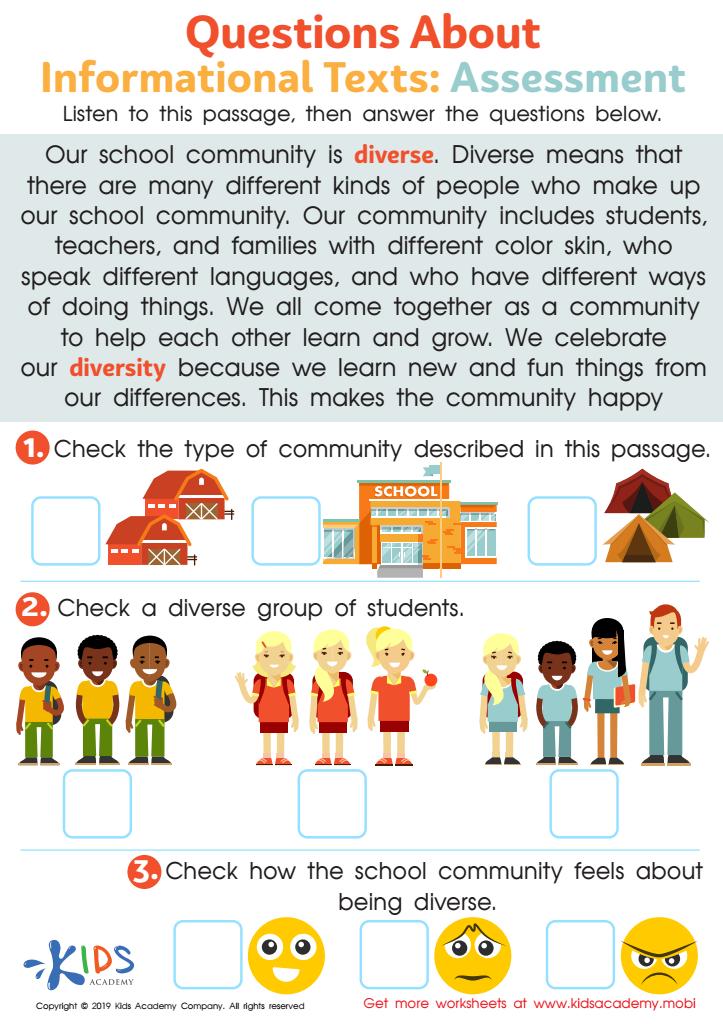
Questions About Informational Texts: Assessment 1 Worksheet
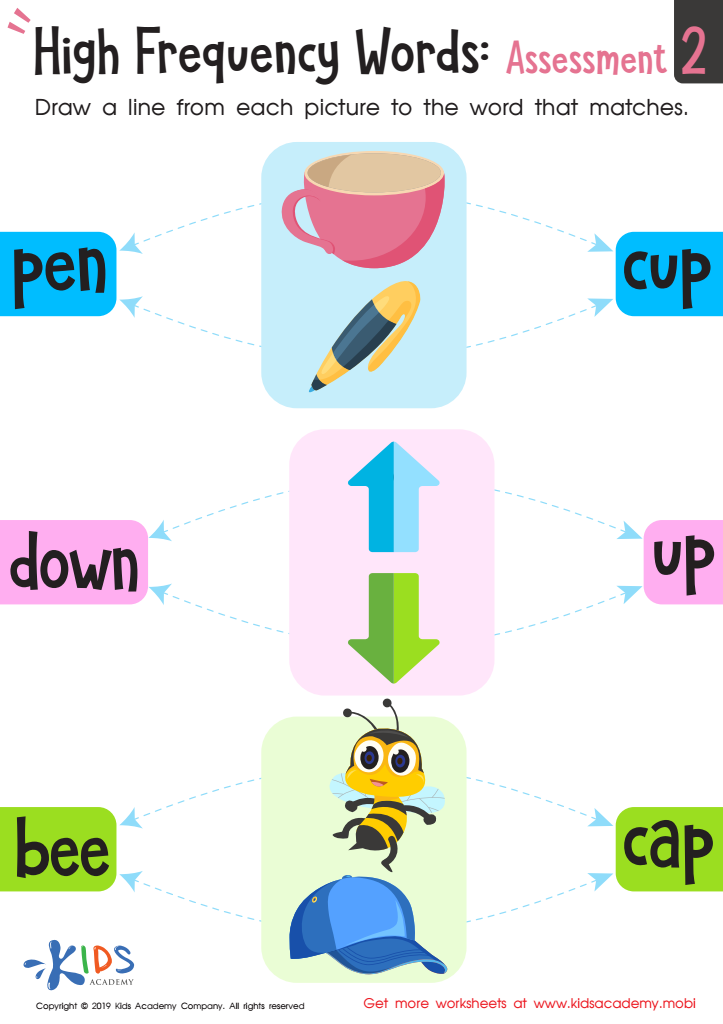
High Frequency Words: Assessment 2 Worksheet
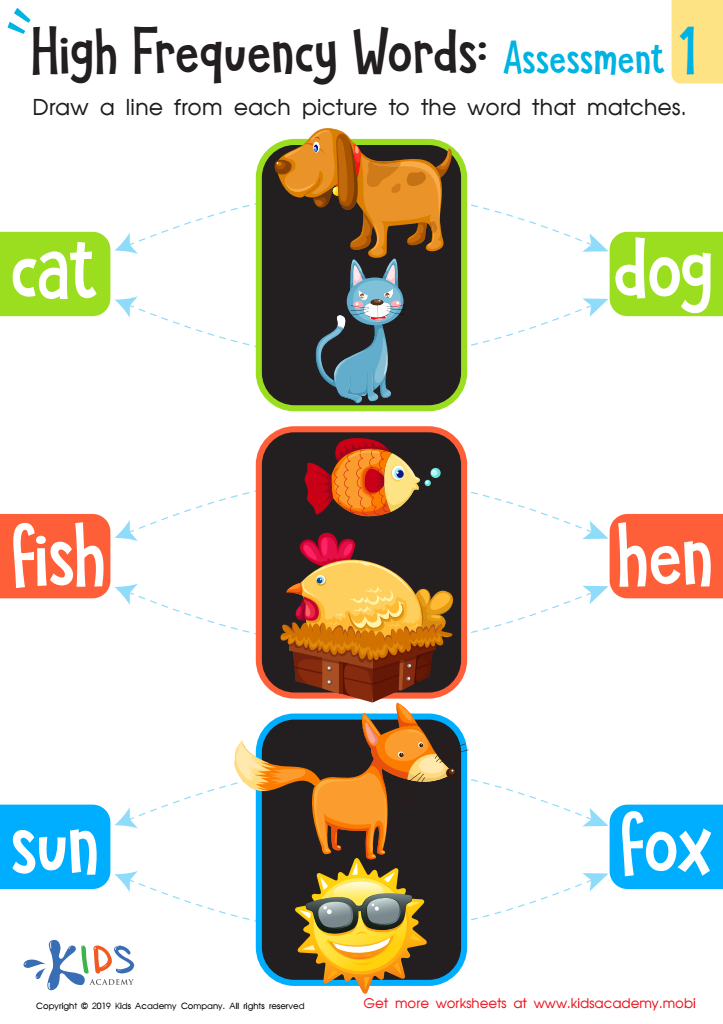
High Frequency Words: Assessment 1 Worksheet
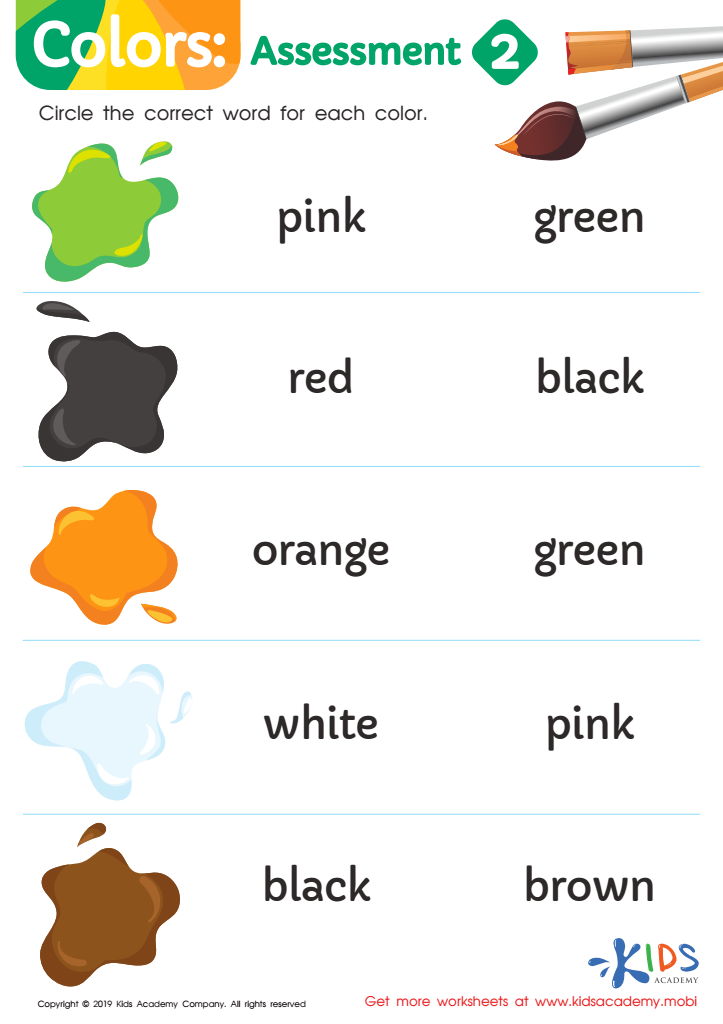
Colors: Assessment 2 Worksheet
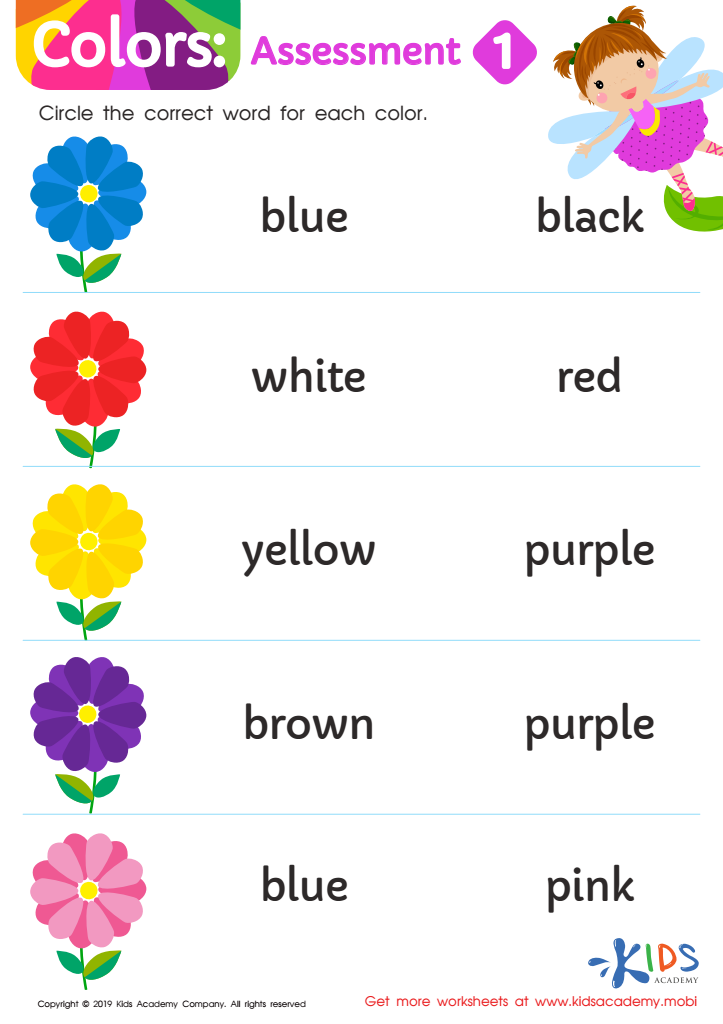
Colors: Assessment 1 Worksheet
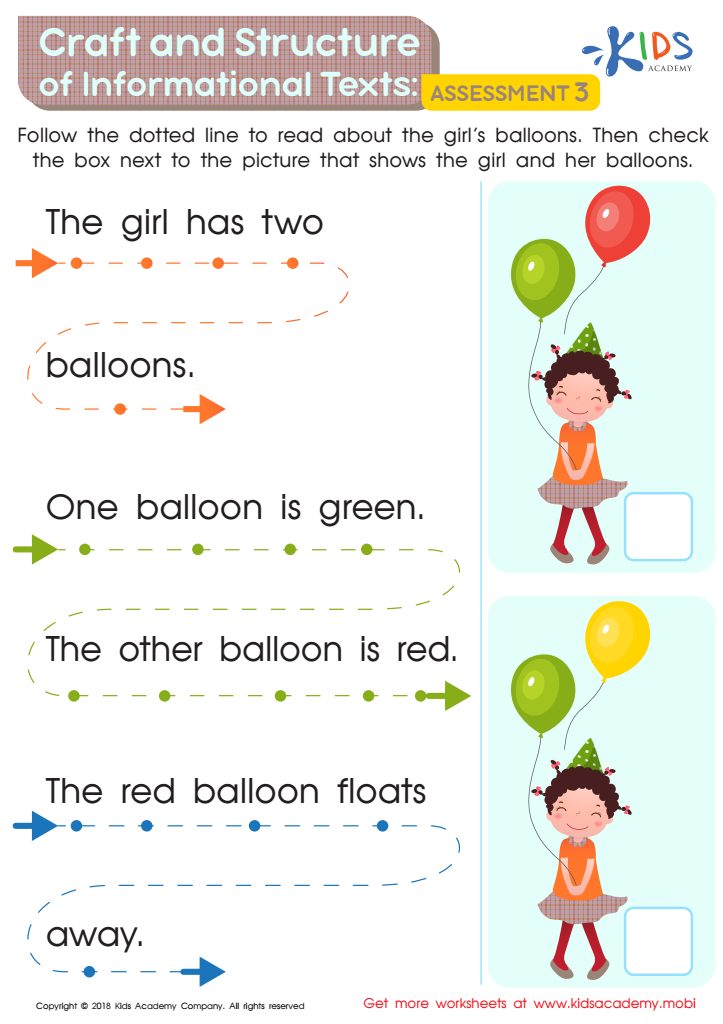
Craft and Structure of Informational Texts: Assessment 3 Worksheet
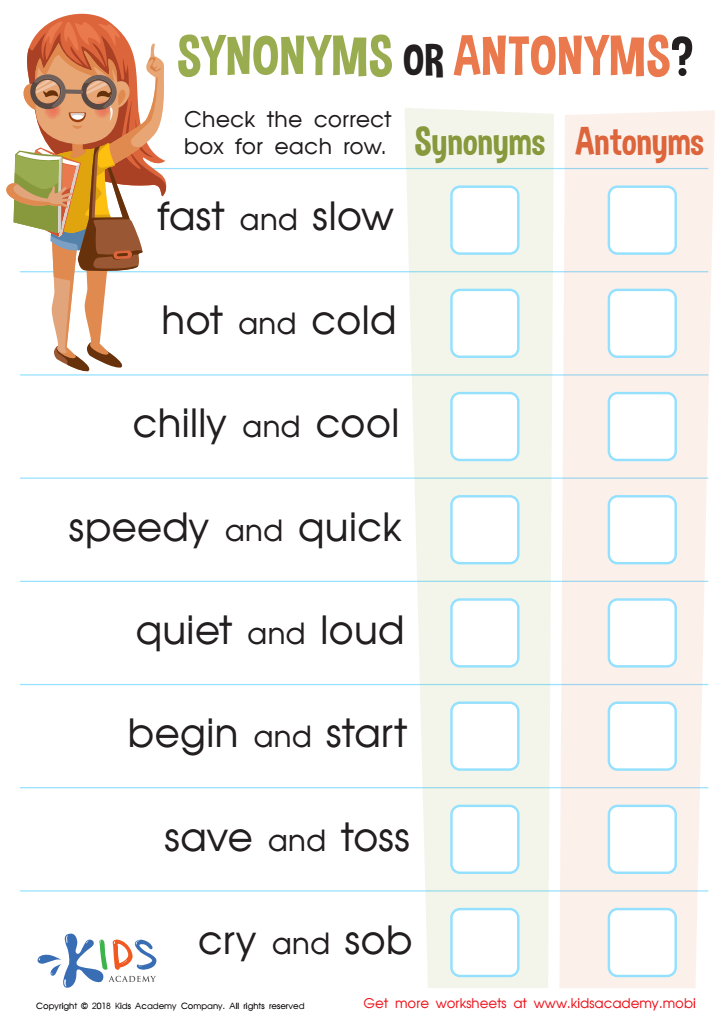
Synonyms or Antonyms: Assessment Worksheet
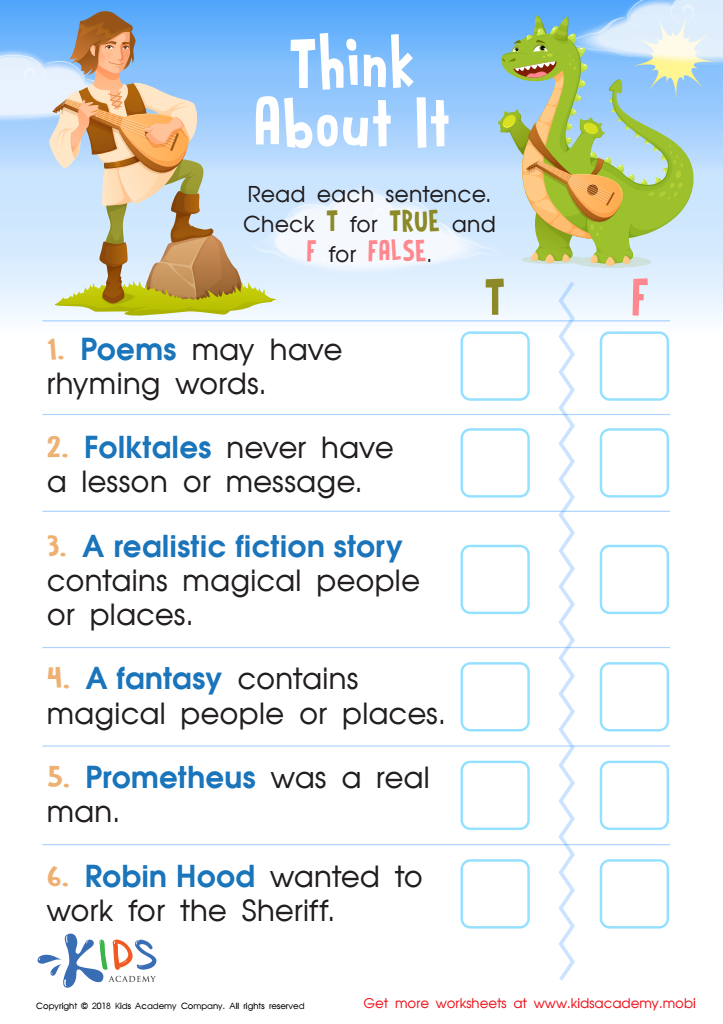
Think About It: Assessment Worksheet
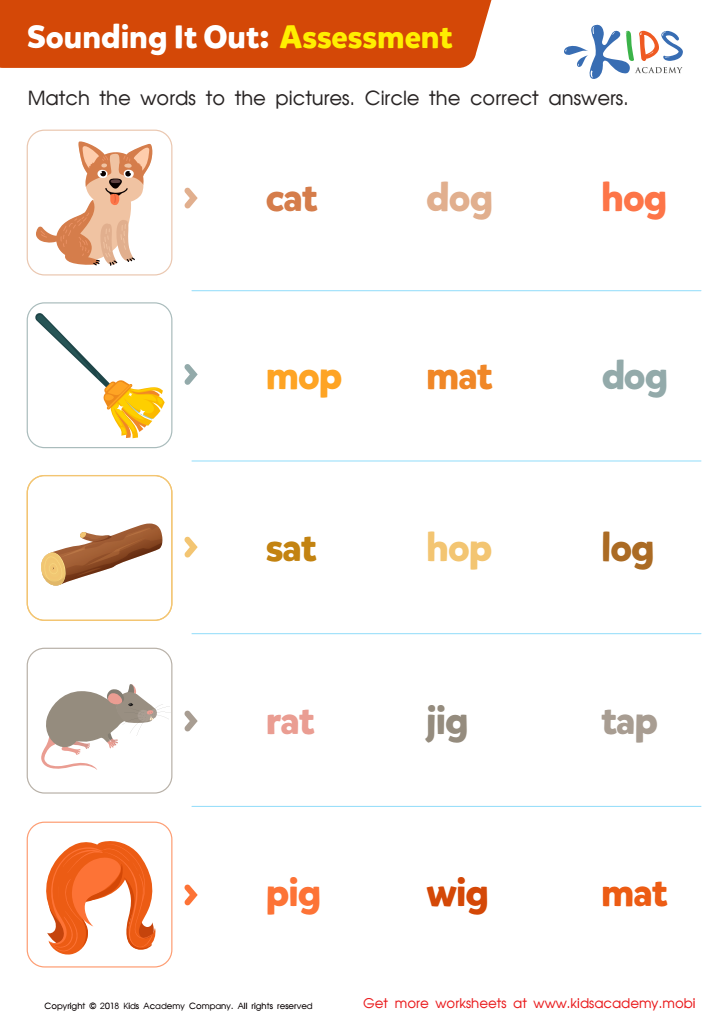
Sounding it Out: Assessment Worksheet








Reading activities for children aged 6-9 are crucial for their cognitive, social, and emotional development. At this age, children are still developing foundational literacy skills, which are essential for their academic success. Engaging in reading activities helps improve vocabulary, comprehension, and critical thinking skills, allowing children to express themselves more effectively and understand the world around them.
Moreover, reading fosters a love for literature that can last a lifetime. By immersing children in enjoyable and diverse texts, parents and teachers can instill a sense of curiosity and creativity, encouraging them to explore new ideas and perspectives. Additionally, reading aloud and discussing stories enhances listening skills and promotes bonding between parents and children, creating a nurturing environment conducive to learning.
Beyond academics, reading activities also support emotional development. As children connect with characters and their experiences, they learn empathy and develop emotional intelligence, important skills for navigating social relationships.
In summary, prioritizing reading activities for young children not only enhances their literacy skills but also nurtures their emotional and social growth, setting a strong foundation for lifelong learning and personal development. Thus, both parents and teachers play a vital role in fostering a rich reading culture.








