Tracing worksheets activities for Ages 6-9 - Page 7
147 filtered results
-
From - To

Letter C Tracing Page
 Assign to My Students
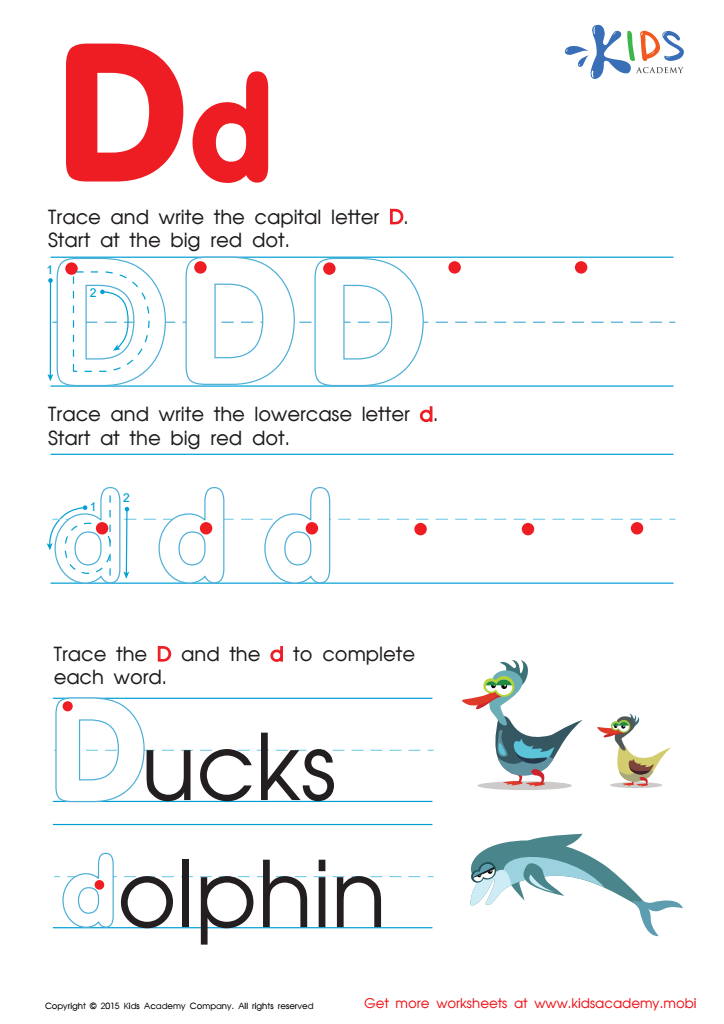
Letter D Tracing Page
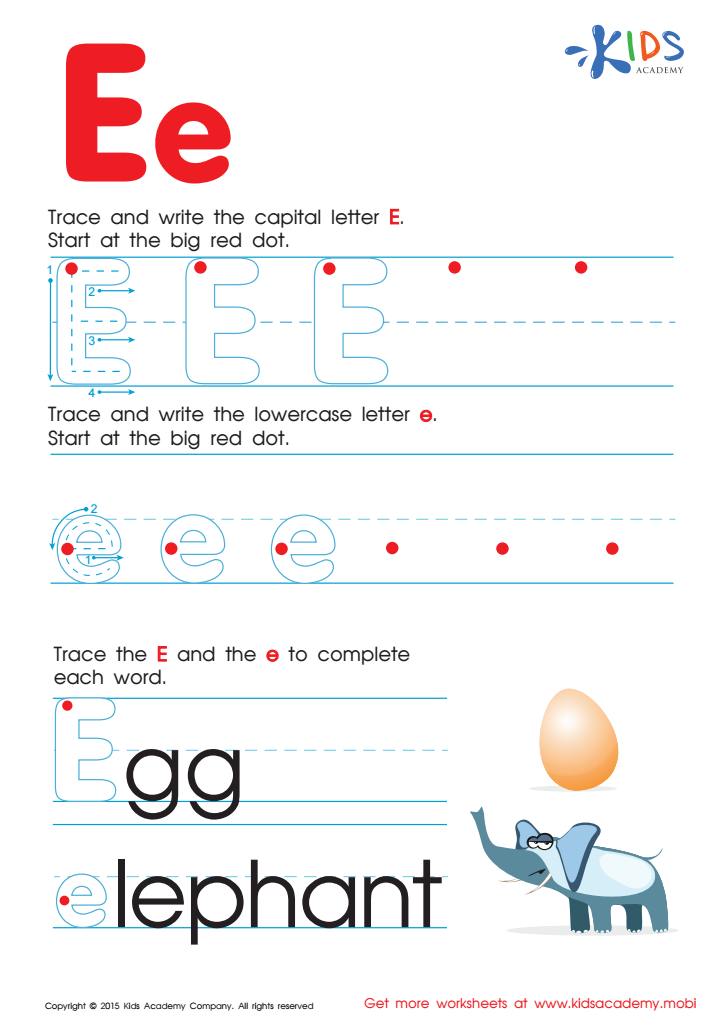
Letter E Tracing Page







.jpg)
Tracing activities are essential for children aged 6-9 as they significantly enhance fine motor skills and strengthen hand-eye coordination. At this developmental stage, children are refining their grasp and control of writing instruments, and tracing can provide an enjoyable and engaging way to practice these skills. Mastery of fine motor activities is crucial as they set the foundation for later academic tasks such as writing, drawing, and even tasks like tying shoelaces.
Moreover, tracing can enhance cognitive development. As children trace letters, numbers, or shapes, they reinforce their recognition of these symbols while improving recall. This repetition aids in transitioning to independent writing, ultimately boosting their confidence and academic performance.
Teachers and parents should also value tracing as a fun, low-pressure way to introduce new concepts. Incorporating tracing activities into learning themes, such as letter formations or geometric shapes, can keep children engaged while supporting their early literacy and numeracy skills.
Additionally, these activities can be easily tailored to a child's interests, turning learning into a fun adventure. By investing time in tracing activities, parents and teachers foster an enriching learning environment, helping children develop critical skills for their future educational journeys.








