Tracing Letters worksheets activities for Ages 6-9 - Page 3
56 filtered results
-
From - To
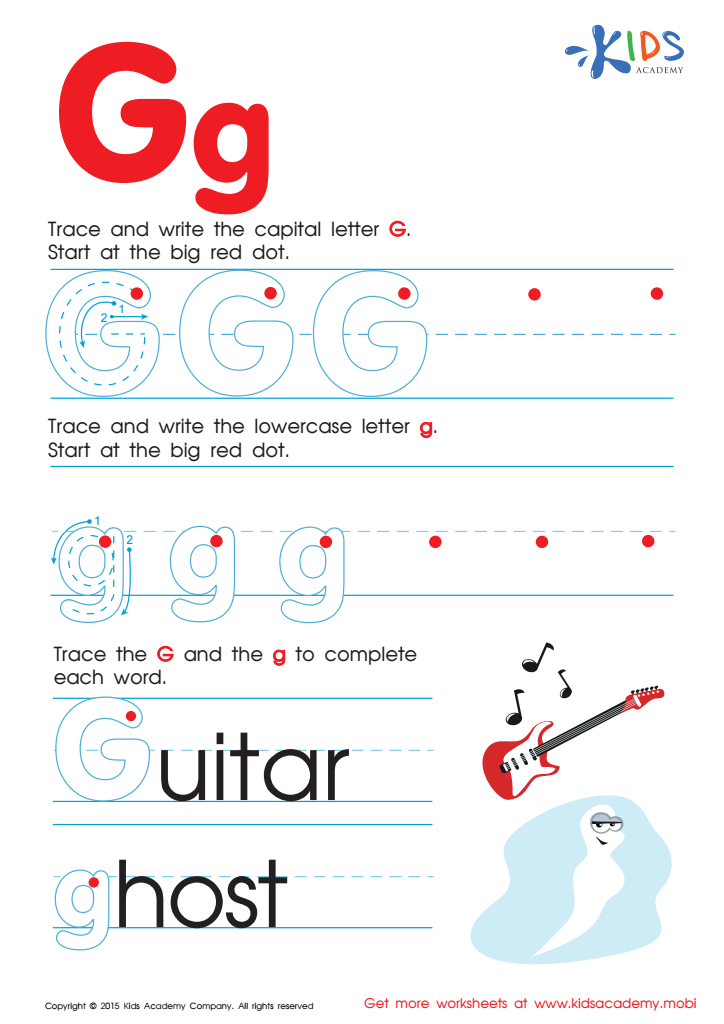
Letter G Tracing Page
 Assign to My Students
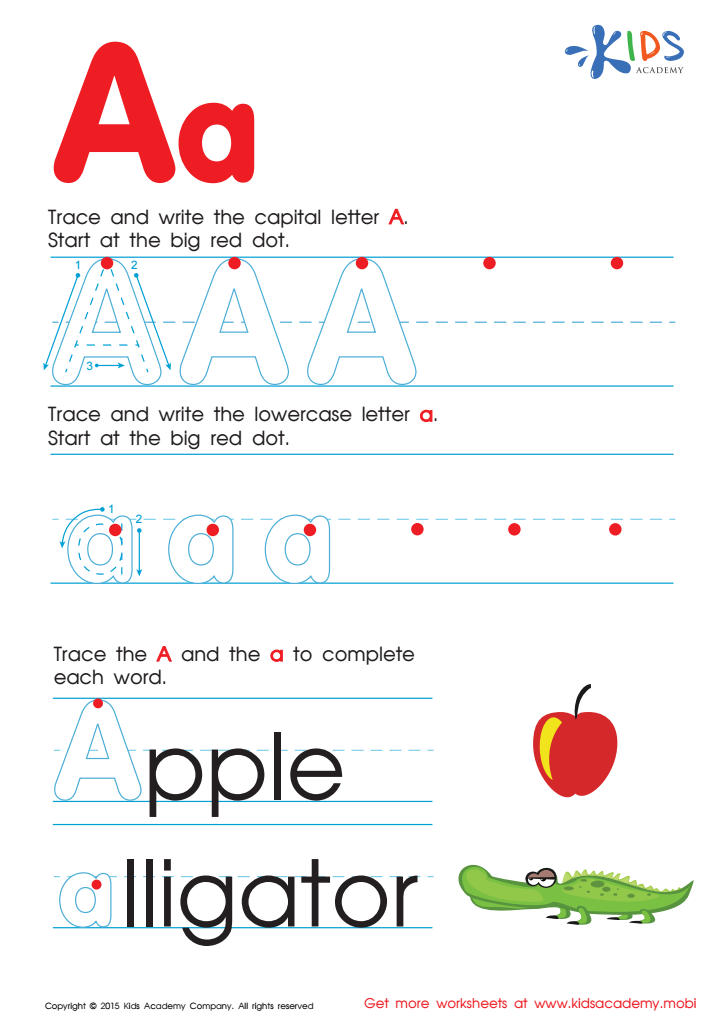
Letter A Tracing Page
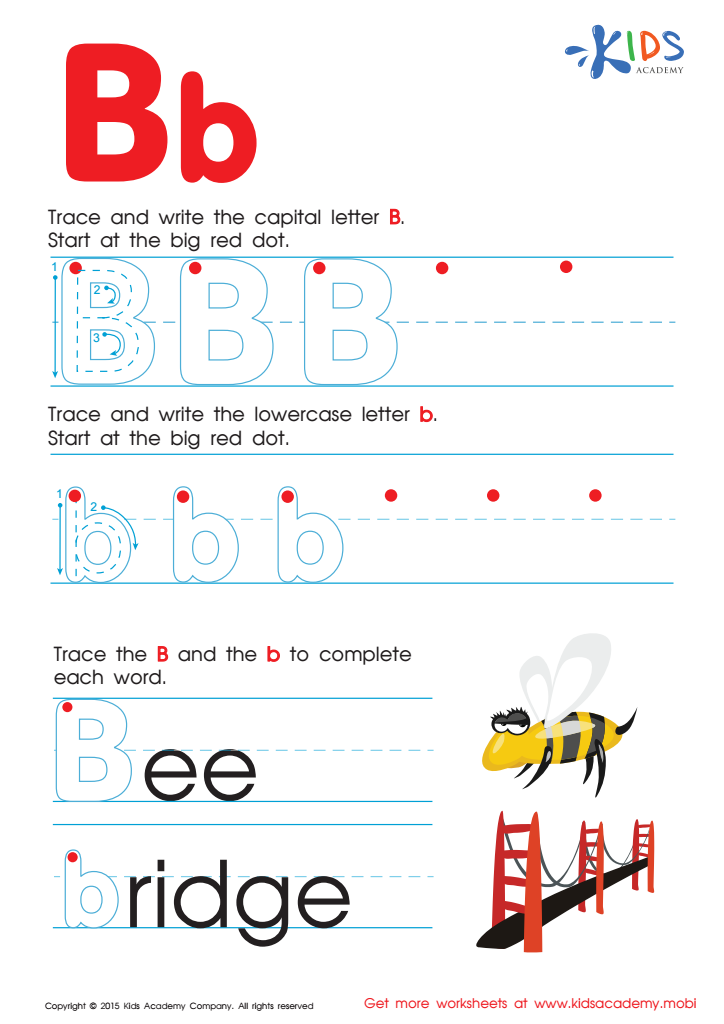
Letter B Tracing Page
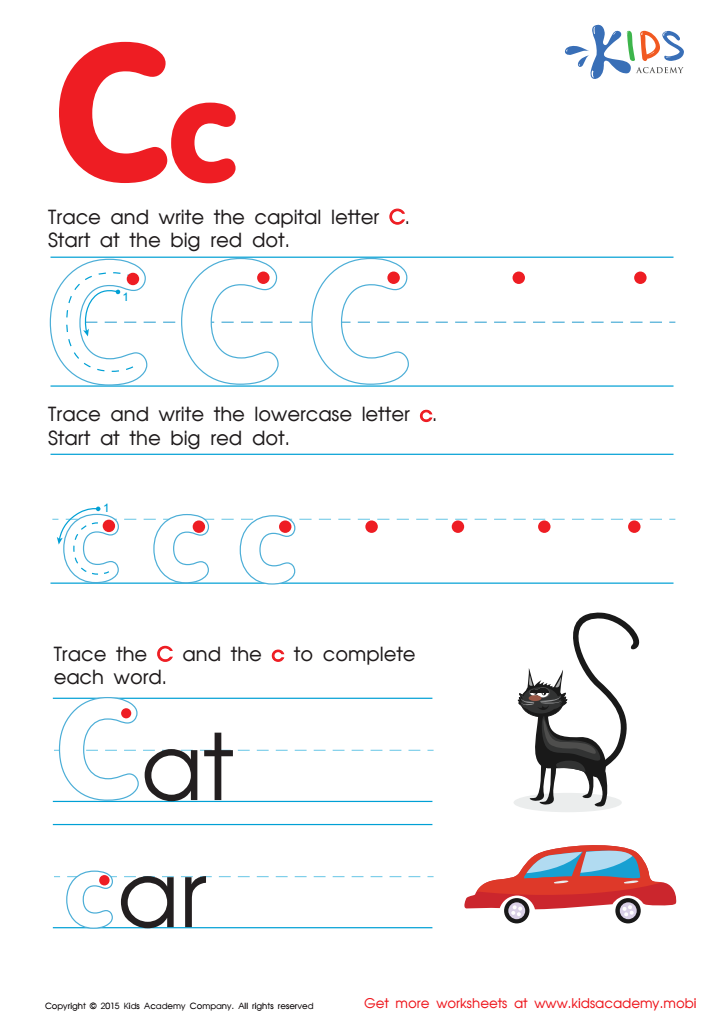
Letter C Tracing Page

Letter D Tracing Page
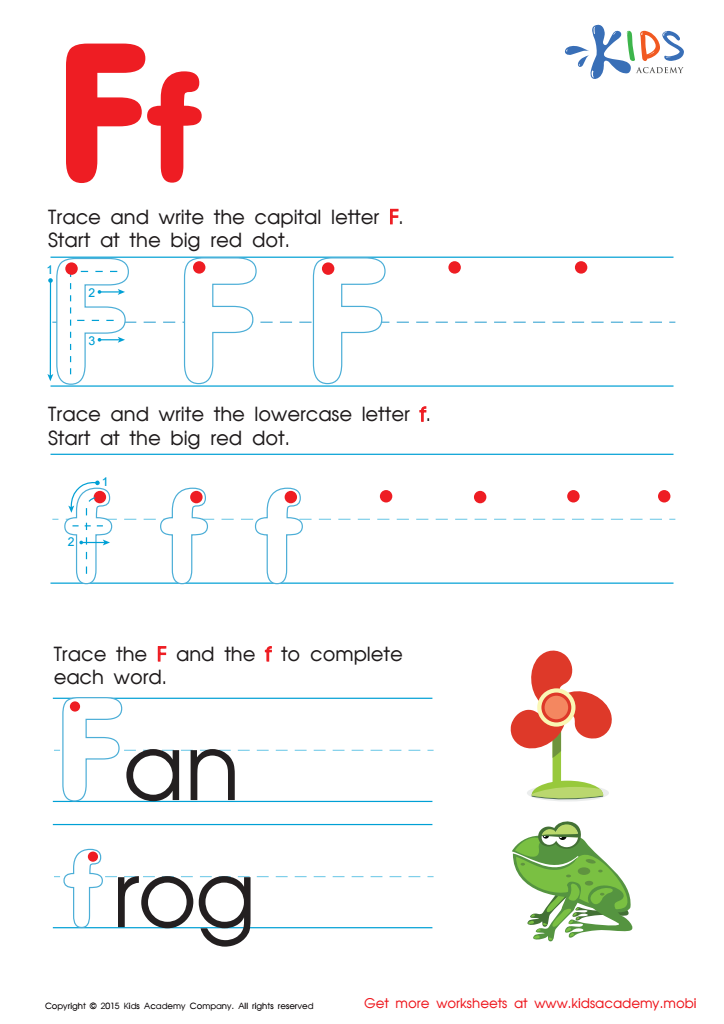
Letter F Tracing Page
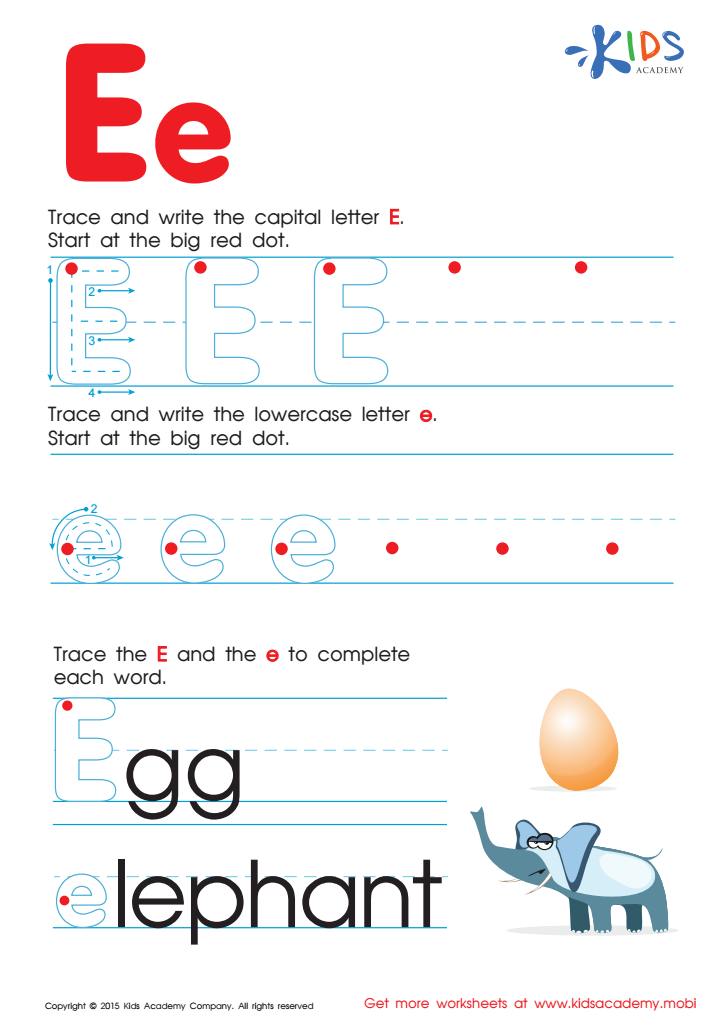
Letter E Tracing Page
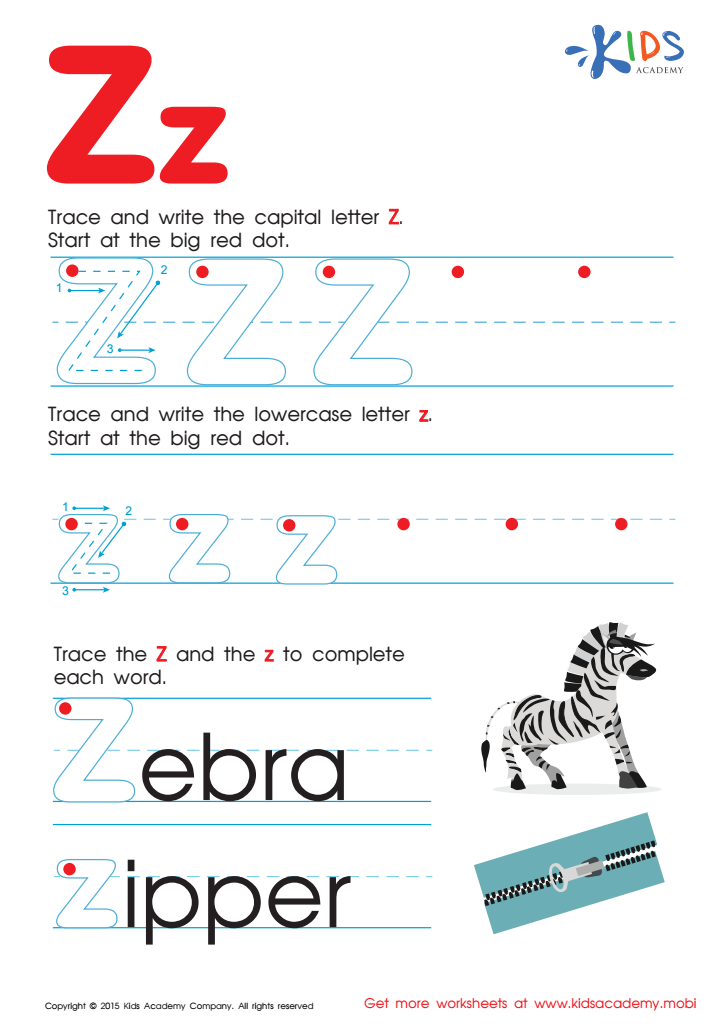
Letter Z Tracing Page







Tracing letters is an essential activity for children aged 6-9 as it fosters foundational skills crucial for literacy development. First and foremost, tracing helps kids learn proper letter formation, which is vital for clear and legible writing. Mastering the shapes of each letter supports their transition from printing to more fluent writing as they progress in their education.
Moreover, tracing letters reinforces fine motor skills. Children in this age group are refining their hand-eye coordination and dexterity, and engaging in tracing activities provides targeted practice. As they grip pencils or crayons to follow letter outlines, they build strength and control in their fingers, which translates to improved overall handwriting.
Additionally, tracing promotes letter recognition. Activities typically involve both upper and lower case letters, allowing children to familiarize themselves with each letter's form and function. This recognition is closely tied to reading skills, making it easier for children to identify letters in different contexts.
Finally, tracing can be an enjoyable and engaging activity, especially when combined with themes or illustrations that resonate with children. Parents and teachers should appreciate tracing letters not just as a literary task, but as a multifaceted tool that nurtures a child’s development in writing, coordination, and reading readiness.








