Extra Challenge Tracing Letters worksheets activities for Ages 7-8
10 filtered results
-
From - To
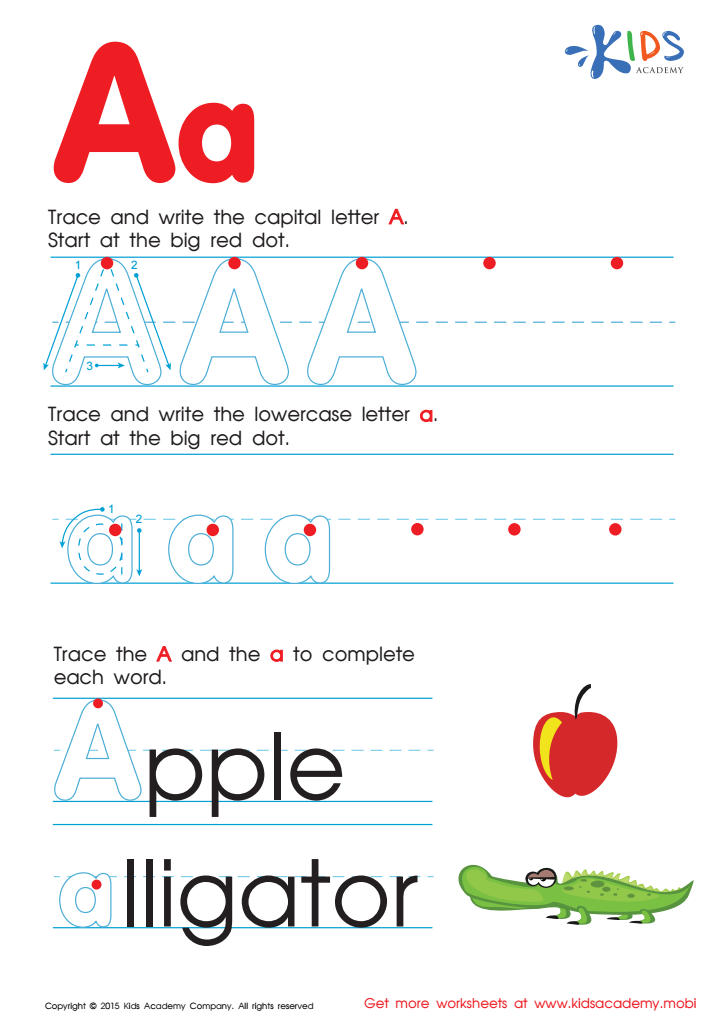
Letter A Tracing Page
 Assign to My Students
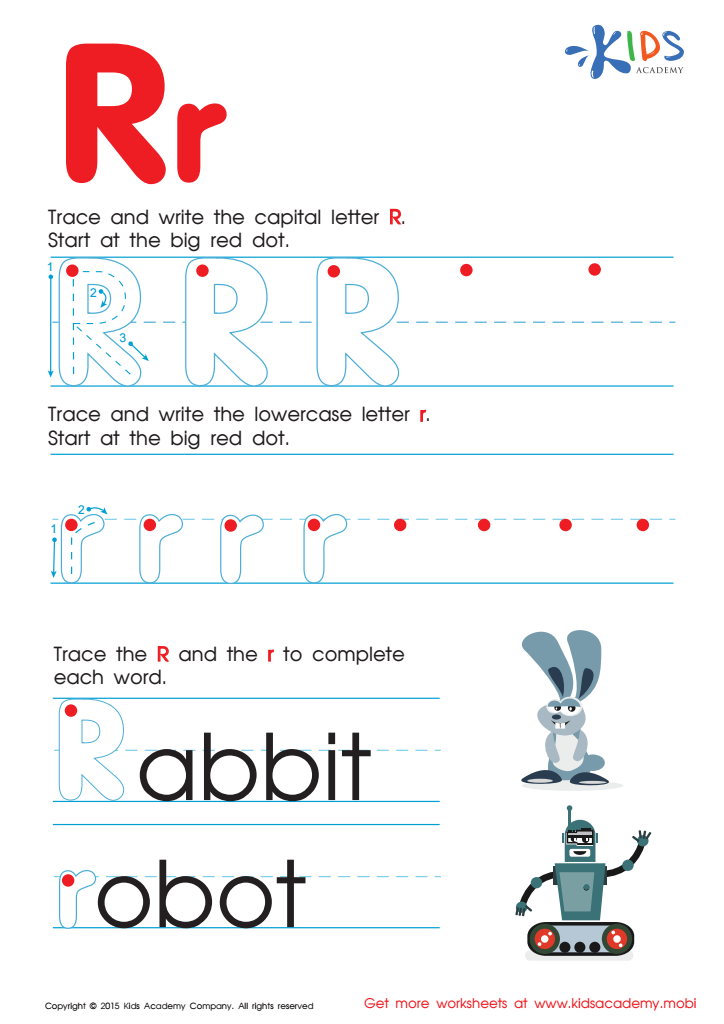
Letter R Tracing Page
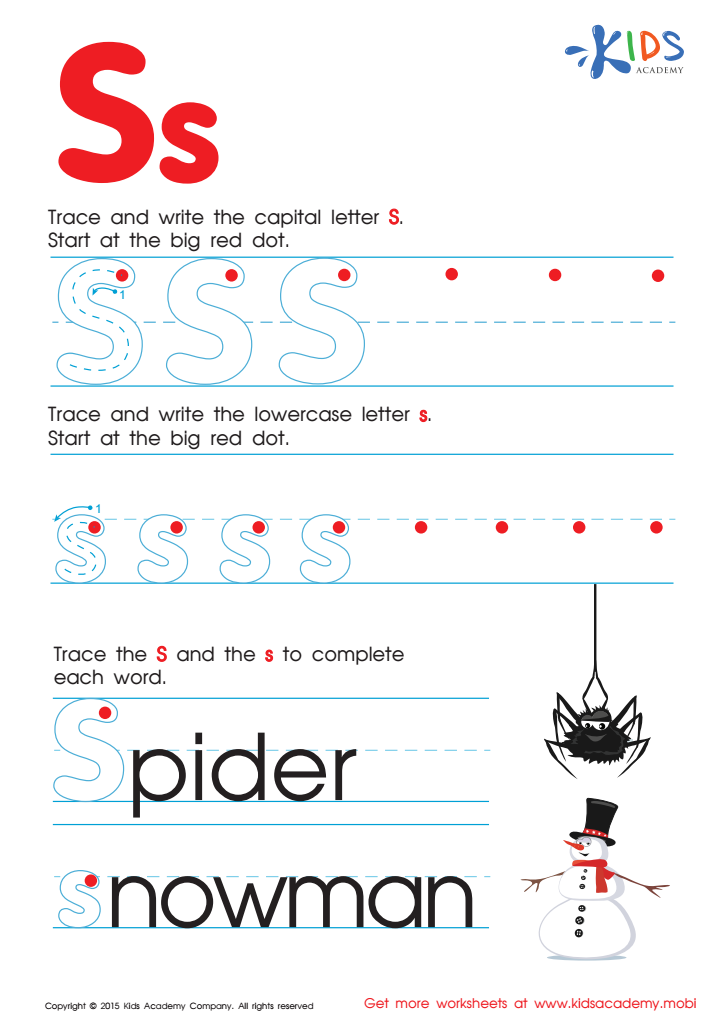
Letter S Tracing Page
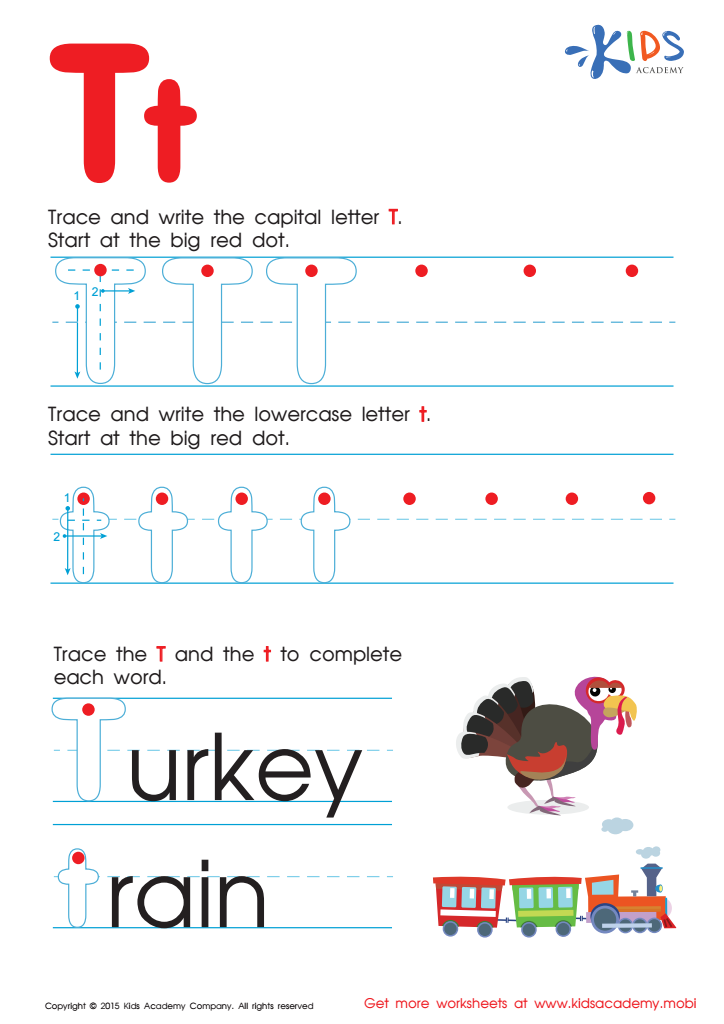
Letter T Tracing Page
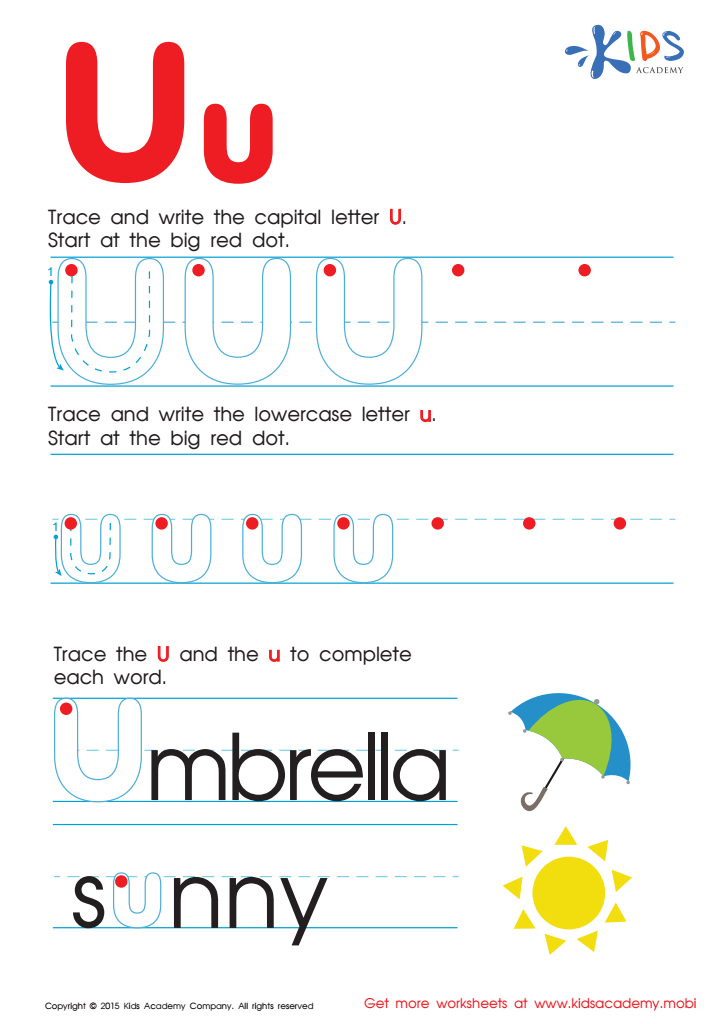
Letter U Tracing Page
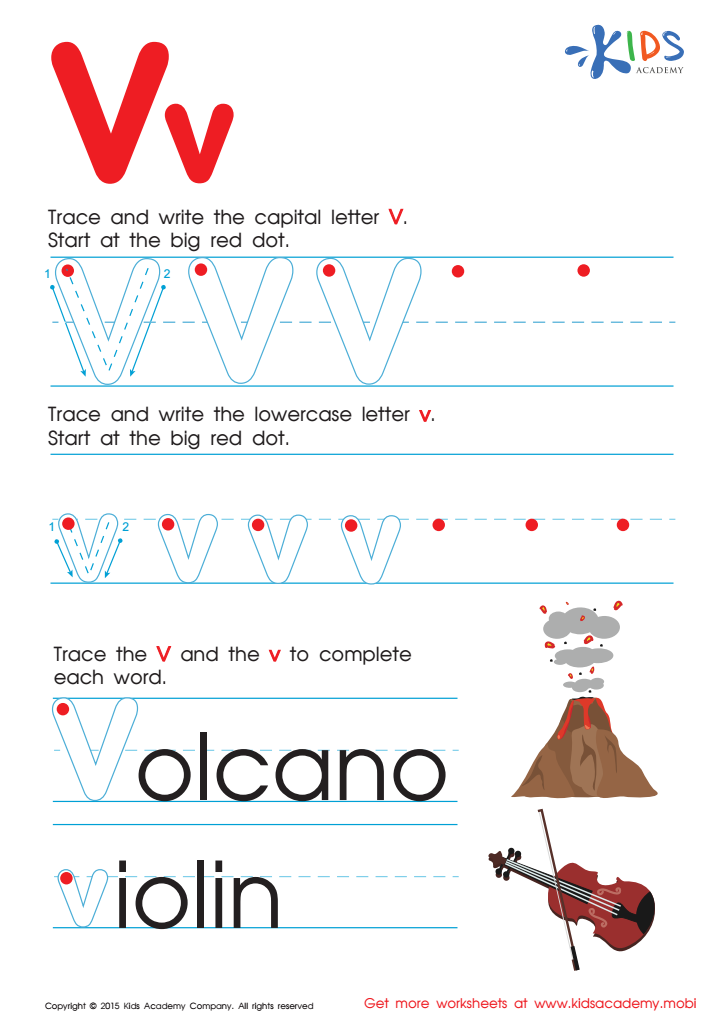
Letter V Tracing Page
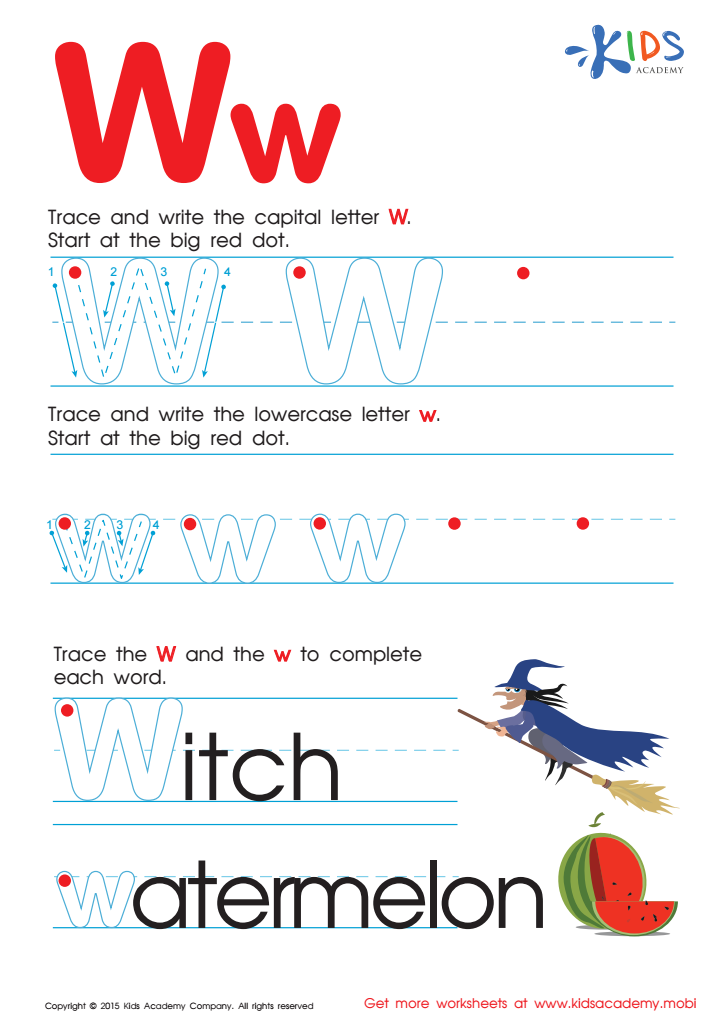
Letter W Tracing Page
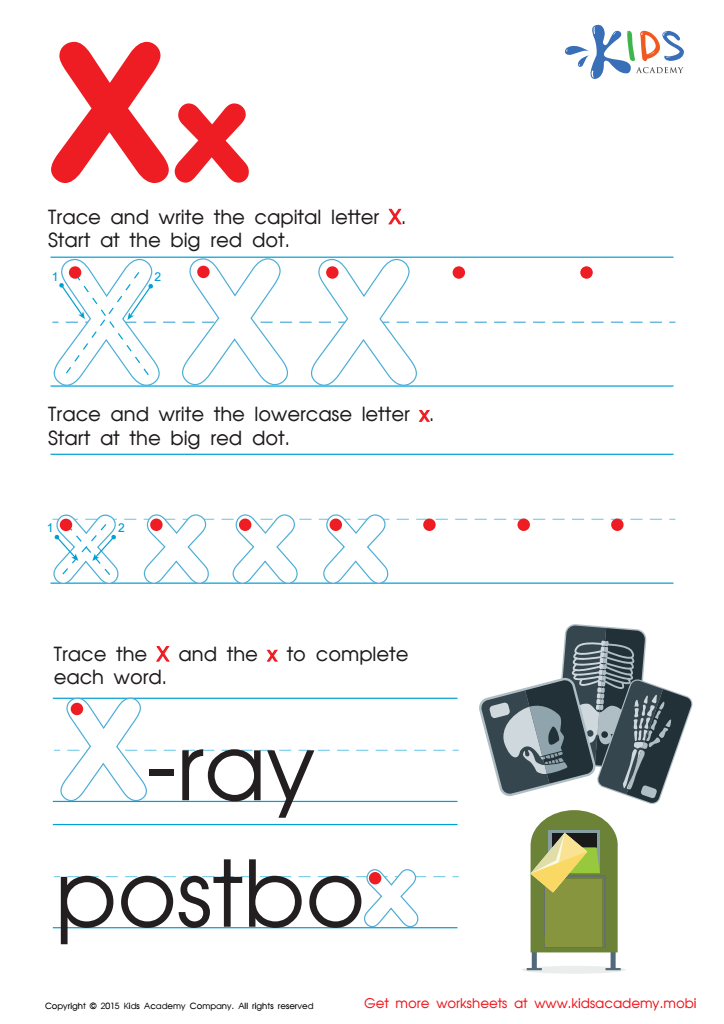
Letter X Tracing Page
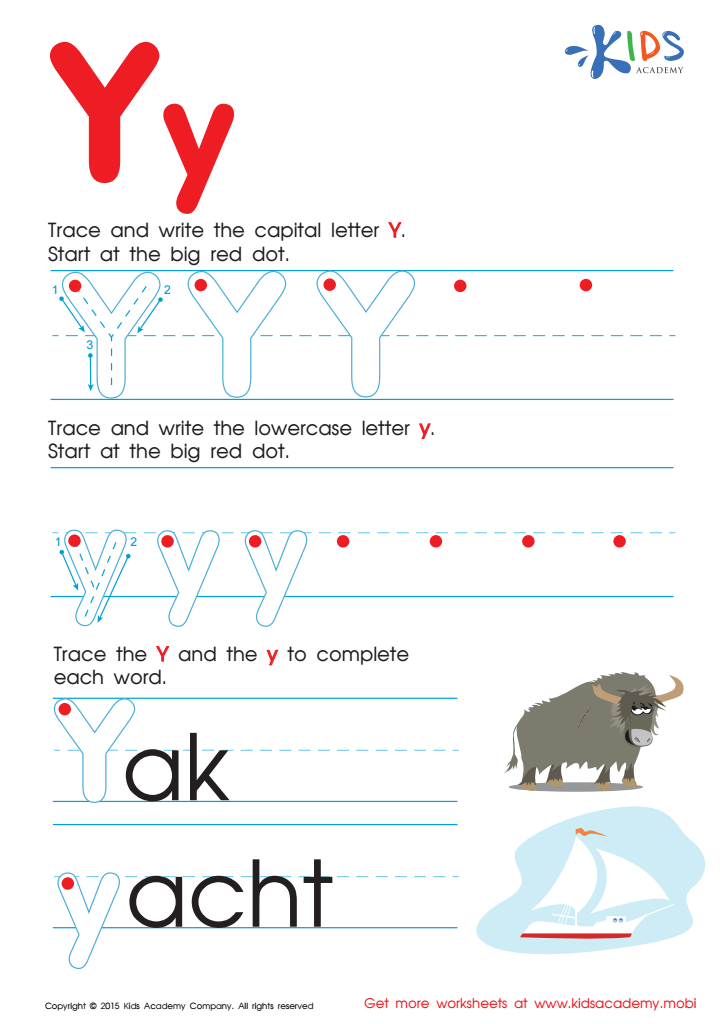
Letter Y Tracing Page
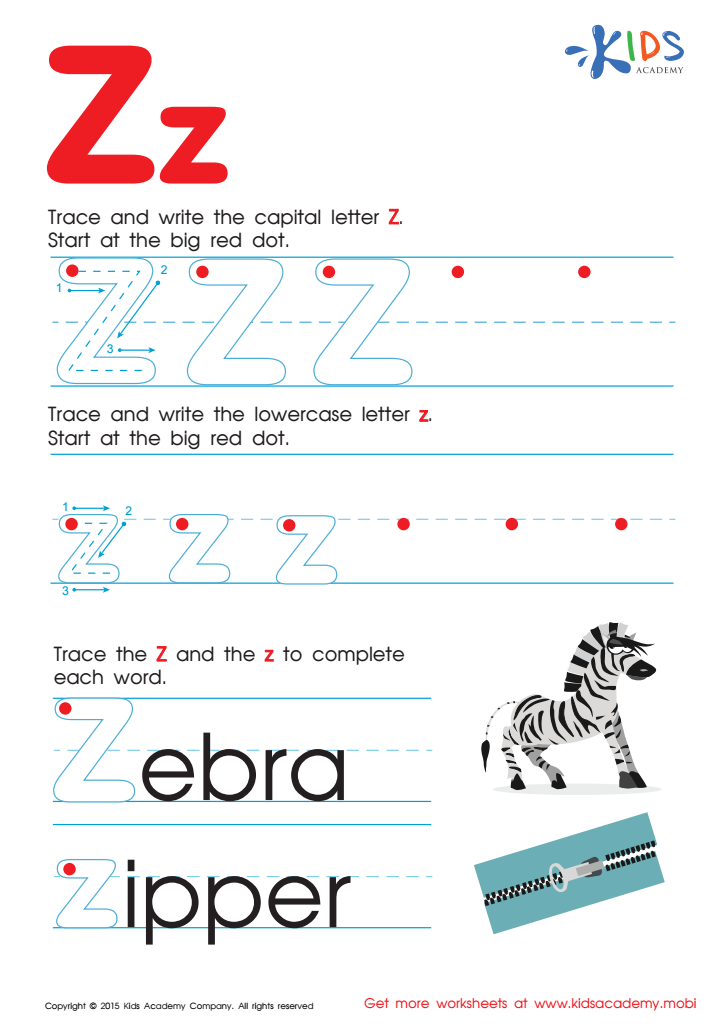
Letter Z Tracing Page








Extra Challenge Tracing Letters worksheets activities are a vital tool in early education, offering a myriad of benefits that extend far beyond the simple act of forming letters. These activities are ingeniously designed to refine children's fine motor skills, an essential foundation for the development of writing, drawing, and other manual tasks. Through the repetitive motion of tracing, children enhance their hand-eye coordination, learning to control their movements with precision and care.
Furthermore, Extra Challenge Tracing Letters worksheets are not just about physical skill development. They serve as an introduction to the alphabet, familiarizing children with the shapes and sounds of letters in a fun and engaging way. This early exposure lays the groundwork for reading and writing fluency, making the learning process smoother and more enjoyable. As children trace, they also begin to understand the concept of following patterns and sequences, a skill that is crucial in many learning areas.
One of the standout benefits of these worksheets activities is the way they cater to different learning styles. Whether a child is a visual, auditory, or kinesthetic learner, the act of tracing can be adapted to meet their individual needs, making learning more personalized and effective. Additionally, the sense of accomplishment children feel upon successfully completing these activities boosts their confidence and encourages a positive attitude towards learning.
Moreover, Extra Challenge Tracing Letters worksheets are designed to be both educational and entertaining. By incorporating colorful illustrations and themes, they capture children’s attention, making the learning experience enjoyable rather than tedious. This playful approach to education ensures that children remain engaged and motivated, eager to explore and learn more.
In conclusion, Extra Challenge Tracing Letters worksheets activities are an invaluable resource in early childhood education. They not only aid in the development of crucial writing and fine motor skills but also foster a love for learning through their fun and interactive approach. By incorporating these activities into their educational routine, parents and educators can provide children with a solid foundation for future success.








