Normal Tracing Numbers worksheets activities for Ages 3-4
18 filtered results
-
From - To
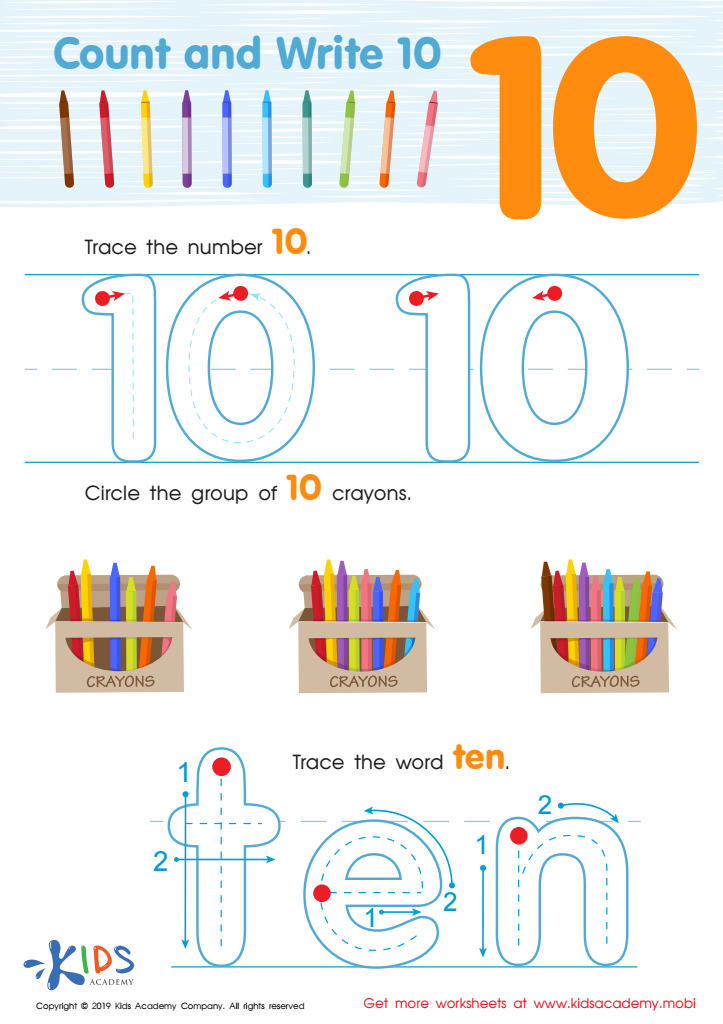
Count and Write 10 Worksheet
 Assign to My Students
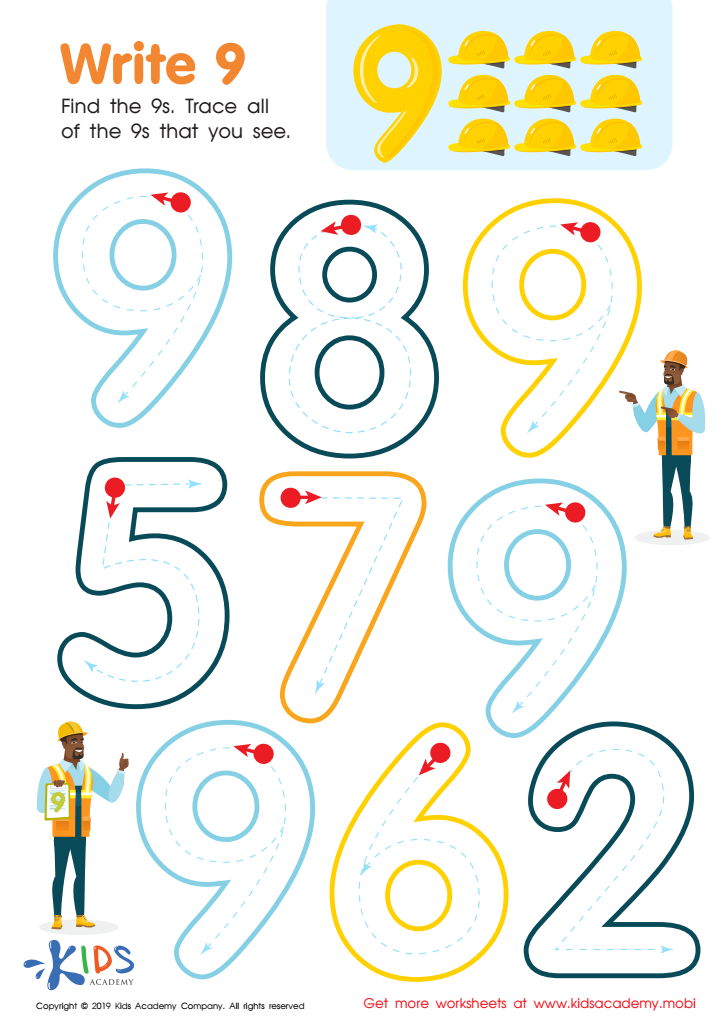
Write 9 Worksheet
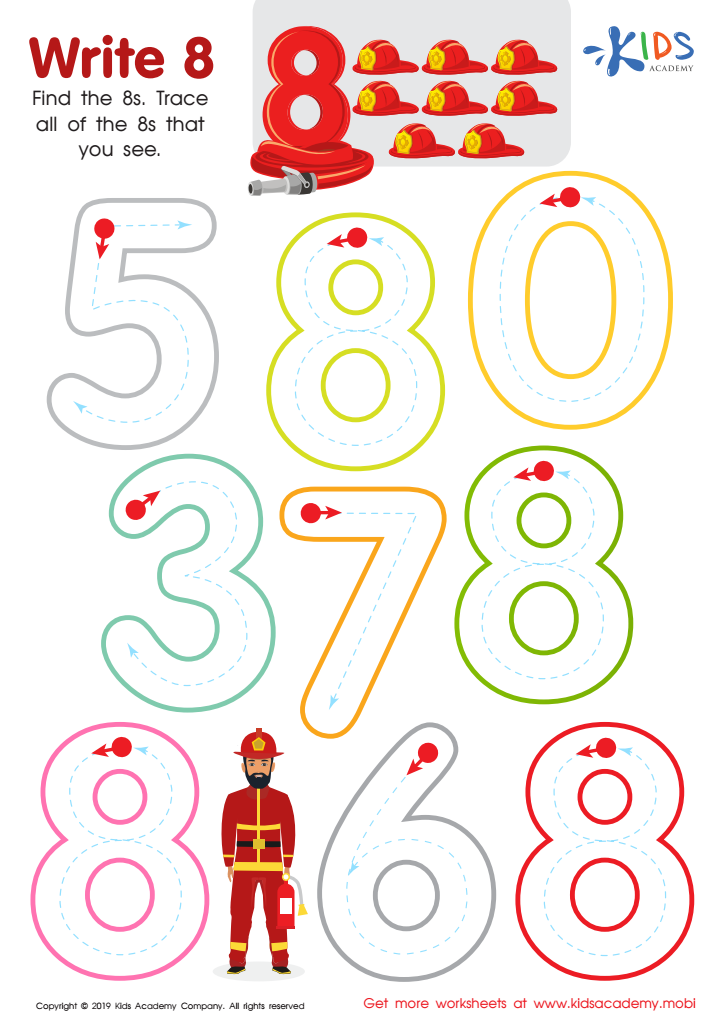
Write 8 Worksheet
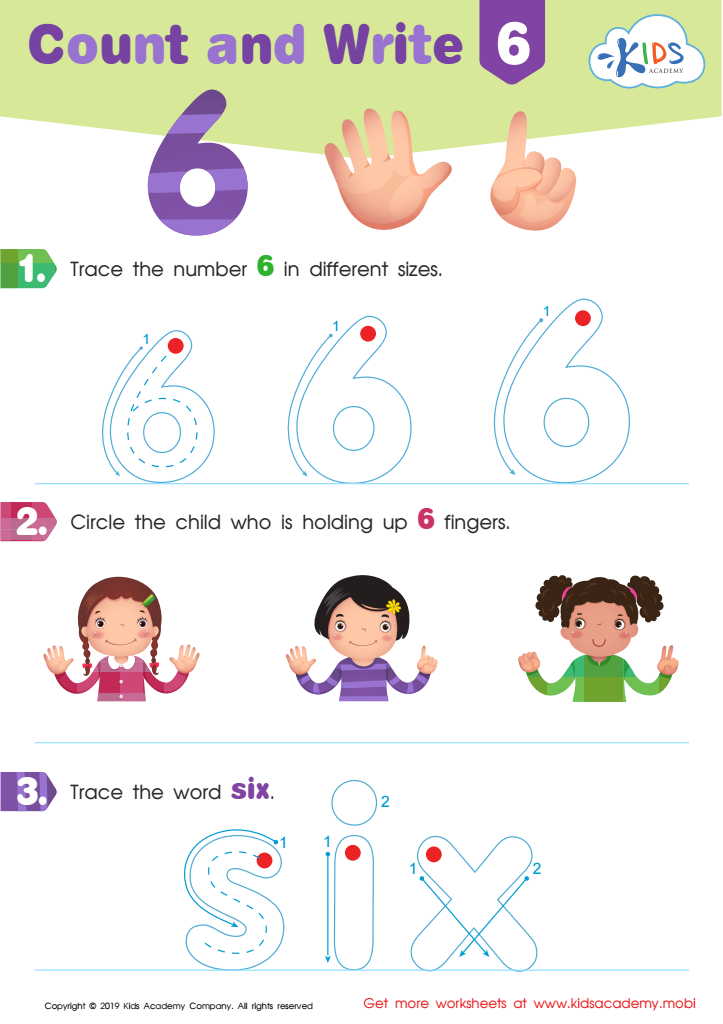
Count and Write 6 Worksheet
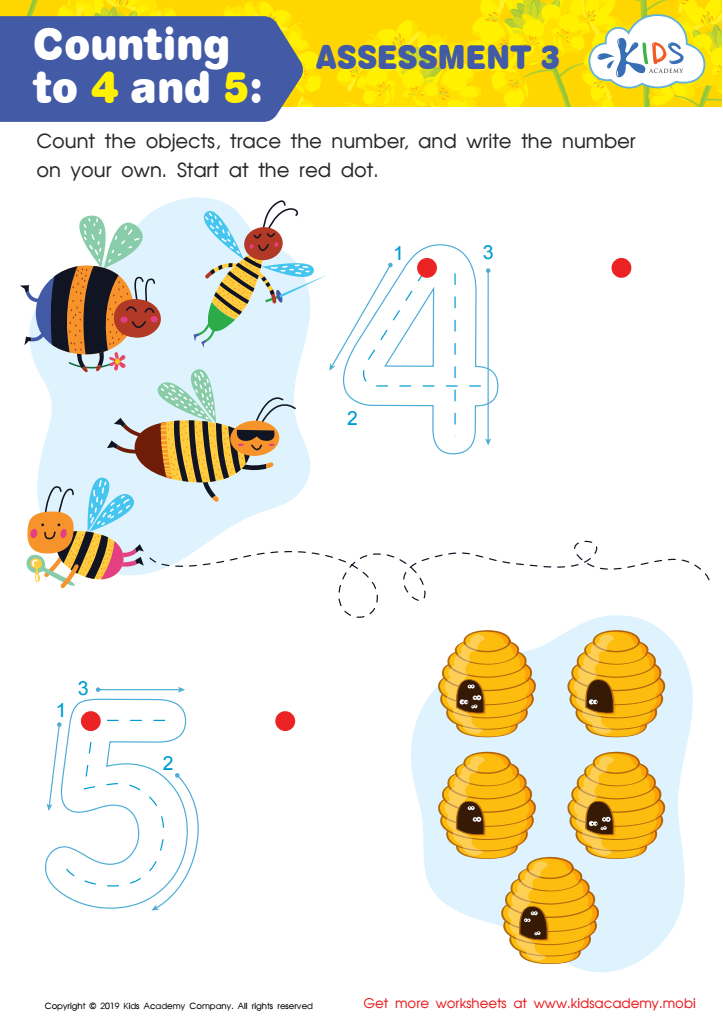
Counting to 4 and 5: Assessment 3 Worksheet
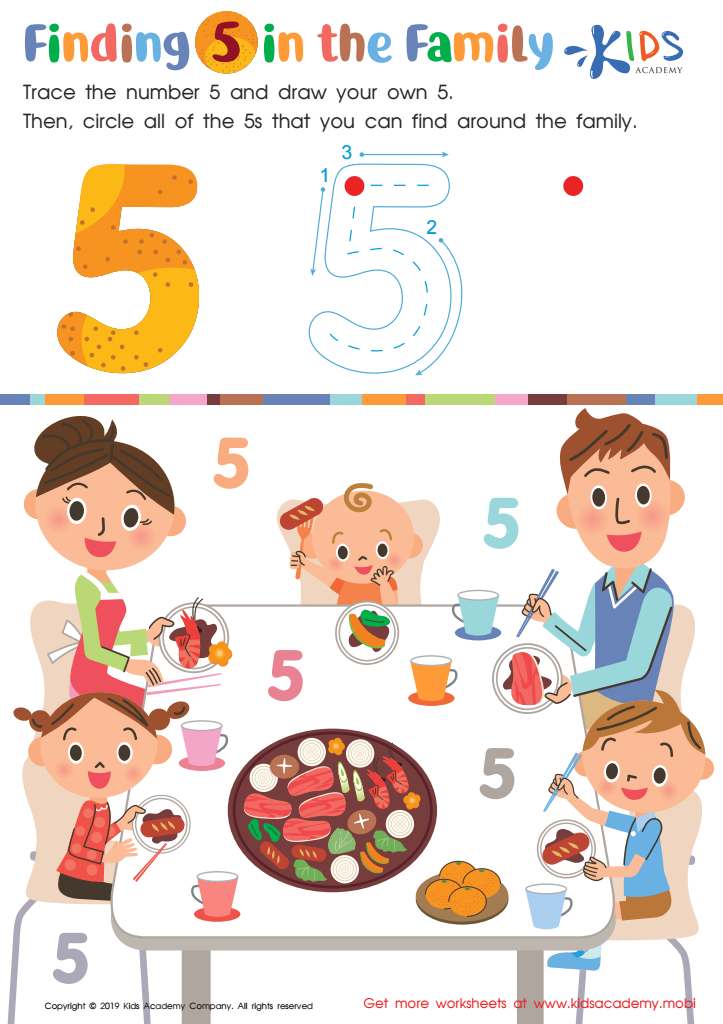
Finding 5 in the Family Worksheet
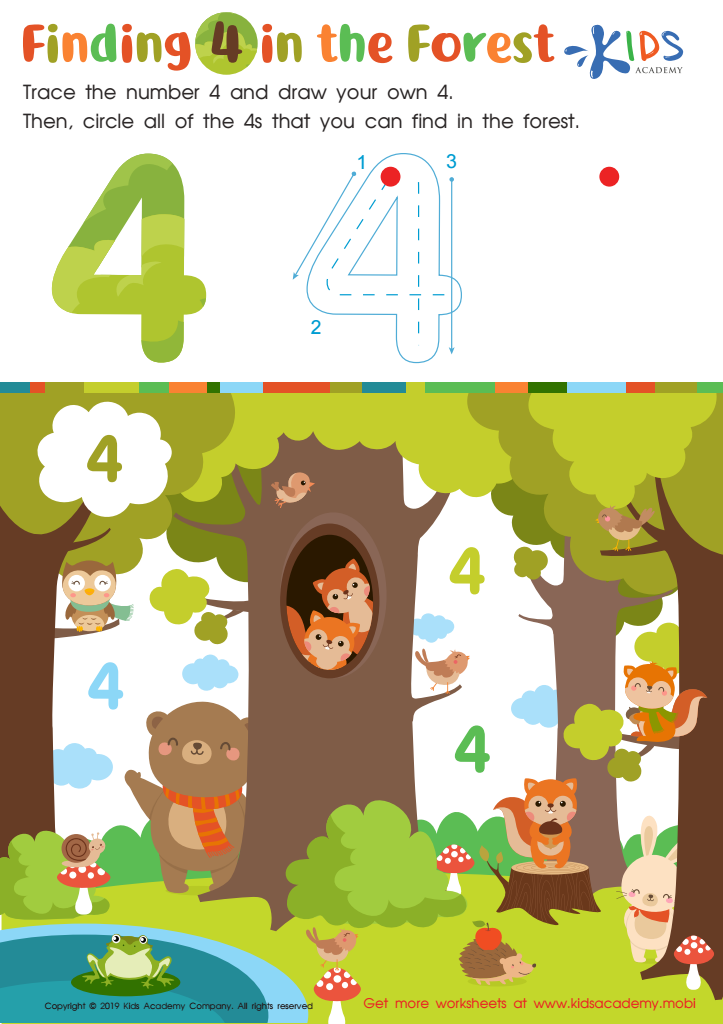
Finding 4 in the Forest Worksheet
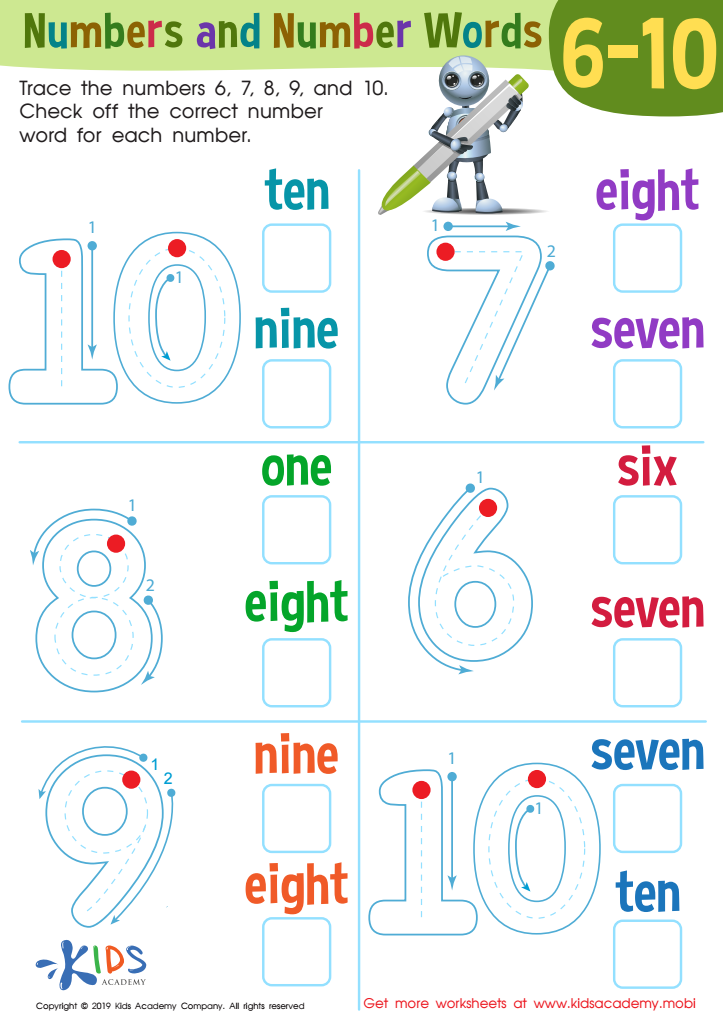
Numbers and Number Words 6–1 Worksheet
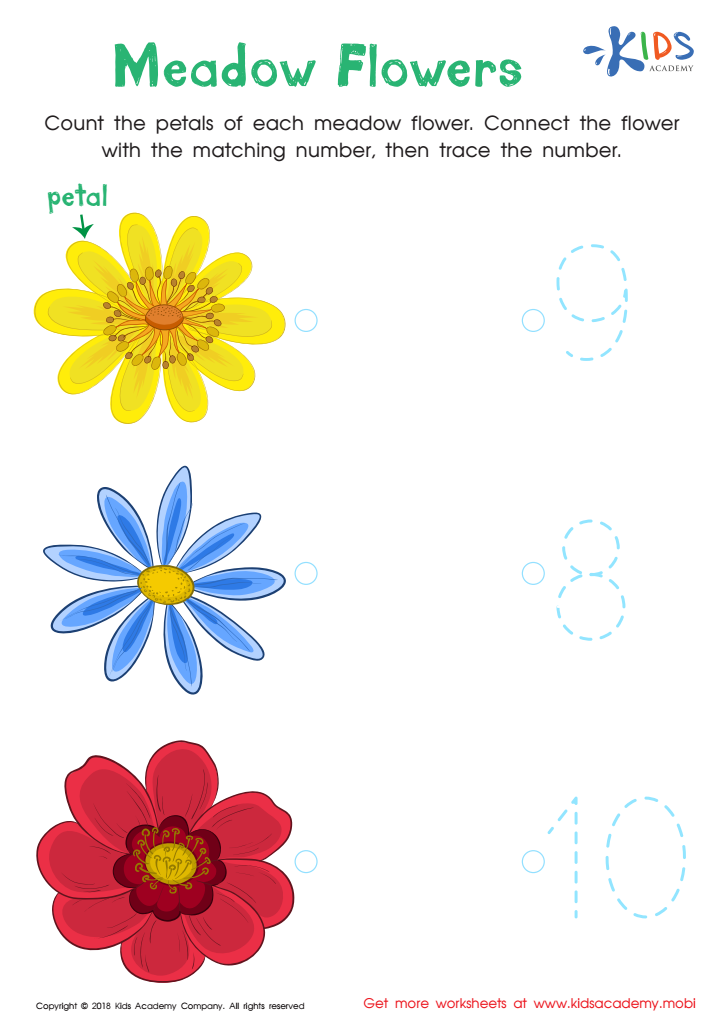
Kindergarten Number Tracing: Medow Flowers Worksheet
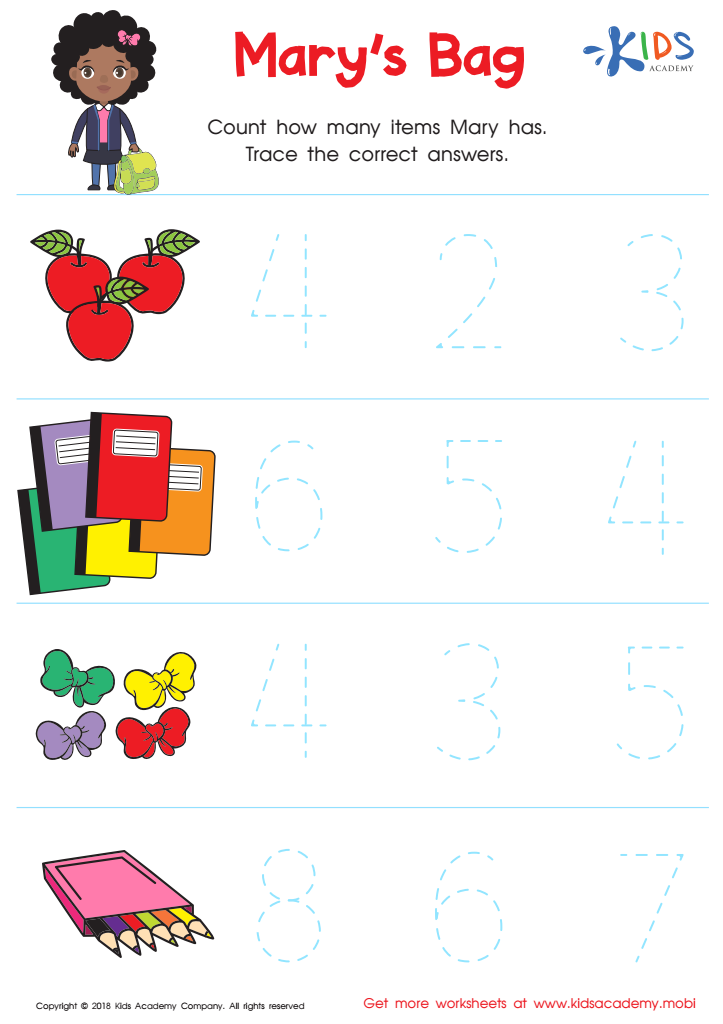
Kindergarten Number Tracing: Mary's Bag Worksheet
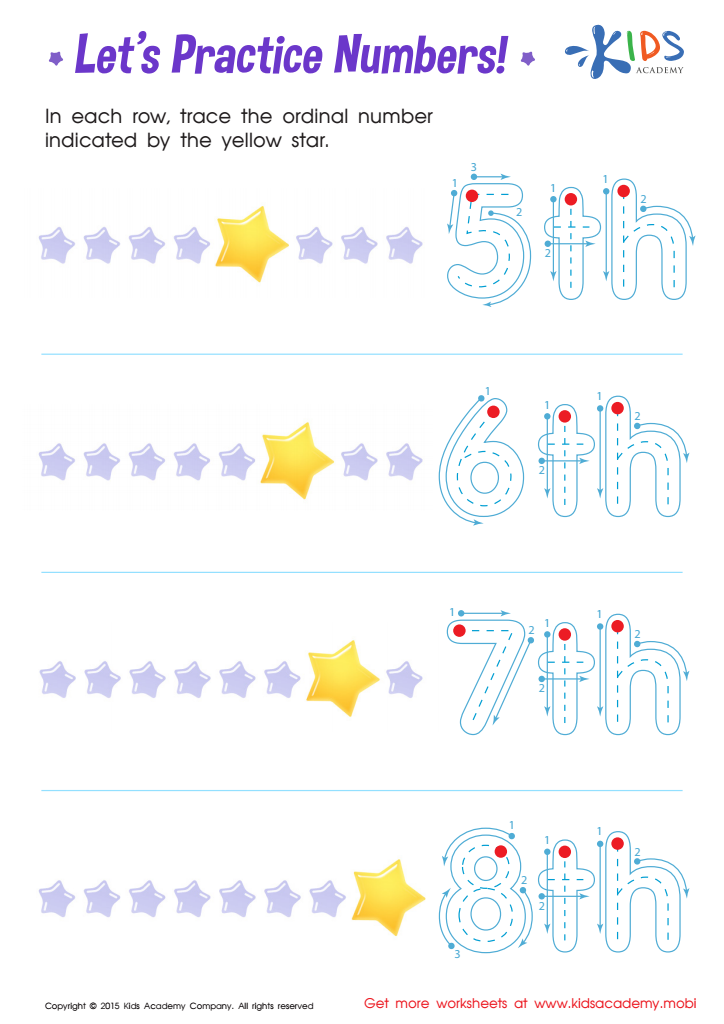
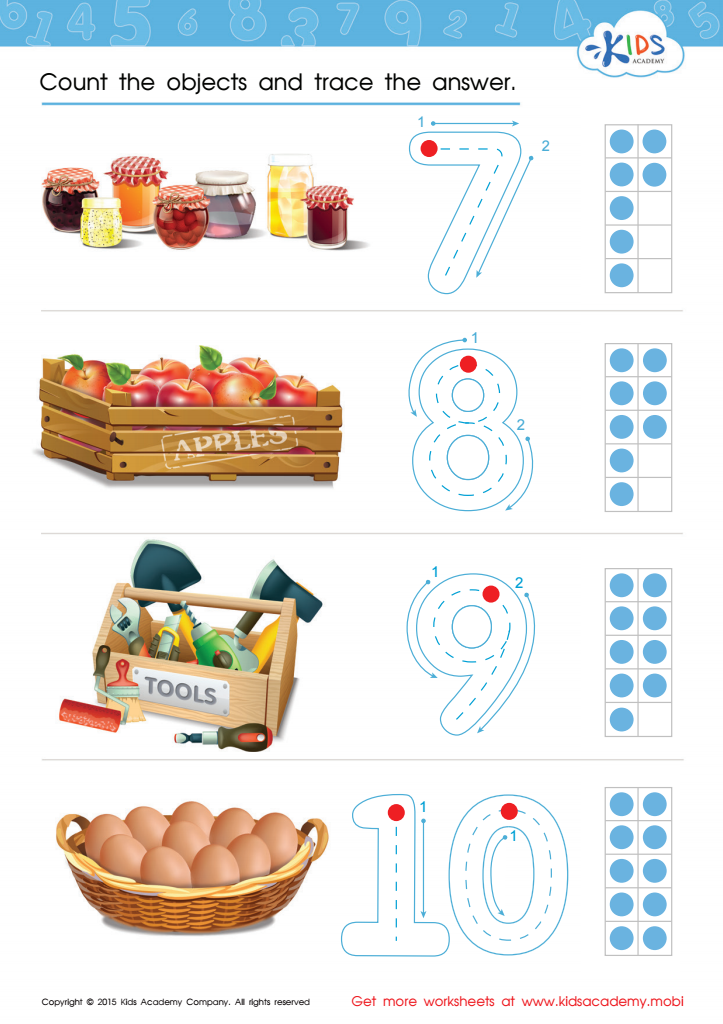
Count and Trace 7 – 10 Worksheet
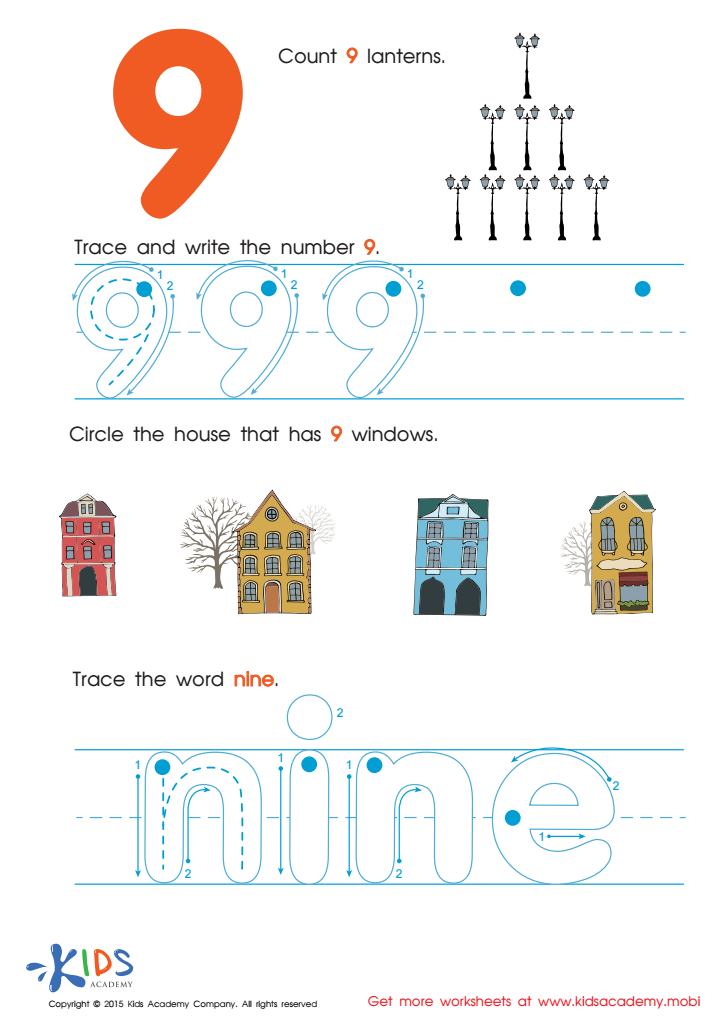
Tracing And Learning to Write Number 9 Worksheet
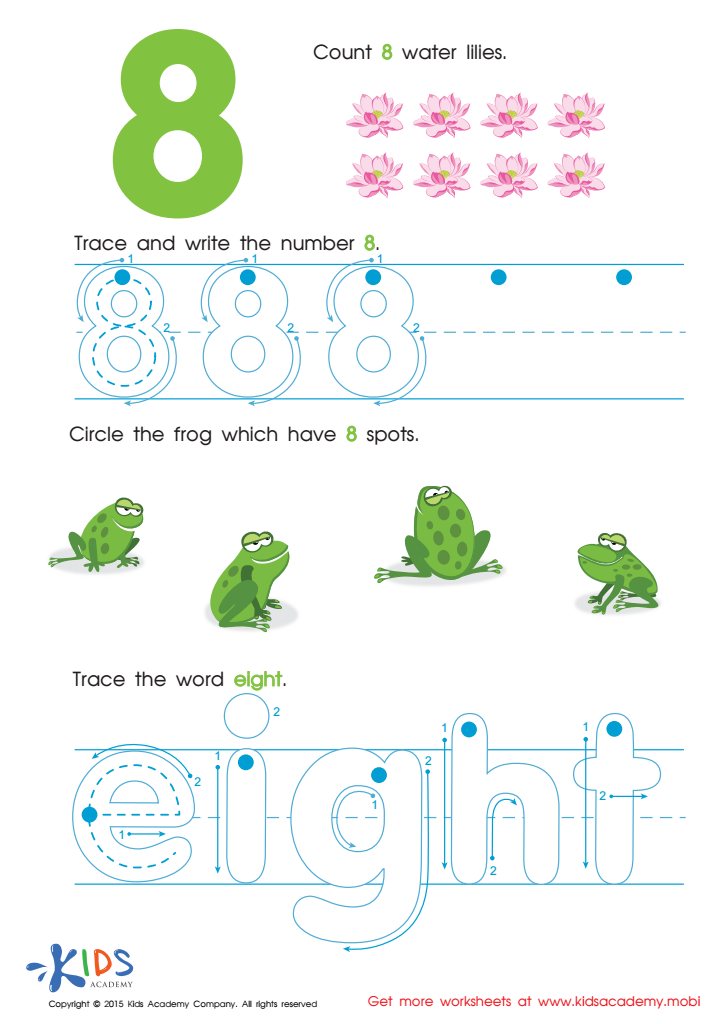
Learn Number 8 Easily Worksheet
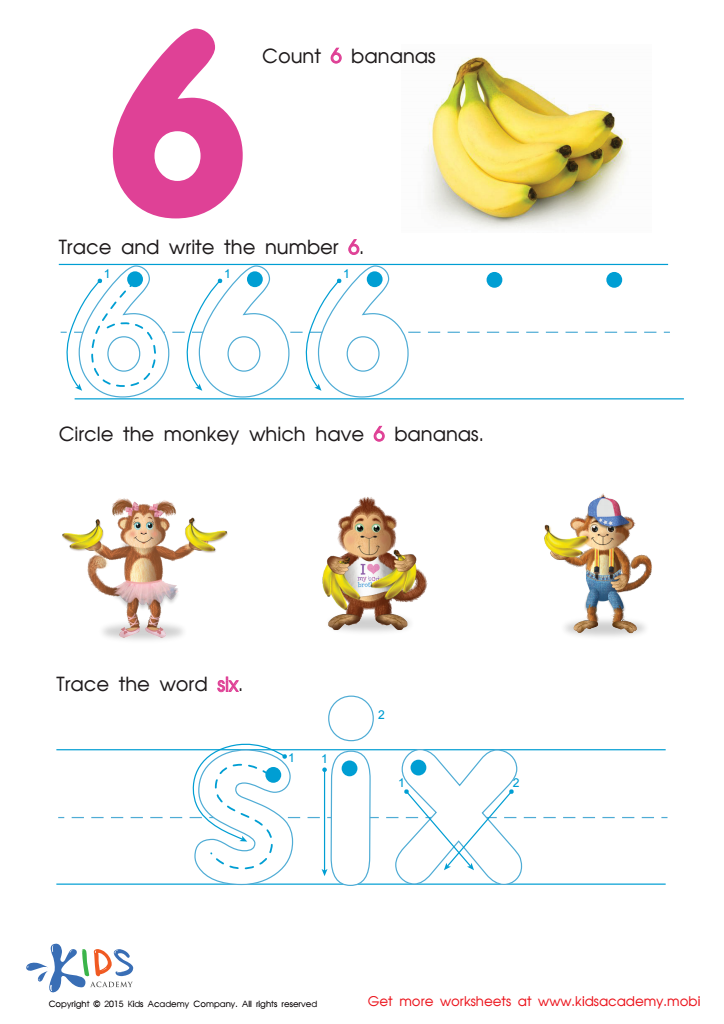
Tracing And Writing Number 6 Worksheet
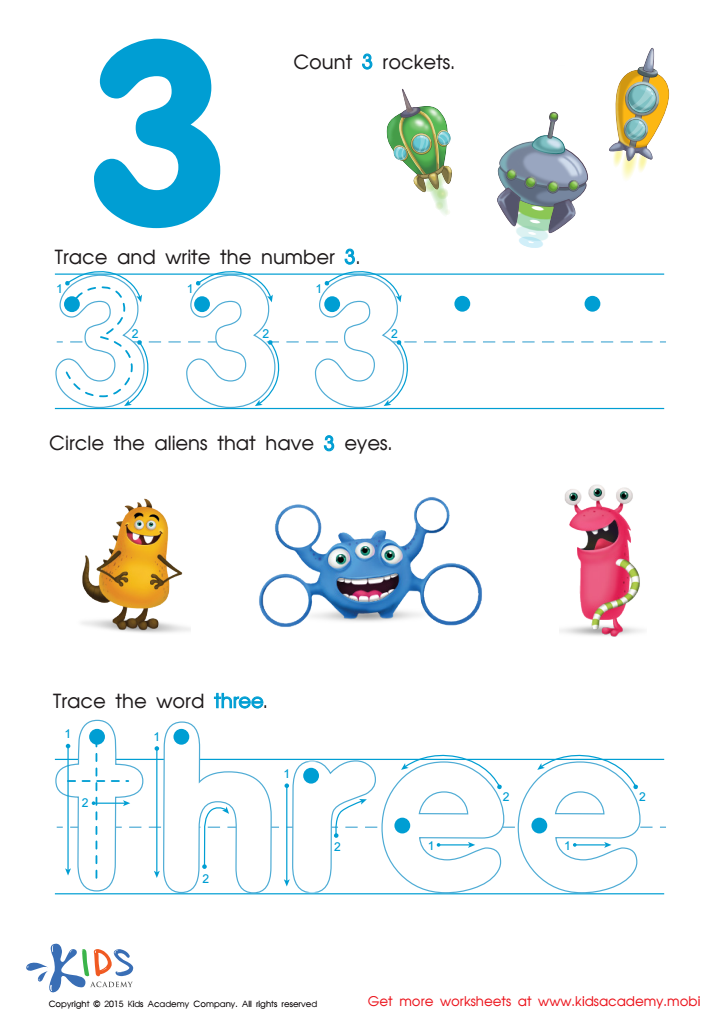
Learning Number Three Worksheet
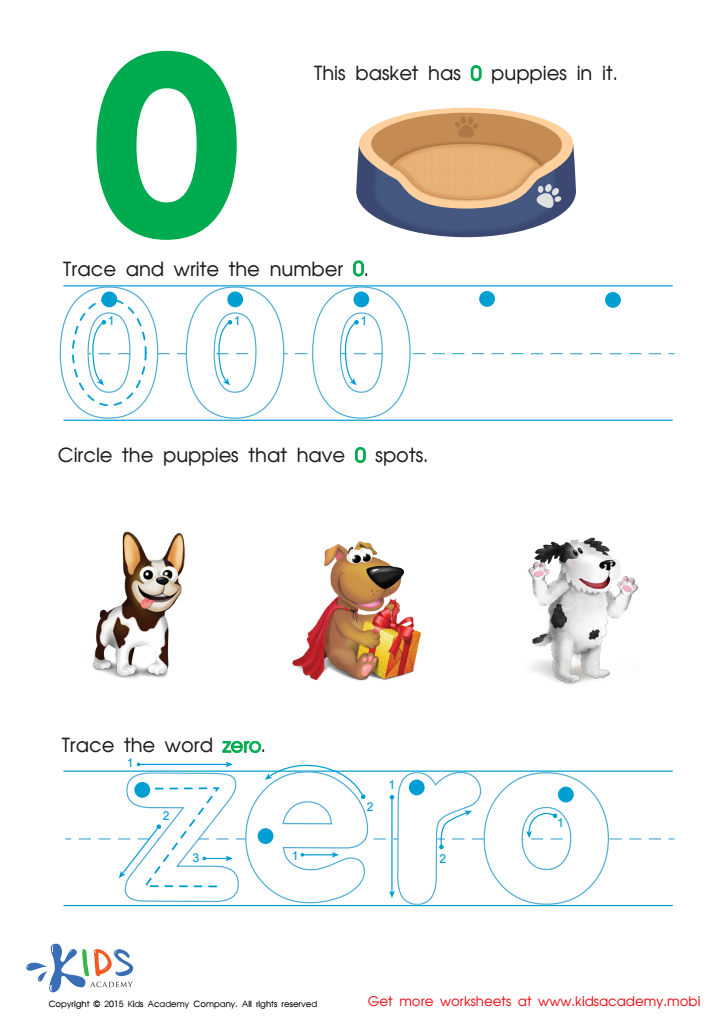
Trace And Write Number 0 Worksheet
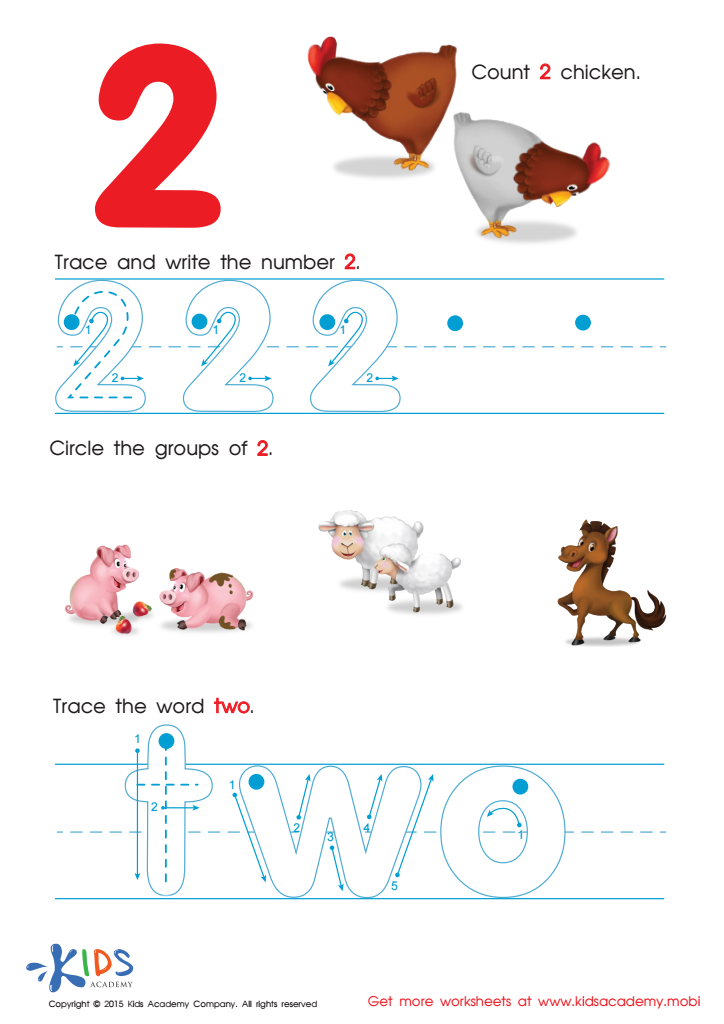
Learn to Write the Number 2 Worksheet




.jpg)



Normal Tracing Numbers worksheets activities are a fundamental tool in the early education of children, playing a crucial role in developing their numerical literacy and fine motor skills. These activities, carefully designed to engage young learners, serve multiple purposes in a child’s developmental journey.
Firstly, Normal Tracing Numbers worksheets activities are instrumental in familiarizing children with the shapes and structures of numbers. By tracing numbers, children learn to recognize and differentiate between them, laying a solid foundation for number identification. This early acquaintance with numbers is essential for grasping more advanced mathematical concepts later in life.
Moreover, these worksheets are a gentle introduction to the concept of order and sequence in numbers. As children trace numbers from 1 onwards, they begin to understand the sequential nature of numbers, an understanding that is vital for counting, addition, subtraction, and other numerical operations.
Another significant benefit of Normal Tracing Numbers worksheets activities is the enhancement of fine motor skills. Tracing requires control, coordination, and precision, skills that are essential not only for writing but also for daily tasks such as tying shoelaces, buttoning clothes, and using utensils. Through repeated practice, children develop a steadier hand and improved hand-eye coordination, preparing them for more intricate writing tasks including letter formation.
Furthermore, these tracing activities foster a sense of achievement and confidence in children. Completing a worksheet provides a tangible outcome for their efforts, boosting their confidence in their abilities and encouraging them to engage in more challenging activities.
In conclusion, Normal Tracing Numbers worksheets activities are a versatile educational tool that supports early numerical literacy, promotes the development of fine motor skills, introduces concepts of order and sequence, and boosts confidence through achievement. These benefits underscore the importance of incorporating such activities into early childhood education, setting the stage for successful learning experiences in the future.








