Normal Numbers worksheets activities for Ages 4-6
2 filtered results
-
From - To
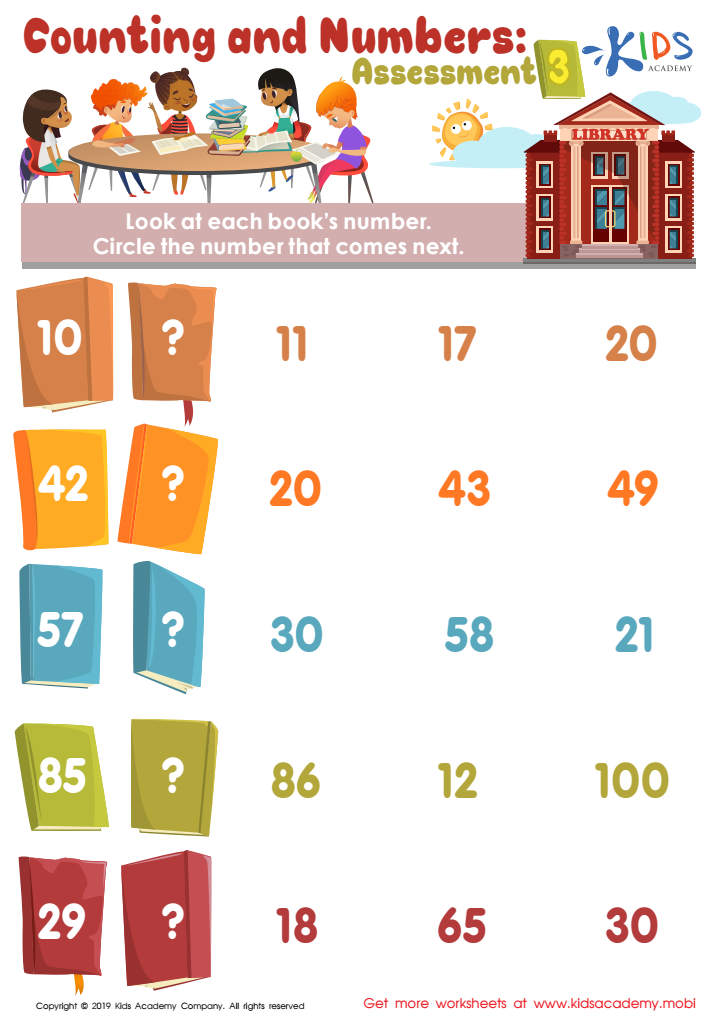
Counting and Numbers: Assessment Worksheet
 Assign to My Students
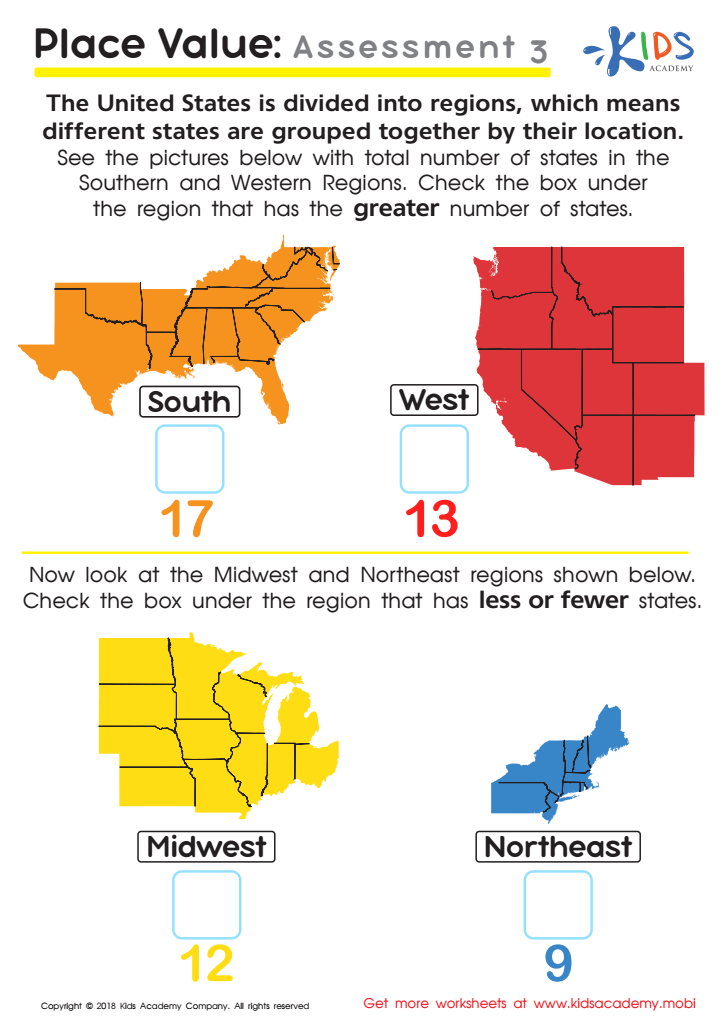
Place Value: Assessment 3 Worksheet








Normal Numbers worksheets activities are an integral part of early education, serving as foundational tools in developing numerical literacy among children. These activities are designed to introduce and reinforce the understanding of numbers in a structured yet engaging manner. Let’s delve into why these Normal Numbers worksheets activities are so beneficial in the realm of education.
Firstly, these worksheets provide a systematic approach to learning numbers, allowing children to progress at their own pace. They usually start with basic concepts such as recognizing and writing numbers before moving on to more complex tasks like addition, subtraction, and even beginning multiplication. This gradual progression ensures that learners build a strong numerical foundation, essential for tackling more advanced math concepts in the future.
Moreover, Normal Numbers worksheets activities cater to various learning styles. Whether a child learns best through visual representation, hands-on practice, or repetition, these worksheets can be adapted to meet individual needs. This flexibility enhances the learning experience, making it more personalized and effective.
Another significant advantage is the opportunity for practice and reinforcement. Mastery in mathematics often comes from repetition and practice, and these worksheets provide ample opportunities for both. By repeatedly engaging with numbers through different activities, children solidify their understanding and improve their skills over time. This practice also helps in boosting their confidence as they become more proficient in their numerical abilities.
Furthermore, Normal Numbers worksheets activities encourage critical thinking and problem-solving skills. As children progress to more challenging worksheets, they learn to apply their numerical knowledge in various contexts, developing their analytical skills. This aspect of learning is invaluable, not just in mathematics but in real-life situations as well.
In conclusion, Normal Numbers worksheets activities are a crucial educational resource. They not only lay the groundwork for mathematical literacy but also foster a love for learning through engaging and adaptable exercises. By incorporating these activities into the learning curriculum, educators and parents can significantly enhance children’s numerical understanding and overall academic development.








