Normal Tracing Letters worksheets activities for Ages 4-8 - Page 2
32 filtered results
-
From - To
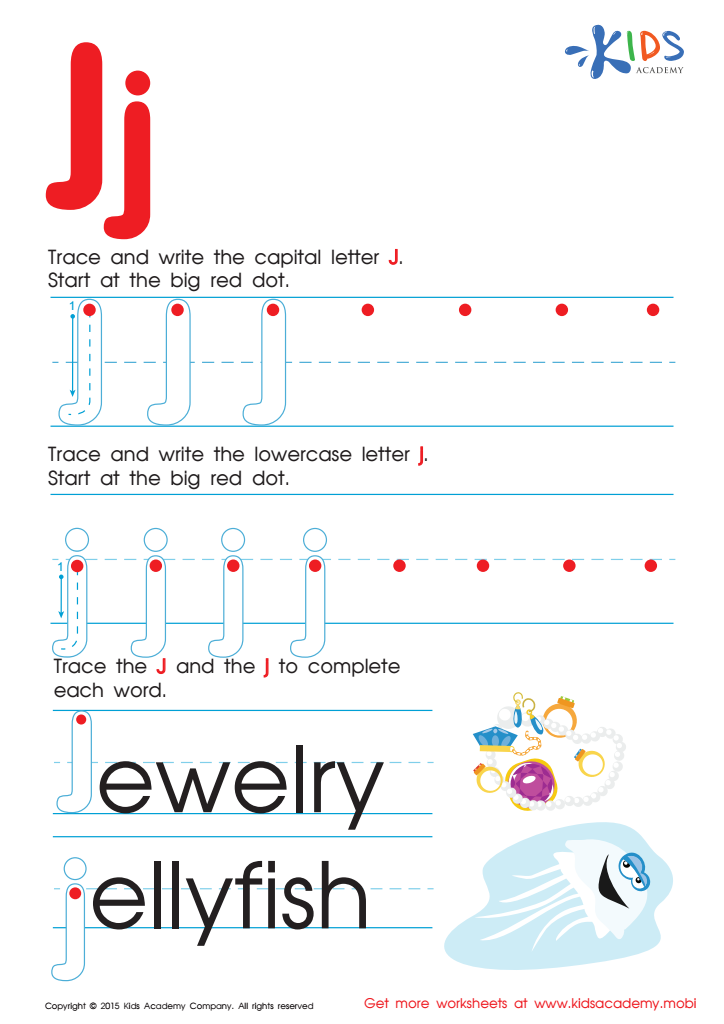
Letter J Tracing Page
 Assign to My Students
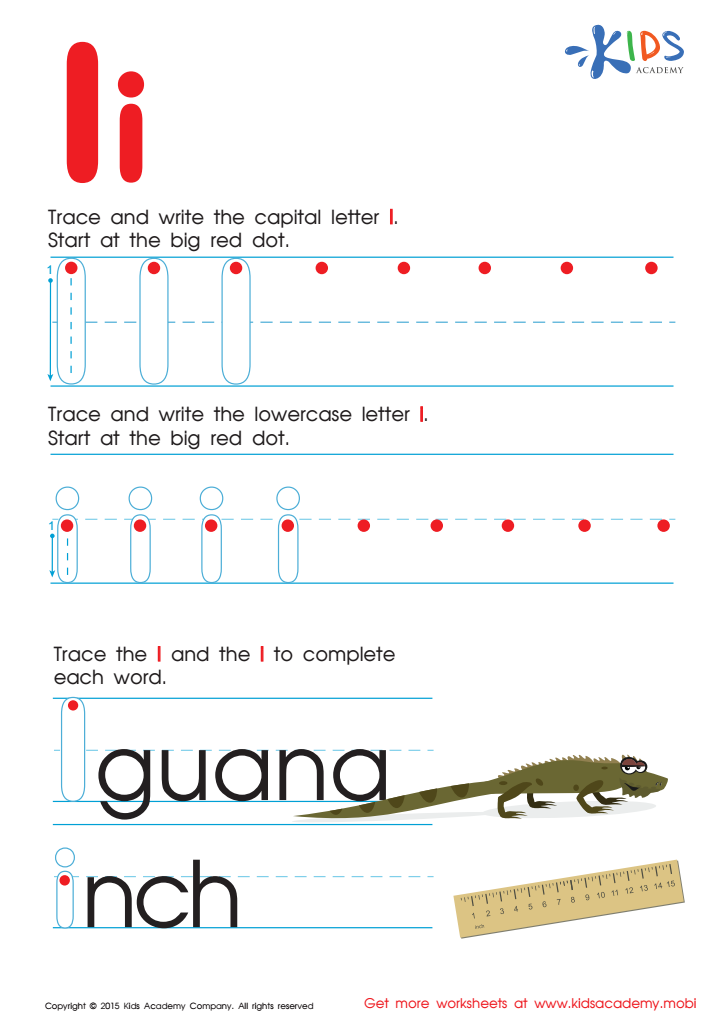
Letter I Tracing Page
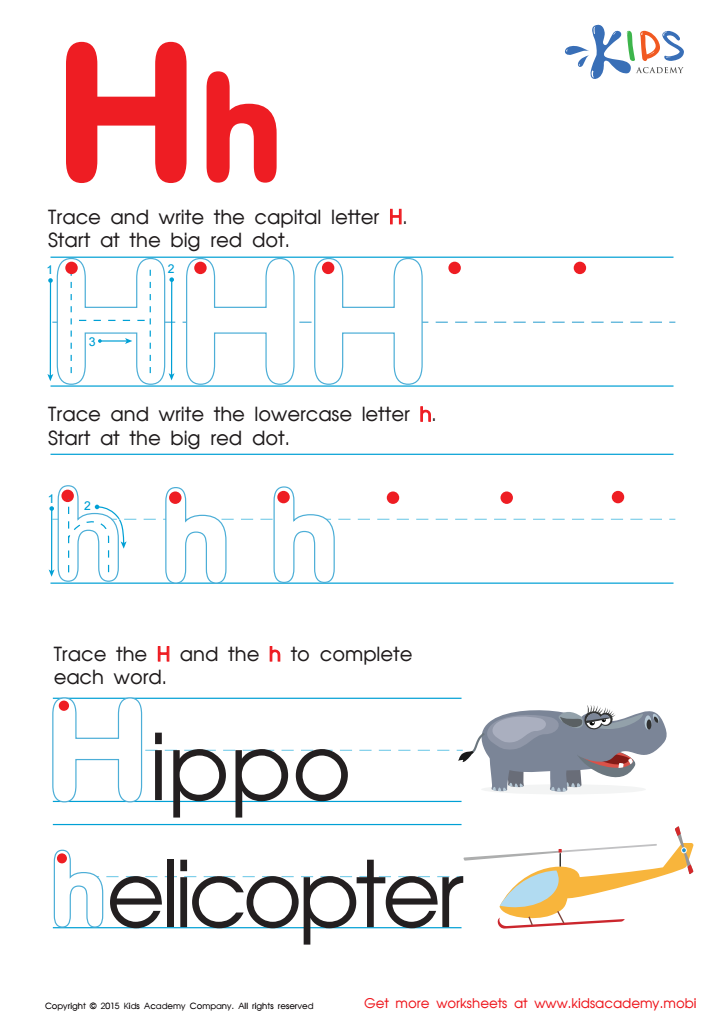
Letter H Tracing Page

Letter G Tracing Page
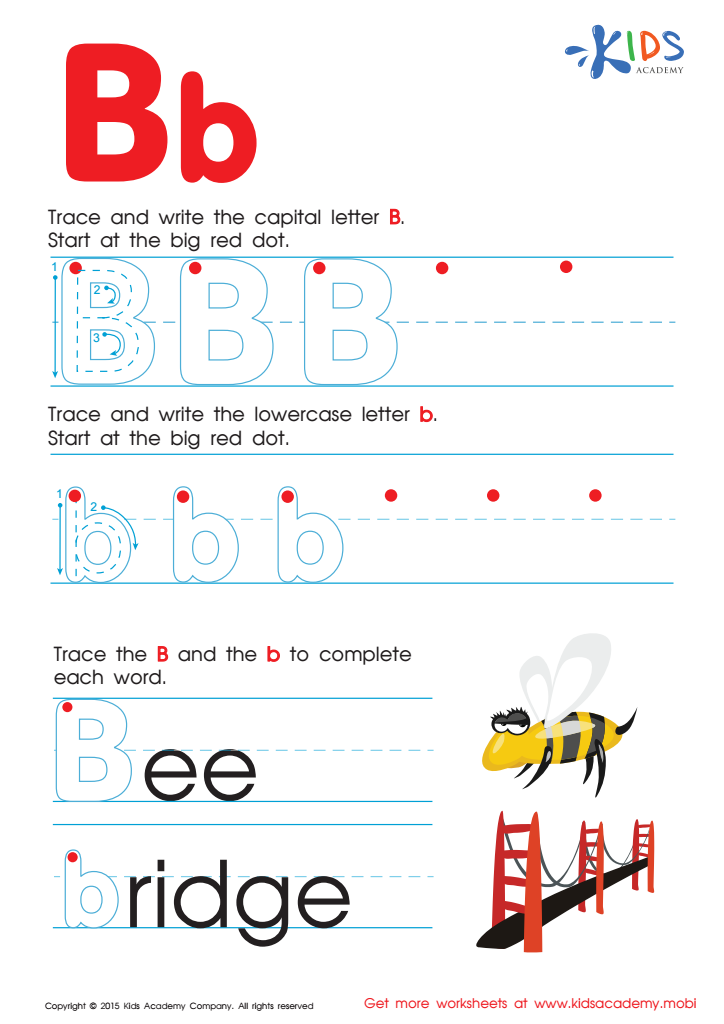
Letter B Tracing Page
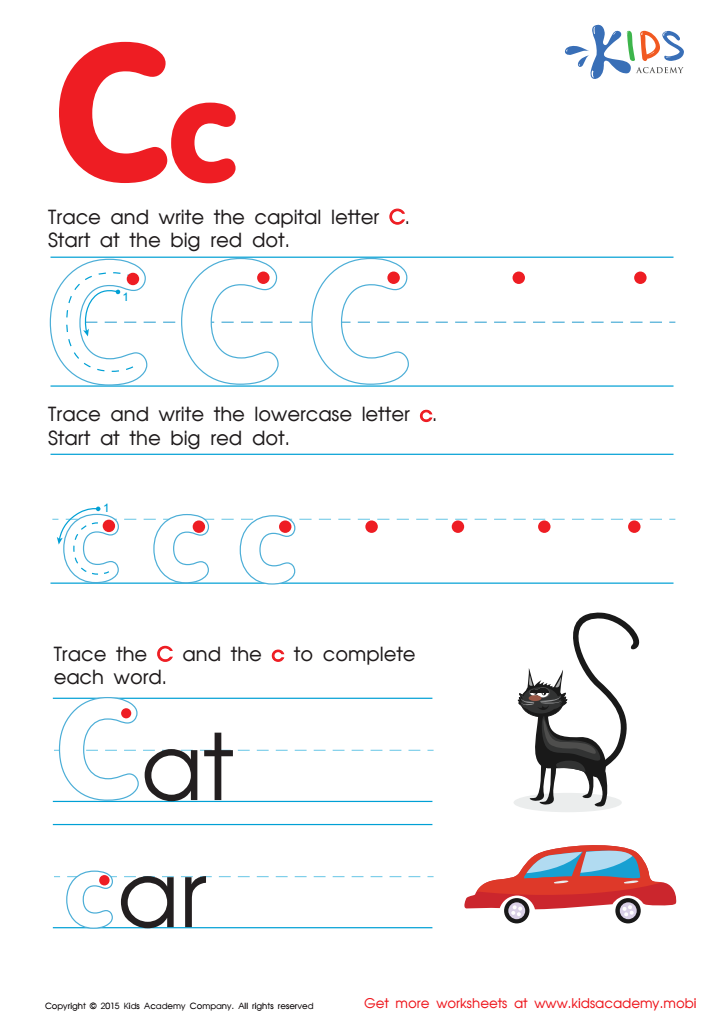
Letter C Tracing Page

Letter D Tracing Page
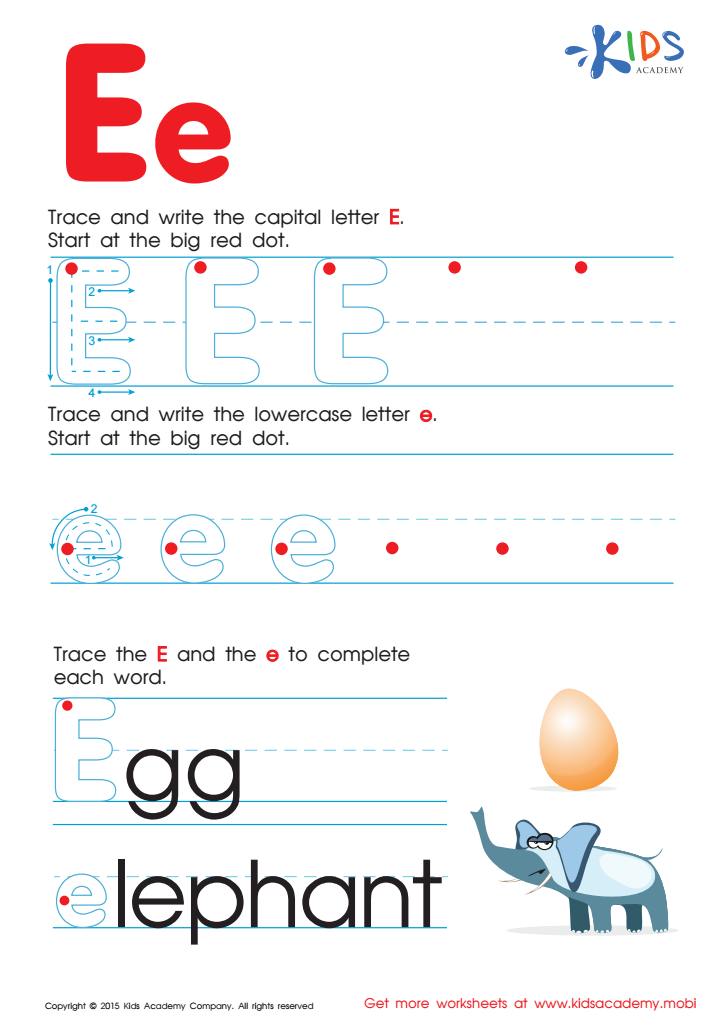
Letter E Tracing Page





.jpg)


Parents and teachers should prioritize Normal Tracing Letters activities for children aged 4-8 due to their significant educational benefits. First and foremost, these activities help develop fine motor skills, which are crucial for writing and other hands-on activities. Through tracing, children enhance their hand-eye coordination and dexterity, laying a foundation for effective handwriting.
Additionally, tracing letters reinforces letter recognition and phonetic awareness, both critical elements in early literacy development. As children repeatedly practice, they become more familiar with letter shapes, sounds, and structures, setting the stage for reading fluency.
Moreover, Normal Tracing Letters activities can make learning enjoyable and interactive. By incorporating colors, themes, or engaging materials, educators and parents can transform what might feel like rote practice into a fun and creative experience. This engagement can help maintain children's interest in writing and literacy, fostering a love for learning.
Finally, tracing activities can promote cognitive development, as they require focus and attention to detail. This improvement in concentration translates to other areas of learning. In summary, Normal Tracing Letters activities are essential for developing foundational skills that support children's academic growth and lifelong learning.








