Normal Matching worksheets activities for Ages 6-7 - Page 2
28 filtered results
-
From - To
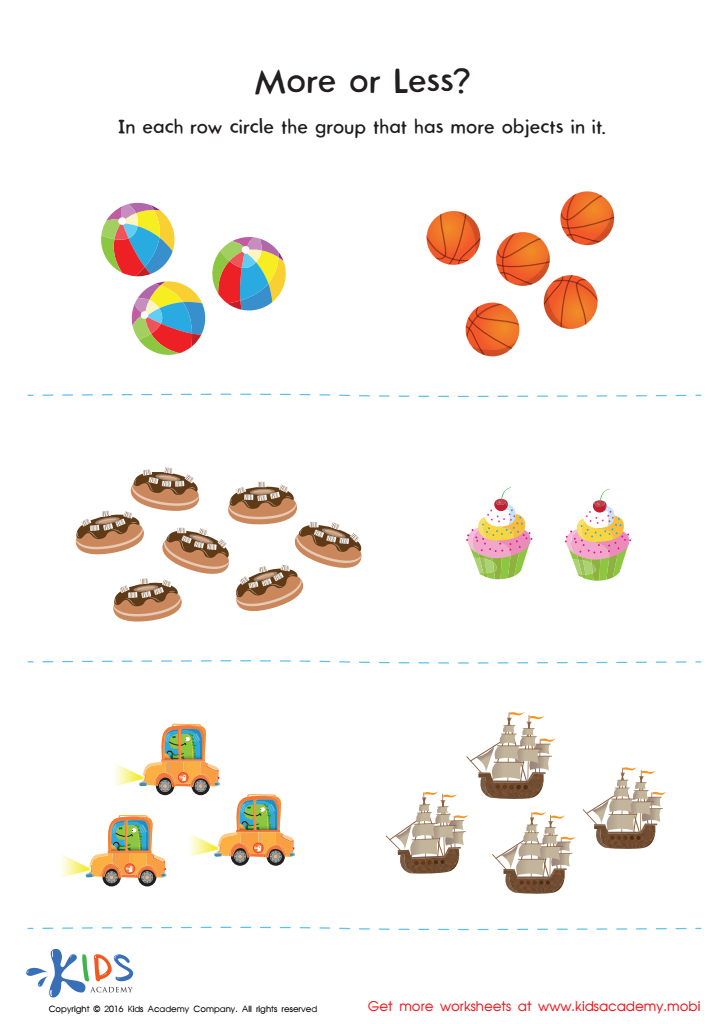
 Assign to My Students
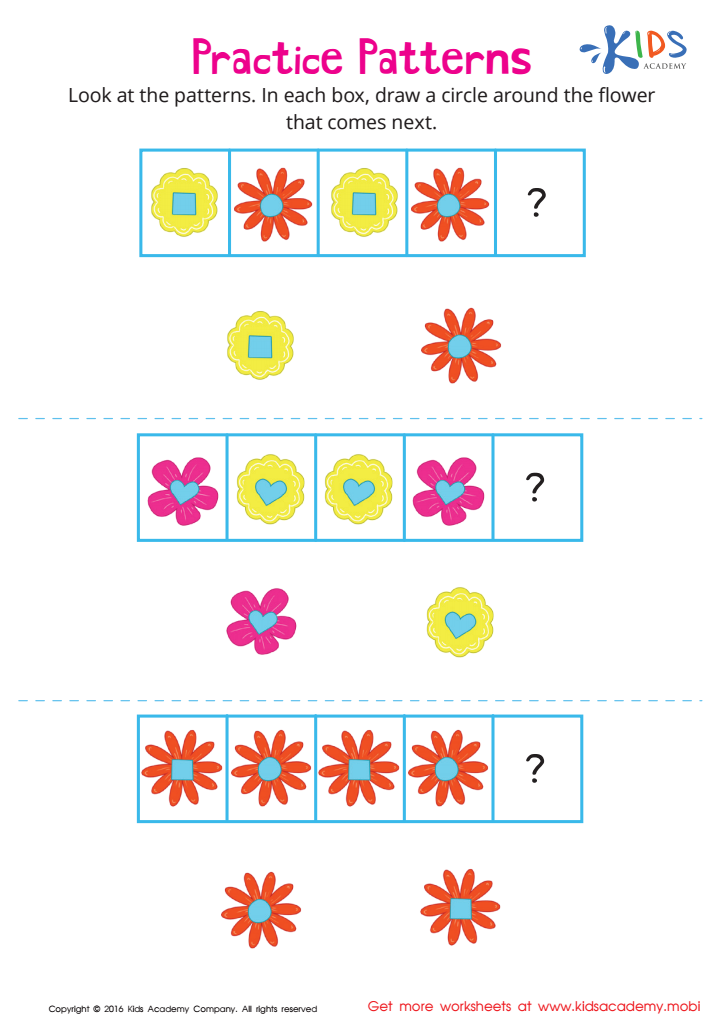
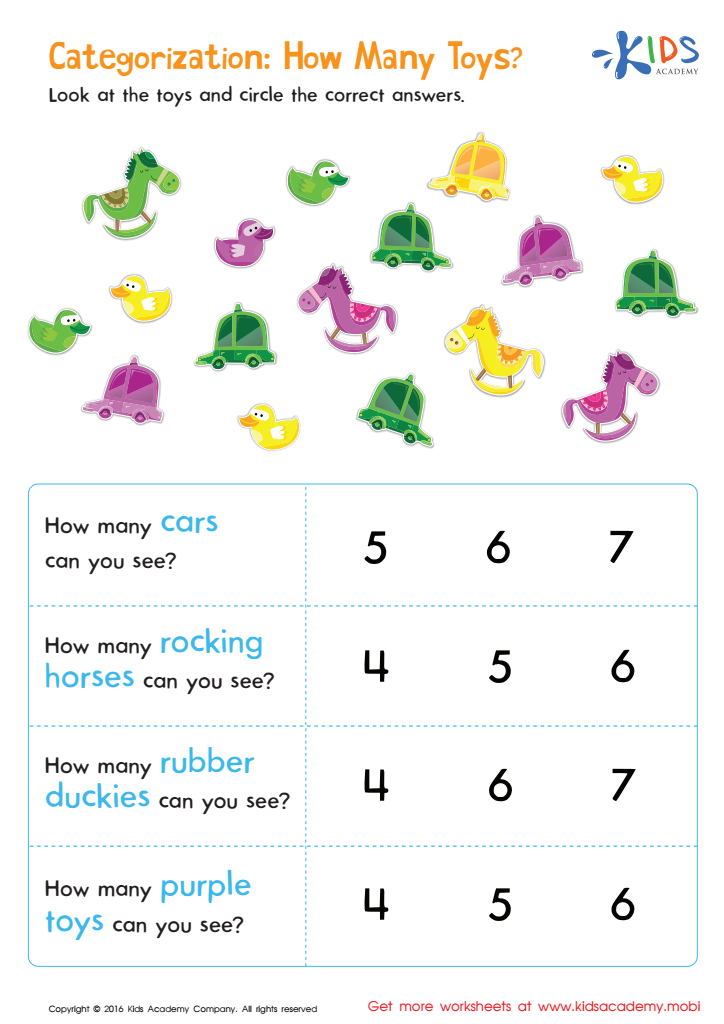
Classifying Toys by Type and Color Sorting Worksheet
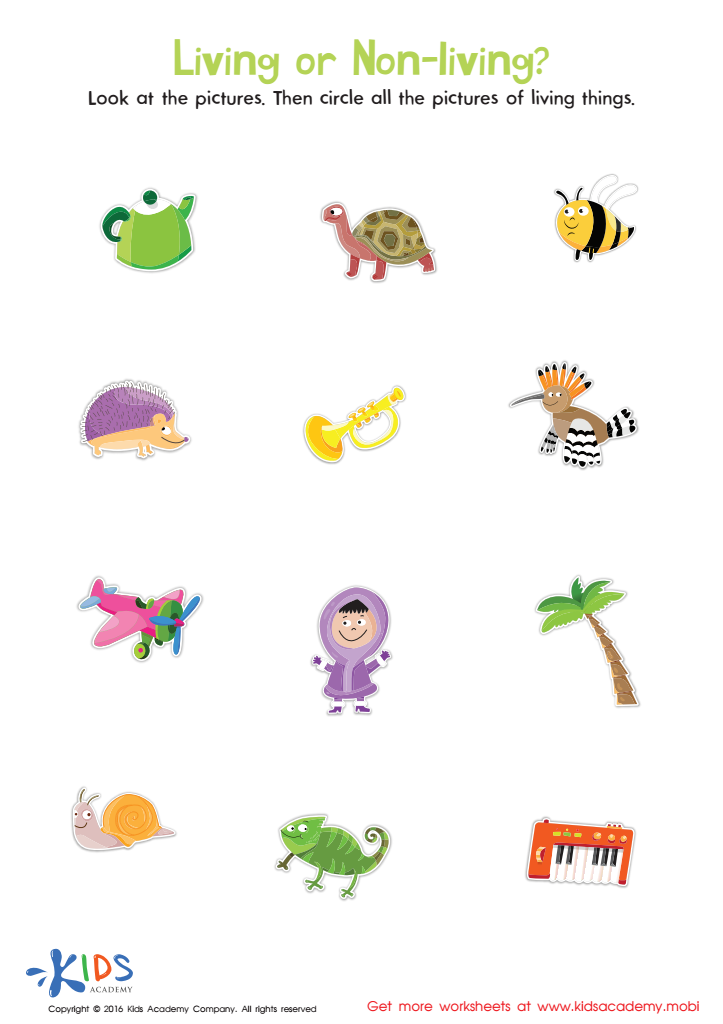
Identifying Living and Non–living Things Sorting Worksheet





.jpg)
Normal Matching worksheets activities are an invaluable tool in both traditional and contemporary educational settings. These seemingly simple exercises harbor numerous benefits for learners across various age groups and learning stages. The essence of Matching worksheets is to connect two related items, which could range from words to pictures or even concepts, thus fostering a deeper understanding and retention of knowledge.
Firstly, Normal Matching worksheets activities enhance cognitive development by encouraging critical thinking and problem-solving skills. As learners attempt to find correlations between pairs of items, they engage in a cognitive exercise that boosts their ability to analyze, reason, and make connections. This process is fundamental in the development of logical thinking and supports the acquisition of more complex skills in the future.
Moreover, these activities are highly adaptable and can be designed to support learning in a myriad of subjects, from language and mathematics to science and social studies. This versatility makes Normal Matching worksheets a favorite among educators looking to reinforce specific concepts in a fun and engaging manner. The simplicity of matching pairs allows for the inclusion of diverse learning materials, making it an excellent tool for reinforcing vocabulary, mathematical equations, historical dates, scientific terms, and much more.
Another significant advantage is the support these activities provide for visual learners. Normal Matching worksheets often involve identifying and connecting visual elements, catering to those who learn best through imagery. This inclusivity ensures that a broader range of learning styles is accommodated, making education more accessible and effective for all students.
Furthermore, Matching worksheets activities can serve as a diagnostic tool, helping teachers assess students' understanding and grasp of the subject matter without the pressure of traditional testing methods. They offer instant feedback to both the learner and the educator, enabling timely interventions and targeted support where necessary.
In conclusion, Normal Matching worksheets activities are more than just a teaching aid; they are a cornerstone of effective learning that promotes cognitive development, adaptability, inclusivity, and diagnostic assessment. Their simplicity belies their profound impact, making them an indispensable part of modern education.








