Normal Alphabet worksheets activities for 9-Year-Olds
3 filtered results
-
From - To
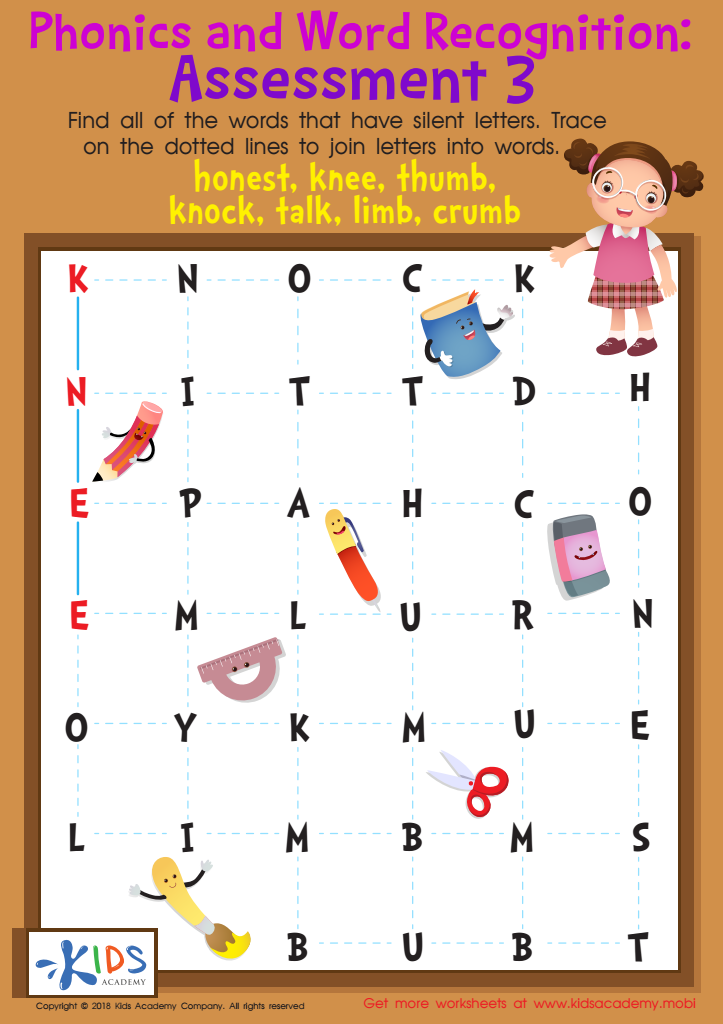
Phonics and Word Recognition: Assessment 3 Worksheet
 Assign to My Students
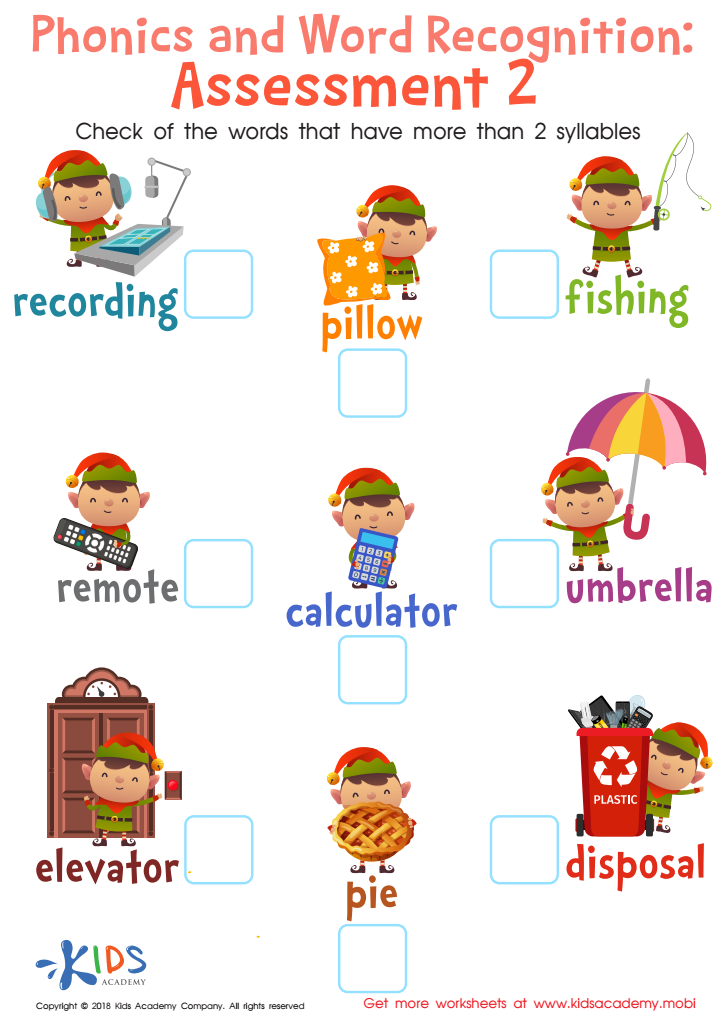
Phonics and Word Recognition: Assessment 2 Worksheet
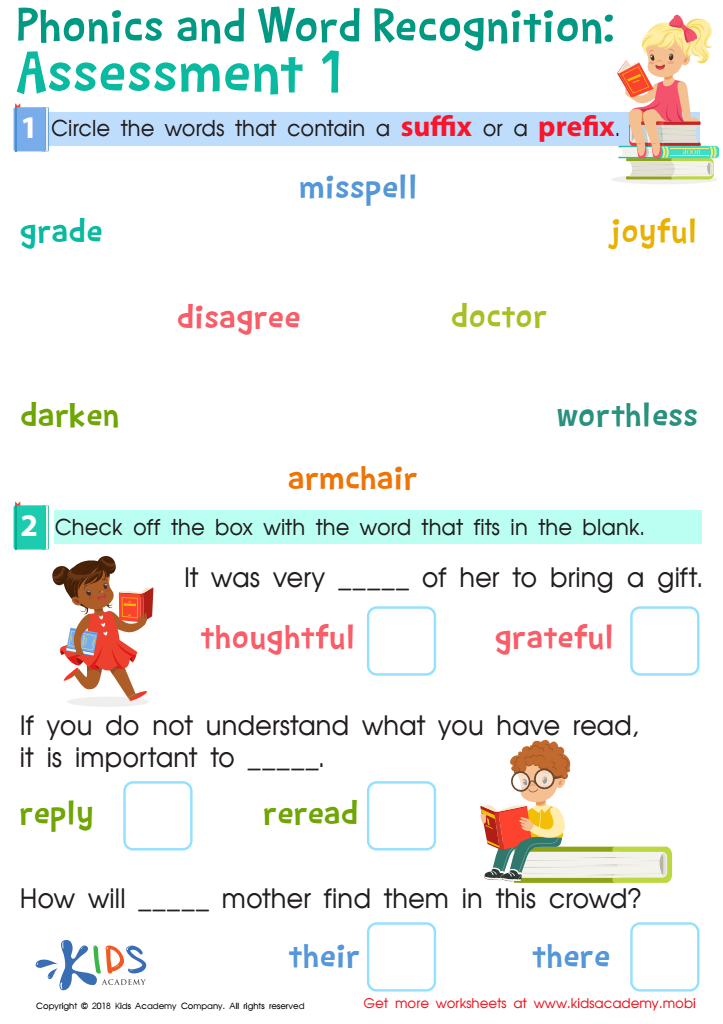
Phonics and Word Recognition: Assessment 1 Worksheet






The importance of mastering the alphabet cannot be overstated in the early stages of a child's education. Normal Alphabet worksheets activities stand out as a fundamental tool in facilitating this crucial learning phase. These activities are designed to offer a structured approach to letter recognition, writing, and phonics, thus laying a strong foundation for reading and writing skills that are essential in every child's academic journey.
One of the key reasons why Normal Alphabet worksheets activities are beneficial is their ability to enhance fine motor skills. As children trace letters, they develop hand-eye coordination and learn the precise movements required for writing. This practice is vital for the development of neat handwriting and the ability to perform other tasks that require manual dexterity.
Moreover, these worksheets activities introduce children to the sounds that each letter makes, which is a critical component of phonemic awareness. By engaging with the worksheets, children learn to associate letters with their sounds, an essential skill for decoding words and developing fluent reading abilities. This phonetic foundation is instrumental in fostering early literacy and encourages a love for reading from a young age.
Another significant advantage of Normal Alphabet worksheets activities is their adaptability. They can be tailored to suit the learning pace of each child, ensuring that learners of all capabilities are catered for. Whether a child is a fast learner or needs a bit more time to grasp certain concepts, these worksheets can be adjusted to meet their individual needs, making learning both effective and enjoyable.
Additionally, these worksheets activities offer repetition in an engaging format. Repetition is key to learning, but it can become tedious. Normal Alphabet worksheets activities incorporate a variety of tasks and exercises that keep the learning process interesting and fun, ensuring that children remain engaged and motivated.
In conclusion, Normal Alphabet worksheets activities are invaluable tools in early childhood education. They not only support the development of fundamental literacy skills but also cater to the diverse needs of young learners, making them an indispensable component of effective learning strategies.








