Filters

12 filtered results

Clear all filters
Favorites
With answer key
Interactive

12 filtered results

Difficulty Level

Grade


Explore our engaging "Governance and Civics Worksheets for Ages 3-4" designed to introduce young learners to the basics of community and citizenship. These interactive worksheets encourage children to understand important concepts like rules, sharing, and cooperation in a fun and age-appropriate manner. Ideal for preschool classrooms or home learning, our worksheets promote critical thinking and spark curiosity about the world around them. Each activity is crafted to cultivate essential social skills, helping children learn the value of participation and respect within a community. Start your child’s journey in civics today and watch them discover the joy of being a responsible citizen!

Check out this FREE Trial Lesson on Governance and Civics for age 3-4!

Music

Favorites
With answer key
Interactive
  • 3-4
  • Interactive
  • Governance and Civics
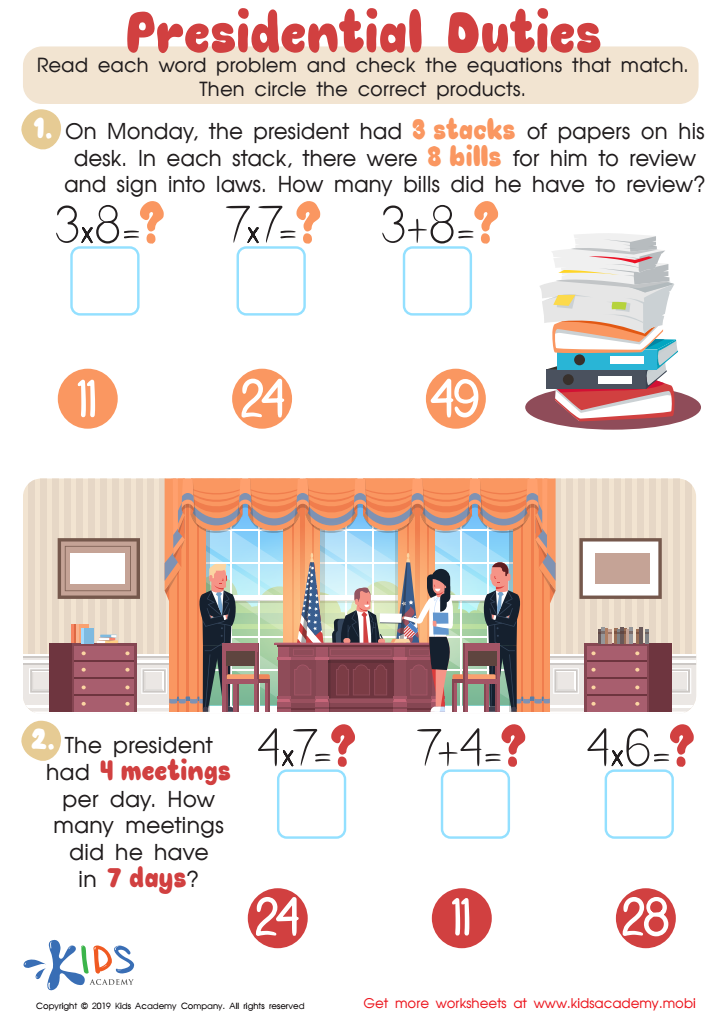
Presidential Duties Worksheet

Presidential Duties Worksheet

Presidents have many duties. Utilize this worksheet to review the important ones while solving multiplication word problems. Read each passage, determine the equation, then find the product and select the correct answer.
Presidential Duties Worksheet
Worksheet
Music Around the World Worksheet

Music Around the World Worksheet

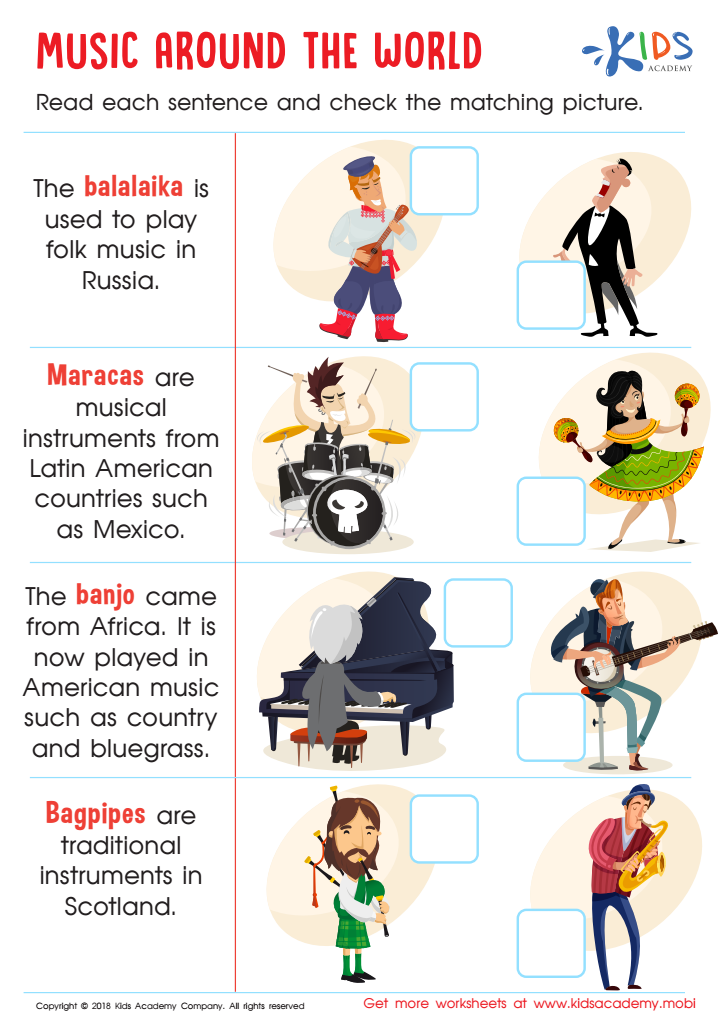
Have your kids read the sentences in this exercise, or assist them if they're not confident readers. The pictures teach them about different cultures' music, like the banjo which comes from Africa and is a part of some American genres. Read each sentence and have them match it to the right image.
Music Around the World Worksheet
Worksheet
What Is Culture? Worksheet

What Is Culture? Worksheet

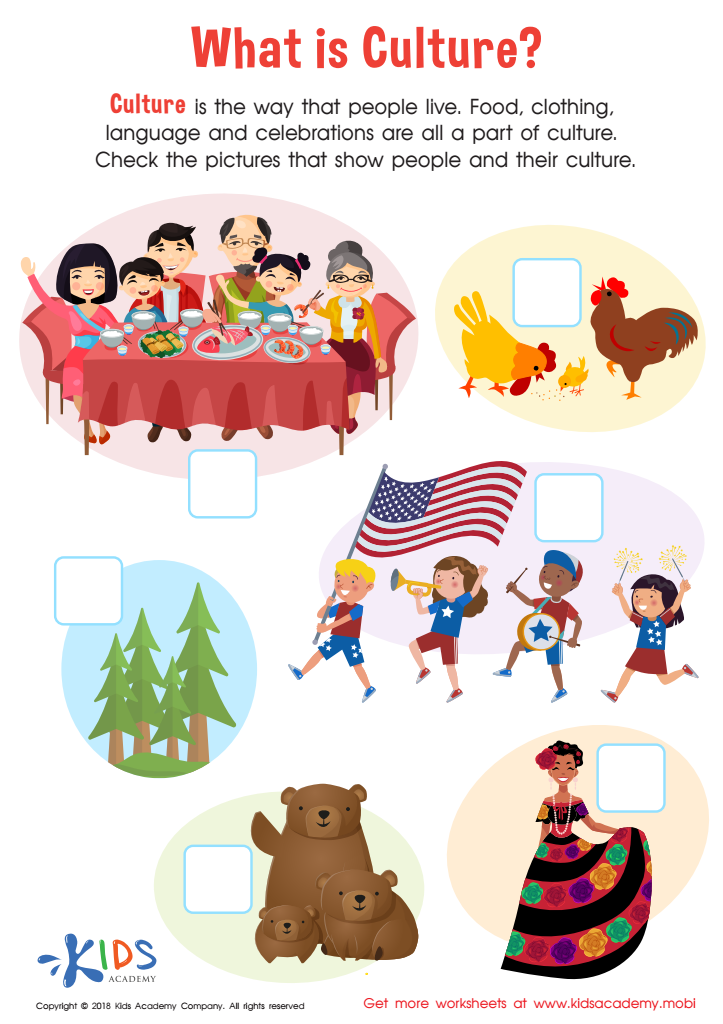
Before beginning, talk to your kids about different cultures and how they may differ from yours. Explain that culture is the way of life and includes food, clothing, language and celebrations. Ask if they know any friends or classmates with a different culture and see if they can tell you about it. Then, help them look through this printout and check the pictures that show people and their culture.
What Is Culture? Worksheet
Worksheet
Chinese Word Tracing: Ni Hao Worksheet

Chinese Word Tracing: Ni Hao Worksheet

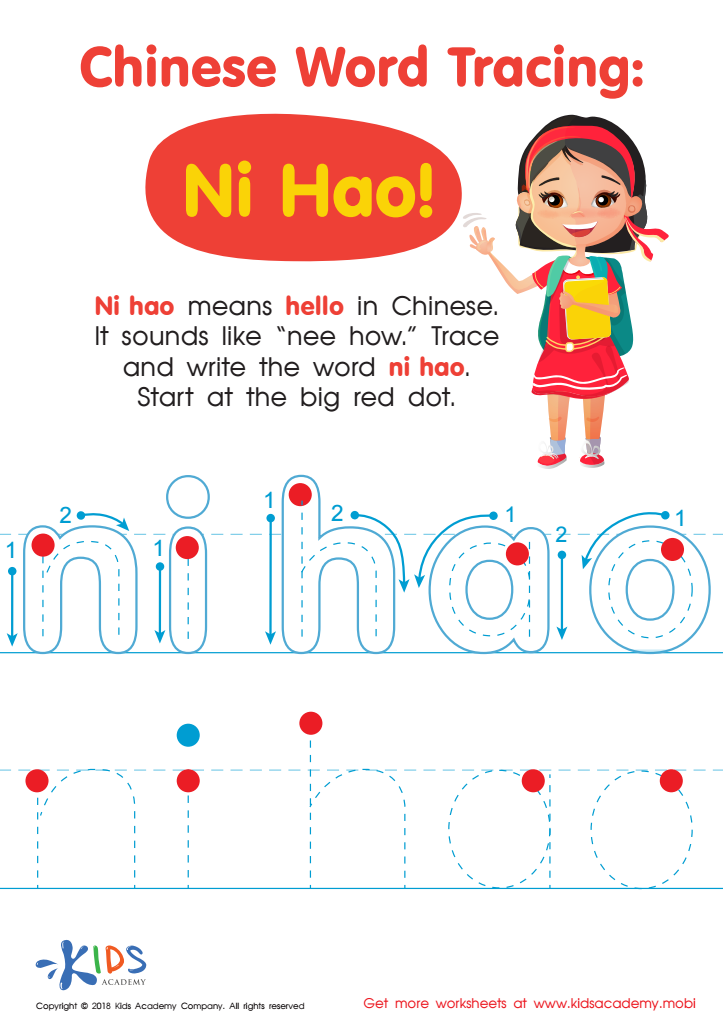
Kids can learn to say "Ni hao" with this fun tracing worksheet. The free PDF helps kids write and say the Chinese greeting while also developing fine-motor, handwriting and reading skills. With red guide dots and traceable lines, kids will learn top-to-bottom and left-to-right patterning for fluent reading.
Chinese Word Tracing: Ni Hao Worksheet
Worksheet
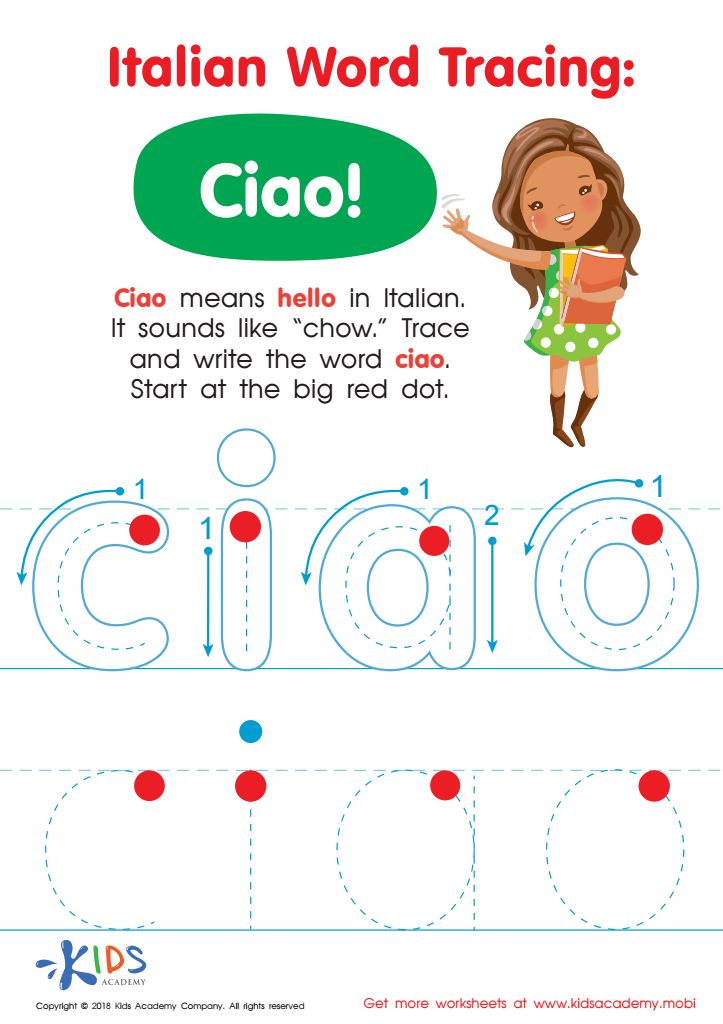
Italian Word Tracing: Ciao Worksheet

Italian Word Tracing: Ciao Worksheet

Help kids learn to greet people in different languages with this fun worksheet! Featuring the Italian word 'Ciao', it helps kids trace and learn the pronunciation. Plus, it teaches hand-eye coordination and fine-motor skills. Global connectivity can start with this activity!
Italian Word Tracing: Ciao Worksheet
Worksheet
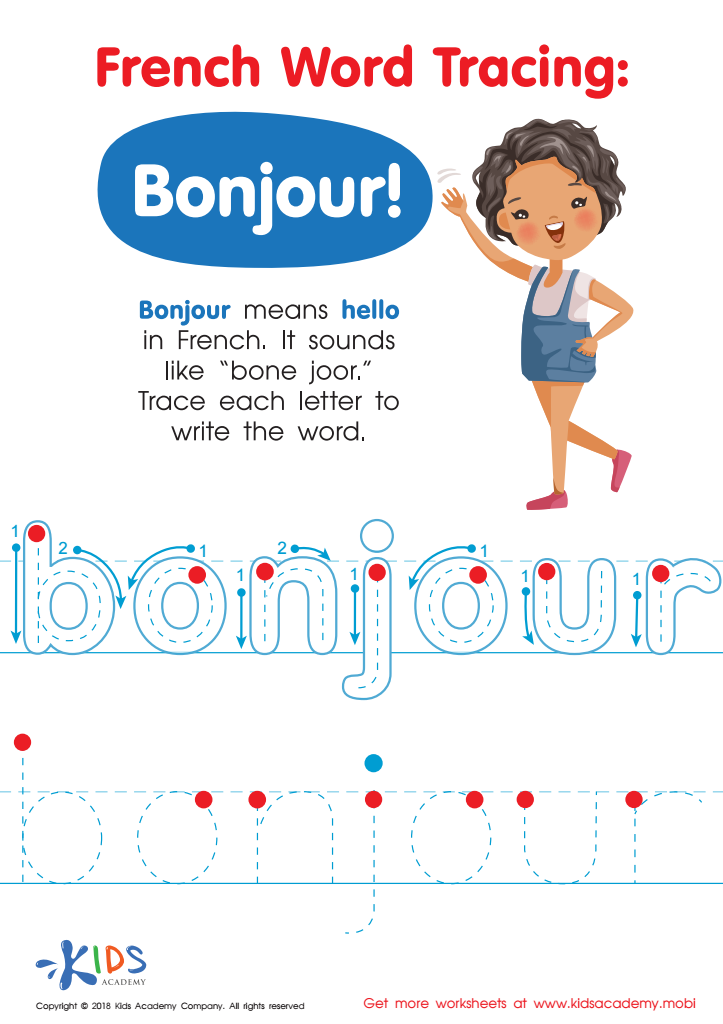
French Word Tracing: Bonjour Worksheet

French Word Tracing: Bonjour Worksheet

Students can learn about culture and practice writing and saying "Bonjour" using the traceable lines. Guide dots support top-to-bottom patterning and left-to-right reading/writing. It's an ideal introduction to different greetings and connecting as global citizens.
French Word Tracing: Bonjour Worksheet
Worksheet
Spanish Word Tracing: Hola Worksheet

Spanish Word Tracing: Hola Worksheet

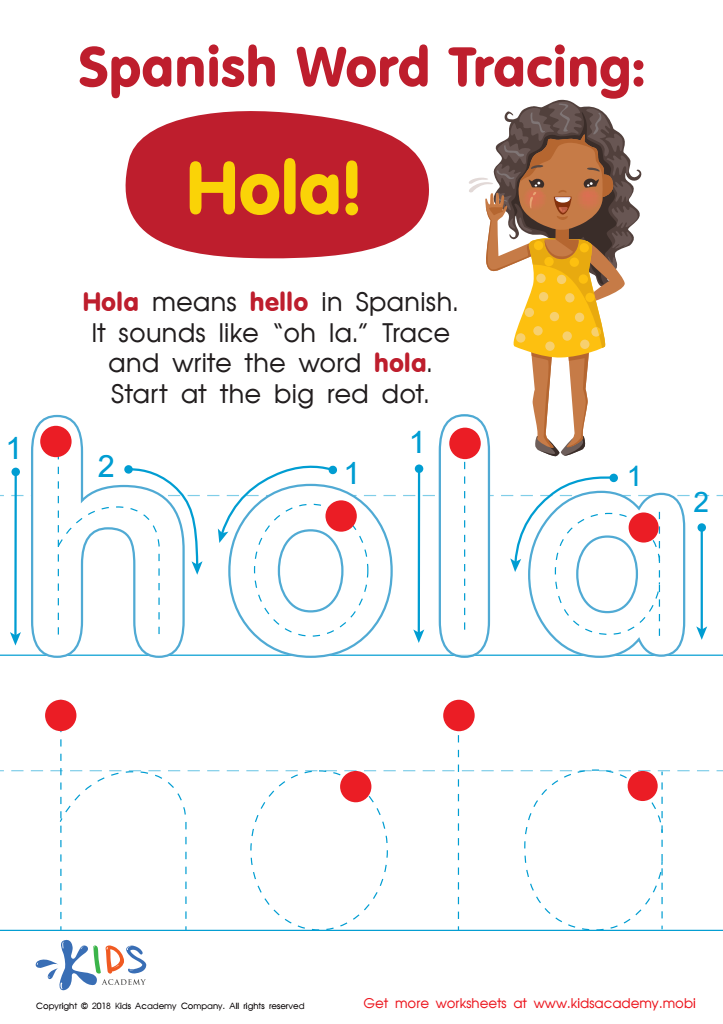
This PDF provides a fun way for students to learn "Hola" (Hello) in Spanish! Kids can practice fine motor and handwriting skills while they trace the letters. They'll get the hang of top-to-bottom, left-to-right patterning while they learn how to say and write in Spanish. With practice, they'll soon feel confident speaking and writing Spanish!
Spanish Word Tracing: Hola Worksheet
Worksheet
Rights and Responsibilities Worksheet

Rights and Responsibilities Worksheet

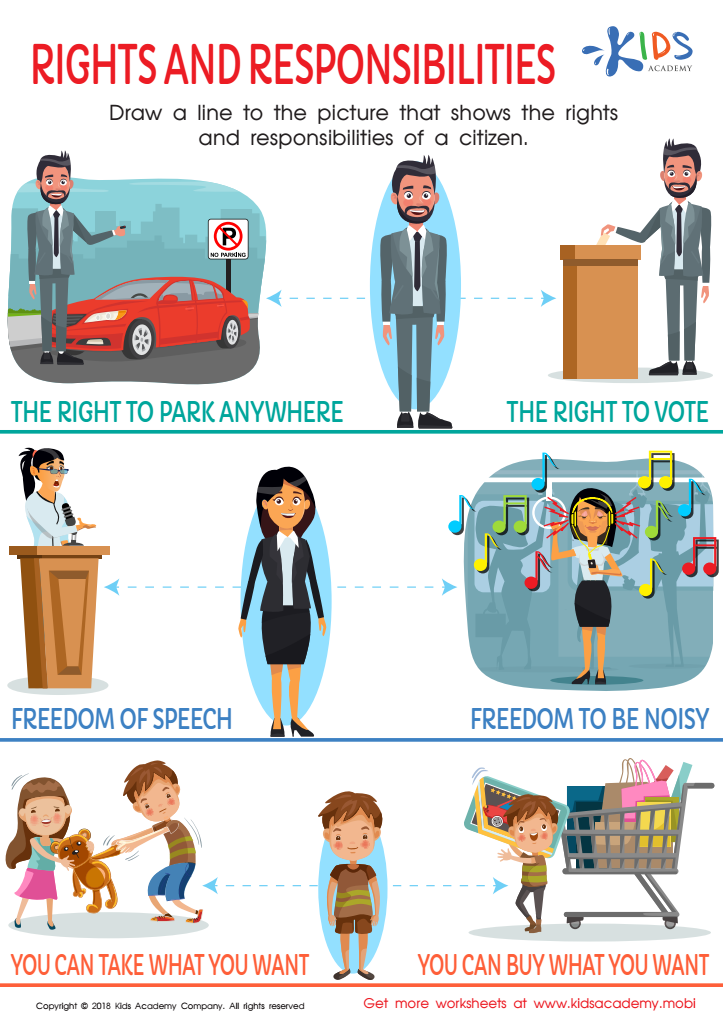
Encourage your kids to discuss their rights as citizens. Help them recognize fundamental human rights they're entitled to. Review the worksheet: ask them to read aloud and draw a line to the right picture. Invite them back to the discussion to explain their choices. Each step will help them understand and exercise their rights.
Rights and Responsibilities Worksheet
Worksheet
What is a Law? Worksheet

What is a Law? Worksheet

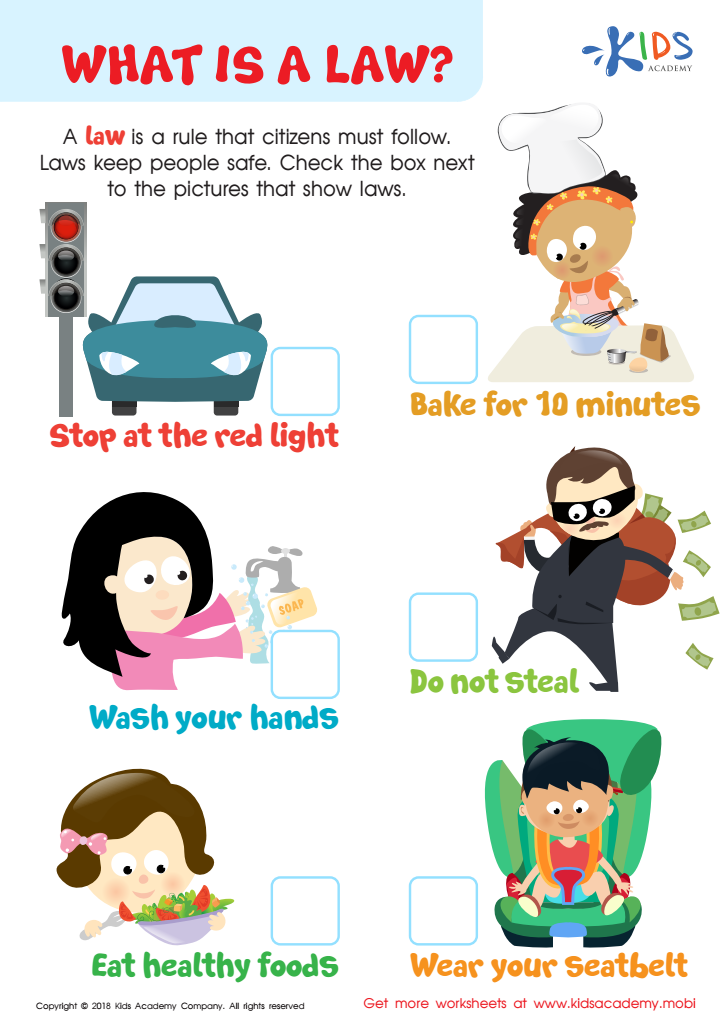
Encourage your students to think about the laws they abide by - at home, school, and the playground. Explain the importance of laws in keeping us safe, then ask them to check the box next to the pictures depicting different laws in a worksheet.
What is a Law? Worksheet
Worksheet
What is a Citizen? Worksheet

What is a Citizen? Worksheet

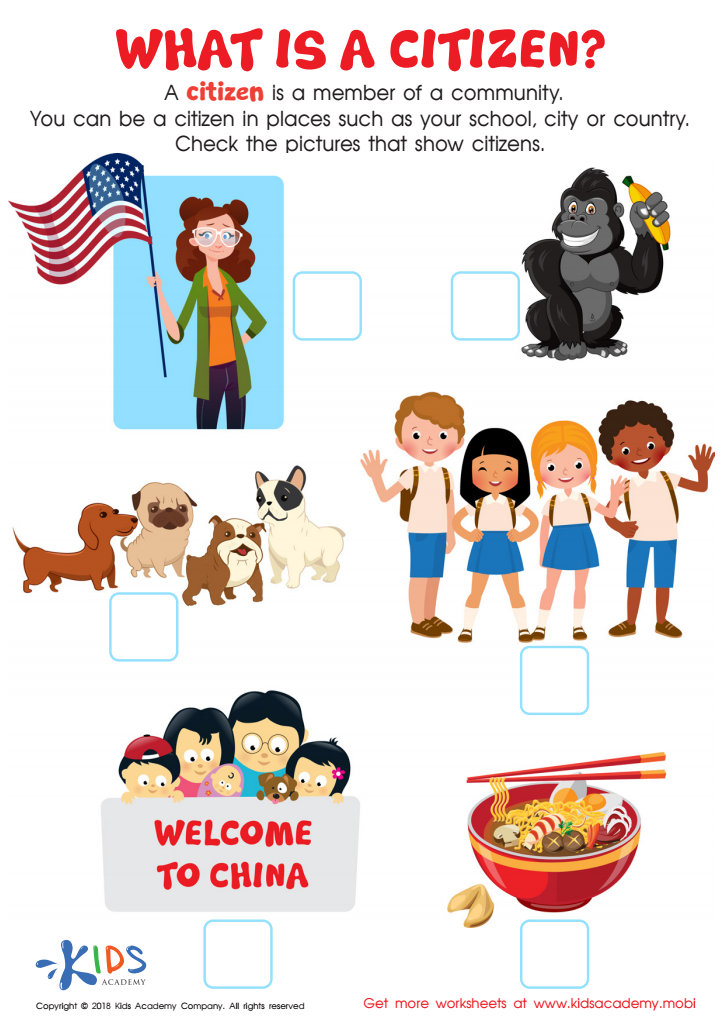
Do your students know who a citizen is? Use this worksheet to teach them: a citizen is a member of a community, such as your school, city or country. Look at the pictures in the pdf with your students. Ask them to identify who or what is in the pictures, and help them check which are citizens.
What is a Citizen? Worksheet
Worksheet
Election Day Worksheet PDF

Election Day Worksheet

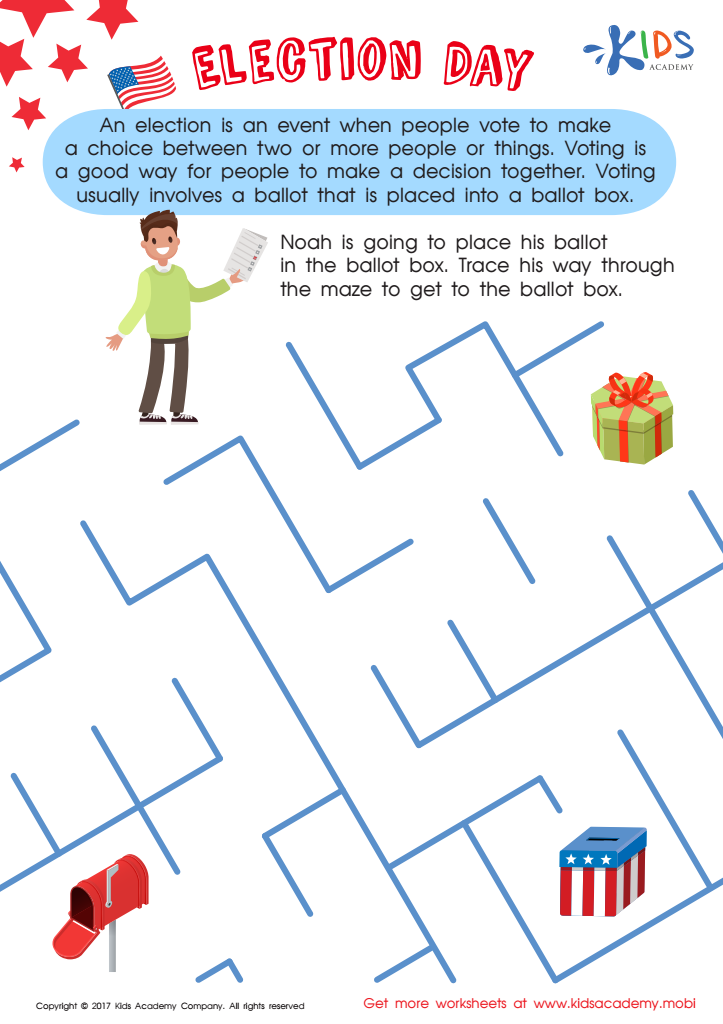
Get the election day worksheet PDF and teach them the value of voting - an integral part of our democracy! 80 words
Election Day Worksheet
Worksheet
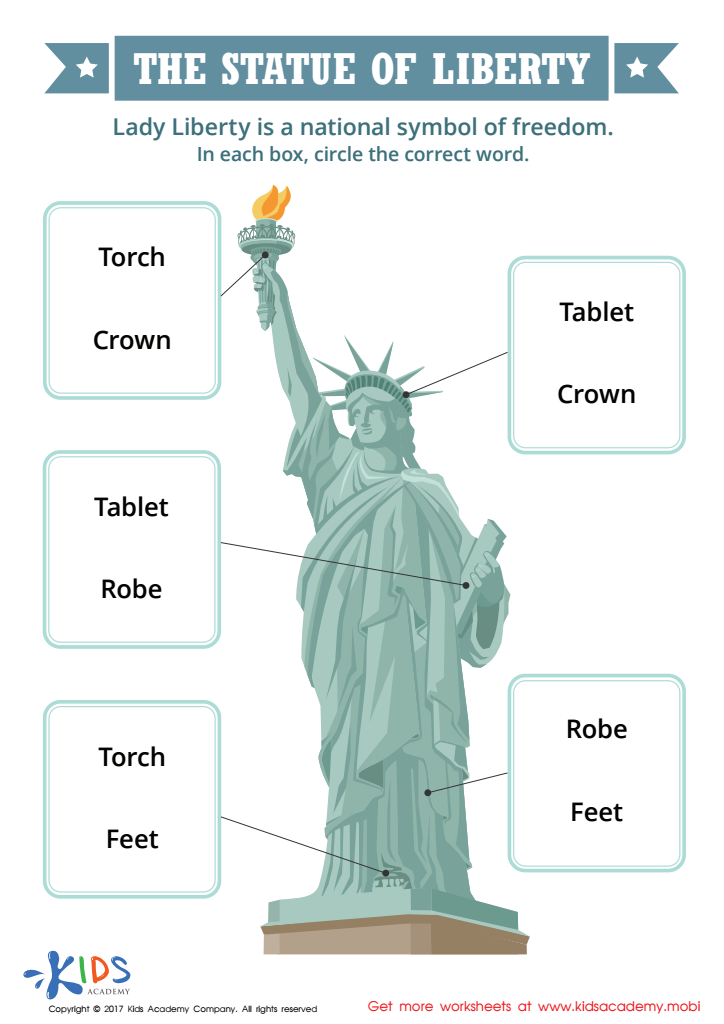
The Statue of Liberty Printable Worksheet


The Statue of Liberty Printable

Introduce the iconic Statue of Liberty with our printable worksheet. Perfect for learning about US symbols and their importance!
The Statue of Liberty Printable
Worksheet


Governance and civics education for children aged 3-4 lays the groundwork for developing responsible and informed citizens. At this early age, children begin to understand their place in the world and how their actions affect others. Introducing concepts of governance, such as fairness, cooperation, and community, helps young children grasp the importance of rules and social structures in fostering harmonious interactions.

Parents and teachers play a crucial role in this foundational stage. By engaging children in simple activities that promote democratic values—such as sharing, taking turns, and collective decision-making—they cultivate empathy and respect for others’ opinions. These early lessons enable children to make sense of social relationships and prepare them for future civic engagement.

Moreover, cultivating an appreciation for diversity and inclusion at this young age encourages open-mindedness and a sense of belonging in a varied society. This education also enhances critical thinking skills as children learn to observe, question, and discuss their environment.

In summary, foundational governance and civics education for young children builds vital social skills, promotes respectful citizenship, and equips children with the tools to navigate their communities effectively as they grow. Investing in this development is essential for nurturing future leaders and engaged citizens.