Tracing Letters Worksheets for Ages 3-6 - Page 3
57 filtered results
-
From - To

Letter H Tracing Page
 Assign to My Students

Letter G Tracing Page
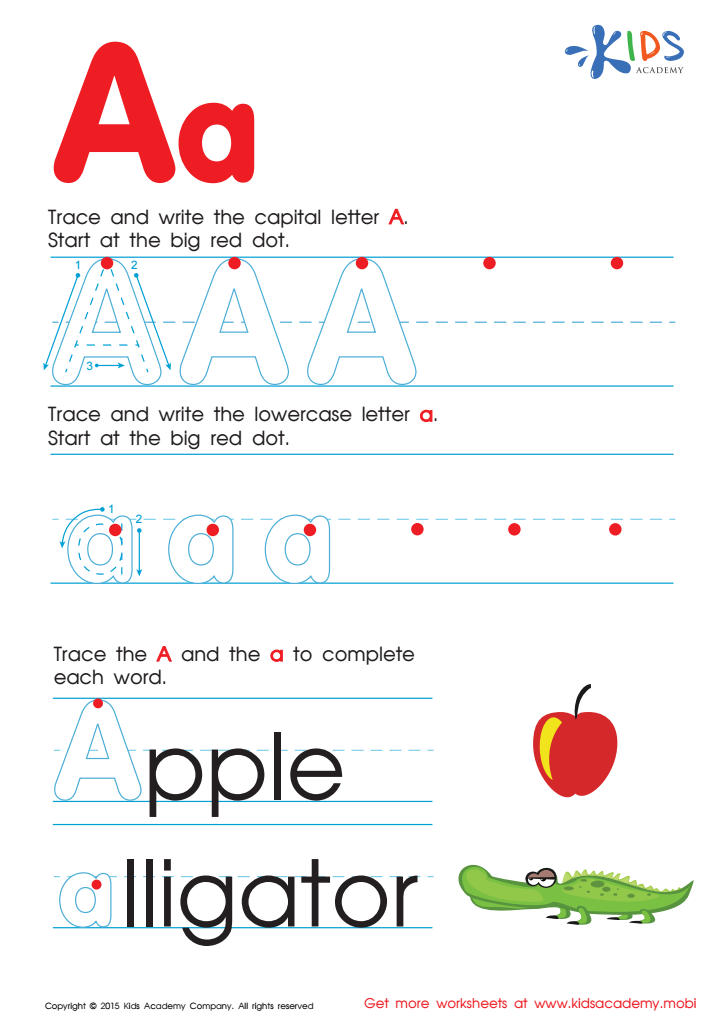
Letter A Tracing Page
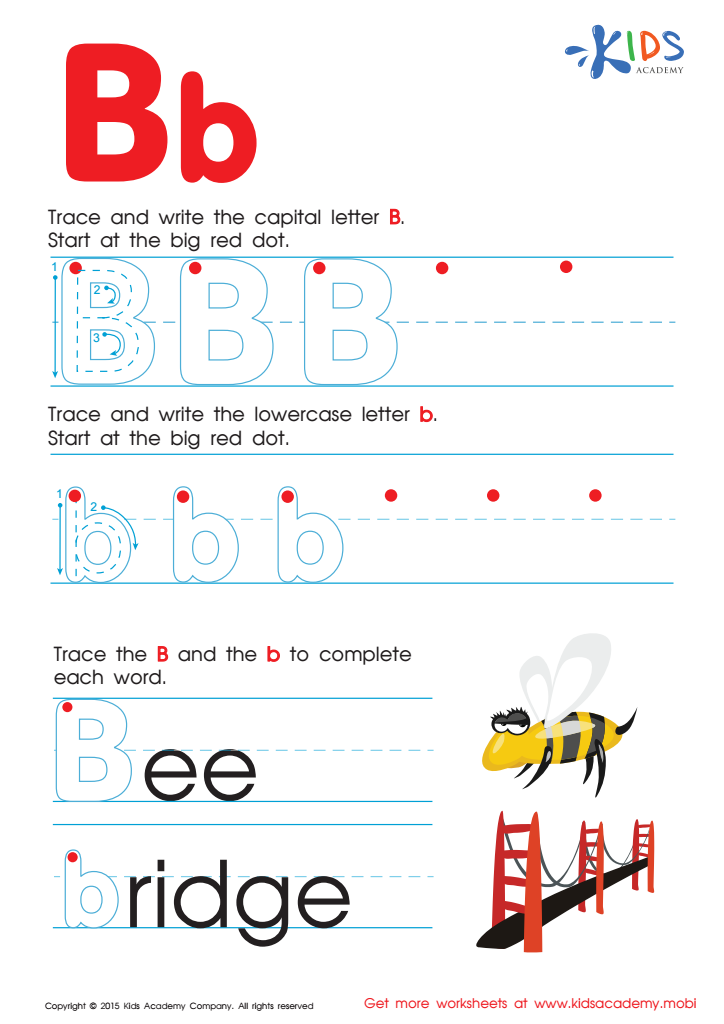
Letter B Tracing Page

Letter C Tracing Page

Letter D Tracing Page
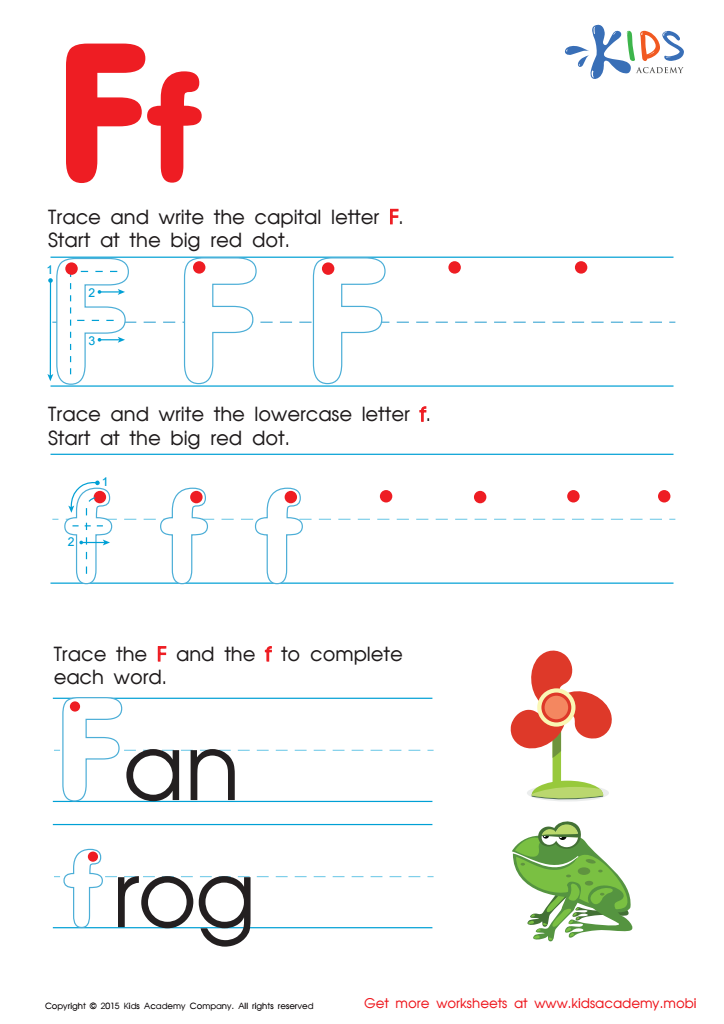
Letter F Tracing Page
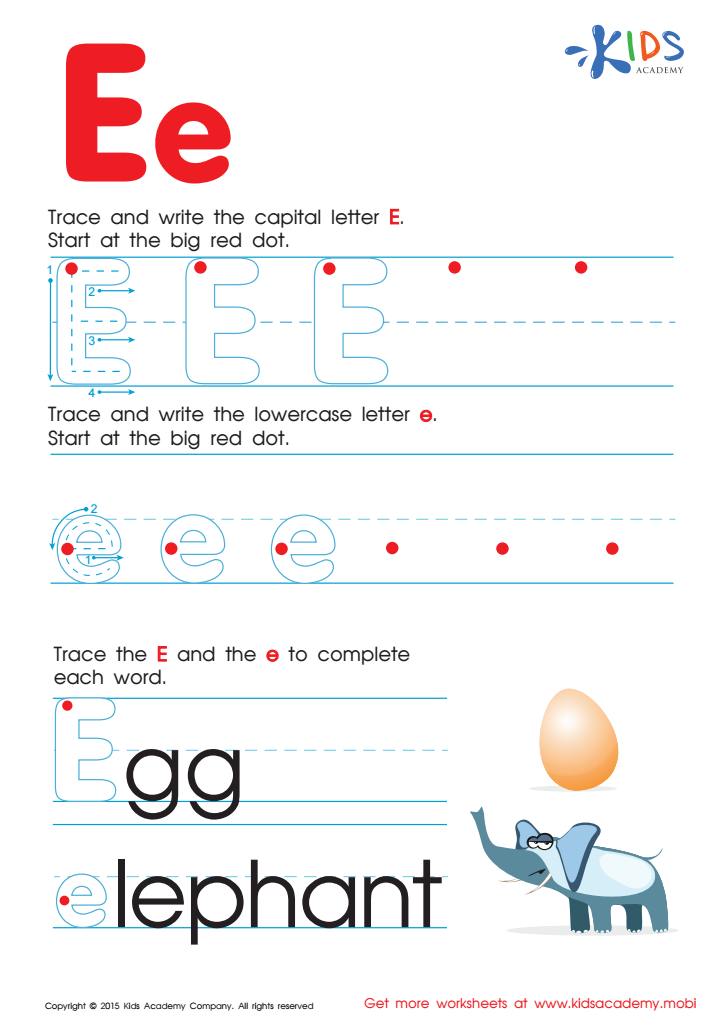
Letter E Tracing Page
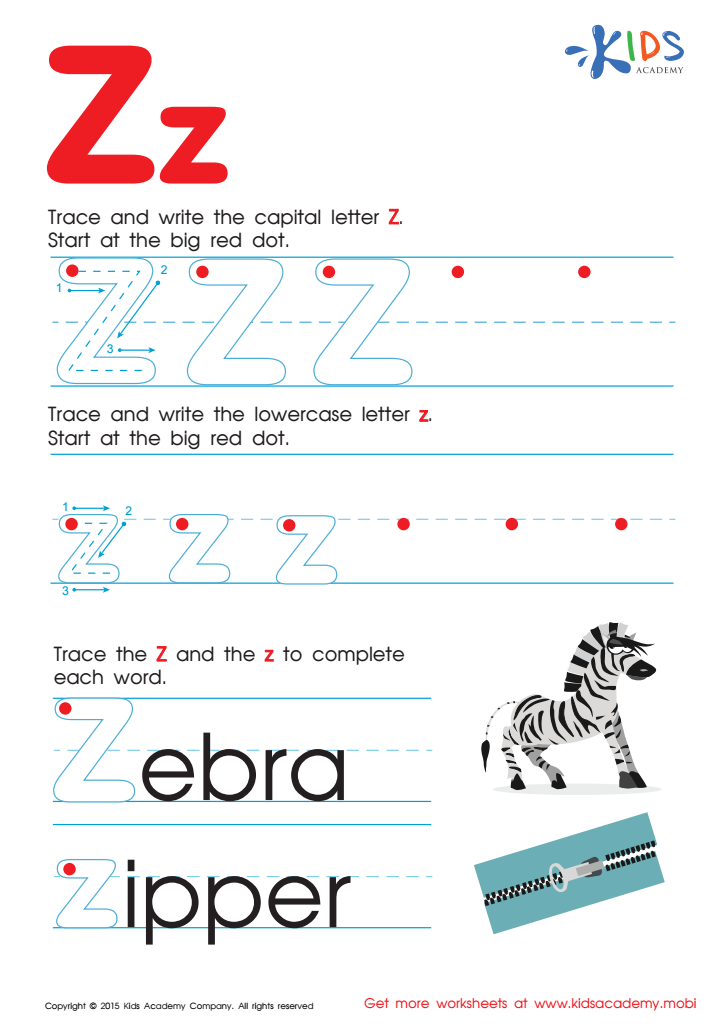
Letter Z Tracing Page








Tracing letters is a fundamental activity for children aged 3-6, offering numerous benefits that make it important for parents and teachers to prioritize. Firstly, letter tracing helps develop fine motor skills, which are essential for handwriting and other daily tasks. As children grip their writing tools and navigate the lines, they strengthen the small muscles in their hands and fingers.
Moreover, tracing letters enhances literacy skills by familiarizing preschoolers with letter shapes, sounds, and the alphabet's structure. It promotes letter recognition, an essential stepping stone for reading and writing proficiency. Engaging in this activity can also boost cognitive development, as children learn to follow patterns, which encourages critical thinking.
Additionally, tracing offers a multisensory experience; the combination of visual, tactile, and sometimes auditory feedback makes learning more effective and enjoyable. It promotes concentration and patience, valuable skills for any learning journey.
Finally, letter tracing activities can foster a sense of accomplishment and confidence in young learners. By giving positive reinforcement as they master each letter, parents and teachers can nurture a love for learning that continues throughout their educational path. In summary, tracing letters forms a crucial building block for literacy and broader developmental skills in early childhood.








