Vowels Worksheets for Ages 3-6 - Page 2
49 filtered results
-
From - To
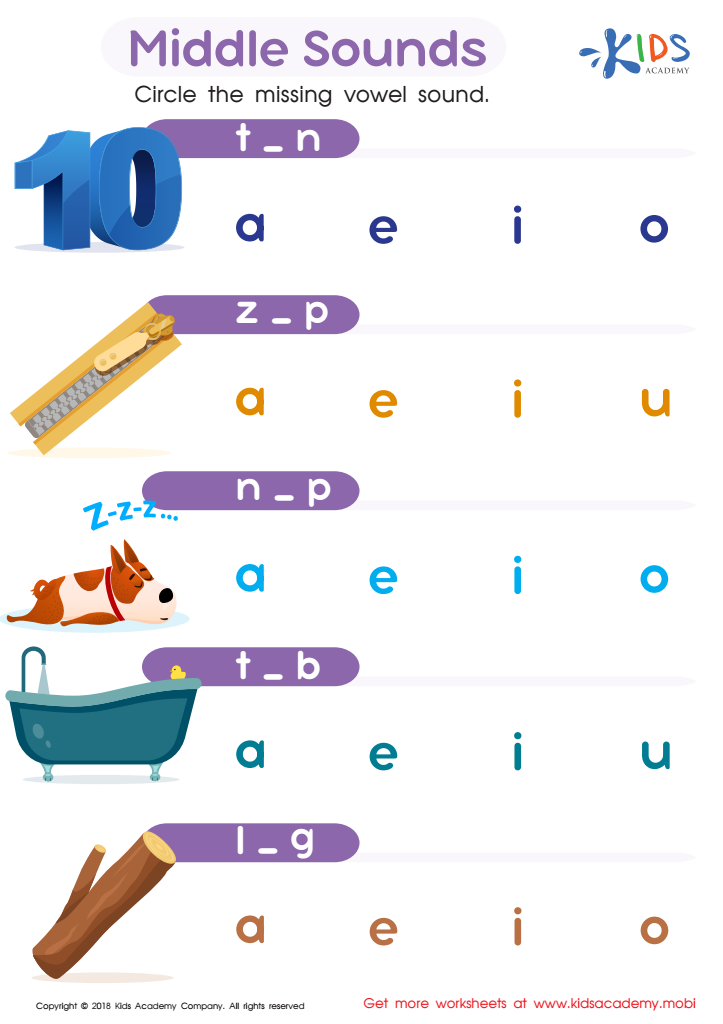
Middle Sounds Worksheet
 Assign to My Students
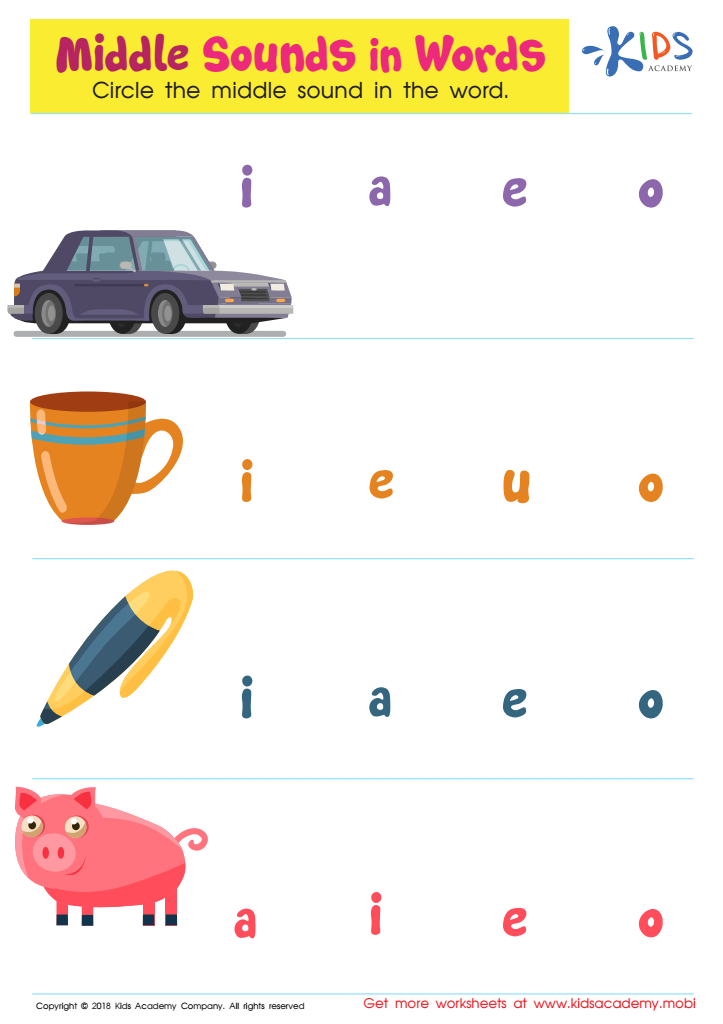
Middle Sounds in Words Worksheet
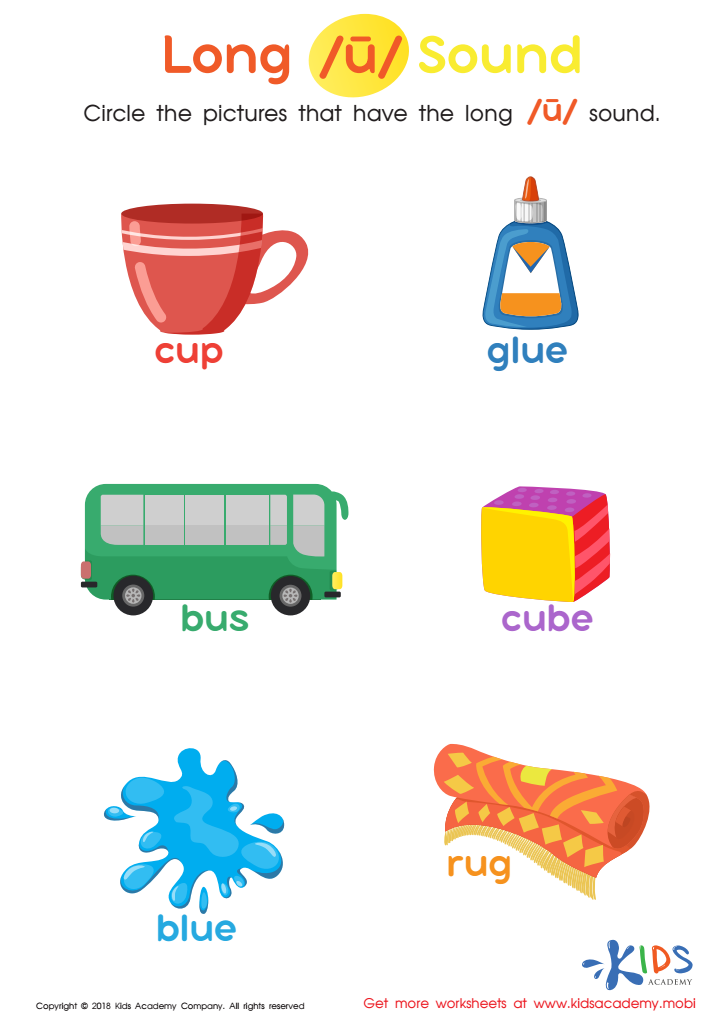
Long «u» Sound Worksheet
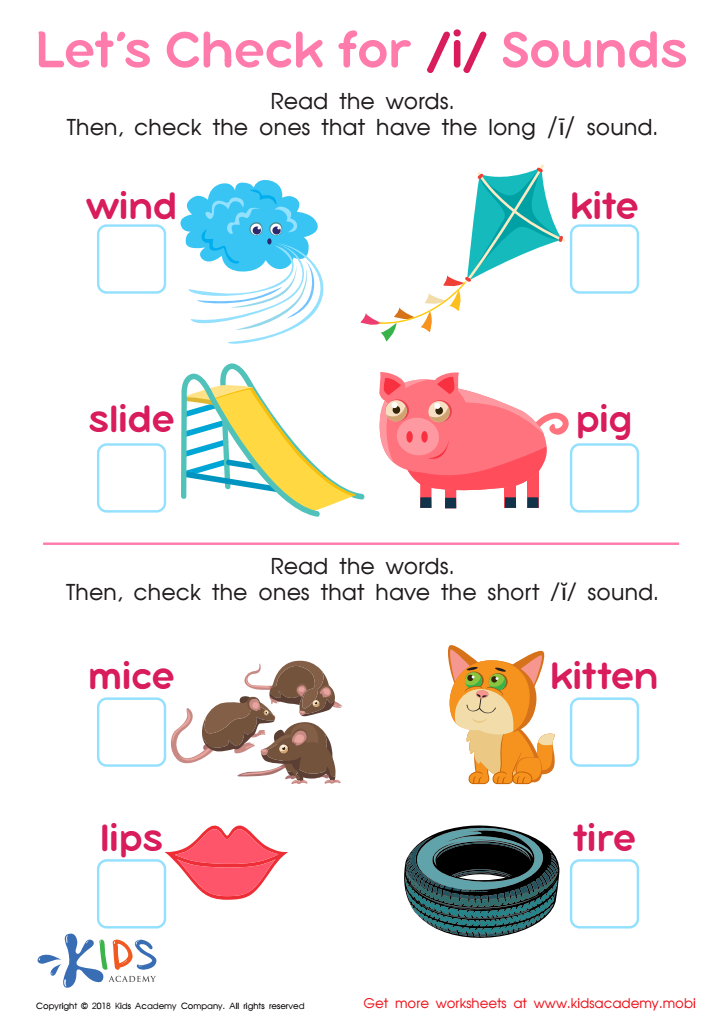
Let's Check for «i» Sounds Worksheet
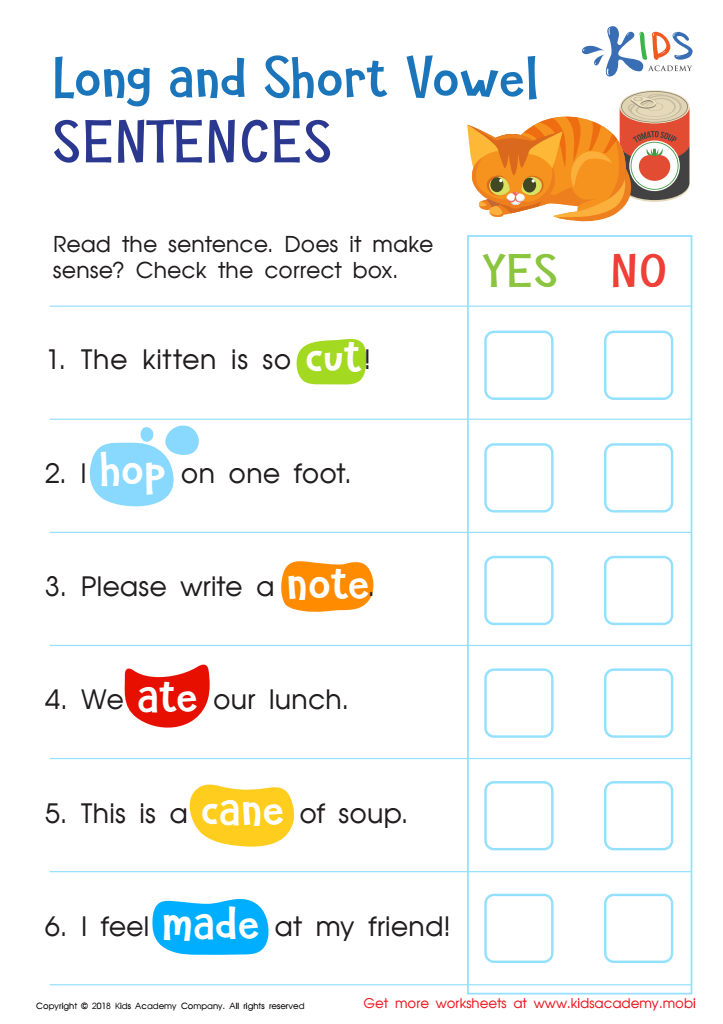
Long and Short Vowel Sentences: Assessment Worksheet
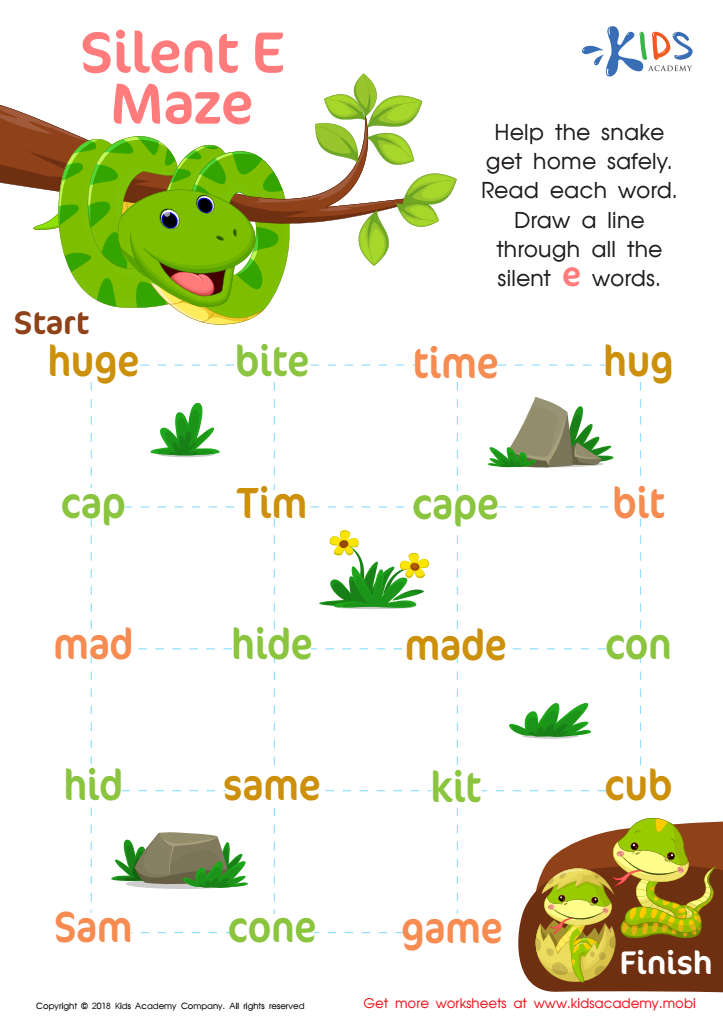
Silent E Maze Worksheet
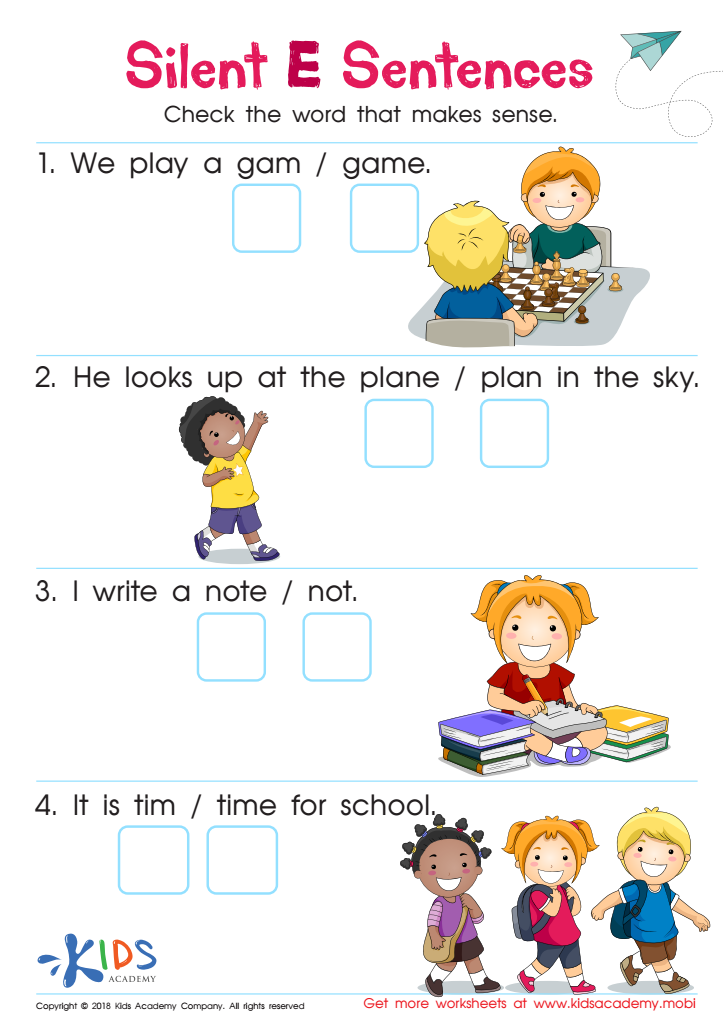
Silent E Sentences Worksheet
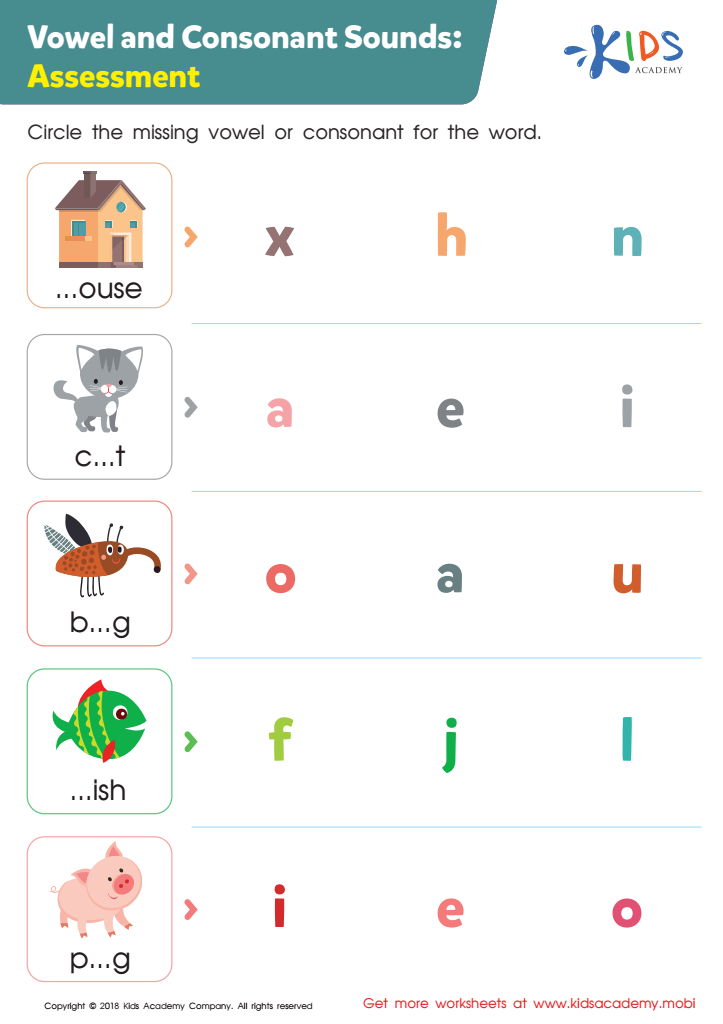
Vowel and Consonant Sounds: Assessment Worksheet
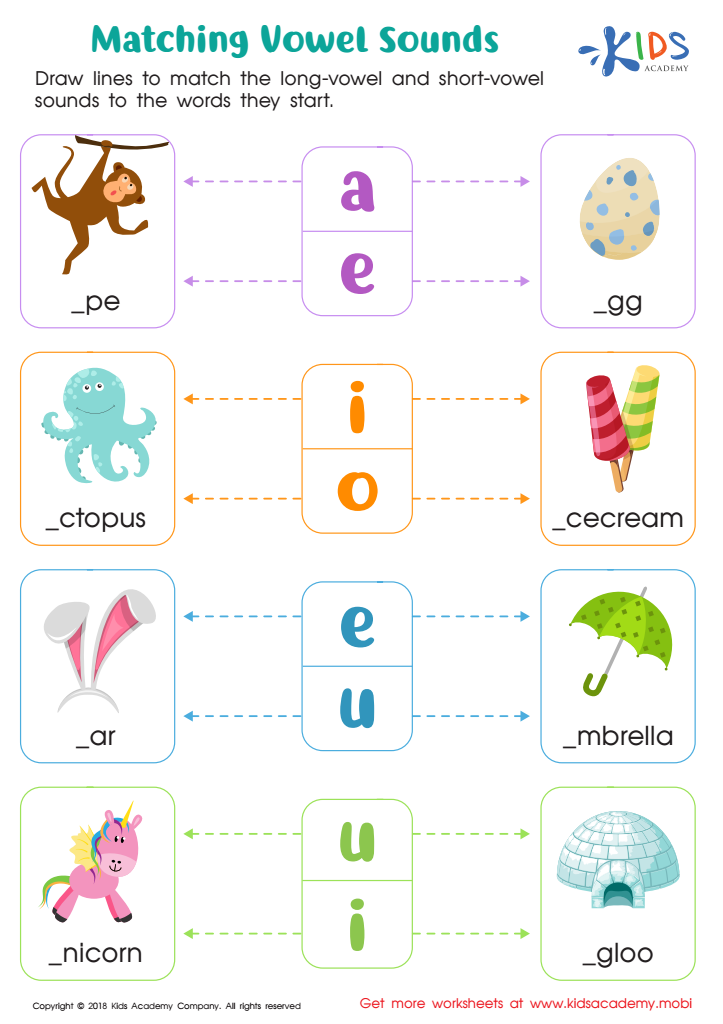
Matching Vowel Sounds Worksheet
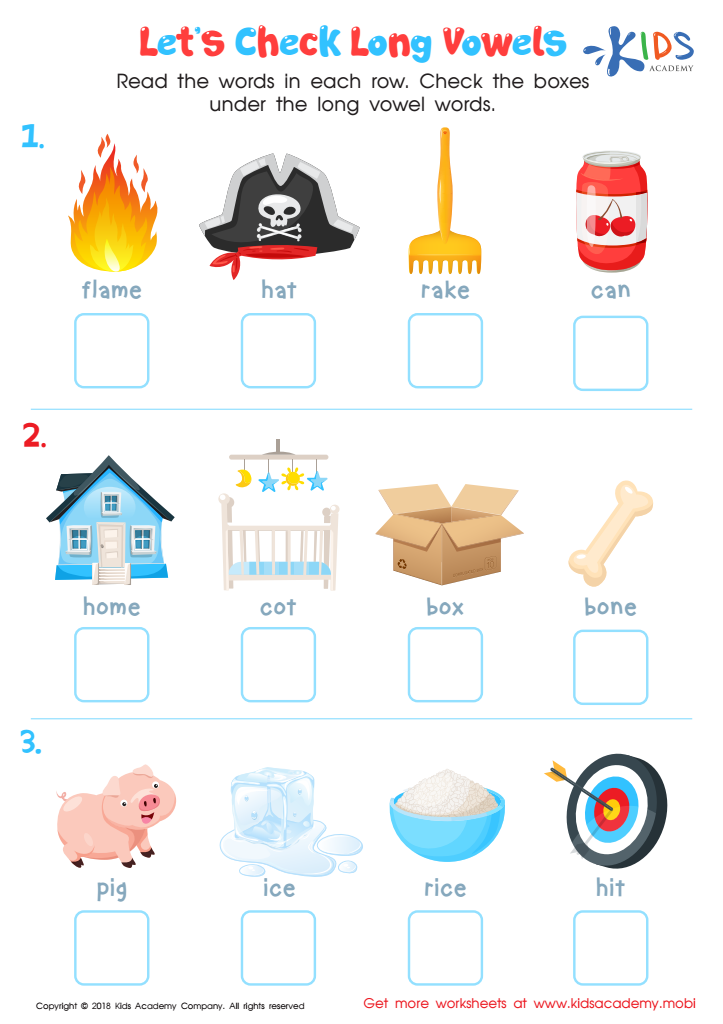
Let's Check Long Vowels: Assessment Worksheet
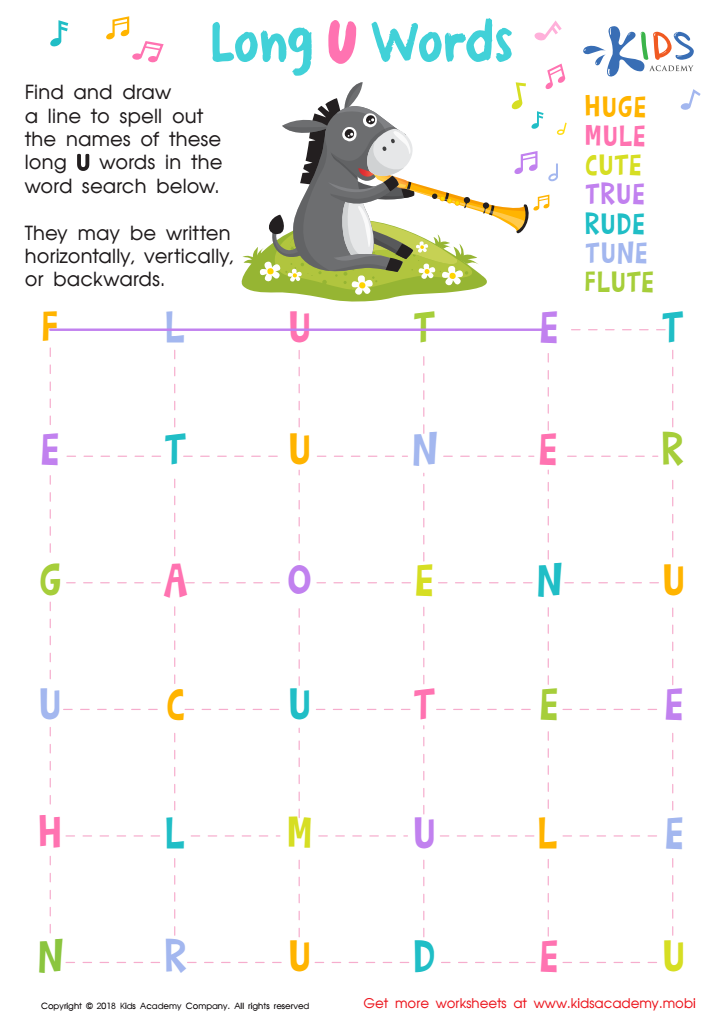
Long /u/ Words Worksheet
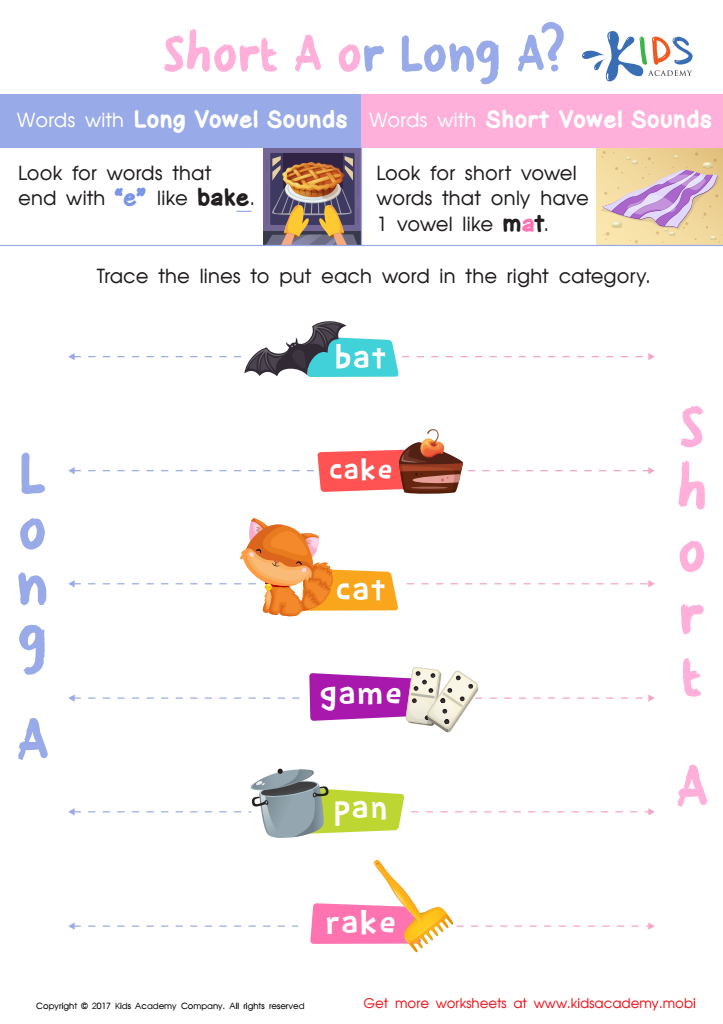
Short /a/ or Long /a/? Worksheet
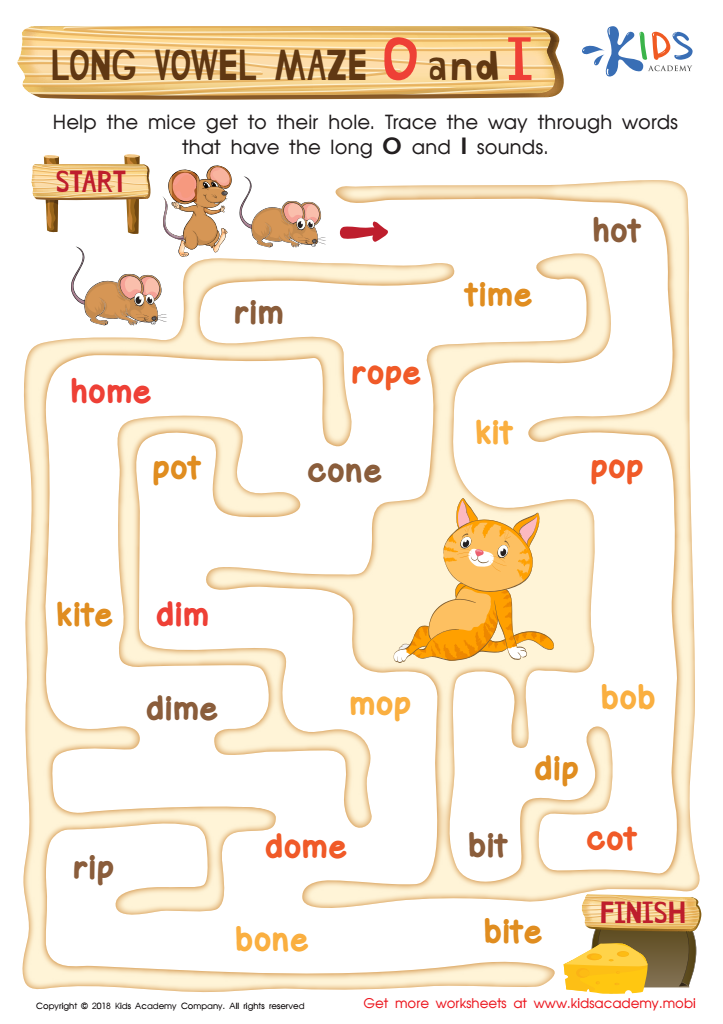
Long Vowel Maze /o/ and /i/ Worksheet
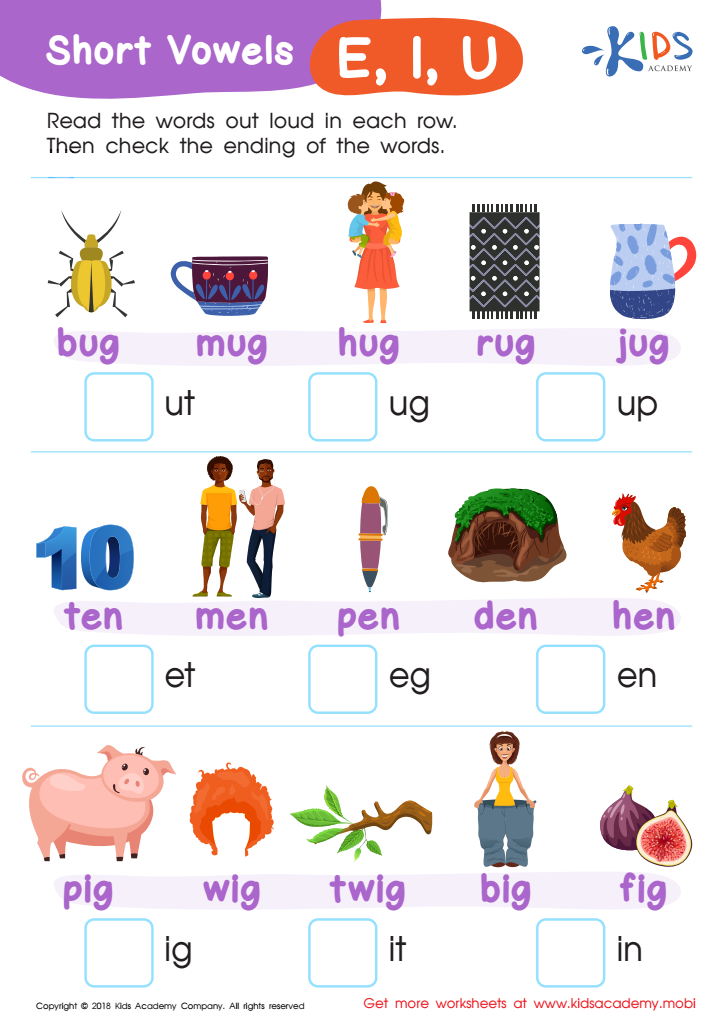
Short Vowels /e/, /i/, and /u/ Worksheet
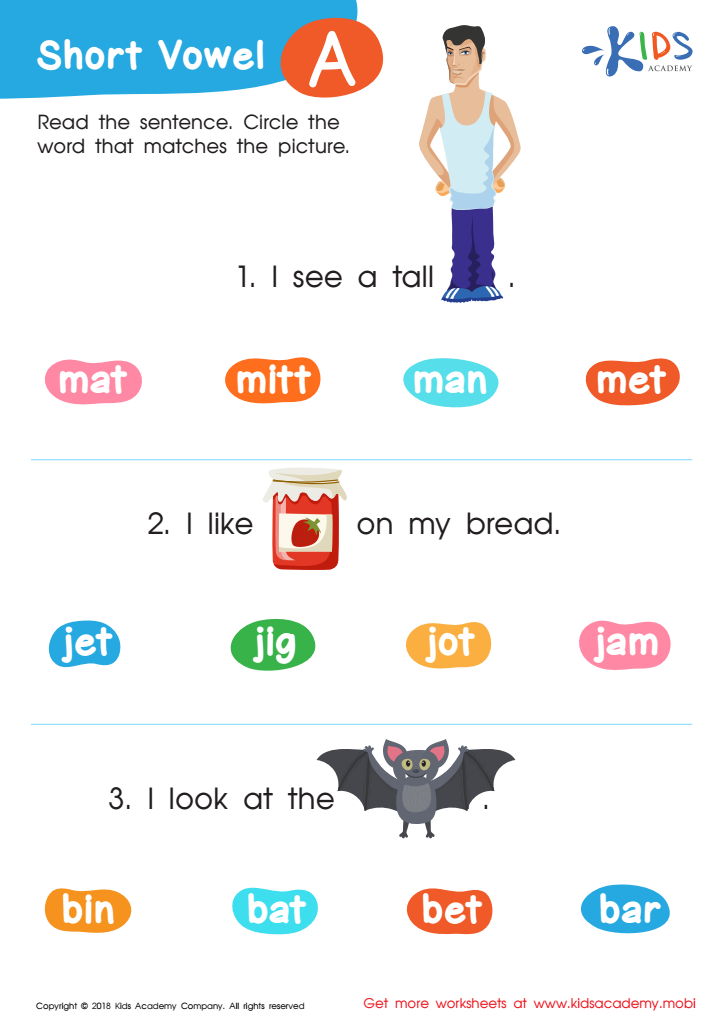
Short Vowel /a/ Worksheet
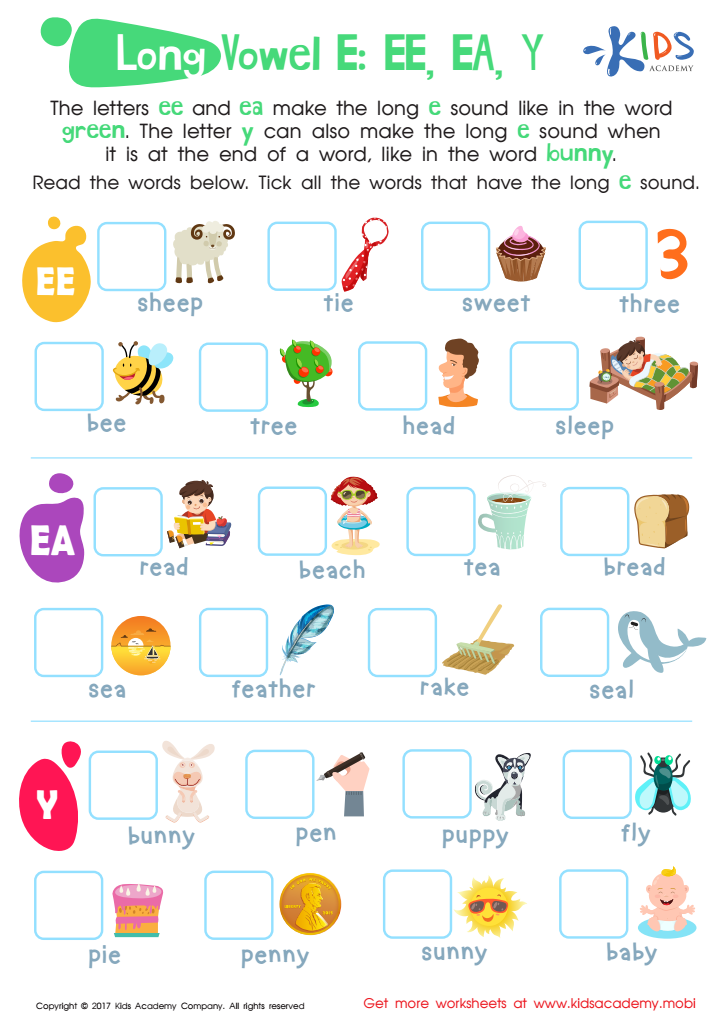
Long Vowel E Printable
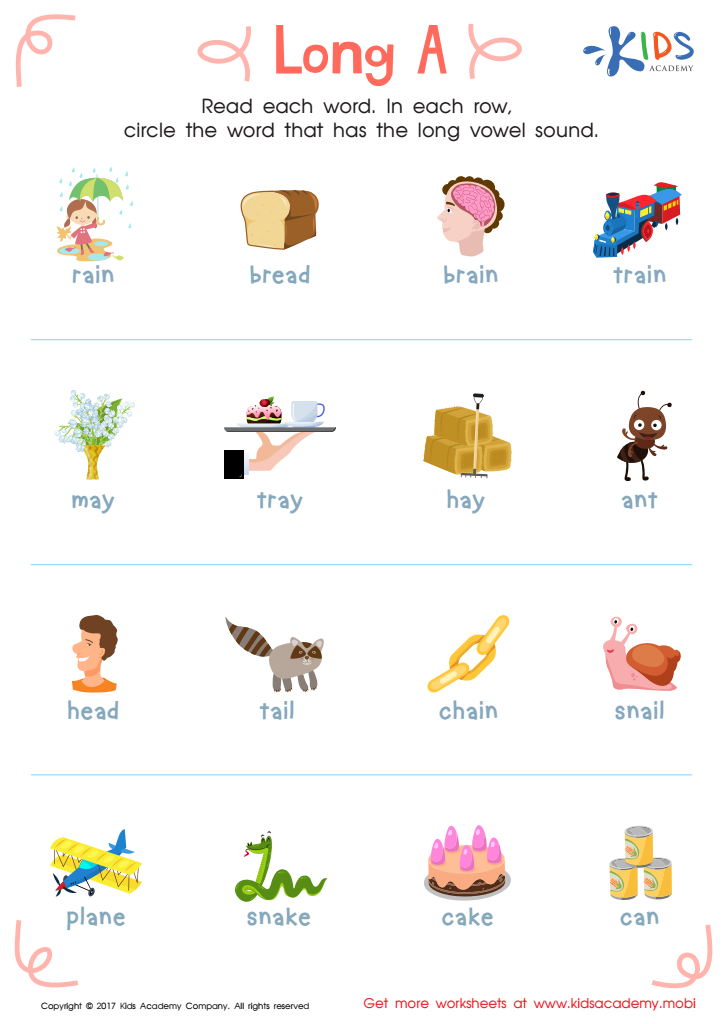
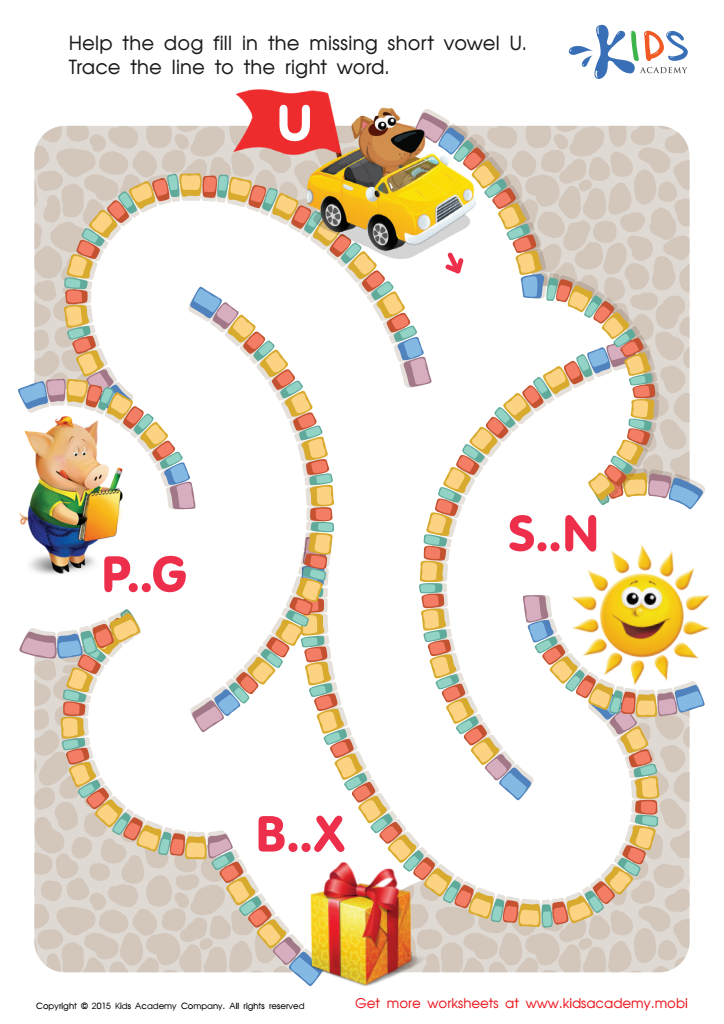
Short Vowel Sound U Worksheet
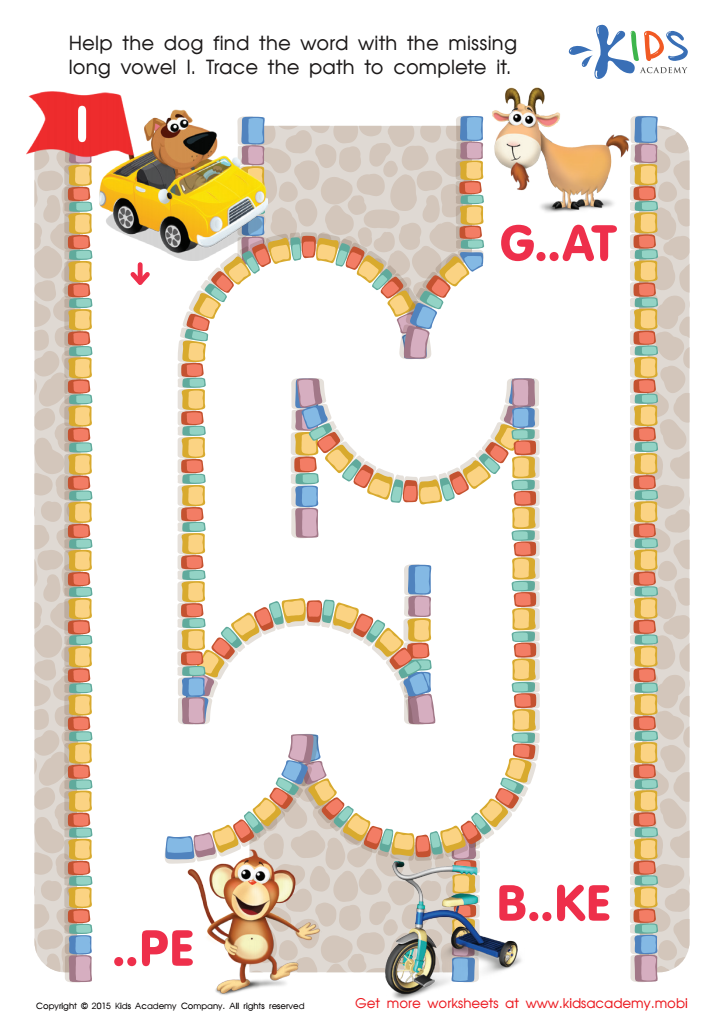
Long Vowel Sound I Worksheet
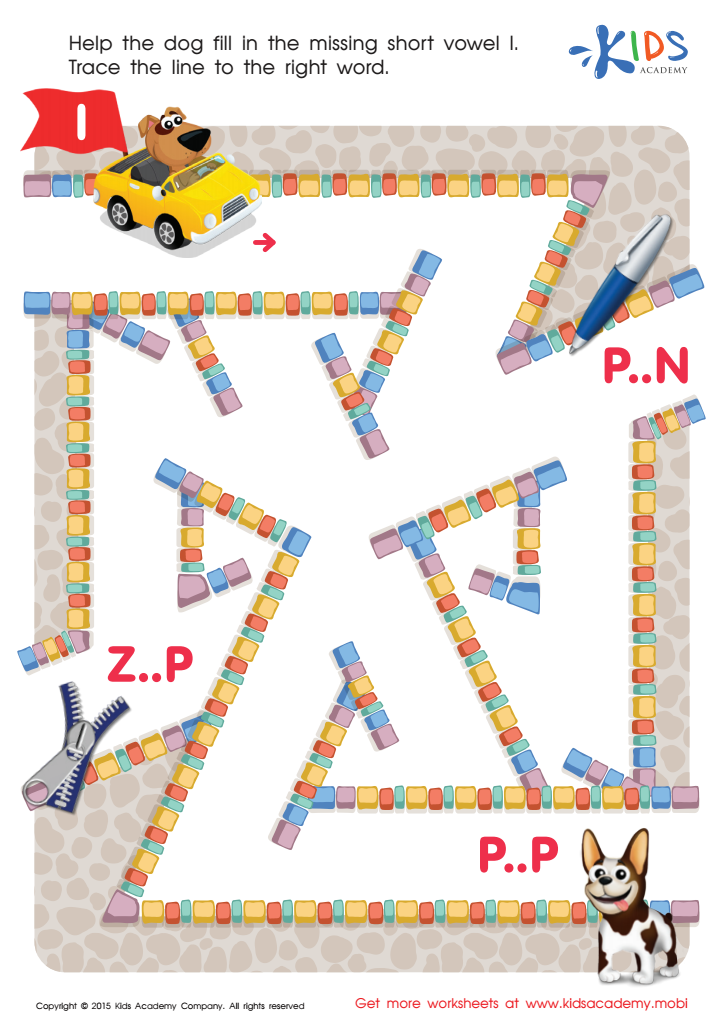
Short Vowel Sound I Worksheet
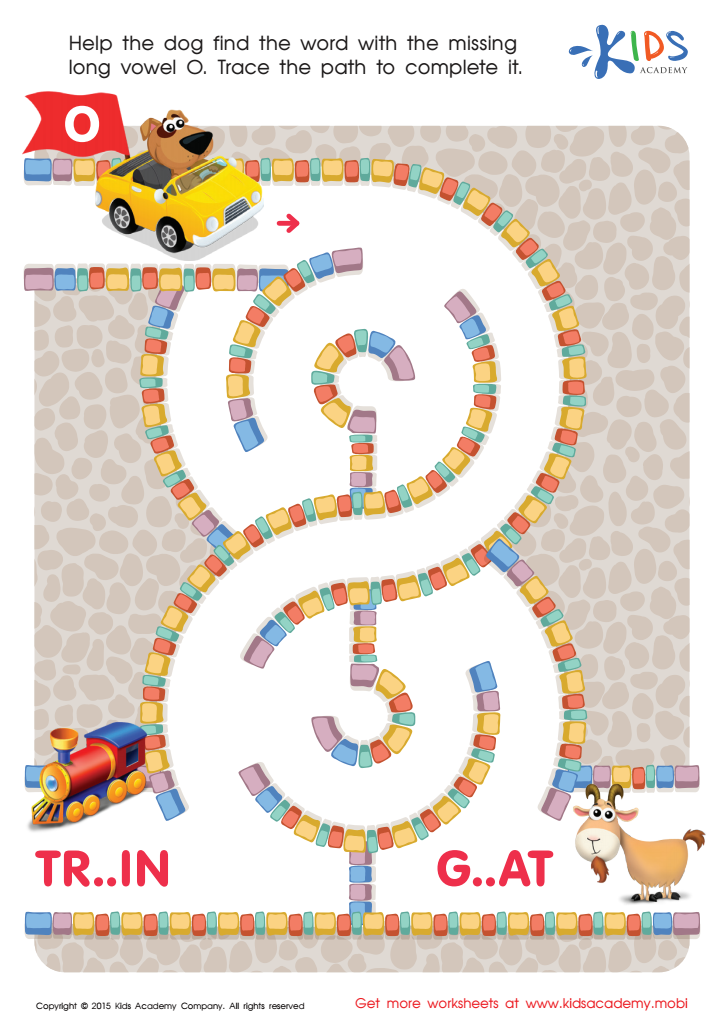
Long Vowel Sound O Worksheet
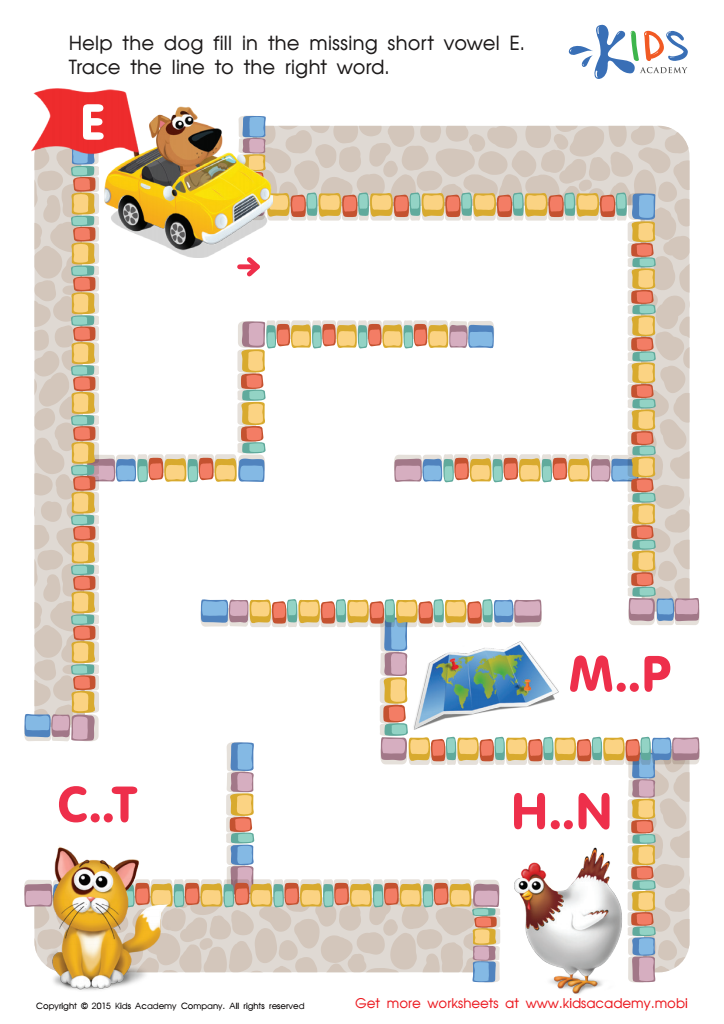
Short Vowel Sound E Worksheet
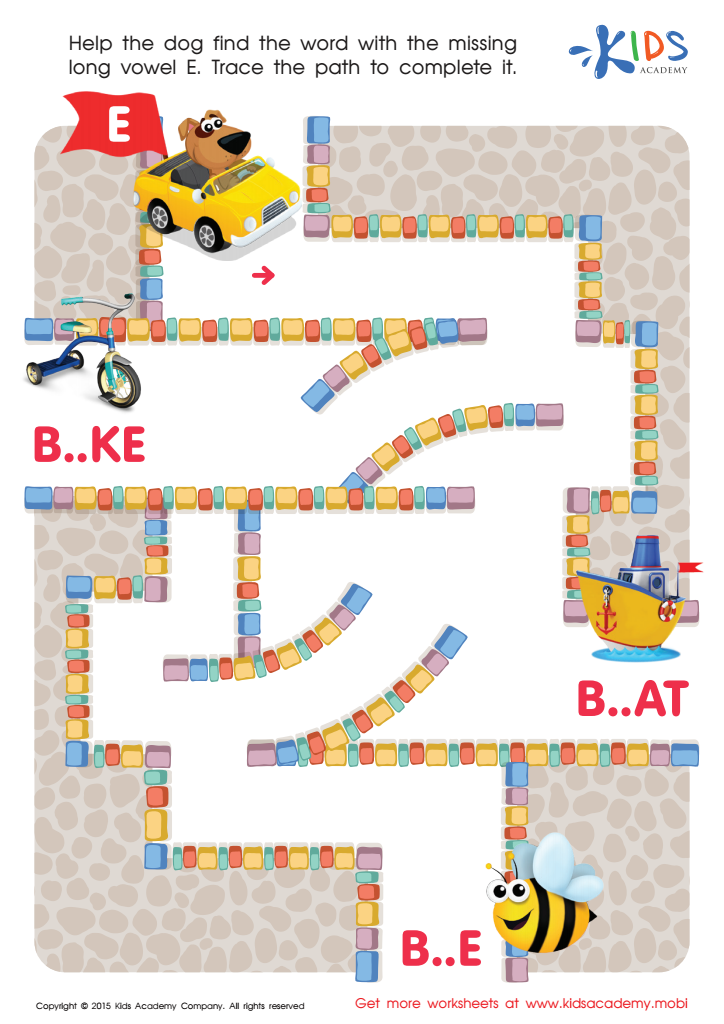
Long Vowel Sound E Worksheet
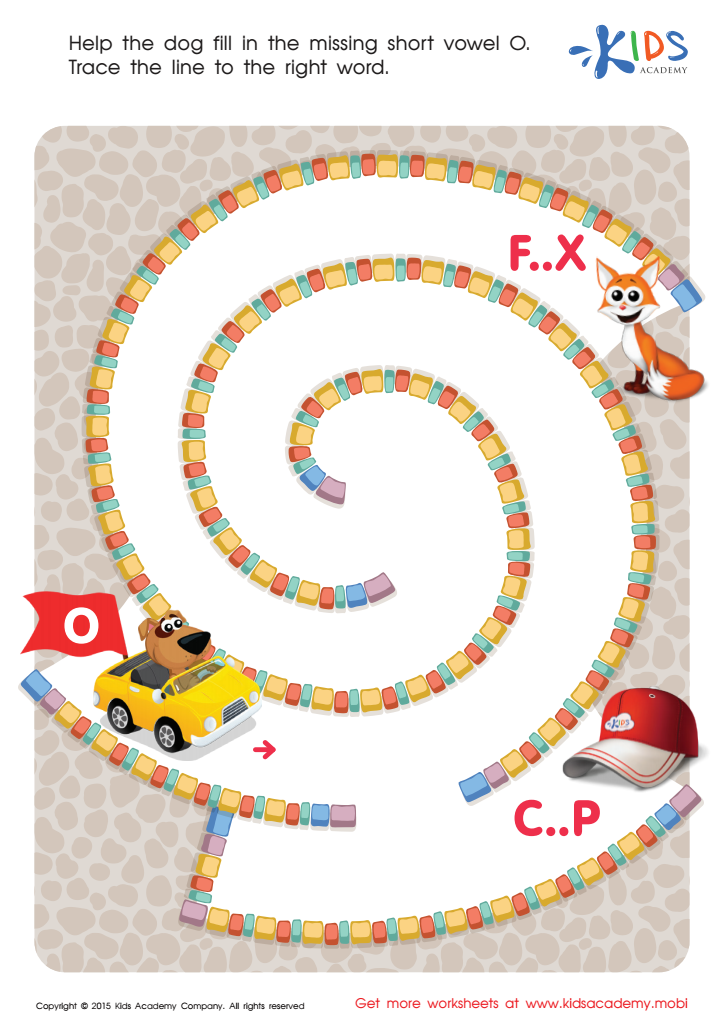
Short Vowel Sound O Worksheet





Vowels are fundamental building blocks of language, making their mastery crucial for young children aged 3-6. During these formative years, children begin to develop crucial phonemic awareness—the understanding of how sounds form words. Vowels play a significant role, as they are the core components of syllables and language structure.
By emphasizing vowels, parents and teachers help children recognize and produce sounds critical for forming words, enhancing their reading and speaking skills. When children grasp the concept of vowels, they become more confident in their ability to decode words, enabling smoother transitions from oral to written language.
Engaging with vowels also fosters cognitive development. Through playful activities like singing, rhyming, and storytelling, children learn to identify vowels in various contexts, stimulating their imagination and curiosity. Additionally, early exposure to vowel sounds supports phonetics, paving the way for future literacy skills.
Encouraging a positive attitude toward learning vowels at this age nurtures lifelong language appreciation and literacy development. Parents and teachers who prioritize vowel awareness lay a solid foundation for effective communication, critical thinking, and academic success, ultimately enriching a child’s educational journey.







