Community Worksheets for Ages 3-6 - Page 4
104 filtered results
-
From - To
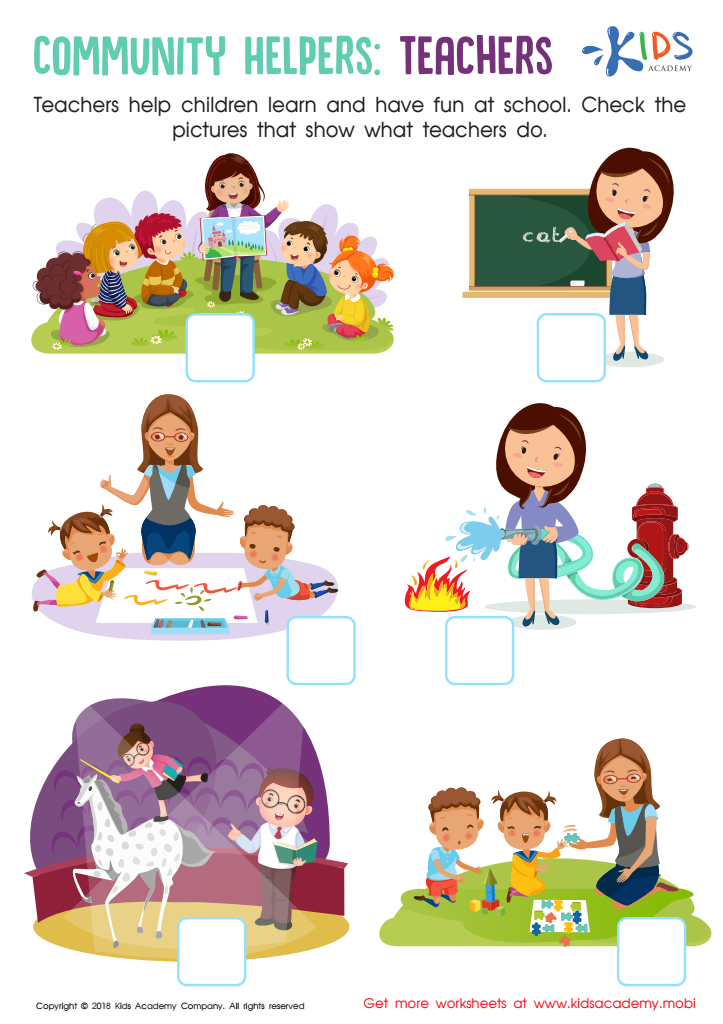
Teachers Community Helpers Worksheet
 Assign to My Students
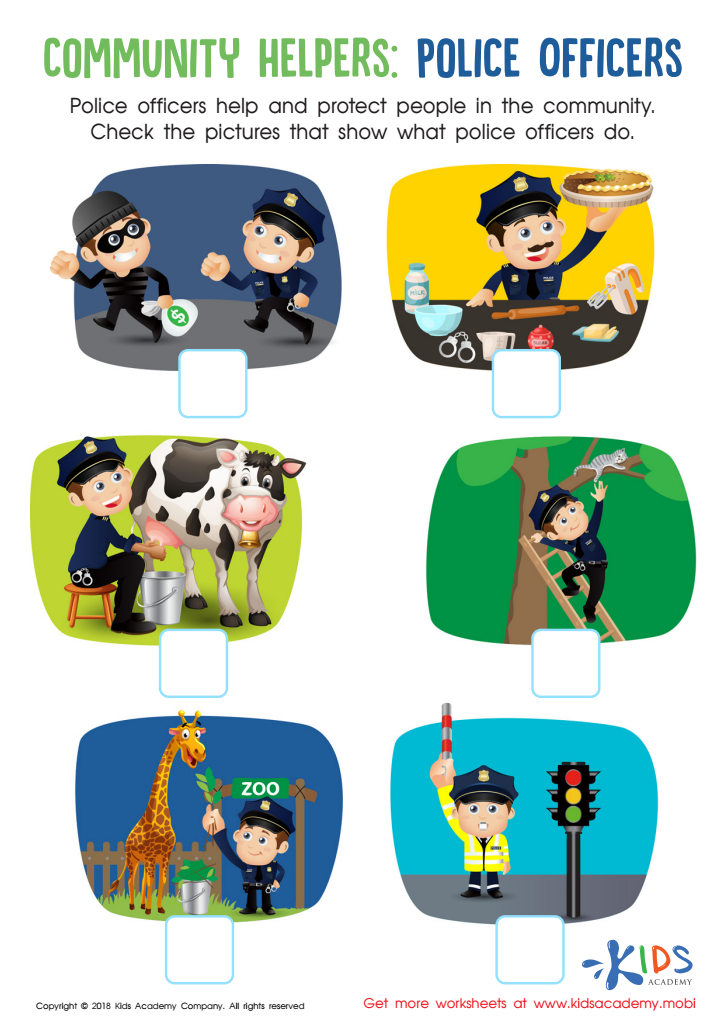
Police Officers Community Helpers Worksheet
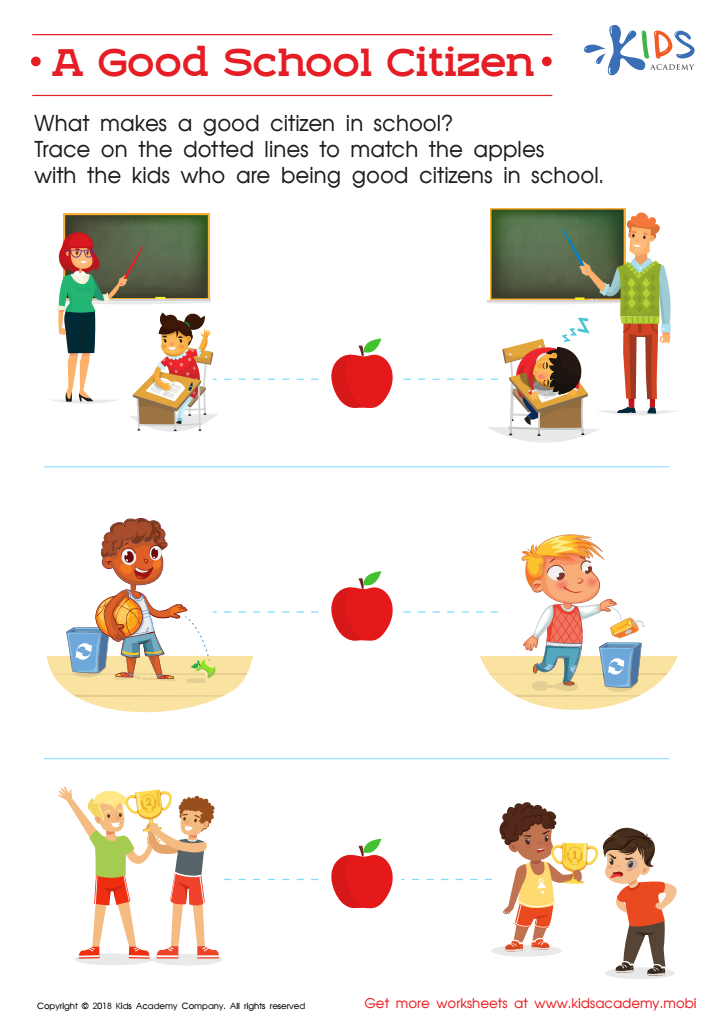
A Good School Citizen Worksheet
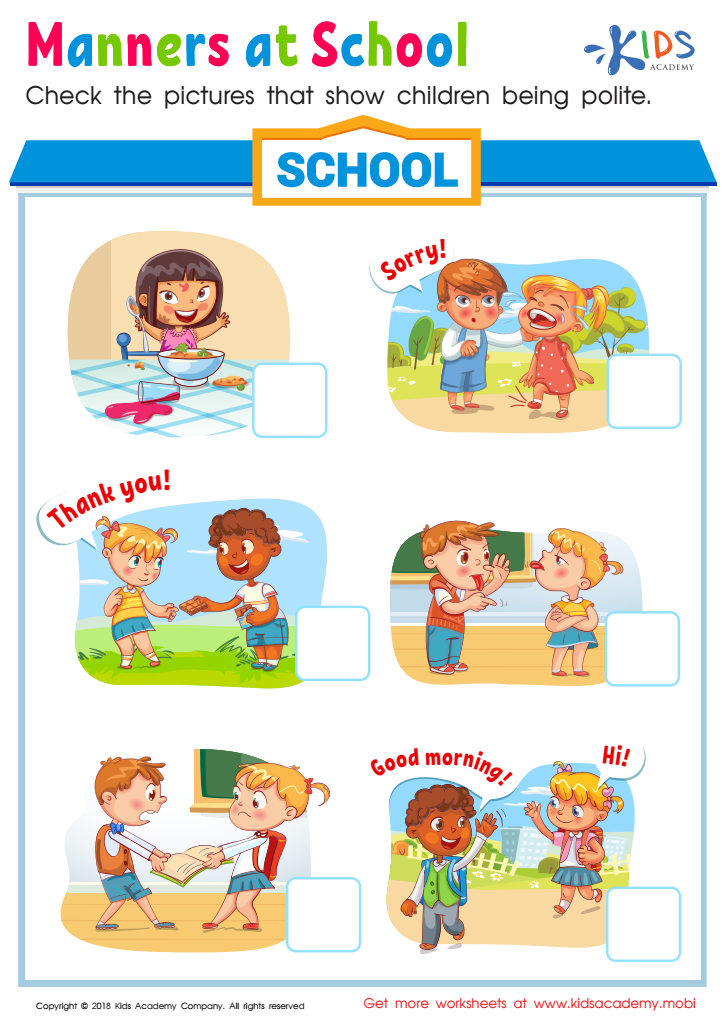
Manners at School Worksheet
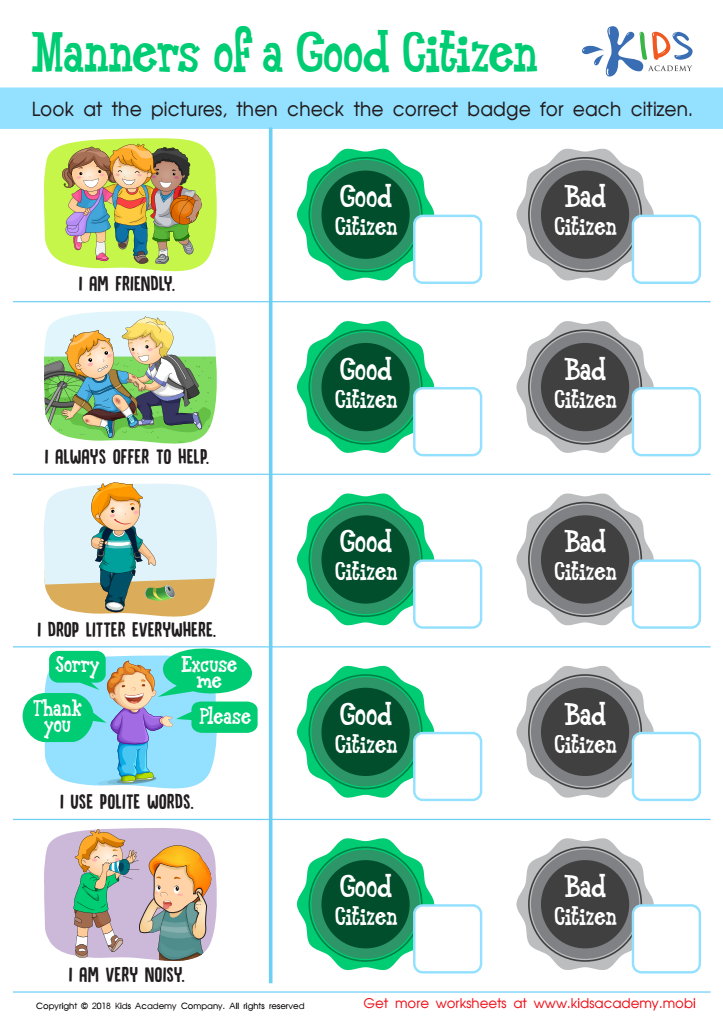
Manners of a Good Citizen Worksheet
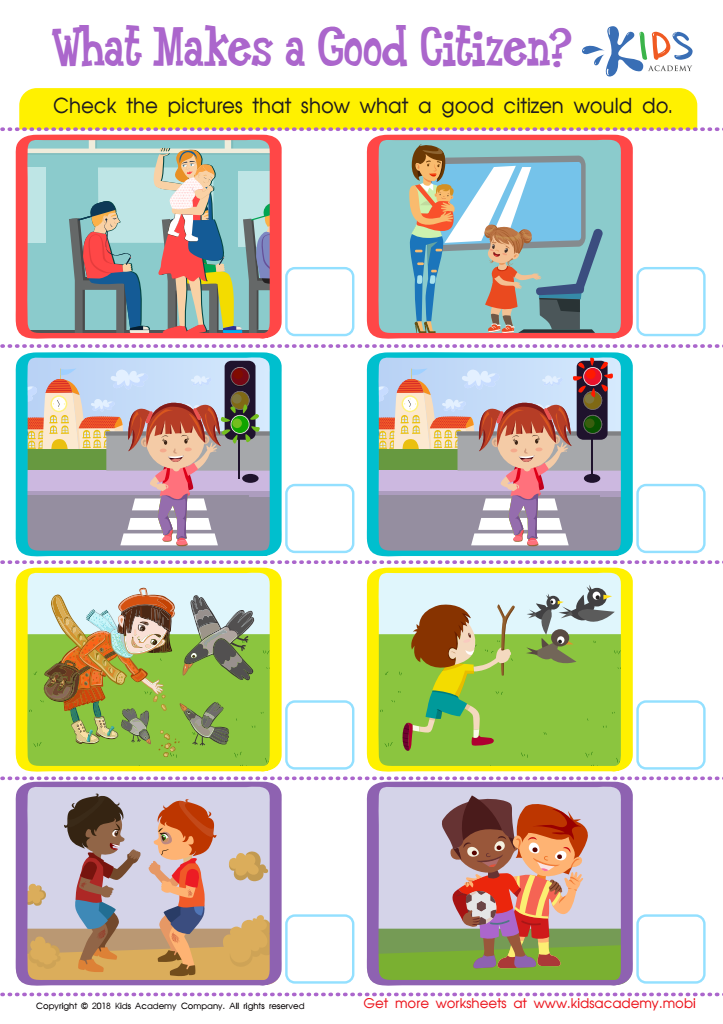
What Makes a Good Citizen? Worksheet
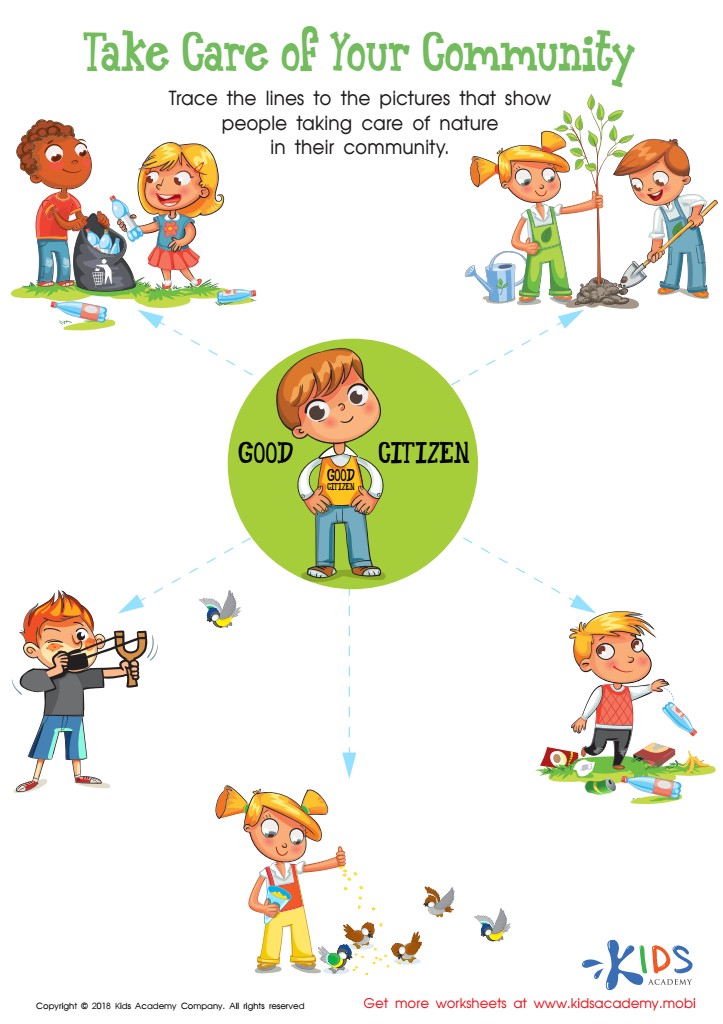
Take Care of your Community Worksheet
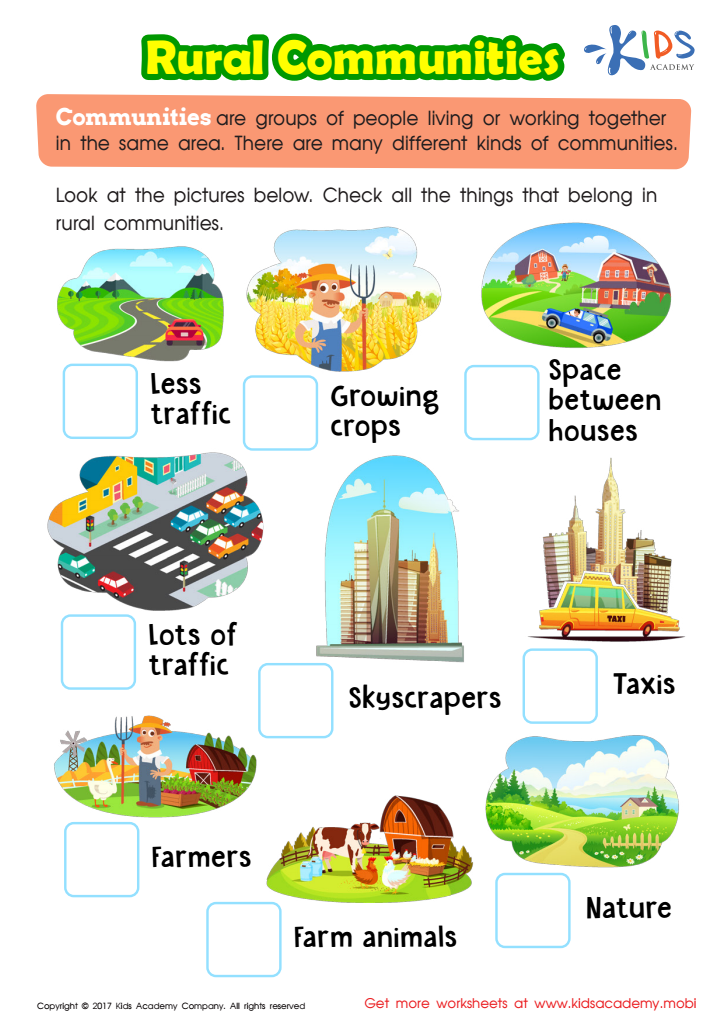
Rural Communities Printable
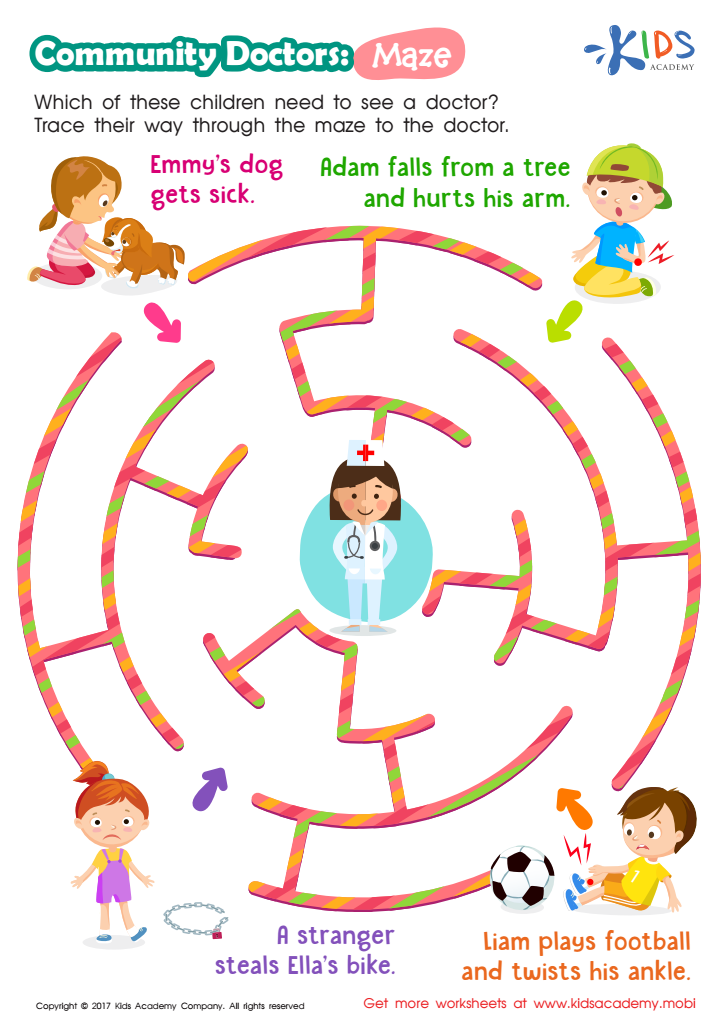
Community Doctors: Maze Printable
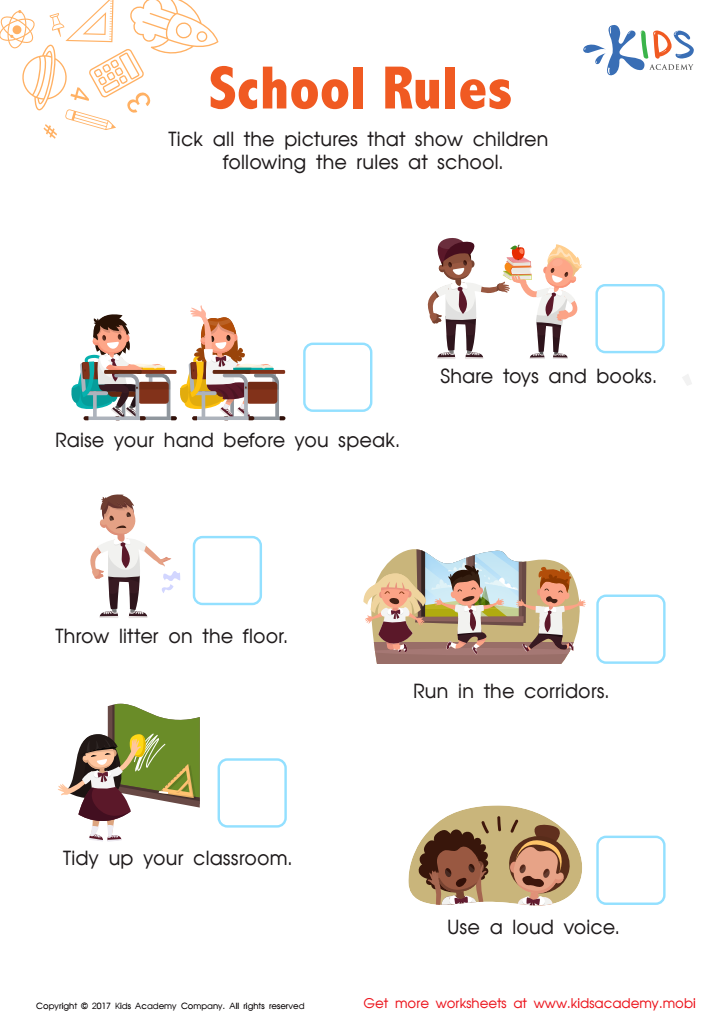
School Rules Worksheet
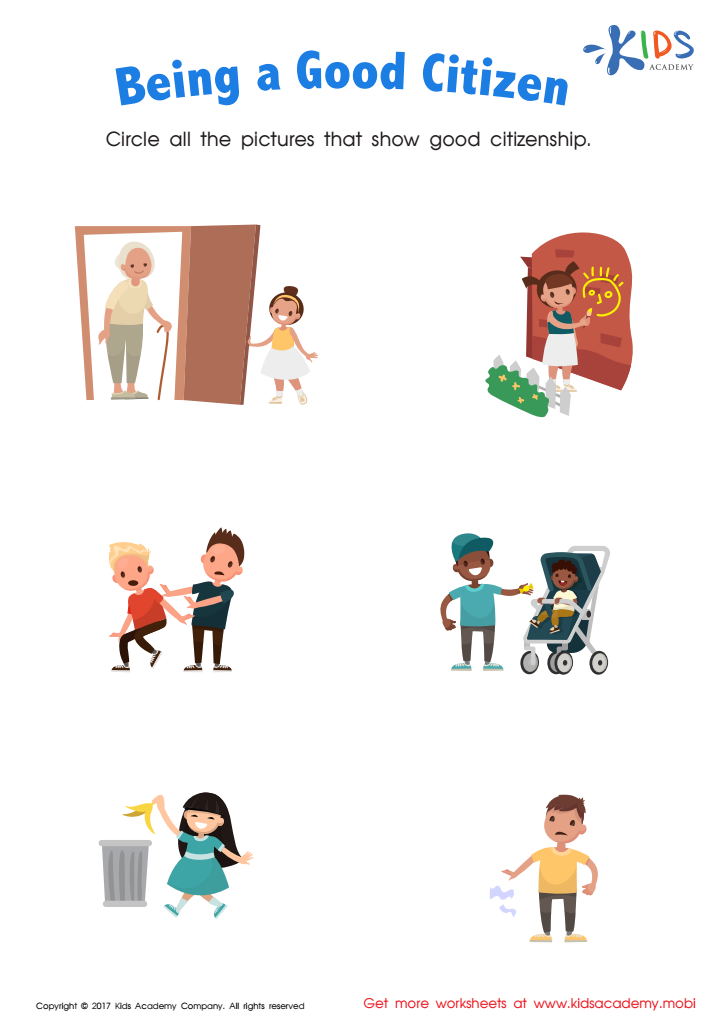
Being a Good Citizen Printable
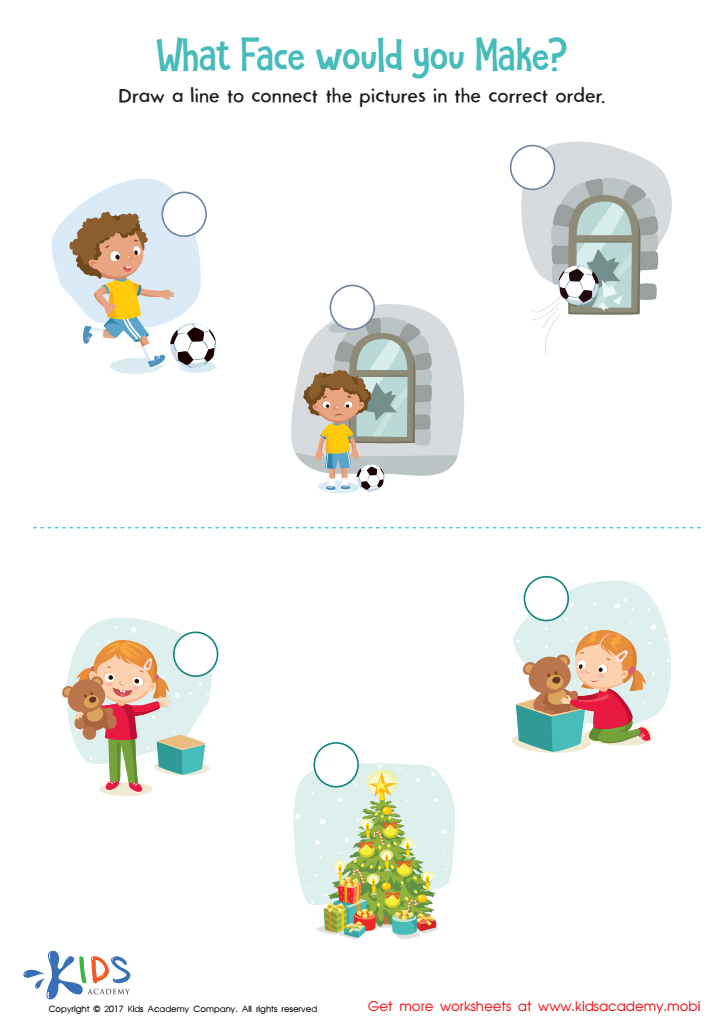
Understanding Emotions Worksheet
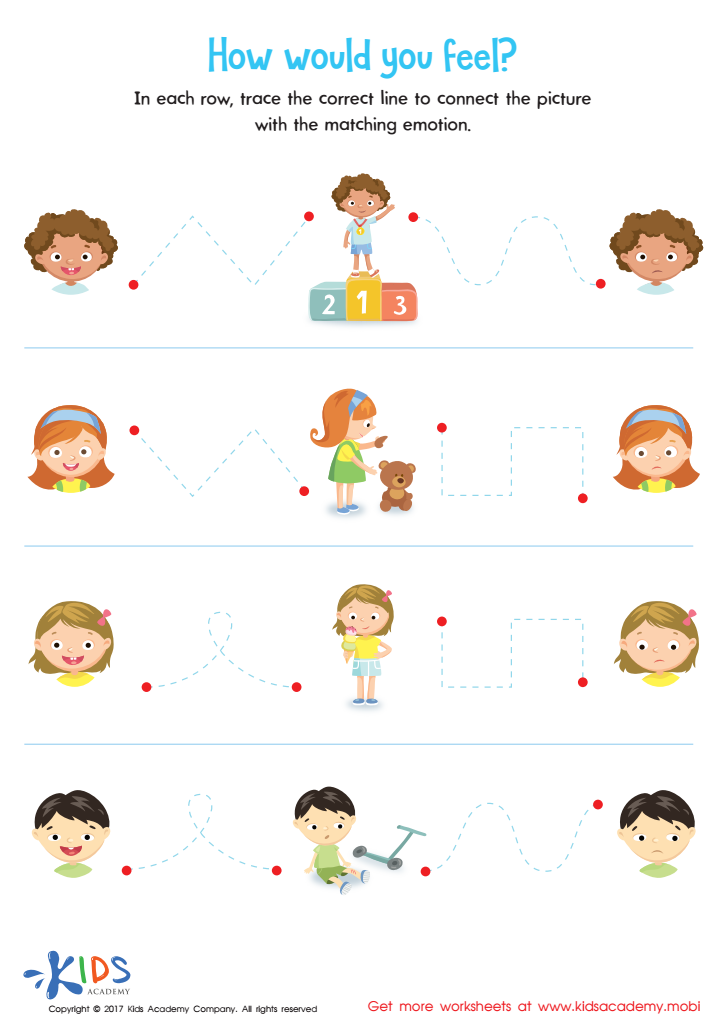
Feelings and Emotions Worksheet
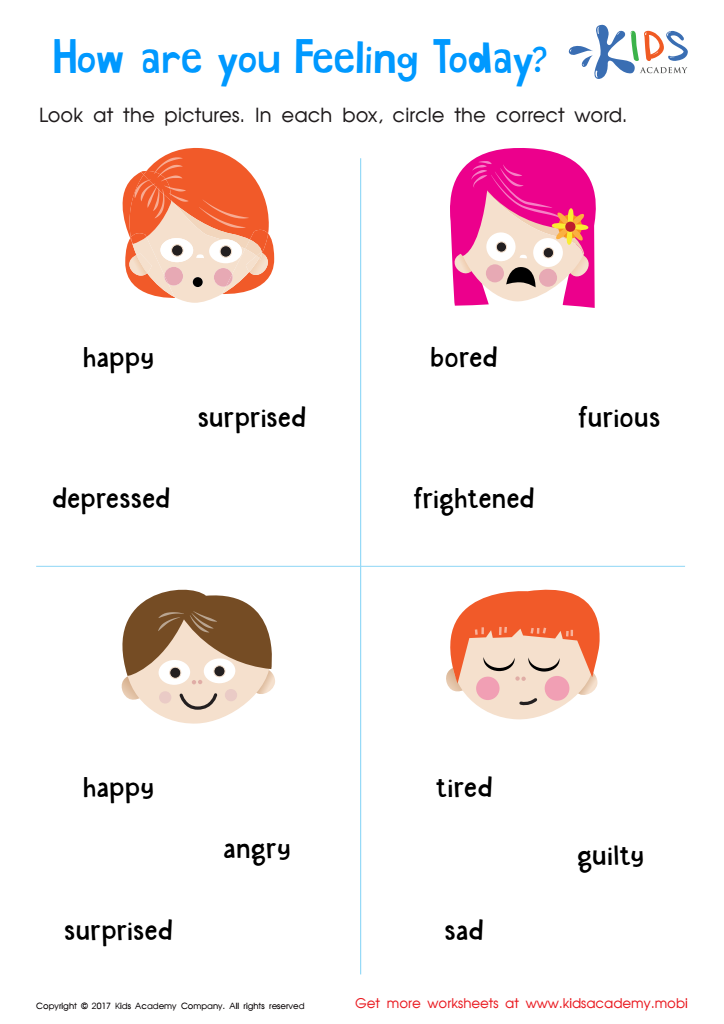
Understanding Feelings Worksheet
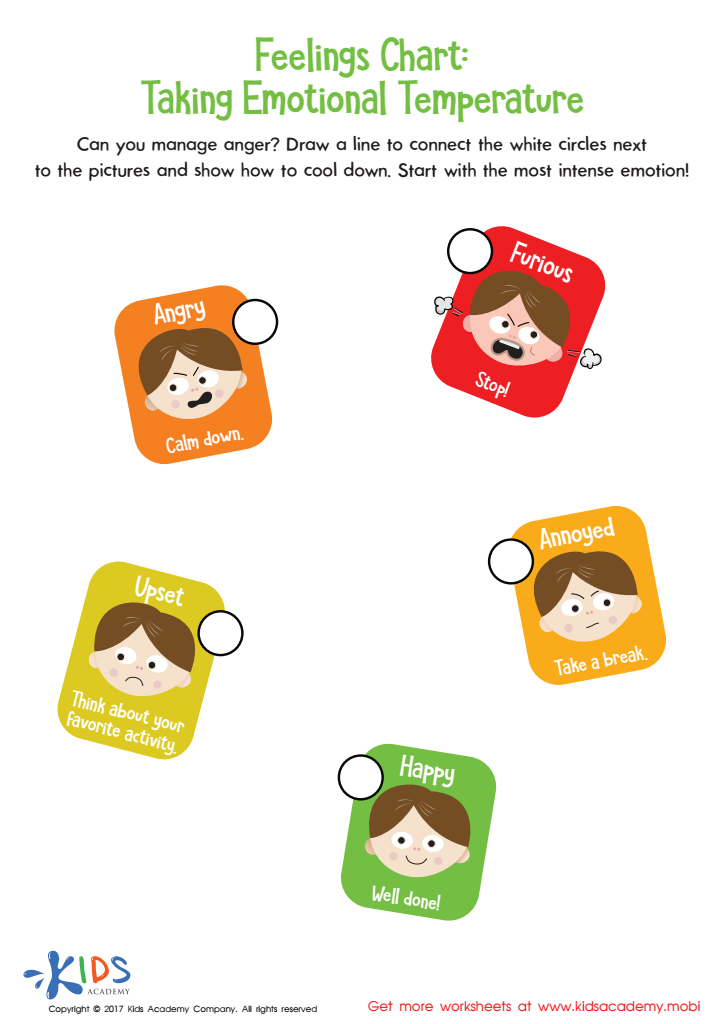
Feelings Chart Worksheet
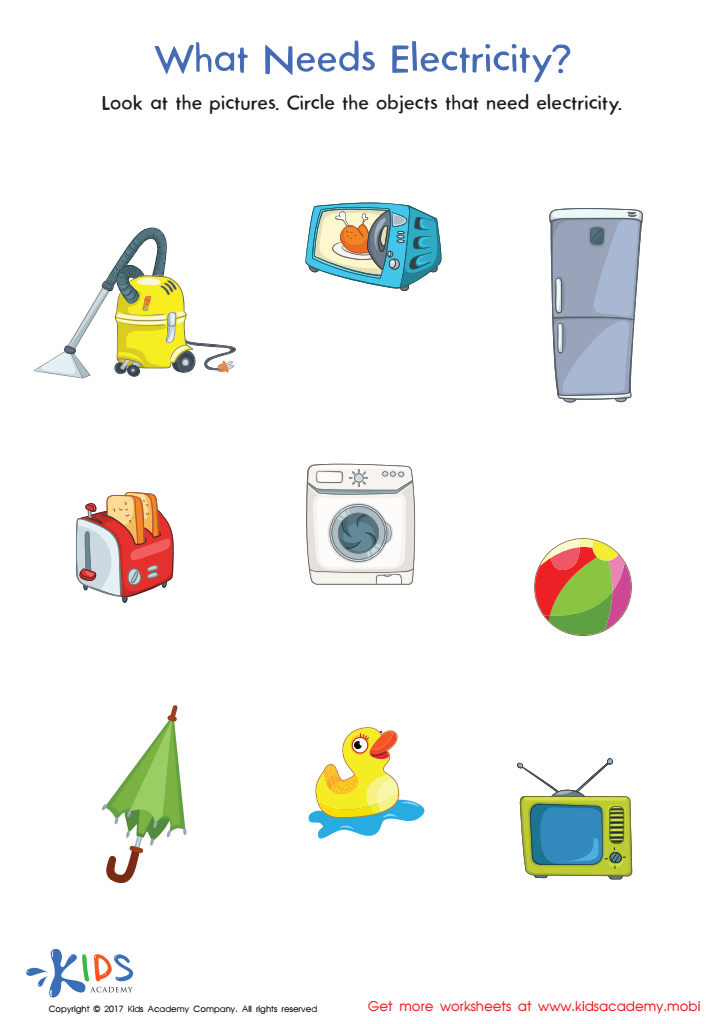
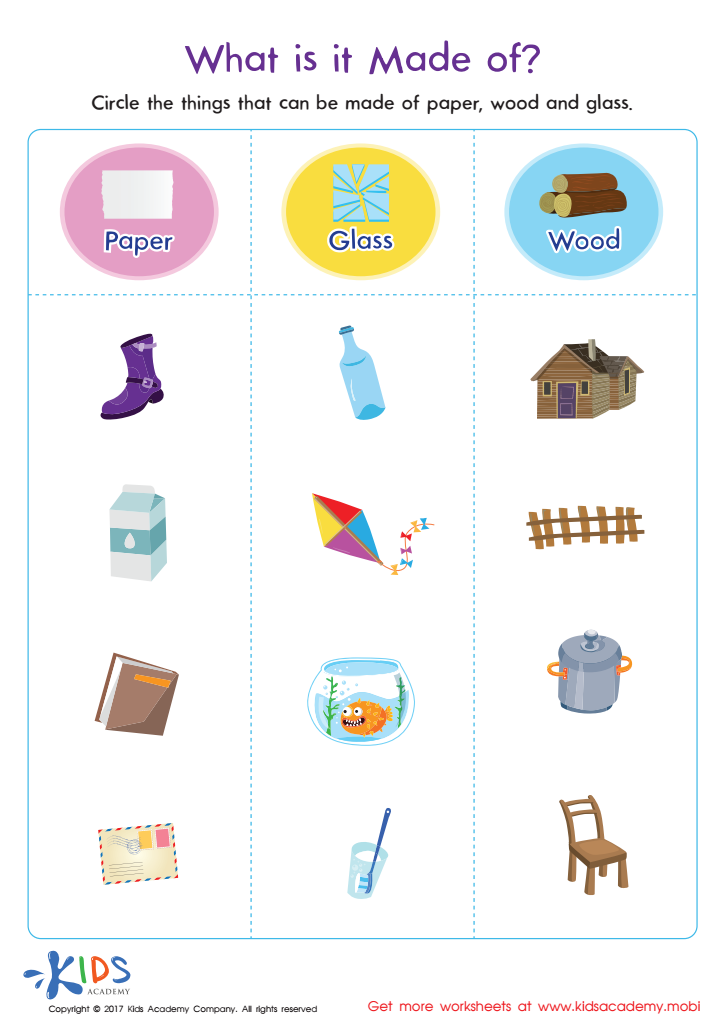
What Needs Electricity Printable
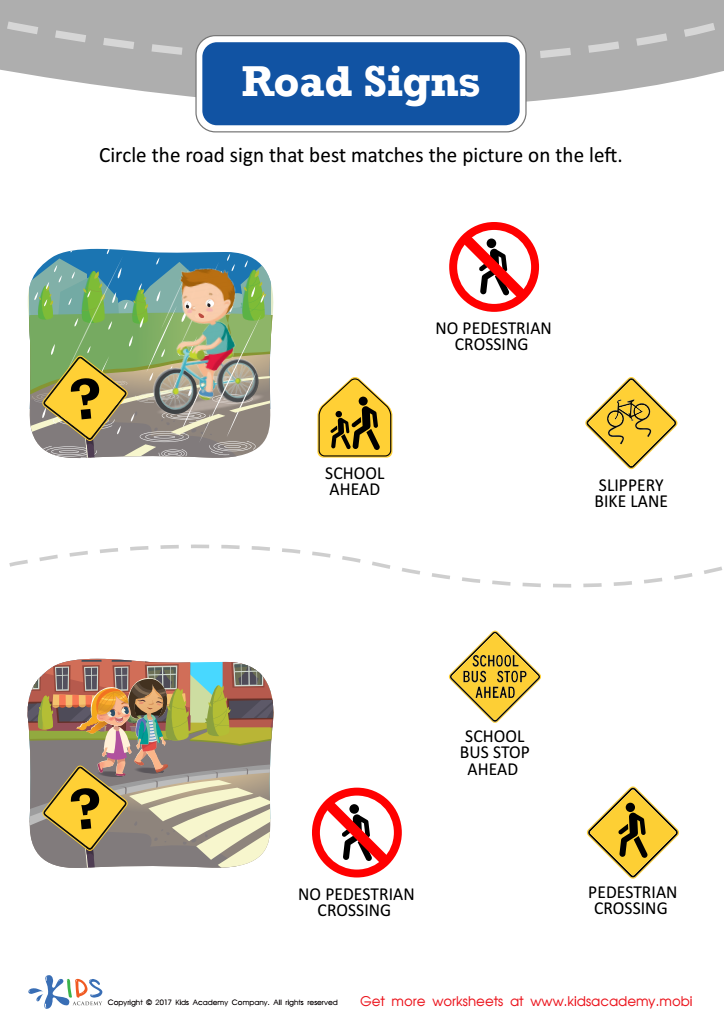
Road Signs (Part 2) Printable
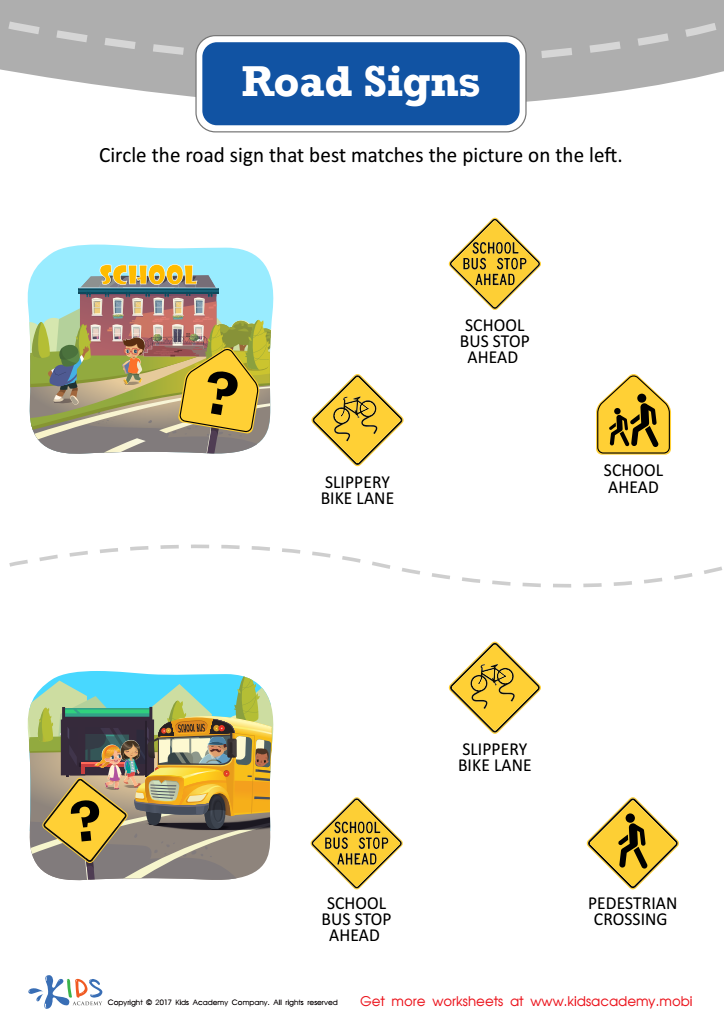
Road Signs (Part 1) Worksheet
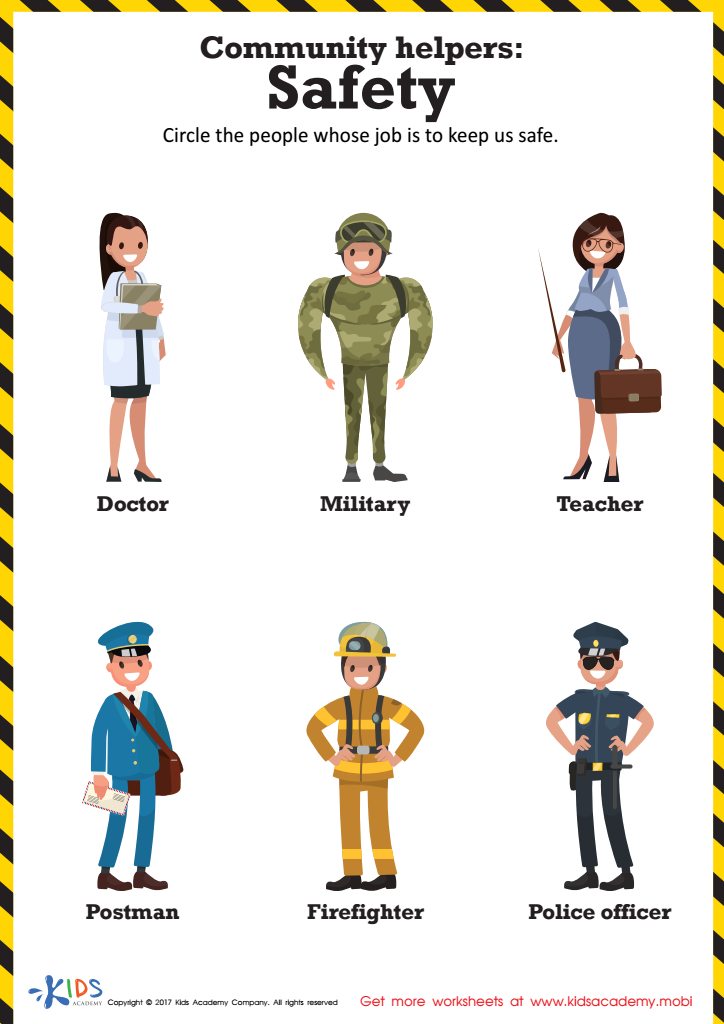
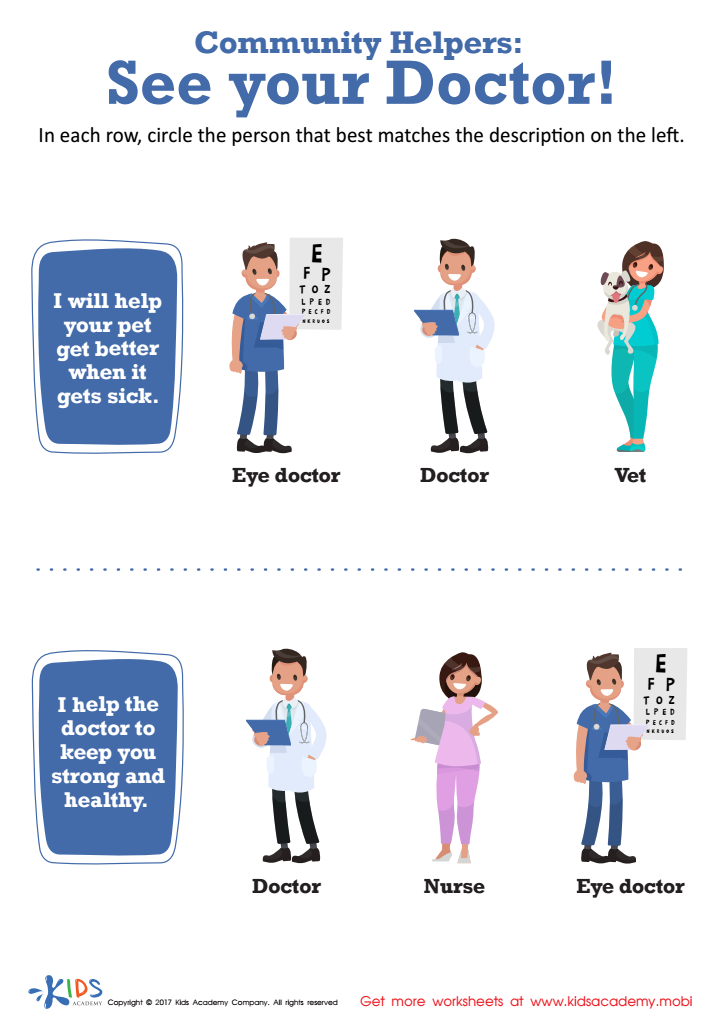
See Your Doctor (Part 2) Printable
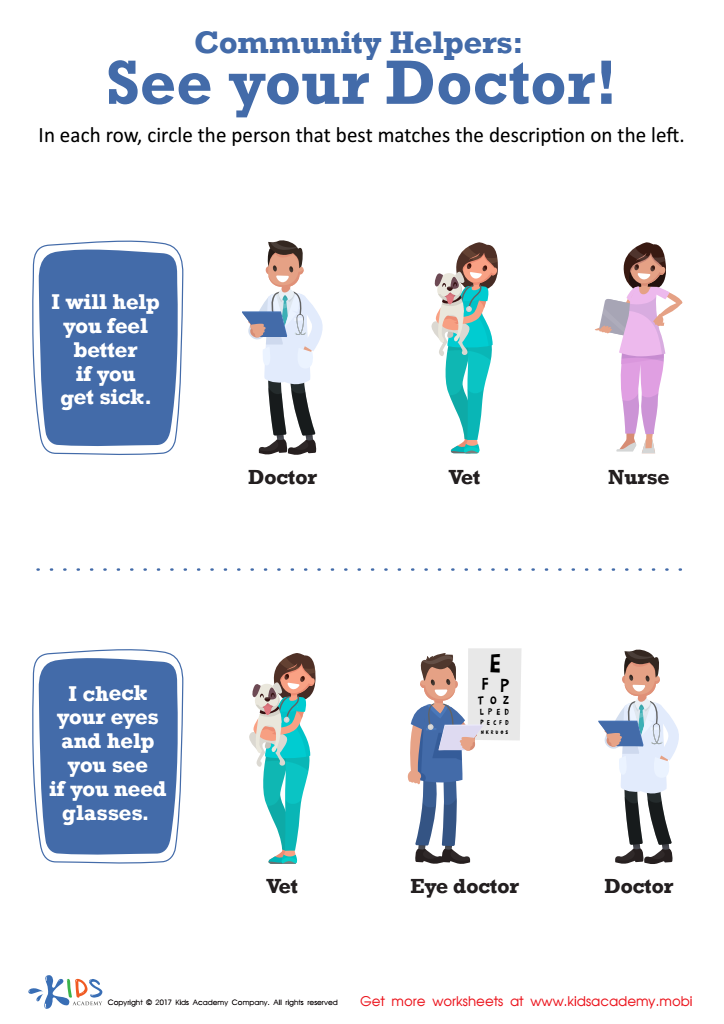
See Your Doctor (Part 1) Printable

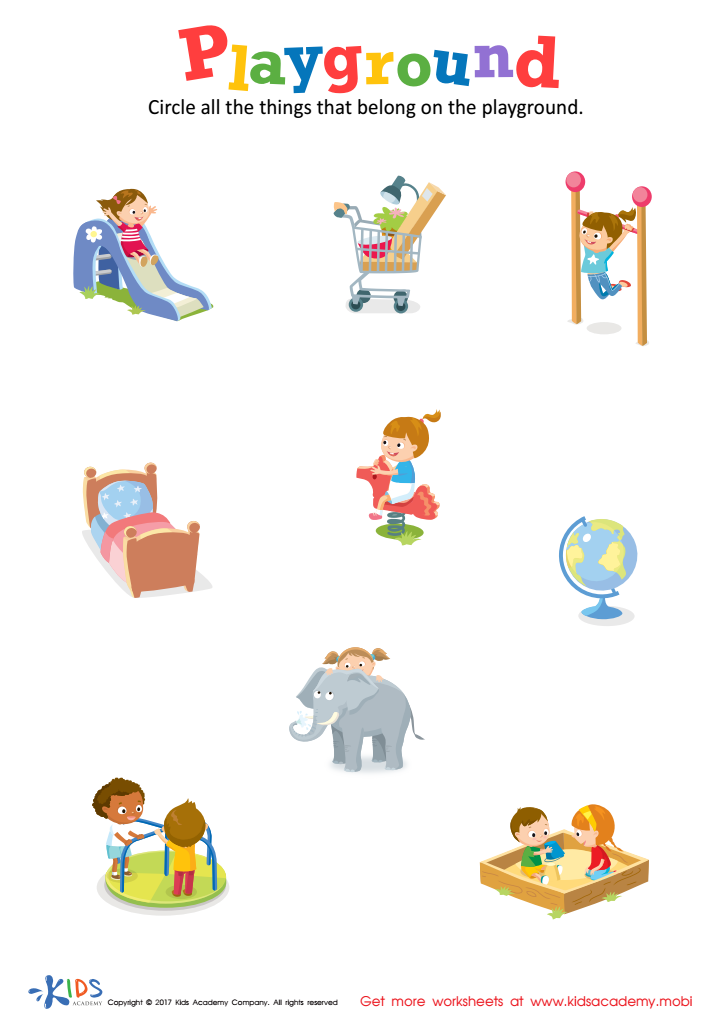
Playground Worksheet







Parents and teachers should care deeply about community for children aged 3-6 because it plays a crucial role in early development and socialization. During these formative years, children learn vital skills such as communication, empathy, and cooperation. A strong community provides a safe environment where young learners can explore, interact, and form relationships with peers and adults.
Moreover, early engagement in a community enhances children's sense of belonging and identity. By participating in local events, activities, and resources, children learn about their surroundings and develop an appreciation for diversity. This exposure increases their awareness and helps them build a richer understanding of the world.
Additionally, a supportive community fosters collaboration between parents and educators, creating a cohesive learning environment. When families and schools work together, they can share valuable insights, resources, and encouragement to support children’s growth.
Lastly, a sense of community promotes emotional well-being. Children thrive when they feel connected and valued, leading to reduced anxiety and improved self-esteem. Therefore, fostering a strong, nurturing community around children aged 3-6 is essential for their holistic development and sets a solid foundation for lifelong learning.








