World Around Us Worksheets for Ages 3-6 - Page 5
101 filtered results
-
From - To
 Assign to My Students
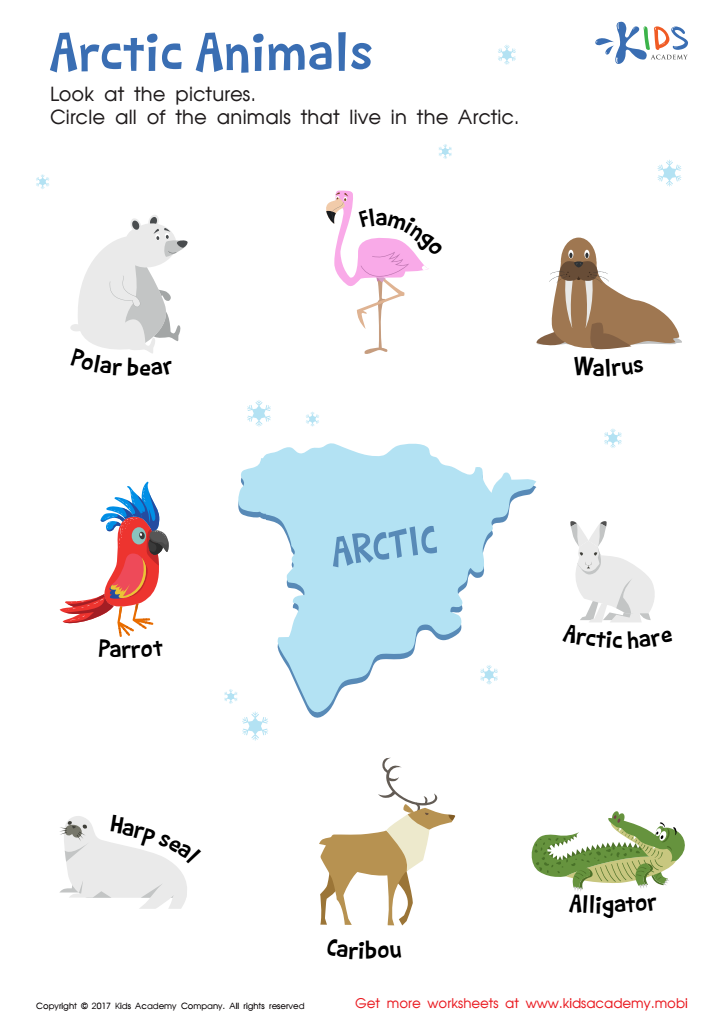
Arctic Animals Worksheet
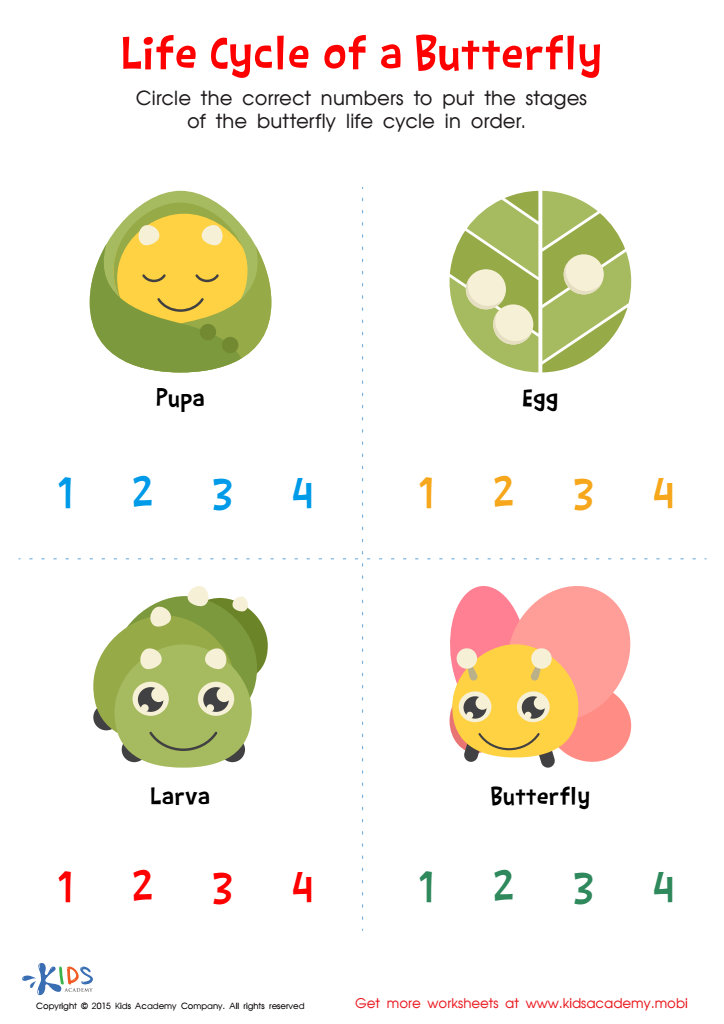
Life Cycle of Butterfly Printable





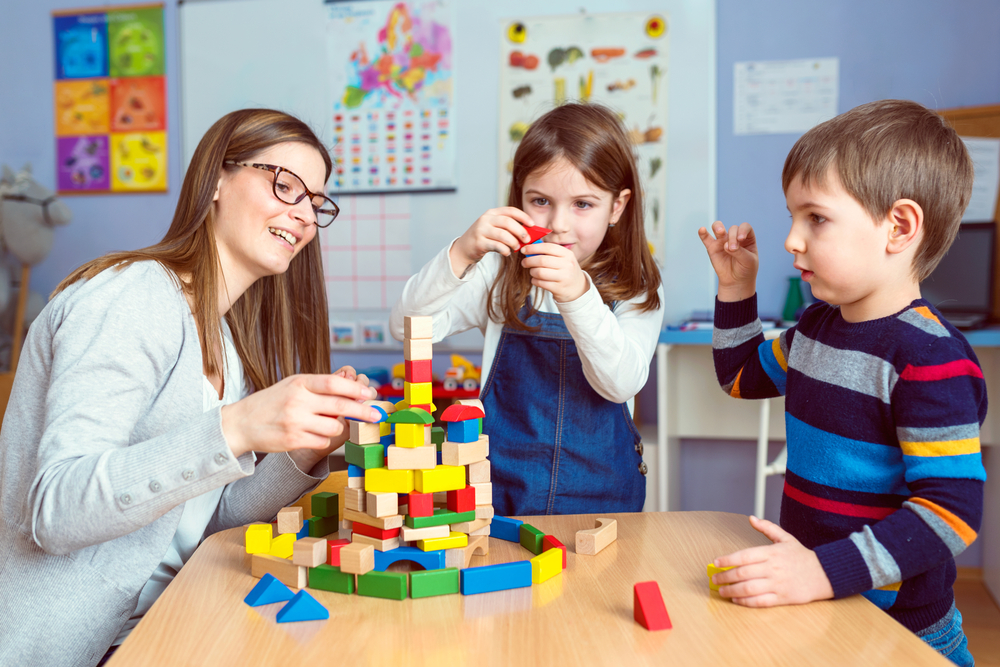


Understanding the World Around Us is crucial for children aged 3-6 as it lays the foundation for their cognitive, social, and emotional development. At this age, children are incredibly curious and eager to explore the environment, cultures, and communities around them. Engaging with the world not only sparks their curiosity but also fosters critical thinking and problem-solving skills.
Parents and teachers play a vital role in this process. By introducing concepts from nature, geography, and social interactions, they help children develop a sense of belonging and awareness of their surroundings. Activities such as outdoor exploration, visits to local landmarks, or simple observations of nature encourage hands-on learning, which is vital for young minds. These experiences also teach important life skills, such as empathy and cooperation, as children learn to navigate social dynamics with peers.
Additionally, an understanding of their world promotes language development and communication skills, as children begin to articulate their thoughts, ask questions, and make connections between different ideas. In short, nurturing an awareness of the world cultivates inquisitive, aware, and socially responsible individuals, making it imperative for parents and teachers to prioritize this aspect of early learning.