Filters

2423 filtered results

Clear all filters
Favorites
With answer key
Interactive

2423 filtered results

Difficulty Level

Grade


Check out this FREE Trial Lesson for age 3-7!

P

Favorites
With answer key
Interactive
  • 3-7
  • Interactive
Letter D and G Tracing Worksheet Preview

Letter D and G Tracing Worksheet

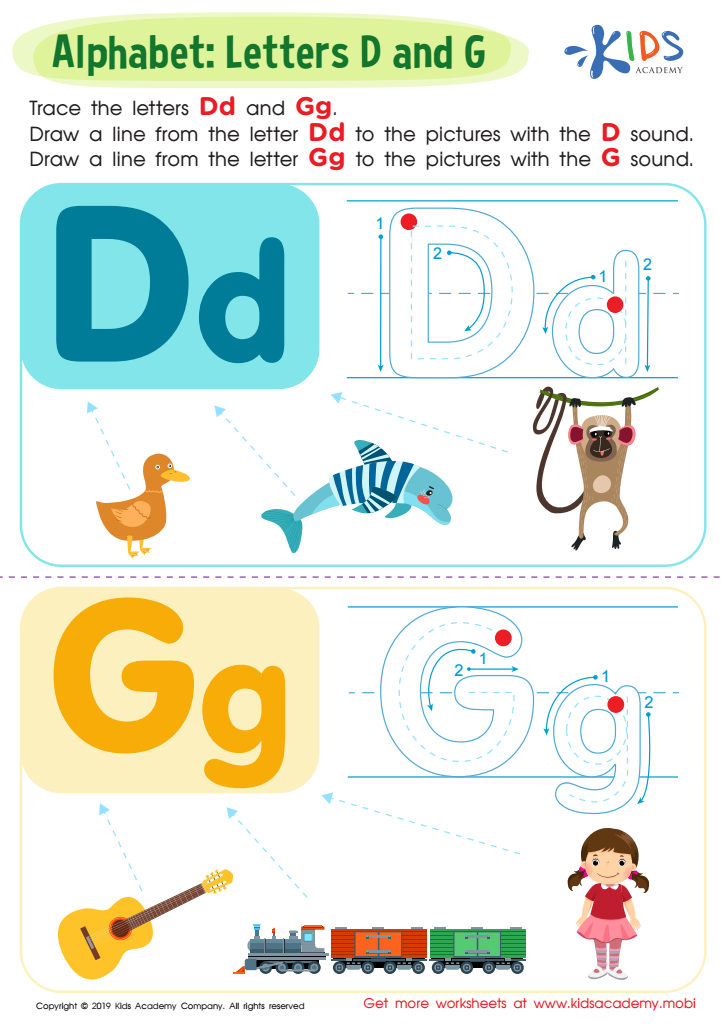
Kids can explore their imagination with the 'Alphabet: Letters D and G' worksheet! They'll trace capital and lowercase "D" and "G" and trace a line from the words. Colorful animals and objects make the task more fun and entertaining!
Letter D and G Tracing Worksheet
Worksheet
Letters B and F Tracing Worksheet Preview

Letters B and F Tracing Worksheet

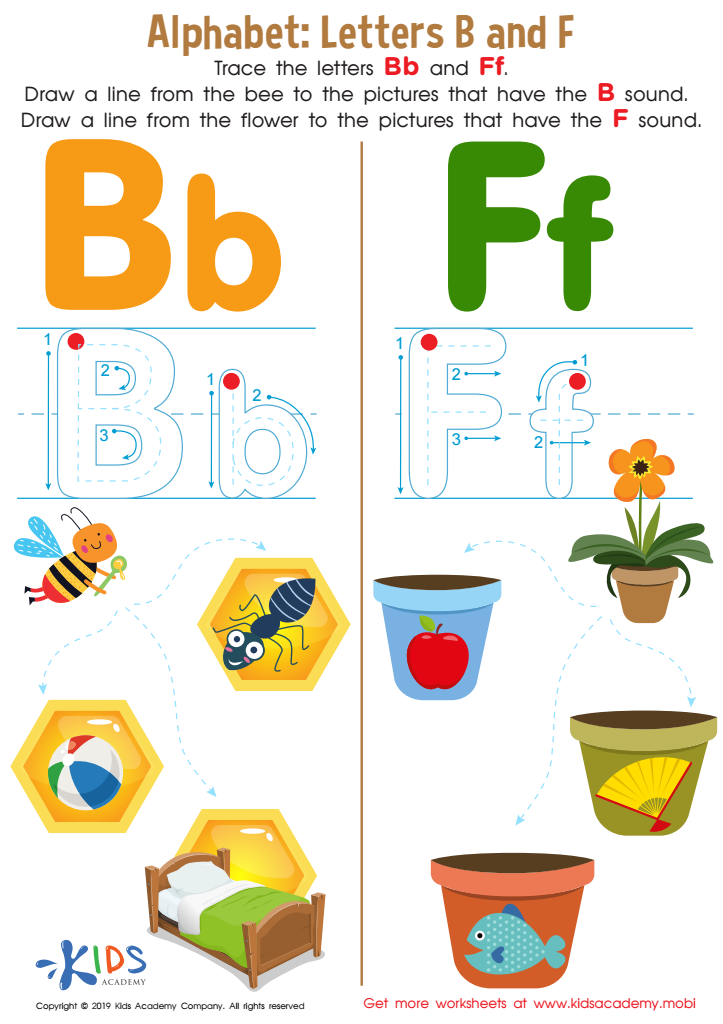
Does your kid know the letters B and F? This tracing sheet helps them practice by tracing each letter, then drawing a line from a bee and a flower to related words. Recognizing words with pictures develops a great skill, and students will master it in no time!
Letters B and F Tracing Worksheet
Worksheet
Letter N and C Tracing Worksheet Preview

Letter N and C Tracing Worksheet

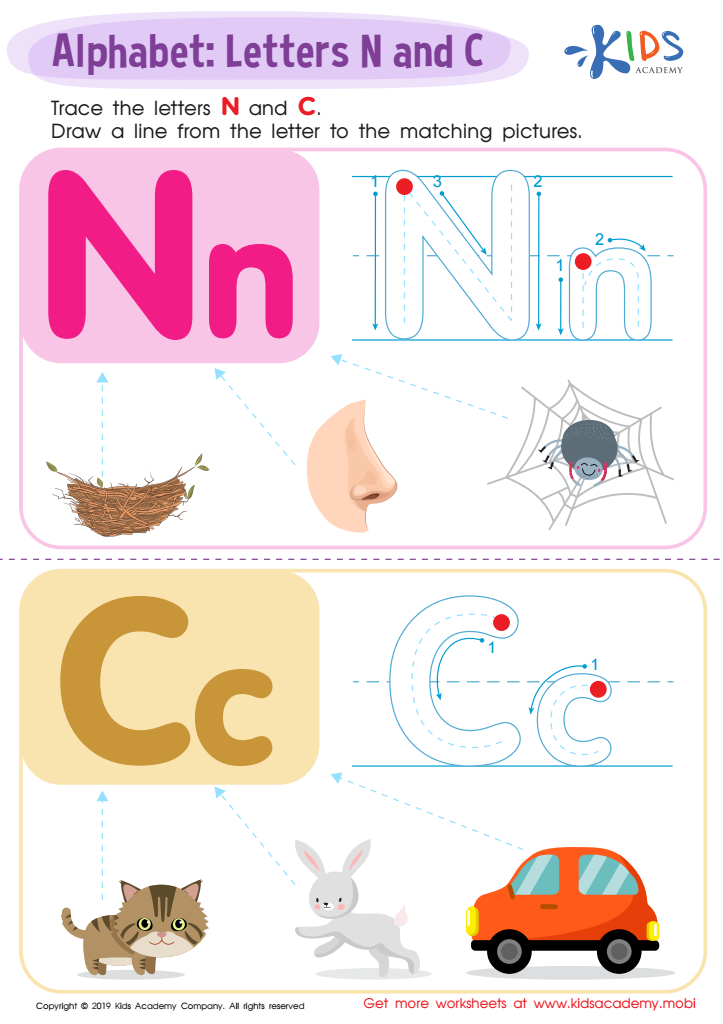
Kids can trace the letters N and C, then draw a line to the words starting with each letter. This worksheet helps them practice letter writing, distinguish capital and lowercase letters, and match pictures with the right letter. It also teaches essential skills for learning letters efficiently.
Letter N and C Tracing Worksheet
Worksheet
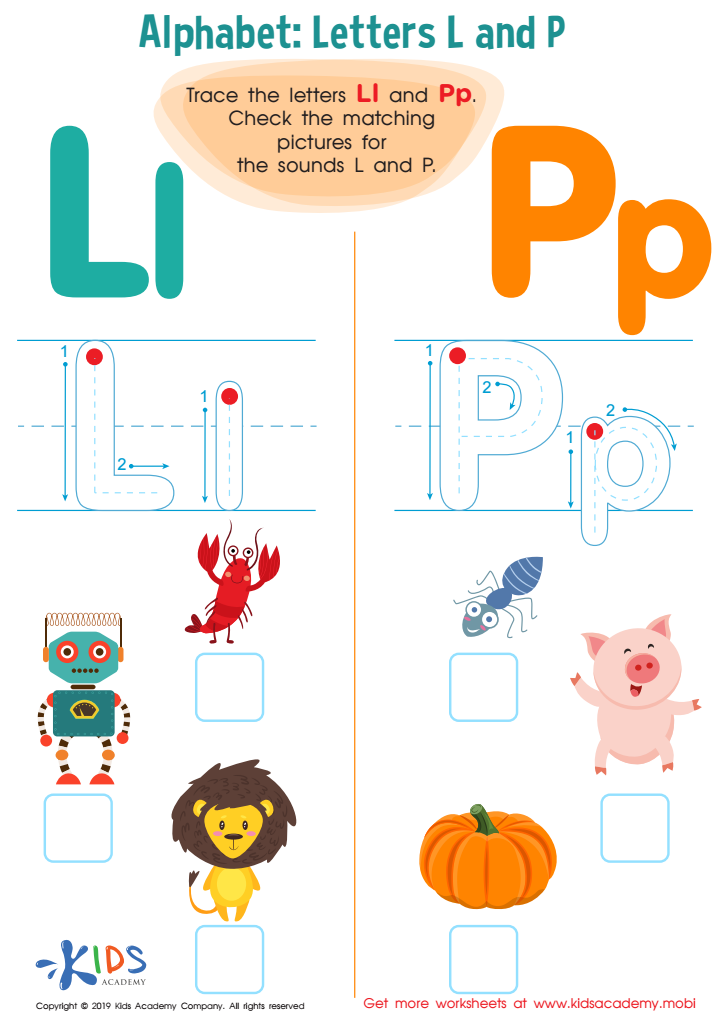
Letter L and P Tracing Worksheet Preview

Letter L and P Tracing Worksheet

This traceable worksheet can motivate your students to learn and practice core skills. They'll trace the letters 'L' and 'P' and identify the pictures next to them. With this exercise, they'll unlock their learning abilities and excel in the subject!
Letter L and P Tracing Worksheet
Worksheet
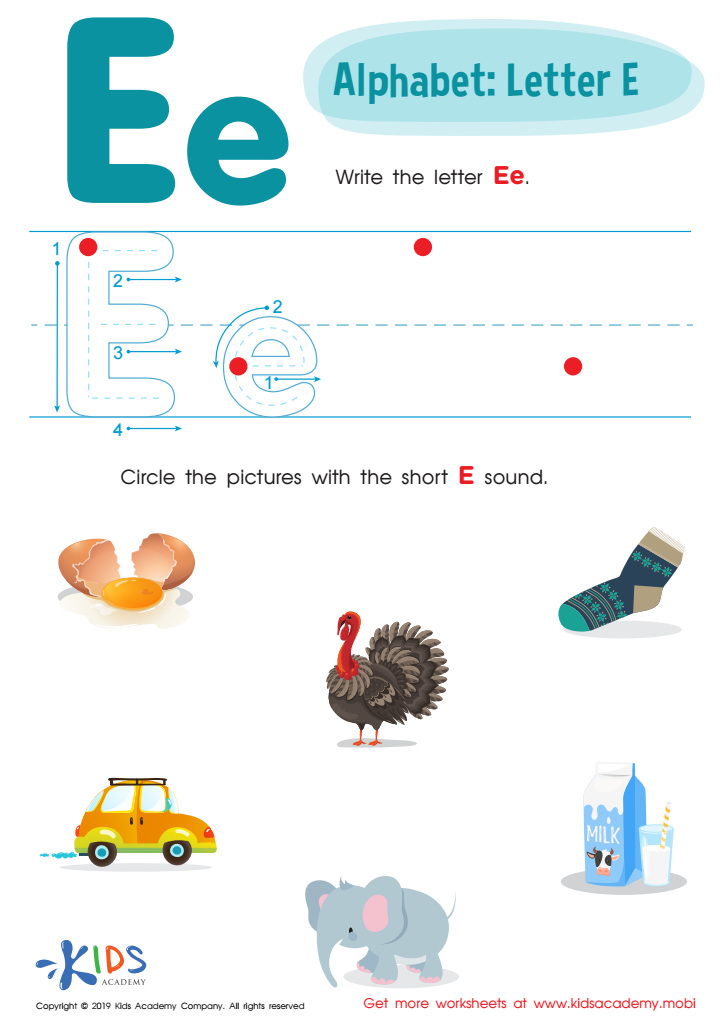
Letter E Tracing Worksheet Preview

Letter E Tracing Worksheet

Students trace and write uppercase and lowercase letter E. They sound out "E" words, choosing those with short "E" sounds. Preschoolers identify the difference between the 'E' sounds in words like "egg" and "turkey." A tracing sheet helps them to understand.
Letter E Tracing Worksheet
Worksheet
Services Worksheet
Services Worksheet

Services Worksheet

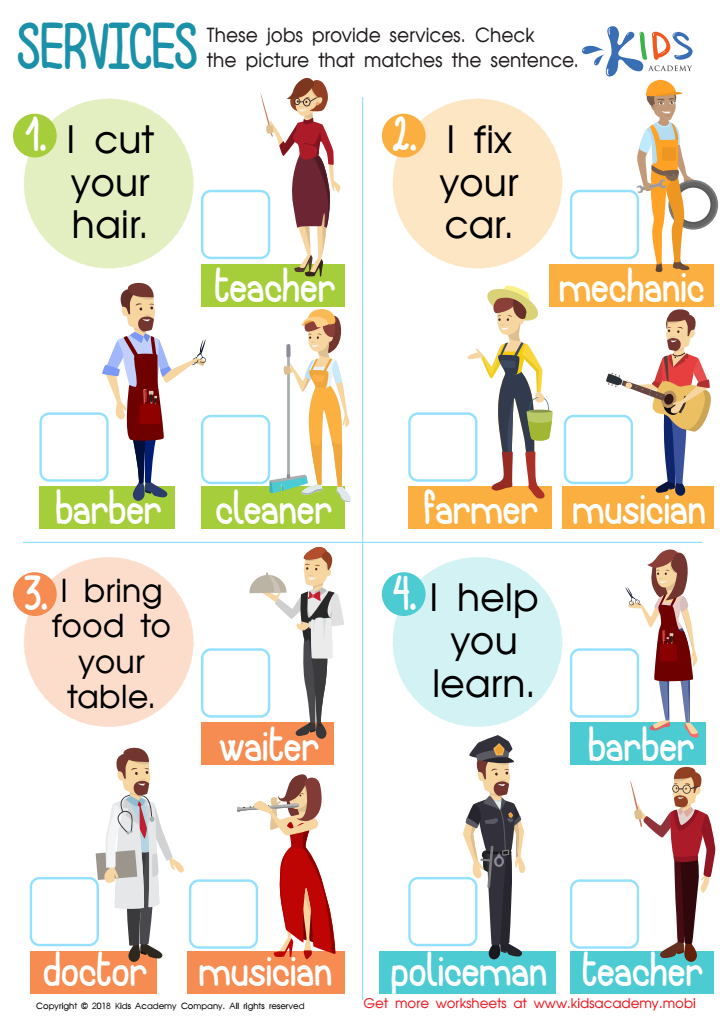
Help your child learn the difference between services and goods with this Kids Academy worksheet. Guide your child to read each sentence and select the correct worker who does the job for the service. With this worksheet, your child can learn about common services in the community.
Services Worksheet
Worksheet
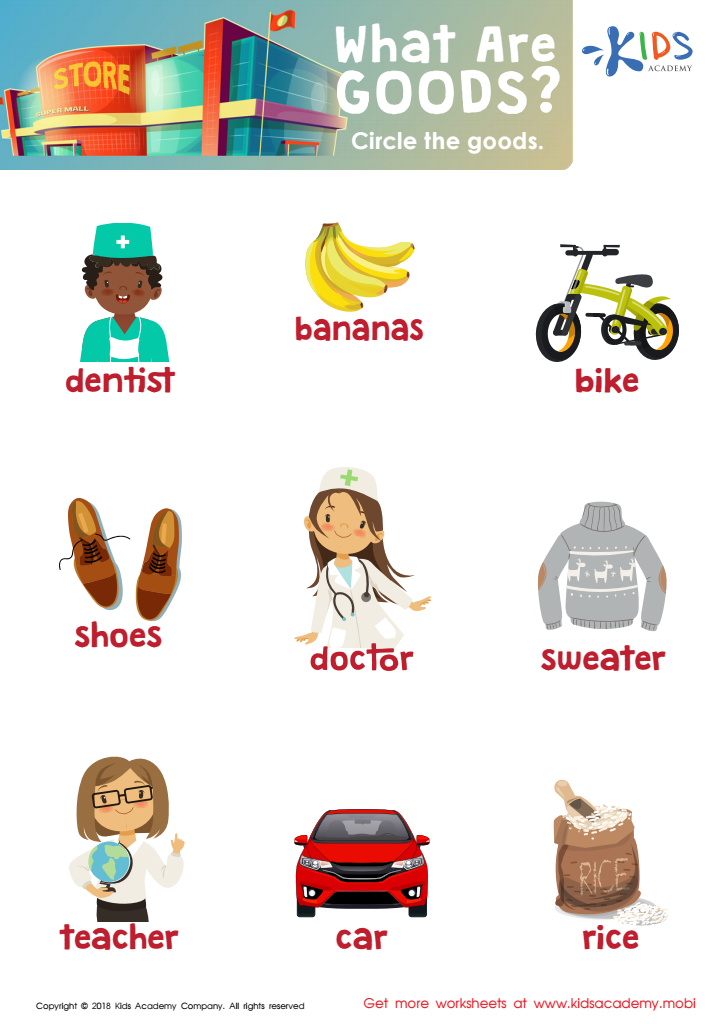
What Are Goods? Worksheet

What Are Goods? Worksheet

Introduce your child to economics with this social studies worksheet! It helps kids differentiate between goods and services. Have them look at each picture, discuss what it does, and decide whether it's an object or a service. Encourage them to think carefully and circle the goods. It's a great way to start teaching the basics of economics.
What Are Goods? Worksheet
Worksheet
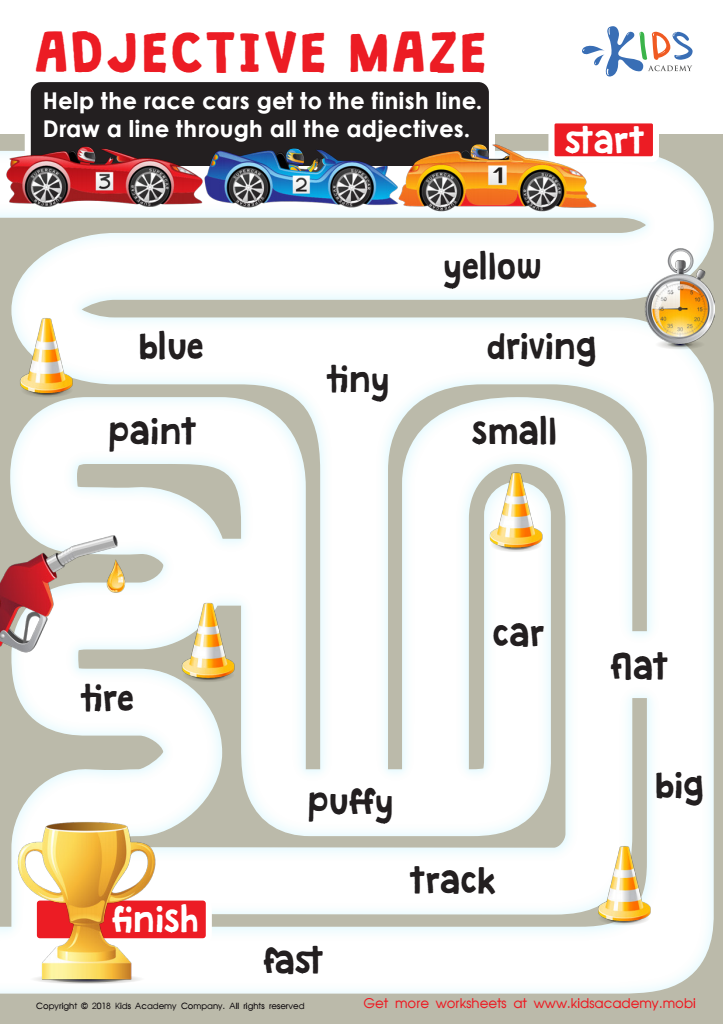
Adjective Maze Worksheet

Adjective Maze Worksheet

Race your pencil to the finish line with Kids Academy's exciting maze worksheet! Remind your little racer that adjectives describe nouns - looks, sounds, and more. On your mark, get ready - zoom through the track and circle each adjective you see!
Adjective Maze Worksheet
Worksheet
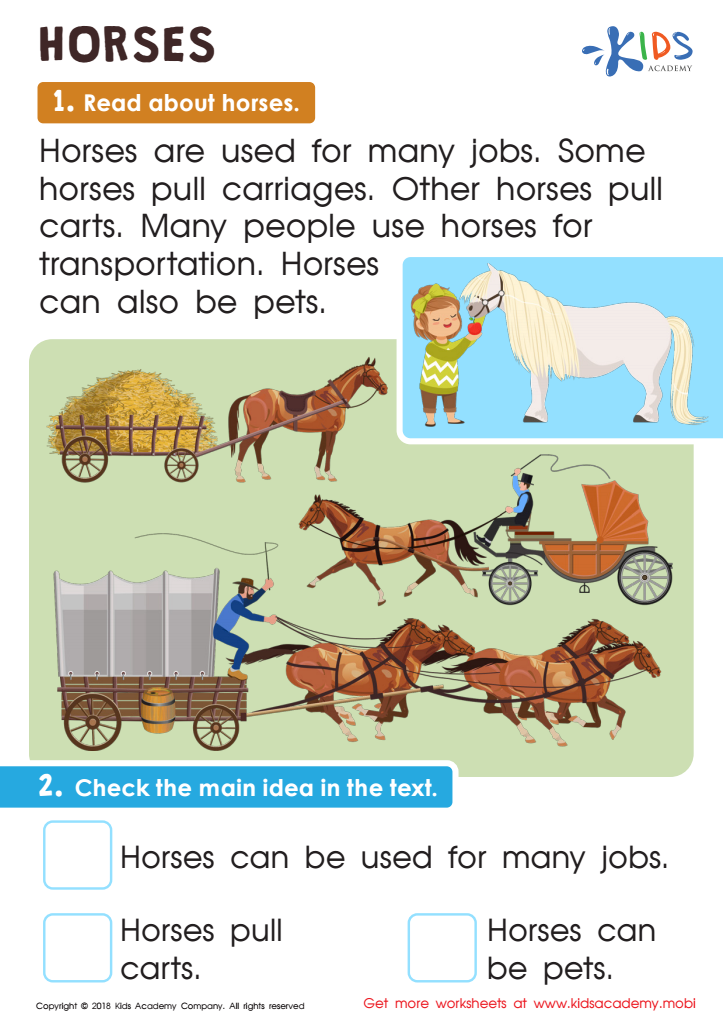
Horses Worksheet
Horses Worksheet

Horses Worksheet

Help your little reader differentiate between details and the main idea with this fun worksheet about horses. Kids will be excited to learn about the different roles horses play. To ensure they understand the overall concept, discuss it before having them choose the right statement at the end.
Horses Worksheet
Worksheet
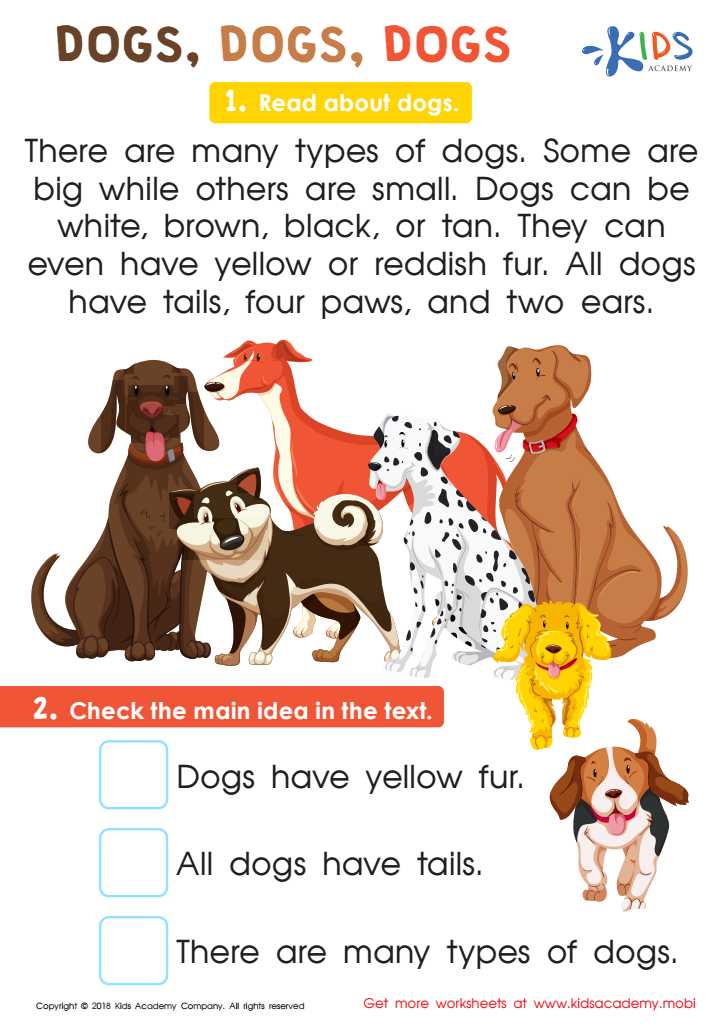
Dogs, Dogs Worksheet

Dogs, Dogs Worksheet

Help your child understand main ideas with this fun doggy worksheet from Kids Academy! Have them read the passage and then discuss the main idea. After that, have them read the answer choices and pick the right one. This will help your kiddo hone their critical reading comprehension skills!
Dogs, Dogs Worksheet
Worksheet
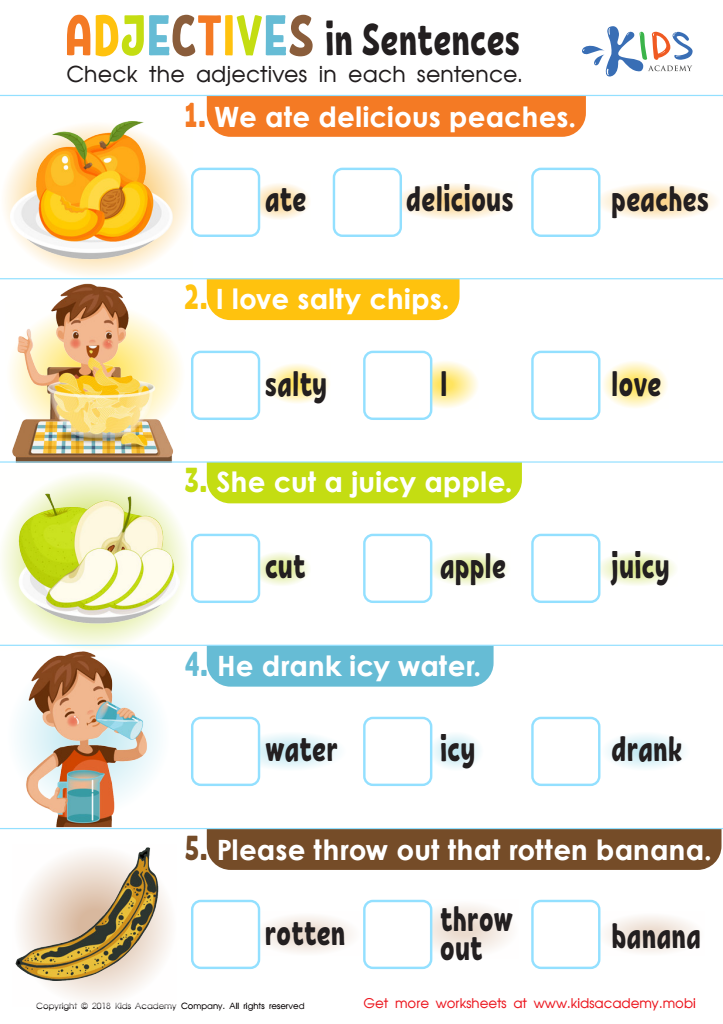
Adjectives in Sentences Worksheet

Adjectives in Sentences Worksheet

Our learners can find it hard to use writing to add detail, but adjectives can help. With this fun worksheet, kids can identify adjectives that describe food and drink. Guide them through each sentence, discussing the words and having them choose the one that gives information about the food/drink.
Adjectives in Sentences Worksheet
Worksheet
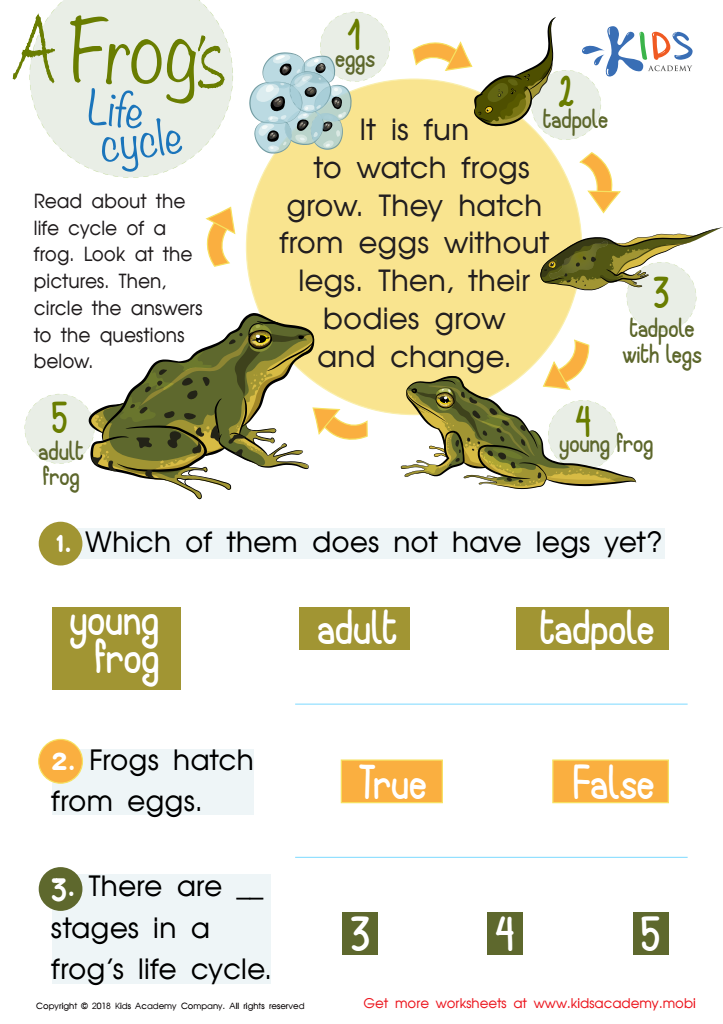
A Frog’s Life Cycle Worksheet

A Frog’s Life Cycle Worksheet

Encourage your kids to learn about frogs! Ask them to tell you some features, then read and discuss the text that explains the frog's life cycle. Show them the pictures to help them visualize it. Finish by helping them answer the questions at the bottom of the worksheet.
A Frog’s Life Cycle Worksheet
Worksheet
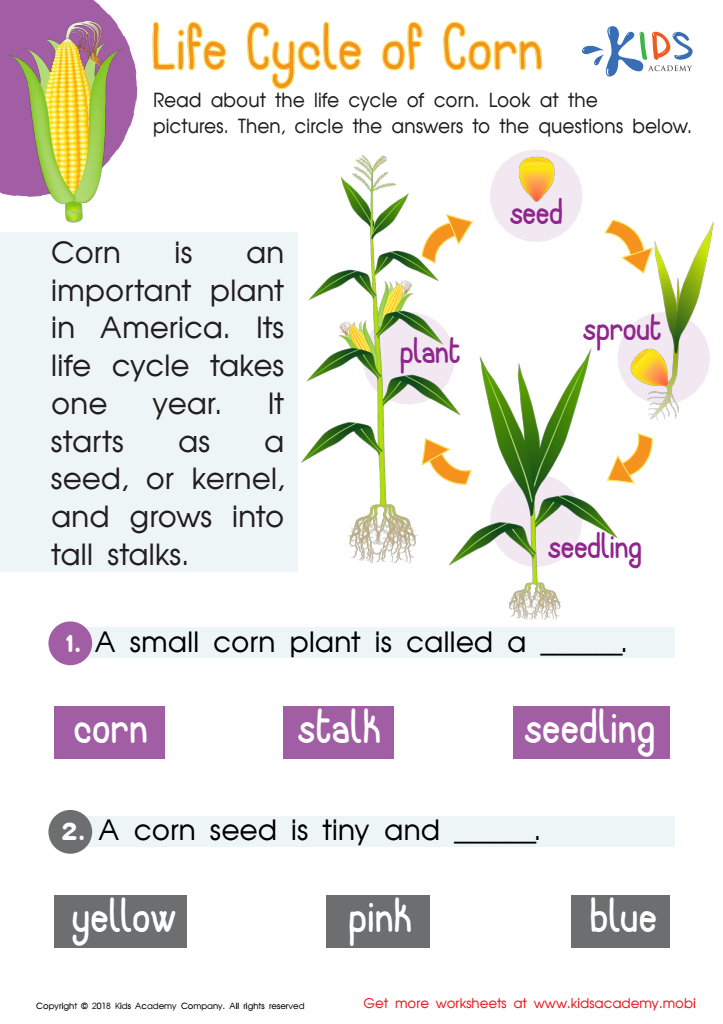
Life Cycle of Corn Worksheet

Life Cycle of Corn Worksheet

Help your kids learn about corn! Ask them what foods it's used to make. Read this worksheet and look at the pictures to learn the life cycle of corn. Then, have them circle the answers to the questions at the bottom. Corn is an important crop for farmers, used to make many foods we eat today.
Life Cycle of Corn Worksheet
Worksheet
Adjectives: At The Zoo Worksheet

Adjectives: At The Zoo Worksheet

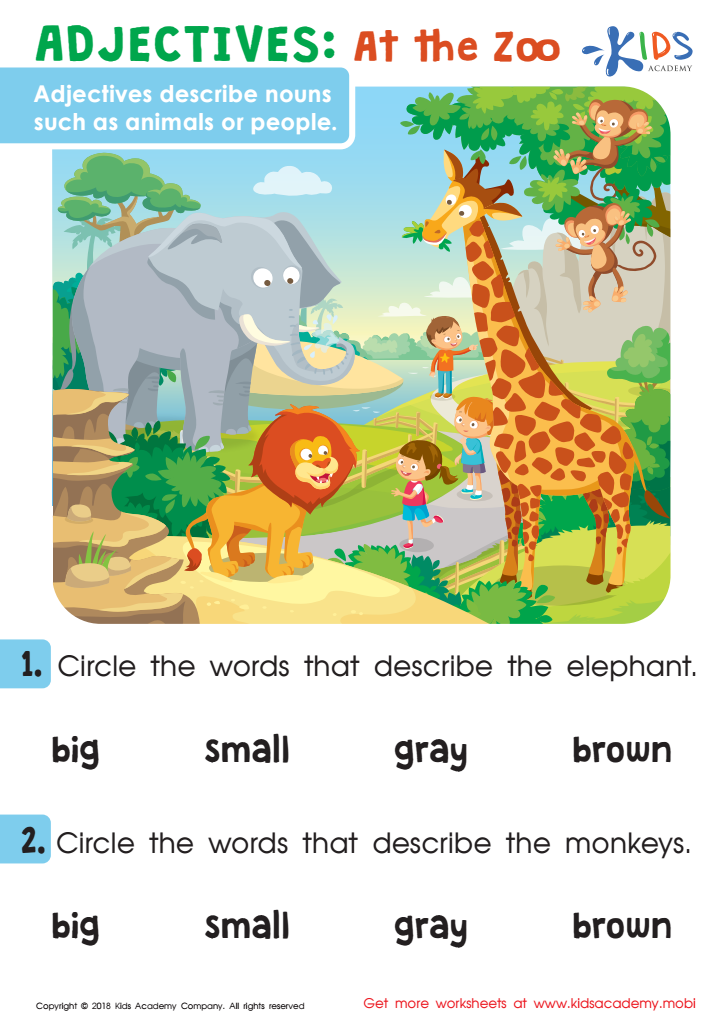
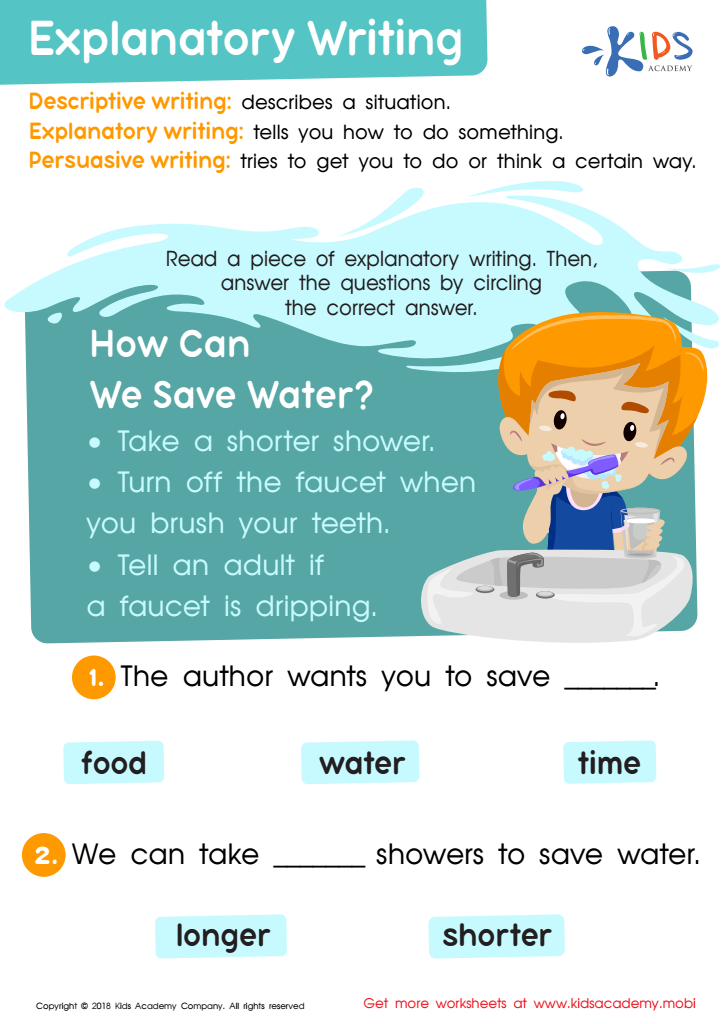
Take your kids to the zoo and ask them about their favorite activities and animals. This worksheet is a great way for kids to learn about adjectives. Explain that adjectives describe nouns like people or animals (e.g. big, tall, dark). Look at the printout with your kids and help them circle words that describe the animals in the picture.
Adjectives: At The Zoo Worksheet
Worksheet
Explanatory Writing Worksheet

Explanatory Writing Worksheet

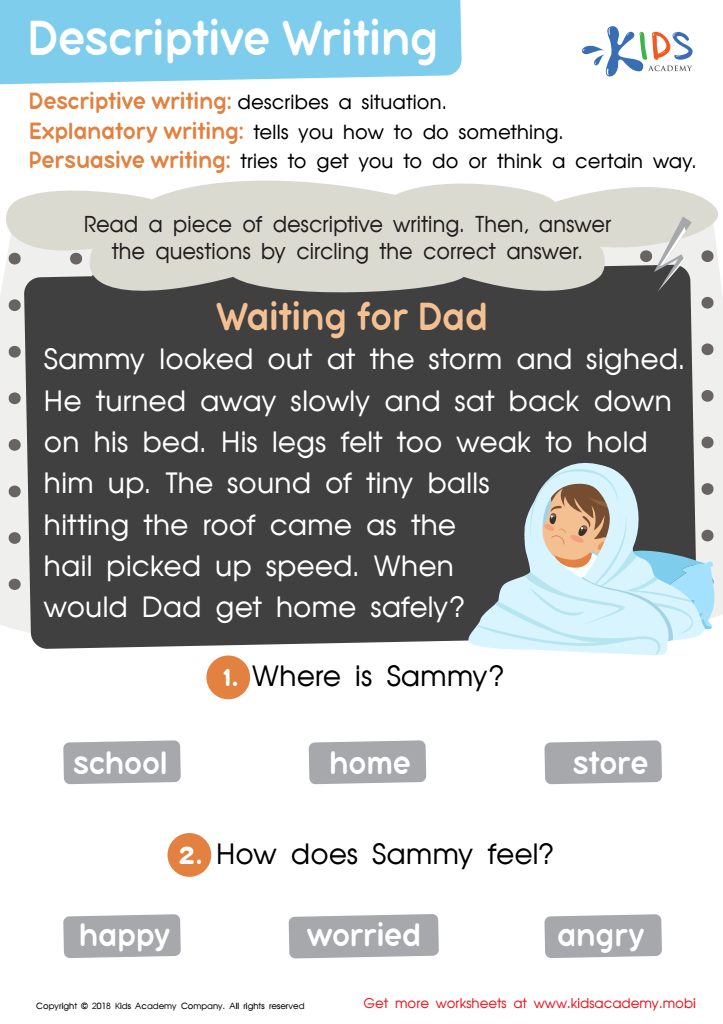
This worksheet teaches kids the three main types of writing. Descriptive writing describes a situation, explanatory writing explains how to do something, and persuasive writing is used to sway readers' opinions. Read the text and help your kids answer the questions by circling the right answer.
Explanatory Writing Worksheet
Worksheet
Descriptive Writing Worksheet: Part 2

Descriptive Writing Worksheet: Part 2

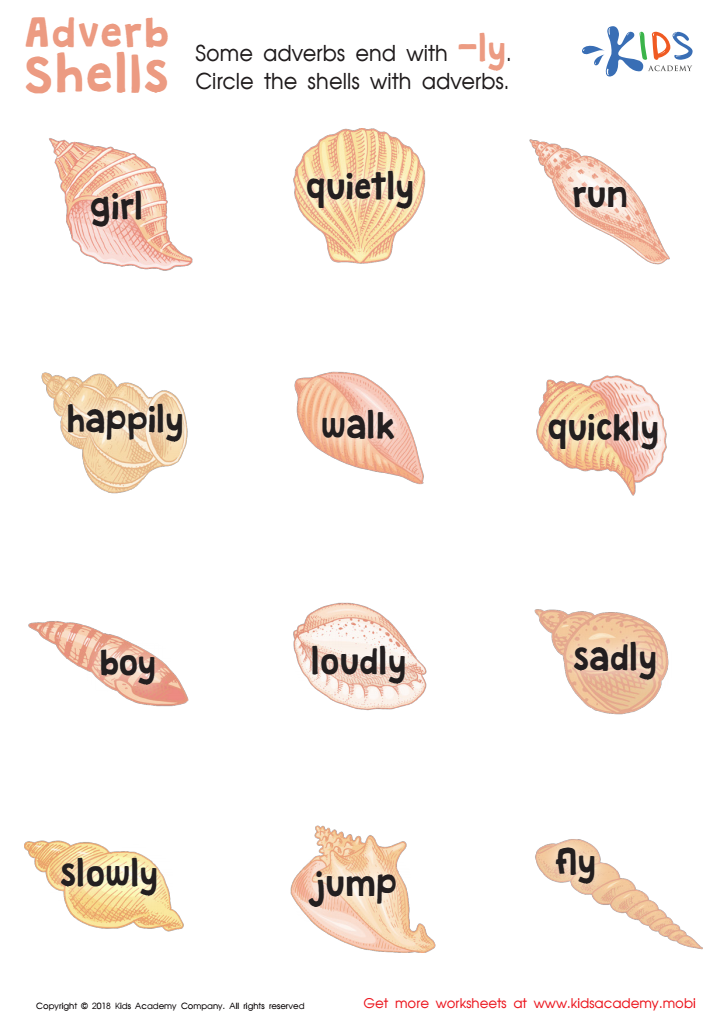
In this worksheet, your kids will explore writing styles like descriptive, explanatory and persuasive. Read them the descriptive text, then have them answer the questions. Writing is an art – it's a way to express emotions, tell stories and share information.
Descriptive Writing Worksheet: Part 2
Worksheet
Adverb Shells Worksheet

Adverb Shells Worksheet

Help your kids understand adverbs by giving them an example with an adverb. Ask them to point it out. Adverbs often end with –ly. Give them a worksheet to circle adverbs in a picture. This way, they'll easily identify them in a sentence.
Adverb Shells Worksheet
Worksheet
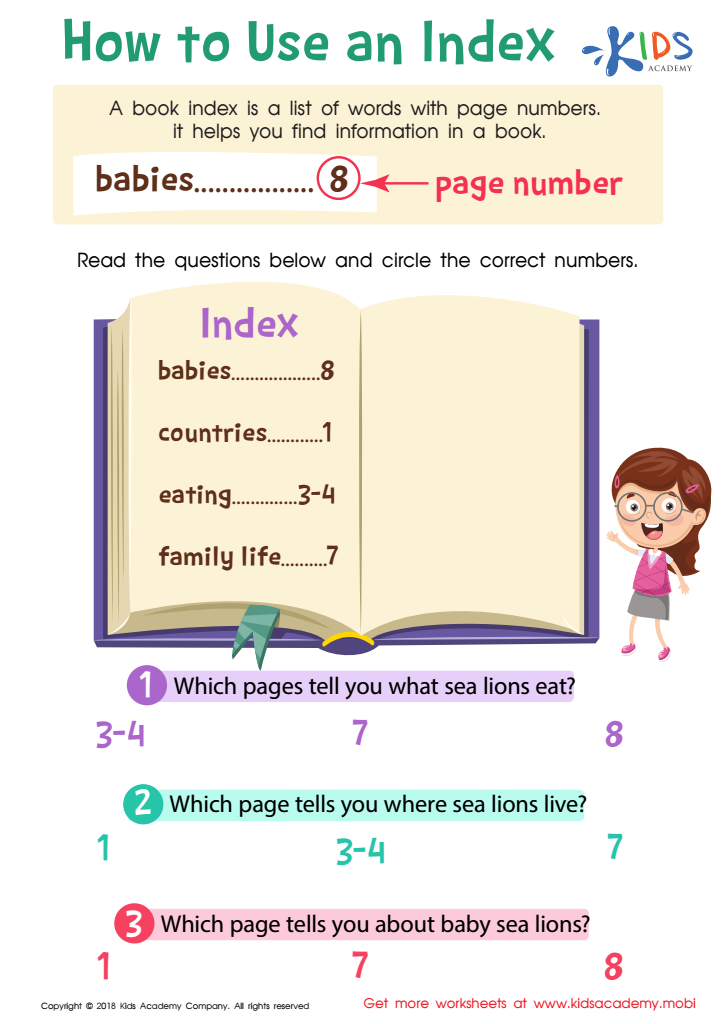
How Use Index Worksheet

How Use Index Worksheet

Hand your kids a book, point out the index and explain that it's a list of words with page numbers. Ask them to look at the index in the worksheet and circle the correct number to the questions. Every book must have an index to help readers find chapters or information they need.
How Use Index Worksheet
Worksheet
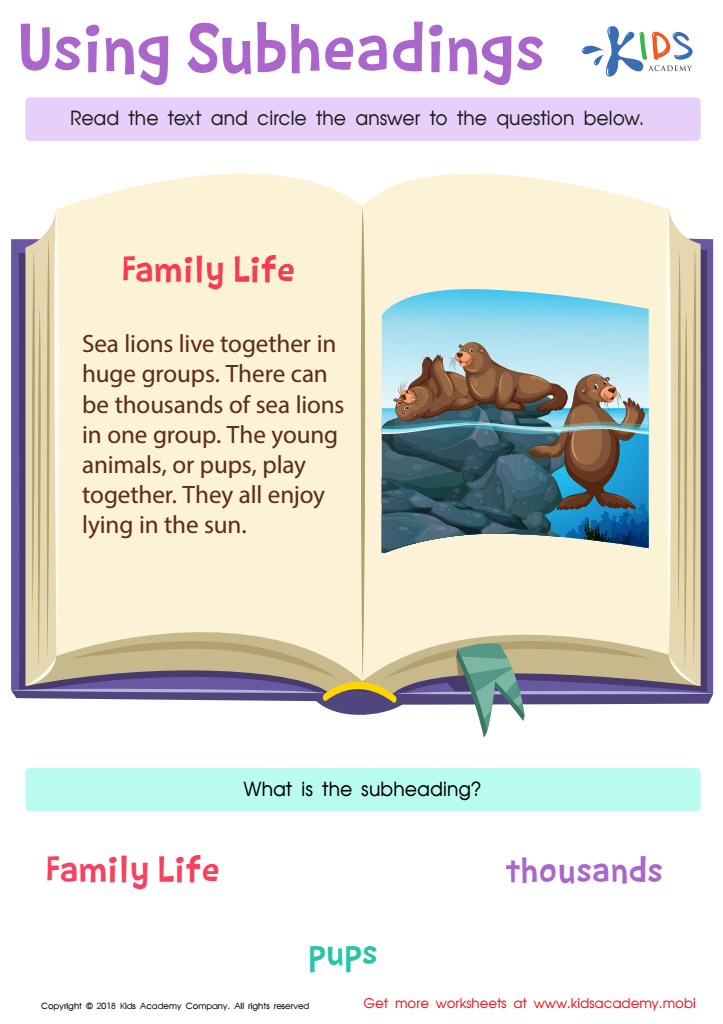
Using Subheadings Worksheet

Using Subheadings Worksheet

Writers must follow many rules to make their work organized and easier to read. Subheadings are usually in bold font and centered at the top of the page. Read the text to your kids and have them circle the correct answer.
Using Subheadings Worksheet
Worksheet
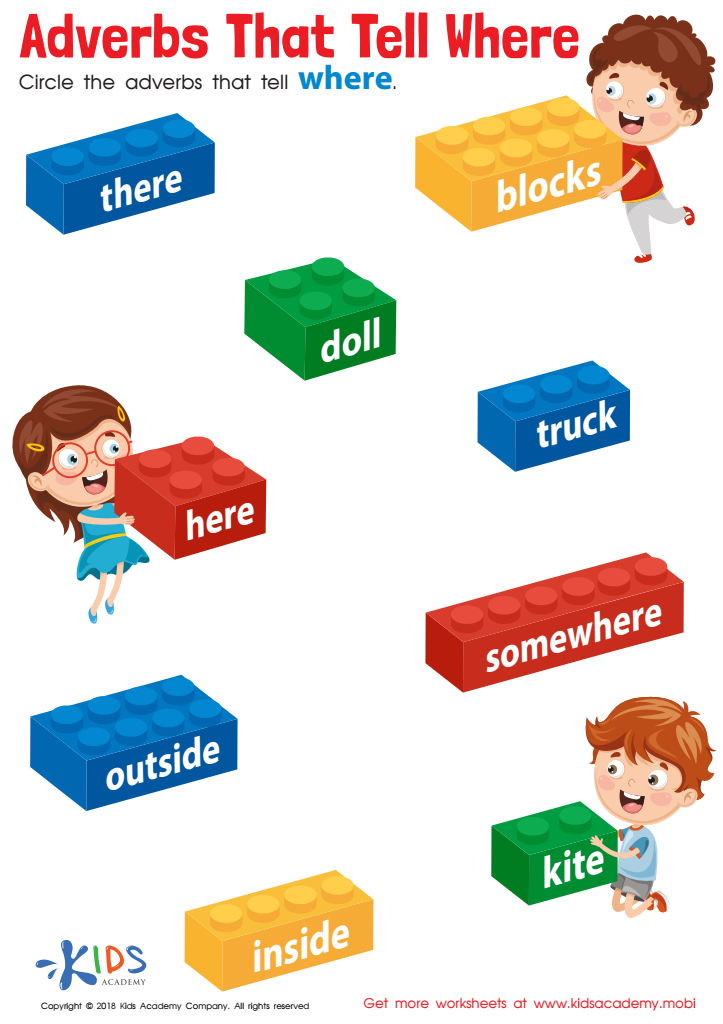
Adverbs That Tell Where Worksheet

Adverbs That Tell Where Worksheet

Help your kids identify adverbs with a fun worksheet. Read the words aloud and ask them to circle the adverbs showing 'where.' Give them easy examples, like 'the girl stood over there.' See if they can create their own examples. This activity makes learning adverbs fun!
Adverbs That Tell Where Worksheet
Worksheet
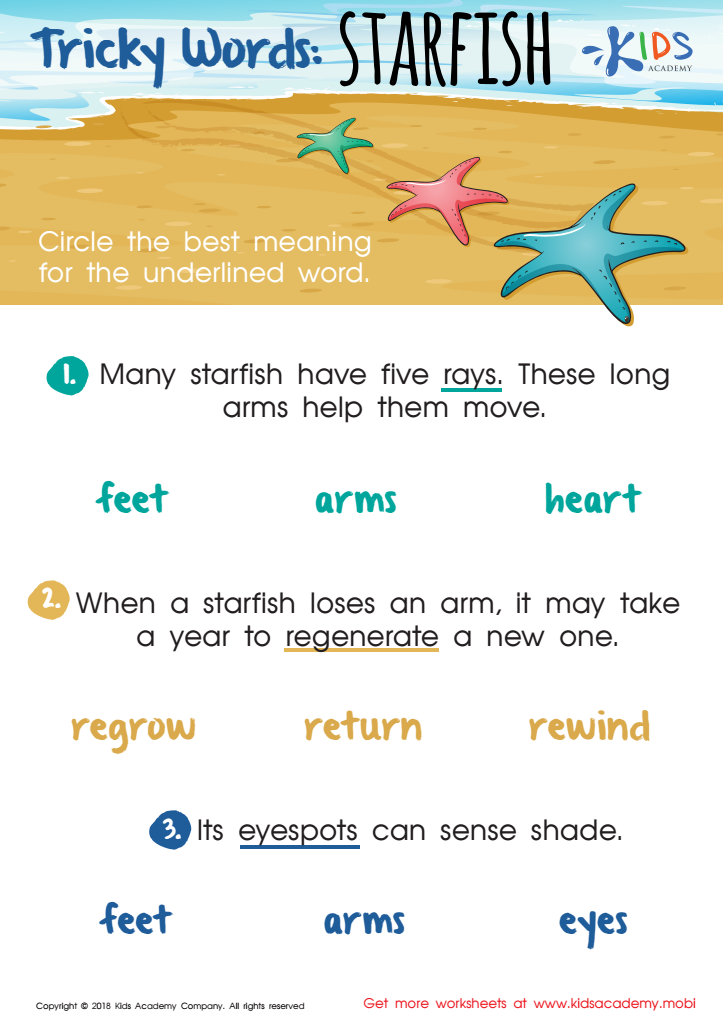
Tricky Words: Starfish Worksheet

Tricky Words: Starfish Worksheet

Encourage your kids' learning with a fun worksheet! Help them circle the best meaning for the underlined words in the sentences. This activity is a great way to practice what they learn at school and have fun. Your little ones will enjoy learning new words and make the experience even more memorable.
Tricky Words: Starfish Worksheet
Worksheet
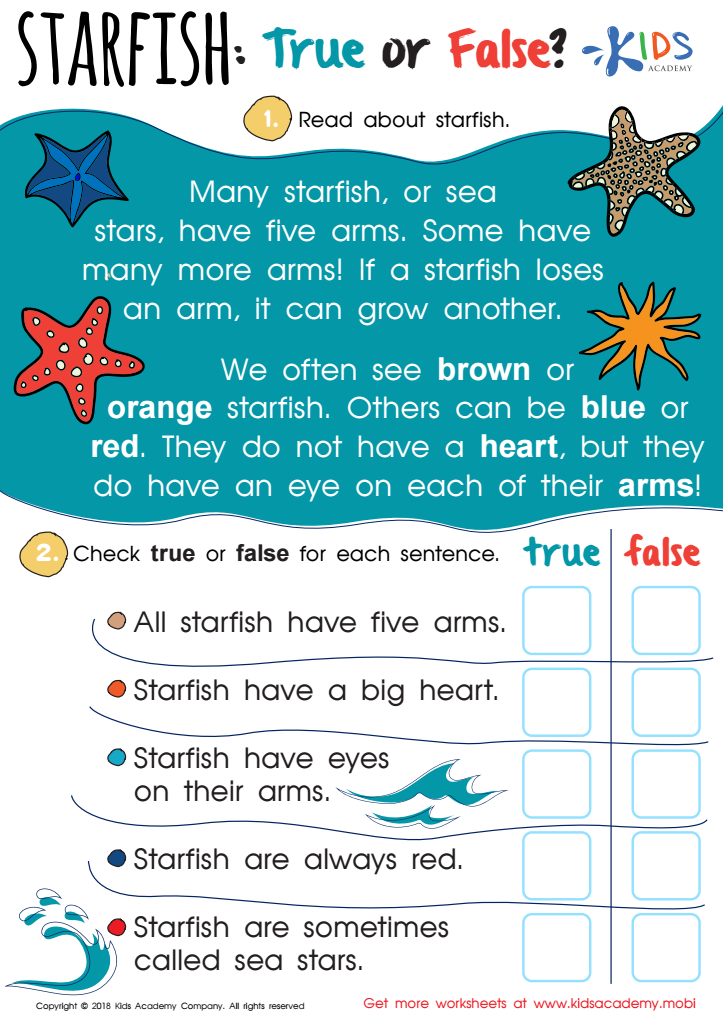
Starfish: True or False Worksheet

Starfish: True or False Worksheet

This worksheet helps kids learn more about starfish. Ask them what they know and read the text; it explains the creature's arms, color, and sight. At the end, read the questions and help them check true or false for each sentence.
Starfish: True or False Worksheet
Worksheet
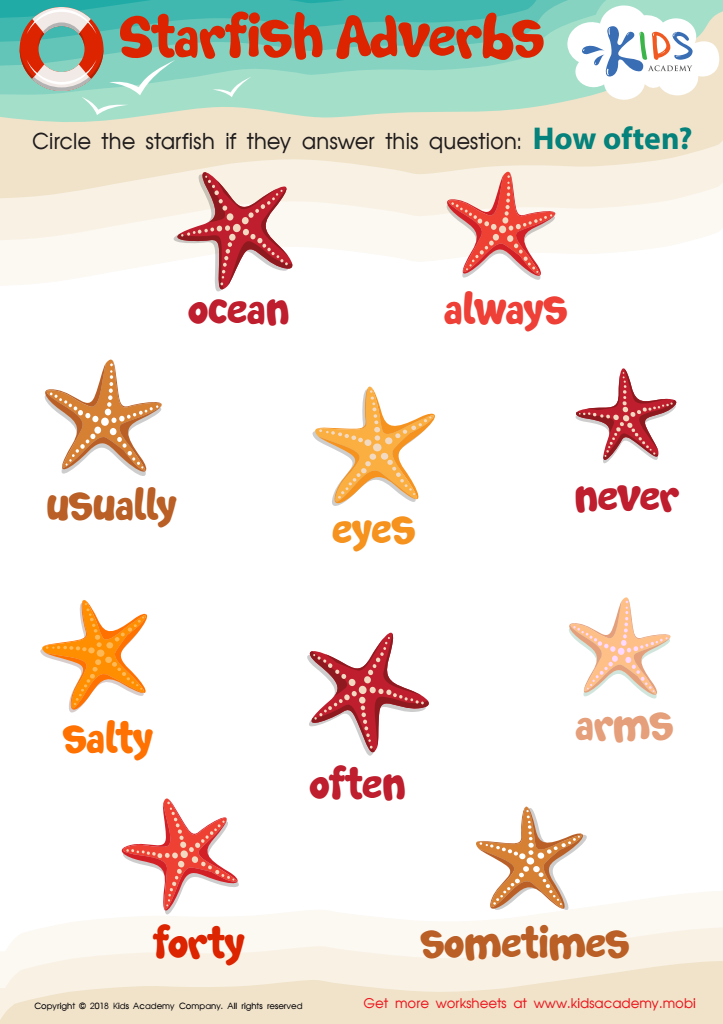
Starfish Adverbs Worksheet

Starfish Adverbs Worksheet

Students will gain exposure to new words and parts of speech as they learn more. After nouns and verbs, adverbs are next. Ask students to give examples, like ‘quickly’ and ‘heavily’. Finally, help them circle the starfish that answer the question 'how often?' on the worksheet.
Starfish Adverbs Worksheet
Worksheet
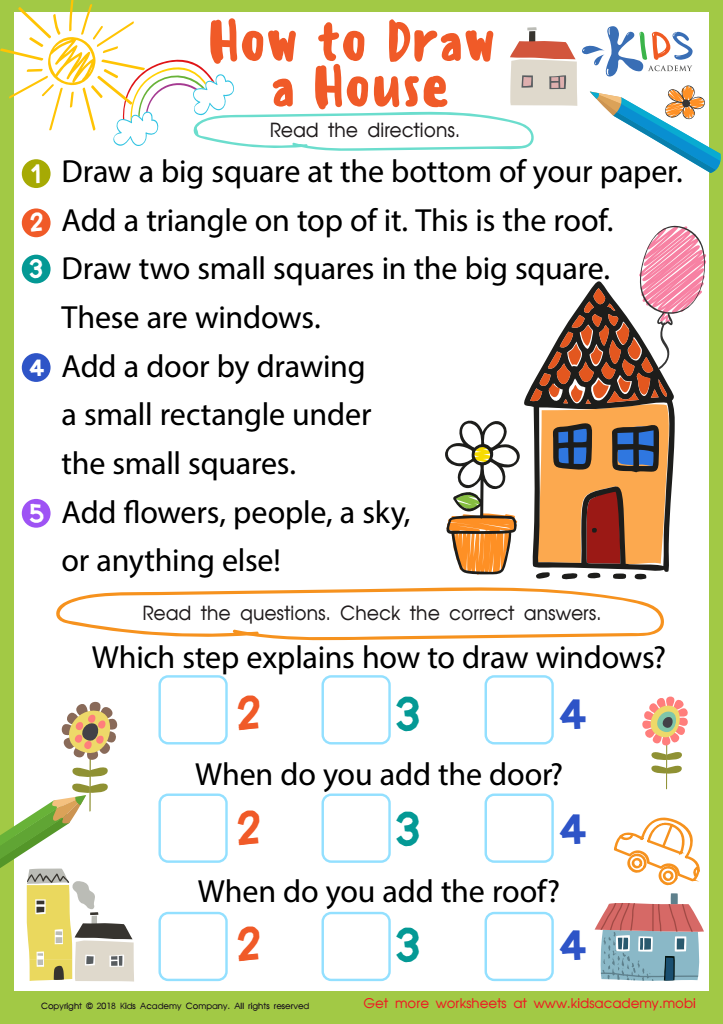
How to Draw House Worksheet


How to Draw House Worksheet
Does your child love to draw? Why not try teaching them some easy tricks? Get them to follow directions on this worksheet and learn how to draw a house. Read the questions at the end and ensure they get the answers right. Your kids will surely love it!
How to Draw House Worksheet
Worksheet


Parents and teachers should care deeply about the development of children ages 3-7 because this period is crucial for cognitive, social, and emotional growth. During these formative years, children undergo significant brain development, laying the foundation for future learning and behavior. Engaging children through play, exploration, and education fosters their curiosity and creativity, which are essential for problem-solving and critical thinking skills later in life.

Moreover, early interactions with caregivers and educators shape children’s social skills, like sharing, cooperation, and empathy. These interactions help them develop self-regulation and resilience, which are vital for navigating challenges as they grow. A nurturing environment positively impacts their emotional well-being, leading to a more positive attitude towards learning.

Furthermore, early literacy and numeracy skills are often cultivated during this age. By focusing on these skills, adults can help prevent future learning gaps, ensuring that children are better prepared for formal education. Overall, caring for the developmental needs of young children not only enriches their lives but also promotes a healthier, more educated society. Supporting children in these early years can lead to lifelong achievements, making it a priority for parents and educators alike.