Worksheets for Ages 3-7 - Page 101
2424 filtered results
-
From - To
 Assign to My Students

Count and Match Vegetables and Points Math Worksheet

Count and Match Points 6 Math Worksheet
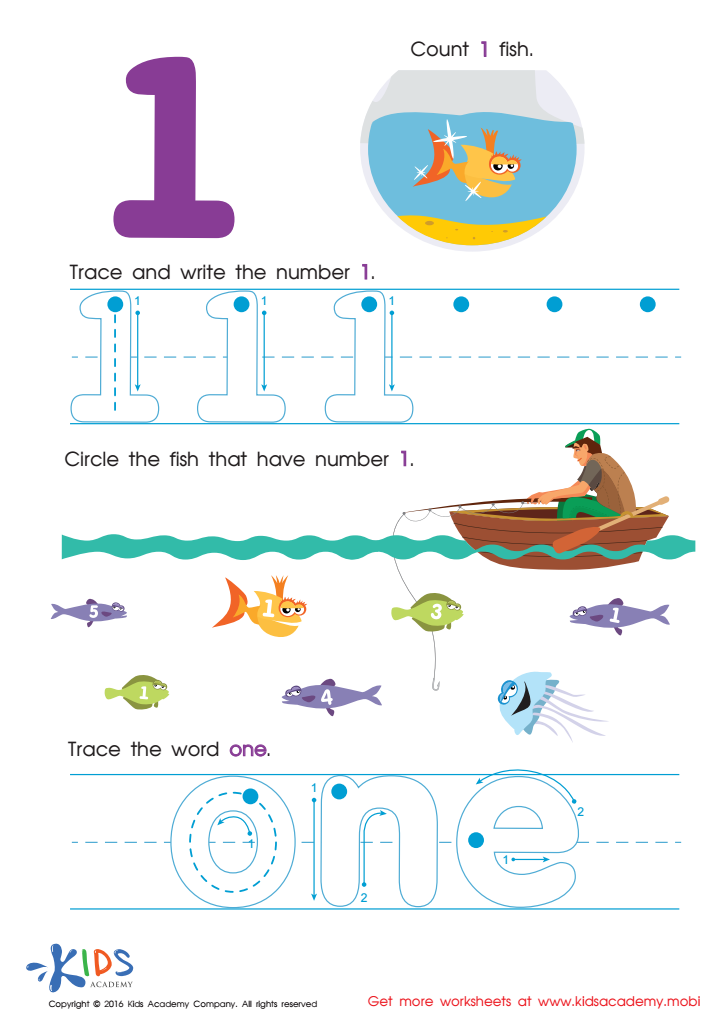
Learning to Write 1 Worksheet

Christmas Tree Tracing Winter Words Worksheet
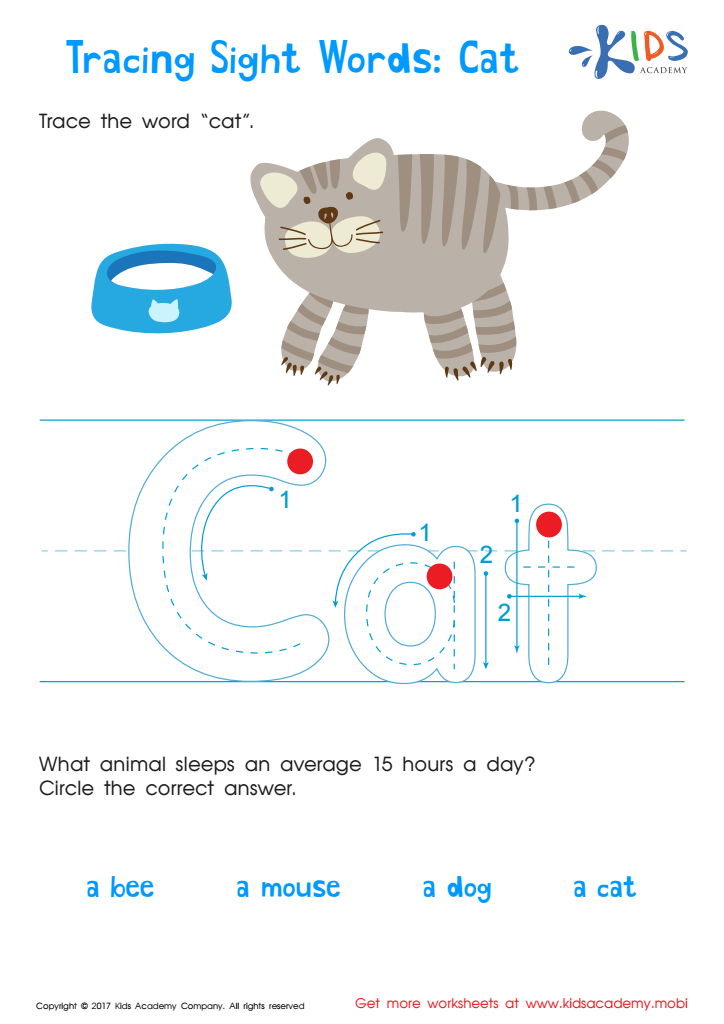
Cat Printable Sight Words Worksheet
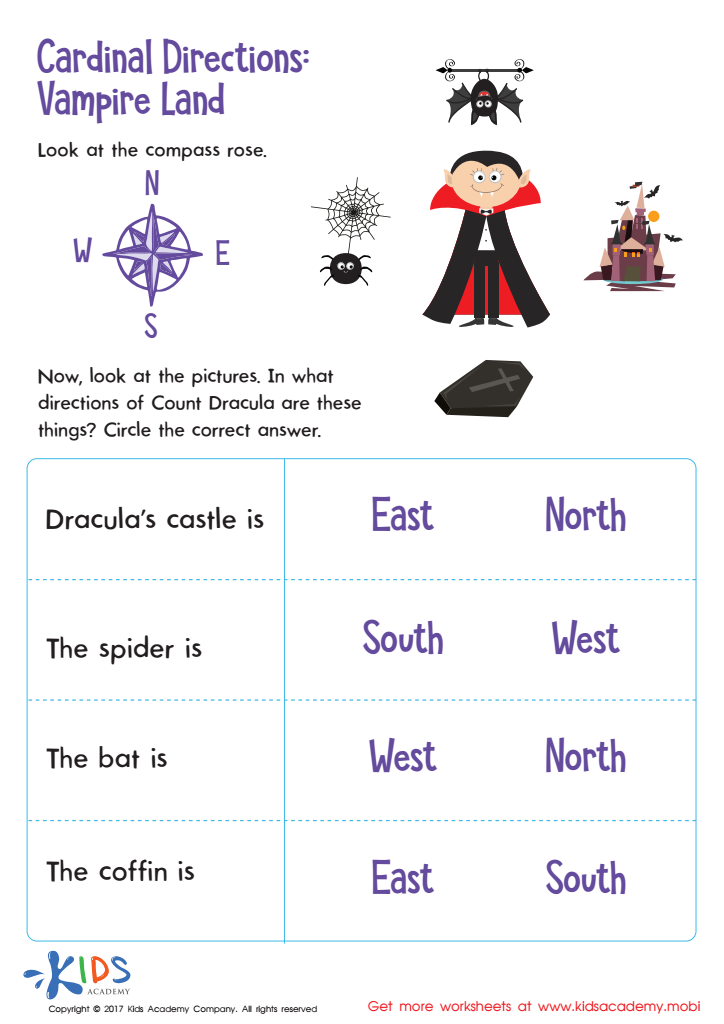
Cardinal Directions Printable
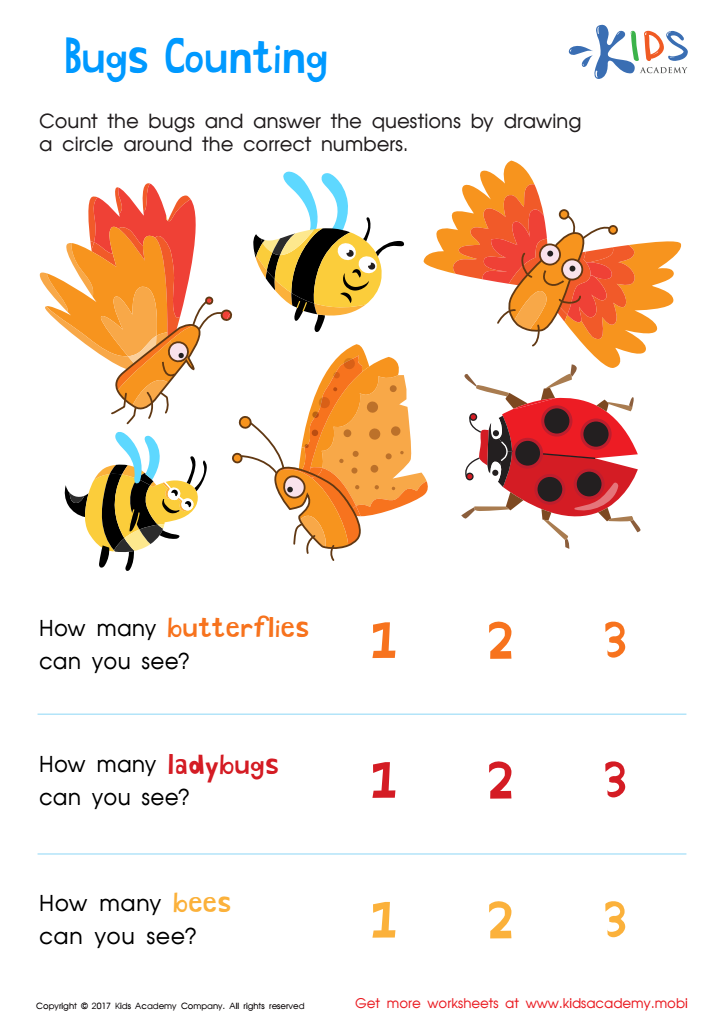
Bugs Counting Worksheet
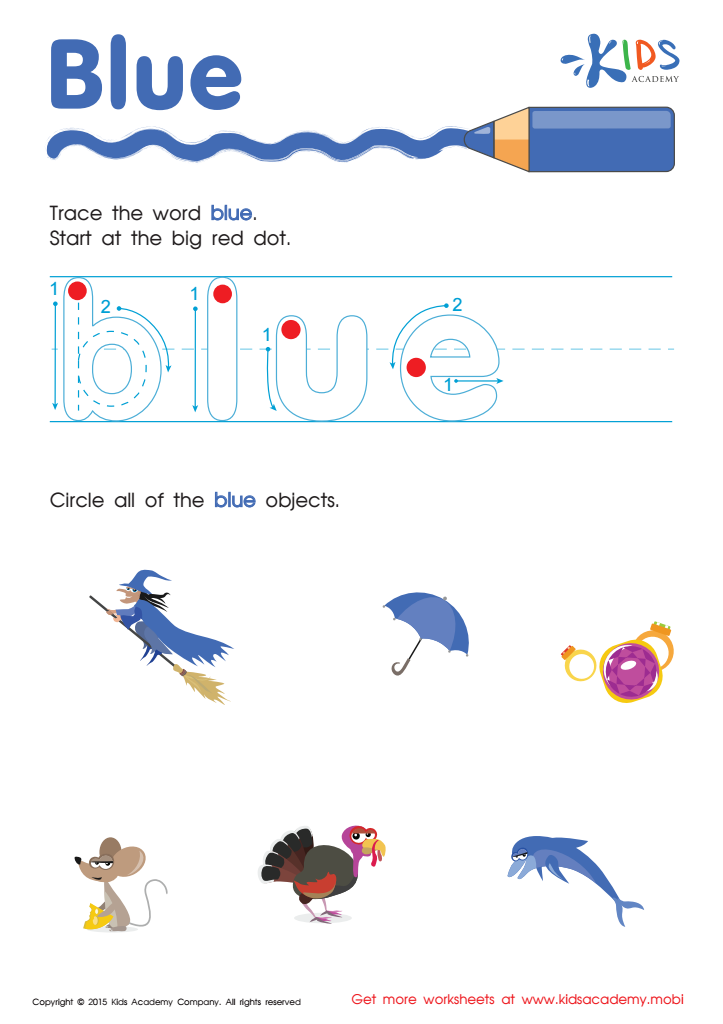
Blue Tracing Color Words Printable

Black Tracing Color Words Printable
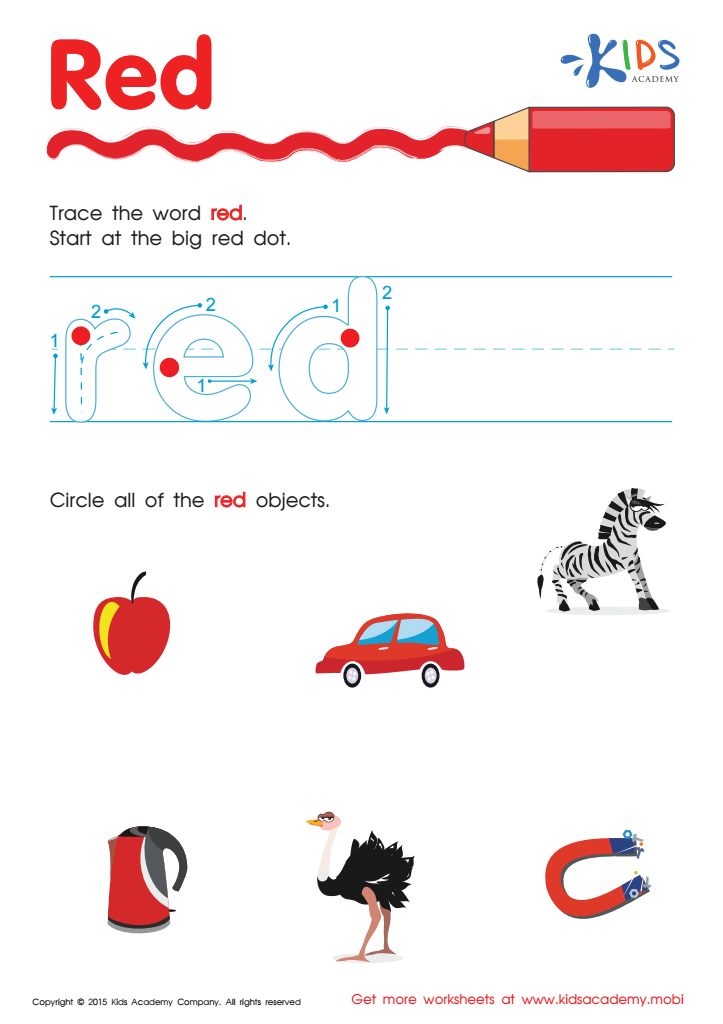
Red Tracing Color Words Printable
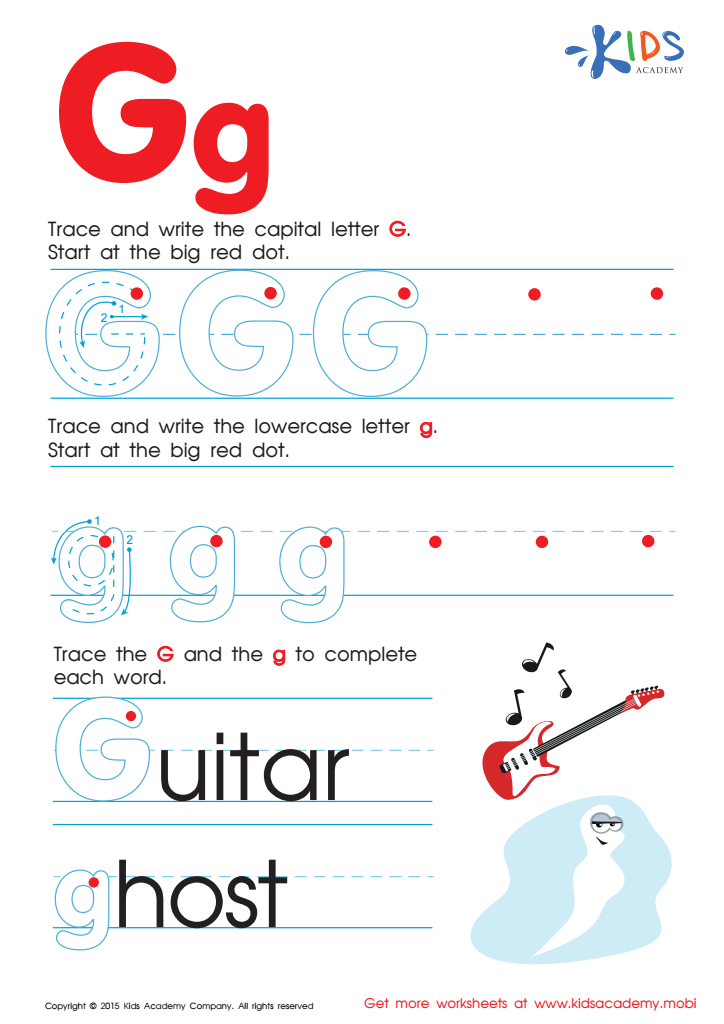
Letter G Tracing Page
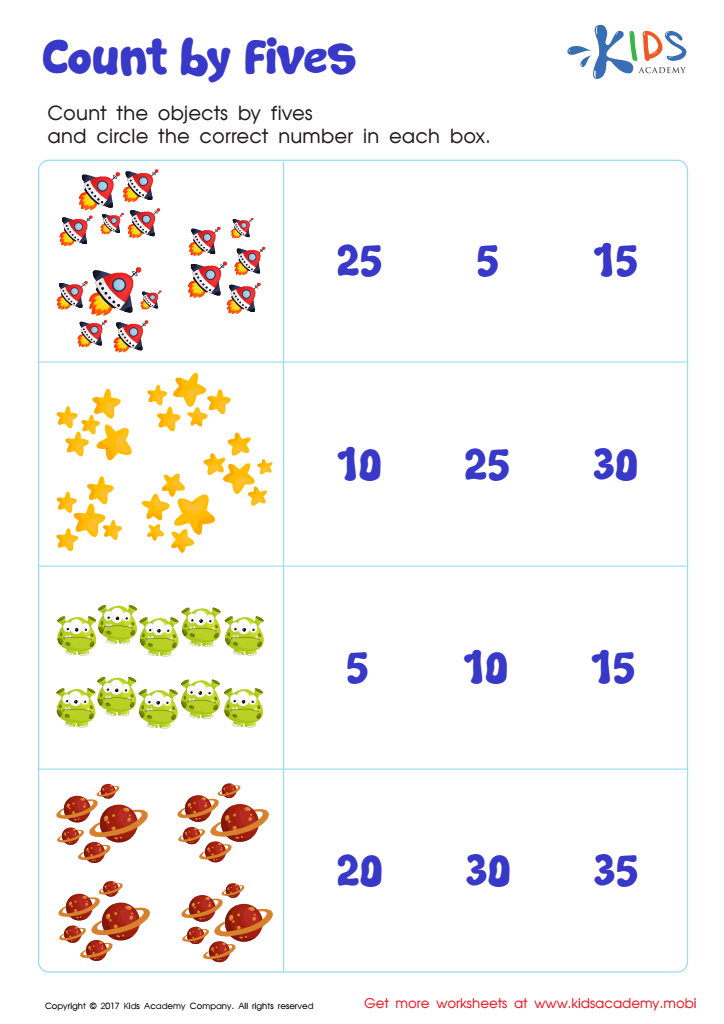
Skip Counting by 5s: Space Math Printable
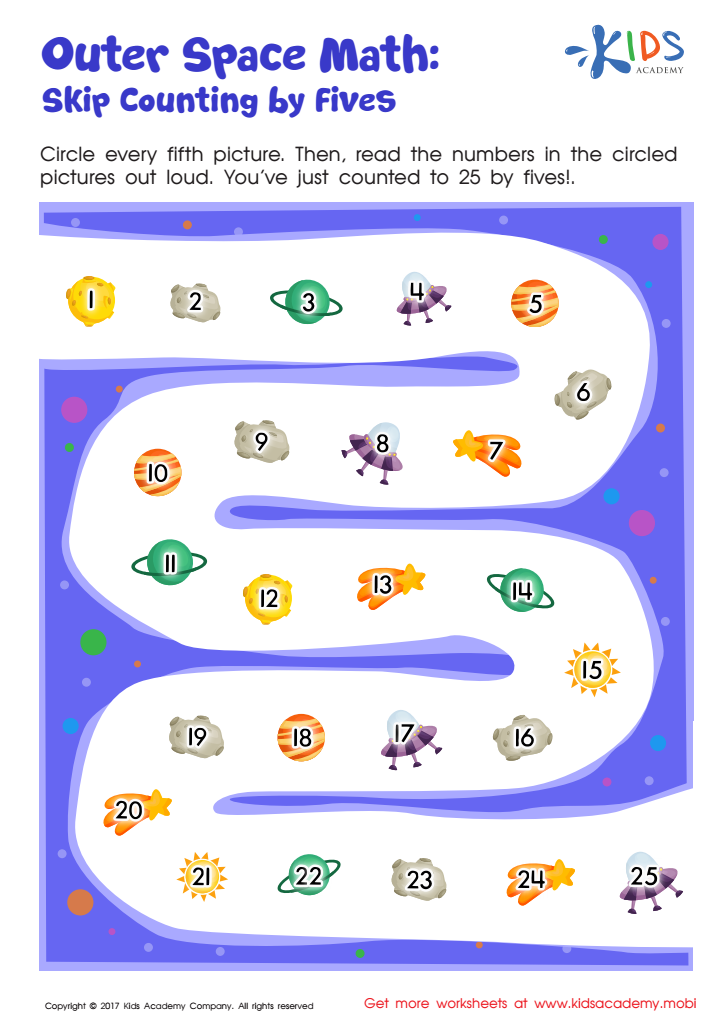
Skip Counting by 5s: Outer Space Math Printable
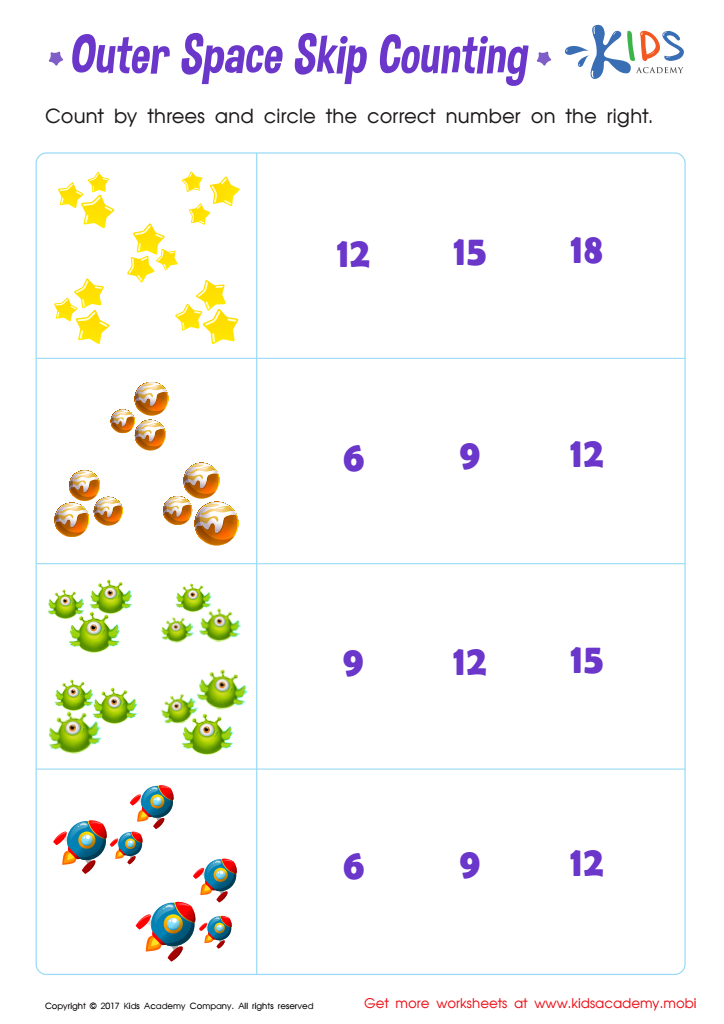
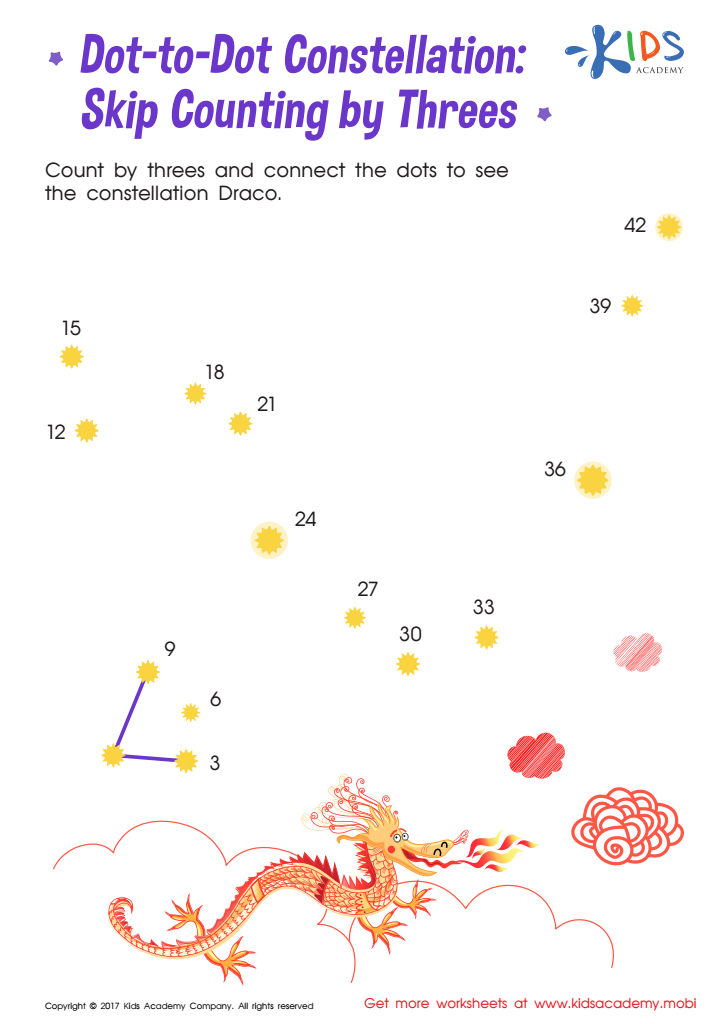
Skip Counting by 3s: Outer Space Skip Counting Printable
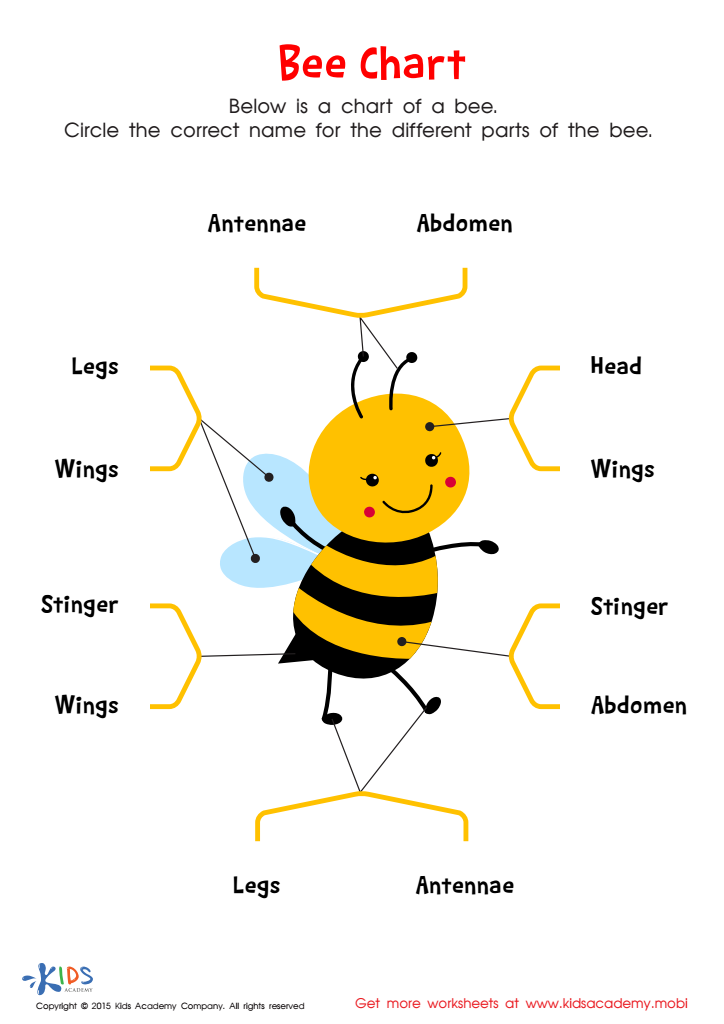
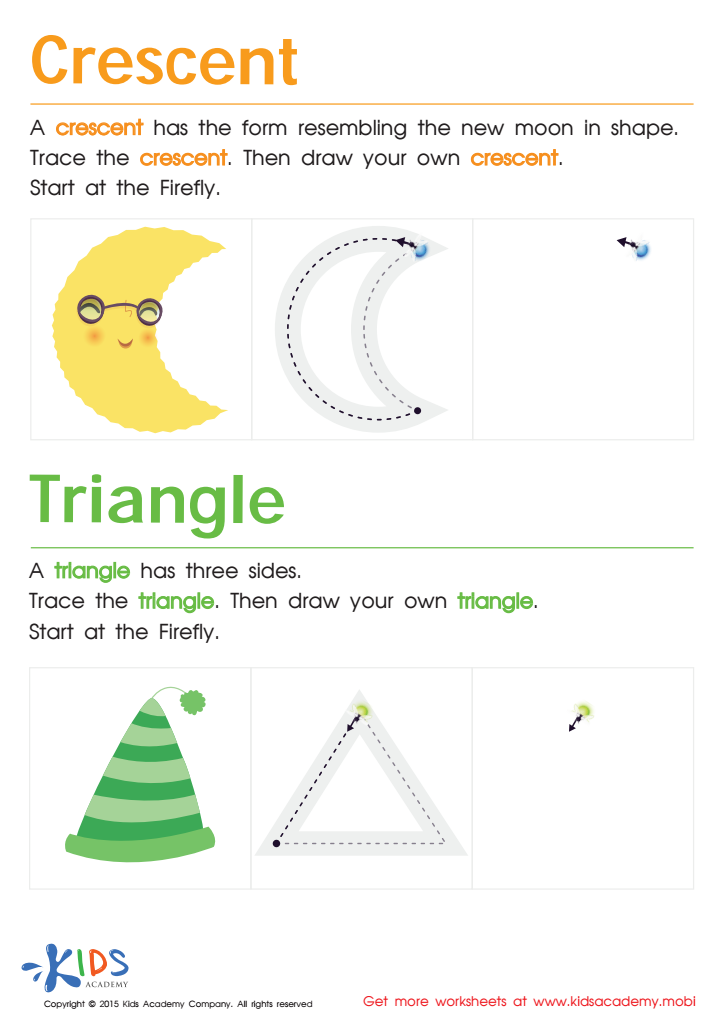
Learning to Draw Crescents And Triangles Worksheet
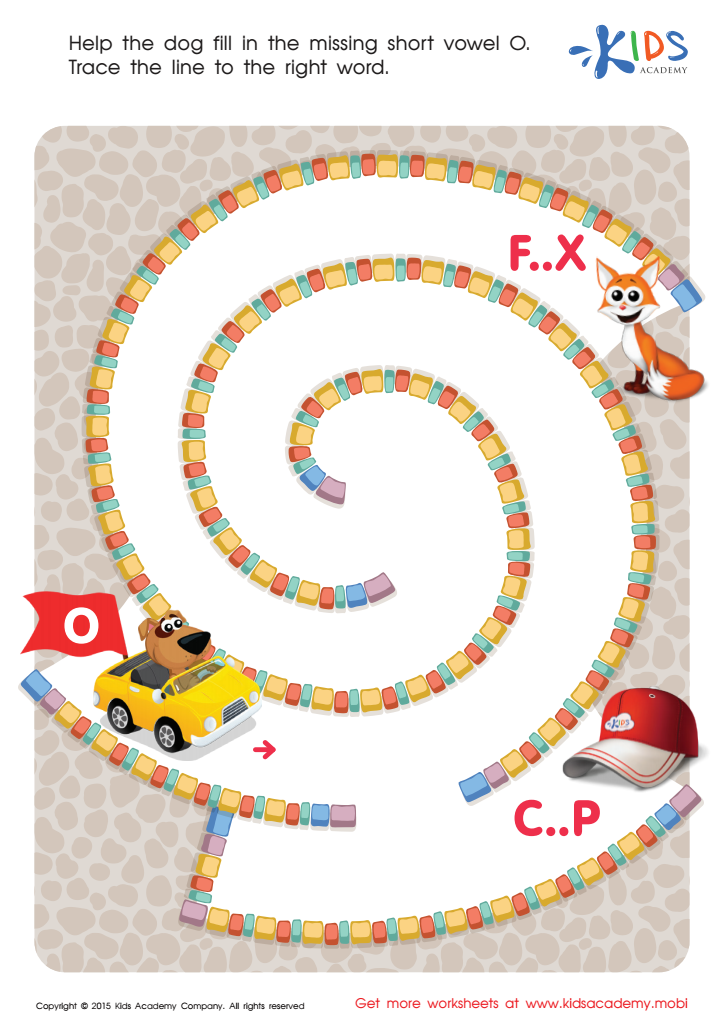
Short Vowel Sound O Worksheet








Parents and teachers should care deeply about the development of children ages 3-7 because this period is crucial for cognitive, social, and emotional growth. During these formative years, children undergo significant brain development, laying the foundation for future learning and behavior. Engaging children through play, exploration, and education fosters their curiosity and creativity, which are essential for problem-solving and critical thinking skills later in life.
Moreover, early interactions with caregivers and educators shape children’s social skills, like sharing, cooperation, and empathy. These interactions help them develop self-regulation and resilience, which are vital for navigating challenges as they grow. A nurturing environment positively impacts their emotional well-being, leading to a more positive attitude towards learning.
Furthermore, early literacy and numeracy skills are often cultivated during this age. By focusing on these skills, adults can help prevent future learning gaps, ensuring that children are better prepared for formal education. Overall, caring for the developmental needs of young children not only enriches their lives but also promotes a healthier, more educated society. Supporting children in these early years can lead to lifelong achievements, making it a priority for parents and educators alike.








