Math Worksheets for Ages 3-7 - Page 47
1107 filtered results
-
From - To
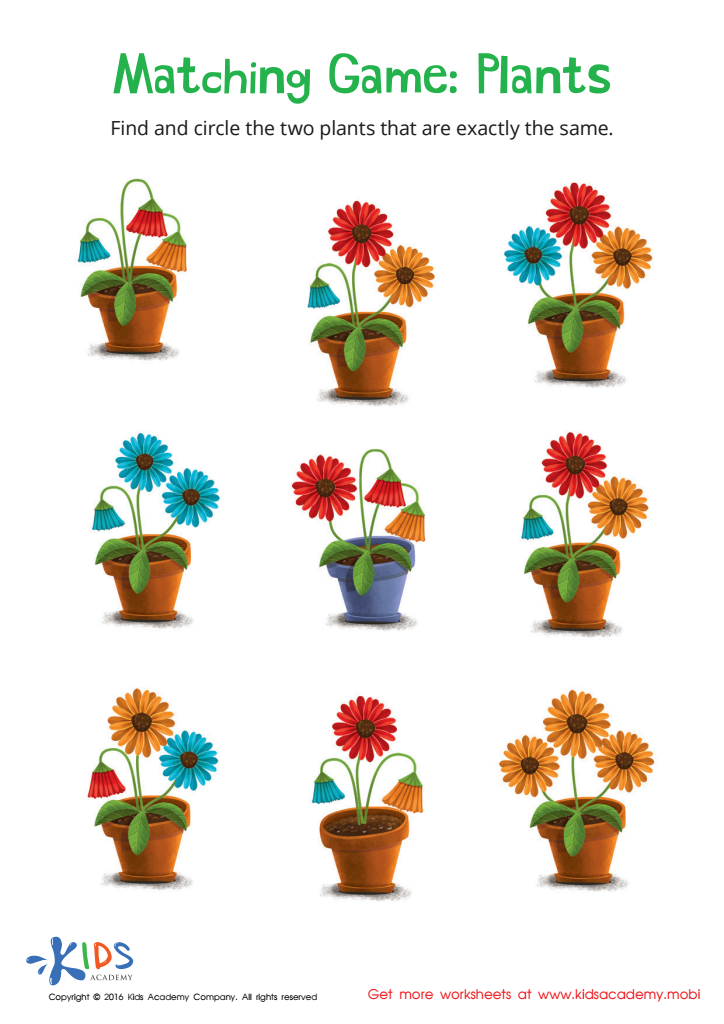
Matching: Plants Worksheet
 Assign to My Students
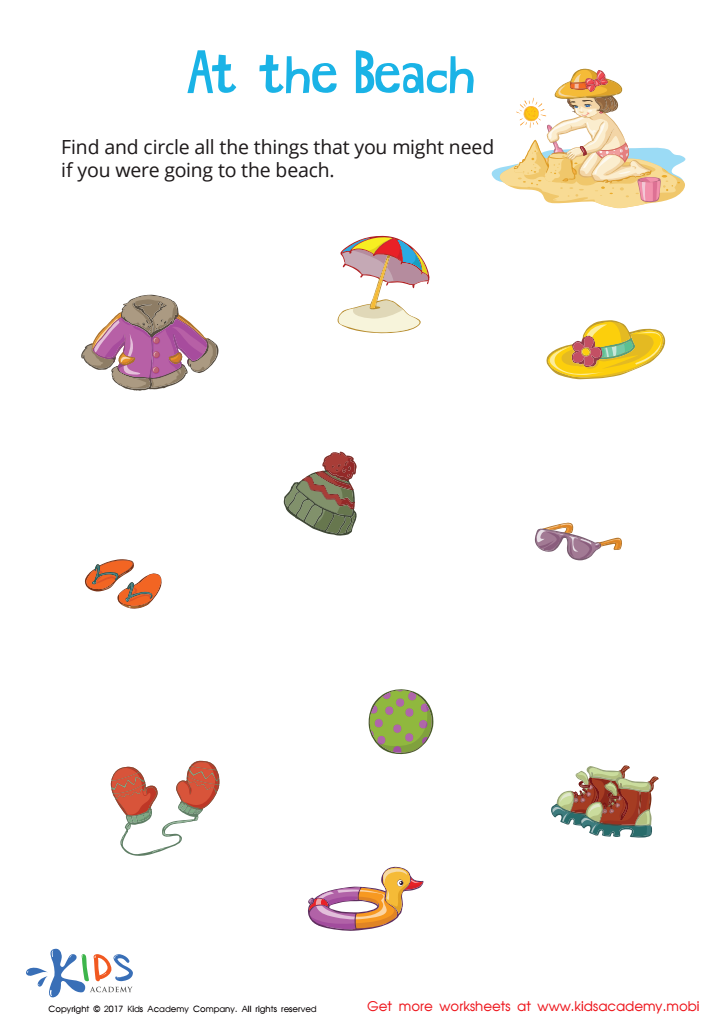
At the Beach Sorting Worksheet
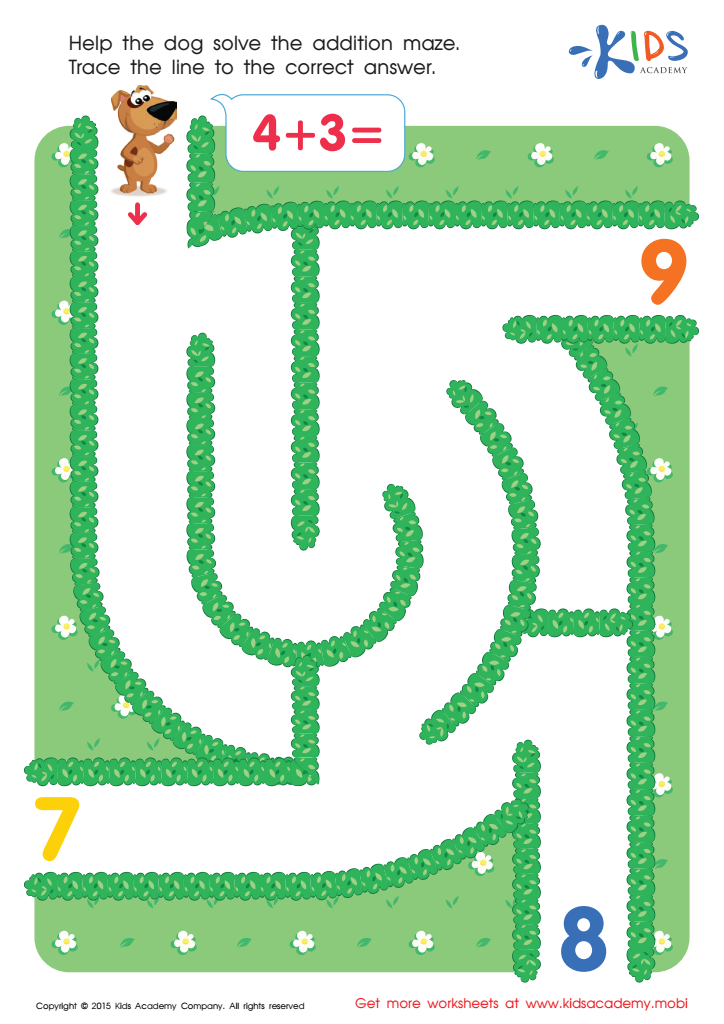
Addition Four And Three Worksheet




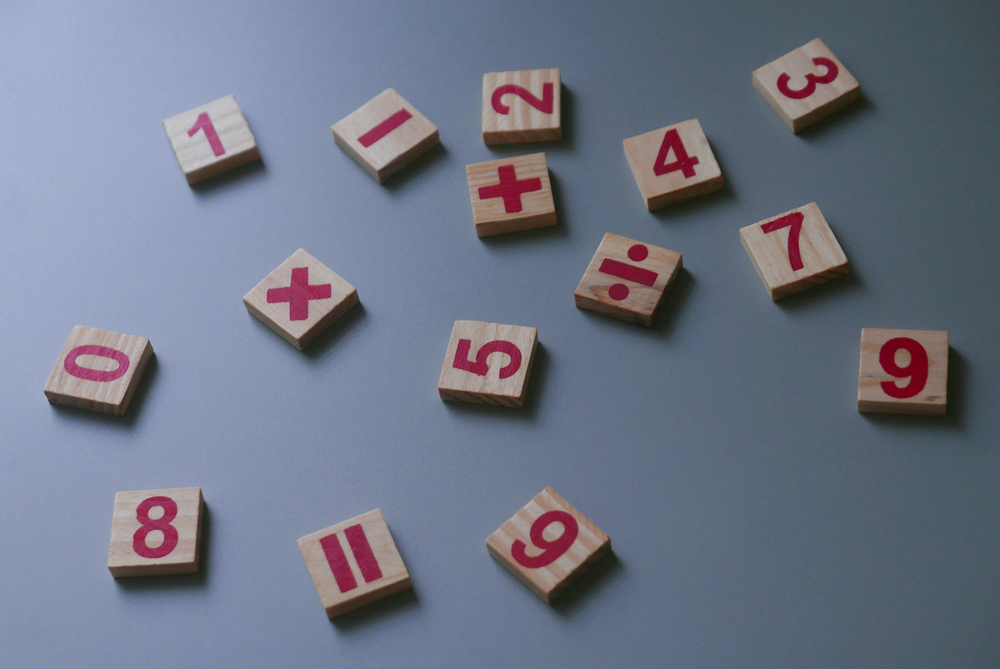



Mathematics serves as a critical building block for cognitive development in children ages 3-7. At this formative stage, engaging with math enhances their number sense, pattern recognition, and problem-solving skills, which are foundational for future academic success. Exposure to basic math concepts like counting, addition, subtraction, shapes, and measurements also fosters logical thinking and reasoning.
Parents and teachers should recognize that early math skills are closely linked to later academic achievement in multiple subjects, not just mathematics. Children who grasp basic math concepts early are more likely to excel in reading and science due to the development of analytical skills. Furthermore, early competence in math can boost children's confidence and curiosity, making them more enthusiastic learners.
Incorporating math in playful and hands-on activities enhances learning experiences and helps children perceive math as fun and relevant to daily life. Simple activities such as counting objects, playing sorting games, or recognizing shapes in the environment can easily integrate math into a child's routine.
Finally, early mathematical understanding paves the way for a smoother transition to more advanced concepts, positioning children for long-term academic and career success. Investing time in early math education sets the stage for lifelong critical thinking and problem-solving abilities, crucial in today’s increasingly complex world.








