Physical Science Worksheets for Ages 3-7 - Page 3
65 filtered results
-
From - To
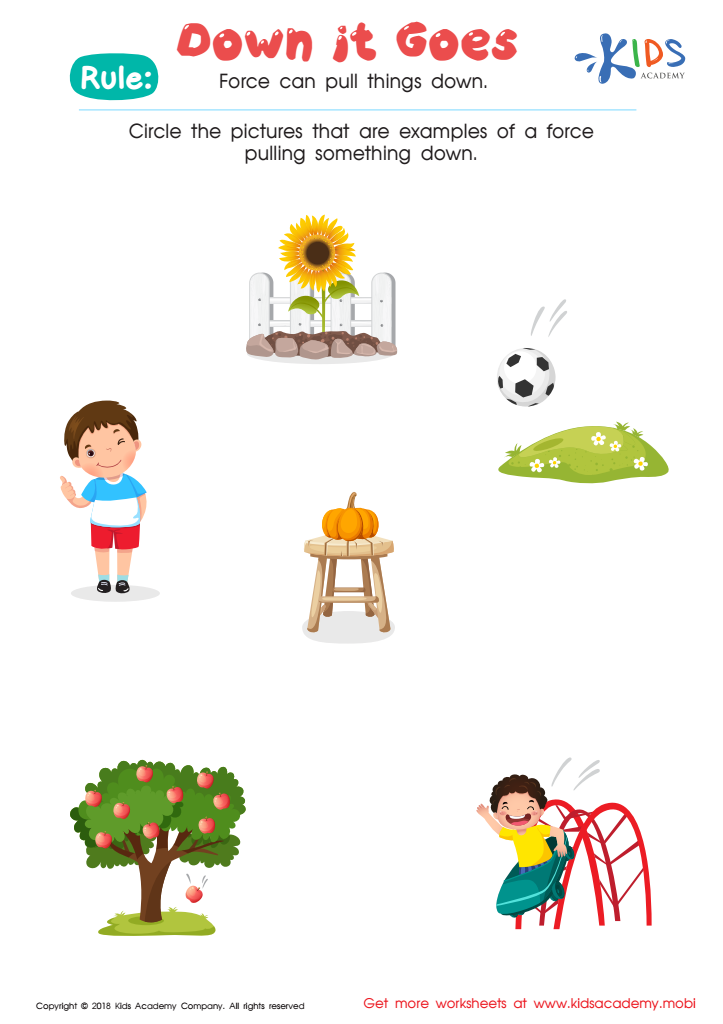
Down it Goes Worksheet
 Assign to My Students
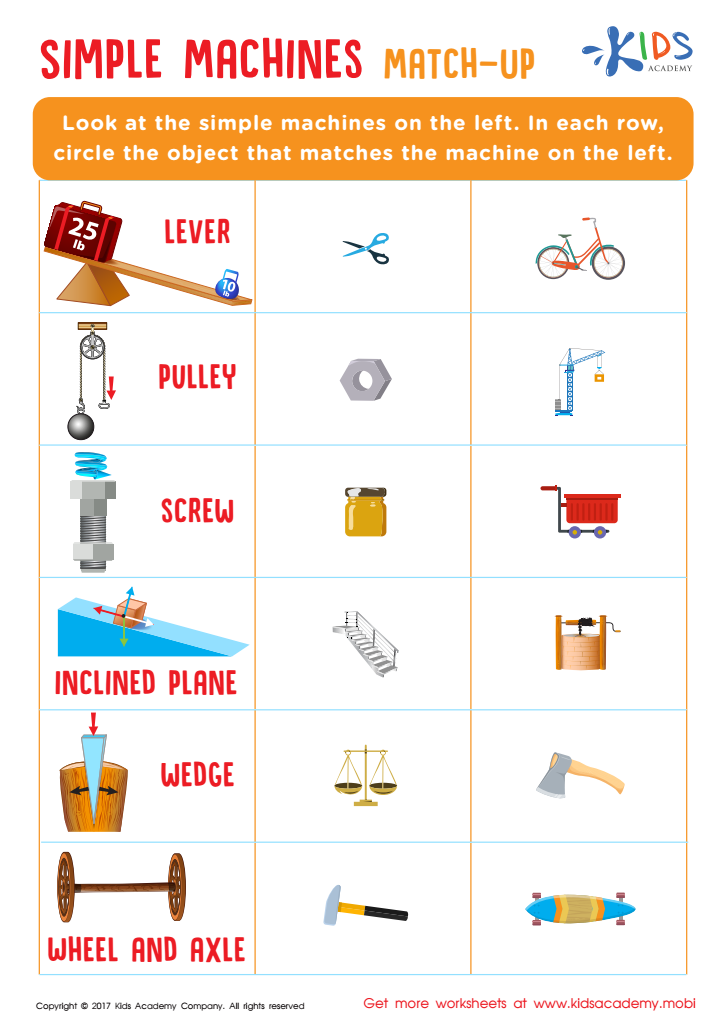
Simple Machines Worksheet
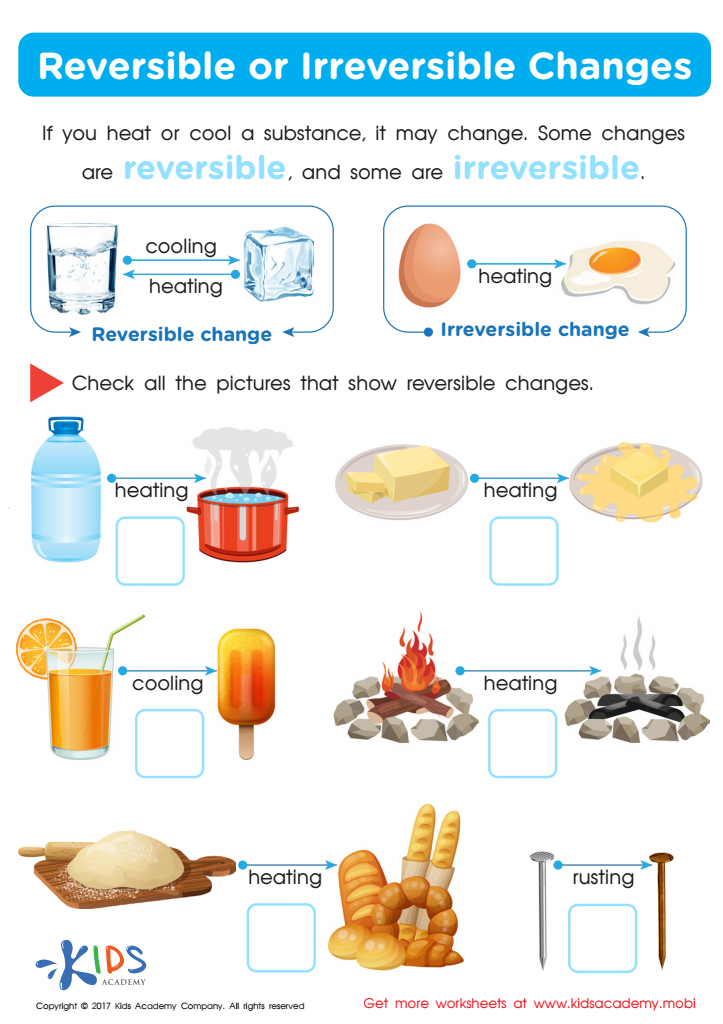
Reversible Irreversible Changes Worksheet
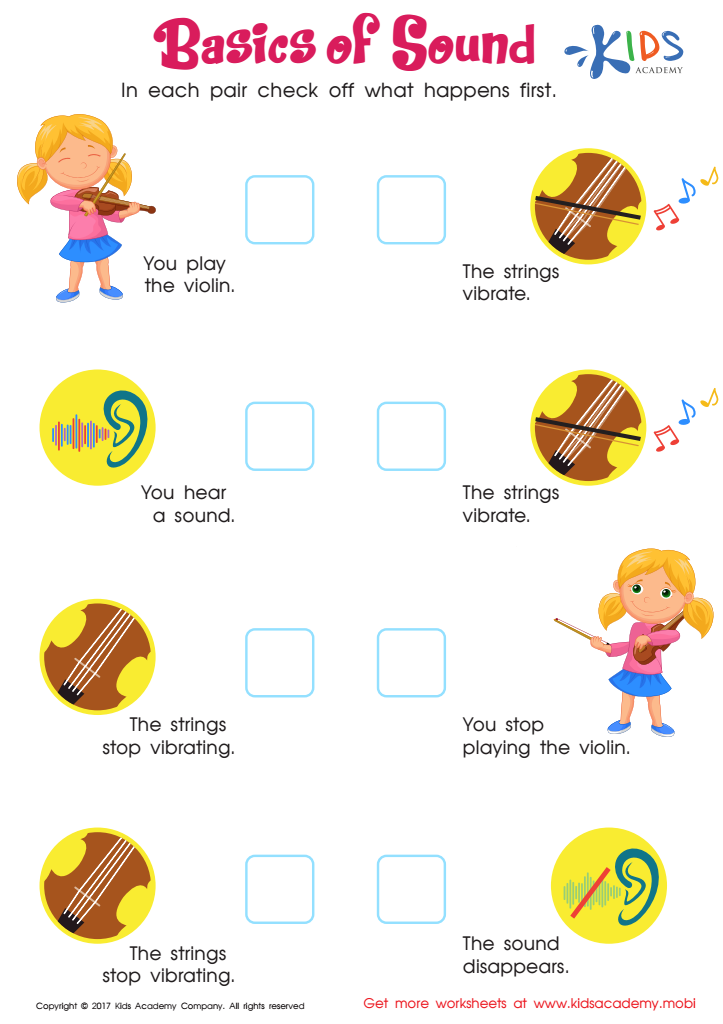
Basics Of Sound Worksheet
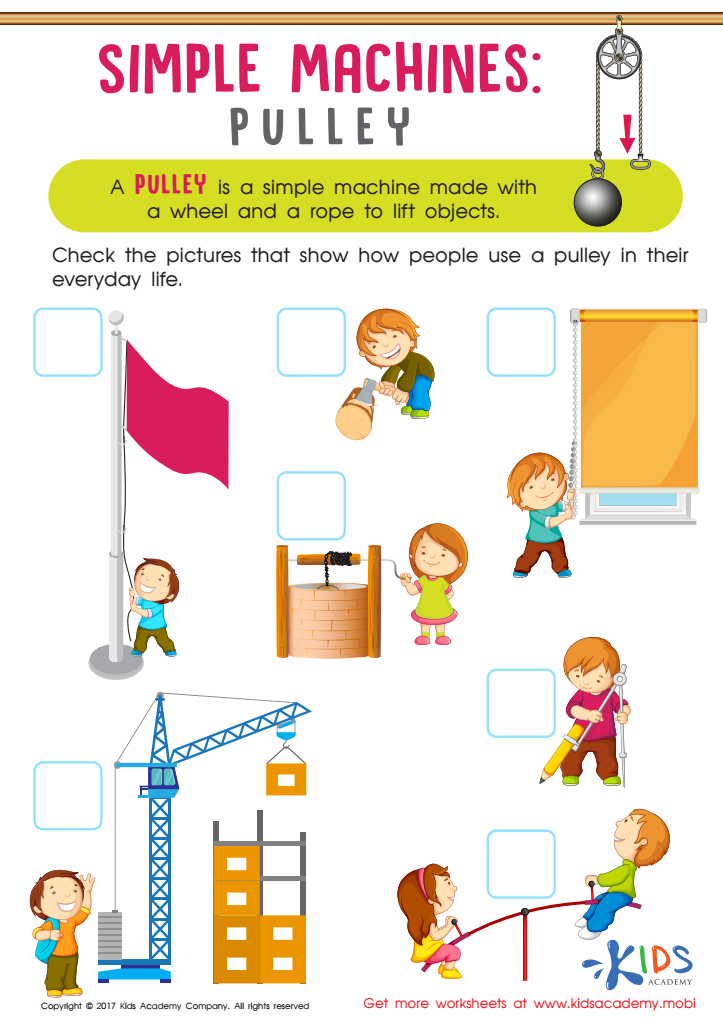
Simple Machines Pulley Worksheet
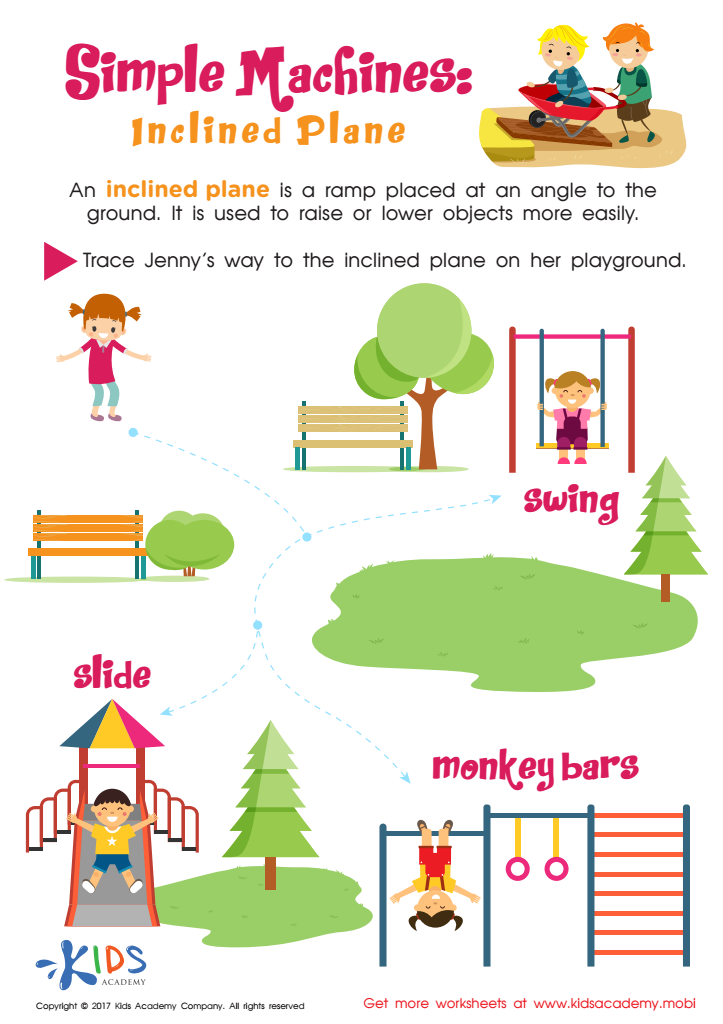
Simple Machines Inclined Plane Worksheet
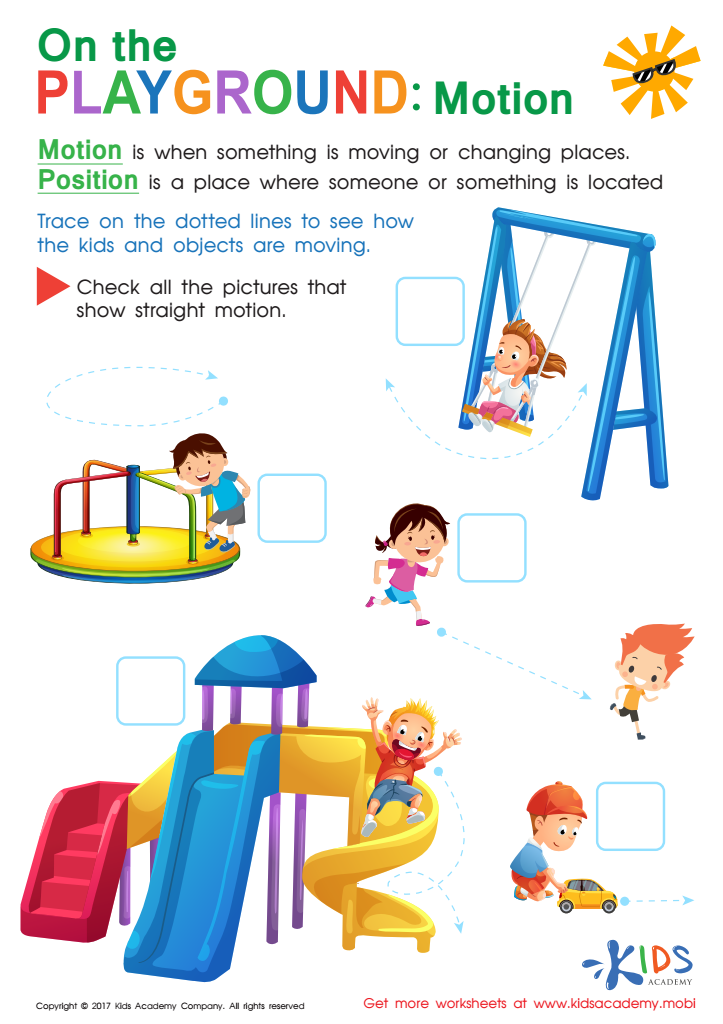
Position and Motion Worksheet
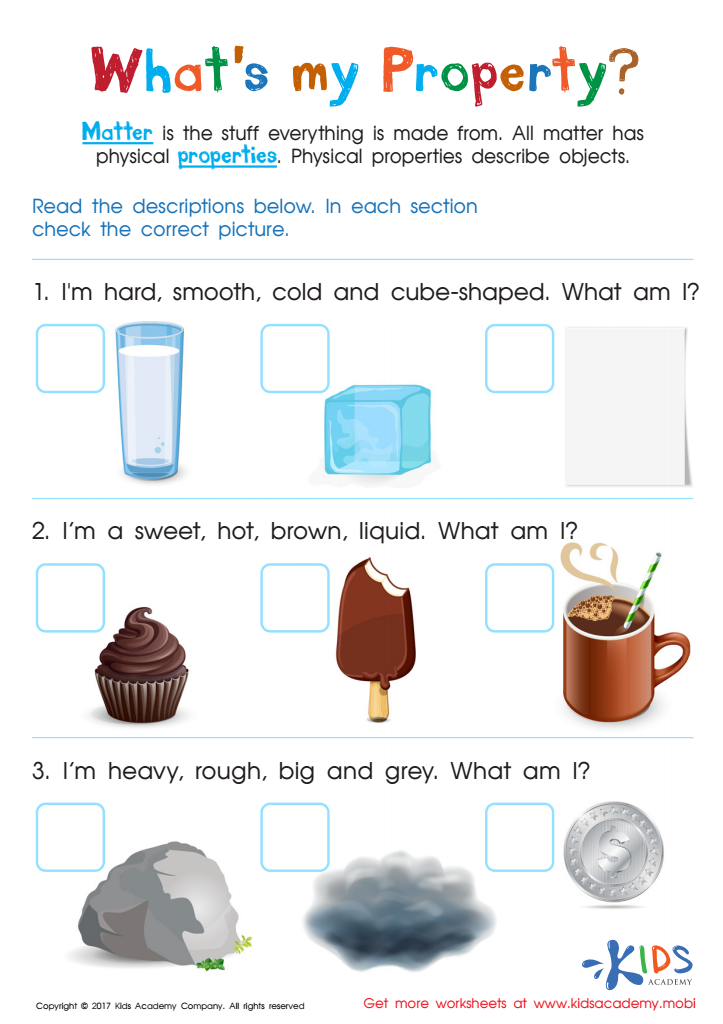
Physical Properties Of Matter Worksheet
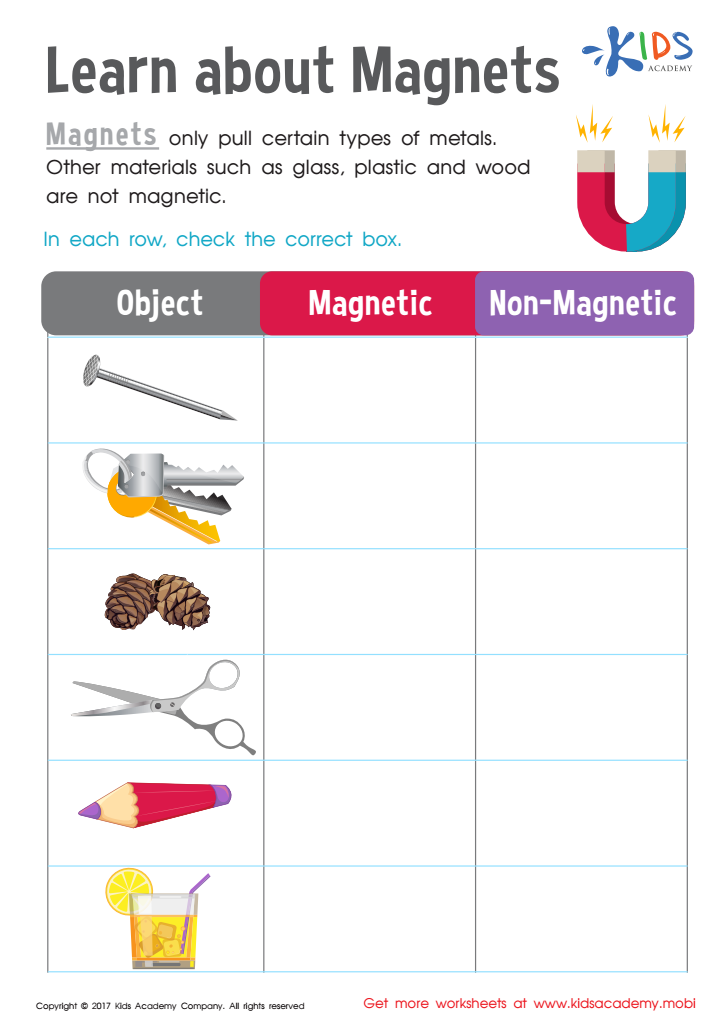
Magnetic Or Not Worksheet
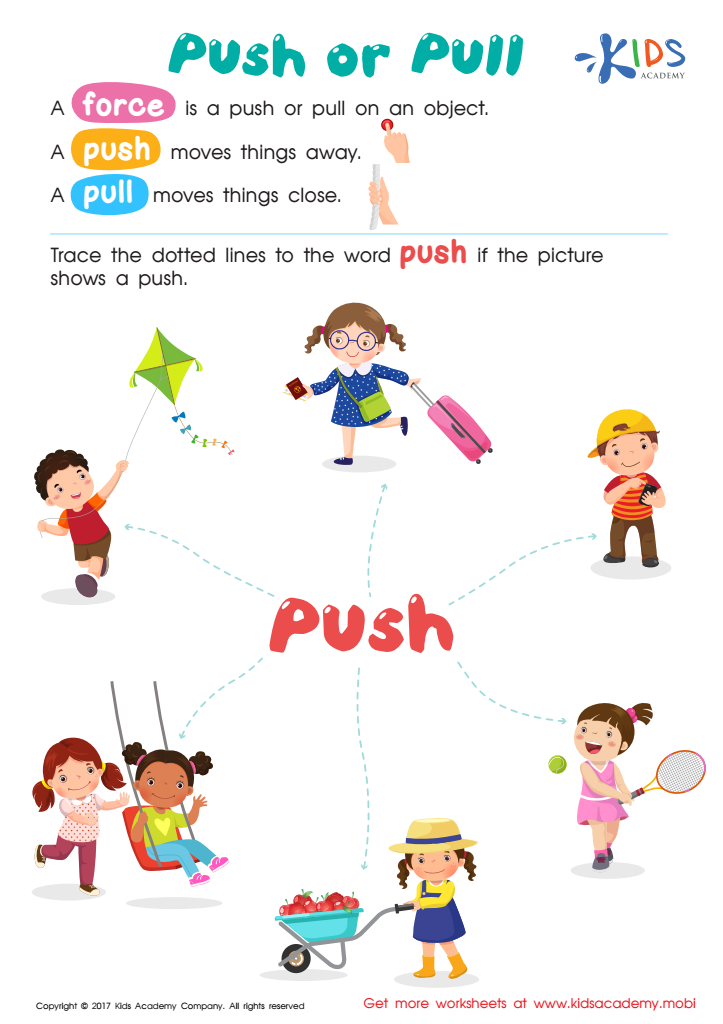
Push or Pull Worksheet
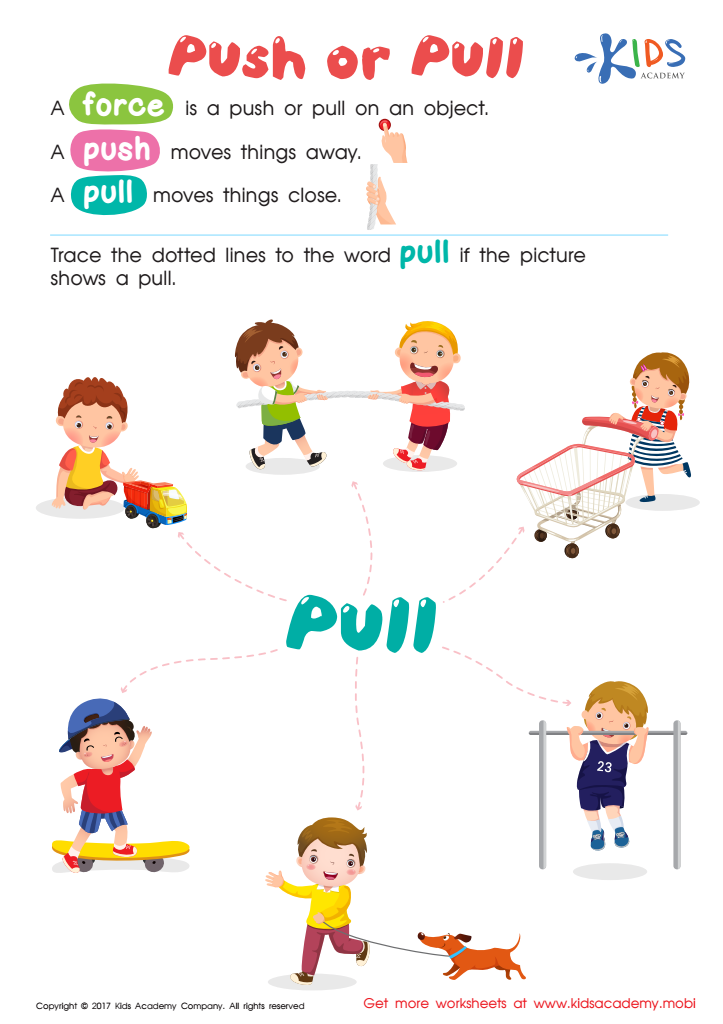
Pull or Push Worksheet
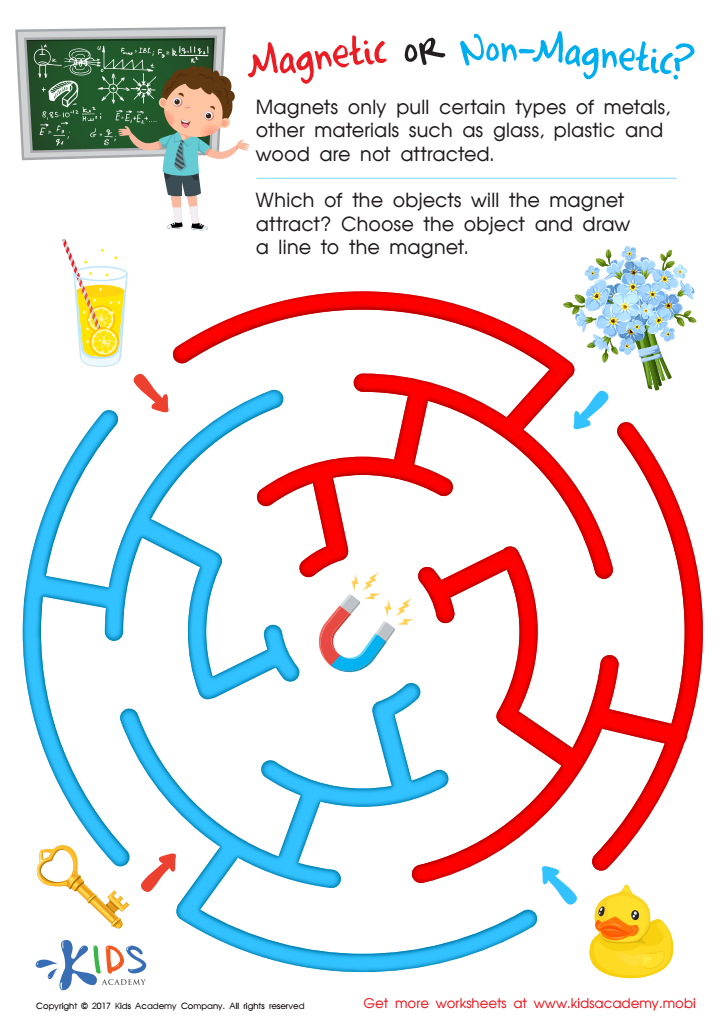
Magnetic or Non–Magnetic Worksheet
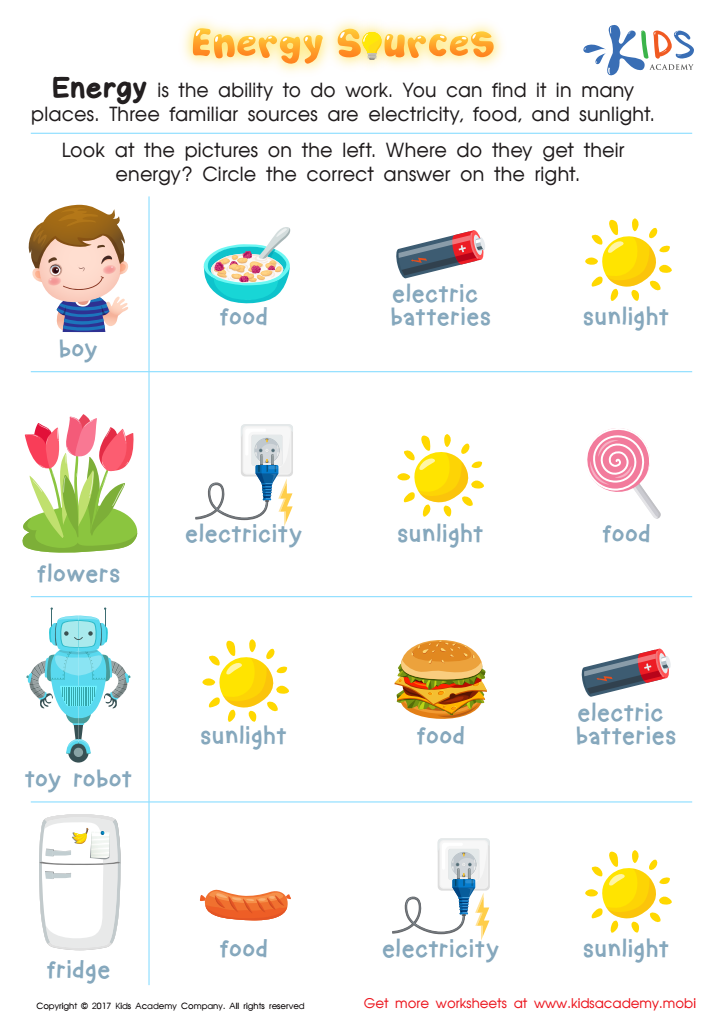
Energy Sources Printable
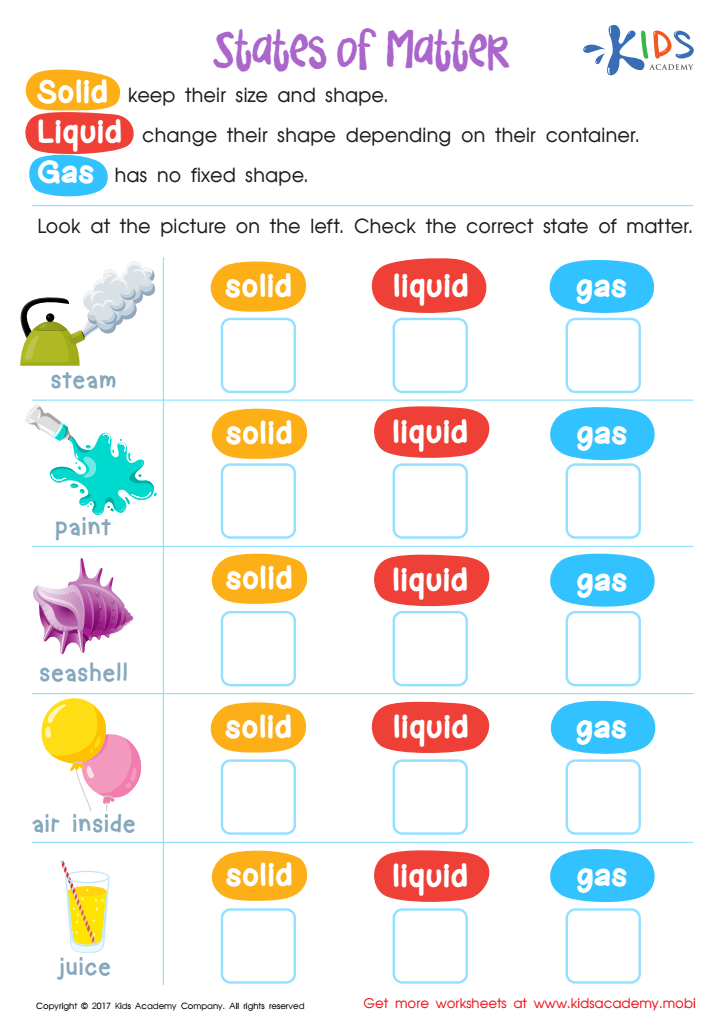
Physical Science: States of Matter Worksheet
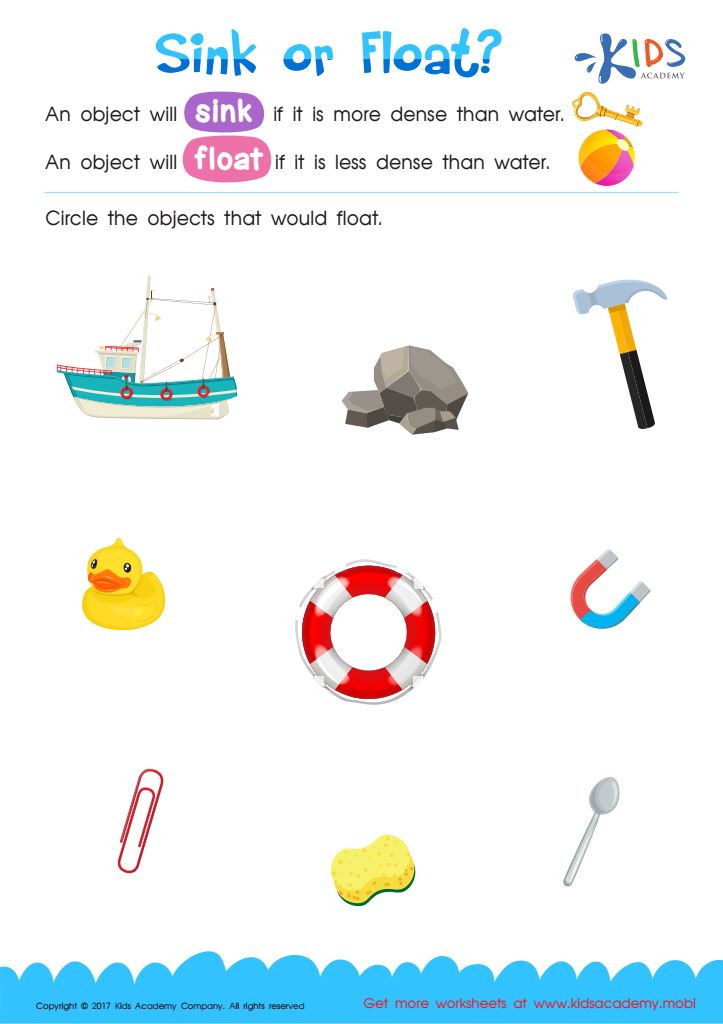
Sink or Float Printable
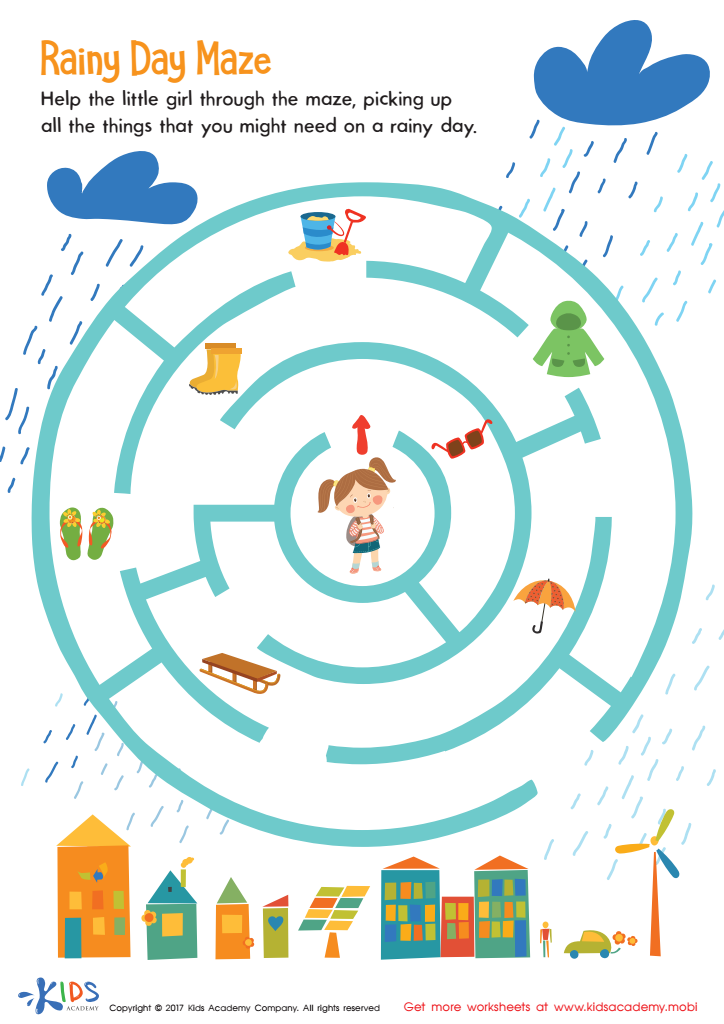
Rainy Day Maze Worksheet
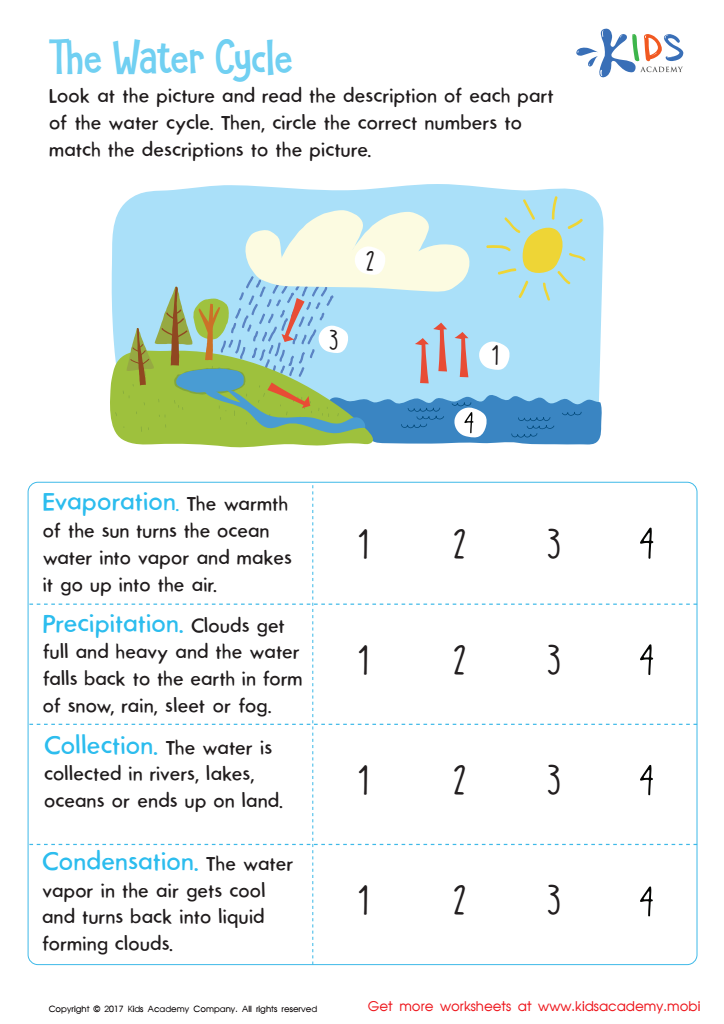
The Water Cycle Worksheet







Parents and teachers should care about physical science for children aged 3-7 because it lays the foundation for critical thinking and curiosity. At this young age, children are naturally inquisitive, constantly asking "why?" and "how?" Engaging them in physical science not only satisfies their curiosity but also cultivates their desire to explore and understand the world around them.
Understanding basic concepts of physical science helps young children make sense of everyday phenomena, from why objects fall to the ground to how magnets work. Simple experiments, such as mixing colors or observing how things move, stimulate creativity and imagination, enhancing their problem-solving abilities.
Moreover, introducing fundamental scientific principles fosters a love for learning and an appreciation for inquiry-based exploration. This instills confidence and enthusiasm for future scientific learning. It also supports the development of essential skills such as observation, comparison, and classification, which are vital across all areas of knowledge.
By integrating physical science early on, parents and teachers not only enrich children's educational experiences but also play a crucial role in nurturing the next generation of scientists, engineers, and critical thinkers, ultimately contributing to advancements in society.







